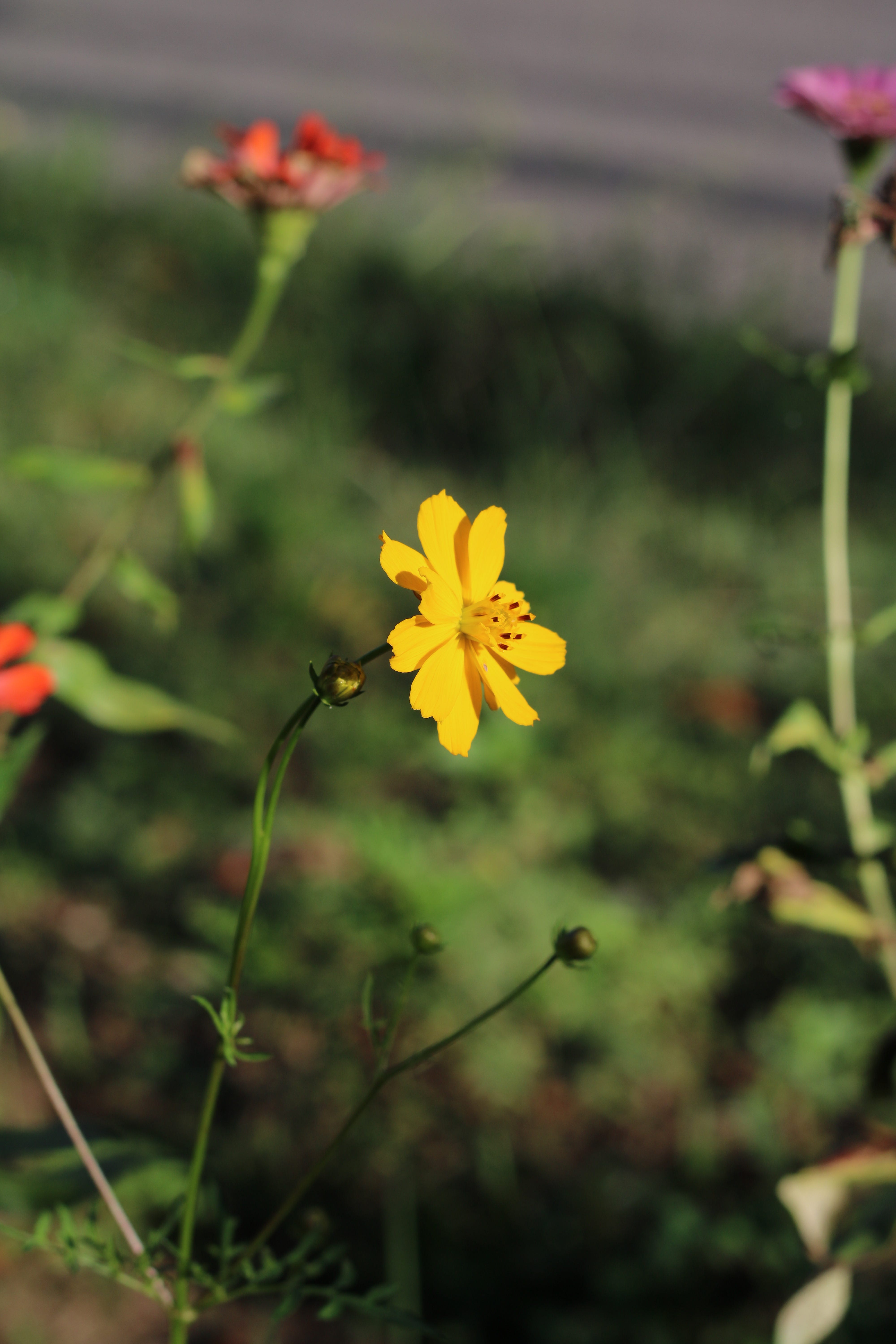
A Historic Day (First Ever Cosmos Bloom)

9-29-2025
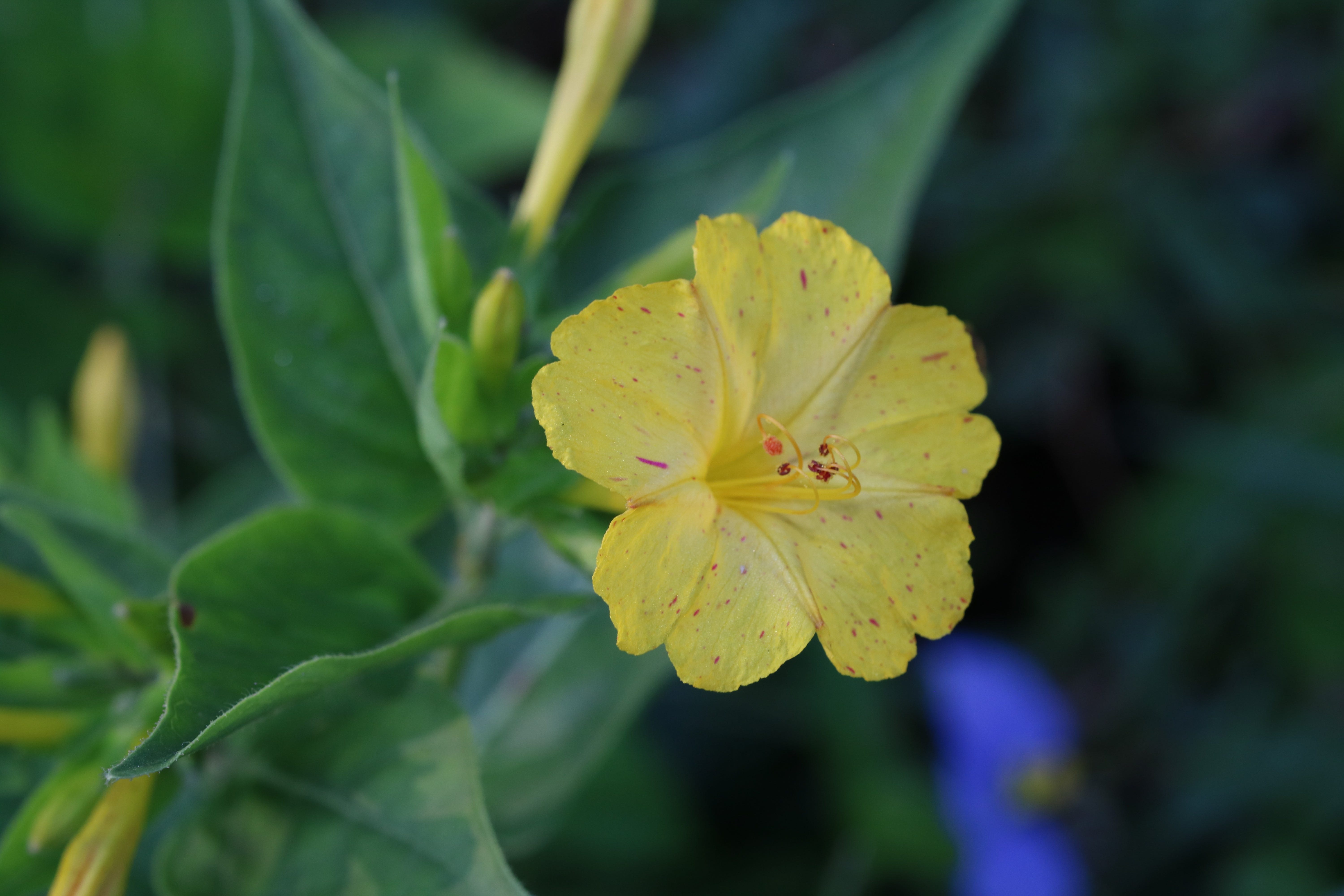
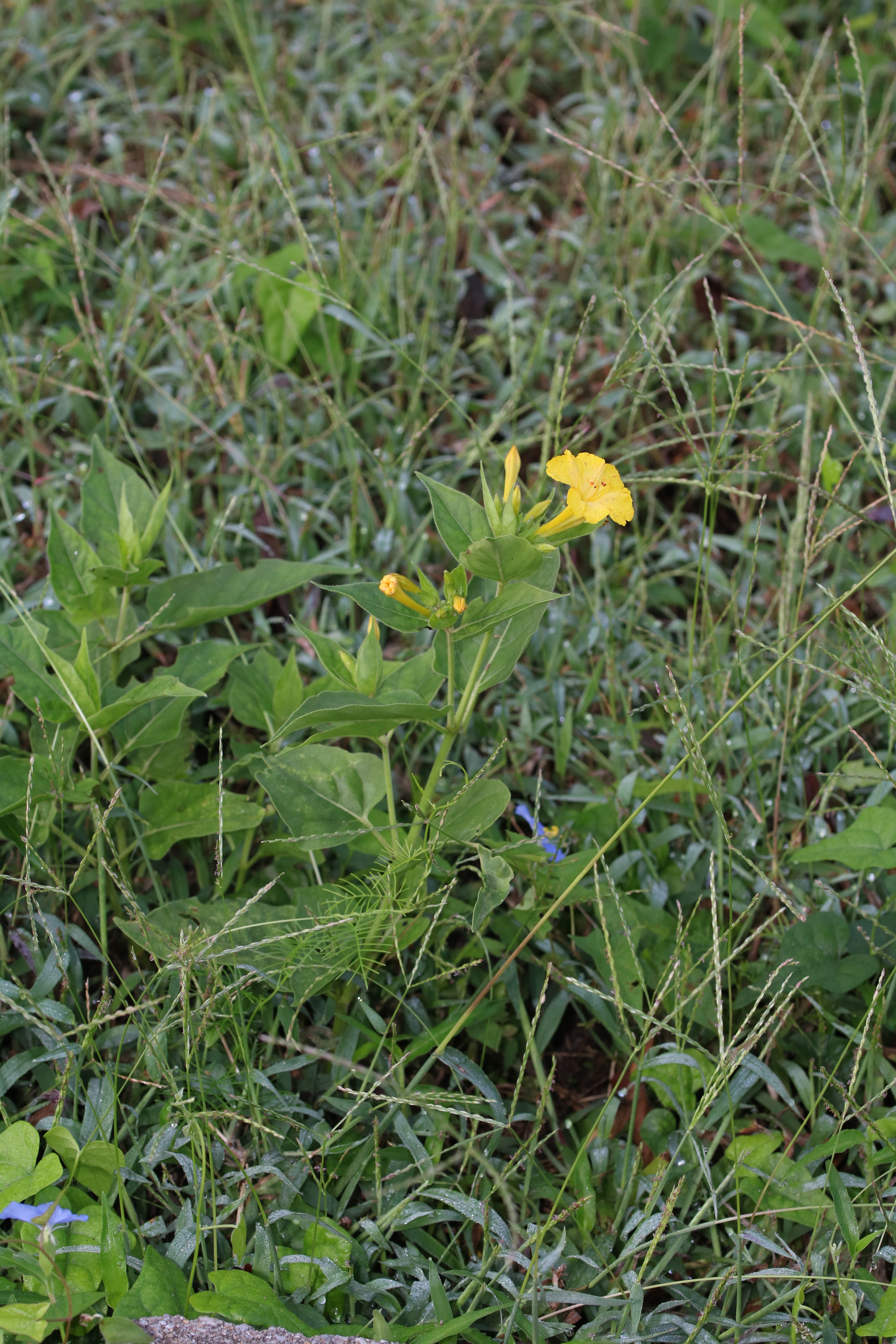
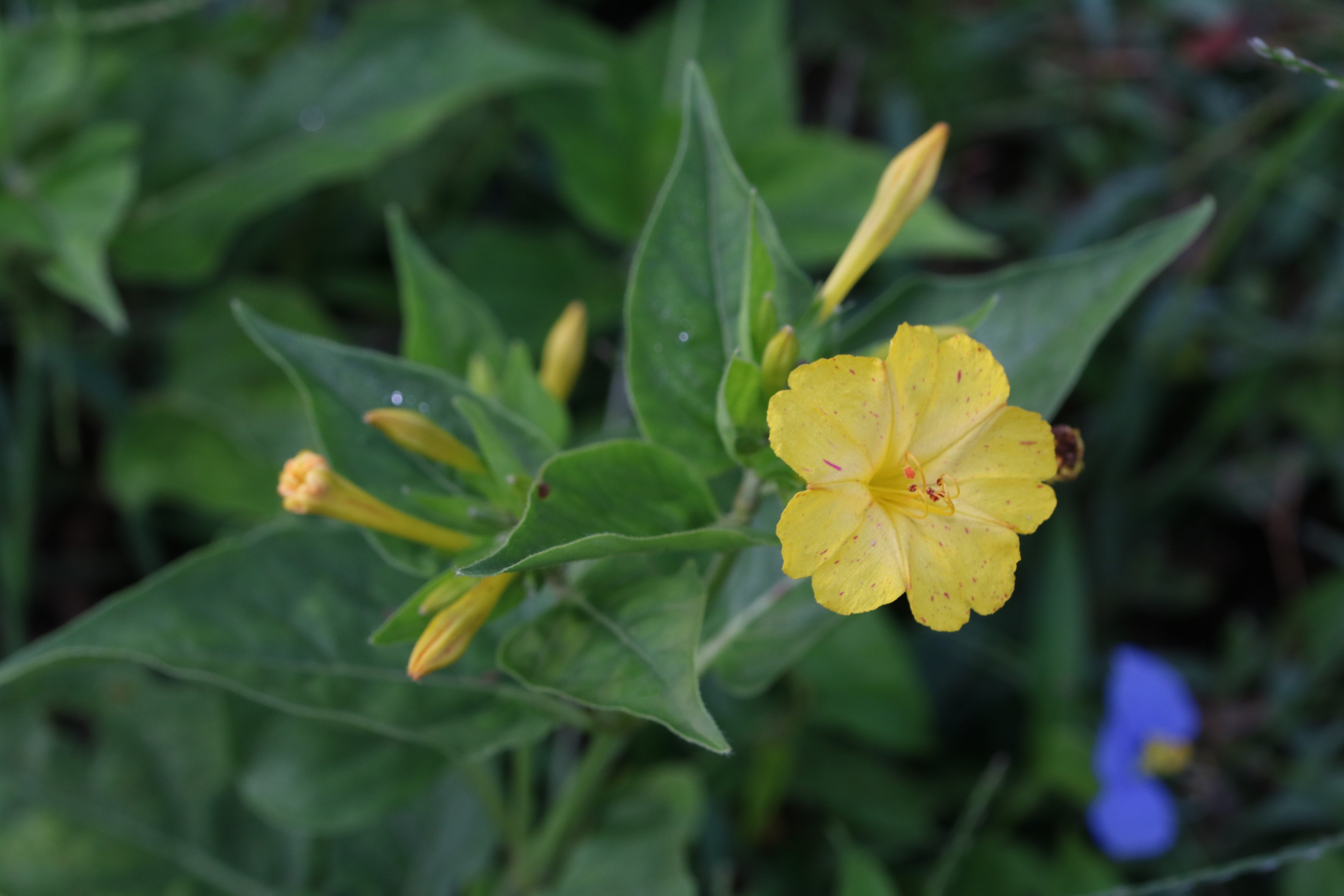
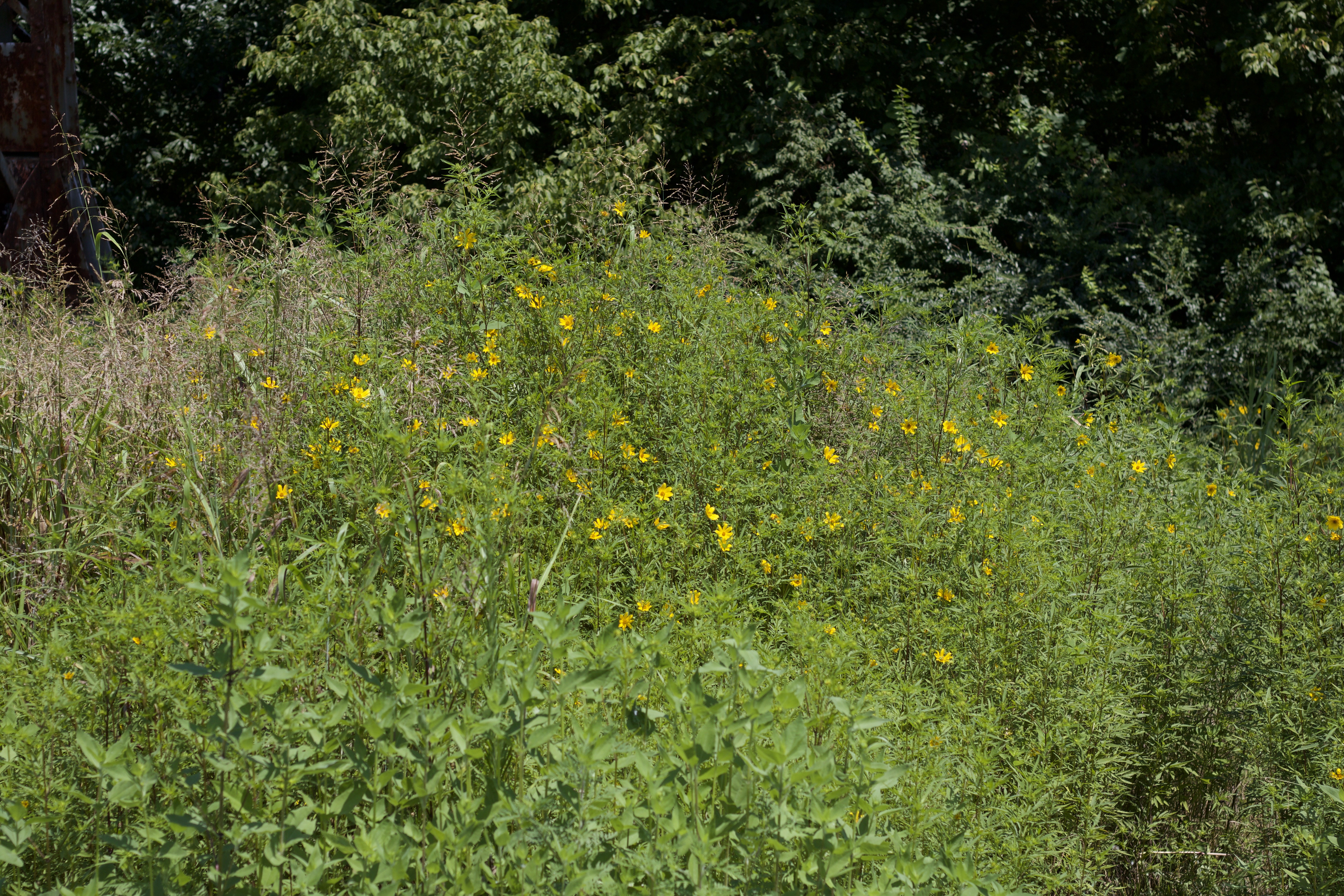
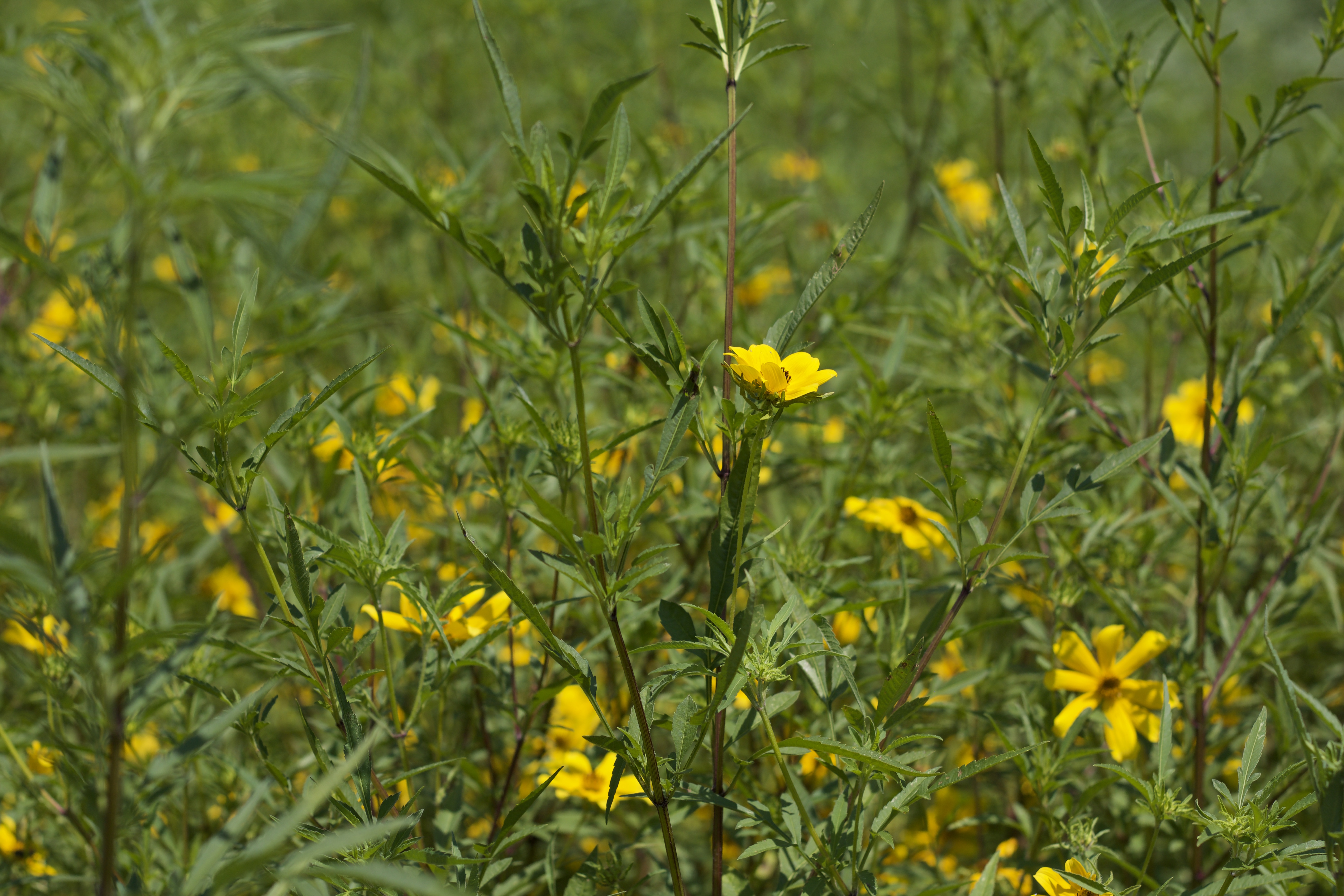
1st ever cosmos ever
Cosmos sulphureus

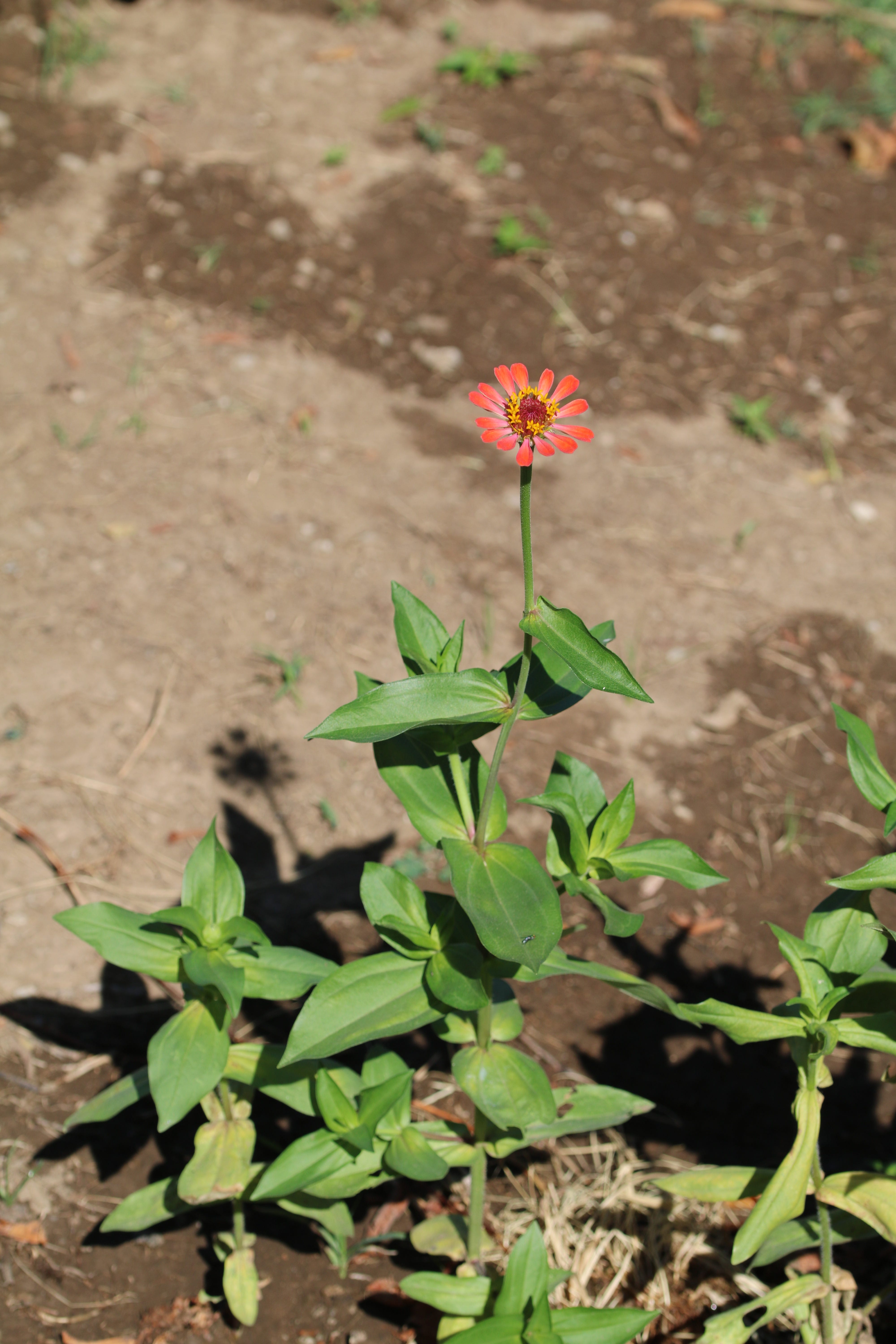
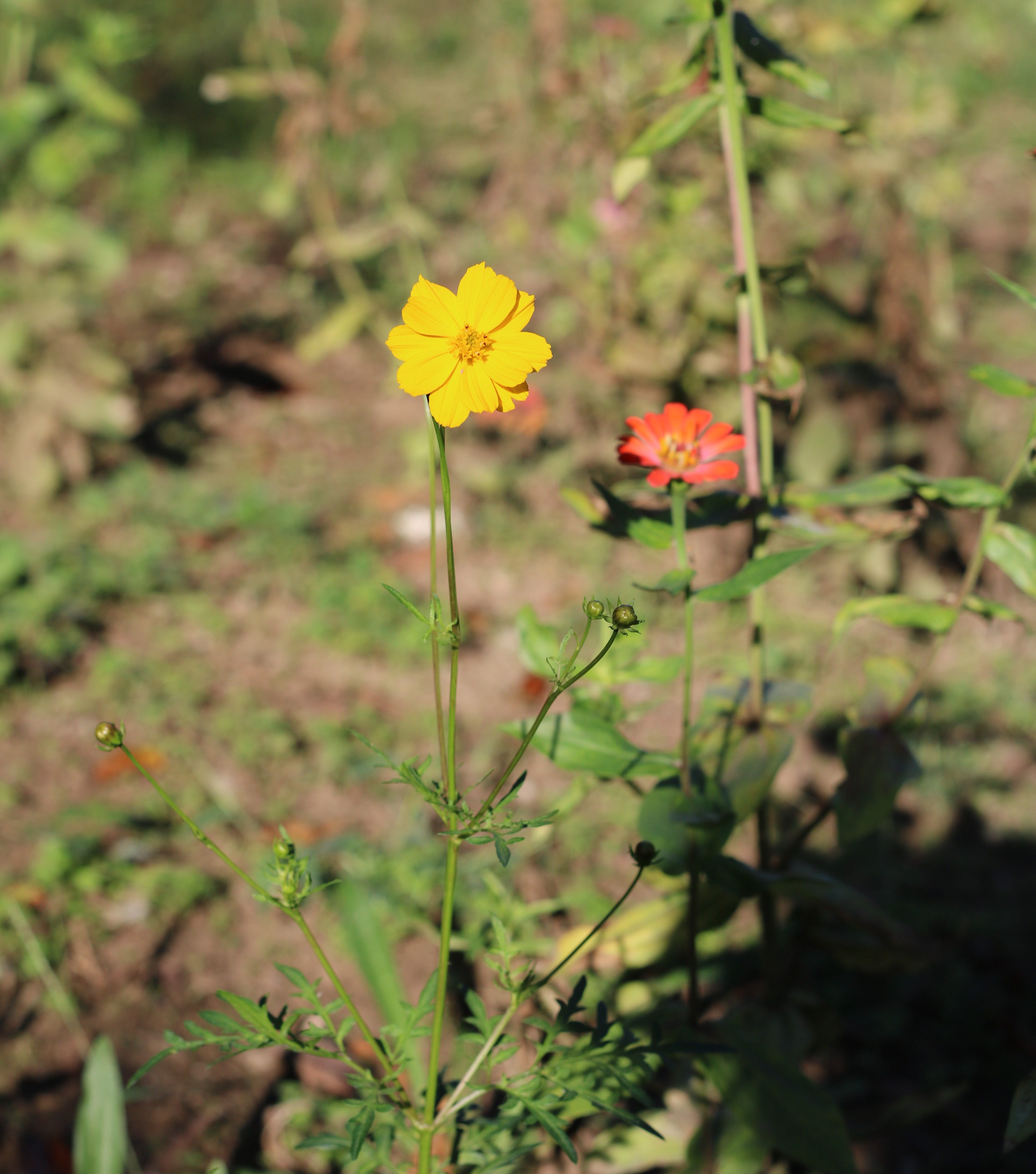
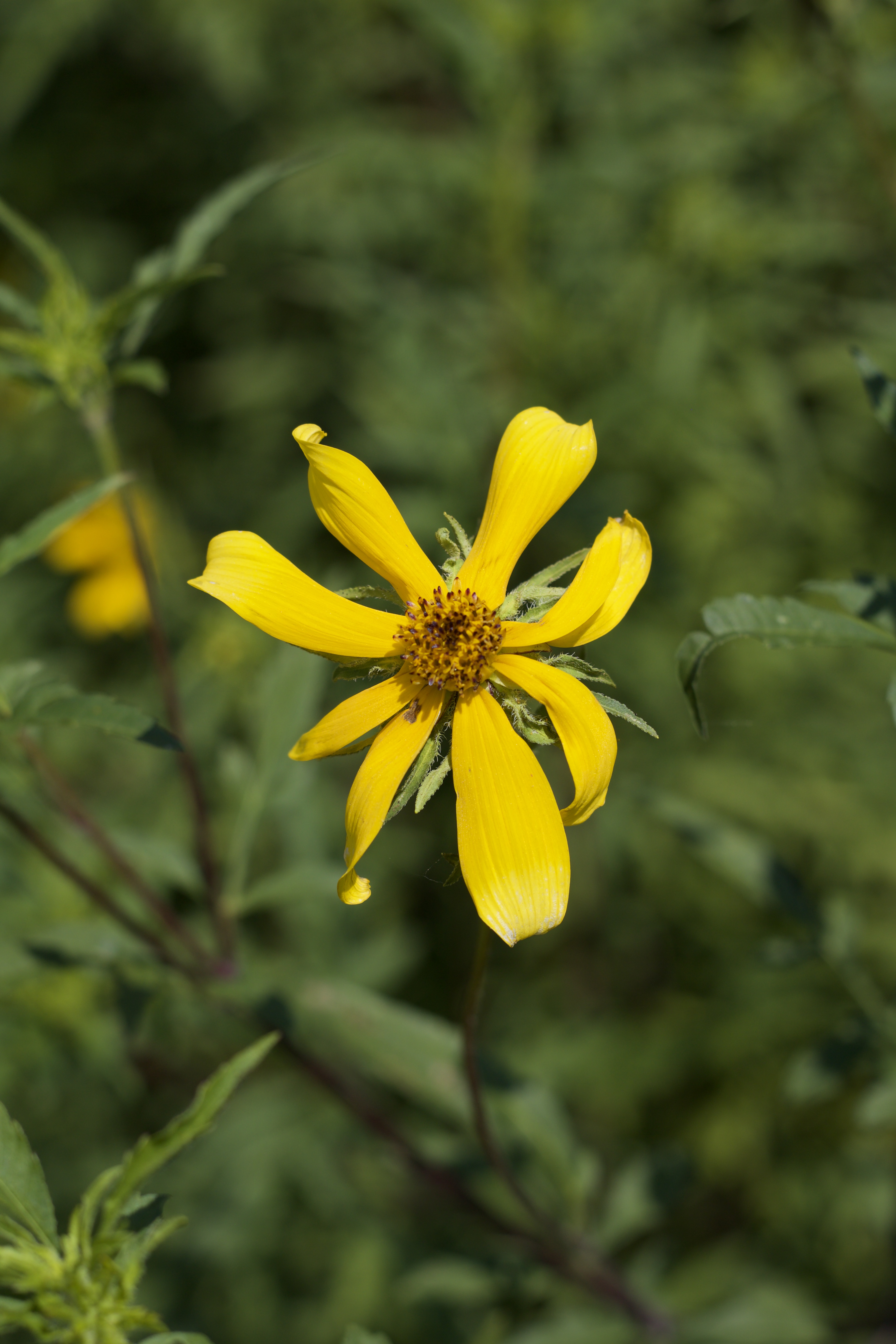
Here it is y’all. First ever cosmos bloom by the hands of Gardener Steve.

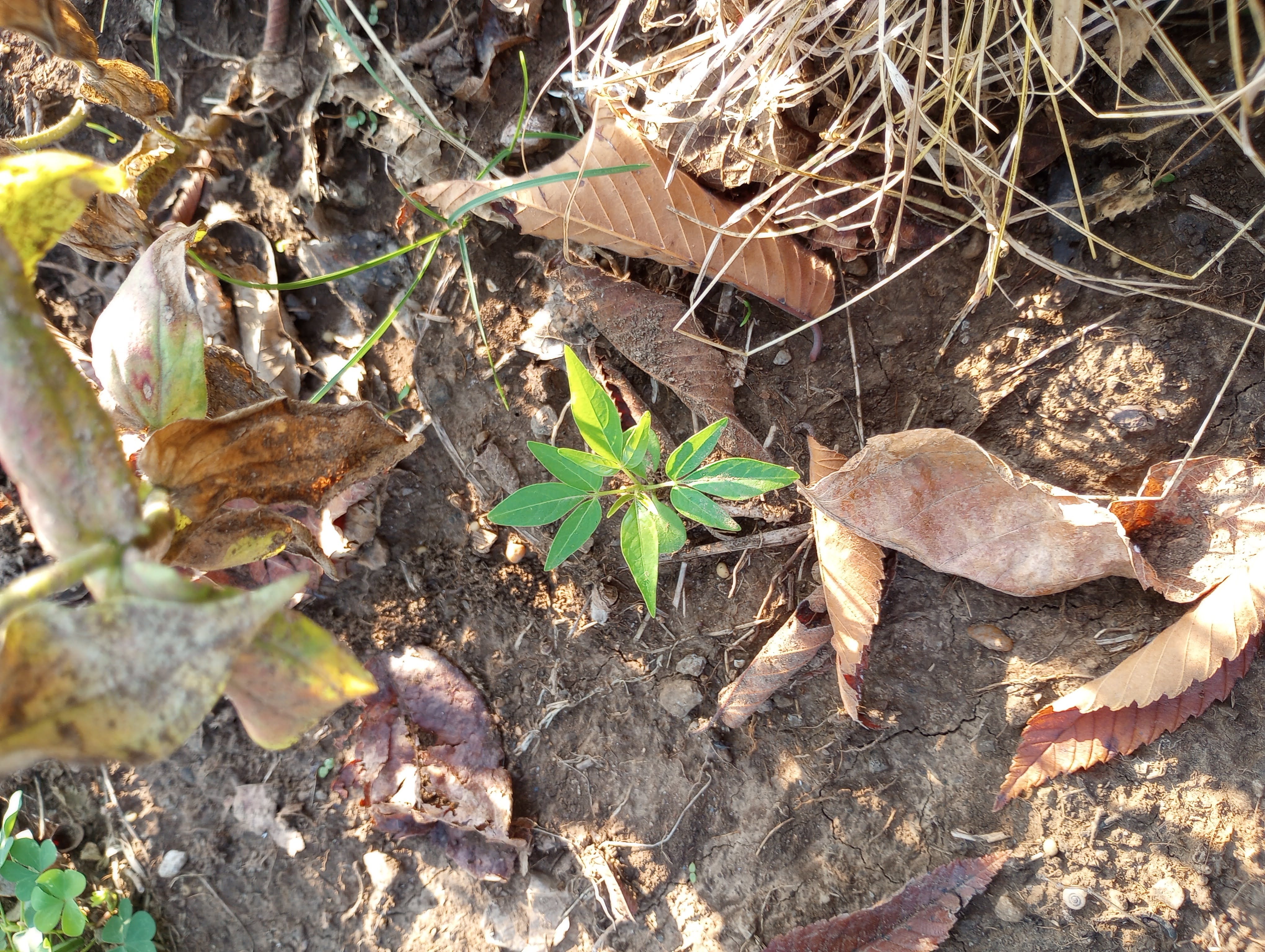
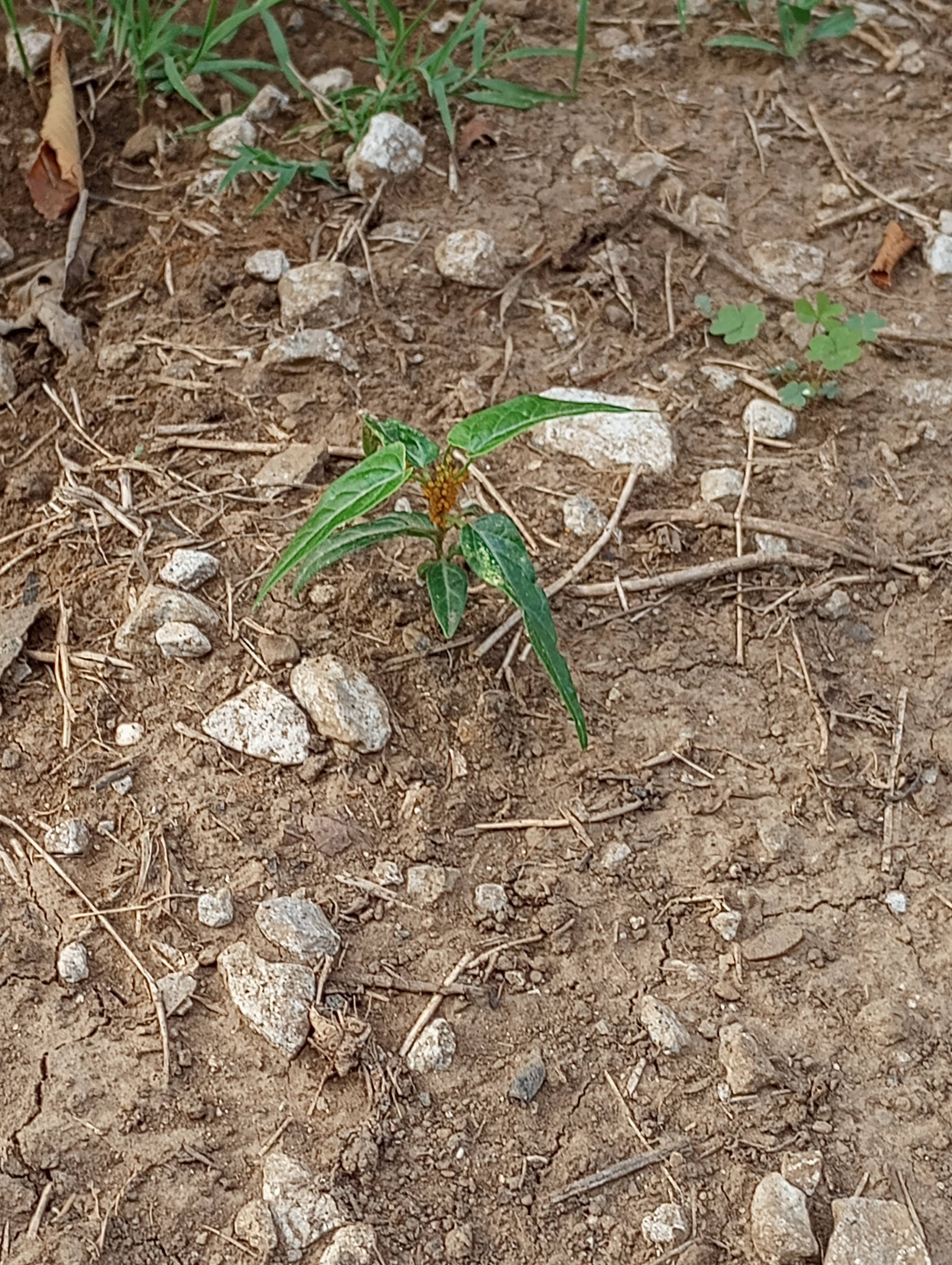
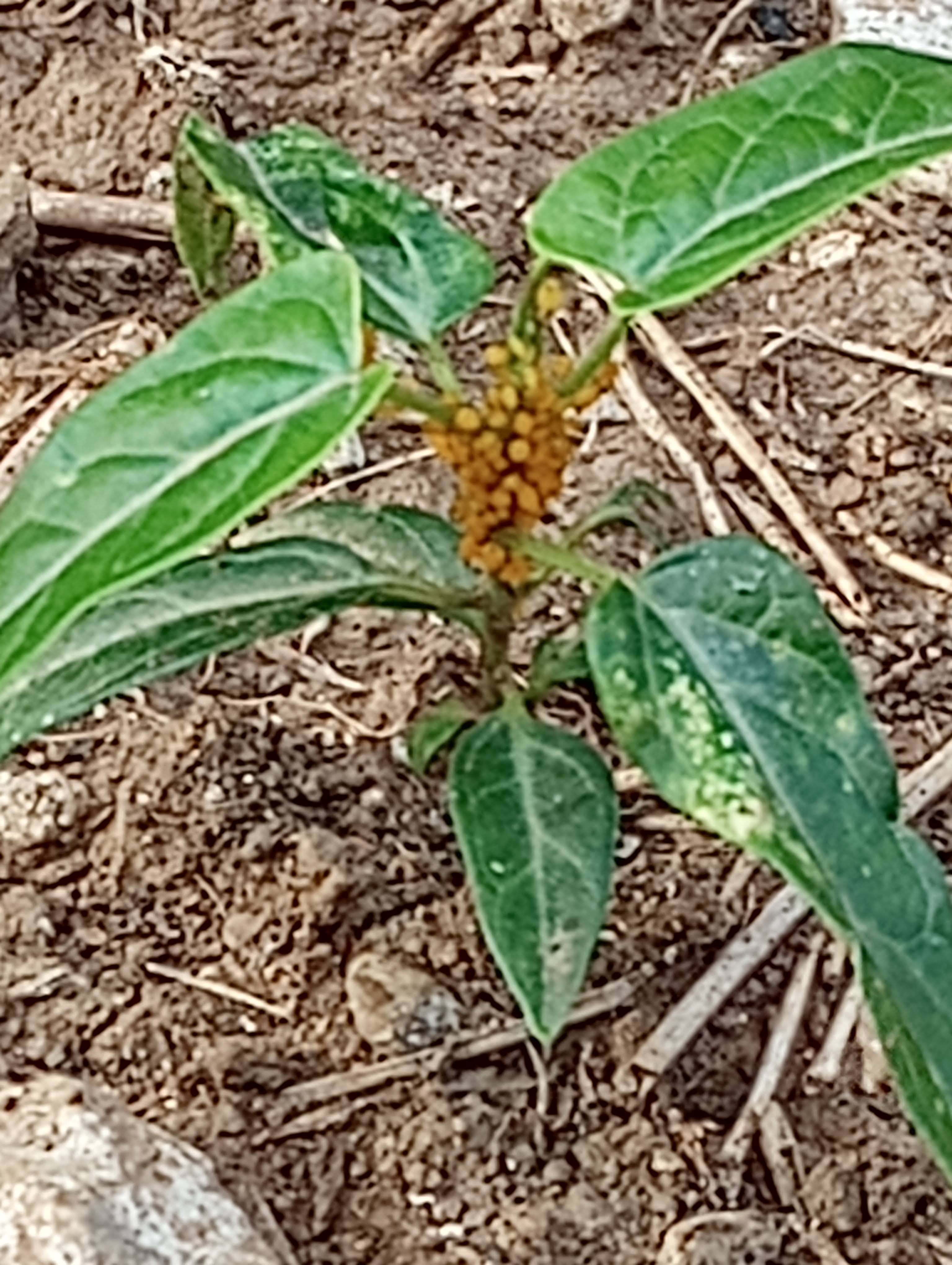
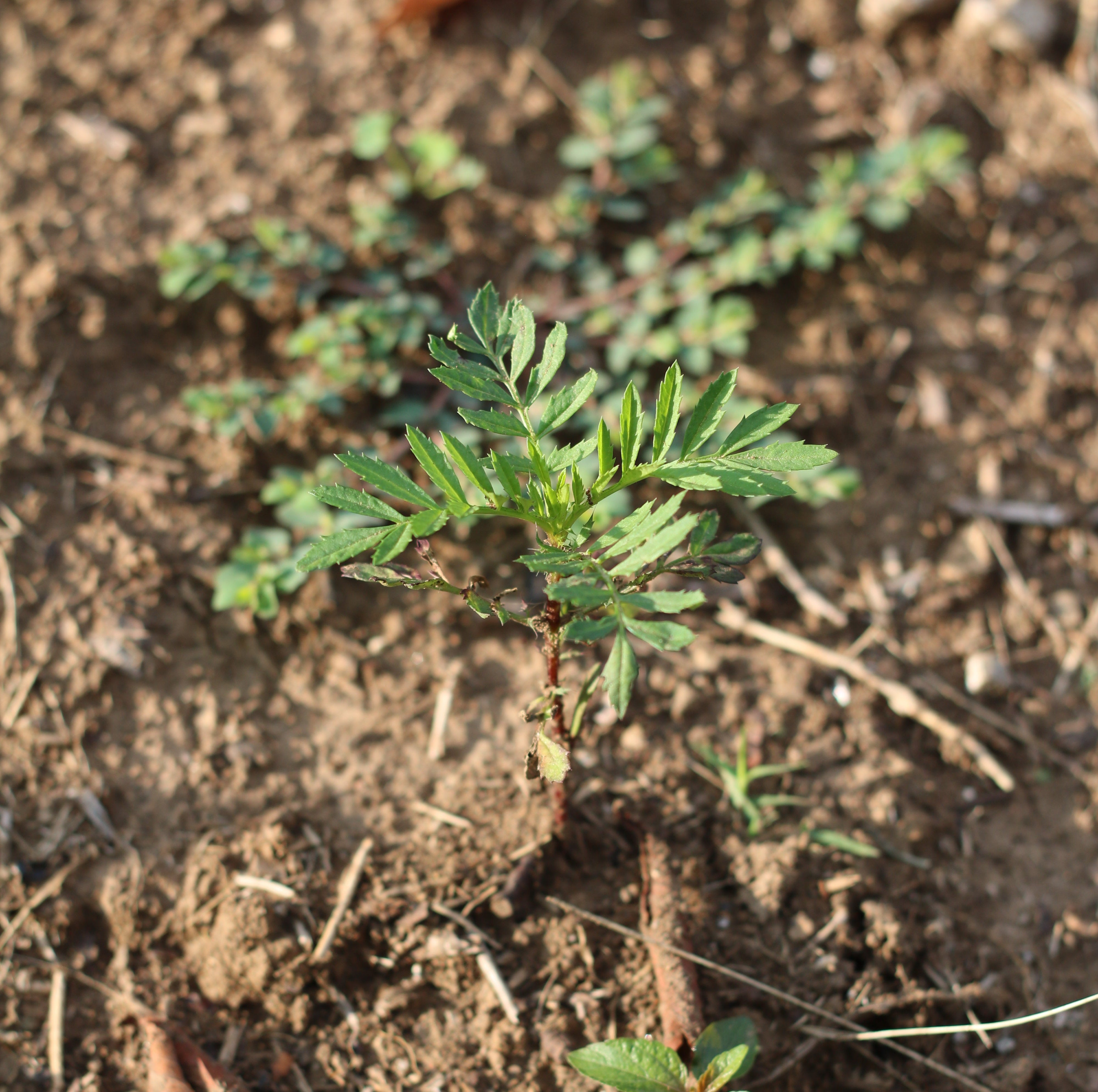
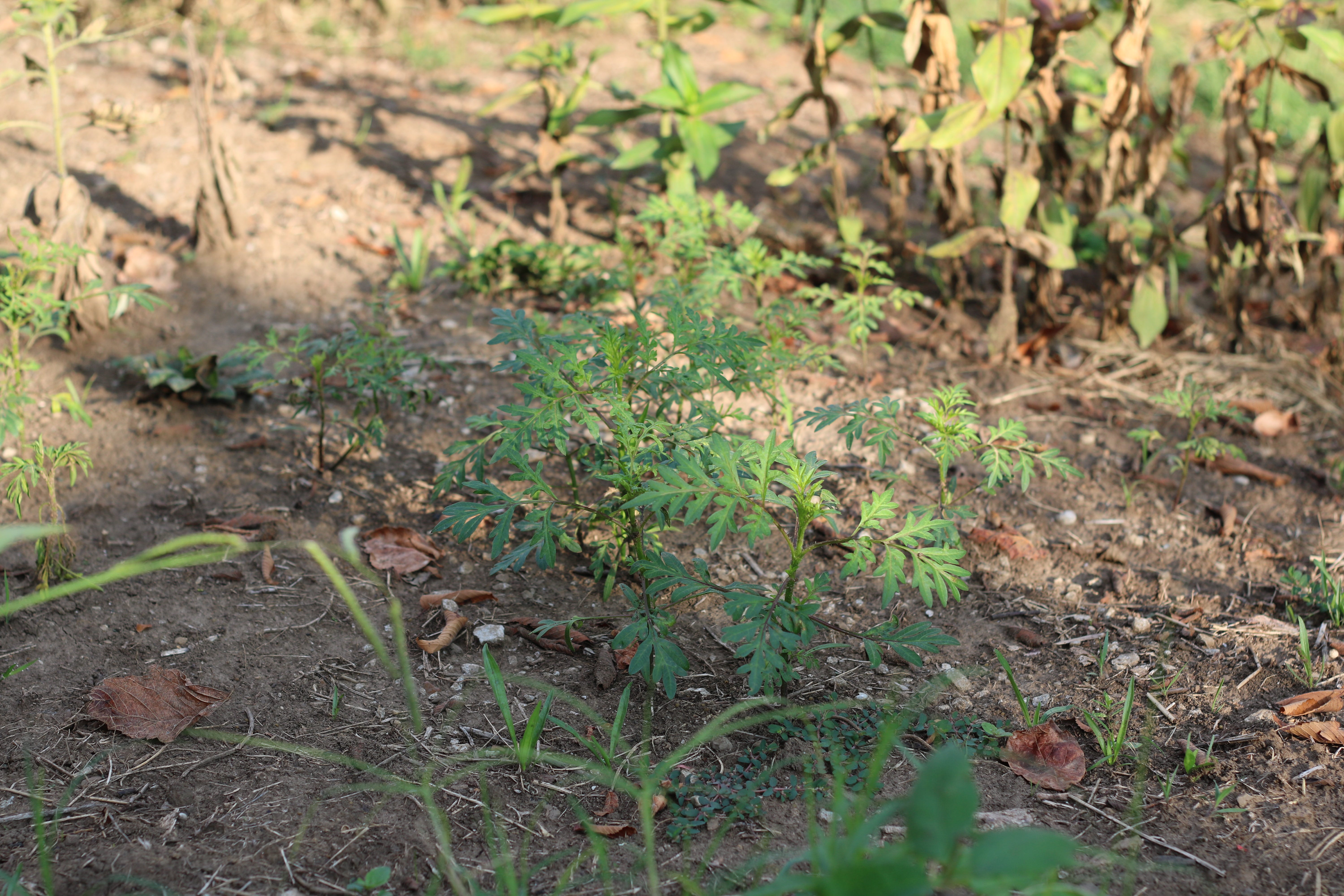
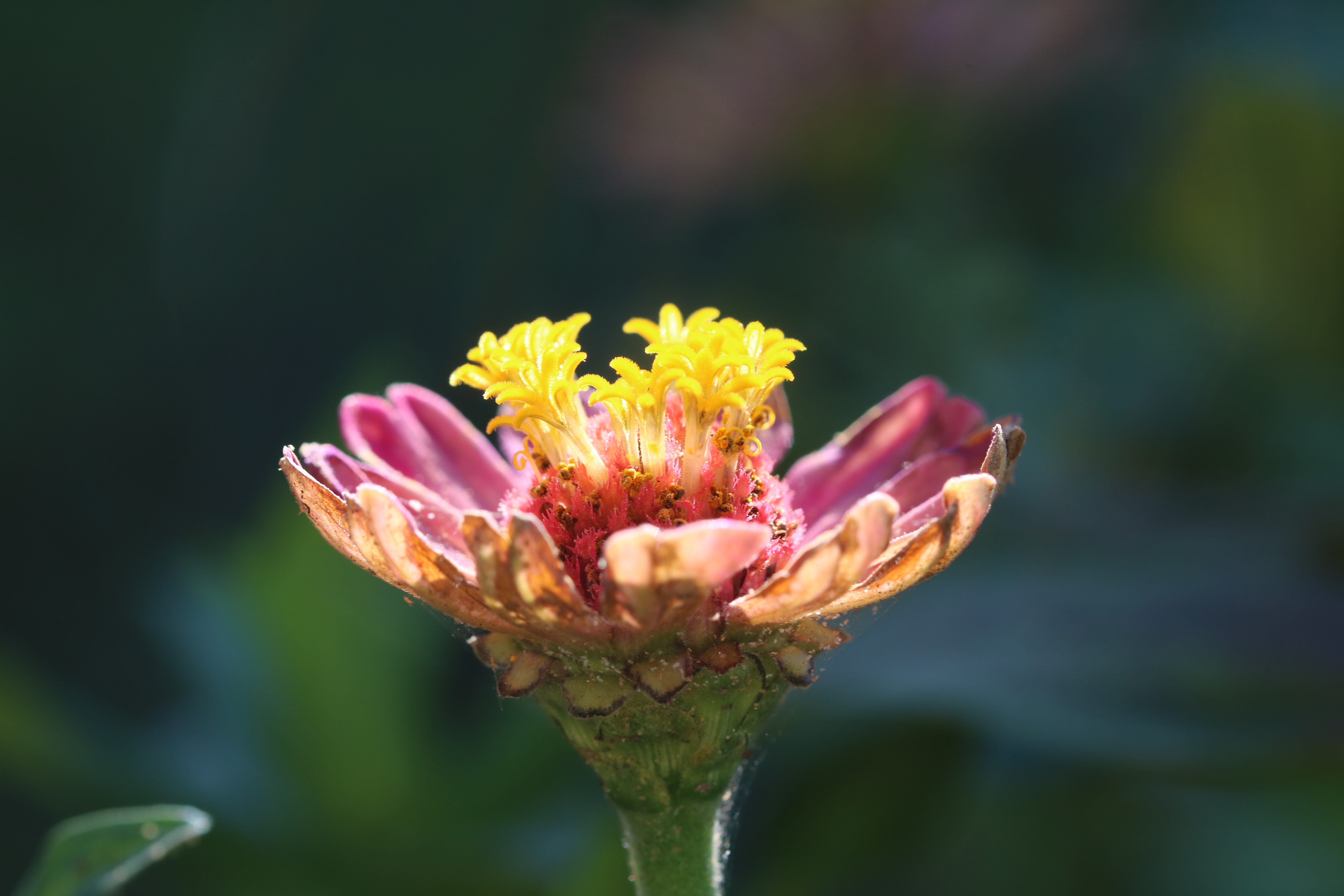
I woke up this morning and checked the garden as usual, although lately, as there haven’t been many developments, I haven’t been as consistent about looking in the garden. Well, this morning, I was overjoyed and delighted to see a huge, bright, yellow new flower in my garden. That is this cosmos, and this is a particularly exciting bloom because it has told me, finally, what I’ve really wanted to know. What we’ve all been wanting to know. Were these generic green, springy plants common ragweed? (Undesirable, although native.) Or were they cosmos?

Google Lens had consistently ID’ed these as common ragweed. And I couldn’t remember where I had planted cosmos seeds, so I couldn’t even know if I had planted cosmos here, and if they had any hope of being cosmos. But I was holding out hope, and I almost pulled them out of the ground, in my rage, thinking they were just useless ragweeds. I held on, just in case, and look. They really were cosmos. I can’t believe it.

I started to really have hope about a week ago, when I was walking to the record store. We (Parker and I) passed a neighbor’s yard that was loaded with cosmos, and I saw the buds at the end of the stalks, the future flowers, and I thought, those look just like the buds on my potential cosmos. That’s a good sign! They look exactly the same! But I wasn’t going to get my hopes up too much. No, I’ve been burned before….

And then, yesterday, finally a bud opened up, and it looked like it was going to be a flower, but it was restrained and drooping a bit. I think because it was fresh, and the heat was intense. I thought maybe the flower wasn’t in good health, but this morning, I stepped out and saw that flash of yellow, glorious beaming flower, perfectly healthy and radiant. Not ragweed!!!! But, cosmos??

It looks so much like Coreopsis or something around that I thought I actually had something else entirely, neither cosmos or ragweed. But the internet helped me to ID the flower, and it said, cosmos. A cosmos sulphureus, looks like, as I had gotten the seeds from a free pack at the local park and so wasn’t sure what they were exactly.

In my poor clay, sandy dry soil that turns into mud the second water touches it, these cosmos have done very well. And I see on the internet, right now, (https://www.gardenia.net/plant/cosmos-sulphureus-cosmic-yellow) “Tolerates poor soil, heat, and humidity.” Yep, that’s my yard, alright.

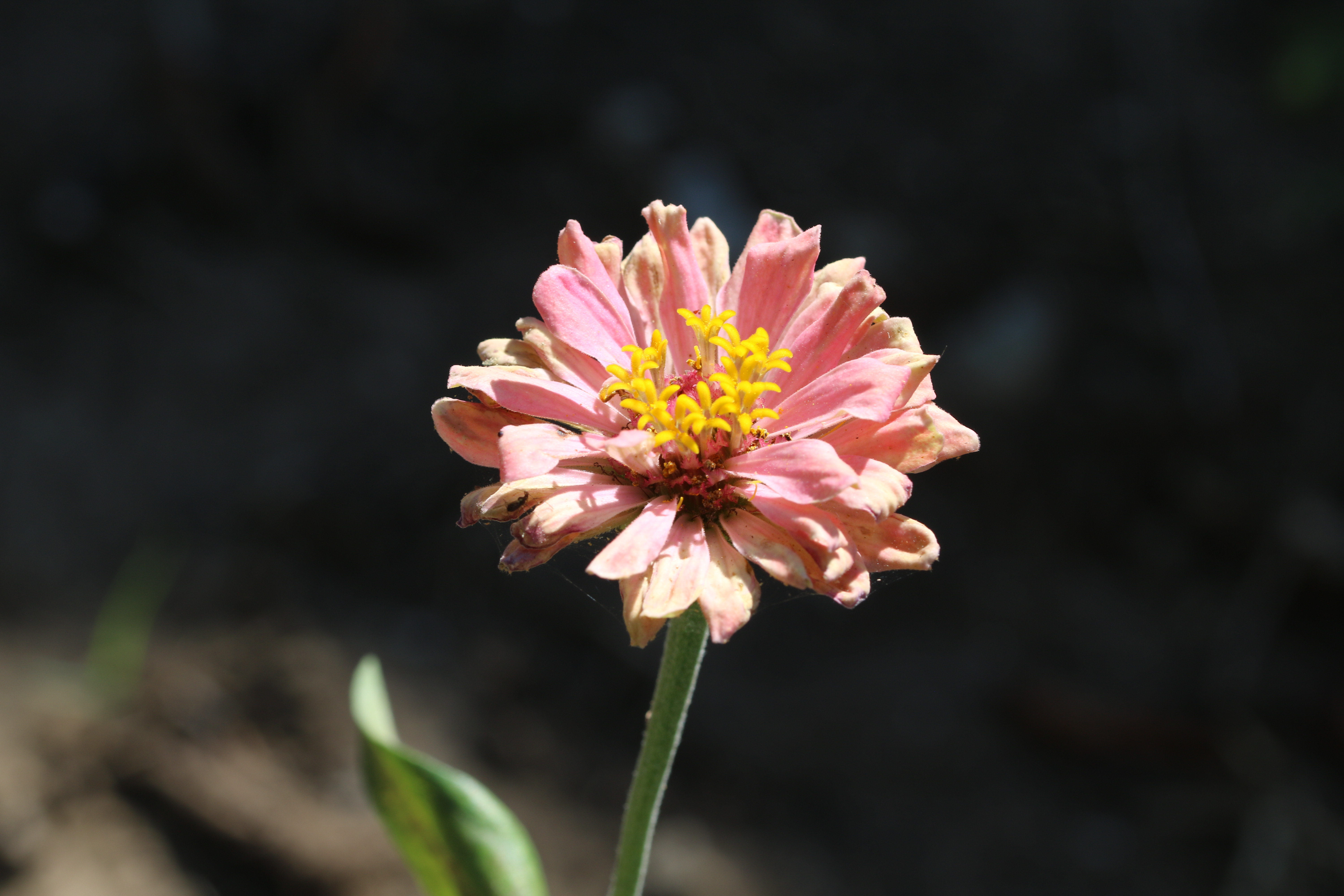
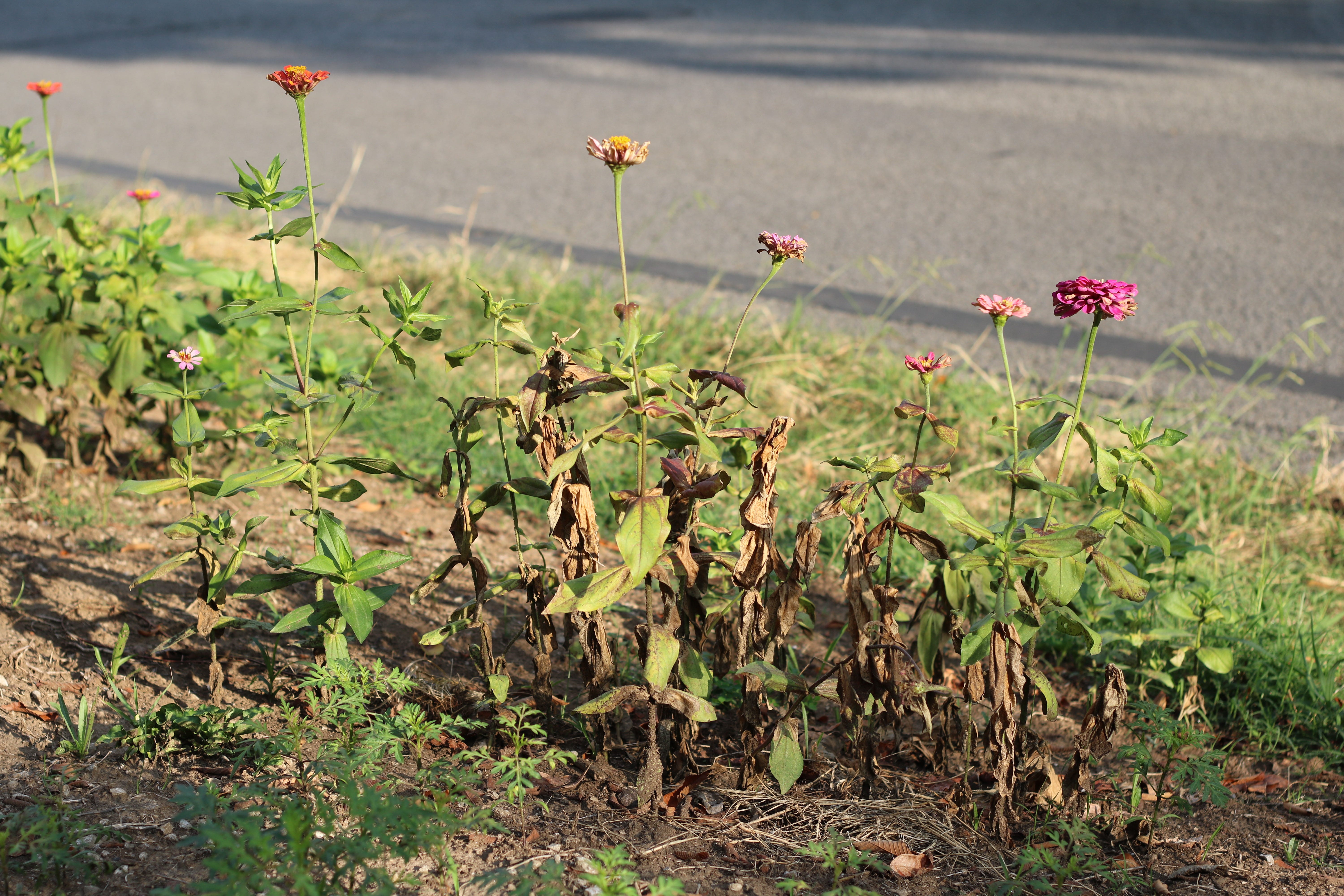
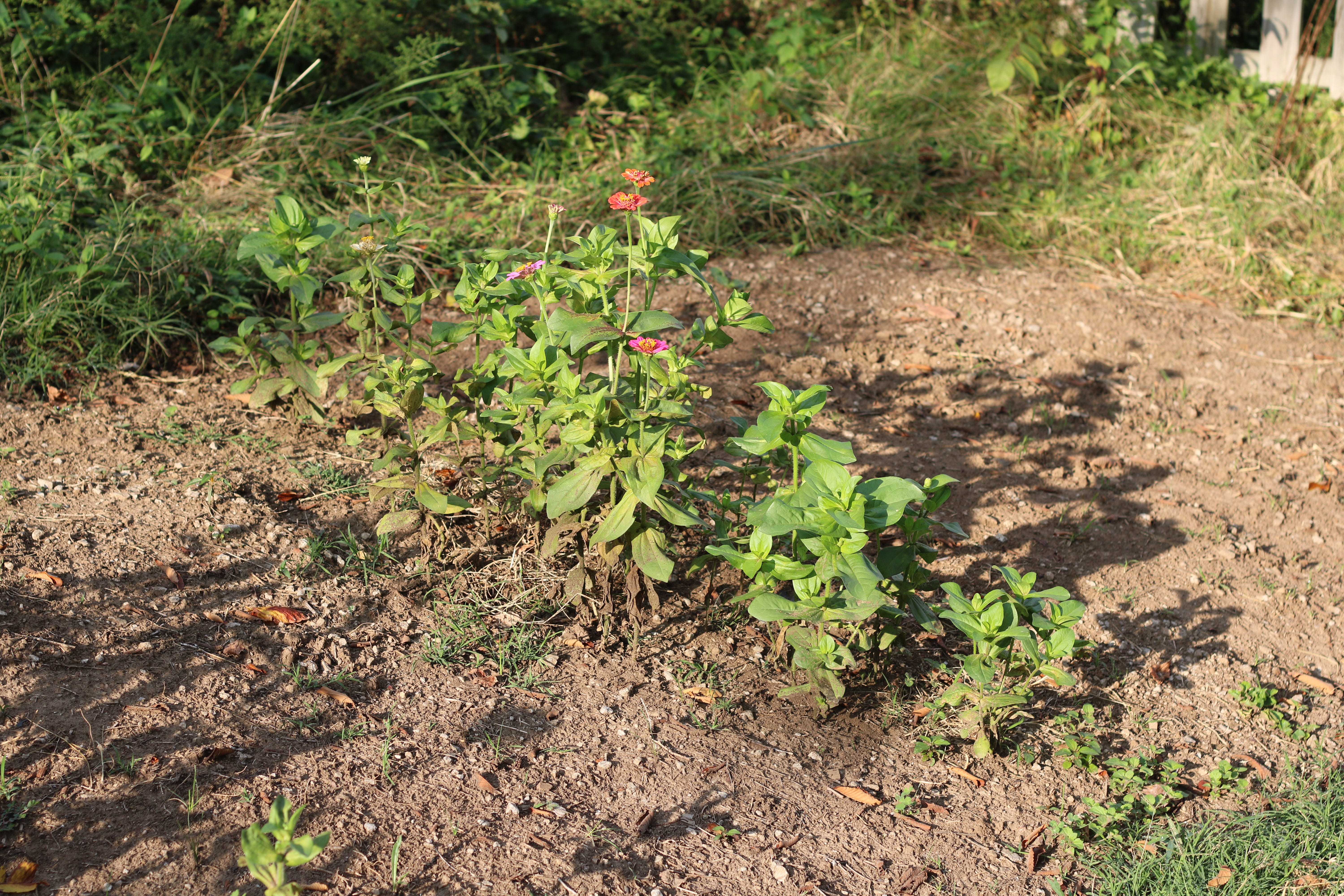
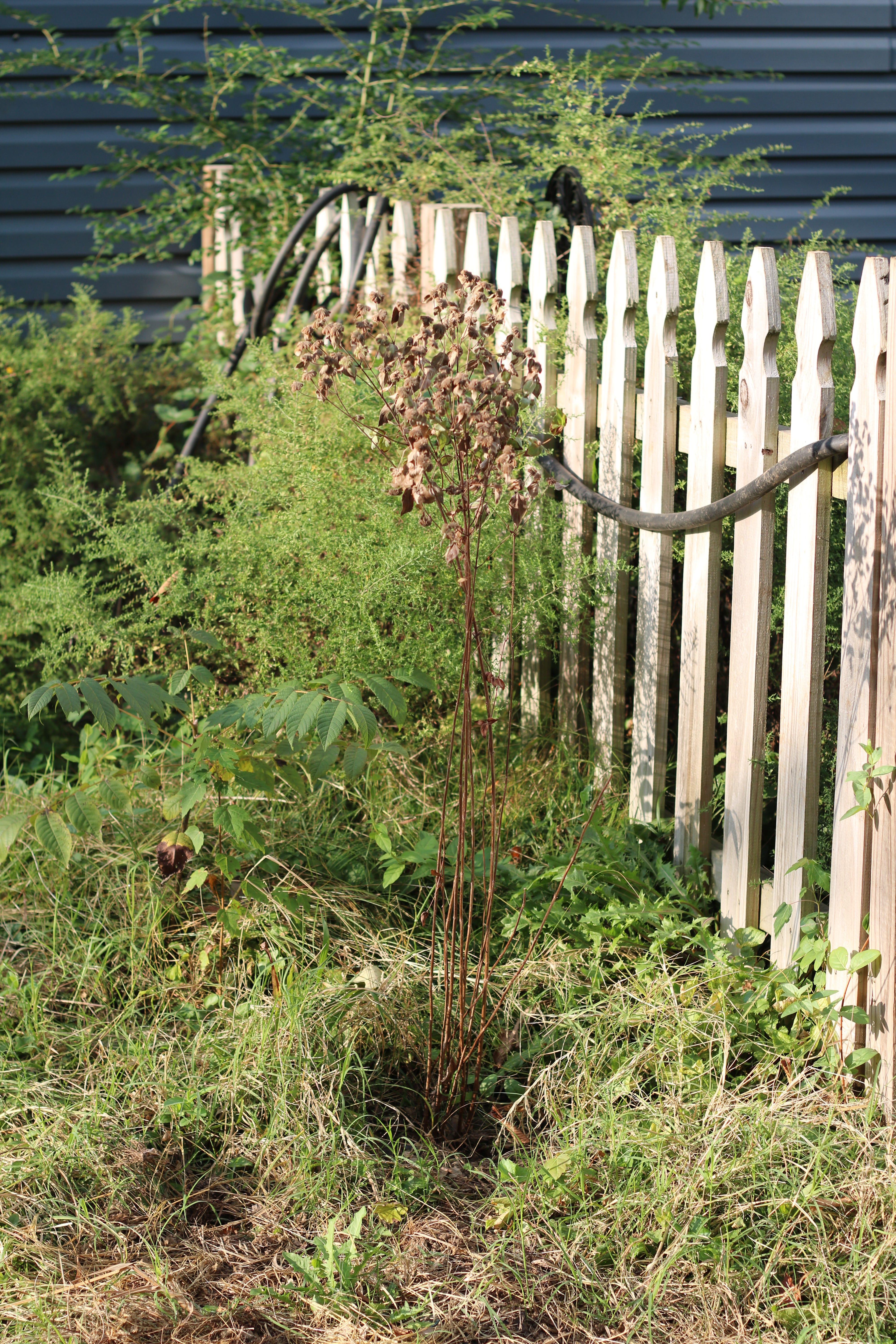
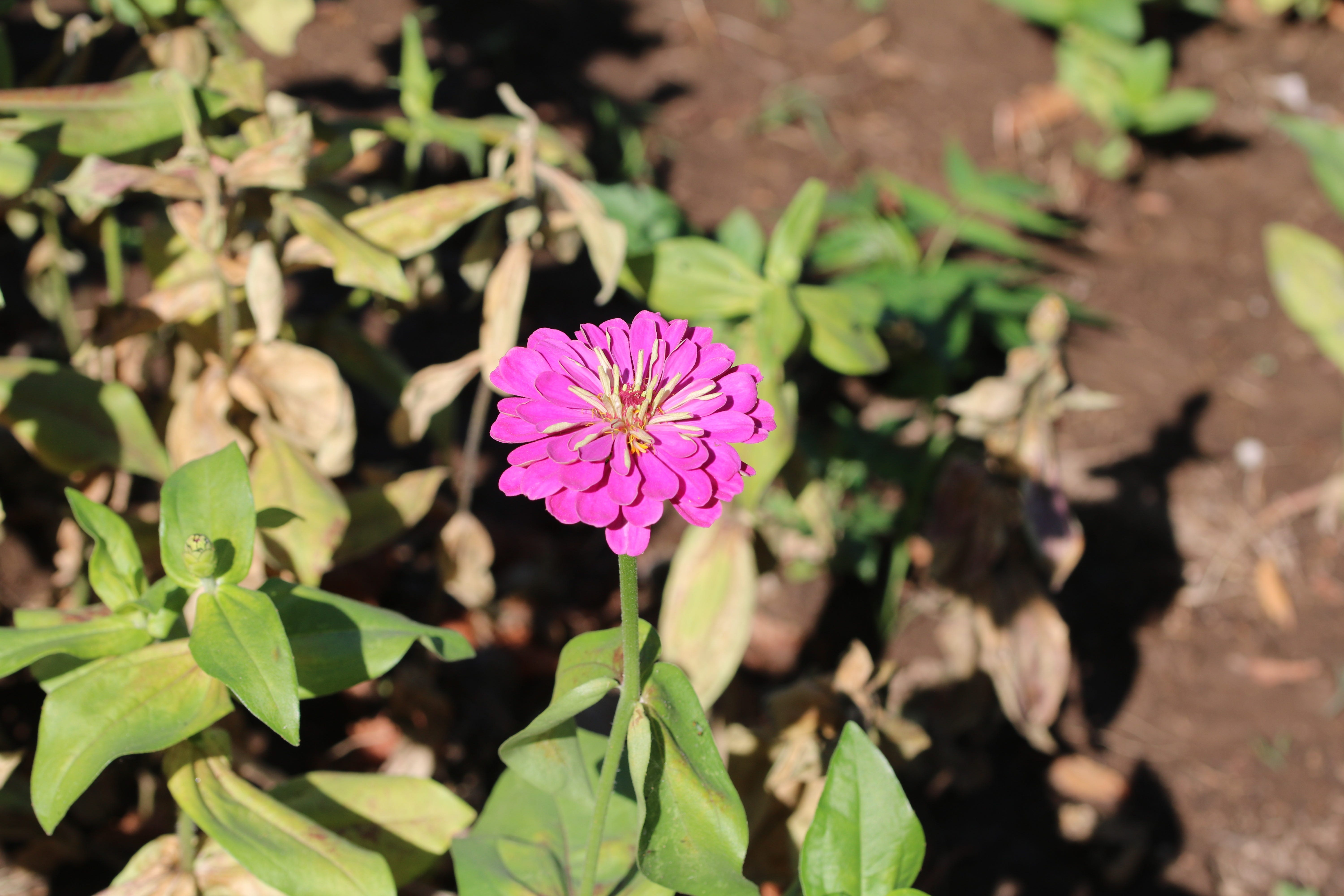
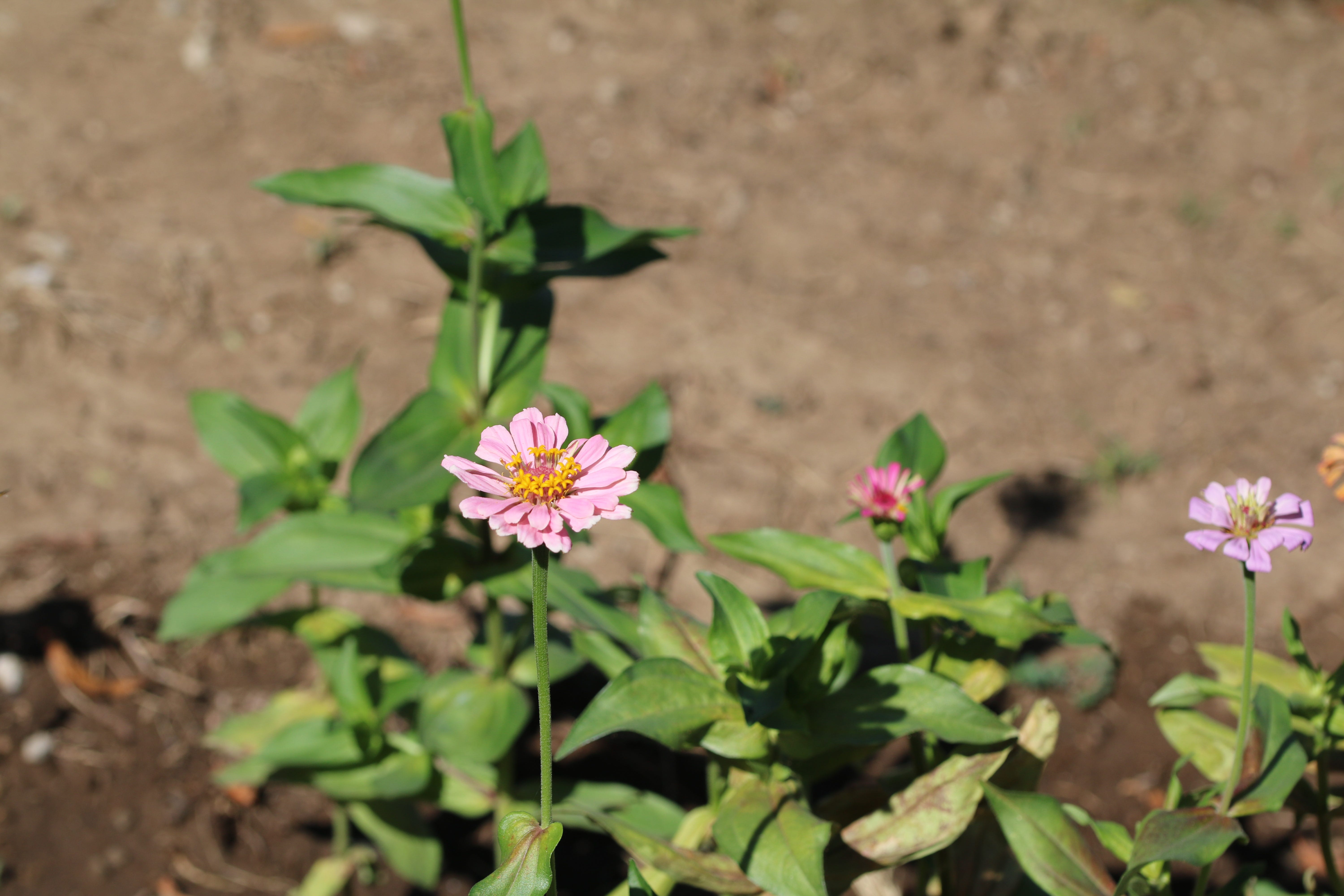
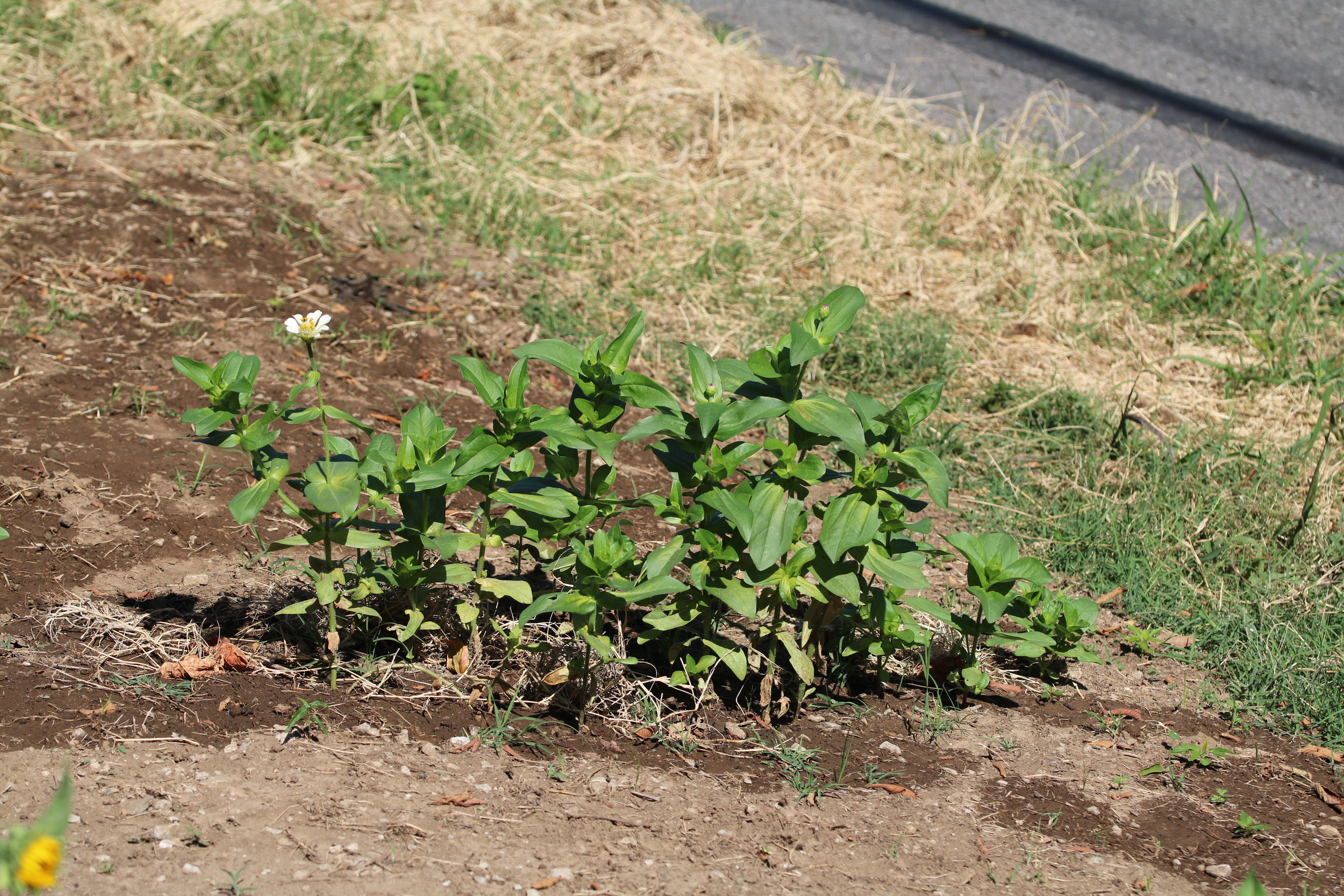
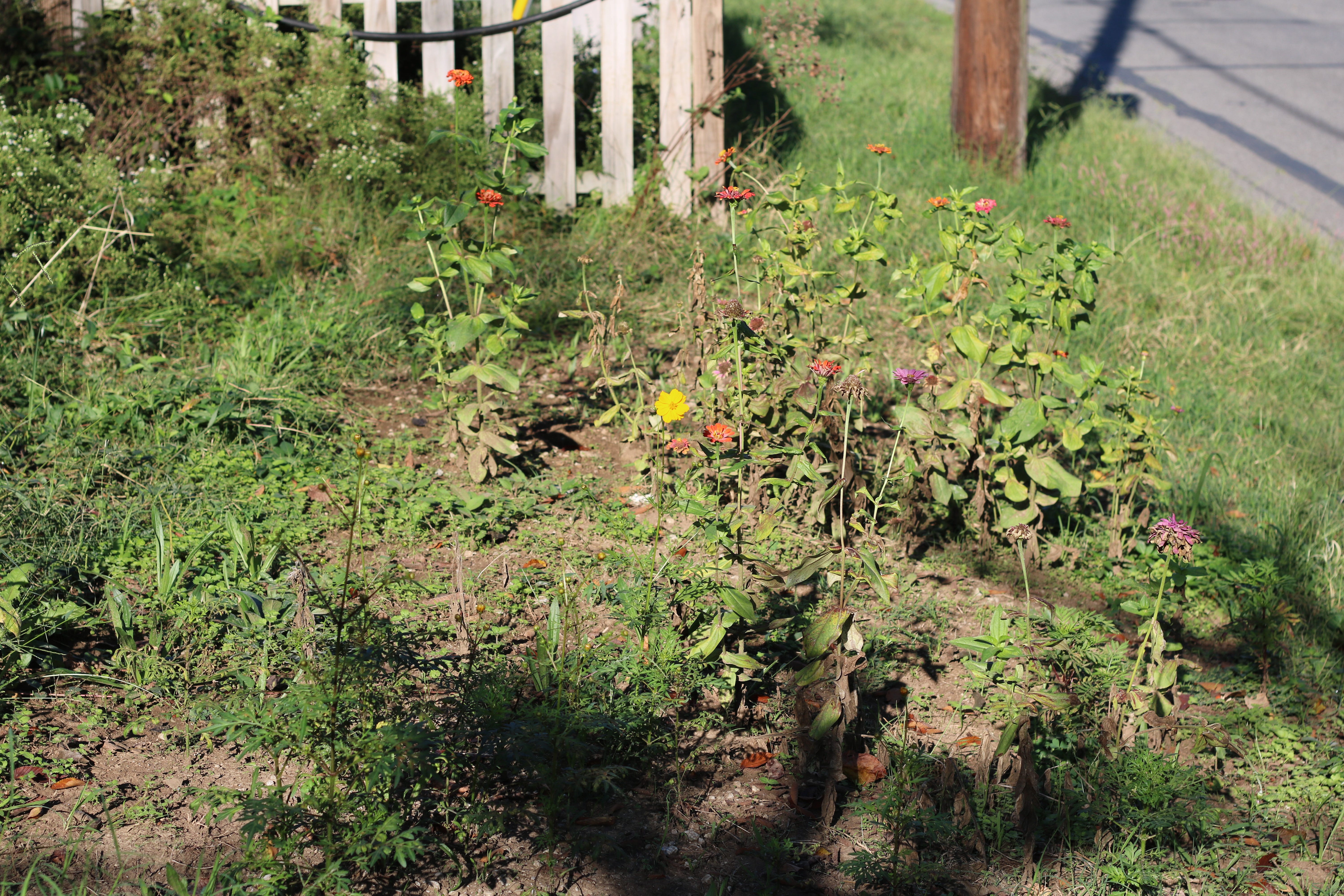
The zinneas have done well but needed more water. Some of them are still doing well, or at least they haven’t died, as you might be able to see in the back of the photo. And actually, I just got a new zinnea bloom, and it’s a bright, light pink. A really nice color. So, it’s true that these are beginner friendly plants, because I have no idea what I’m doing, I’ve done no soil prep, I have put down no fertilizer, and no mulch, my watering methods are surely subpar—and on the whole these plants, cosmos and zinnea, they’re doing alright. They’re making it.

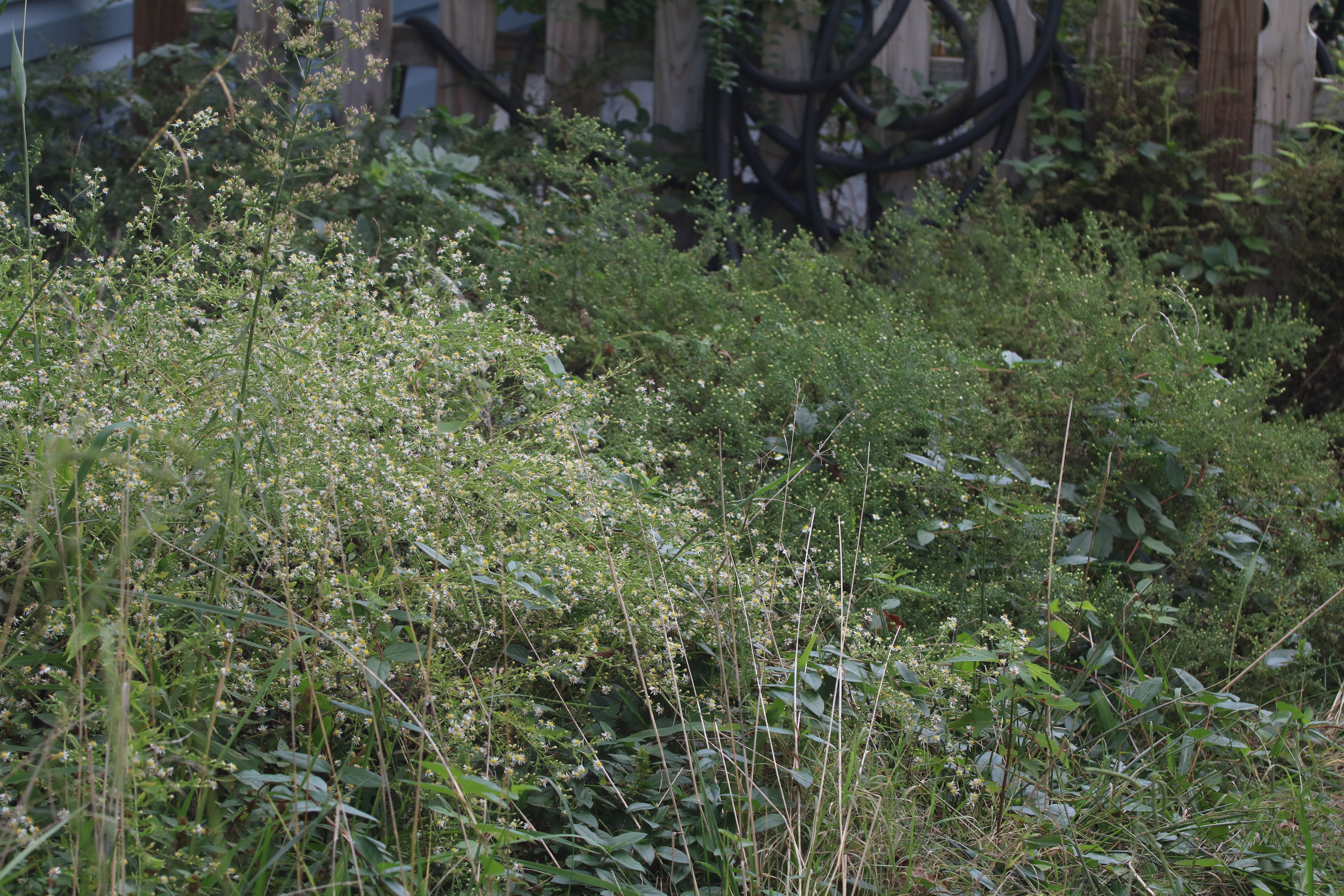
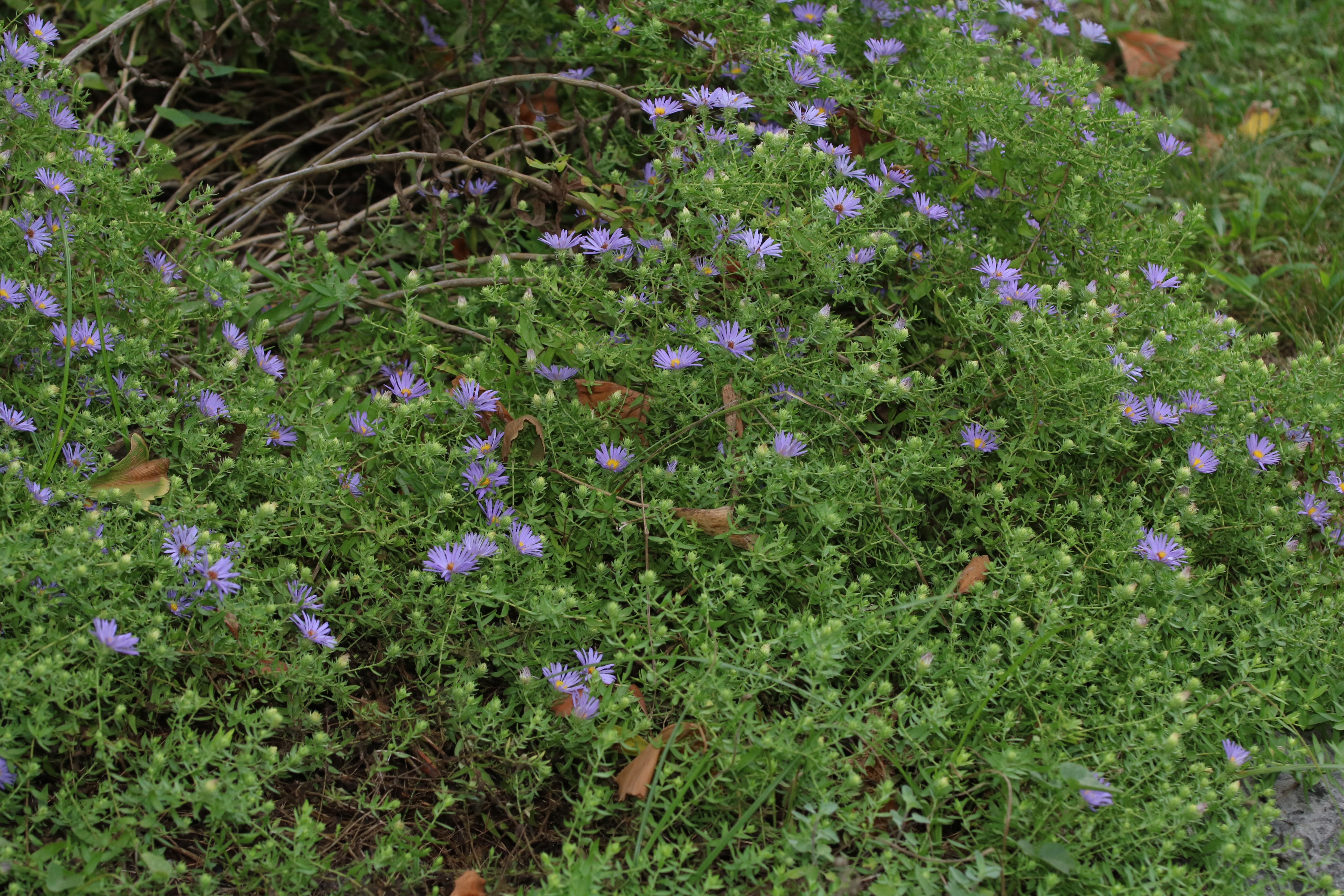
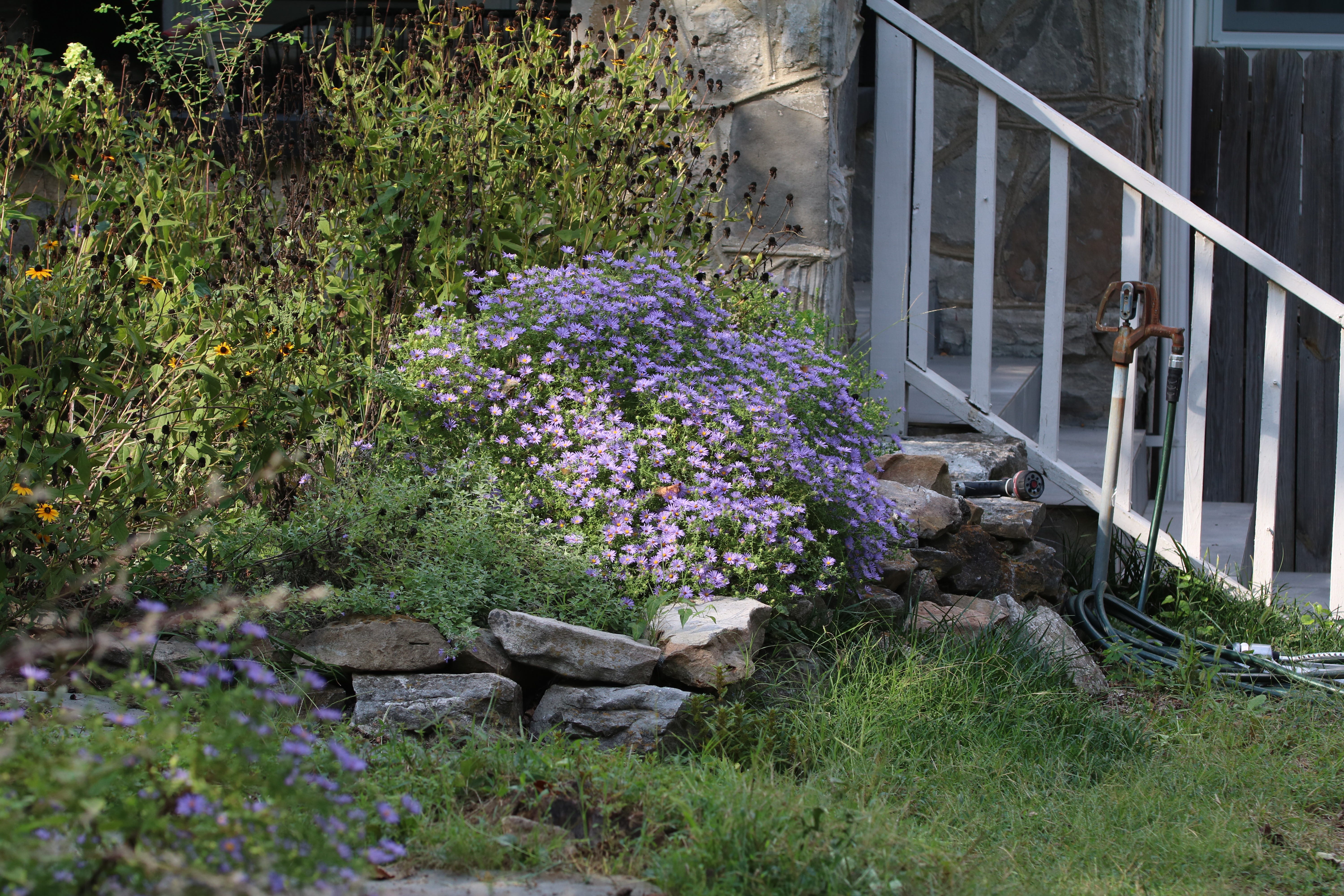
I want to plant the natives. The frost aster in the back is great, I feel great about having that in the yard, a real native. I see it blooming all over now, out in the wild, in some people’s yards, and at Shelby. There’s some frost aster in the wild fields at Shelby. I feel like to have such a huge patch of it here in the yard. And there are some little bits of it here and there on the sides of the streets, in the border grass and by fences. It’s an interesting flower, so incredibly small, yet the same shape and look of the larger, popular flowers. The “classic” flower look, yet so tiny and dainty. The natives are important, but because these zinneas and cosmos have been so easy to grow, and look nice, I am definitely tempted to just go all in on them and have the entire yard just be zinnea and cosmos, next year.

I planted some smooth-blue aster and a lot of coneflower, purple coneflower and black-eyed susan, and I haven’t seen any of those sprouts come up. I wonder if they will show next spring, and need to germinate over the winter. We’ll see about that. It’s either that or they haven’t taken well to the soil at all. The marigolds, I put down many marigold seeds, and only got two plants. So they haven’t done too well, and the sunflowers did okay, I had 5 plants for 20 seeds that I planted, not great, but then they were repeatedly attacked by the local squirrel mafia. They were assaulted, and it was sad, which makes me not want to try planting them again. If they’re just going to get so brutalized… but some made it through. Actually, I should just plant a ton, and expect many to not make it. But if some do, good. The sunflowers are iconic, and provide so much for the local wildlife.

I see fritillaries and skippers on the zinneas. Some bees, but not many. But the fritillaries really seem to like the zinneas.

Now, I had written about the asiatic dayflower that popped up in the neighbor’s yard, and I read that it bloomed for only a day. It looks like this bloomed for at least two days, and I need to check on it today and see if it’s gone three days. And next to it, the marvel of Peru is blooming now too.
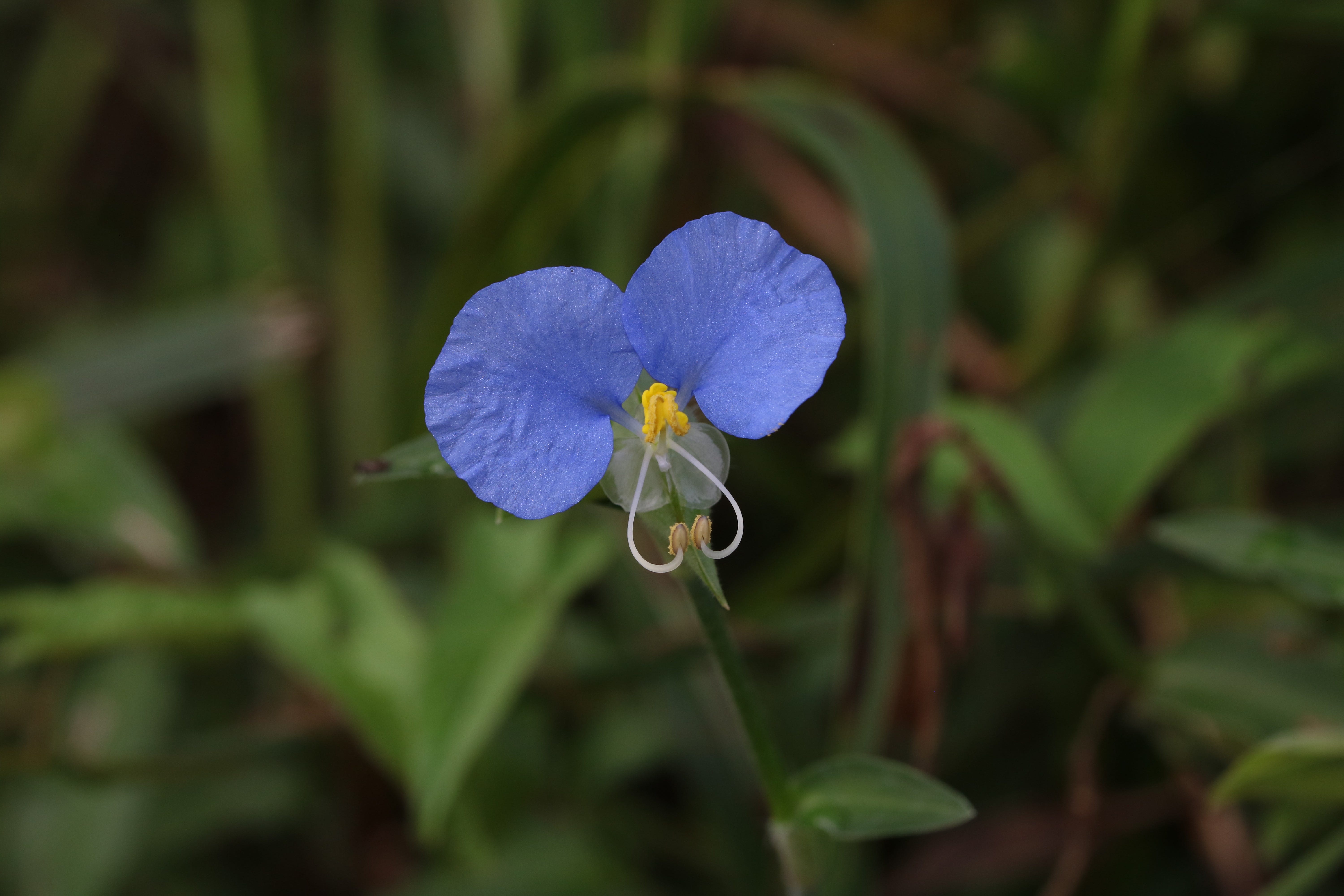
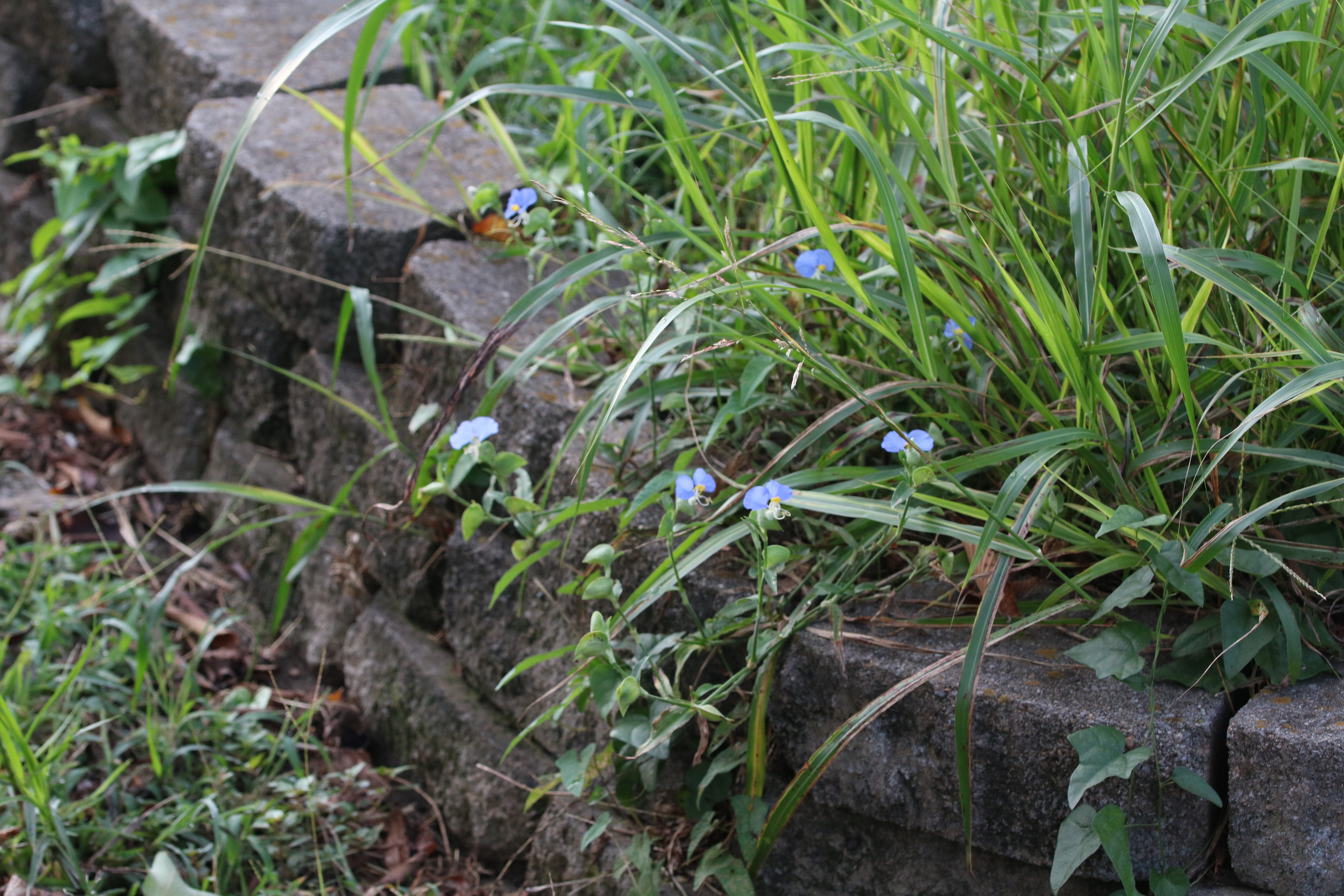
Asiatic dayflower
Neighbor’s asiatic dayflower
Marvel of Peru (in Nashville)
Marvel of Peru
Mirabilis jalapa

I finally yet one of the neighbors across the street. I was lugging my haul back from Kroger yesterday, and I waved to him, as usual. However this time, he was over near the street, and I could actually talk to him, and so we finally chatted. This neighbor has been friendly and we’ve waved to each other many times, he’s often out with his dog while I’m doing my gardening work, and he recently (several months ago) got a puppy, that was extremely tiny and cute. It’s grown up, and is still extremely tiny. He told me that she’s now full sized, and guess what? Her name is Lucy. I thought that was kind of amazing, seeing as how no one is actually named Lucy except the main character in the story I wrote, Lucy and the Mingmerang, and this little dog was named Lucy, the whole time. Well, maybe the story should be about a dog instead. Dog and alien go on great adventure together. Anyway, the neighbor, Jared, he said that he liked my wildflowers. This is another person of the neighbor who has commented on my garden, and that makes you feel good. Even though it is pretty miserable for a garden, it does at least have flowers.

Jared said, “Do you have a hose, for watering?” And I knew what he was talking about. My neighbor has the hose, we live in a duplex that looks like one house, and the hose is on his side, and I never asked him if I could use it, because I’m lazy, I guess. I should have a long time ago asked him, and he would immediately reply, “Sure, go for it!” Well, I have been making due with broken watering cans and then filling up 5 gallon buckets in the tub, and Jared has seen me doing my labor-intensive watering work, and has probably been wondering for months, “Why doesn’t this guy just use a hose?” I thought that was funny.

We talked about plants, he said that he had to bring some plants in because they’re been being attacked by the squirrel mafia. He said that’s what he calls them, the squirrel vigilante group. That’s a good name for them. They have also attacked my plants, they are rogues, and they are everywhere. It seems like we have thirty squirrels living within like 100m radius of us. We have about five squirrels that live in our small backyard alone. There are a ton of great trees around, in our yards, huge trees with holes and nuts.

I should take a picture of it, but there was something popping up in my garden, that seemed to be a wild lettuce, and was possibly edibile, according to the internet. It was growing rapidly, and I’ve been watching it, and yesterday, when I was investigating the garden, I saw that it had been munched down, clean to the bases of the leaves. The whole thing had been chomped down to the base. Someone had a wonderful salad feast on that thing! Squirrel? I wonder who done it.


Those caterpillars, the common buckeye caterpillars all went away. They must have reached critical mass and have gone off to do their metamorphosing work. It’s funny that they were truly keeping the plantain weed in check, and now that my mowers are gone, the plantain weed is bursting up, out of control. They were really keeping it down. I should look around for the chrysalises, maybe I can find one around. It always made me nervous that they were hanging out in such a high traffic region, both cars and feet around. If they tried to go across the road on their quest for a suitable place to make a chrysalis, they would not have had a good time. I hope they have found good places to go.
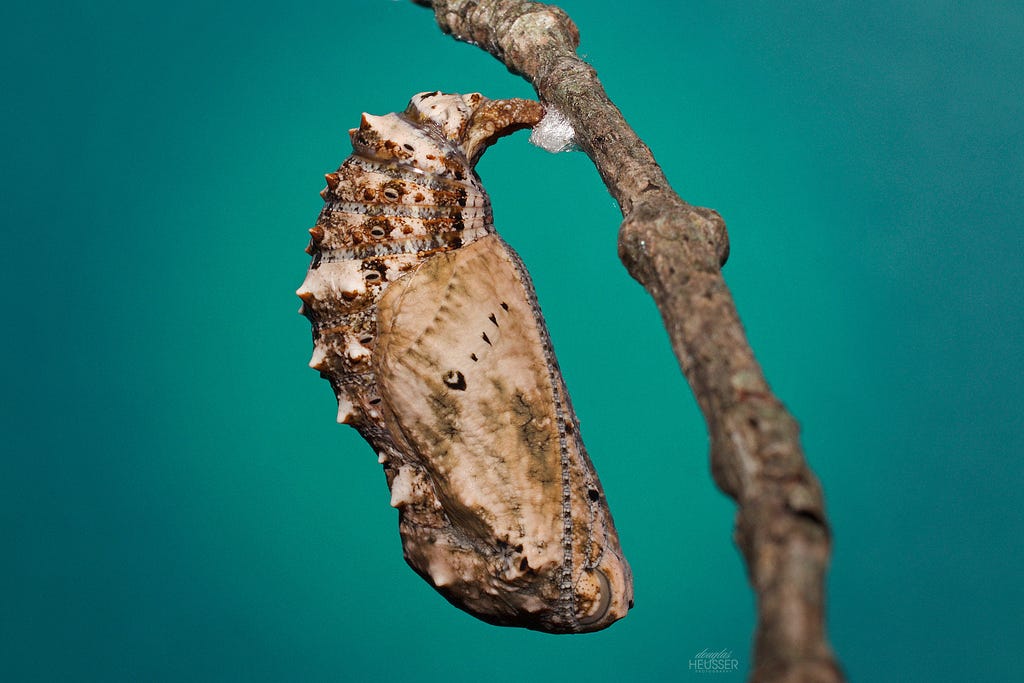
Common buckeye chrysalis (photo from internet)

East Nashville Ecology: Frost Aster, Ichneumonid Cocoon, and more!

My eyes are twitching right now, as I begin to type this up, because they’re so tired.

I think they’re irritated from the chalk. Lots of chalk in the air, at a climbing gym. So much chalk, actually, that we have machines called “chalk eaters”, and their entire job is to filter chalk out of the atmosphere. One of our daily tasks being to clean the filters.

I had a short shift today, (4 hours), and the funniest thing that happened today was my coworker educating me on what a GriGri was, a word that I had been hearing often recently at the gym. I thought it sounded like the name of some kind of monkey. I commented on this—initially, no laugh, maybe a small chuckle from Ashley or the big boss—but I couldn’t let it go, because it was such a funny word, captivating me. Ashley showed me the GriGri, which is a tool used in harnessing yourself to the rope in climbing, and I just kept thinking about this amazing word, and said “It’s like LaBuBu”. That was a money line, so juicy that it brought out a loud laugh from the big boss. He said he was going to be thinking about that all night. Labubu. GriGri. I then wrote on a sticky note, “Labubu + GriGri = LaGriGri”, “collab”, and stuck it to the counter, leaving it for the later shifts to think about.

On my previous shift at the gym, my biggest hit idea was the concept of a lazer nail cutting machine. Advantages, 1. Sanitary, therefore does not need to be disinfected (useful for medical purposes and at a place such as a hotel or climbing gym), and 2. perfect precision. Well, and 3. incredibly cool. Because “lasers”. We could have machines at CVS, Walgreens, the grocery store, etc., that would trim your hands, feet too, via the power of lazers, with perfect, machine guided precision and accuracy. I imagined that they could also etch designs into people’s nails, for aesthetic purposes and swag. People could even create and upload their own designs. We could call it, “LazerNails”.

This was million dollar idea. People who wanted a personal unit could shell out some dough and have their own LazerNail machine at home. Nail salons could have them. Possibly. Except does that put the nail salon people out of business? I don’t know what happens at a nail salon, I can’t say.


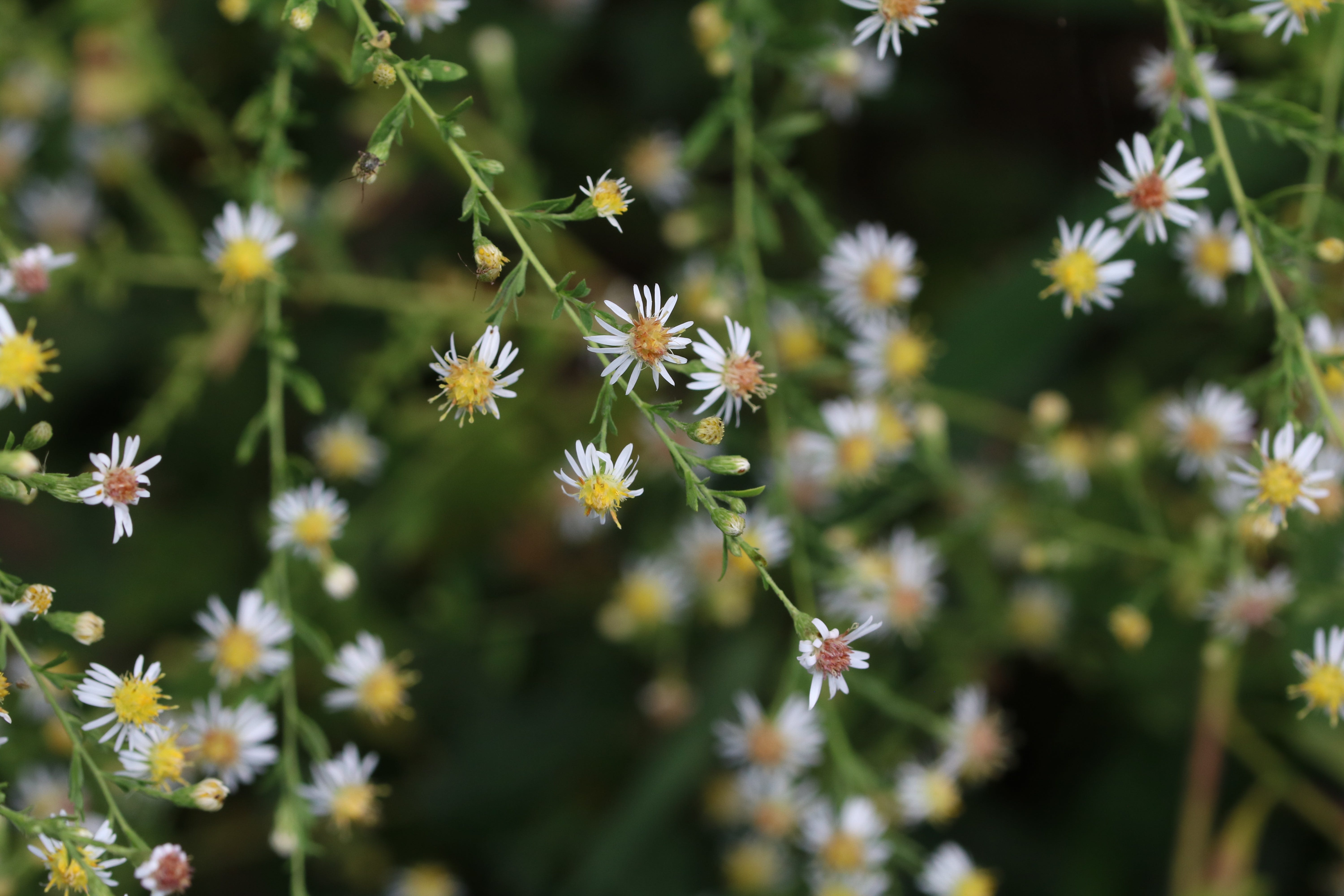
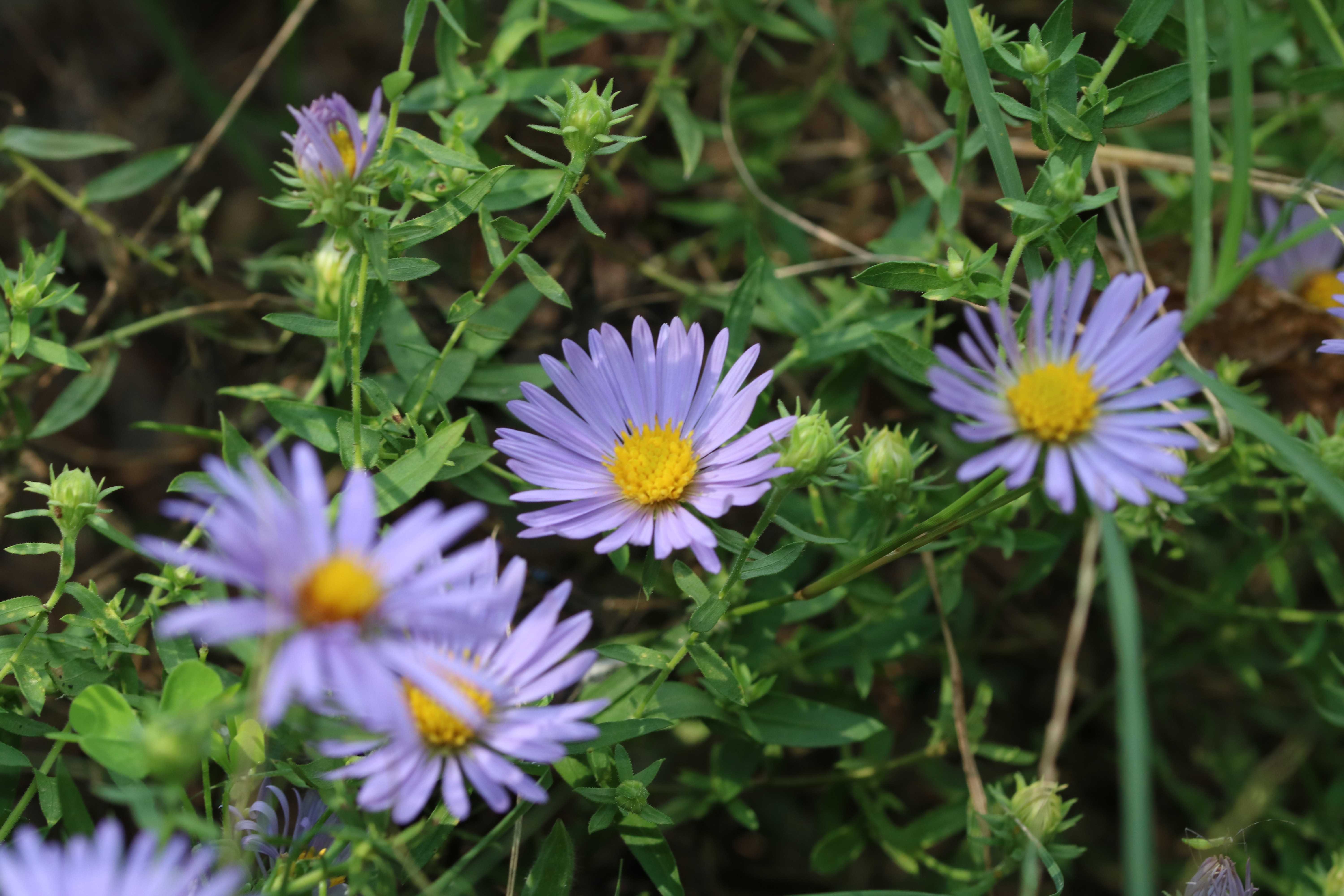
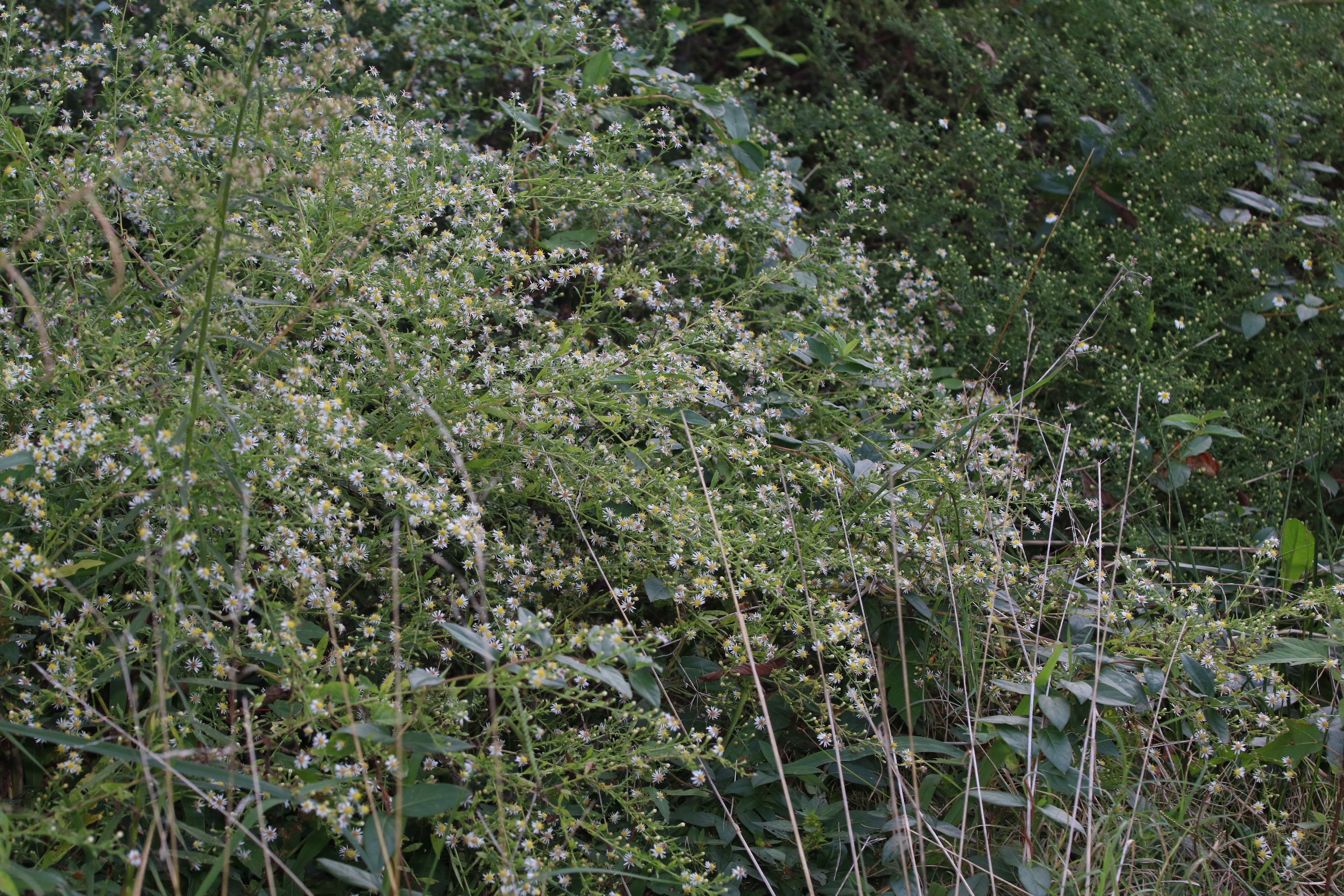
I have just done some photography for you all, and for myself, to document the local wildlife and greenery. There is an awesome plant that is once again blooming in my yard, and I’ve IDed it, and it’s incredible news. A large part of the front yard is covered with a plant that is inconspicuous and green for most of the year, that bides its time, before unleashing an enormous spread of flowers come Autumn. That is, now. And it is doing this again. Last fall I was shocked to see it. I had thought the plant was a useless weed, probably invasive, sprawling and certainly undesirable by any good homeowner’s standards. Boy was I glad to see it pop off. And this year, hungry for ecological knowledge, I actually have figured out what it is, and ladies and gentlemans, it is FROST ASTER.

The best news? NATIVE.

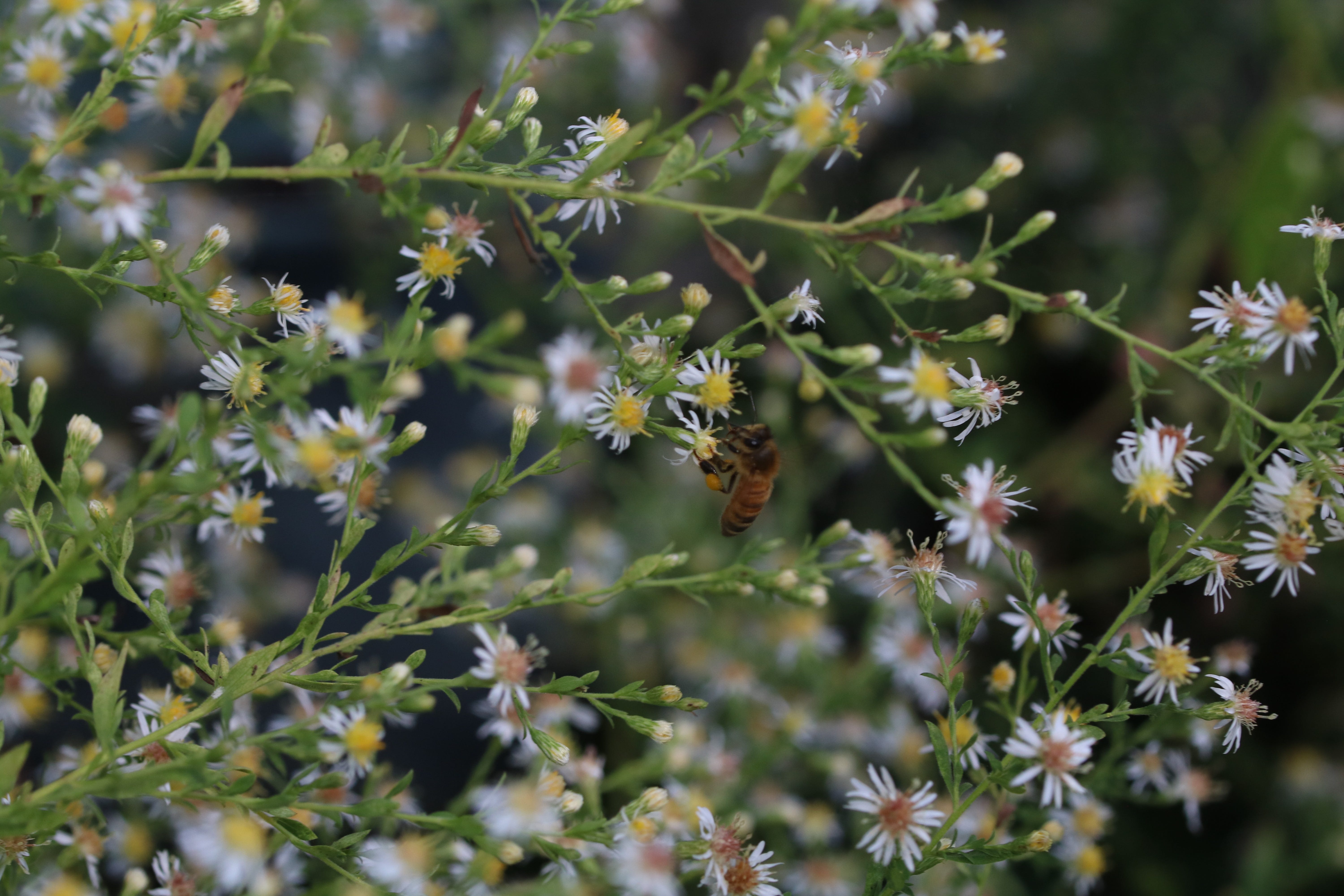
The bees love it. It’s a late bloomer, just starting to come online here at the end of September. And the bees are loving it.

Symphyotrichum pilosum – Frost aster

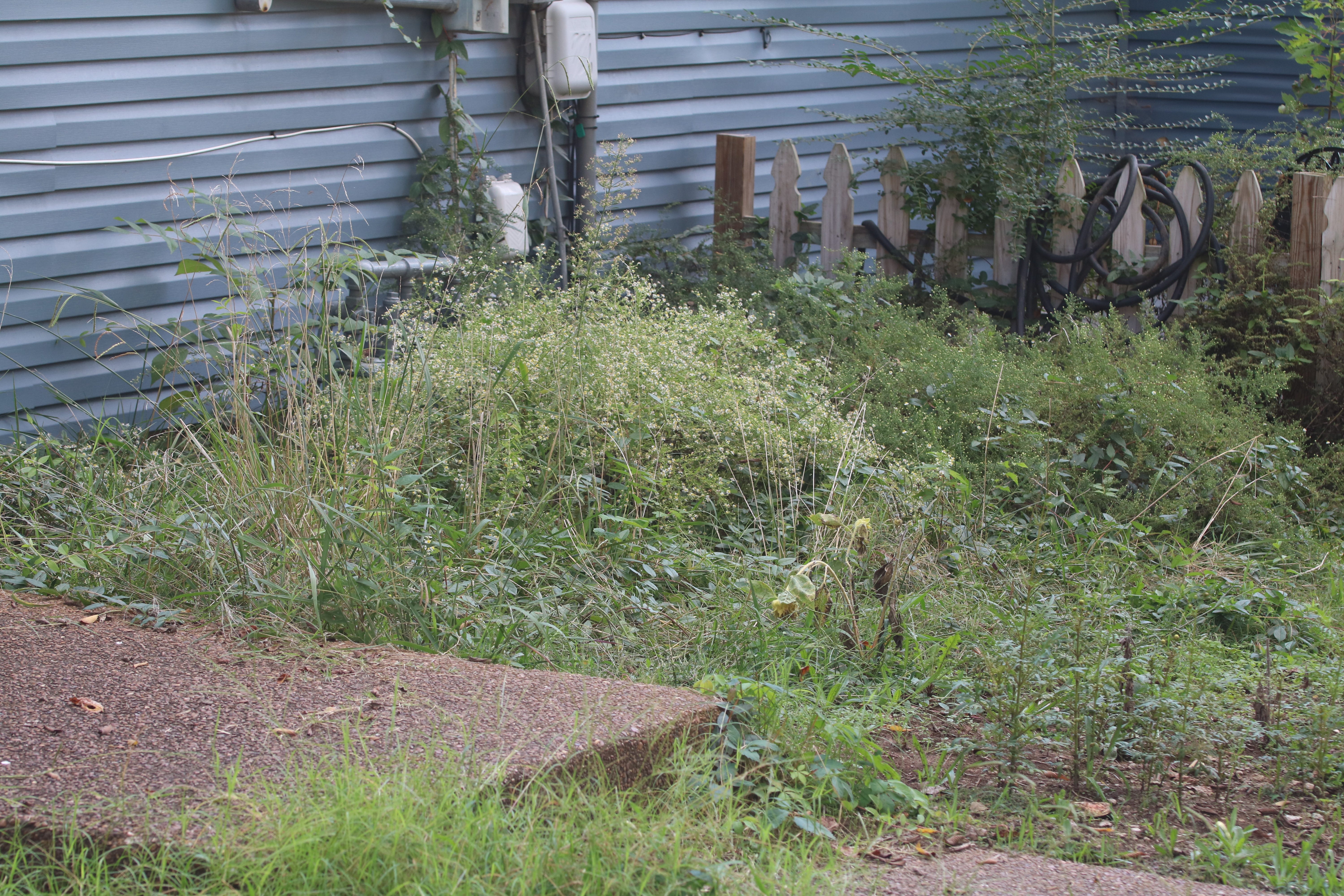
In the back right of this photo is more frost aster that just isn’t blooming yet. It’s interesting that it’s blooming like this, and I think it happens because of sunlight. The back corner of the yard gets less sun, blocked by the house. That’s one hypothesis at least.

Staggered blooming
Bee enjoying frost aster
Tiny flowers
Tiny flowers for bees
Just starting to flower, lots of buds
Some frost aster on the other side of the fence in the neighbor’s yard
Bee and frost aster
Frost aster in my wild yard

I’m now seeing this frost aster blooming around the neighborhood. It’s not the most common plant but I see it around, in yards. A couple neighbors have some beautiful purple ones. As you can see, there are thousands of flowers on the plant, and they’re very tiny and dainty. Kind of special and unique. Frost aster is a member of the Asteraceae family, which includes daisies and sunflowers.

Purple frost aster in the neighborhood
So dainty
Neighborhood frost aster

So there you go. New plant knowledge acquired. The internet says they bloom for around six weeks, which is amazing. That’s a long time. I hope it’s true!
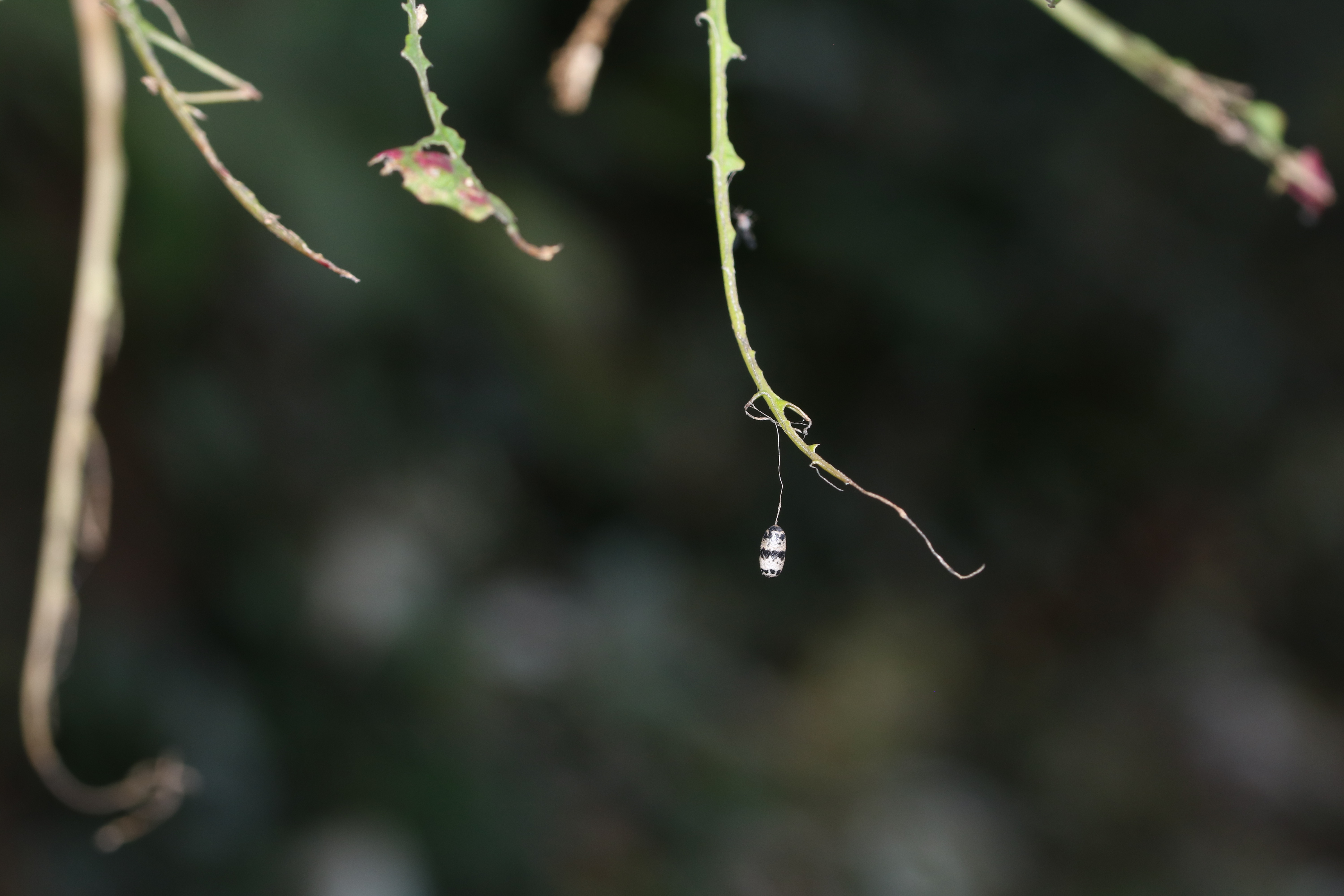
Now, there was also something I spotted in the yard yesterday that I wanted to photograph for you. This is a very interesting sighting. I will show you a picture.

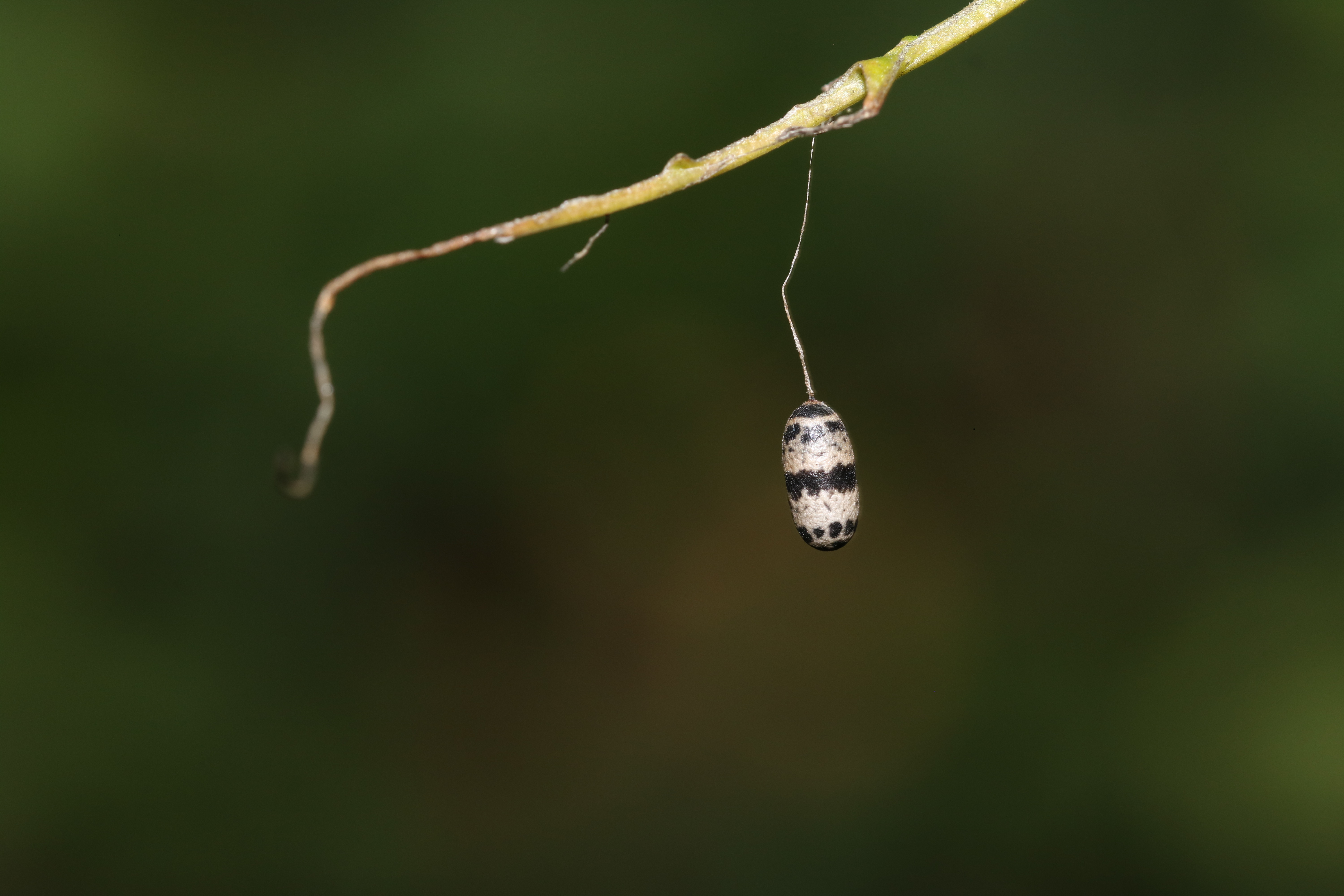
Mystery cocoon

As you can see, this mystery cocoon is very small. Extremely tiny. This is why we need a macro lens, because it would be impossible to photograph clearly without macro capabilities. I thought it was some miniature moth caterpillar cocoon, but no—not true. It’s turns out that this tiny cocoon is the cocoon of a parasitic wasp, a member of the Ichneumonid family (which are a bunch of parasitic wasps). The species is Charops annulipes.

Ichneumonid wasps are some of the smallest bugs out there. There are some (such as this one) that are only a few millimeters long. This Charops annulipes is 4-5 millimeters in length.

Charops annulipes, Ichneumonid wasp cocoon

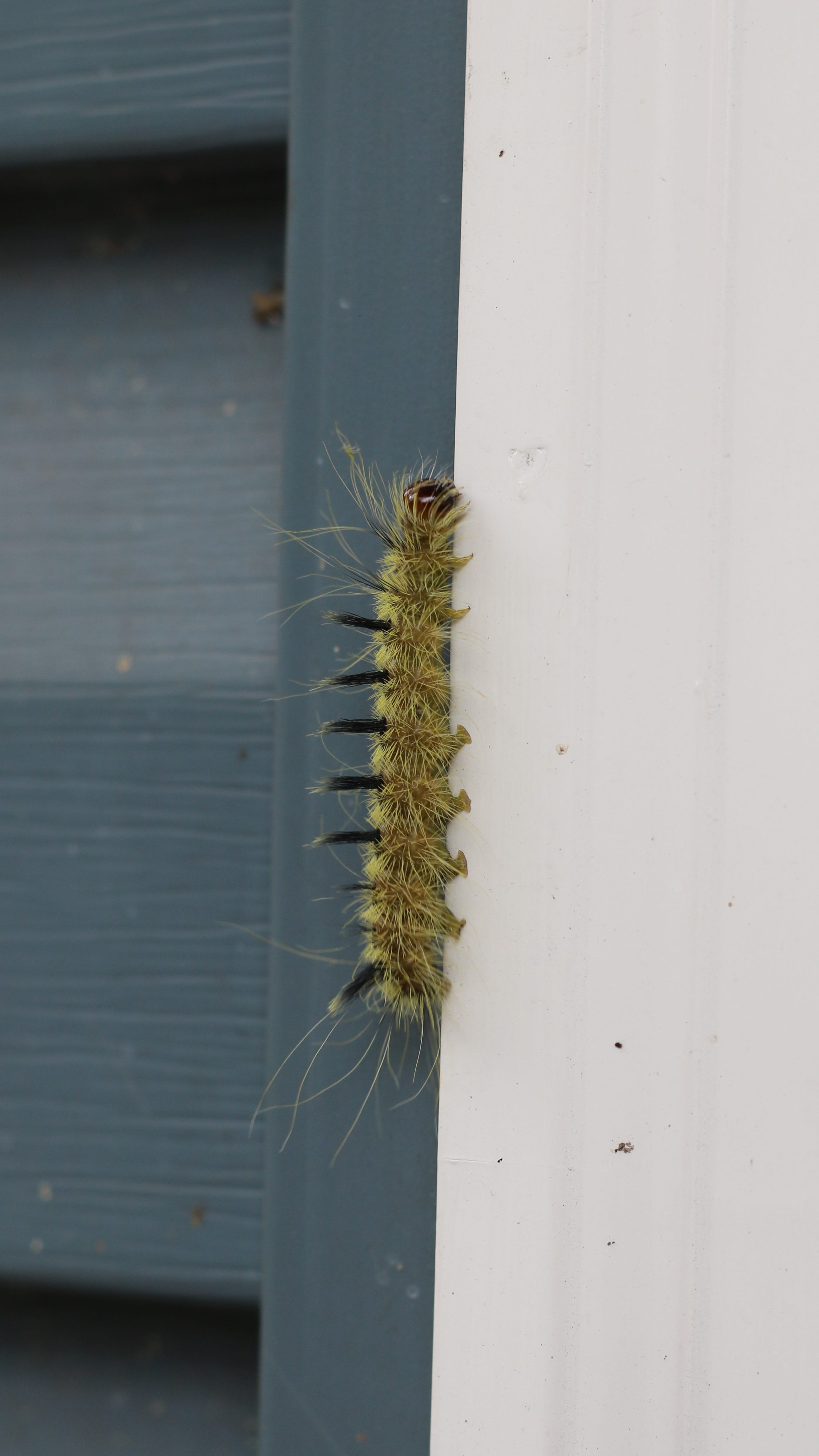
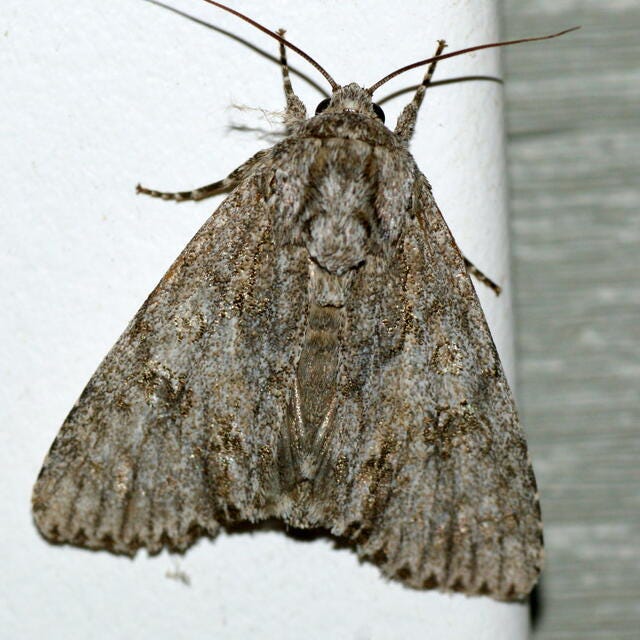
I was also greeted an extraordinary caterpillar when I opened my door yesterday. It was crawling manically up the side of the house, along the doorframe. I’ve never seen such a caterpillar before. It’s a Ruddy Dagger Moth caterpillar, which is an interesting name. How did it get such a name, you wonder? What does that even mean? A ruddy dagger? This guy was pretty huge. Probably 4 or 5 inches long. I was feeling lazy and didn’t get out the macro lens for this one, although I kind of wish I would have, now.

Ruddy dagger moth caterpillar – Acronicta rubricoma
Adult Ruddy Dagger Moth (not my photo)

I was walking back from photographing the purple frost asters down the street, and saw a few more interesting plants and flowers.

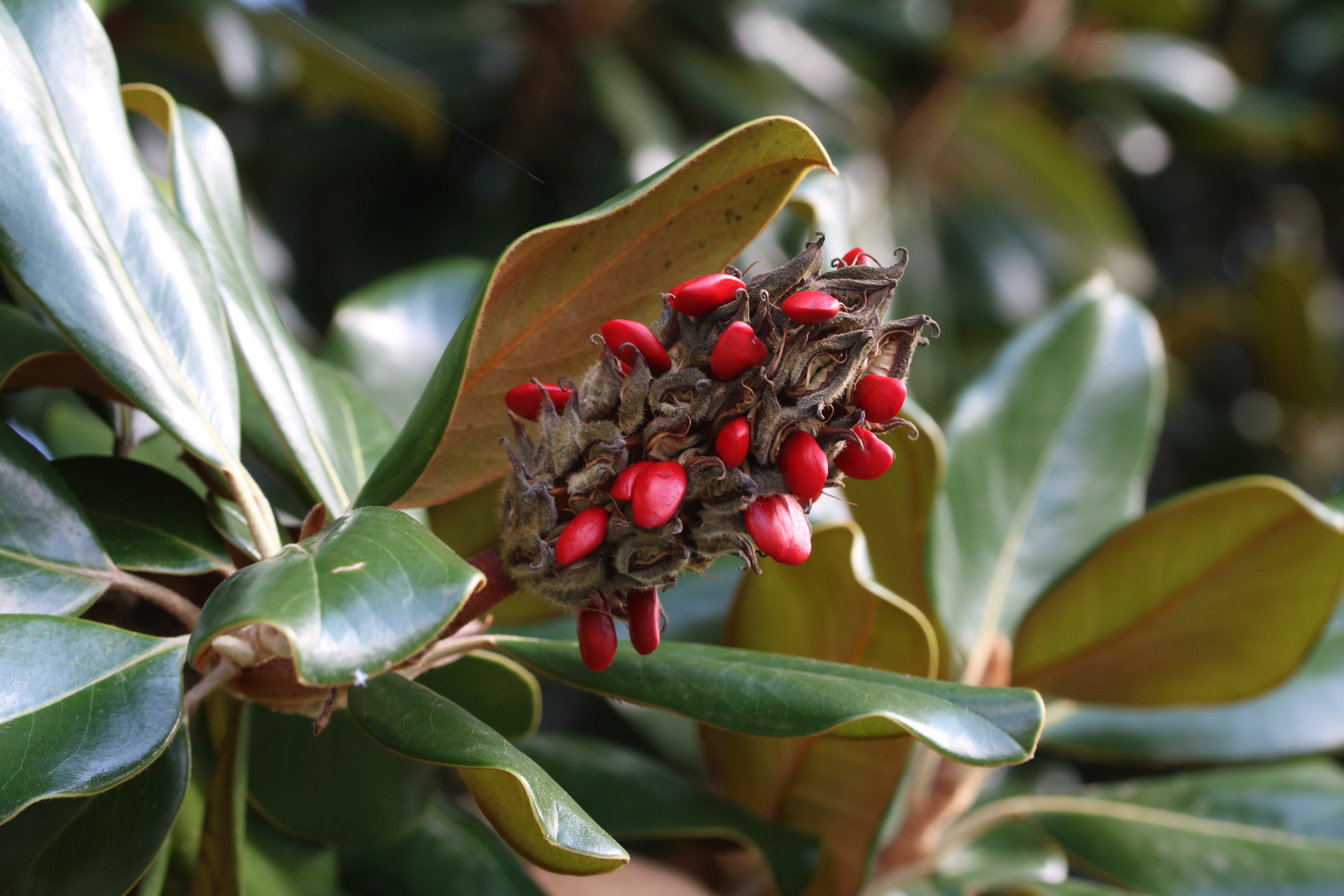
Here are some seed pods from a Magnolia tree. I had noticed these pods before because they’re so cool, and now they’re making the seeds, and they’re even cooler. They look so alien, to me.

Undeveloped seeds
Developed seeds

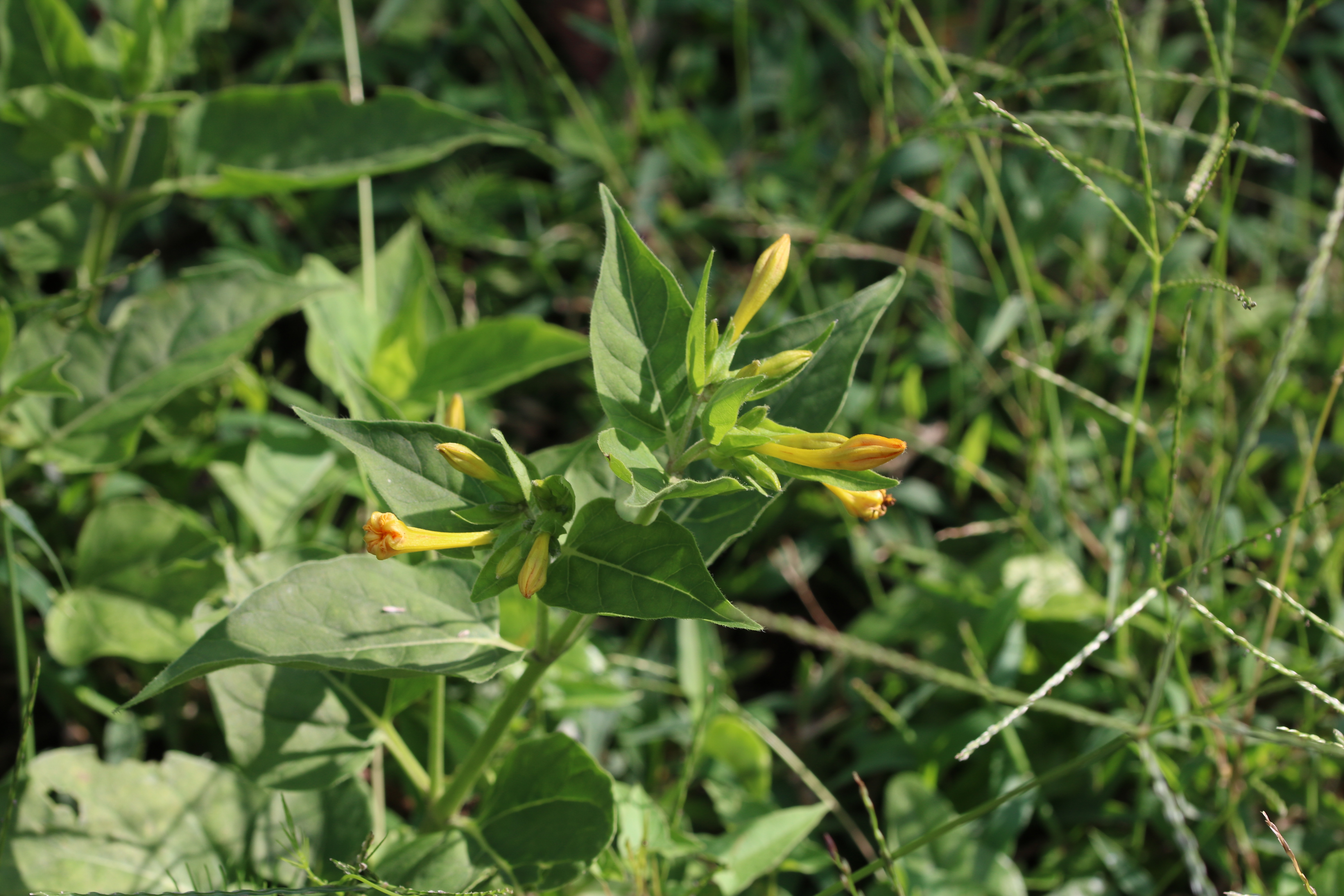
I also saw this interesting plant, a small, non-descript green leafy plant with yellow flowers. It seems to be a Mirabillis jalapa, from Central and South America. It’s a common ornamental plant apparently, and is not considered invasive, although it is non-native to North America.

Mirabillis jalapa – Four O’Clock / Beauty of the Night / Marvel of Peru

This is something that I’m learning about our little East Nashville neighborhood ecology. There are plants here from every dang corner of the world. You think it would be shocking to find a random plant from Peru growing in the grass in the neighbor’s yard. Once upon a time it might be. But we have plants around here that are from every corner of the globe, and some of them are running wild and free. From what I know, we’ve got plants from Australia, New Zealand, Japan, China, India, South America, Central America, and Europe—western Europe and eastern Europe too. So there you go. That’s almost everywhere. Only Africa is yet to represented among plants I’ve discovered in the neighborhood.

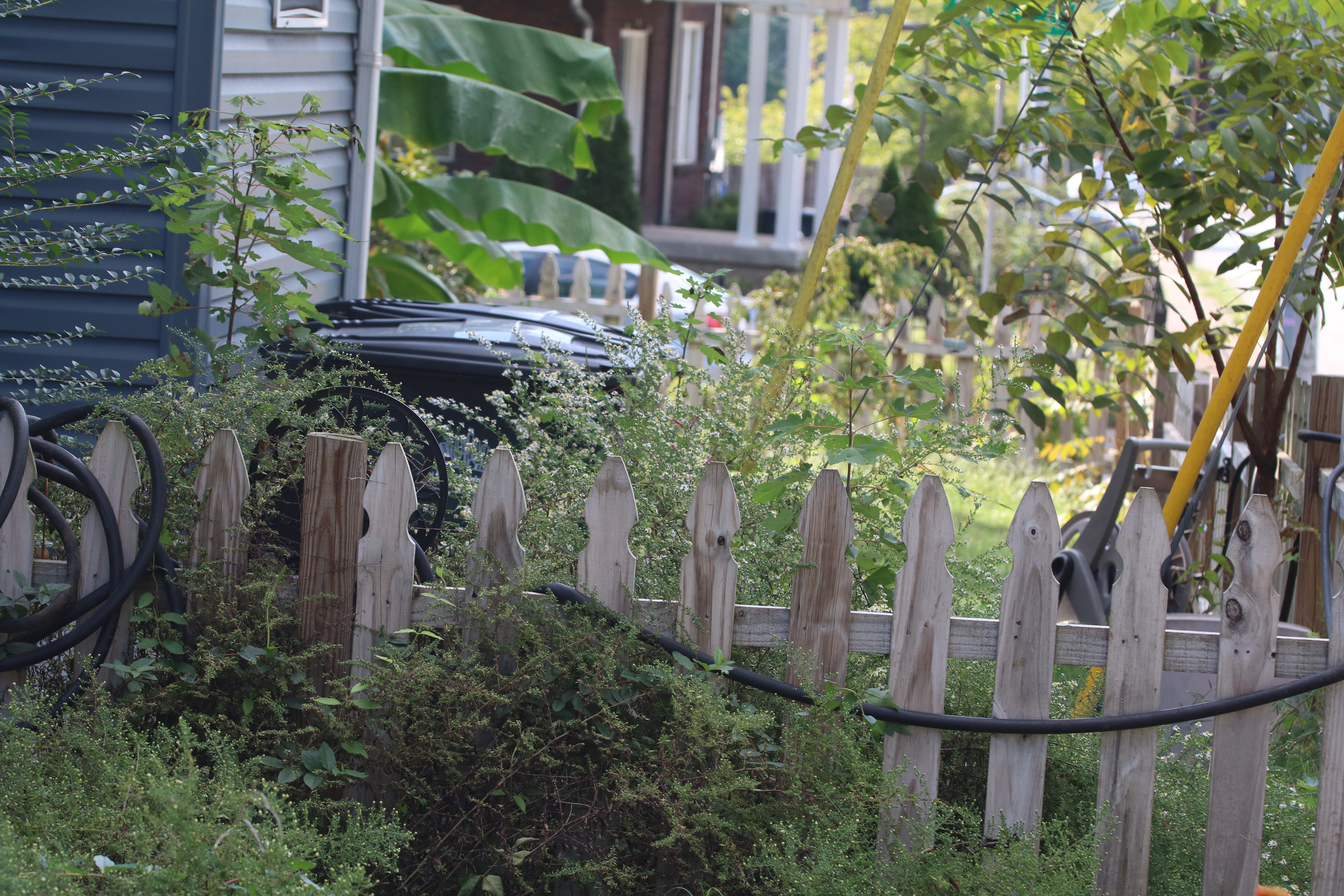
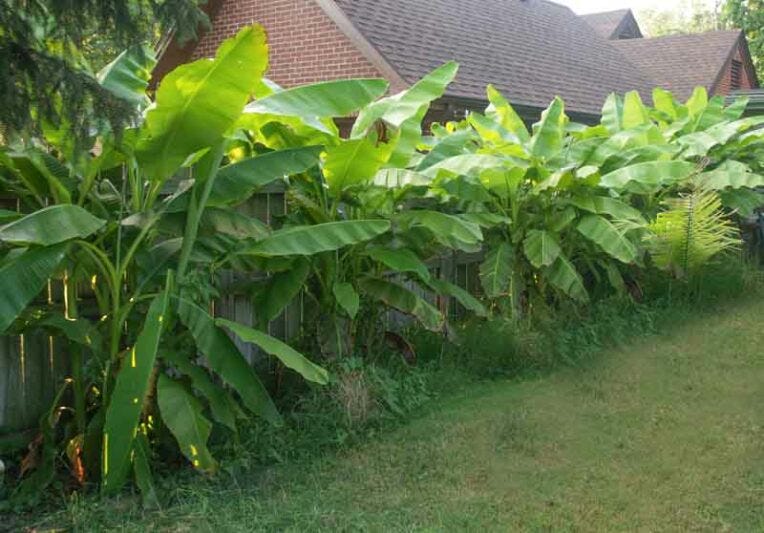
My neighbor has a banana plant, a huge banana plant in his front yard. Another house further in the neighborhood has many of them. They probably planted them, and I bet my neighbor just let one grow in his yard.

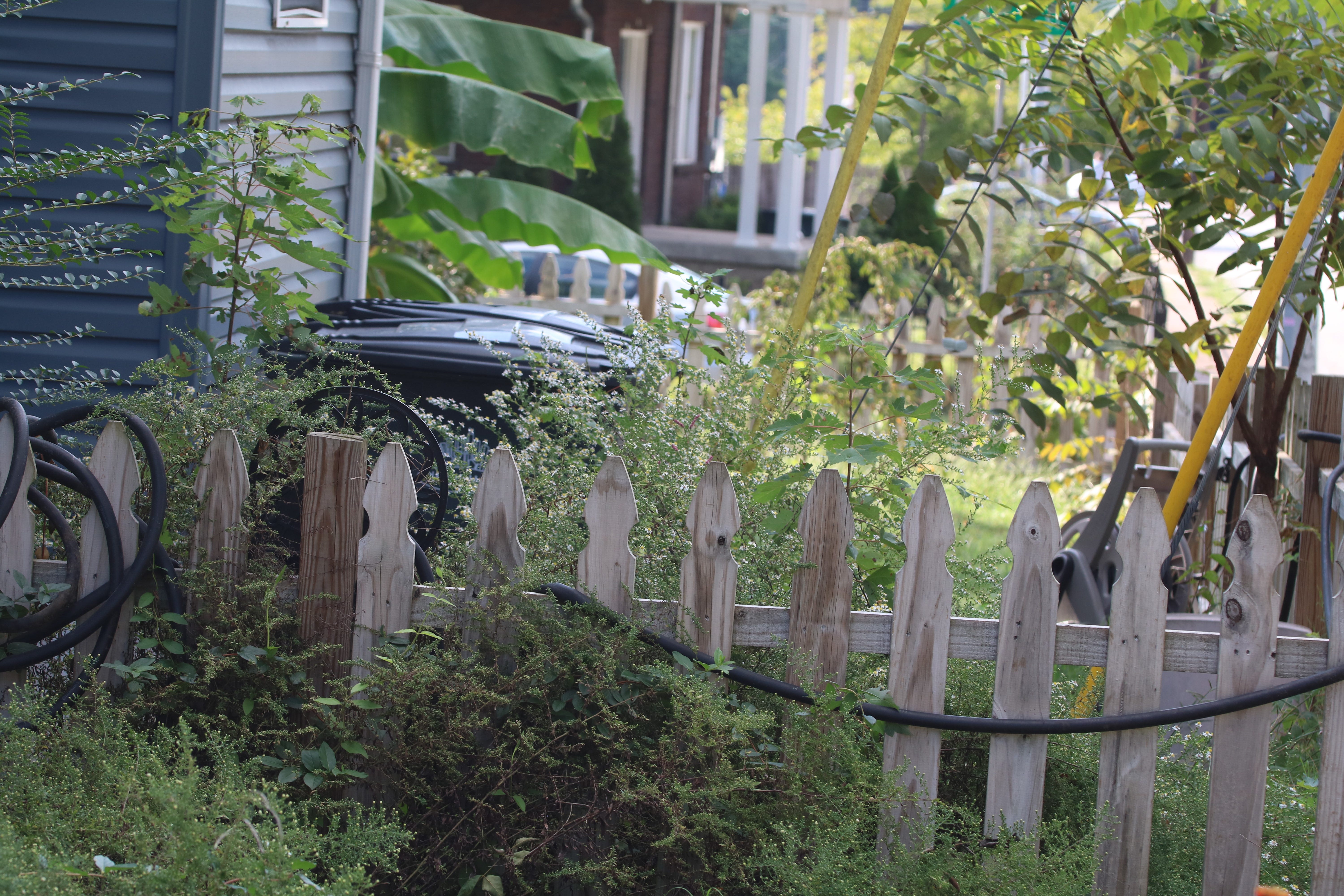
You can actually see the banana plant in the background of this photo that I took, focusing on the frost asters. See the enormous green frond leaves sticking out from behind the trash can?

Leaves of the Japanese banana tree, in the background

That house that is surrounded by banana plants, it looks like it’s from Central America. It looks like the entire house was airlifted, yard and all, and dropped down in Nashville, TN. That’s what it looks like, because of those huge banana plants. Apparently that plant doesn’t even produce edible banana—it’s called a Musa basjoo. I’ll get some photos and show you guys in a future post. This plant is also called a Japanese banana plant, although it is originally from China, it has long been cultivated in Japan. And it seems to do great here in Nashville.
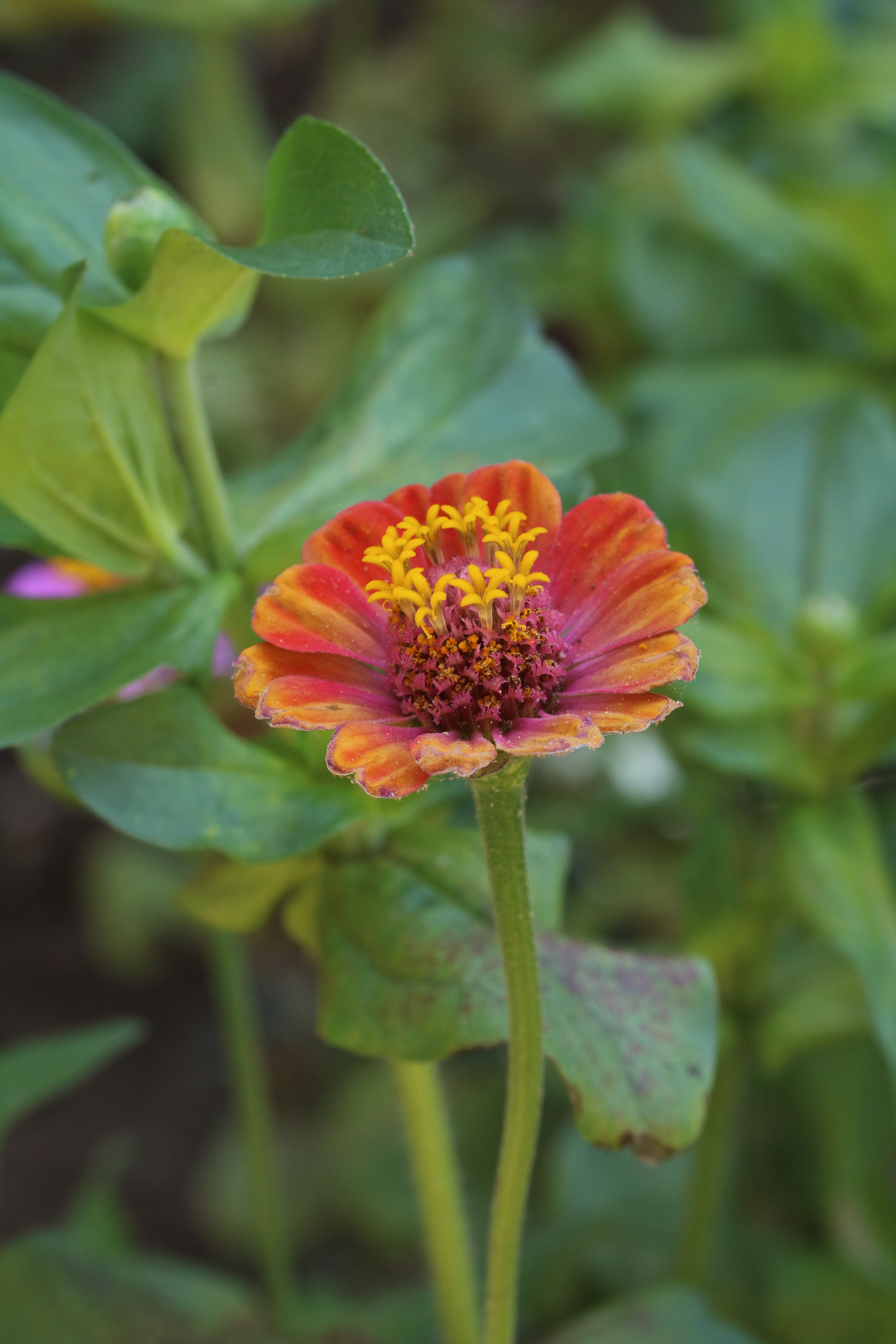
Photo from internet of Musa Basjoo

Right next to the “Marvel of Peru” (in the grass in my neighbor’s yard in Nashville), was the below, small, green, inconspicuous plant, with little blue and white flowers. This is apparently the Asiatic Dayflower, Commelina communis, native to East Asia. So there you go. Central America and East Asia hanging out in a patch of grass together, here in East Nashville. What an incredible thing. The internet says it blooms for only a single day. That’s pretty cool. I’ll keep an eye out for it. Perhaps just tomorrow it will be blooming? Clearly they’re ready, if these didn’t bloom already.
Commelina communis
Asiatic dayflower

I also spied some goldenrod in an empty, overgrown lot. This is a good native flower right here.

Wild goldenrod in the hood

That’s what I got for y’all today, folks. What an incredible treasure trove of natural wonders we have here, in little ol’ East Nashville!

Duewell’s Datura

Alright y’all, I got a scoop for you.

First of all, I don’t know how to spell this man’s name, and if it’s wrong, I’m sorry Duewell. I just went for a historic run, possibly my longest run, not sure. It was at least my most difficult run so far, since I’ve been running the last two-ish months, with my leg recovering and allowing me to go farther. It was at least 5.2 miles, maybe 5.5 miles of runnin’, and in the hot afternoon sun, 3 pm, blazing, over hills and along shadeless roads. I had to take some breaks and at one point laid down in the shade of a tree, when I opted to run through a golf course, taking a scenic and adventurous route, that ended up being horrible, and made me feel like I was stranded in the Sahara Desert. I actually had to bask in the single bit of shelter along that desert, and a bird chirped in the tree above me. I called out to it and said, “Help me, bird!” And then I thought, Why should that bird help me? “Help yourself!” I said, and got back up. What a beast. That’s some runner psychology right there. What do I need from that bird? (I think I wanted it to give me some water.) That bird doesn’t need to do a damn thing for me. And I kept battling.

I ended up getting kind of stuck on the golf course, because I couldn’t get to the road easily. There was a huge wooden palisade that prevented me from escaping. I either had to go all the way around it, retracing my steps by like, a mile, in the blazing sun (impossible), or I had to take a gamble and go through some woods and possibly end up in someone’s yard and/or be trapped. I opted for that, and it was a thrilling adventure, stumbling through uncharted territory, wondering if I would end up on someone’s property and get shot. I came out in an empty lot in part of a development complex, I knew exactly where I was. I felt like a deer that had been lost and had no idea where the hell it was, and I probably felt that way too because there actually were several deer in that strip of woods.

Well, the juicy bit I’ve got for you here — but wait, before that, I have to say something more, interesting, psychology here, about donuts and rewards. I had wanted donuts, and I got some, they were on sale, and I said to myself, “If I eat some donuts, I have to go for a run today.” That was my deal — I wanted to run, but not at that exact moment. Well, I had the donuts alright, they made me feel horrible, I fell asleep, and then I did the run because then I really needed it. And that was the deal I had made.

I ran, and the first 2 miles were awful. I felt horrible, and I thought, now this is your punishment, this is my punishment, for eating these shitty, garbage donuts, and I’ll never eat them again — and yet, I went on the run because of the donuts. I may have gone anyway, but I may not have. I was doing that run exactly because I had the donuts. And so, here’s the question: Donuts good? Donuts bad?

We have to say that it was good. But I look at the rest of the donuts on my counter, and I think, You are disgusting. Get away from me. I don’t want any more of you!!!

Taste so good. Make you feel so bad.

Now, on the very end of the run, I was in my neighborhood, so close to sweet relief, and I happened to see a man in snow-white hair out in his yard. (This is the main scoop.)

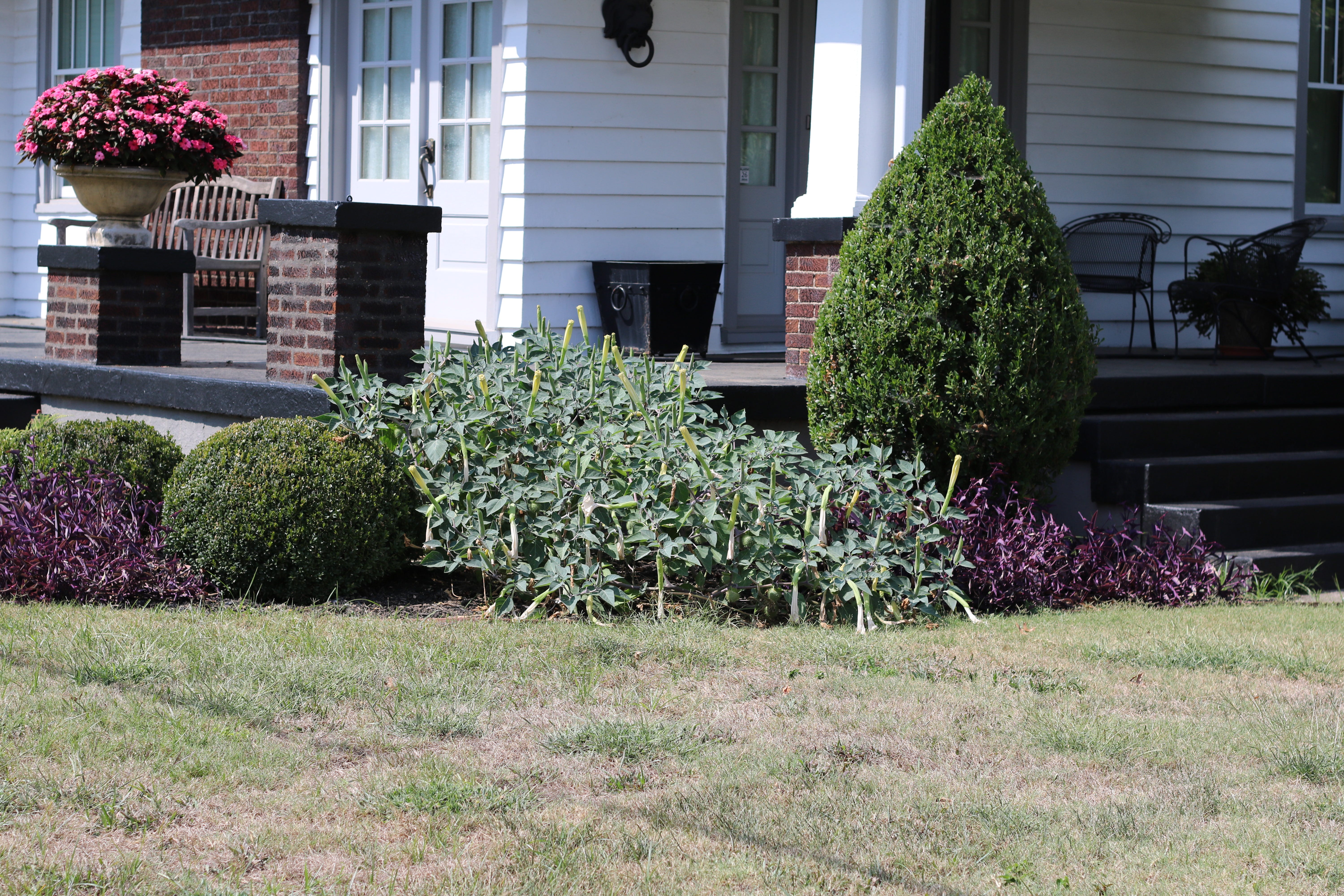
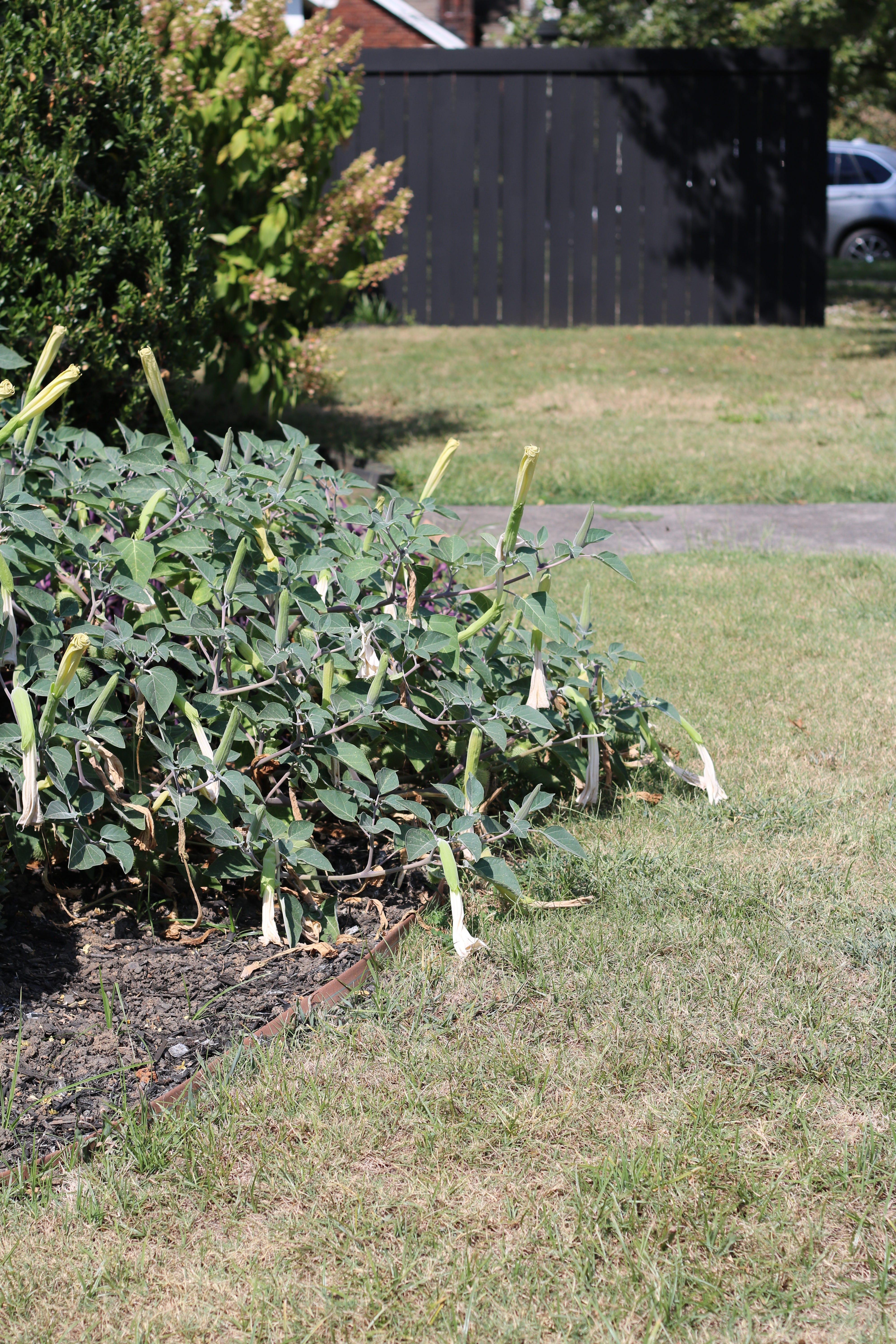
I’ve seen this man a handful of times, and he happens to have a stately home and garden. I would say that he has one of the most regal gardens in the neighborhood, and recently, I have been especially interested in his moonflowers. He has a large moonflower (Datura) plant in his yard, and moonflowers have been blooming recently. They’re amazing to see. I photographed this man’s just two days ago, in fact, because I wanted to a post of some of all the amazing plants in the neighborhood, so here you go.
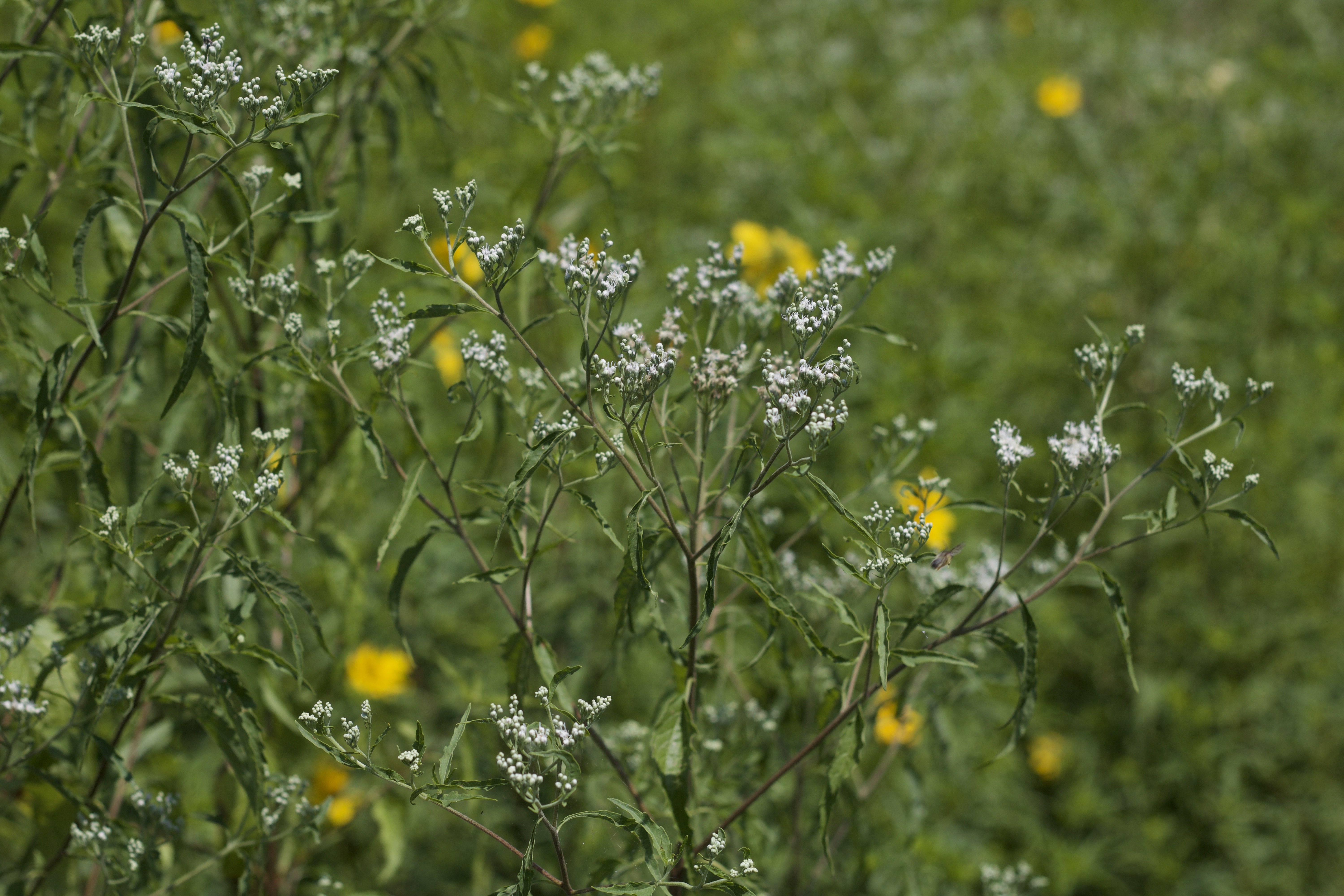
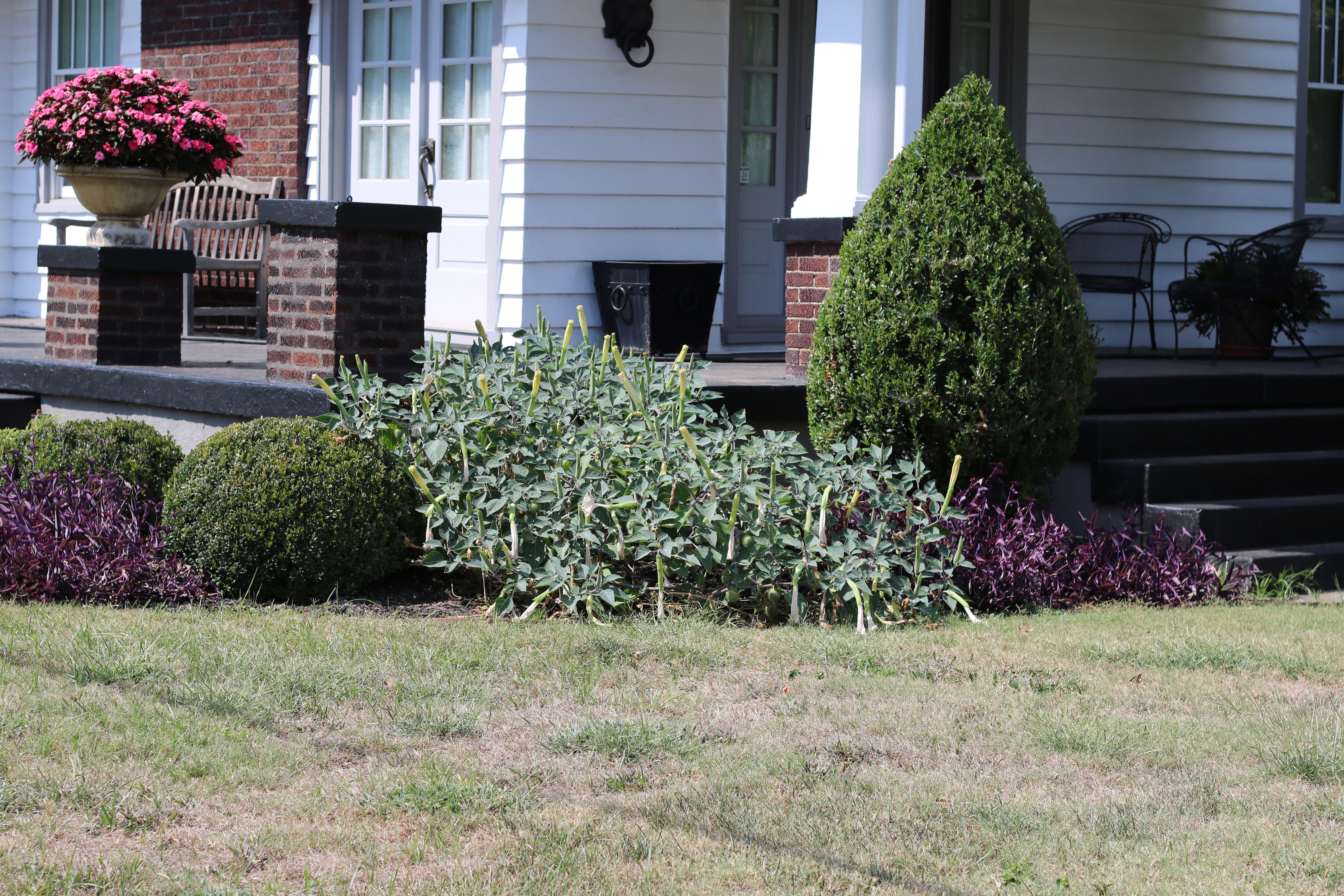
Duewell’s Datura
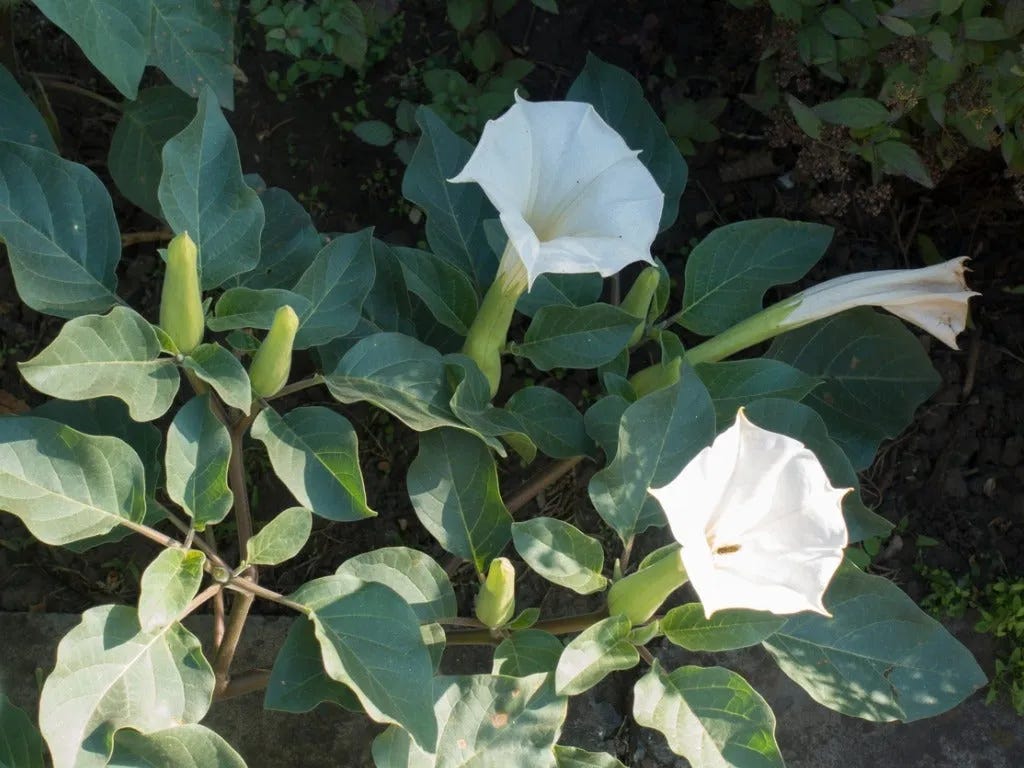
Datura: note the giant flowers

I think you can see what I mean about him having a stately garden. Very trim and proper. Looks good, a different flavor from many of the other gardens in the neighborhood. Now, right now you don’t see any flowers — these flowers are shy. They don’t show in the heat, I think. They might only open at morning and night, or just the morning. I should know that by now, but I don’t. I just know that sometimes they’re open, but in the heat of the day, they’re closed, like morning glories. That’s why unfortunately you don’t see the flowers here, but you can still tell that they must be huge. They are enormous.

Datura flowers

Now, I have been kind of confused about the name moonflower vs. datura, to tell you the truth, and I’m getting confused again because I’m reading a blog post about it. It seems that the definite correct name for this plant is Datura (the name for the genus), and the common name is moonflower, but that can also refer to another plant that has the common name moonflower, and is totally different. I’m going to keep calling it Datura, then, which is certifiably correct. That’s a cool word, anyway.

It seems that these are the species Datura innoxia, and are native to the Southwestern US, Central and South America. They are part of the Nightshade family (Solanaceae).

We are getting a little derailed, but this is important stuff. And I need to know it — you can know it, if you want. It’s good to know these things, right? Impress your friends with esoteric plant knowledge. (In gardening circles this is probably basic plant knowledge.)

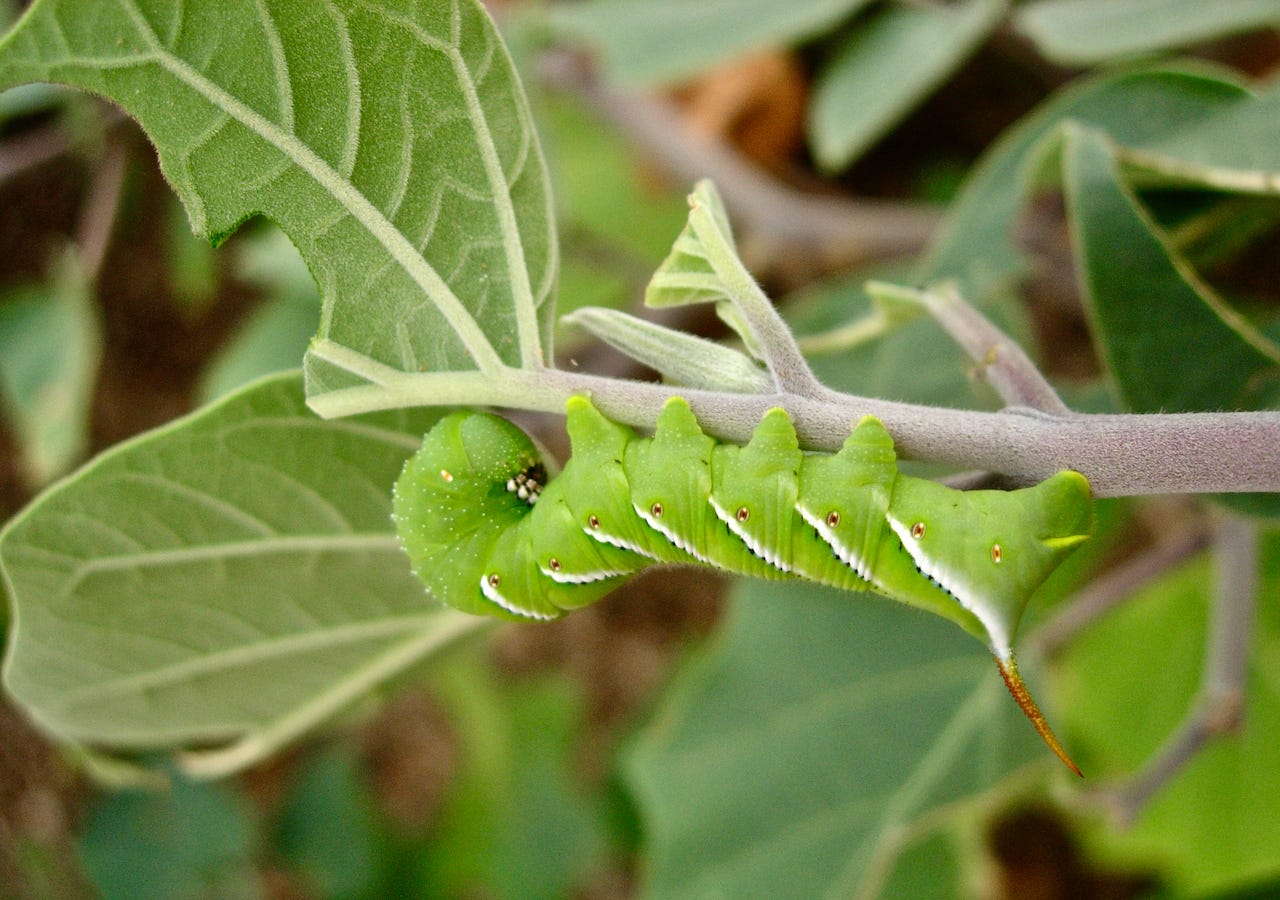
This plant is quickly becoming my favorite plant, I see. I have never had a favorite plant, really. I have never cared that much about plants. But I thought, after coming and learning about Duewell’s Datura, that this might be now my favorite plant, because not only is the plant itself awesome. The caterpillars it attracts are just as awesome.

A hornworm chowing down on a Datura

The SCOOP here, is that I saw this man with snow-white hair outside of his house, tending to his garden, with a watering can, and I thought, I have to talk to him. I have to tell him his Datura is awesome. I didn’t know if I should call it Datura or moonflower, at that time, and I ended up going with moonflower, because that’s what Aubrey, the garderner at Shelby Park called it. I called out to him, “Your moonflowers are awesome!”

He said thanks, and then, oh yes, he wanted to chat. Amazing.

This man gave me the TEA. He gave me the lore. I told him that I had been admiring them, and if they he had grown them from seed, or bought a plant, or if it had just popped up — he said it just showed up one day. He said he had some in the back, implying they could have come from there. That’s an amazing thing, first of all, that this amazing plant that has become a staple in his homefront garden display, simply appeared by itself. But we must remember that this man (possibly his partner as well, if they were involved) had the knowledge and intelligence to identify it as something good (well, desirable at least), and not pull it, and tend to it. I wonder if he knew beforehand what it was, or just let it go and then liked it. I would guess he knew because he had some in the back.

He said that he had to pull some this year, because it was doing so well and spreading. That’s how it goes with these plants, I read. Some of them do TOO well, and start taking over your garden. That’s not a bad problem to have though. Pulling is much easier than growing, it seems to me (I’m still a novice). Let’s look again at his marvelous Datura that has planted itself and now become an amazing feature in his landscape.

Stunning Datura innoxia

God, if only it was flowering in this photo!!!!! I can see how it could be getting a little out of hand. Well, Duewell told me that this plant that is thriving now, he said that he thought it would die last winter, it went all the way down to a single tiny nub (he showed me the size of the plant with his hand, nothing but his fist). He thought it was a goner. But no, it powered through, it’s made it. It’s been here for about three or four years, he said. And then he told me, as I said I had been gardening for just a few months, “If you want any, come back in the spring and I’ll give you some.”

When he said that, I just thought, Do all plant people just give their plants away? Do they all just hook each other up? Because basically, literally every time I have ever asked anyone about a plant that I’ve been interested in, they’ve hooked me up. They’ve literally given me the seeds, given me a chunk of the plant, or offered to give me the seeds/chunk of plant. How incredible is that? I got mountain mint from the gardener at Shelby, Patrick the neighbor offered to give me more, the gardener at Bates hooked me up with passionflower pods, and Deuwell says he would give me Datura seeds. All of this umprompted and unasked for. What an amazing culture! Gardeners are “real people.”

After discussing the Datura, our conversation turned to the neighborhood. I told him I was just down the street, he asked me about construction on a nearby house (it took me a minute to figure out which house he was talking about because there are so many houses under construction in the neighborhood, like 7 within a 100 meter radius) and then he told me about the house just next to his that had been torn down. I had mentioned that they were turning the house near mine into a duplex, “or maybe a mansion”, and he said that’s what they were doing with the house right next to his. They were building a mansion, a 2 million dollar home. Wowie. He said that the previous resident had lived there their entire life, and finally had to go to a nursing home at 92. Now, the home goes down (and it was not a mansion), and a new one is built.

We talked about the amazing growth of the neighborhood, the construction, rising home prices, people coming here from all over, he said “California”, and I asked how long he’d been in his home. He said it was a friend’s house really, and he was just staying there — his house had flooded in 2010. He told me about his experience in this historic flooding, which I had heard about from working at Gibson. (Several guests had asked me about how the flooding had affected Gibson, because apparently they had a warehouse or headquarters that were severely affected.) Duewell told me about his home in Belleview being underwater, he said the water in his house was 6 feet high. 6 FEET. Can’t even believe it.

I had heard the tales of the great Nashville flood, and I heard the tales again. You hear these tales, of great natural disasters, and talking with him about it made me think about my grandpa telling me about the Palm Sunday tornado in Indiana. Long time ago now, the youngsters don’t know about it. But he told me all about the Palm Sunday tornado. This man told me about the great Nashville flood of 2010, and many of the Kumamotoans told me about the Kumamoto earthquakes, of 2016 I think it was. And while I was there (2021 or 2022 was the year, only five or six years later, poor Kumamoto 😢), there was a great flood that destroyed a huge bridge and did heavy damage to the region. I saw that damage personally — that’s a disaster that I can actually report about.
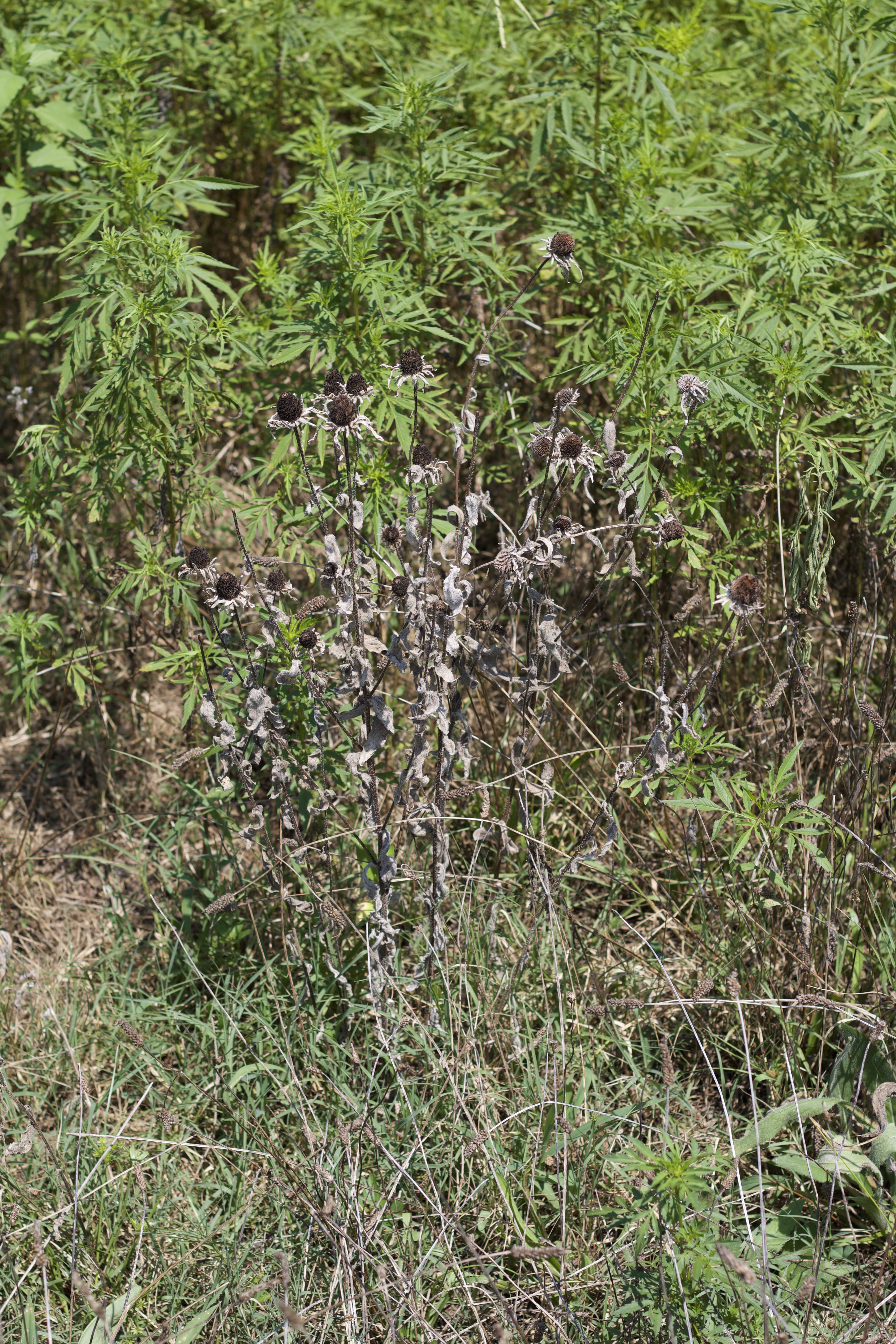
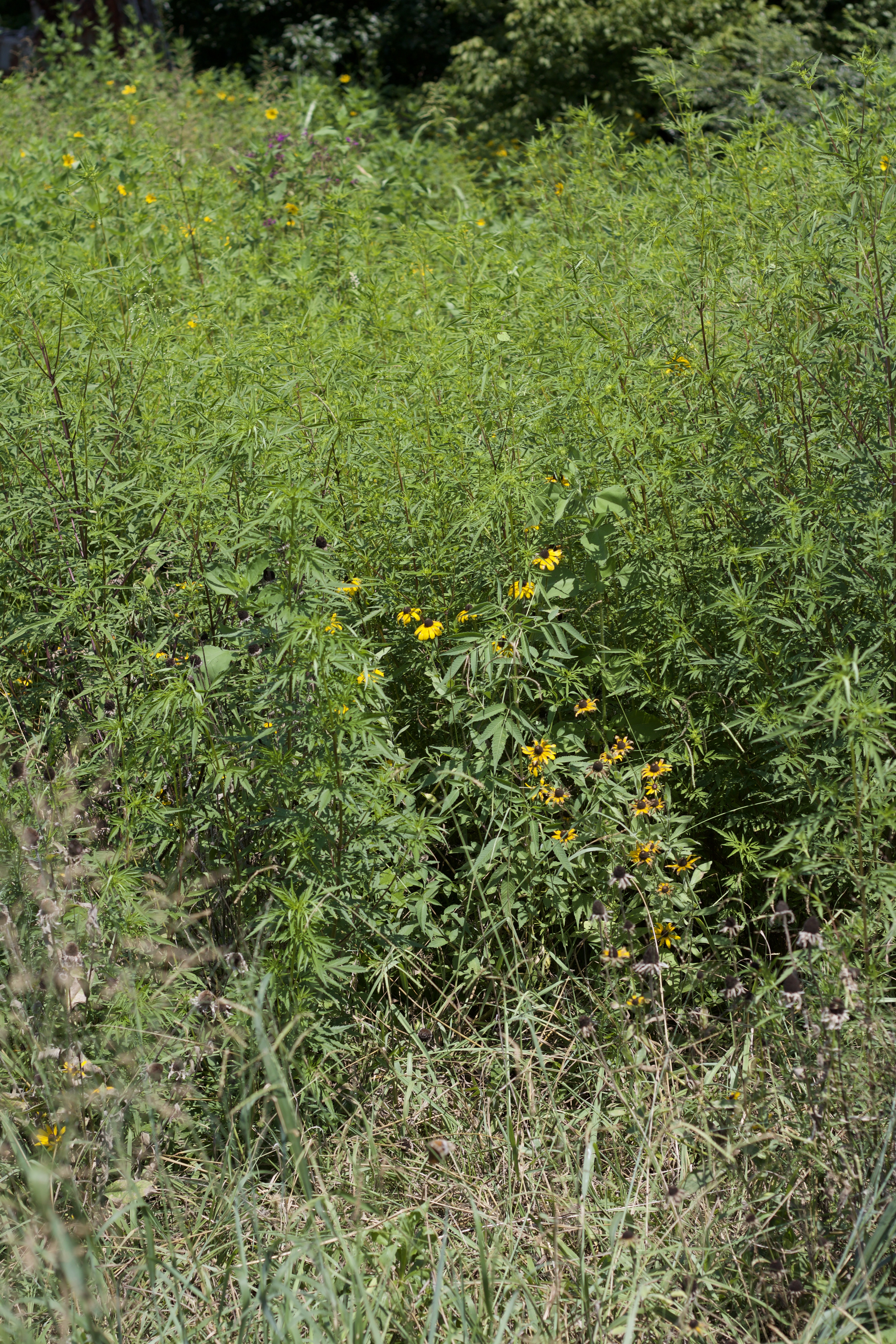
Duewell mentioning the Nashville flood of 2010 made me think about the value of older people, their history and lore, and how they can remind us of and remember these significant events that don’t happen so often, but they do come around. They can tell you, “Hey, might want to be careful by the river, ‘cause that thang can flood. I seen it with my own eyes.” (Don’t know why I have my hypothetical older person talking like this.)

It was wonderful that my epic run (with some degree of suffering involved) ended with a lovely neighborhood chat about Datura, and beyond. I feel again that I am tapping into an entirely new world through gardening, a world that has existed and is known to many people, has been all around, and yet flown under my radar for so long.

Suddenly, I look around and I see these amazing gardens, I see Duewell’s Datura, and I think about how much knowledge, time, energy and work has been invested to make that happen. The skill, patience, ambition, vision that someone or maybe a couple, a family has invested to cultivate and arrange such a wonderful thing. It cannot happen overnight. You have to have an appreciation for that. And the fact that they desire to do it at all — it says something about the residents. You must feel that there’s a good person living in that house, a wholesome person. The chances are high.

And then… there’s my garden… yikes.

Buckeye Caterpillar Farm [Garden Post]

Sept. 15, 2025

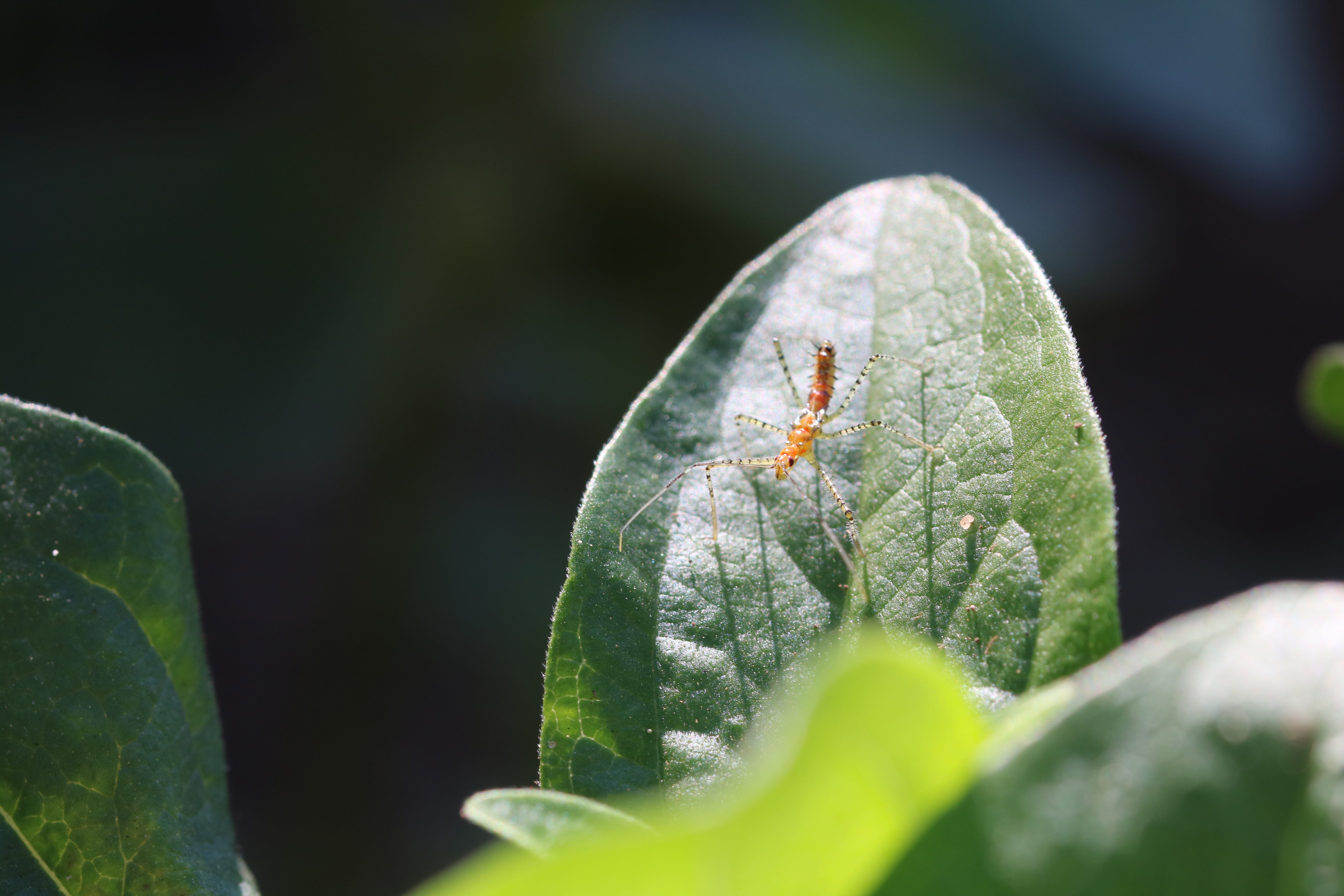
Assassin bug nymph
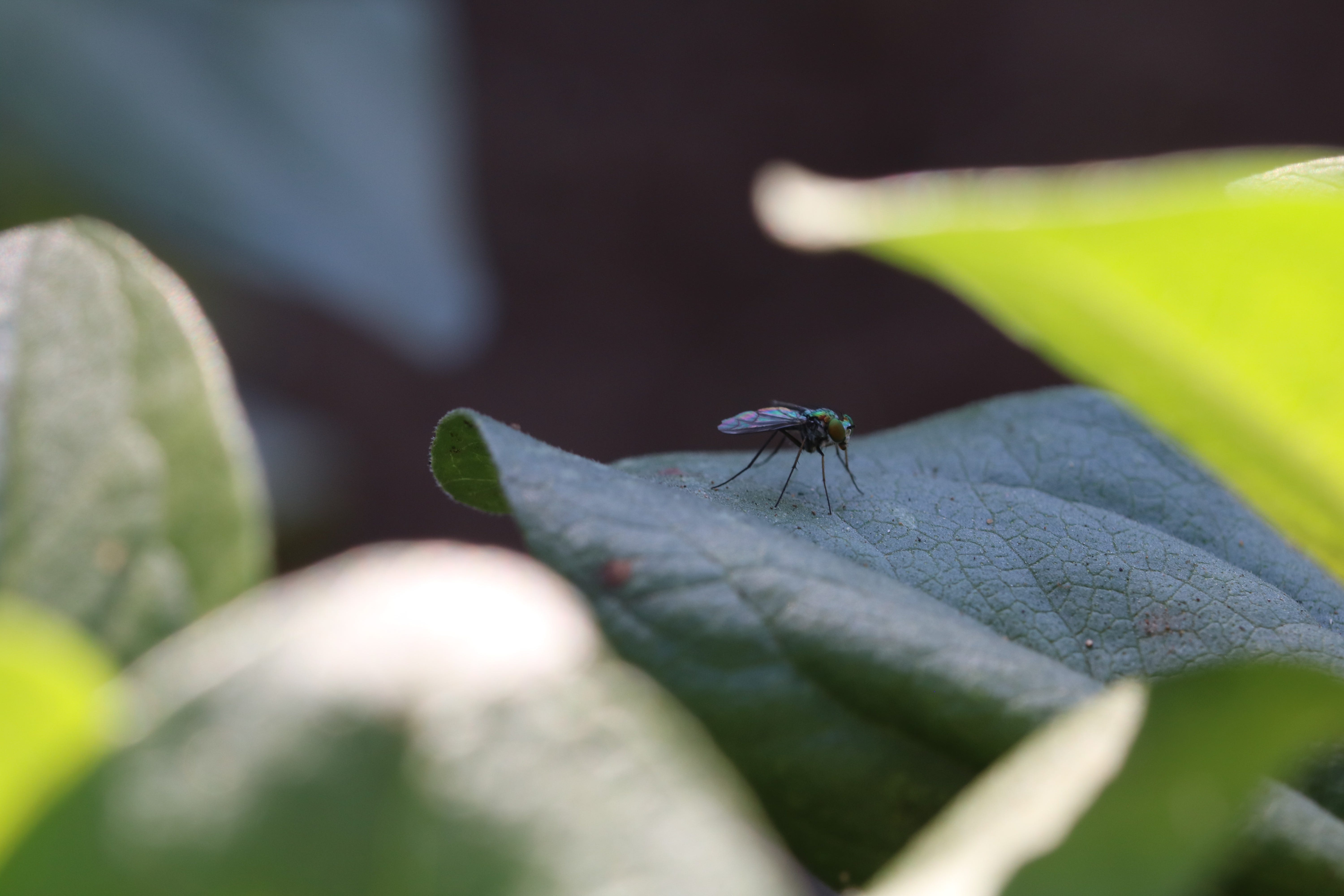
Classic fly right here
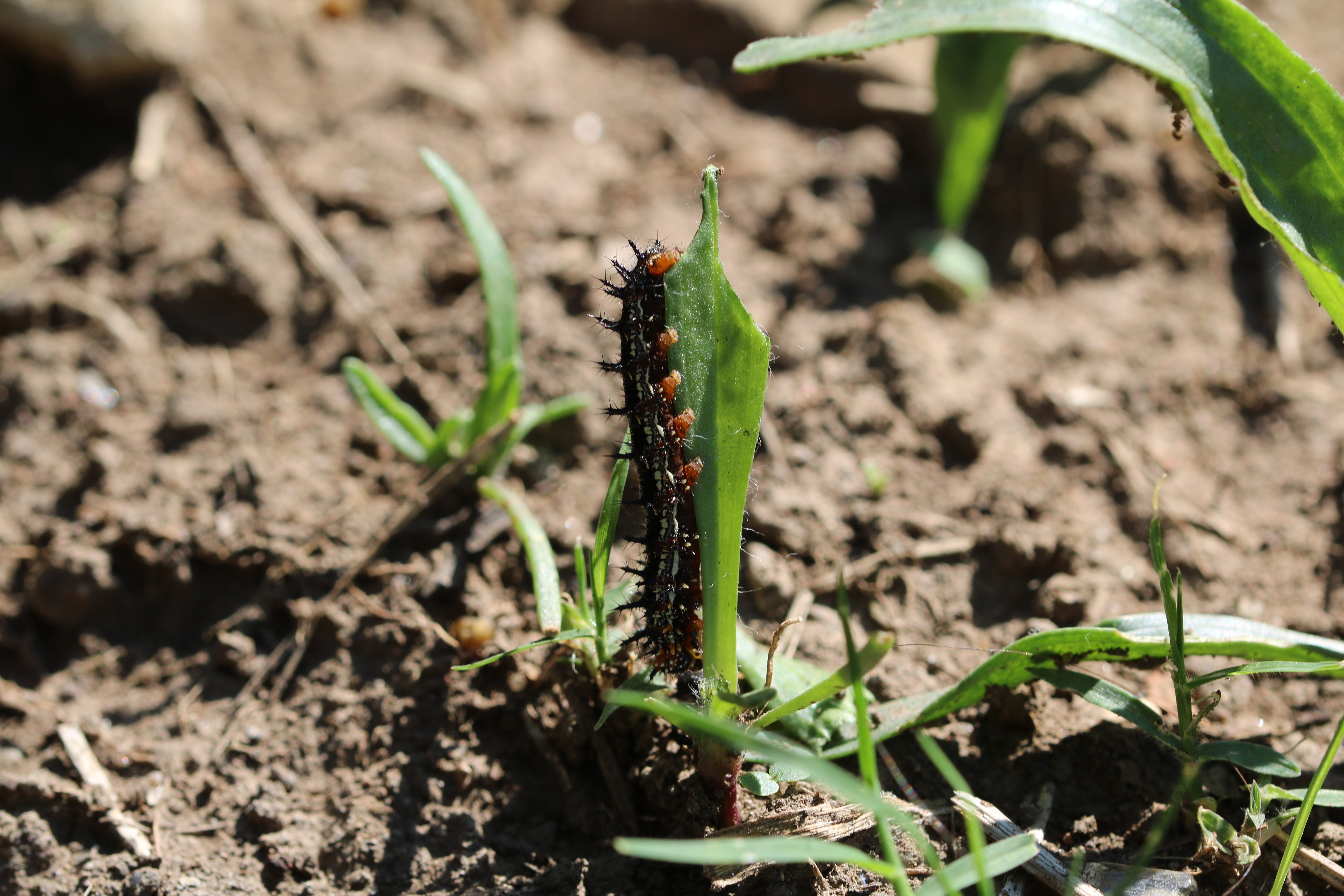
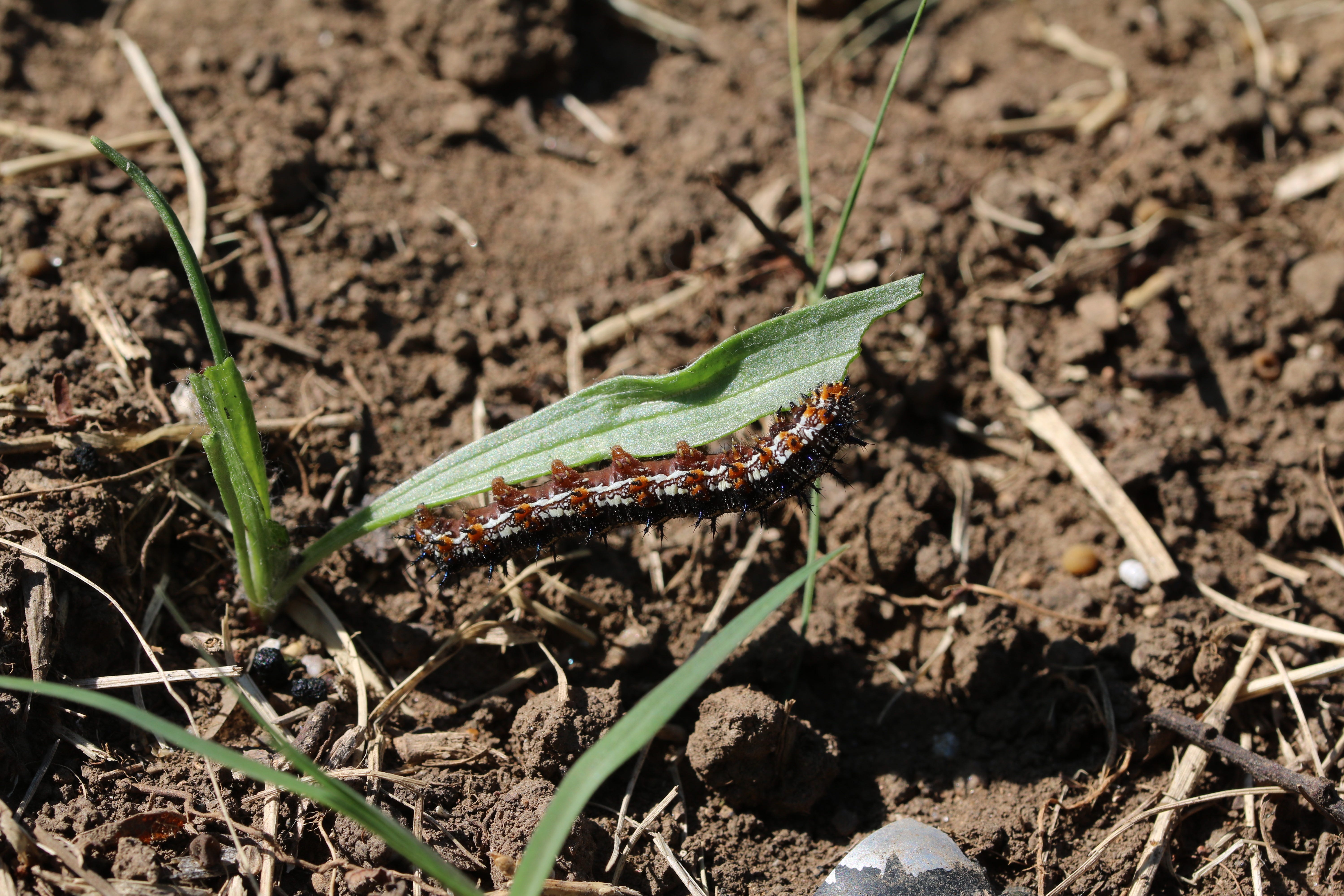
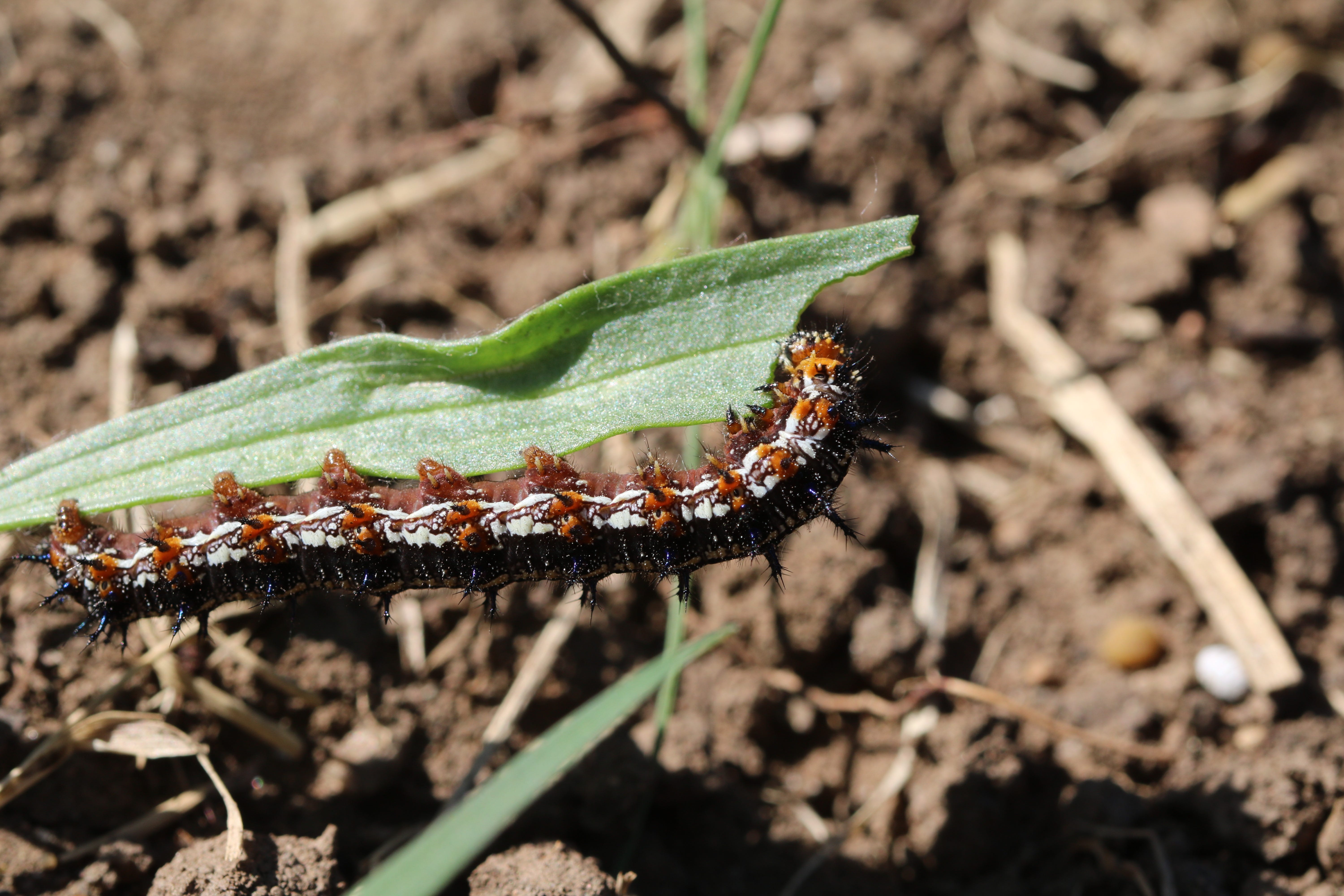
Common buckeye feeding on plantain weed
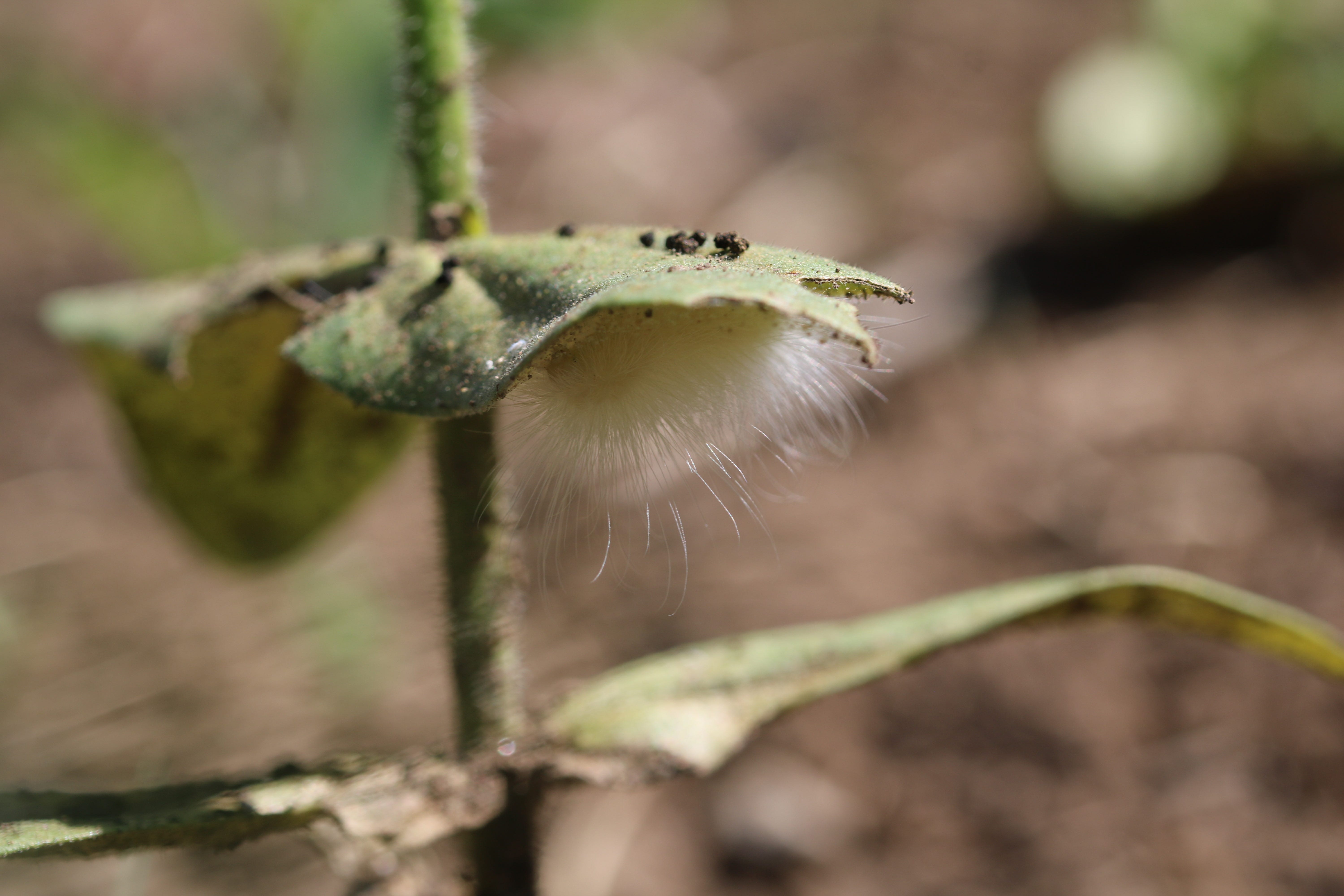
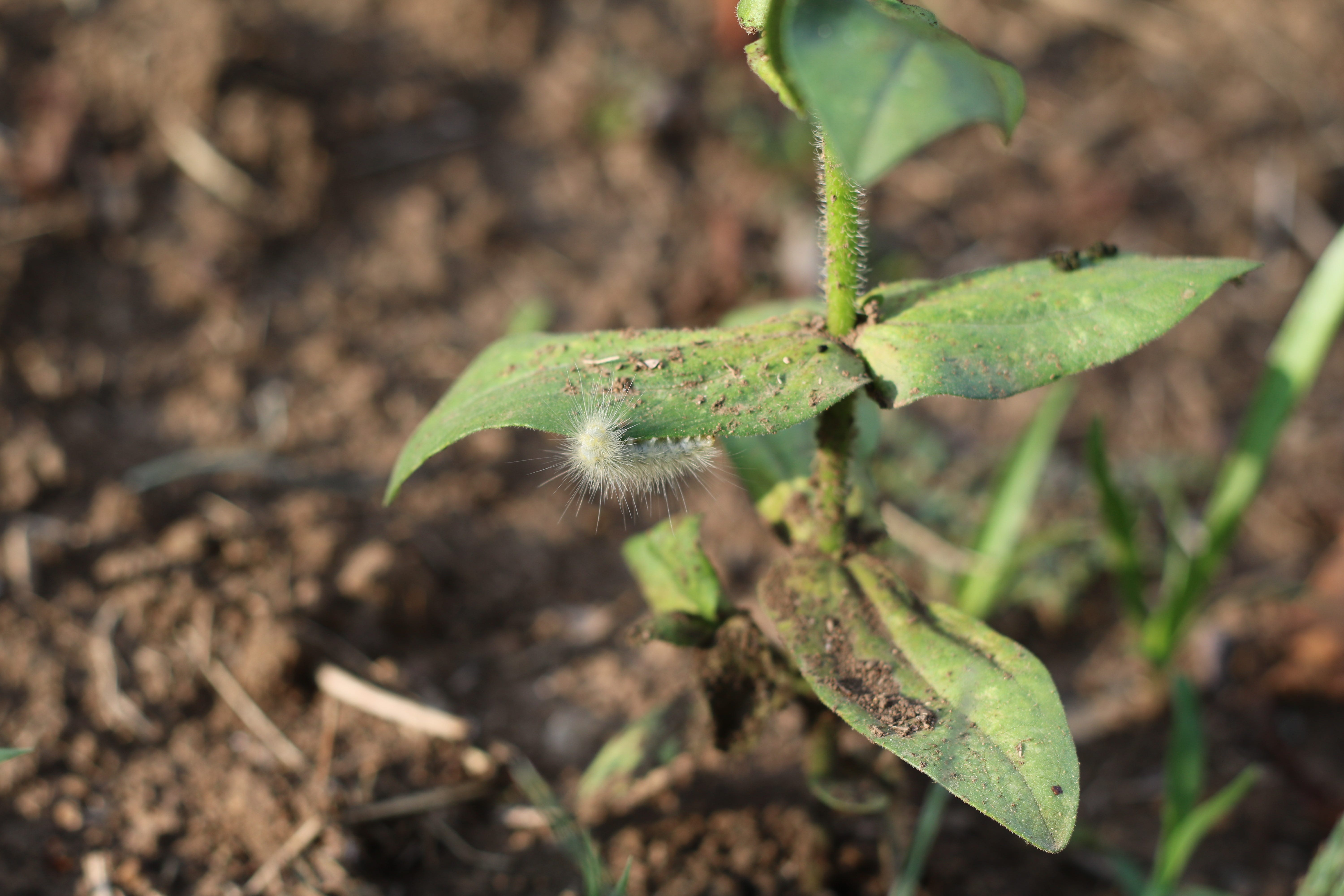
Wooly bear caterpillar (Virginian Tiger Moth?) feeding on zinnia

I was happy to see two butterflies this morning on my zinnias. They looked like fritillaries, large and beautiful. And I thought, I made that happen. There is something here now that wasn’t here before, this garden. These flowers.

Now, have I done a net good? Because I did unearth the soil and unhome many thousands of creatures that were living under the grass that I dug up. And I know there were little moths and creatures in there. But, I have done something for the aphids, the lacebugs, and the butterflies, at least. In the end, my flower garden (focusing on natives too, I’ll keep trying) surely will have more of a positive ecological benefit than what was there before.

The zinnias have been easy to grow. A lot of my other seeds are not sprouting at all, and I don’t know if they will. They could be biding their time, they may come up in the spring after overwintering. But the zinnias, they have done well.

I will say that I saw something amazing yesterday. I was walking home from the cafe and I noticed bees, hundreds of bees going crazy over a plant. I’m not sure what it was, it had blue flowers, long stems. I took a photo with my flip phone but that’s not useful for us here. I have to investigate that plant, because that was extremely popular and providing for the bees at an unprecedented level. (Update: it was Russian Sage, Salvia yangii.)

Only the mountain mint has rivaled that level of bee engagement, from what I’ve seen so far. And unfortunately I think my mountain mint is dead. 😢

Zinnia

I was hanging out in the garden yesterday and I had been thinking all day that I should do some macrophotography, but it was so hot and I was feeling lazy. Then, I was out there again, checking things out, and I saw that assassin bug nymph (1st photo) on a leaf, and I just had to get the camera out for that. That was a worthy target. I actually thought at first it was a praying mantis nymph, which I would love to photograph. But this nymph was cool too.

From the photos on the internet it looks a lot like a leafhopper assassin bug nymph. I also thought at first it could be a large aphid, but figured it was an assassin bug after looking at the closeup photos. They do look similar. Aphids and assassin bugs are both in the same order, which is Hemiptera. This order is also referred to as the true bugs.


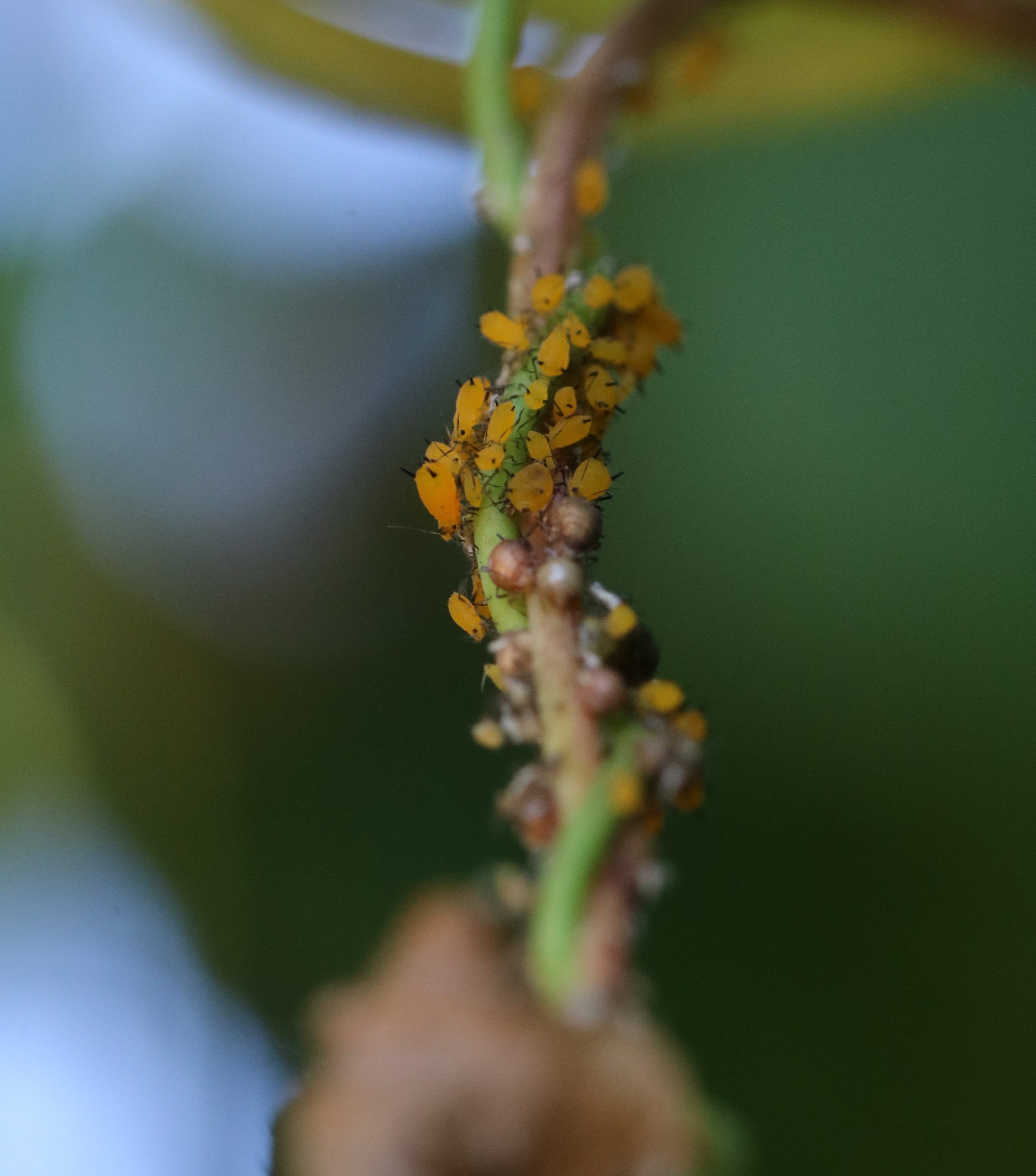
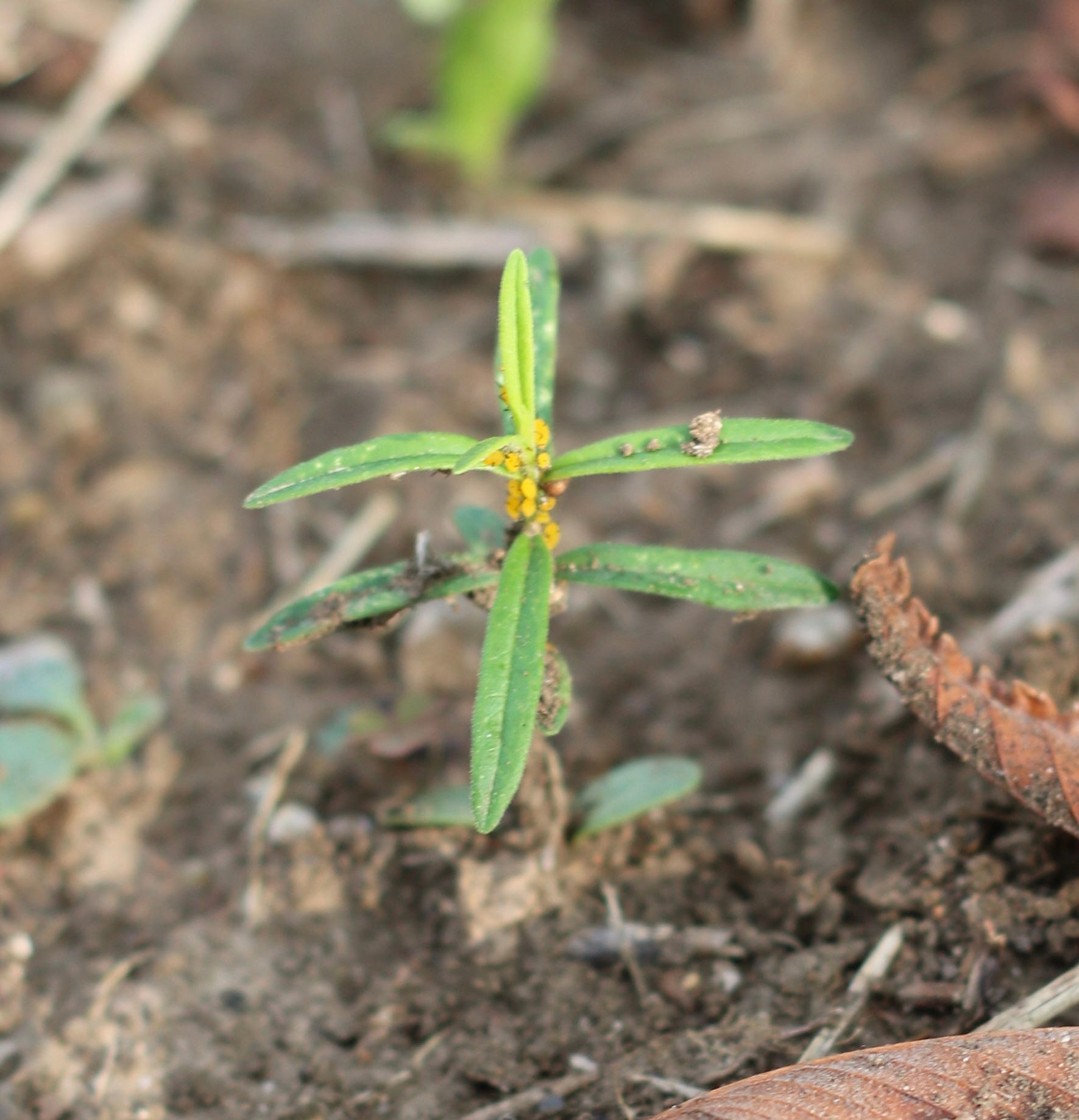
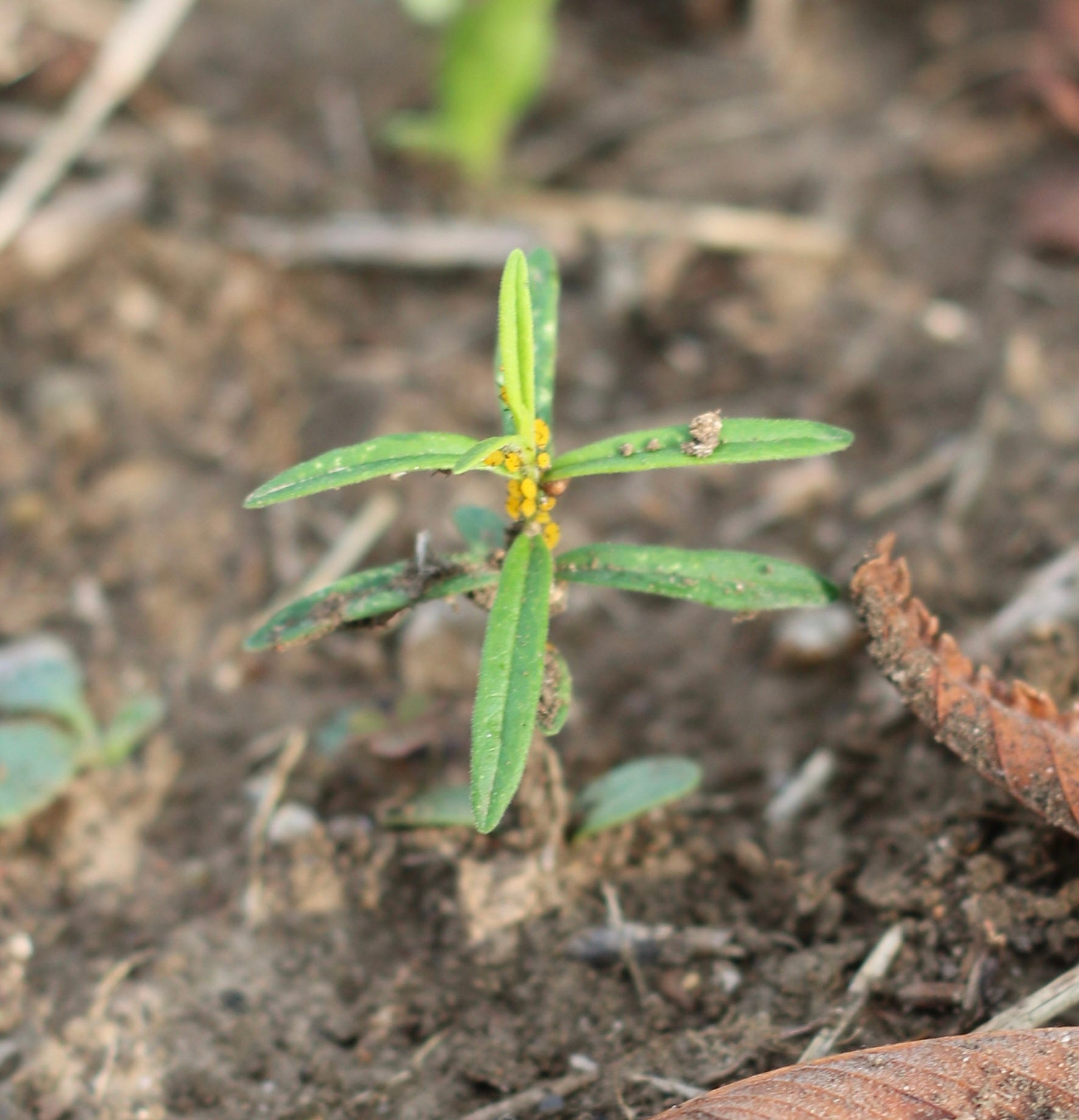
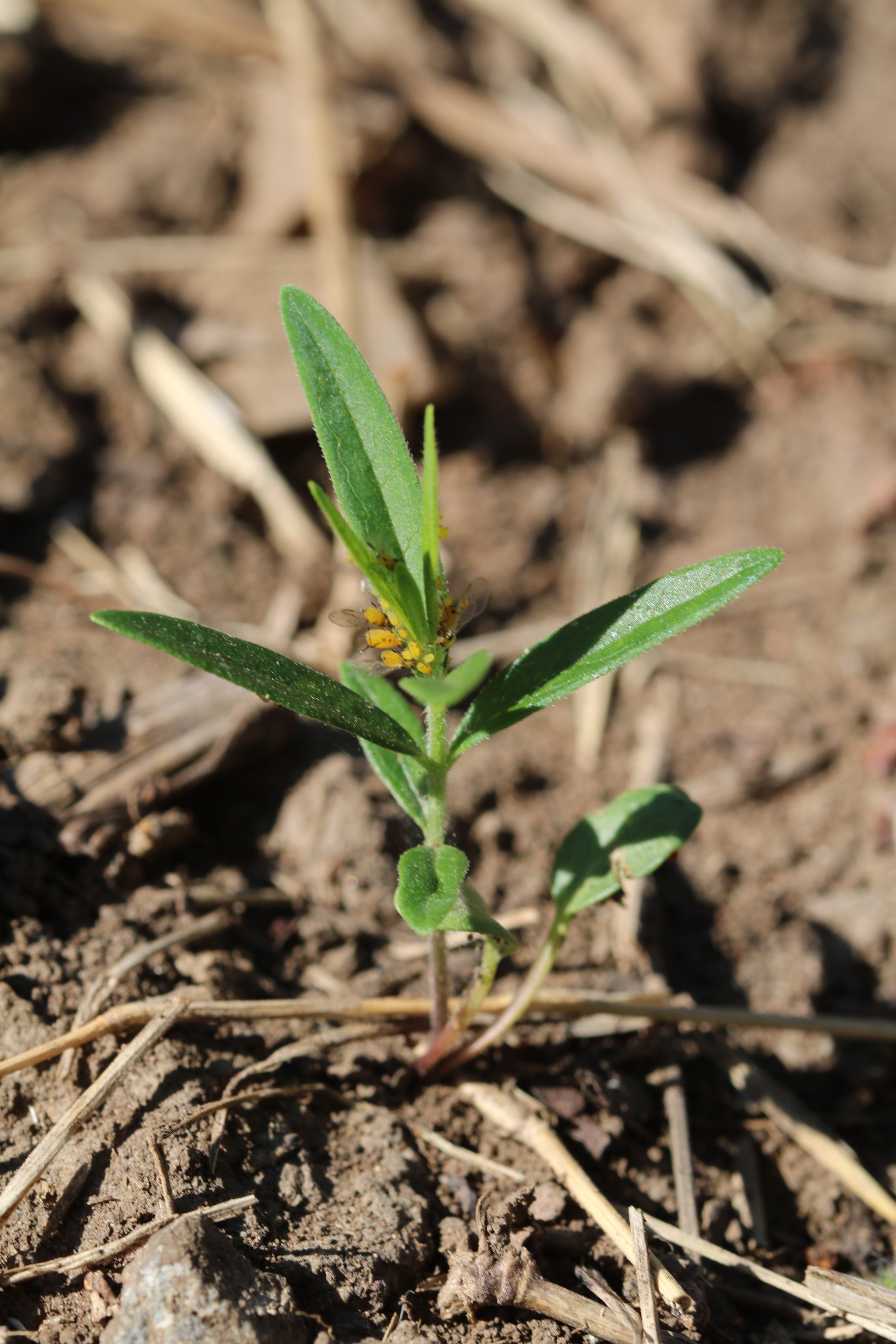
There is one photo here that is not from the garden (below) — that is of the yellow aphids, Oleander aphids. There is a small story here, which is that, if you had read my emergency garden update, you know that I was shocked to see a small milkweed plant pop up in the garden, that I had not planted. That was Honeyvine milkweed, and I thought it was a milkweed because it was covered in these yellow aphids. Well, I was standing out in my driveway talking on the phone, when I noticed a vine across the way on our fence, that looked like Honeyvine milkweed. And this is how these things go. You train your eye, and then you start to see the thing.

Well, I went over to take a look, and I thought, if it was going to be honeyvine milkweed, it should have the yellow aphids on it, right? And low and behold, it did. It was covered in them. Now I wish I would have just taken a photo of the vine as well, for you to get a good look at it, but I am not a good photojournalist. I was simply concerned with the little aphids and not the whole story.

Yellow aphids on honeyvine milkweed

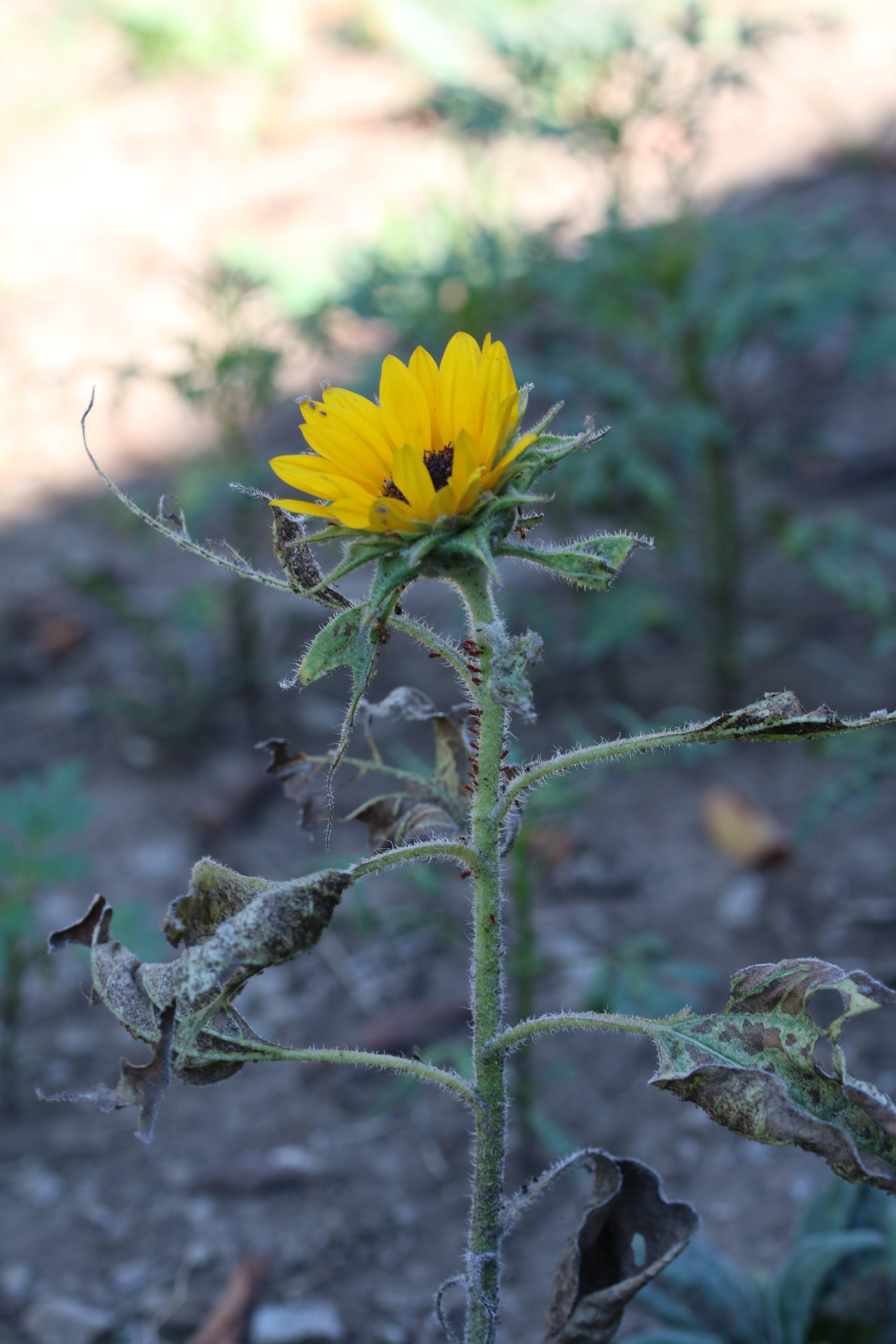
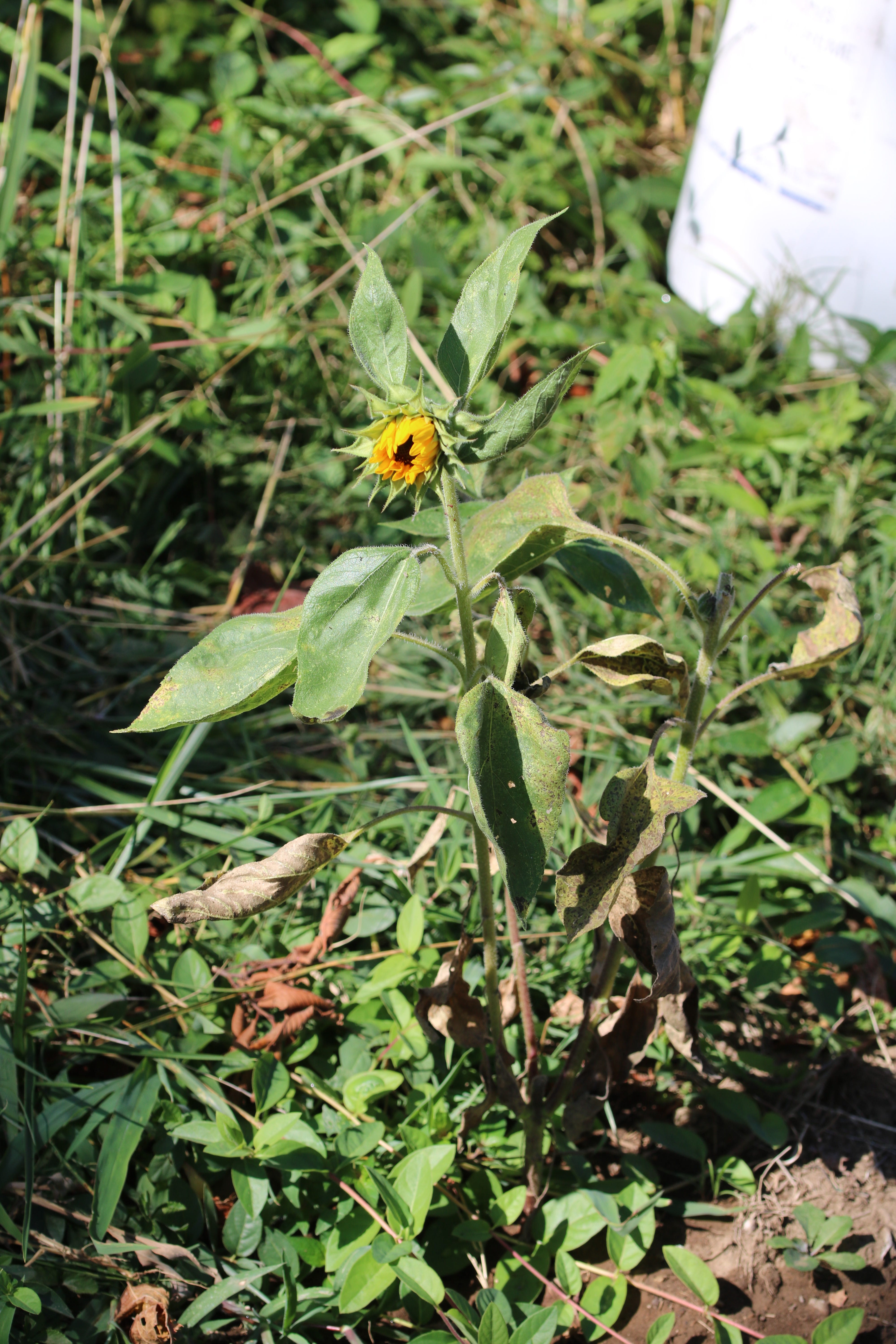
I think that photograph of the sunflower says something about desolation, and finding a way. About survival. That sunflower is clearly not thriving, beaten, bruised, crispy, wilted. It has survived two assaults by something large, having been chomped twice, and it is constantly being drained by aphids and lacewings. It has been thoroughly cooked by the sun for the entirety of its short life, two months. And yet, through all of that, it has been able to flower.

Traumatized, yes, abused, yes, but it flowered. It made it.

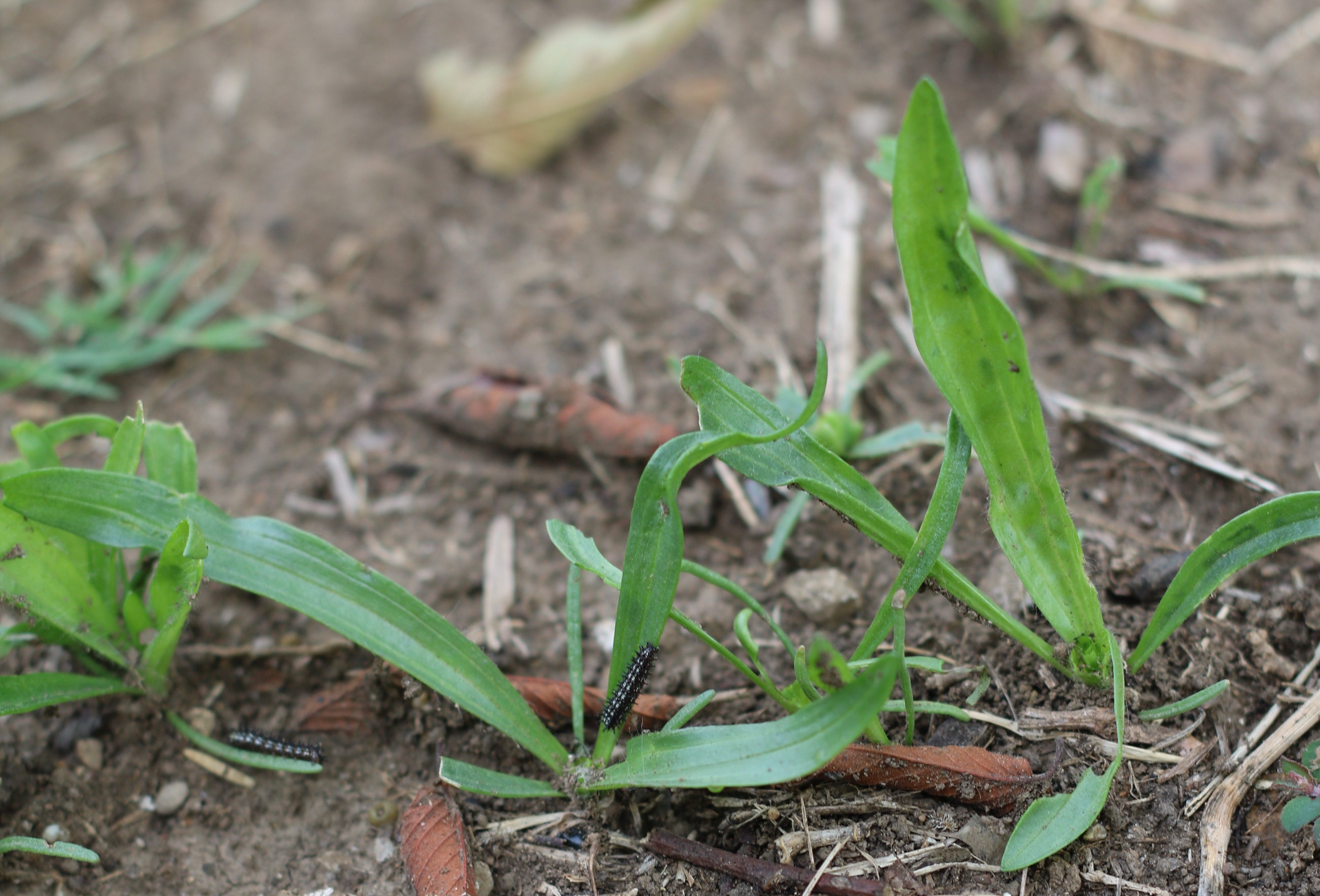
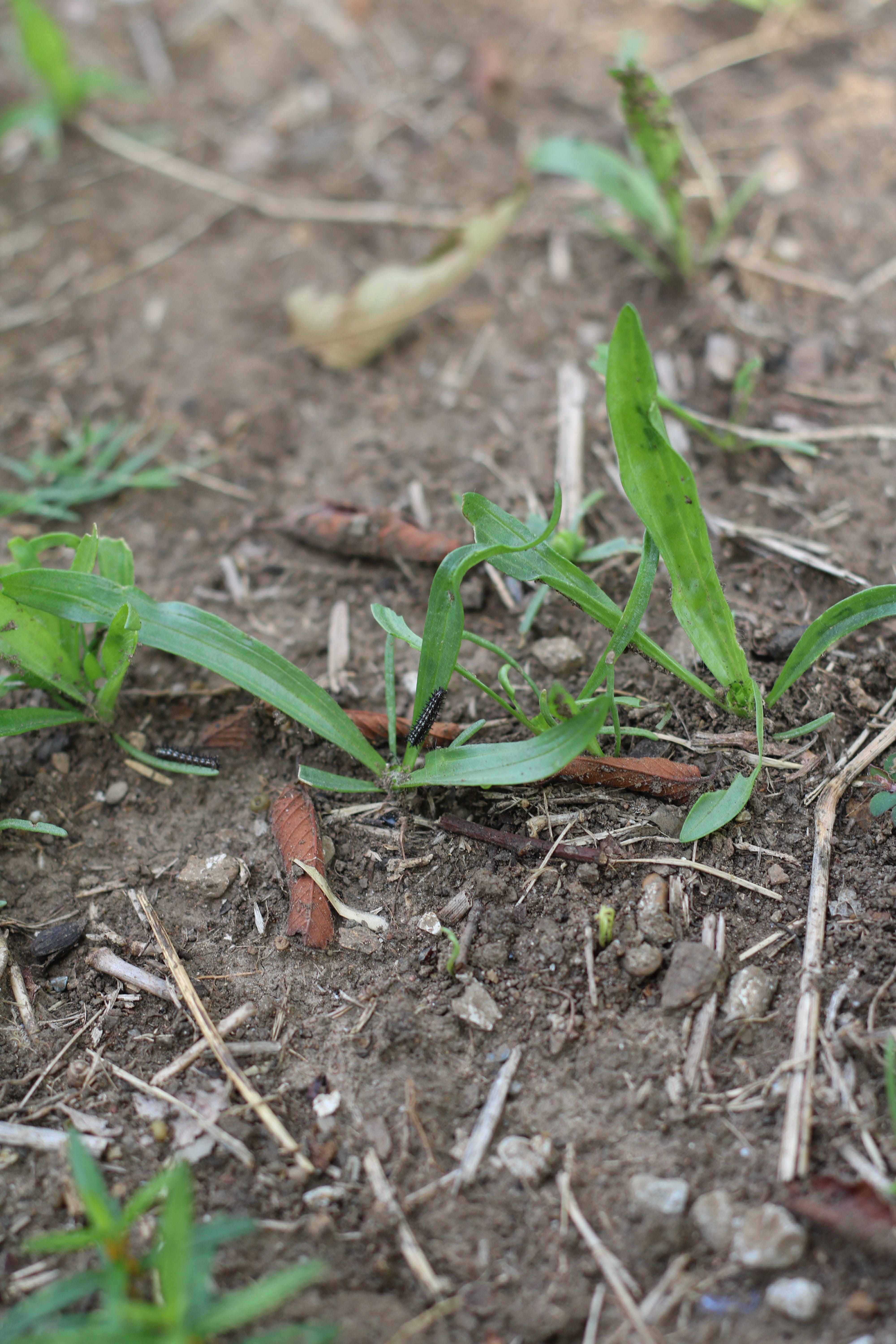
There are now five buckeye caterpillars that are chowing down on a patch of plantain weed in my garden. It’s like I have a caterpillar farm. I was wondering if they would eat the plantain weed faster than it grew, but that has not been the case. There is plenty of plantain weed to go around.

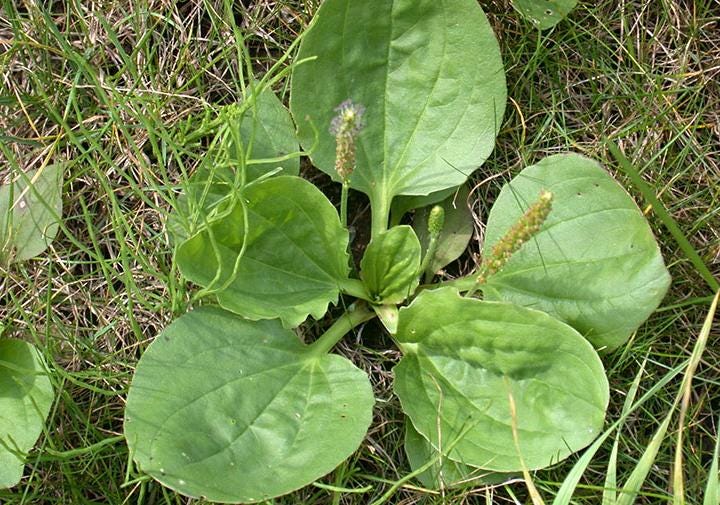
I was wondering what they were munching on, and I thought it could be a grass but it didn’t seem like it. Caterpillars don’t really eat grass, right? I didn’t think so, you don’t see it at least. Well, I looked up what buckeye caterpillars eat, and grass was not listed. So, I did some scouring, and found that these plants were plantain weed, and there are two kinds around here, buckhorn and broadleaf. And now I see them everywhere.

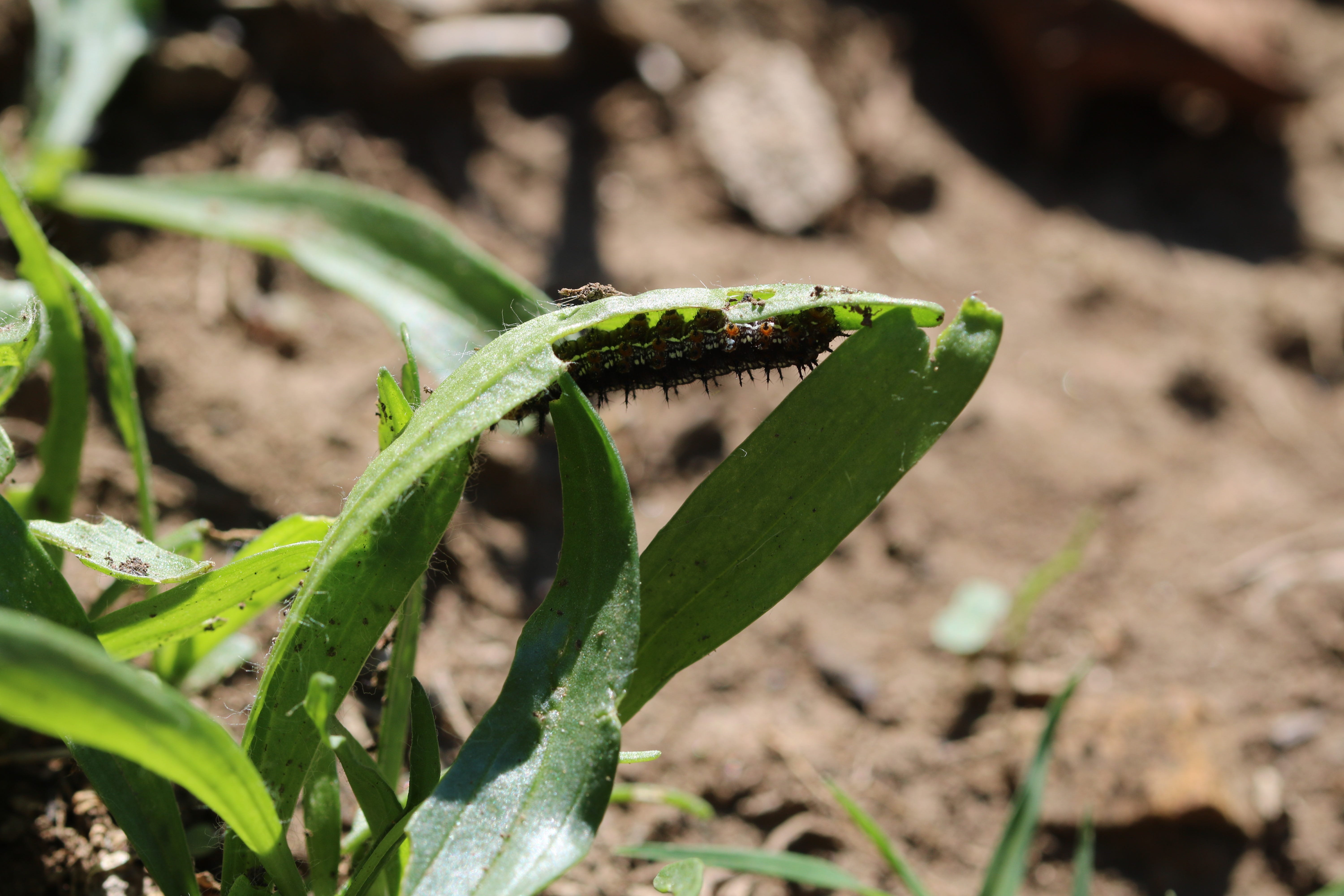
Buckeye caterpillar taking shelter under buckhorn plantain leaf
Photo from just four days ago – same caterpillars on plantain weed

This photo above shows clearly the buckeye caterpillars on their beloved plantain weed. This is how big they were just four days ago. They are now about fifteen times as big. I have watched their entire journey, from little tykes to the big beasties they are now. I wonder how big they will get. They’ve gotten so big that they’re starting to hang out on the ground.

They seem to go through phases of activity. They also have good camoflauge, somehow. It takes me several minutes to find all of them. They like to hide under leaves, or at least they did, as now they’re so big I don’t think they care. It probably protects them from the sun, too.

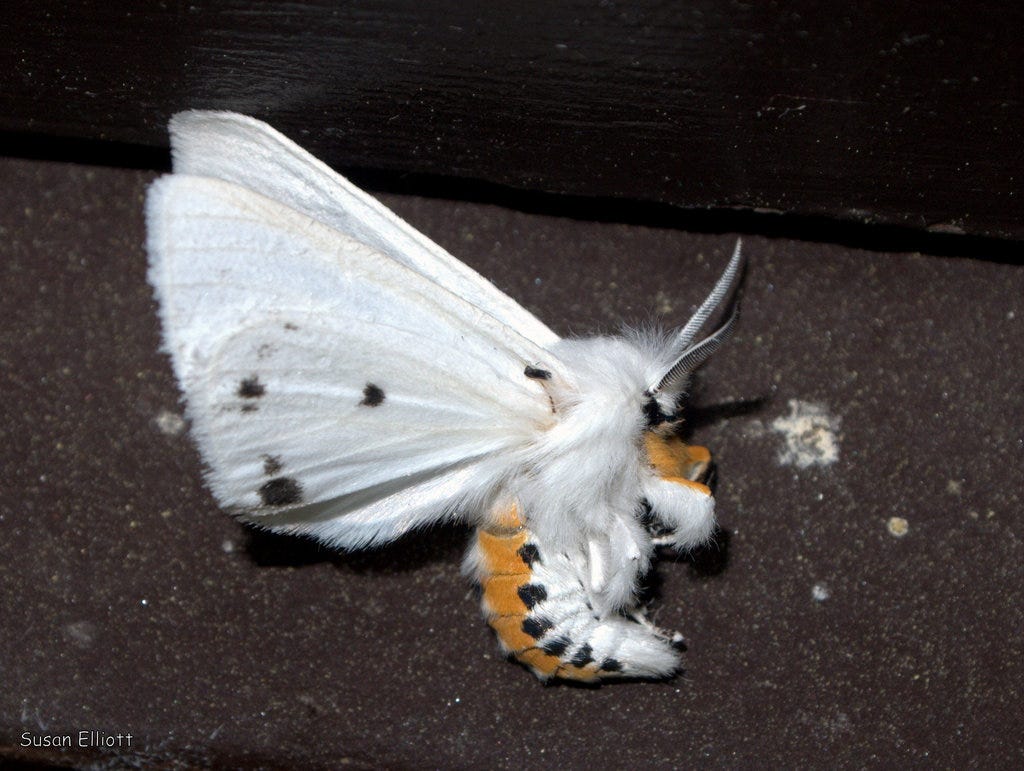
The fuzzy white caterpillar on the zinnea is a wooly bear of some kind. It looks like it is a Virginian Tiger Moth, called spilosoma virginica. It looks similar to what the pictures are on the internet. The below photo is the adult moth form.

Virginian Tiger Moth
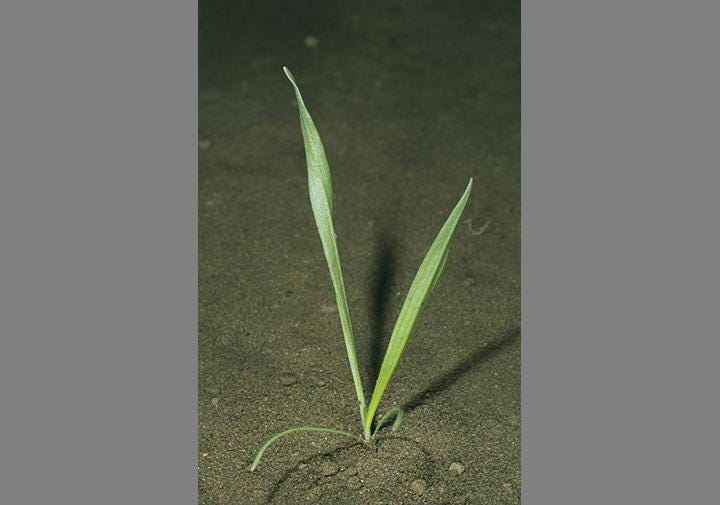
Buckhorn plantain sprout
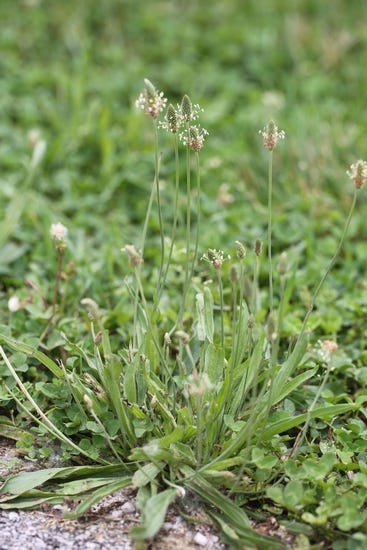
Mature buckhorn plantain
Broadleaf plantain

I see these plantains everywhere now, in the grass by Ugly Mugs, on the side of the road. Apparently they are edible and good for medical purposes. I want to try eating one.

Steven’s Gardening Blog (100% garden-related post)

I almost feel like at this point I should have a dedicated blog to gardening. Seeing as half the posts contain at least some garden updates. It makes sense. Will I do it?????

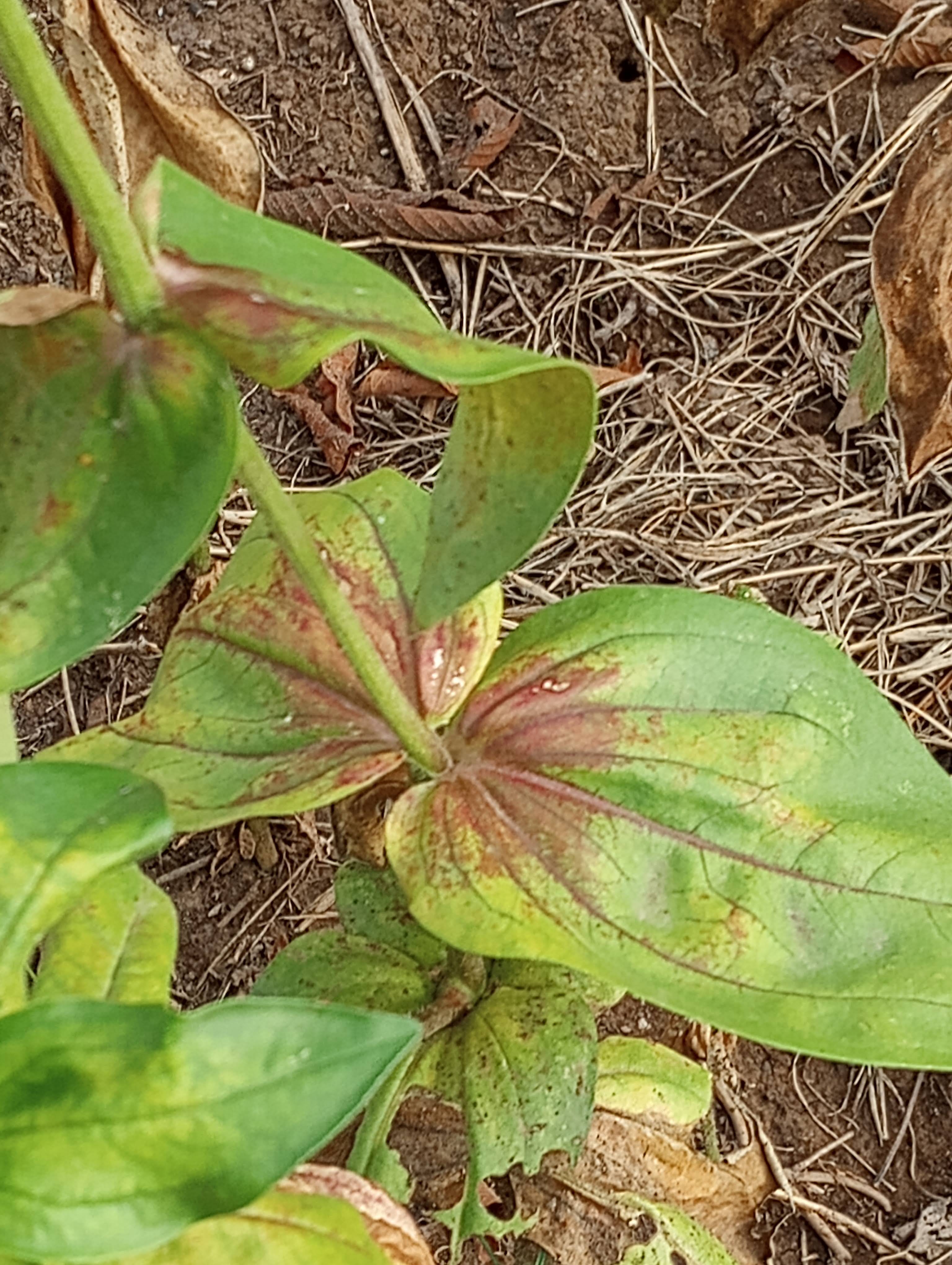
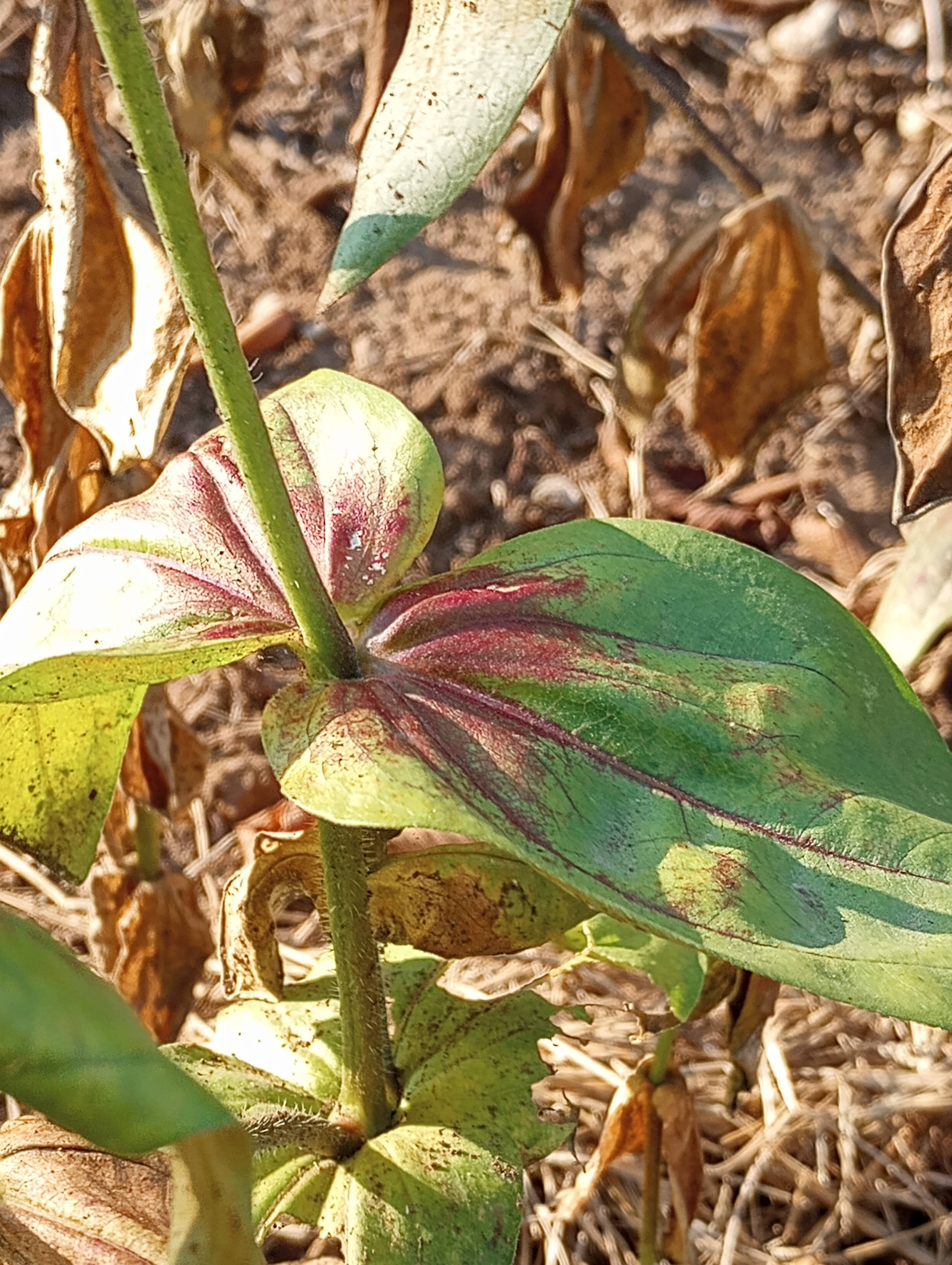
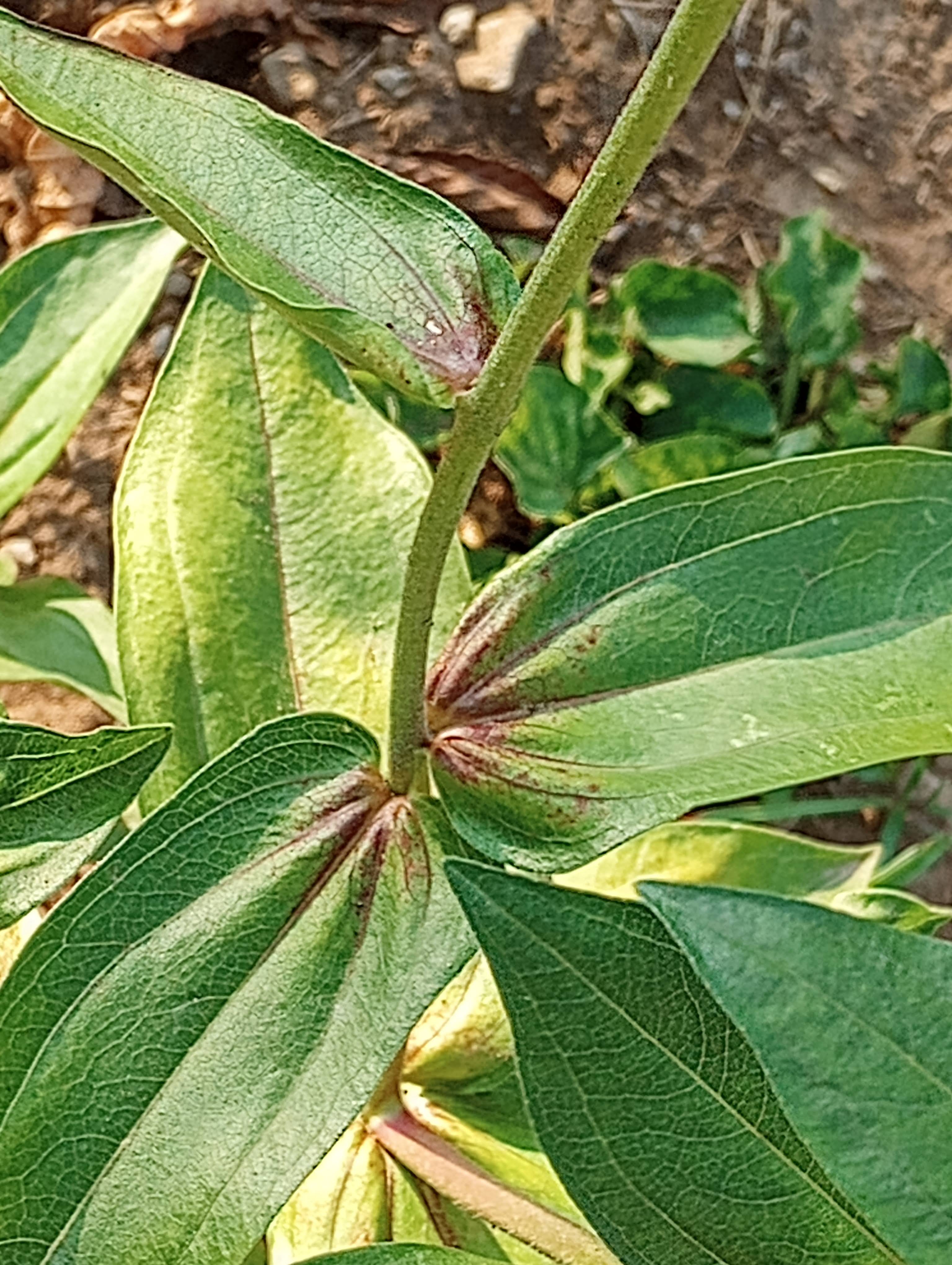
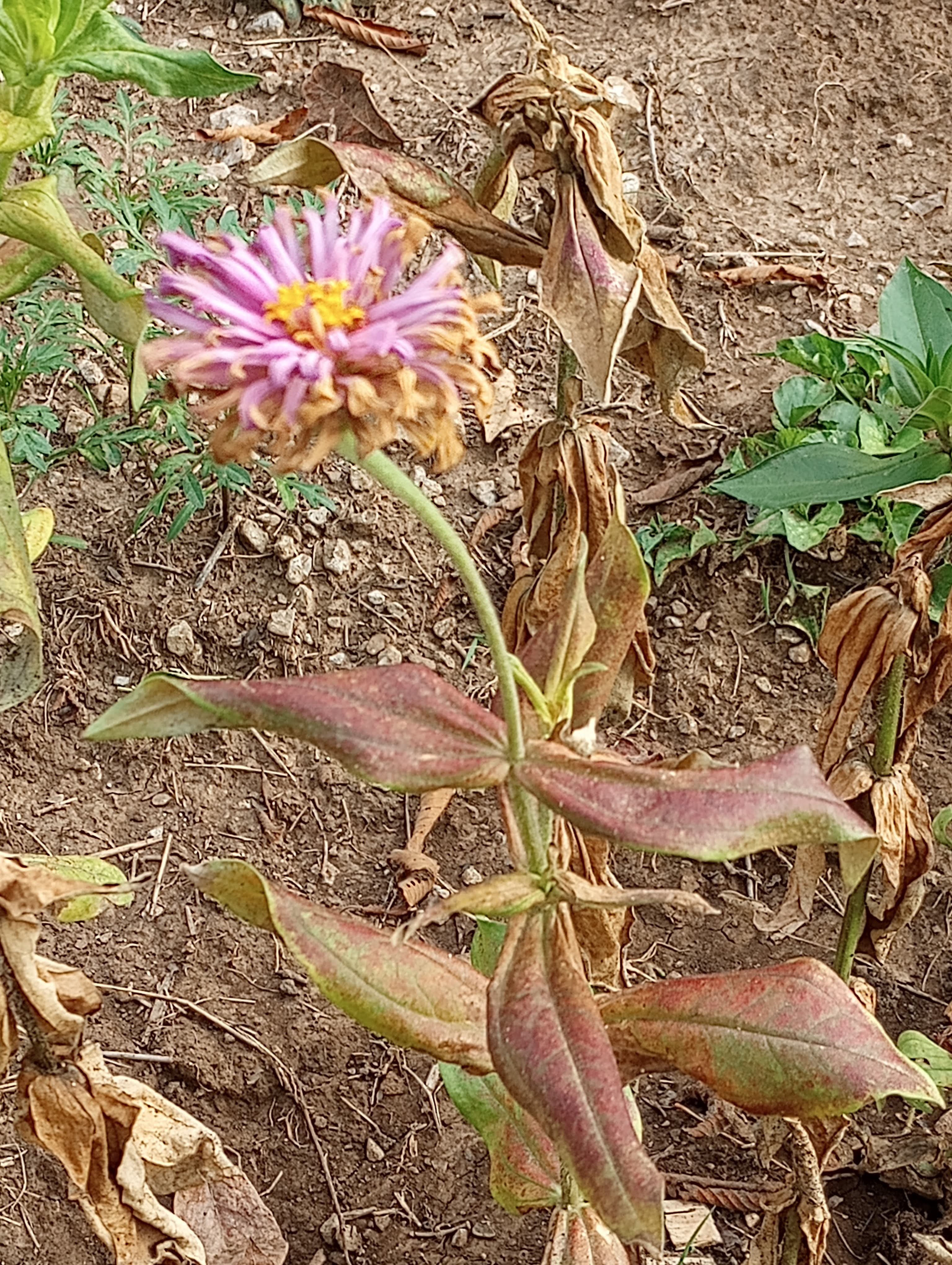
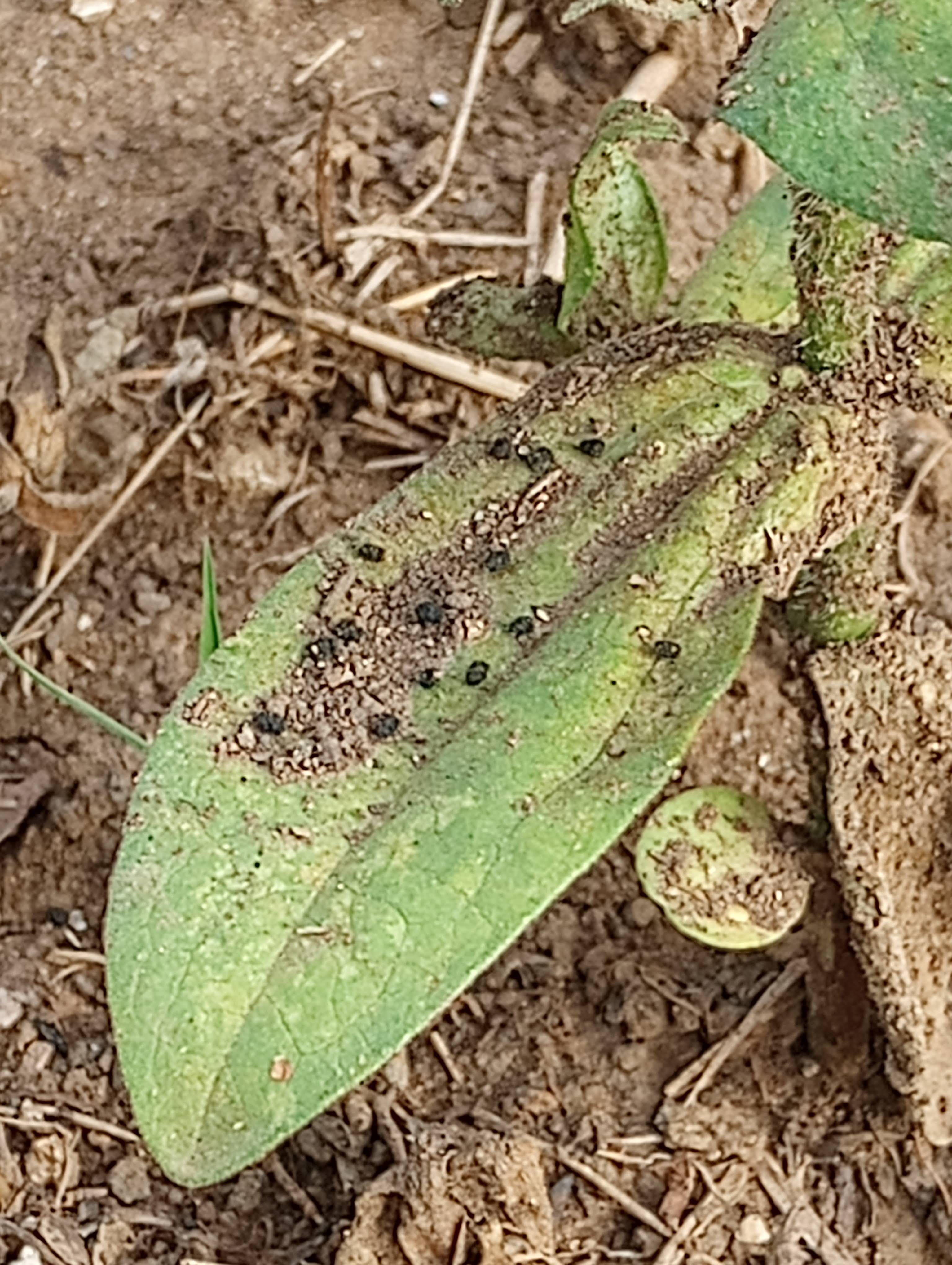
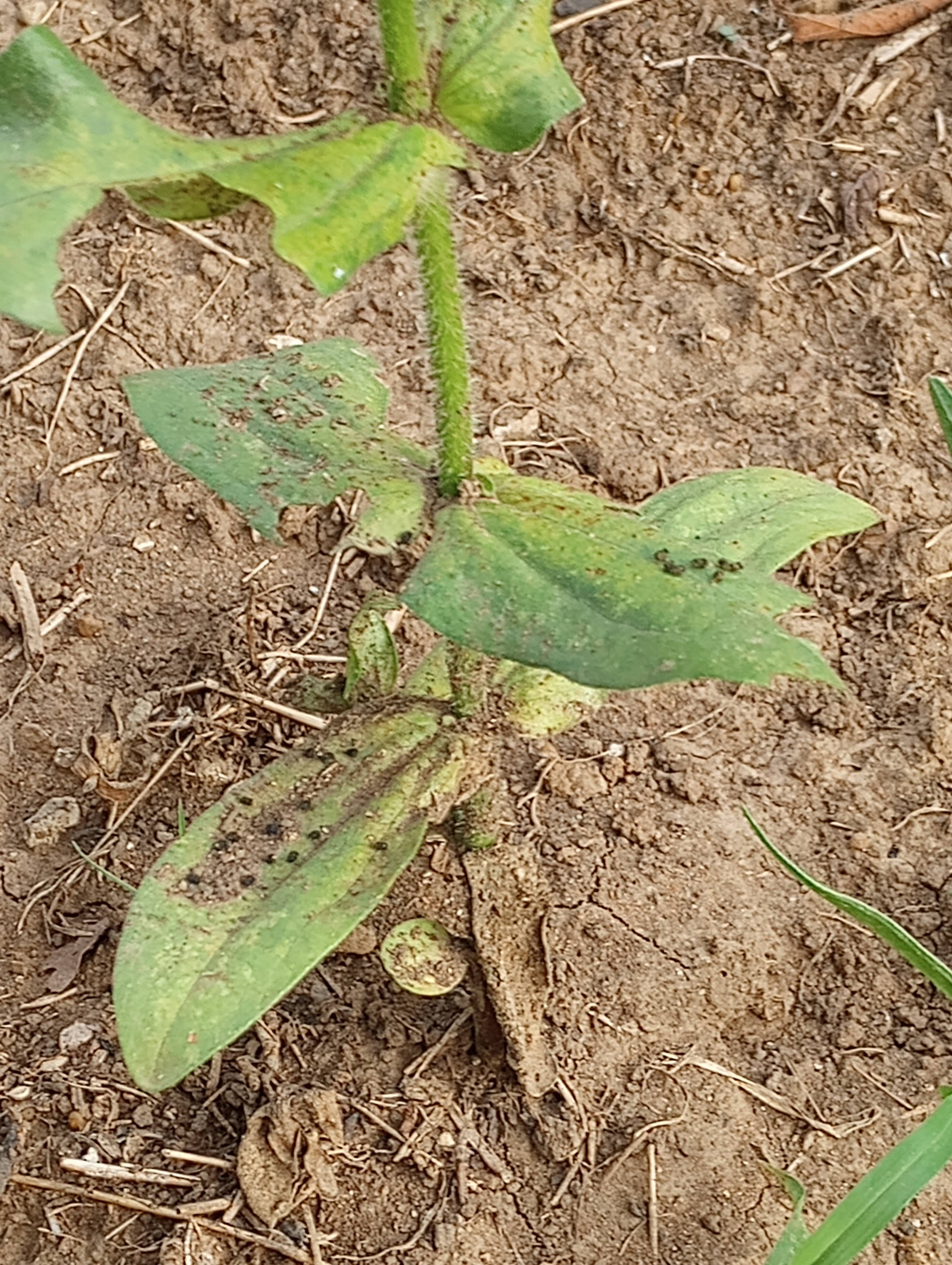
I woke up this morning and performed what has become my morning routine. Checking up on the garden. I was thinking about some things last night — one thing I had noticed was that my zinnia leaves had really started to turn purple. There was something that seemed to be spreading on them. At first I thought it was because of the drought, but then as I noticed it on some of the healthier plants, you start to wonder if it isn’t a disease or perhaps a nutrient deficency. I’ll show you some photos.

Alternaria?

You can see what I’m talking about — this purple, reddish brown that appears at the bases of the leaves. Even some of the healthier zinnias are starting to get it. In the last photo you can see this one is covered with it, and this poor zinnia is going downhill real quick. It has only days left, I’m sure.

Well, what is the cause of this mysterious purple/red coloration? That’s what we want to know.

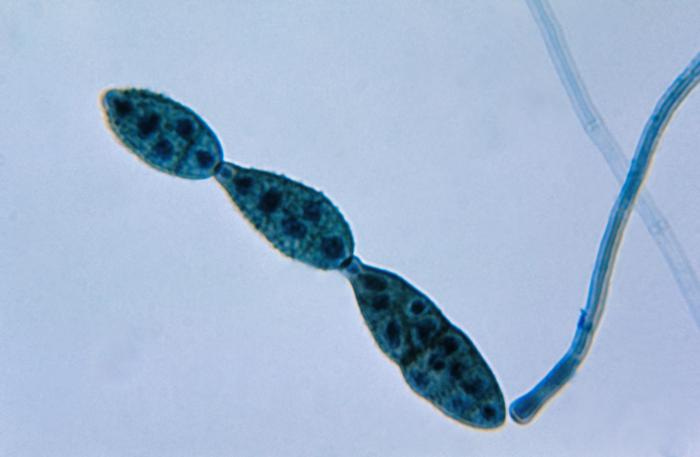
I went on the trusty internet and did some researching, and my guess is that this is caused by a fungus called alternaria.

Wikipedia photo of alternaria fungi

Wikipedia says: “They are ubiquitous in the environment and are a natural part of funga almost everywhere. They are normal agents of decay and decomposition.”

They are a “major plant pathogen.”

Seems about right. People of Facebook were commenting on similar posts that it was alternaria, and the chances seem high. I am probably then supposed to pull the diseased plants, no? To stop the spread? I wonder.

My other patch of zinnias is alright, so far. I don’t want them to become infected. But I wonder if it only happens when the plants are stressed and vulnerable, as they certainly have been. I now say with 100% certainty that my zinnias just needed more water, way more water, and mulch on the soil to help retain the moisture, as my wise mother has suggested several times.

Caterpillar poop

Now, if you ever wanted to see photos of caterpillar poop, viola. Here you are. The wooly bear (fuzzy white caterpillar) that’s been munching on this zinnia is still hanging out here. He has been feasting, and the proof is right here in the poop. I should have snapped a photo of the actual caterpillar. I’m not a great photojournalist. I was so amazed by the poop.

The caterpillar has grown rapidly, as they do. It’s amazing to see it. This morning he (or she) was kind of hanging over, seeming to be asleep. I just want it to stick around so we can see its progress. That other big ‘un, the giant common buckeye caterpillar that was eating the grass in my garden, I don’t know what happened to it. It’s gone. There are three new ones that are here munching away, already they’ve again quadrupled in size. Tomorrow they should be huge.

Some kind of speedwell

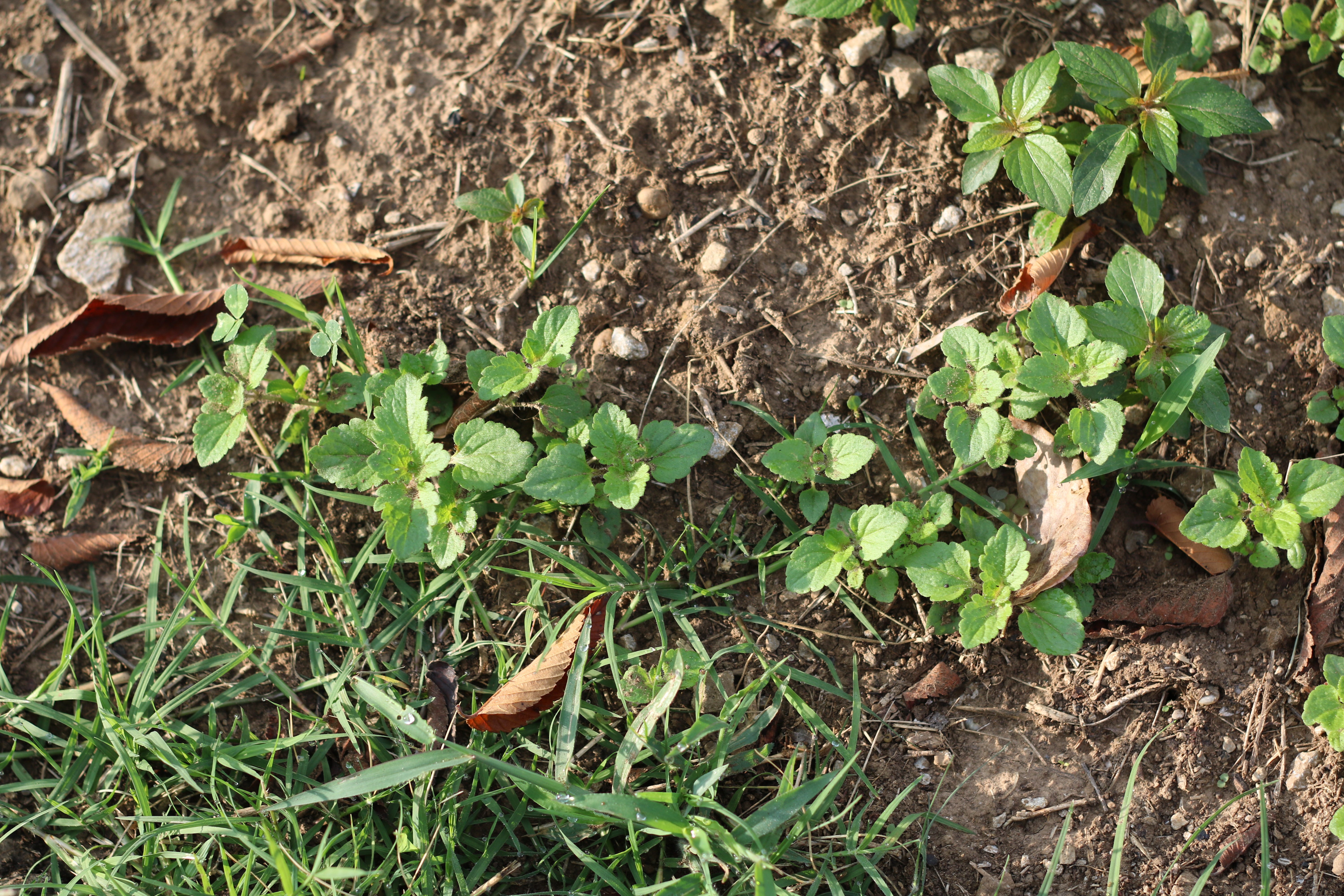
This has been popping up all over, and it looks like it’s some kind of speedwell. Google said mine was probably some invasive speedwell from Eurasia. Wonderful. I should probably pull it, then. Does this count as mulch? Can I leave it down just to protect my soil from drying out? Until it gets out of control, I don’t see why not.

More tree of heaven

Tree of heaven sprouts are everywhere. Every day they pop up. Here’s a new one. They are thriving in my crappy soil, disturbed roadside habitat. They’re loving it. Too bad they’re UNDESIREABLE.

Three-seeded mercury

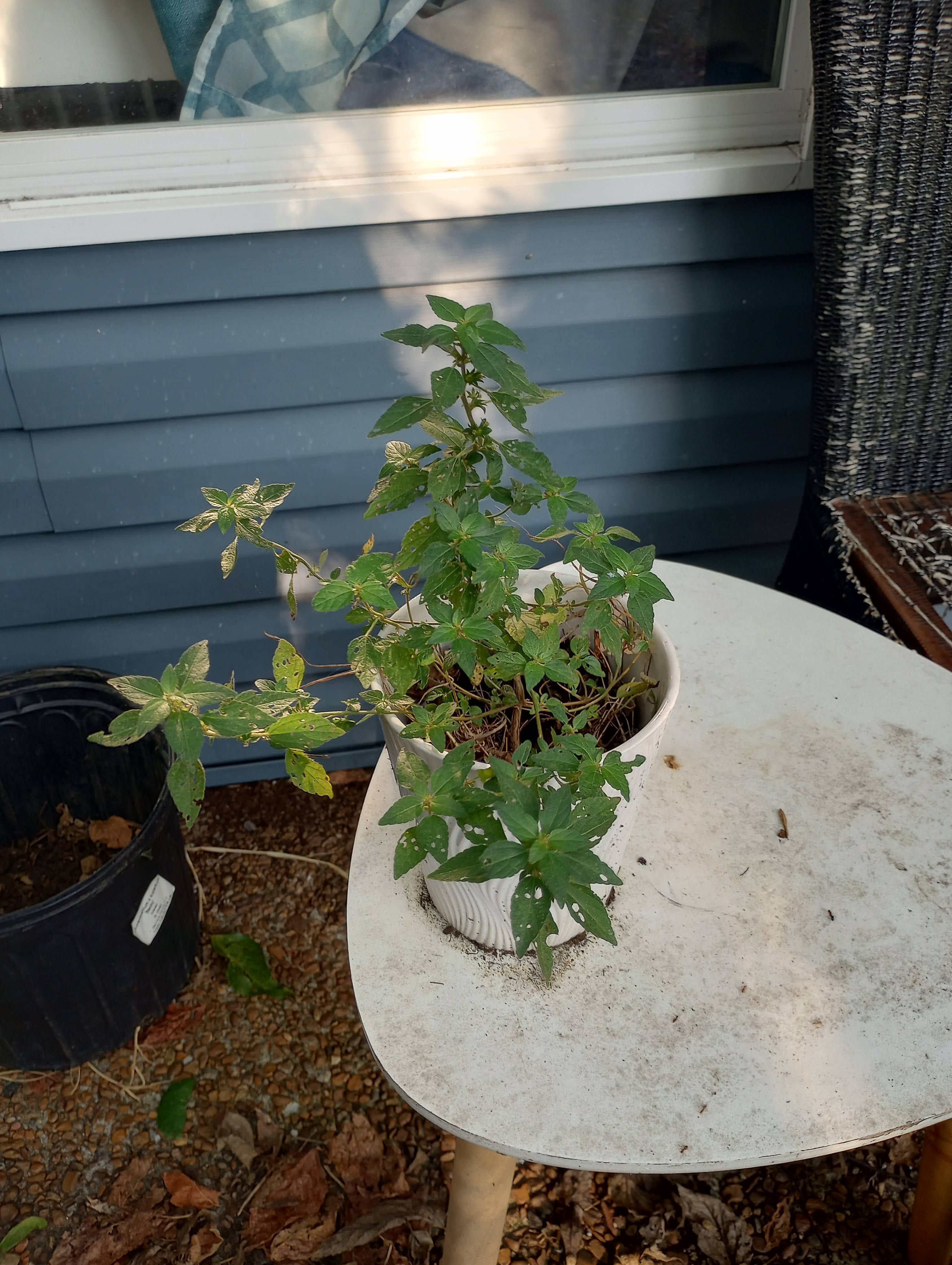
When I was digging up the lawn, I kept this plant, mostly as an experiment. I had dug up the entire thing and it was kind of smelling nice, and I thought, I’ll just throw it in a pot and see what happens. Why not? So I did, and that was about two weeks ago. As you can see, it’s fine.

This is a three-seeded mercury, I learned this morning. It’s everywhere. Popping up in my garden, and on my walk to the cafe this morning, I saw it all along the roadside, in the grass. It’s a native herb, a spurge. What a great word.

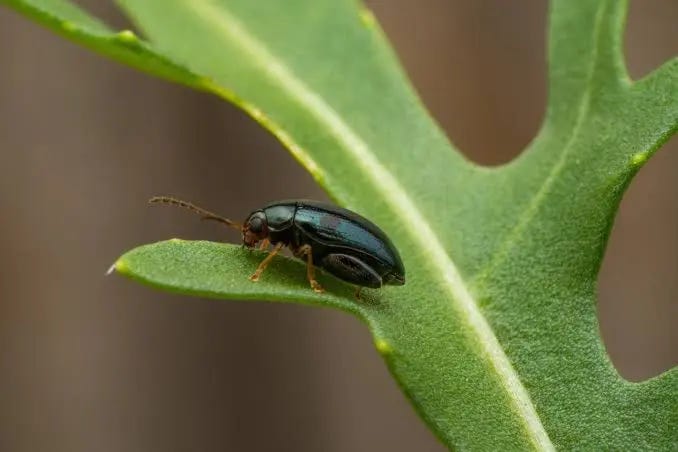
Apparently it is loved by flea beetles, and all three-seeded mercury has tiny holes in it, as mine does, which are caused by the flea beetles.

Flea beetle

Kawaii, flea beetle!!!!!

Emergency Garden Update (Of Extreme Importance)

The title says it all people. There simply must be an emergency update.

I was in my garden just now, weeding, looking over the state of affairs. Every time I do this, if I sit there for long enough, I make a discovery. Often many discoveries. Well, after about fifteen if not twenty minutes of squatting around and noticing things, I was just about to finish, when I spied something incredible.

There was a plant, of strange appearance, and it had what appeared to be, those yellow milkweed aphids on it.

Did that mean… It was a milkweed?

To remind you, here is one of my butterfly milkweed sprouts with the iconic yellow aphids on it. All of my butterfly milkweed sprouts have these vibrant yellow aphids, draining them of their vital life force. I should probably take them off because I think they actually are doing damage now.

Butterfly Milkweed with yellow aphids

These aphids… oh my god!!!! Non-native!!!!!!!

Y’all.

Nature is war.

I just went outside and killed them all.

They’re from the Mediterranean. Oleander aphid (Aphis nerii). I assumed they were from ‘round here because they were also called milkweed aphids. Nope. The omnipotent internet has just revealed to me: a foreign invader.

I did what I had to do. To protect my garden. I’m sorry, aphids. I’m sorry.

It’s for the greater good.

Where are your morals now?

Am I to say who lives and who dies?

Yes. I am. For the monarchs!!!!!!

Honeyvine milkweed covered in Oleander aphids
Oleander aphids on honeyvine milkweed

Here are the photos of the mystery plant, the Honeyvine milkweed. And you can see, totally covered in the aphids.

It seems that removing them is a tricky issue because you don’t want to damage monarch eggs. Internet says you could leave them alone if the plant is able to tolerate it. Best method is to remove them by hand if you can (I could). You know these guys aren’t going anywhere. They must be here in America for good. So, just managing the population and keeping your plant healthy is the main thing, it seems.

I am shocked to have a plant pop up in the garden that is A. native and B. something I actually want to have in the garden. Welcome to the family, small Honeyvine milkweed!!!!!!

The purpose of the post has been achieved.

Emergency update: complete.

Invisible Strings / Garden Update (Sept. 10th)

Invisible Strings

I am being pulled by invisible strings. I am a puppet, currently under the control of one who is wise and is guiding me towards success and fulfillment. I am being guided by the perfect being.

My thoughts are my own, but my actions are no longer mine. They are those of a higher intelligence, one who is not ruled by my emotions, my passions, my fear or my imagination. It is one who is outside of myself, and who knows what must be done, and wastes no time in doing so. One who knows what is best for me.

I may not always want to do what I am made to do, but it is not me pulling the strings. It is one who knows better.

This is what I am imagining today.


Japanese Is Fashionable

The tall guy on the Ugly Mugs team was wearing another cool band shirt today, and it had just a little bit of Japanese on the front. The band was called Dayseeker, and it said on the corner of the shirt, in tiny font, 暗い太陽. Dark sun. I asked him about it, and then I read the Japanese off the shirt, and he was impressed. He said, “So, you speak the kanji?” and told me I needed to speak to another guy on the team who was learning Japanese.

I had read Japanese off another Ugly Mugs guy’s shirt too, his Japanese racing shirt. It had katakana that said, ドリフットキング. Drift King. Swag as hell.

Japanese is everywhere. Japanese is fashionable.


Just Get Started

I have a reservation to doing my work, sometimes. To doing the thing that I know I should do, that I even want to do. Today, that is write a cover letter and adapt my resume to a job I want to apply for. Well, I’ve already done it. I’m just waiting a bit, to let it settle and then double-check, before I send it off.

A lesson that has been coming up in my life recently, and again this morning, is this:

You just have to get the ball rolling.

This is not any new epiphany, because there already many quotes about this, that say, “Starting is the hardest part” or “the first step is as big as all the rest of the steps combined”. “There are really just two steps, the first step and then all the others.” I know that’s actually a quote somewhere out there.

It’s amazing how much resistance I have to doing things, and 90% of the time, all I have to do is just start, and then I’m having a great time. You’re engrossed in the work, then you finish your task, and feel satisfied and awesome. Conversely, until you do the work that you’ve set out for yourself, you will feel a vague sense of dissatisfaction. You may say, “Why do I feel weird?” But deep down inside, you know why. There’s something you have to do, and you haven’t done it yet.

I have been reminded of this lesson recently with my writing, and this morning with the cover letter/resume writing. Even today, I had resistence. But I knew the thing to do—just go to the cafe, get the coffee, sit down and start.

That’s why starting in the morning is so helpful for me. You have the energy, you have the full day ahead, and you are encouraged to just get right down to business, and get it over with. Then you can have your freedom and fun time.

I’m thinking of the other quote which might be by Mark Twain, possibly Thomas Edison, or who knows, which is the one about eating three frogs in the morning. “I try to eat three frogs every morning.” Something like that. The idea being to “eat a frog” right when you wake up, because it’s going to be the hardest part of your day.


Garden Updates (Sept. 10th)

My soil is not great. I have had some things suffer due to drought, and probably some seeds not sprouting because the soil is too hard or not the right quality. Birds and squirrels may have also eaten the seeds, as many of them I just sprinkled on the top of the soil. It’s a tough patch of earth I’m working with, but things are growing.

The big mystery I have now is why my second patch of zinnias are doing so much better than the first. The first was planted about two weeks before, maybe only one week before. I should have written this stuff all down. They’ve been alive for one or two more weeks in drought conditions, as August was hot and sunny every single day. It rained twice, and not for much. I don’t really know why my second patch is doing so much better. Maybe it is that they just weren’t exposed to so much sun and drought. Even a few days, an extra week of that could matter a lot. I don’t know.

I tried really hard to save these zinnias as they were going downhill, but I’m still a novice. I didn’t know if they needed more water, less water, or if they just were going to die anyways. Maybe they need fertilizer because of the sandy, clay soil. Who knows, but they were growing well and fine, so I think they probably just got cooked, and probably didn’t get enough water. That’s my guess.

Suffering zinnias

You can see they’re brown and crispy. Many are dying, half already dead.

Unsuffering zinnias

This is the second patch, doing a lot better.

Marigold

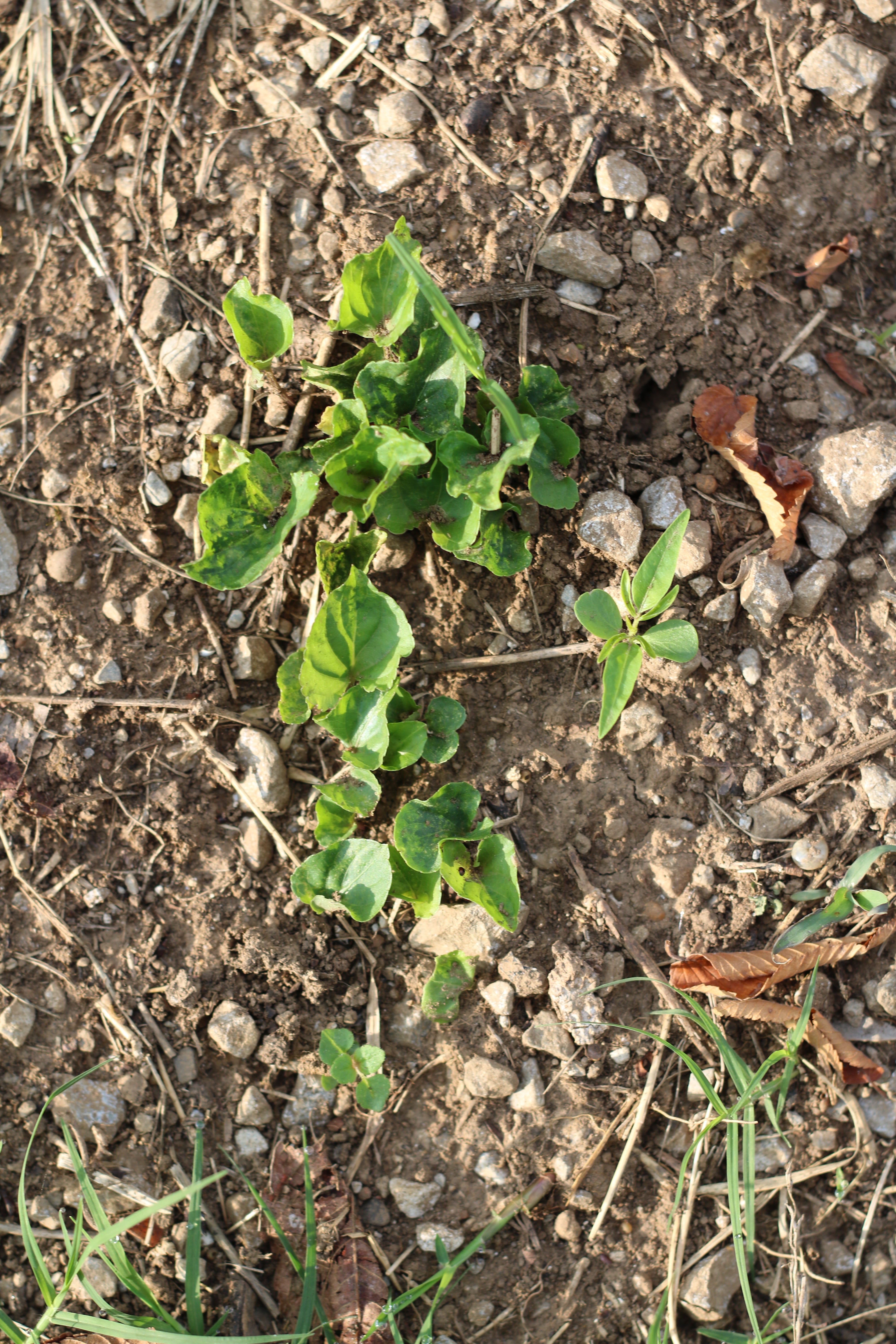
Here’s a marigold. I put down a lot of seeds, two have made it. Not great odds, but hey. Two made it. I thought I had more, but as they started to pop up in places were there should have been no marigold seeds, and they were rapidly expanding outwards, instead of up, I had the suspicious feeling that they were not marigolds. Well, they weren’t. They were tree of heaven, thriving in my disturbed, roadside habitat with crappy soil.

Tree of heaven seedling
Butterfly milkweed w/little aphids

Not a great photo but this is one of the butterfly milkweed sprouts I’ve got, with those little yellow milkweed aphids feasting on it. I’m just letting nature take its course, here. So far it seems that the sprouts can handle it.

Here is an undesirable in my garden (actually several). You can see a little tree of heaven sprout to the right of the larger undesirable plant. The grass at the bottom is undesirable. I can’t remember what this green round mass is called but it’s undesirable. I know that.

I used my Moto G smartphone to help me ID these sprouts when trying to use words with Google wasn’t working for me. Sharing the photos with Google and having it ID things is extremely helpful. It told me right away what I was working with, here. And there were many disappointments, because none of it was anything I really wanted.

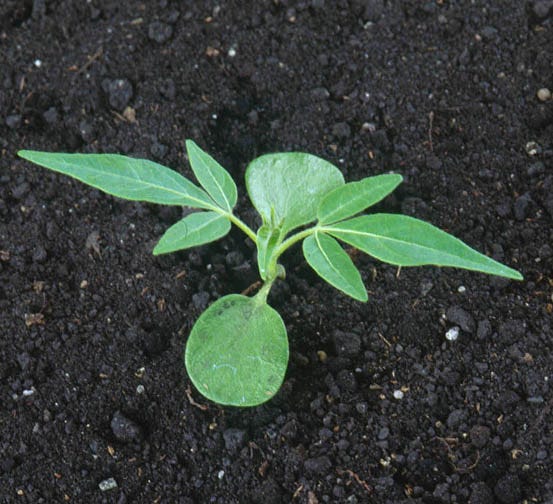
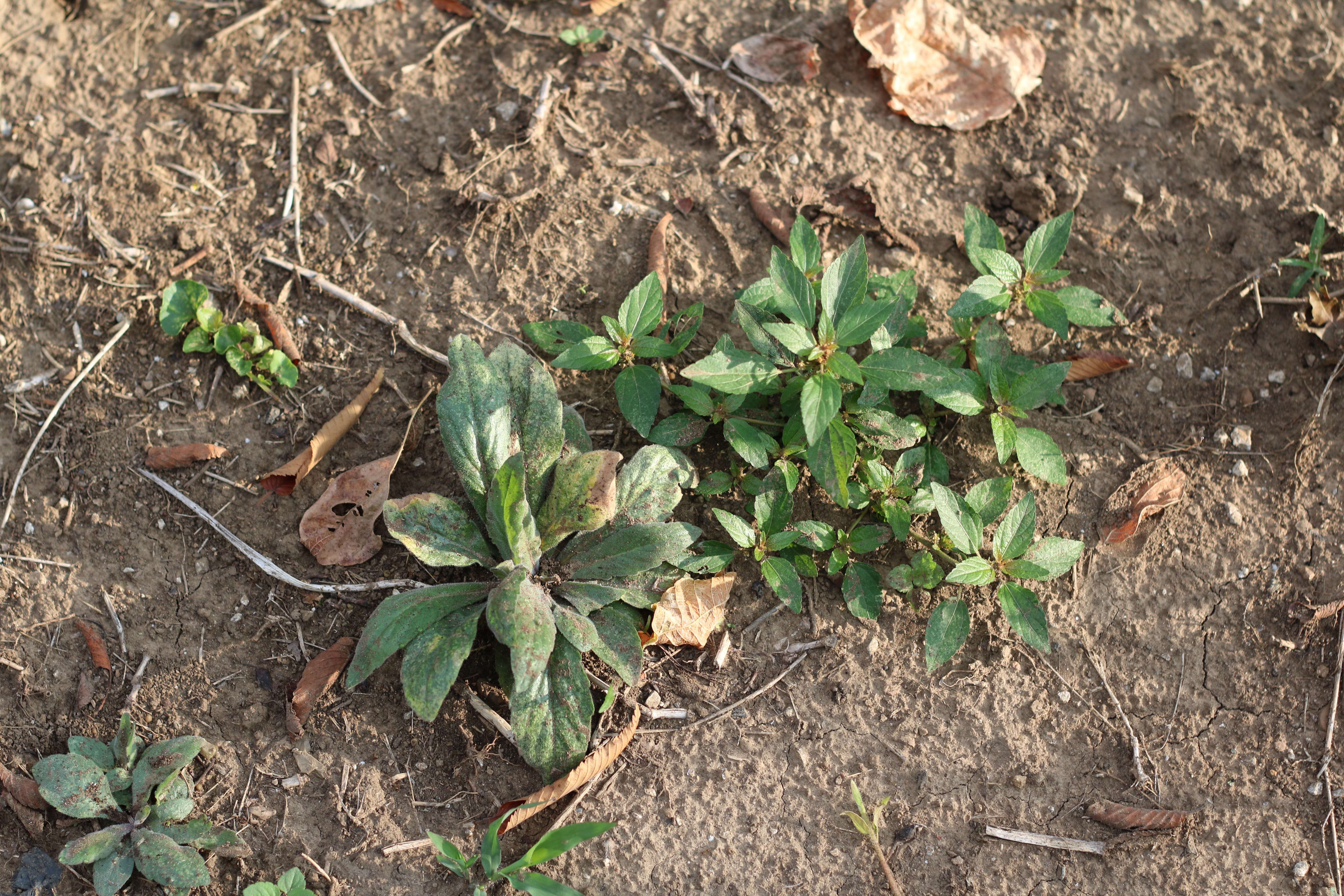
Common ragweed

Here are some undesirables that I thought were cosmos. They look similar, but they kept popping up and I thought, now wait a minute, there’s no way the cosmos are doing this well in my garden. And there’s more seedlings than actual seeds I planted.

Not cosmos. Common ragweed. At least it’s not an invasive. I should pull it up but I guess I want to see what happens. I’m also still holding out on a fantasy that they really might be cosmos, and they will all become beautiful flowers.

It’s inhabiting the carrot patch but I don’t feel like those carrot seeds are sprouting… at all. Not having a lot of faith in the carrots, here.

Mountain Mint

This is mountain mint, I got from Shelby. They dug me up a chunk and let me take it home. It’s not doing too well, I don’t think. The leaves are turning brown, almost all of them have gone brown and seemed to die. There are a few green ones left. I hope it doesn’t actually die because I was really excited about this plant. Maybe it’s just going dormant for the season…? (Hopeful optimism.)

I think right behind it in this photo is an advanced tree of heaven plant, I’m almost positive. In the background, to the left. Do you see that thing? Probably gonna have to pull that.

This is something new that’s been popping up that is also an undesirable. There’s a big one that I should have photographed. My smartphone IDed this as “three-seeded mercury” which is an amazing name and hard to remember. Just now I thought it was called “three-headed copper” because I couldn’t remember. Apparently it is a member of the “Spurge” family, which is a pretty incredible word. “Acalypha rhomboidea is a plant in the spurge family…” (Says Wikipedia.)

You know, it looks like the spurge is just in the top right of this photo, actually. I think the rest of this stuff is something else.

Here is the three-seeded mercury, the spurge, to the right. There’s a few of them. And that largest plant on the left is apparently “common mullein”, and is invasive and hated, I have read. From Europe and seems to be a menace. There is another, smaller common mullein in the bottom left corner of this photo.

I’ve got this grass popping up all over in a section of the garden, and I don’t know exactly what it is. These caterpillars (maybe common buckeye, Junonia coenia) like it though, as I had photographed the big one the other day (and I don’t know where that one went off to), but yesterday I spotted an extremely tiny one on a blade of this grass, and today there are three, munching away now. They’re like little lawn mowers. I’ll leave the grass for them. They could get real big real fast, here. Hopefully they stick around.

And the last photo and update—I spied this fuzzy caterpillar this morning on one of my zinnias. I haven’t seen any caterpillar on a zinnia before. This is a new one. And it’s actually eating it. Go for it, man. That zinnia is probably gonna die anyway. I want to see you get BIG.

俺の草、このやつは食べってるじゃん!

Common Buckeye caterpillar chowing down

This guy (or gal) has been chompin’ on my grass. I think it’s grass, I really don’t know what it is (if you know please tell me). It seems to be some kind of grass, at the very least it seems to not be the milkweed (see below) which is now covered with yellow aphids. Even though it is not even yet like two inches tall.

Internet says we have a Common Buckeye caterpillar here. It will become this Pokemon.

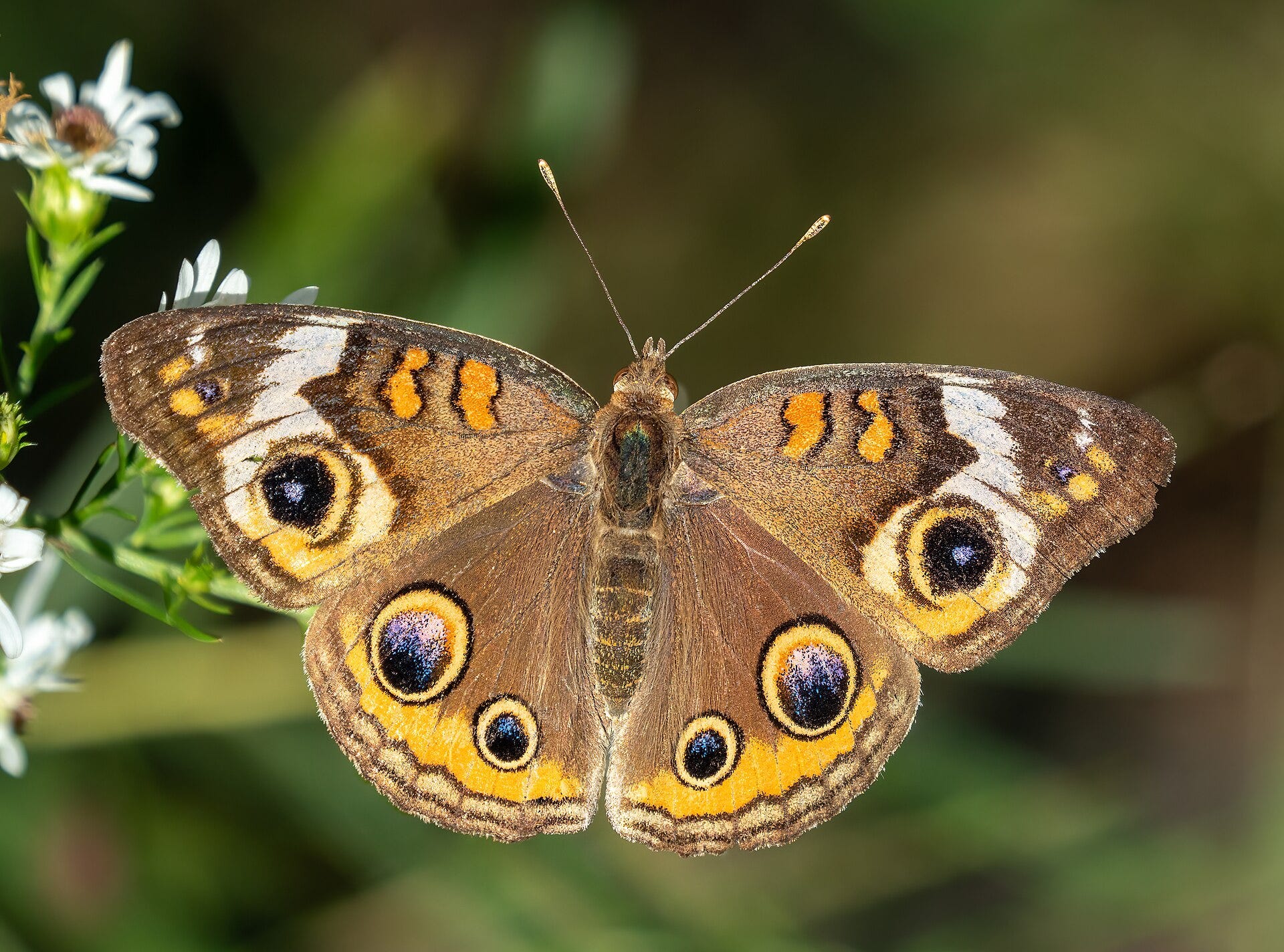
Common Buckeye butterfly

There are plants—the bugs will come!

The story with this caterpillar is that, about three days, I was stooped down to look at these sprouts in this area of my garden, trying to figure out what was what. I had planted butterfly milkweed here, which is what those yellow aphids are on.

I happened to spy an extremely tiny caterpillar on the length of a tiny blade of grass. It was certainly the above caterpillar.

Well, yesterday I didn’t see it at all.

But TODAY, as you can see, I saw it, and it was MASSIVE. I also noticed, before seeing this caterpillar, that the grass seemed to have considerably lessened. I said, “Hey, where’d all that grass go?”

This is where the grass is growing. This caterpillar has about hextupled in size since I saw it literally four days ago, a teeny-weeny greenie baby.

Yellow aphids already assaulting my butterfly milkweed sprouts

I also noticed yesterday, one of my three remaining sunflowers that was again horribly decimated by some predator, squirrel, rabbit, who knows… it was sprouting knew leaves and attempting to make a recovery. That was good. Well, last night I was out there, and I saw no more leaves, I looked closely, and what do I see? Little son of a b**** going hammer on the remaining shreds of those fresh leaves, that it’s devoured all of. Rascal!!

However, I am too soft. I did nothing. The poor thing is having a bountiful feast. It is what it is.

My other sunflower has survived two assaults and massive predation by a variety of insects, and is going to bloom. Look.

Bloom! Bloom!!!!!!

Through drought, chomping, aphids and lace bug… We are getting a flower.

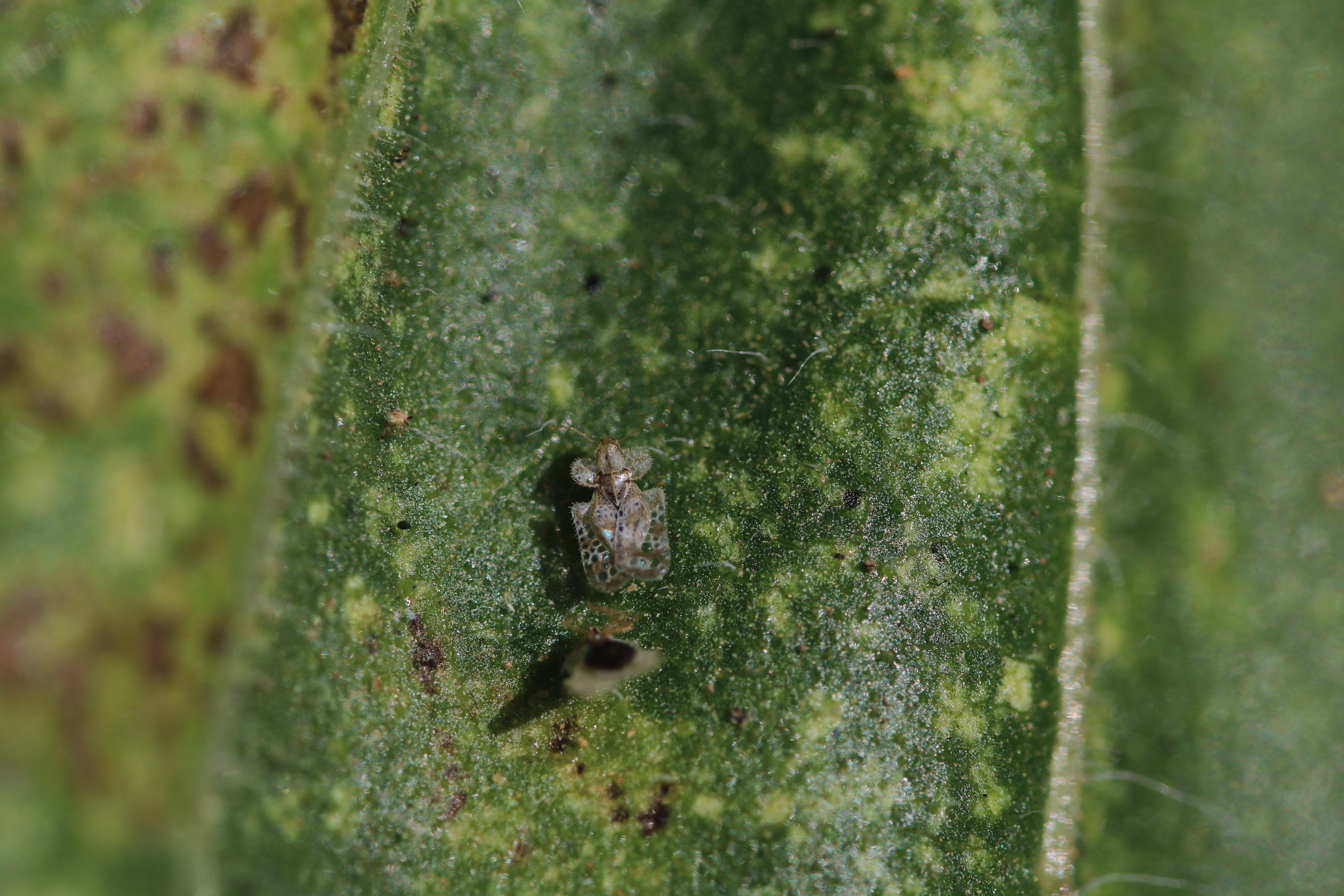
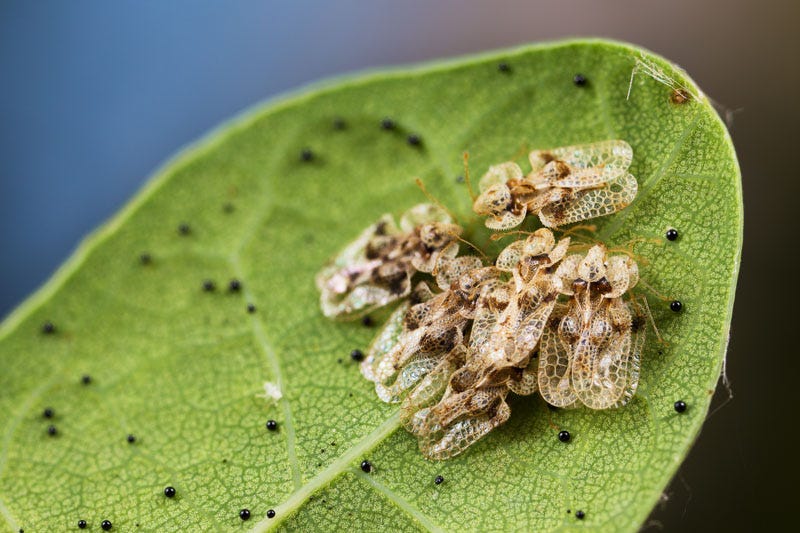
If you have never seen a lace bug (Tingidae), here it is. I remember the first time I saw one of these, extremely tiny and wonderful bugs. It was our very first class walk that we went on in my Entomology class, to go investigate the school garden and find bugs, and we were walking under a tree, and he casually flipped over a leaf and said, “Here, look.” And showed us the lace bugs. They completely blew my mind.

My photo of lace bug on my sunflower

They are extremely small, as you can see. And they are feeding on my sunflowers, and I won’t stop them. The sunflower can handle it. More will probably just come anyway.

Internet photo of a squad of Tingidae

I will say that my sunflowers have had a somewhat terrifying amount of aphids, large aphids on them. I was hoping, praying that a hero would appear. Well, I saw, today…

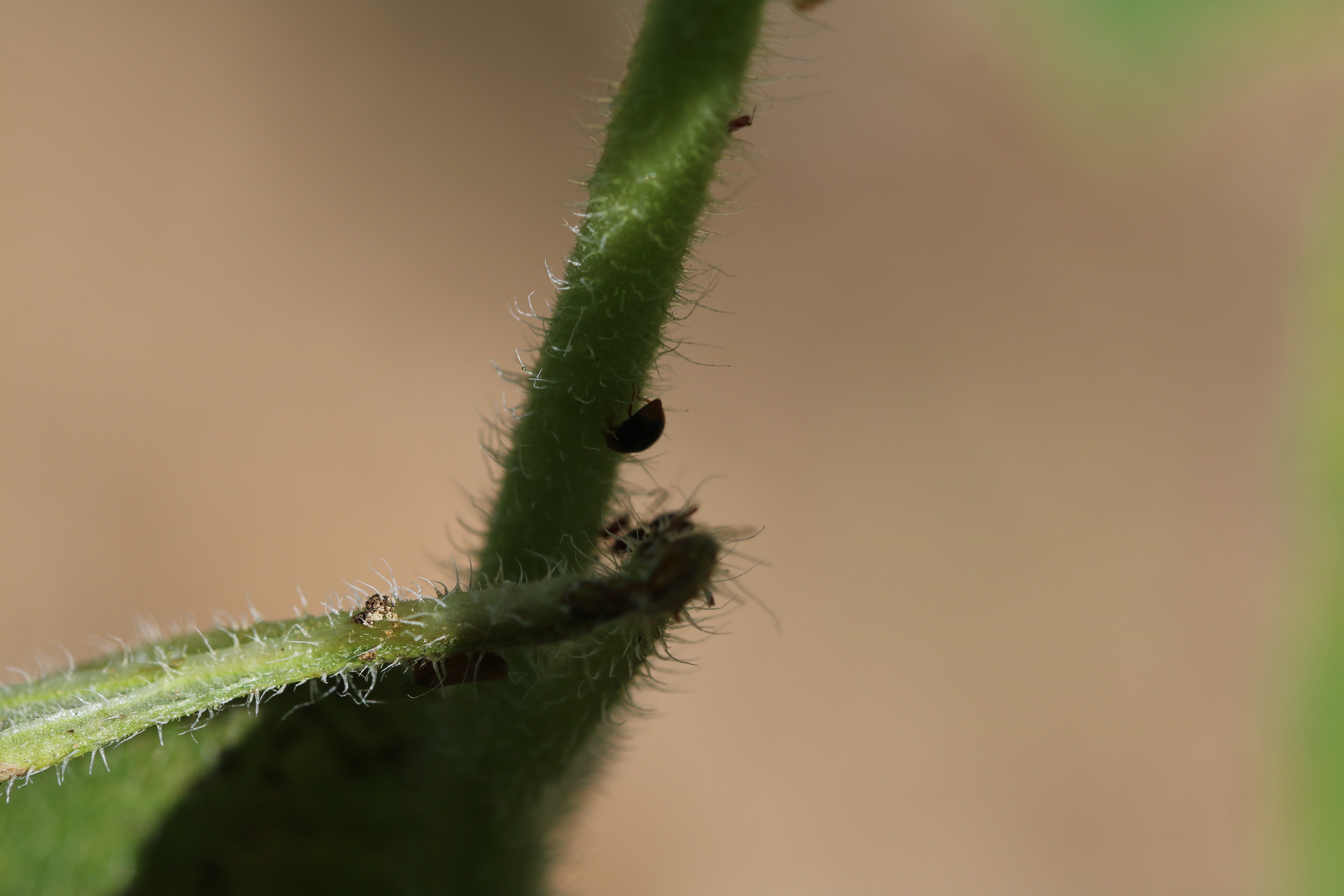
Ladybug here to save my sunflower from aphids

Is this our hero? Looks like a hero to me. (A ladybug.)

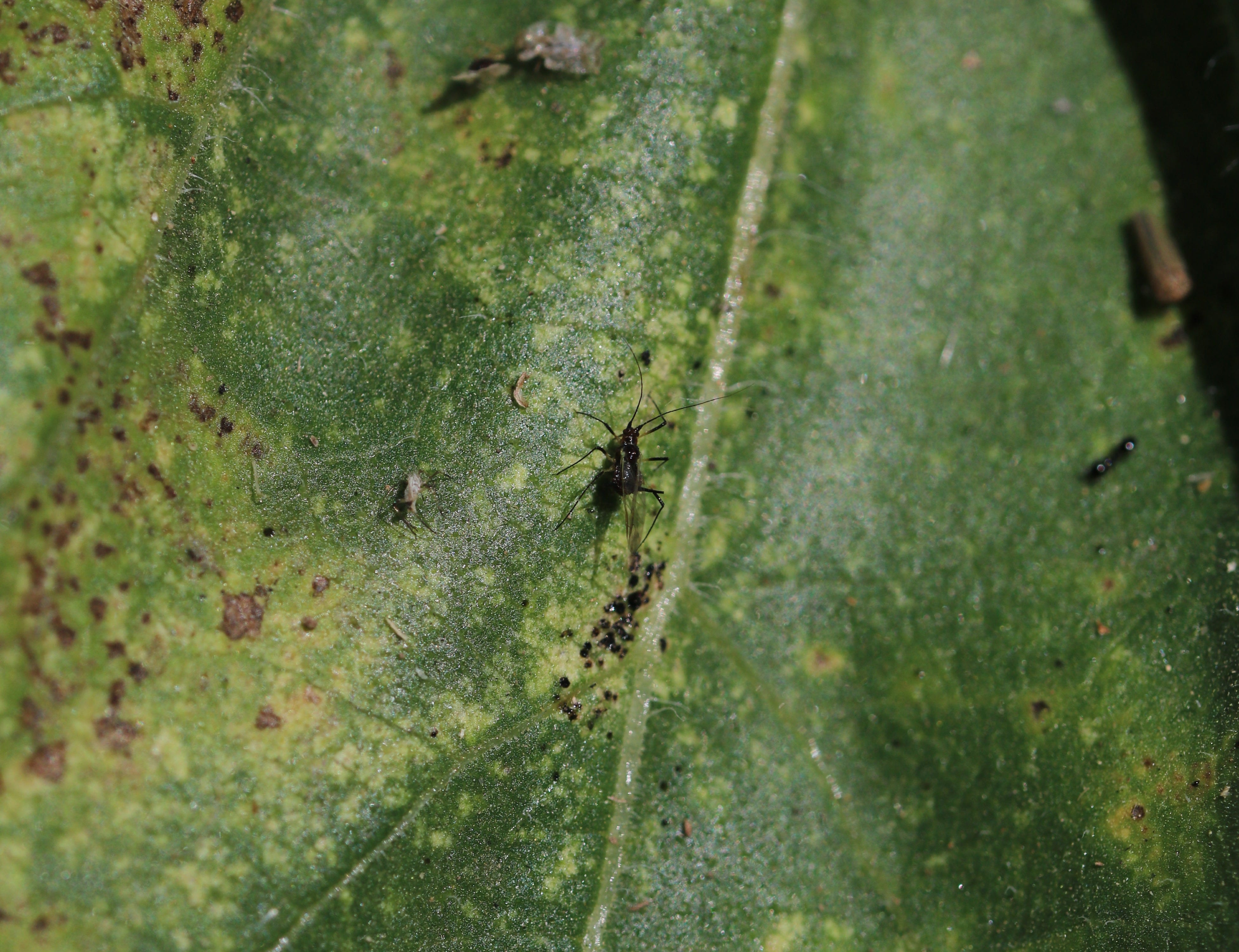
Below is an aphid prowling on my sunflower. Interestingly, a winged aphid. I think that is somewhat unusual, I don’t always see them with wings. Maybe just a full adult?

Then, here are my Zinnias. They’ve made it but are suffering from drought conditions, even with my watering. IDK what the deal is really. It’s only rained twice this August and been blue sky and hot every day. They get full sun, and the soil is clay. Probably tough conditions for them, I don’t know if I haven’t watered enough or my methods aren’t good enough or there’s nothing I can really do about it. But some are making it through. The patch with the white Zinnia is looking better. Who knows. A lot of the Zinnias have made it all the way to having a flower that’s about to bloom, and in the last week they’ve just gotten worse and worse and they’re dying right at this point. That’s sad to see. I’ve watered them, but maybe not enough. IDK. Ah well. But I got some blooms, that’s alright. We’re supposed to get some rain in the next few days, I’m praying. 🙏

Shelby Park Ecology/Botanical Report [Aug. 19th, 2025]

Alright y’all. You are in for a treat.

I busted out the old cameraroo for this one.

First of all, before we dive into this, I have to say — I had just written about my Japanese suit, and how proud I was that it was not made with synthetic materials, and oh my god. Are you ready for the great irony? How is life so perfect, like this?

I came home from this lengthy Shelby Park reconaissance, field-reporting photography mission, drenched in sweat. I had worn those wool pants to the part, belt and Dr. Martins. Those nice suit pants, although I wasn’t so stupid or insane to wear the jacket. Yes, in the sweltering, midday heat in the middle of August, I wore my nice suit pants to the park, for a photography mission. The park was as dead as it could ever be. I saw about ten humans in the two hour span that I was there, record lows. Most people were not willing to suffer that heat. Only the die-hards were out.

It was extremely gorgeous–ah, but I have to tell you the great irony. I came home then, eager to strip it all off, and now I felt like I had really earned the right to take off my suit, and I threw the pants down on the bed, when I noticed something. Sticking out of the back pocket was a white piece of paper.

I wondered if I put something that pocket, but it was just the tag of the pants. As I then had it in my hands, I thought I may as well read what was written on it, and see those wonderful words, 日本製, 毛, 100% (100% wool). I saw those words, yes, but then I also spied some words, directly below that. Some horrifying words.

Yes people. I kid you not.

ポリエスタ.

Polyester.

I’m telling you, the irony is unreal.

The 表地 (omoteji) of the pants were 100% wool, yes. But the 裏地 (uraji)? The lining?

100% polyester.

Unbelievable.

And shameful.


I have been going to Shelby Park frequently, as usual. Shelby Park is an incredible, wonderful resource for us East Nashvillians. And I have been studying it, and I have been studying the plants, more and more of late. Especially the wildflowers and the meadow. I have wanted to do some photography of it and write a bit about things for you, and I needed something to do today, and so I decided to just go for it. It turned into something of a tour and study of Shelby Park, a Shelby Park report, along with some new botanical discoveries… I’m just going to write it all up for you. I really enjoyed having the camera again, and doing photography. I realize that I miss that, but it also is a whole ordeal. It’s a serious undertaking, a photography trip. I decided in advance that I was not going to adjust or alter any of the photos at all, and would simply try and get the camera settings as correct as possible, get the framing right, and use whatever was usable. There are still some decently artistic shots in here. That was to save myself time, because the photo editing can take a really long time.

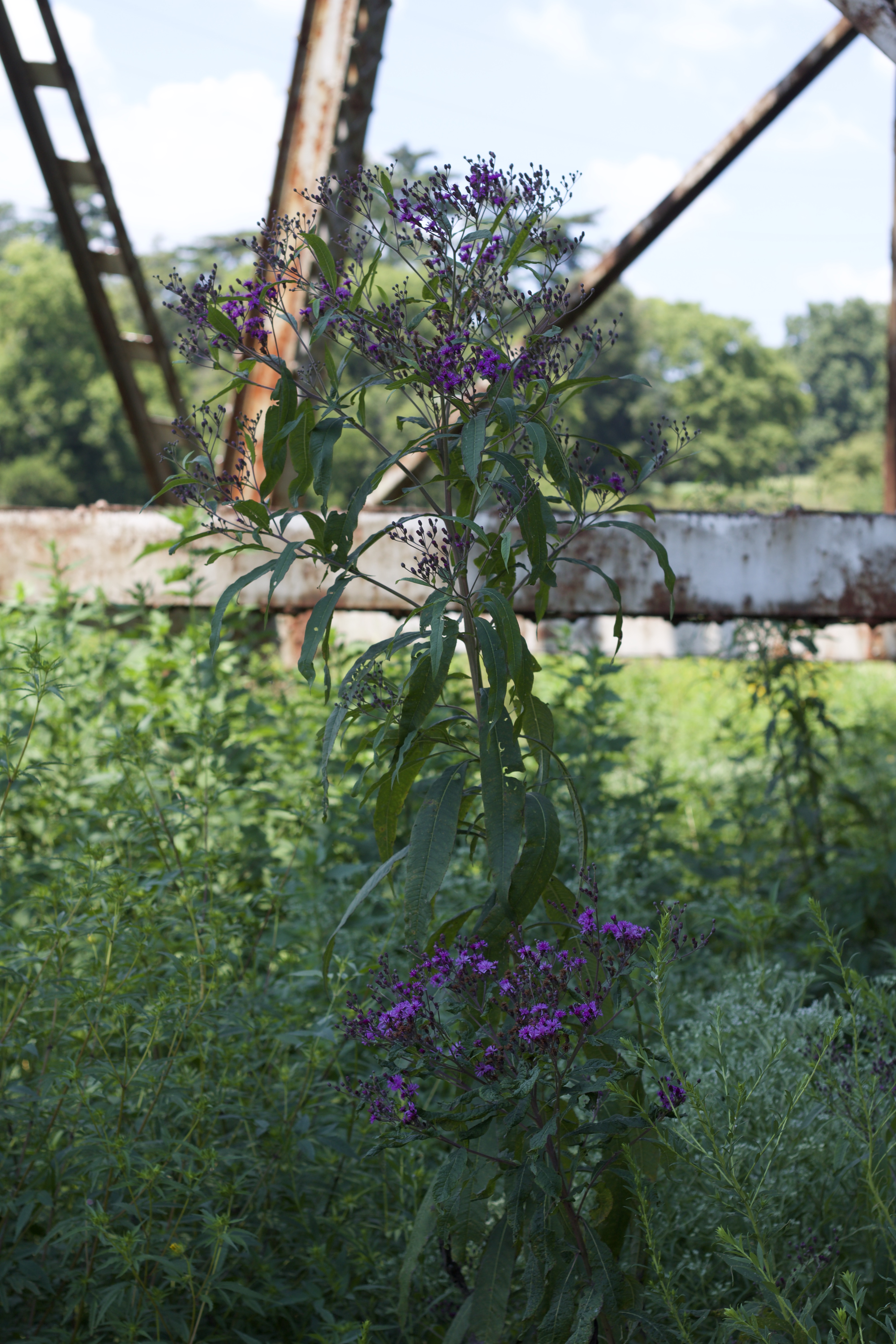
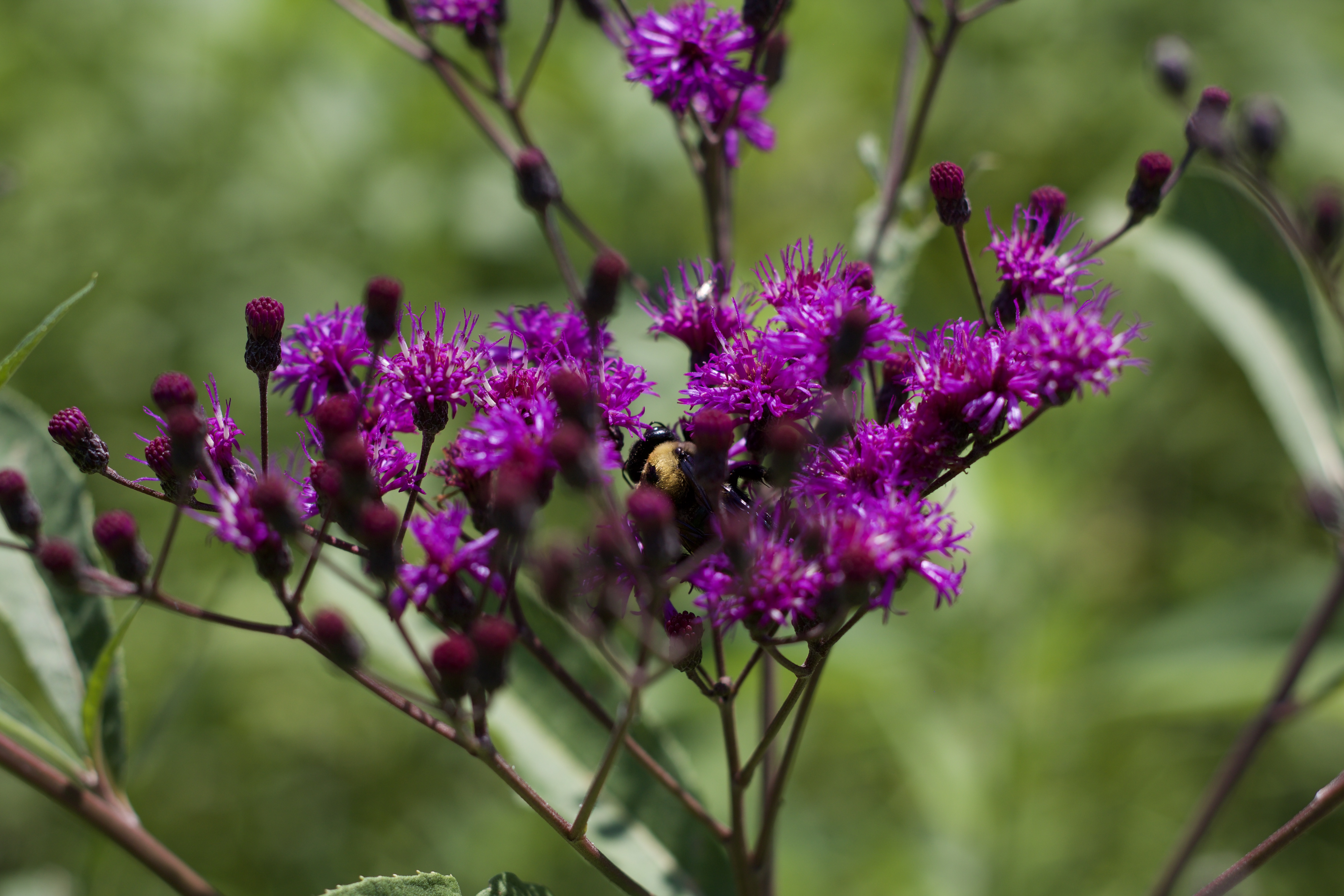
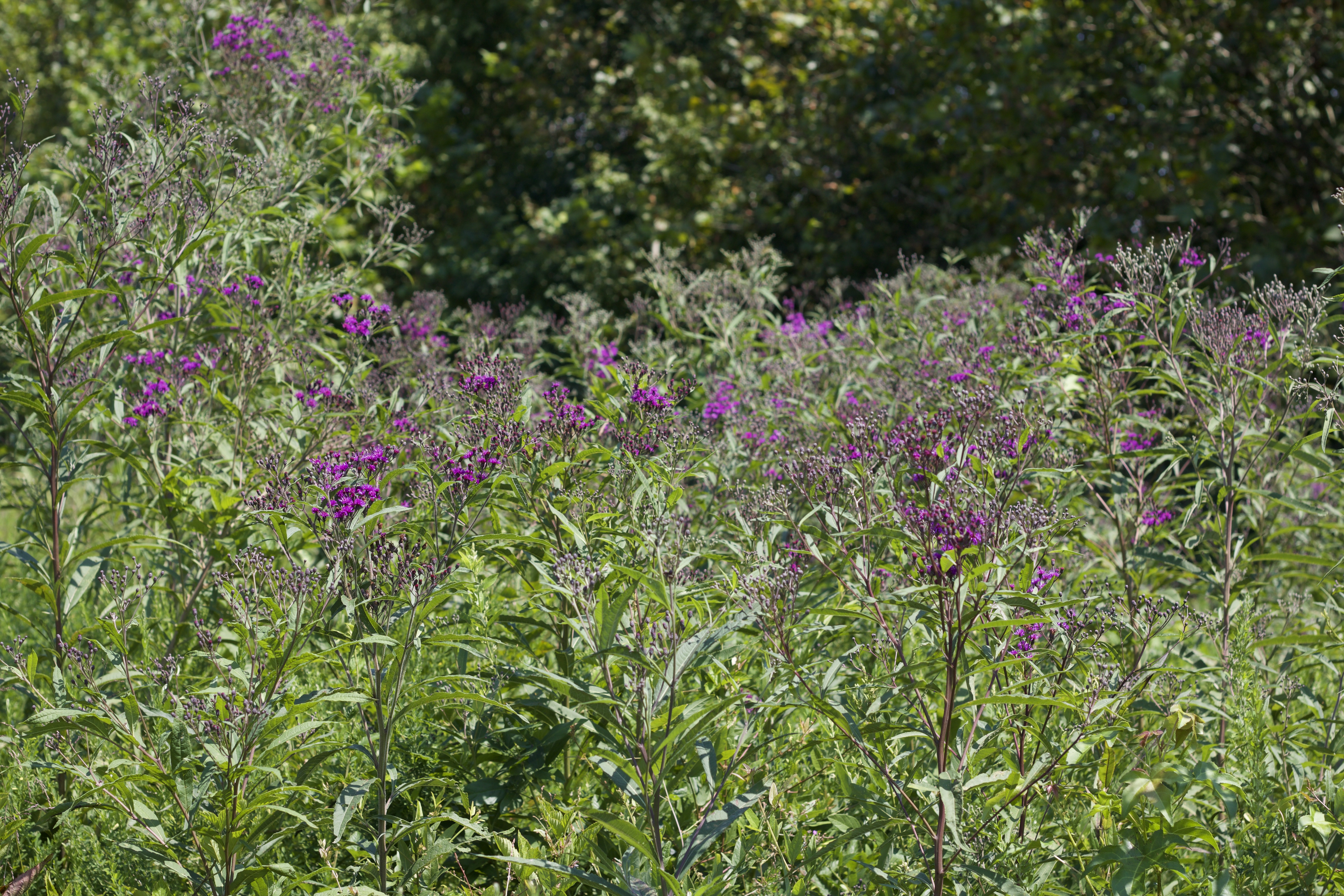
Let’s begin. The very reason I wanted to go to the park was to photograph this plant, which is now the main bloomer in the park. It’s Vernonia fasciculata, called prairie ironweed, a native wildflower. Ironweed has kept growing, and they are the tallest wildflowers at Shelby, and they are everywhere.

The really interesting thing here, and that I’ve learned studying the wildflowers, is that they stagger their blooming periods. The meadow at Shelby Park was completely covered in Common Milkweed’s blooming. They had their heyday, for about a month or two, and it has now totally passed. Not a single Common Milkweed blooms anymore. Now, in the middle of August, it’s the time of ironweed. The ironweed is reigning supreme. It was interesting to see it first popping up, little tufts of dark purple here and there, whereas now it’s literally everywhere. The deep purple is a really enchanting color. I imagine if I was a bee or butterfly I would be like, I need that right now.

Ironweed
Bee enjoying ironweed
Ironweed cluster
Copious amounts of ironweed
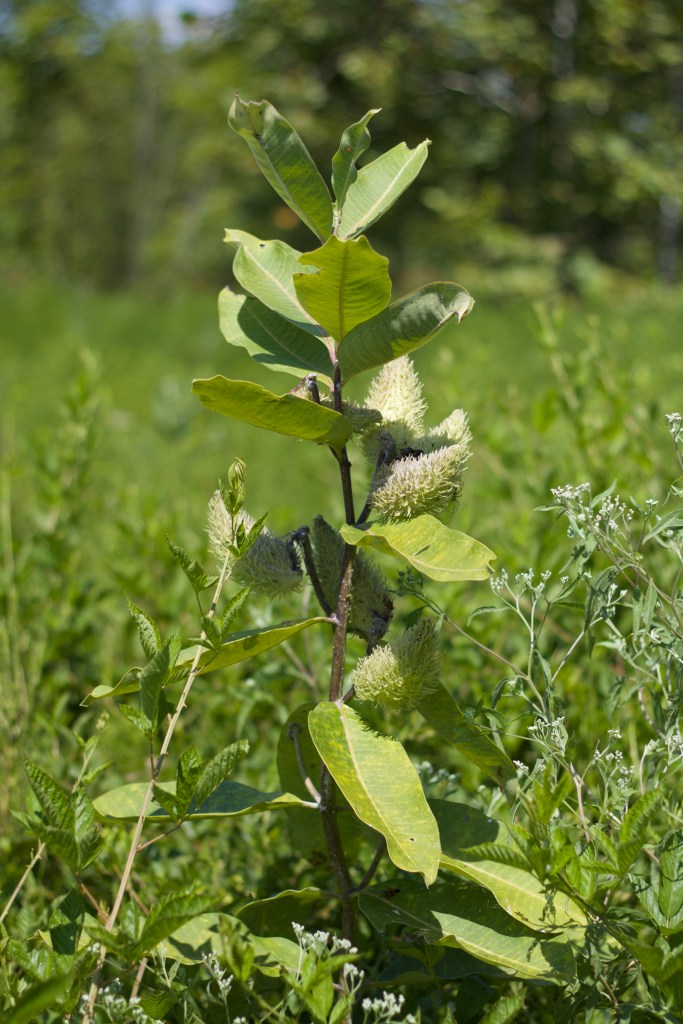
Common Milkweed

This is what the Common Milkweeds are looking like, now. No more blooms, big seed pods. Pretty awesome seed pods.

The other flower that’s really booming right now, in full bloom and everywhere, are the Coreopsis, called Tickseed. Apparently the name comes from the fact that the seeds look like ticks. I like that name, Tickseed. Coreopsis is a nice name too. The Coreopsis is booming. It’s a favorite of mine, right now.

Coreopsis
Field of Coreopsis
Pretty joyful flower

Mingled with the Coreopsis was this flower. You didn’t see nearly as much of this one, but it was there. Not sure what it is.

Unknown wildflower

The Coreopsis was really dominating an area on the edge of the park, that seems to be newly converted to wildflower grassland. This was underneath the train tracks. It’s interesting that you did not see as much ironweed over here, and the ironweed seemed to stick more to the edges. The Coreopsis really seems to show up en masse. There was a large patch of Coreopsis in the interior, huge meadow of the park, but otherwise it wasn’t represented so much there.

Past-season coneflower

Amongst the Coreopsis field was this relic. A coneflower, either Black-eyed Susan or Purple Coneflower. After a long run their time seems to have come and gone. My neighbor’s have all about died away now too. They are a perennial though, so I think it’s just this part of the plant that dies. The roots are still alive and this plant will grow back next year.

What’s this? Coreopsis? Coneflower?

This flower right here was looking a little different. And now I’ve done just some investigations, and it seems we have a bit of a problem. Narrow-leaved sunflower (Helianthus angustifolius) and Coreopsis (of which there are many kinds) look a lot alike. And now I wonder which is which, and I realize that I have no idea what I’m talking about. Well, can any plant experts tell us? Do we have both in these photos? Just one or the other?

(Well, a few days later I went to a gardening event at the park, and the gardener and naturalist Hazel told me that most of this stuff is Coreopsis. I was starting to be convinced it was not. Not sure if any of this is the sunflower. They do look a lot alike.)

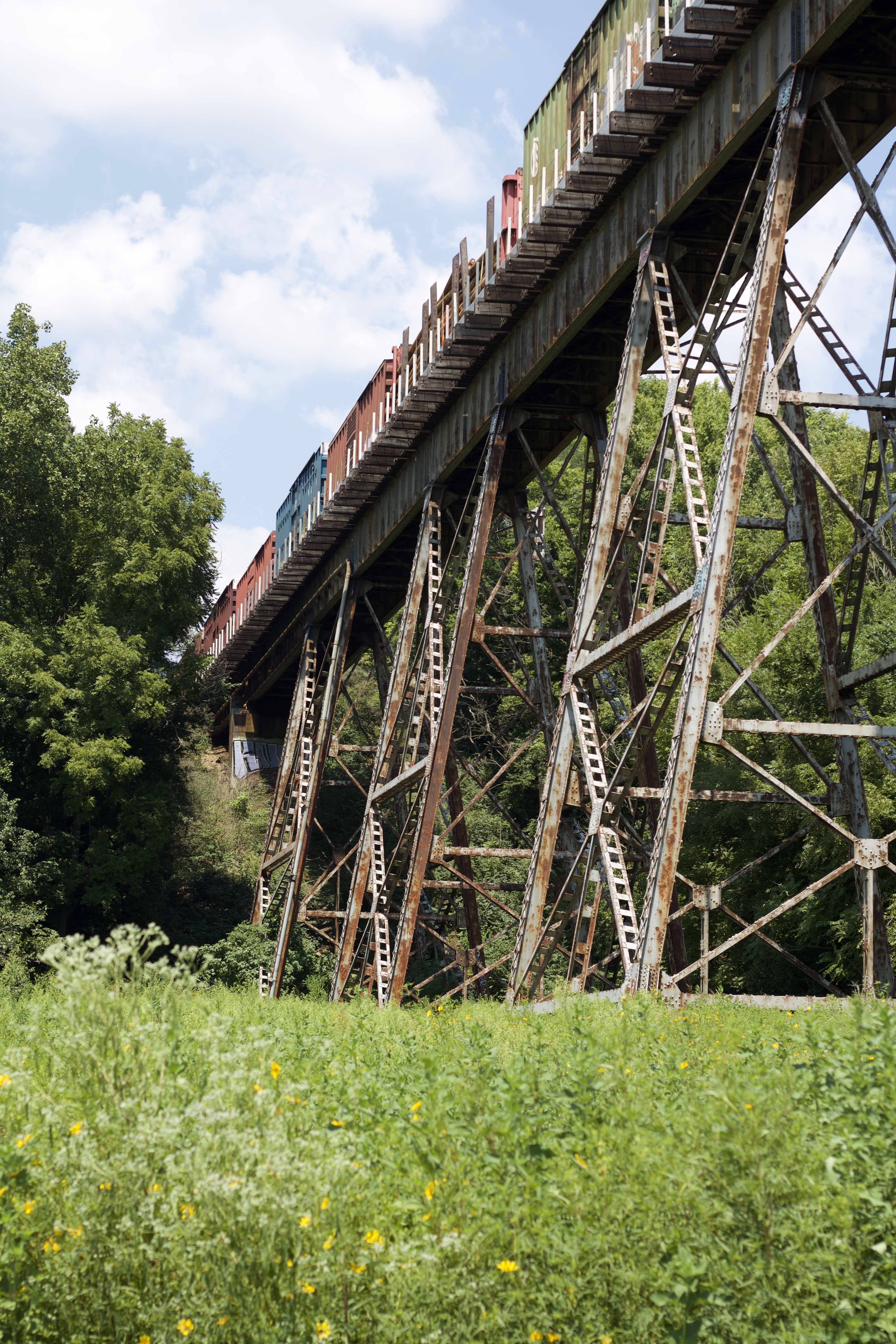
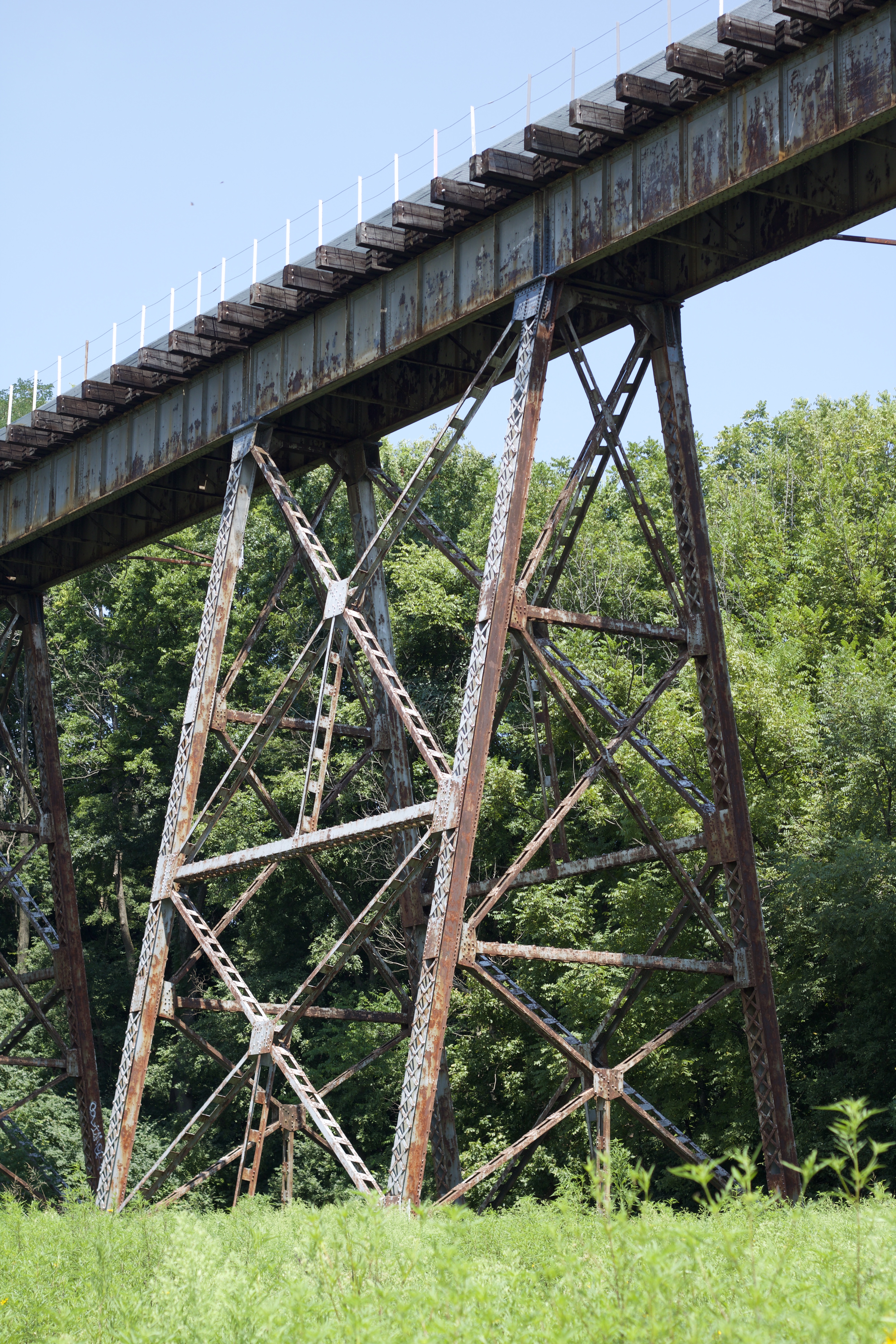
The artsy fartsy shots I took today would have to be these shots of the train tracks and trellises. I was extremely lucky and had a train drive over me during my flower photographing. 2000 tons of steel and iron flying at 50 miles an hour right over my head. How incredible.

I have wanted to photograph these trellises for a long time, now.

This is something I would try making black and white (possibly tinted), IF I were editing (I’m not)

I got so lucky with that train.

Continuing on our tour of the park… These areas of wildflower growth at the borders are here because they aren’t being mowed anymore. I wonder if they have just been allowed to grow freely, or if they were seeded. I feel like they had to have been seeded because otherwise you would get a lot of unwanted things. I don’t think if you just stop mowing your yard it fills with Tennessean native plants. I’ll have to ask about that.

Now I’ll do a few miscellaneous photos here and show you some of the sights.

No-mow zone
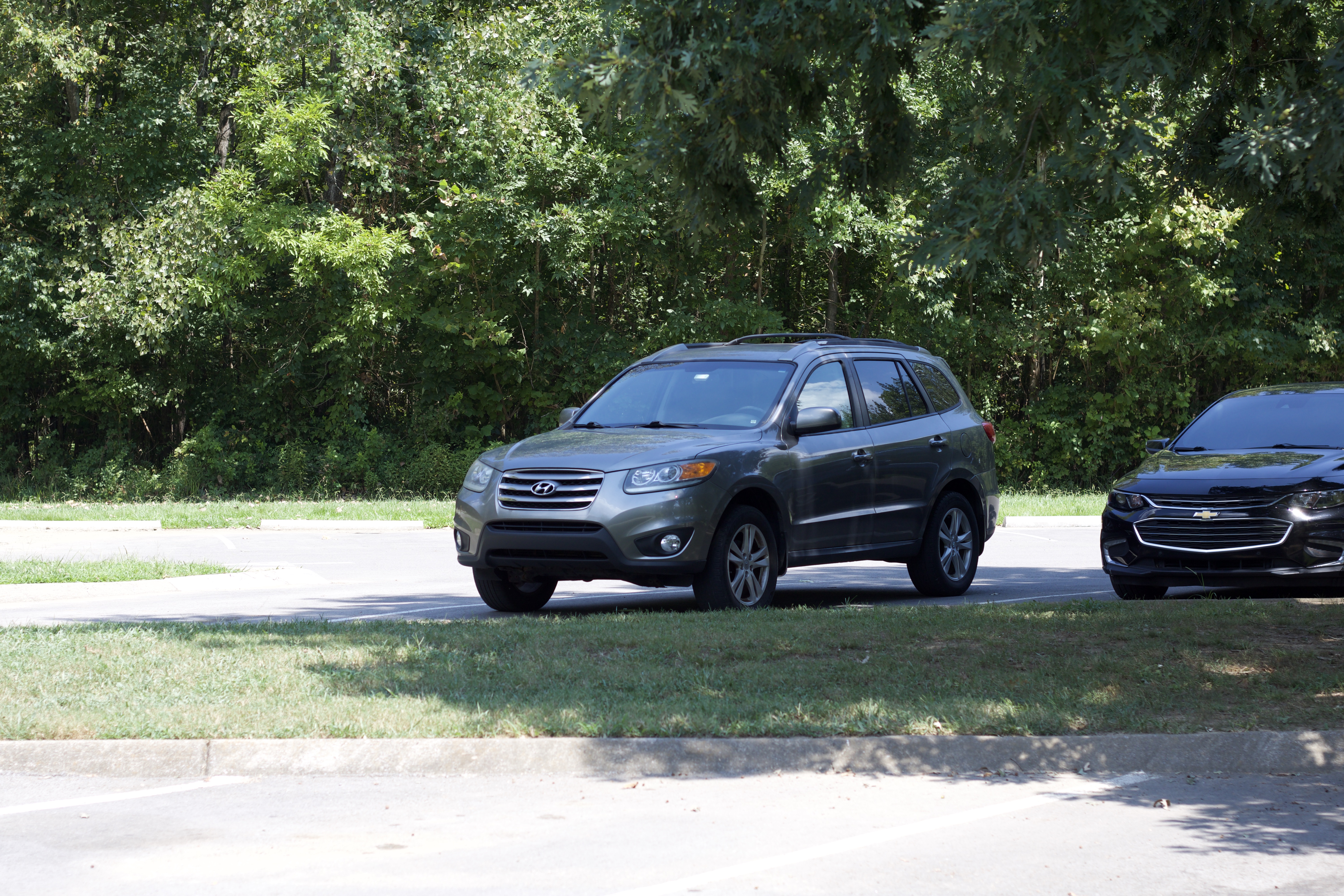
Nice car
Just look at that baby (my car)

Had to take some photos of the cars. Cars are just asking to be photographed. It’s like they’re posing all the time.

Something in the planter here. Cute flowers. What is it?
Some fungus action here

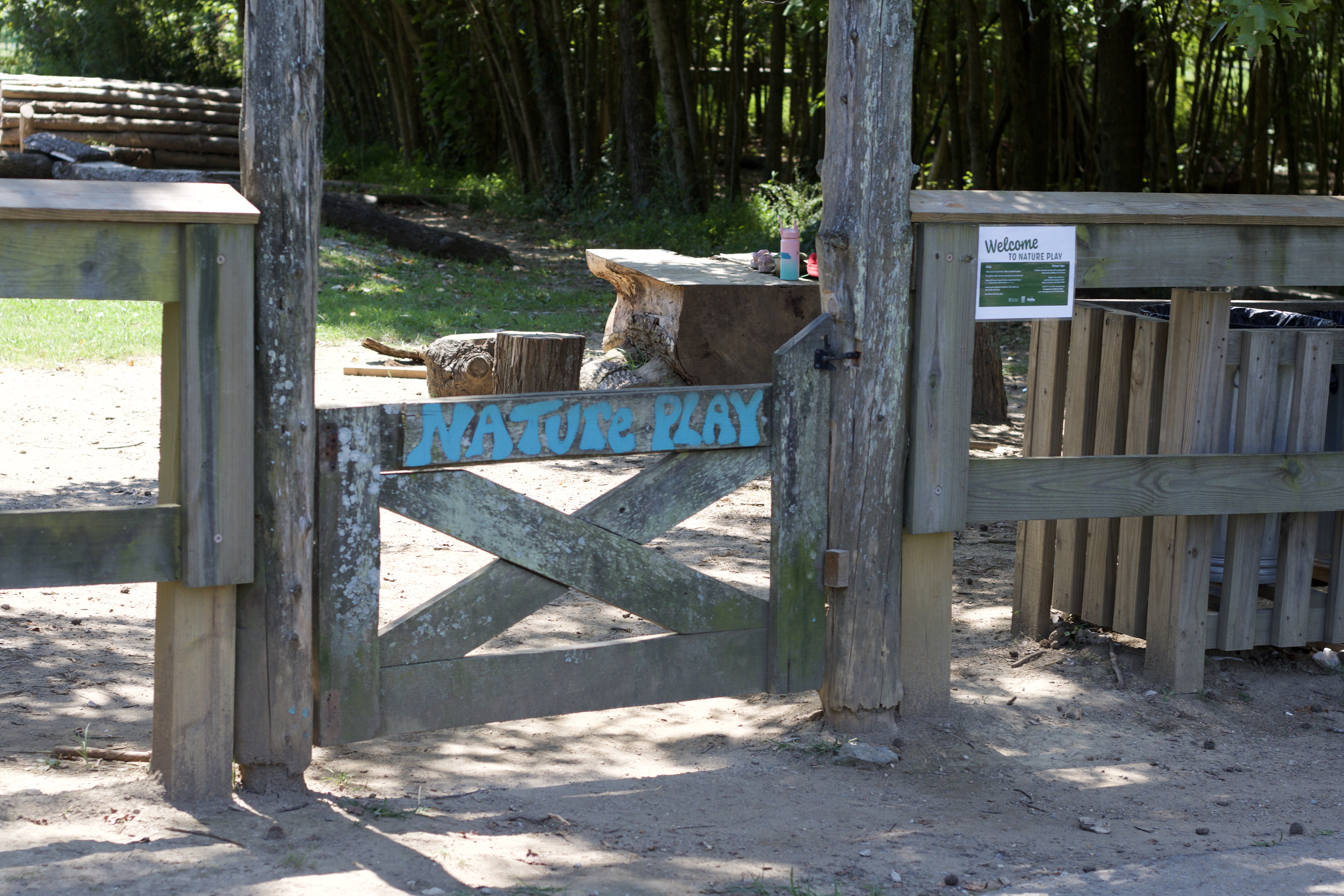
Shelby Park has recently create a Nature Play area. It has been very successful and gets a lot of use. It’s a great idea. There’s a section out in the open, and then there’s a section that’s in the woods, where the kids can walk on logs and go down a slide and be in the trees.

Nature Play
Nature play, Nature Center in the background
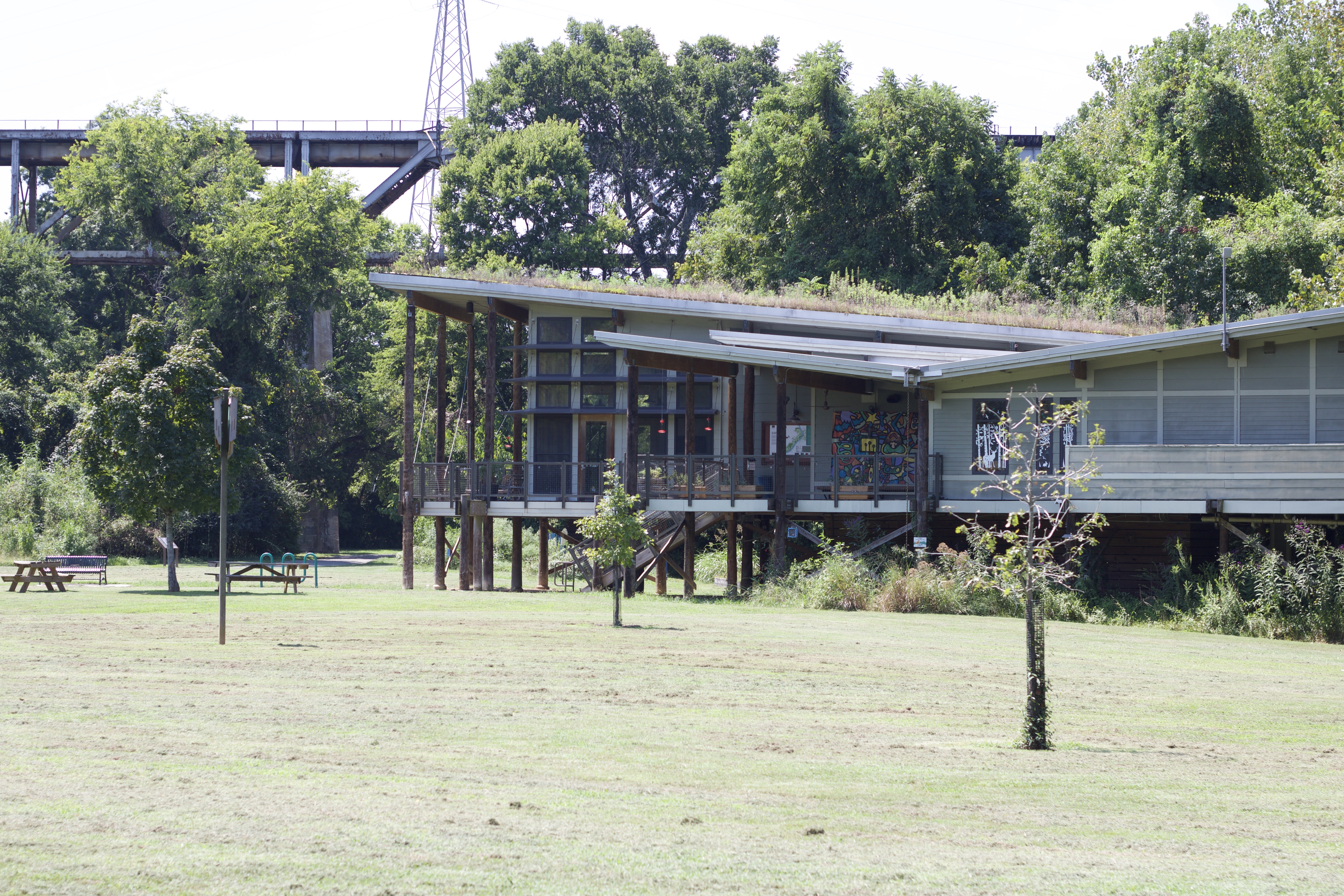
Shelby Park Nature Center

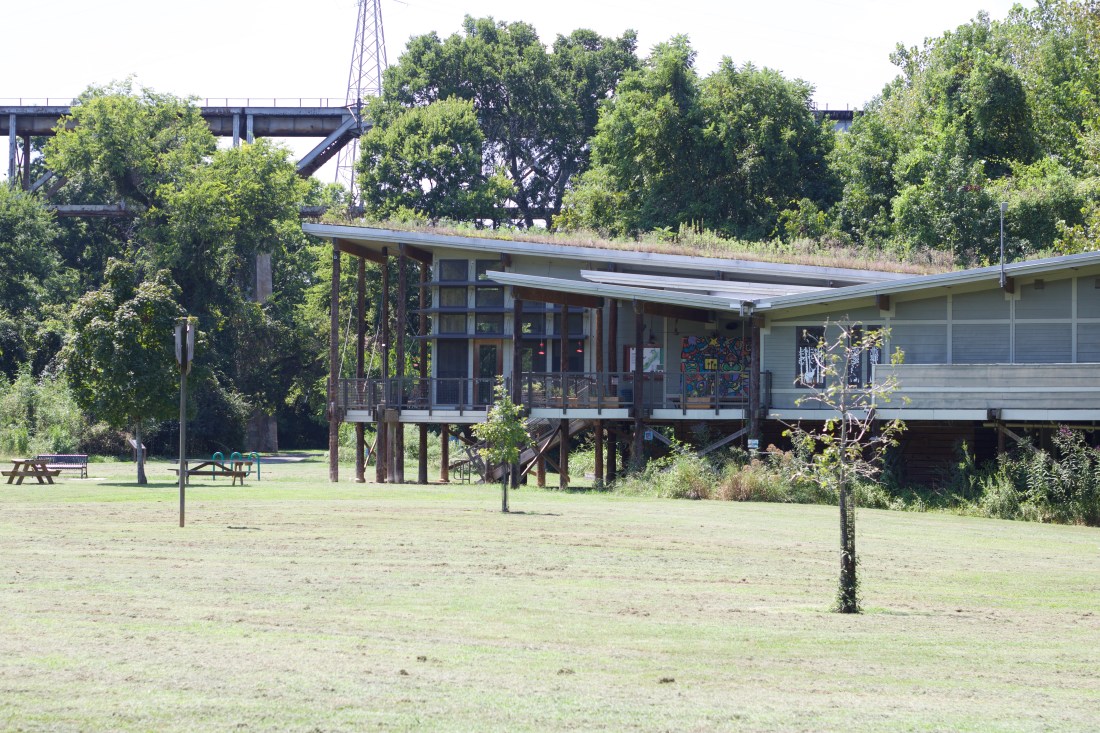
The above photo is the Shelby Park Nature Center building. As you can see, it’s totally awesome. The roof is covered with plants, which helps keep the building cool and also adds some greenery to the world. It’s cool to see that, and I wonder how difficult it is to create and maintain such a roof. I would love to have a roof like this.

The building is on stilts because it’s by the river, and the river floods. There’s a sign that says the highest the water’s ever gotten, at least since that building was up, and it was in 2010 or something. It went all the way up to the top of those posts. I had wondered why this building was on stilts until I saw that sign. Then it made sense.

Now I’m just going to show you a series of botanical photos of interest. There some interesting flowers and grasses, and again I saw the nemesis, Chinese privet.

Gray’s (Morning Star) SedgeCarex grayii

This is a grass I’ve been seeing. I had it in my yard, when I let the grass grow. Easy to recognize when it has those iconic seed pods. The name is fitting, Morning Star. It is a Tennesee native, which is good to know because it’s cool and awesome.

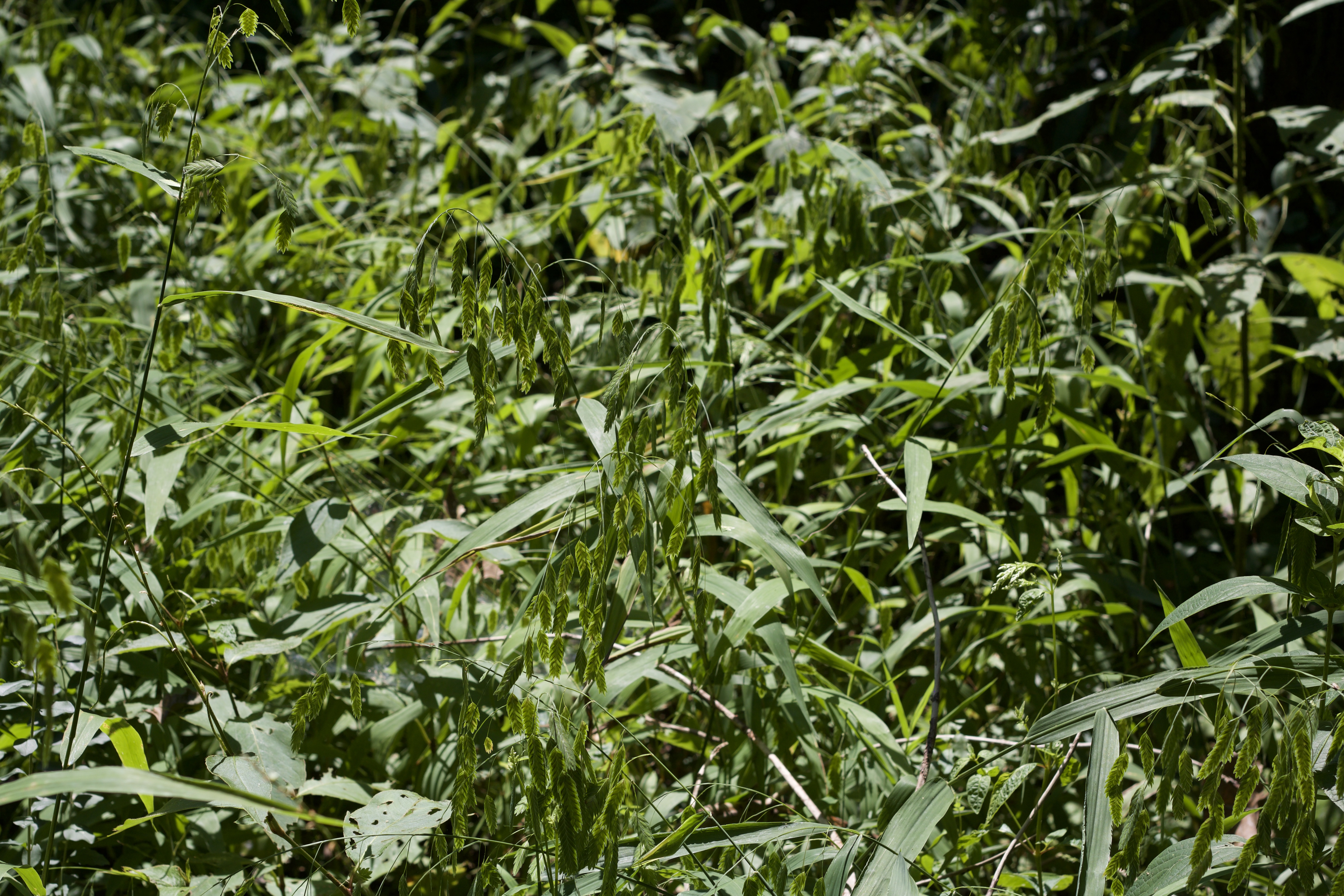
Northern sea oats — Chasmanthium latifolium
Lots of latifolium

This grass was also standing out because of the interesting seeds. I literally just Googled “grass with flat seeds” and it was the first thing that came up. Seems to be quite common and easily recognizable. Those seeds are interesting because they are totally flat, like wafers.

Evil Chinese privet
Lots of Chinese privet here

Here’s the privet, it took awhile to find any. We have been doing a good job of removing it, but I knew I was going to see it eventually. It’s easy to spot when you know what to look for, there’s nothing else that really looks like it. It also stays green when everything else has lost its leaves, and then you can see just how much there is of it. Privet grows in Tennessee insanely well, unfortunately. Non-native.

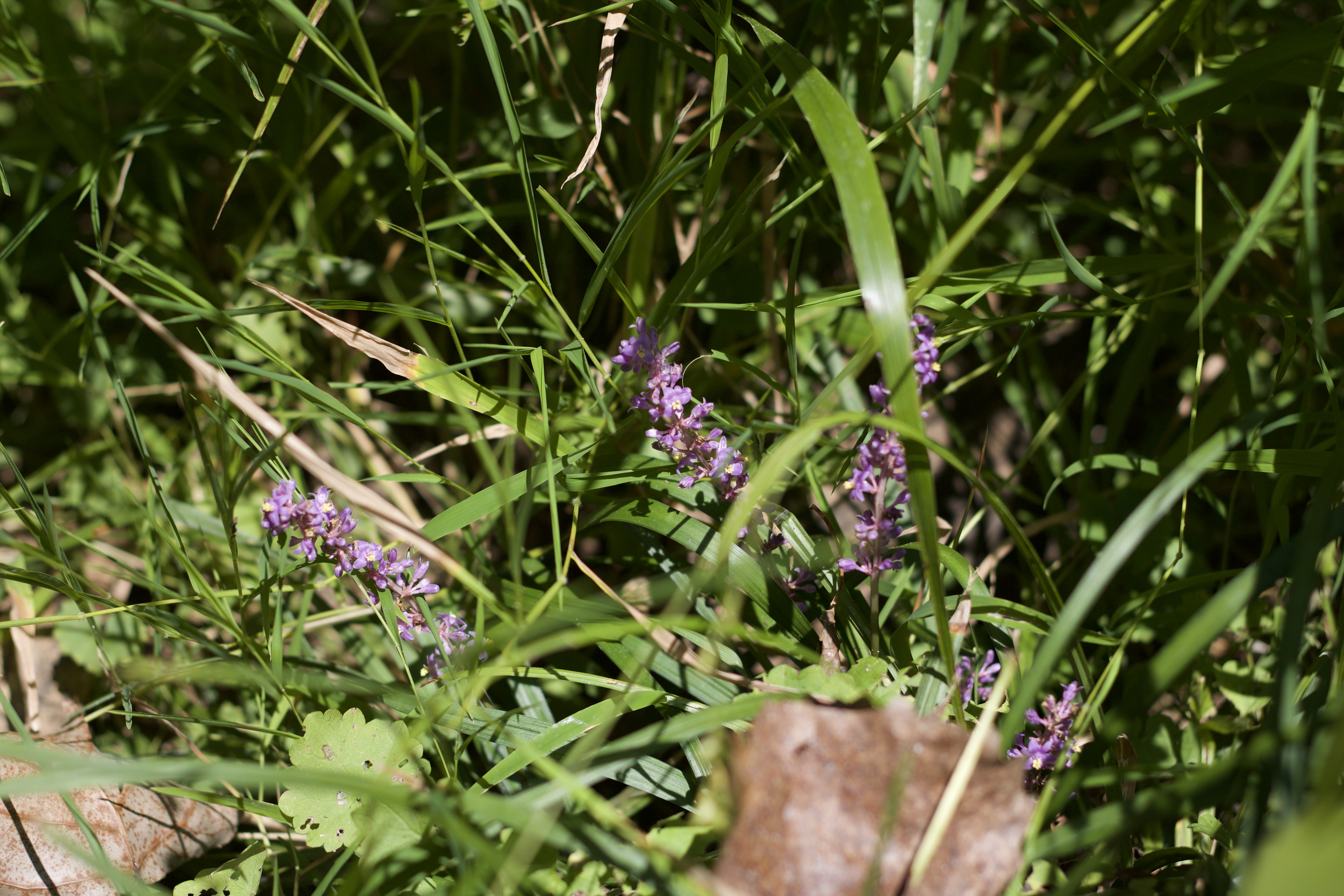
Saw a little bit of this small purple flower. Lavender?
Small and unassuming flowering plant with dainty flowers
There’s tha riva’.
Trails
Trails
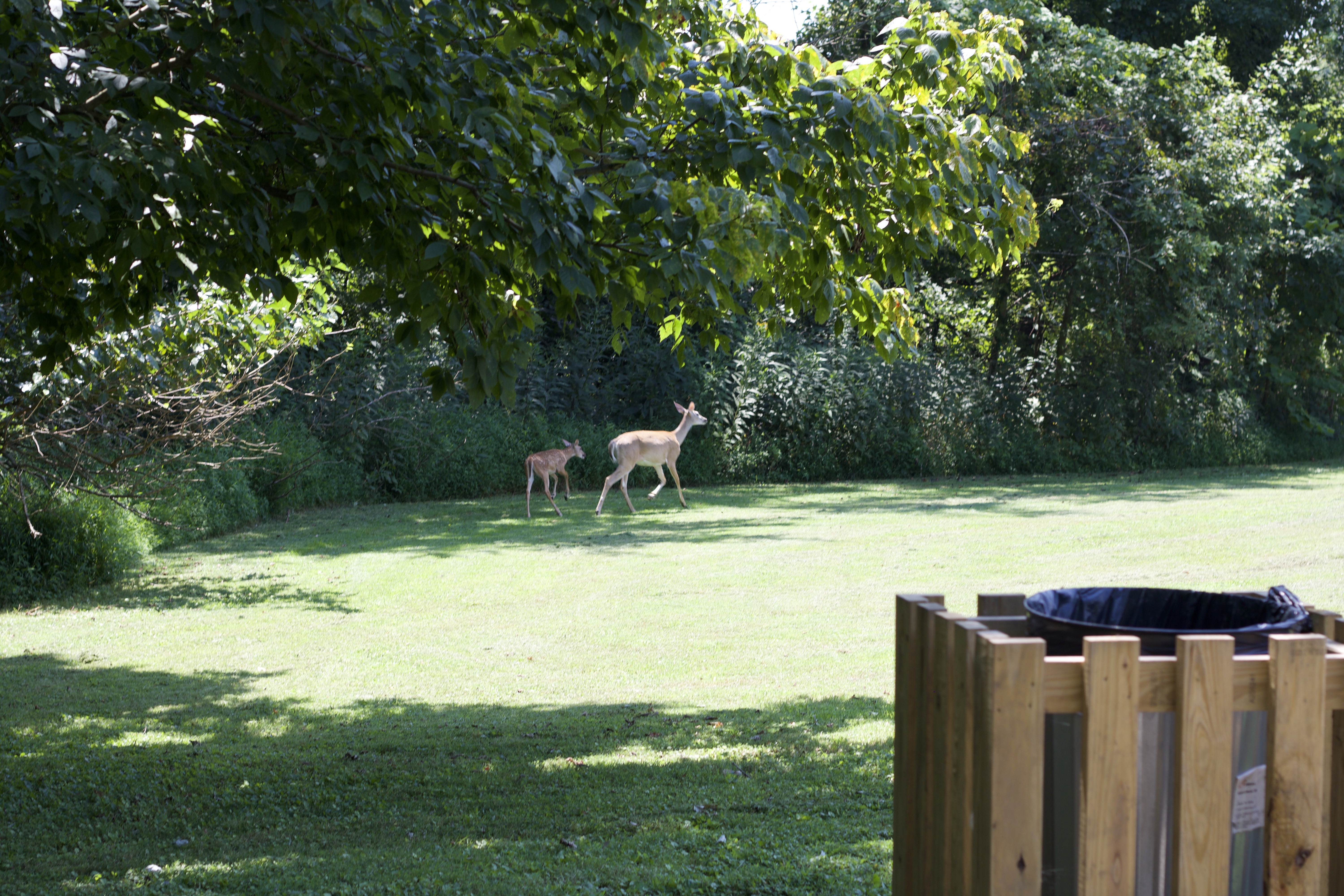
Mom and Doe, a common sight

It’s funny that I am becoming a plant person after a long time of not knowing anything about plants. I think part of the deal with botany is that it’s intimidating. There are just so many plants. So many. And most of the time, they’re all green. What’s this? What’s that? It’s a flower. It’s grass. It’s a tree. But, when you see the same things over and over, you can start to recognize what’s what. Then, things stand out to you, you notice the same flower, and you start to wonder, what is this thing? I see it everywhere.

I think that’s really how it’s happening for me. I walk through this park so many times, I start to wonder what things are. It’s also interesting to see the cycles of growth, the plants that come and go, the flowers that come and go, throughout the year. It’s more obvious to see this when you have a meadow. The native meadow plants provide a lot of action in the summer and fall. We think of spring as being the time where everything blooms, but there are things blooming all year long, some things even blooming in winter. You could actually know what time of the season it was by what was blooming, if you didn’t have a calendar. You also could tell by the weather, I’m sure. And the position of the moon and the night sky, right?

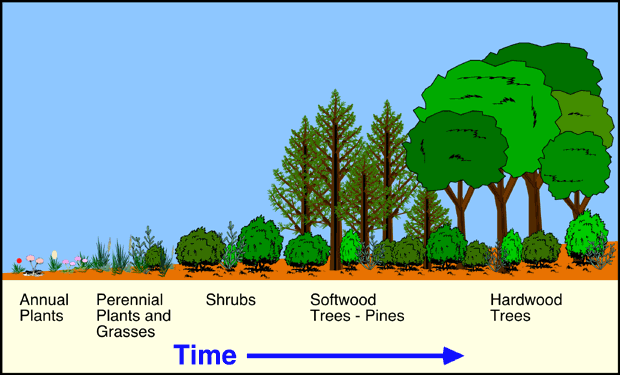
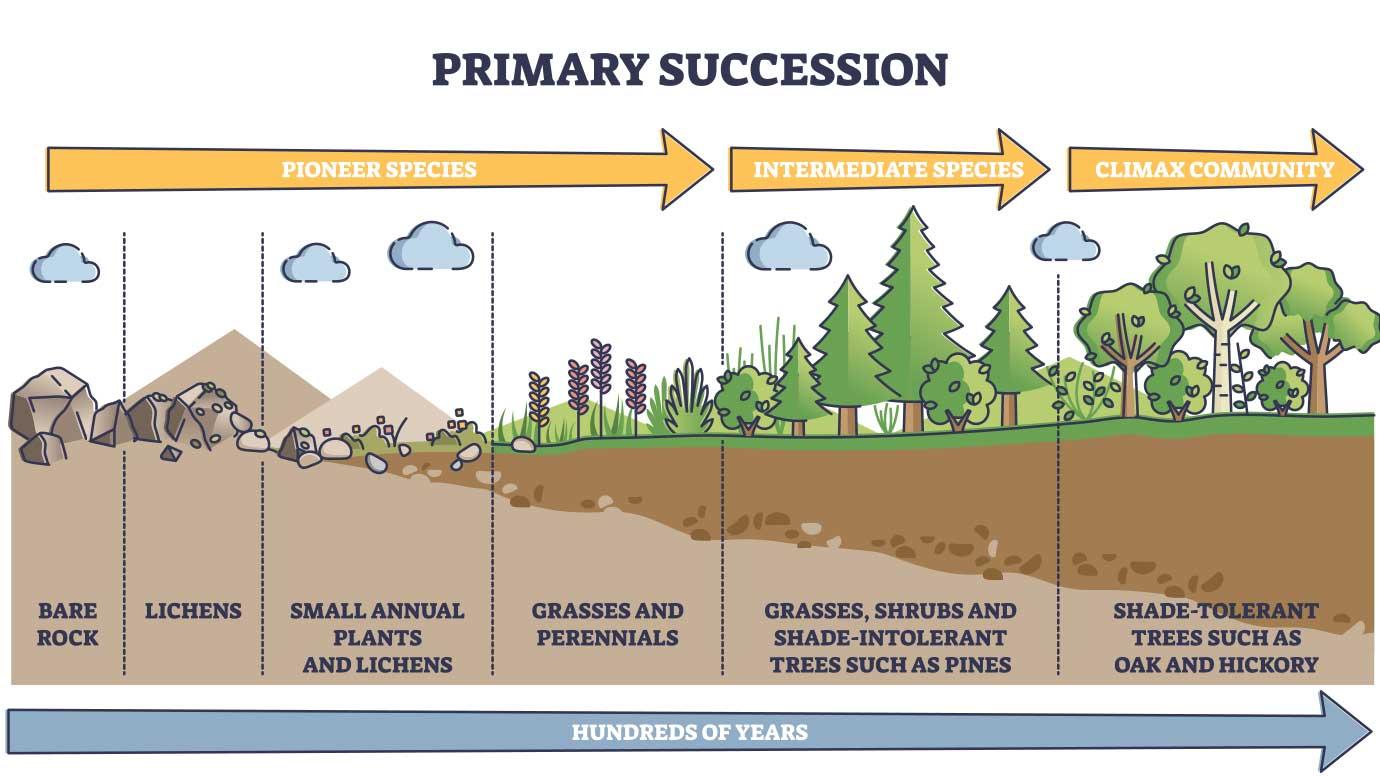
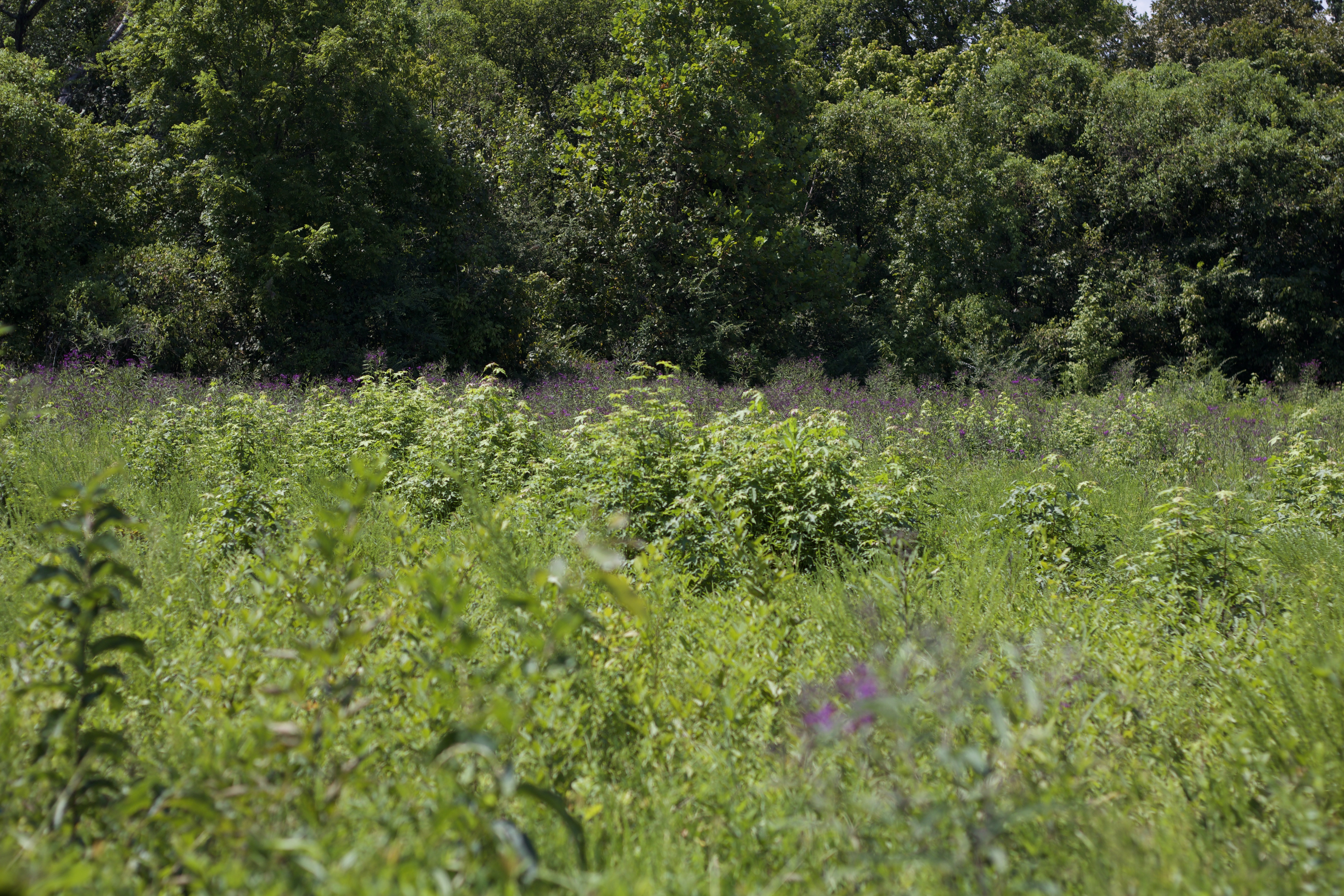
Something I’ve started to notice a lot is the growth of trees in the meadows. Apparently a meadow is the early stage of the development of a forest. First, you have meadow, then you have an interim stage, with small trees, and then eventually you have a full, mature forest. I think this is called succession.

Succession
Succession

It’s interesting that annuals come before perennials. I think perennials take more time to get established, that’s my guess as to why that is. You can see succession happening in real time at Shelby Park. I’ll show you some photos of trees popping up in the meadow, that are leading the charge into the further stages of succession at Shelby.

Succession is why they say you are supposed to mow your meadow, I think, if you want it to stay a meadow. You have to remove the trees, otherwise you will not have a meadow anymore. I wonder what they will do at Shelby, possibly this fall or winter, if they want to keep the meadow a meadow, or if they will just allow it to convert. The reason they might want to do that is because meadows/praries are rarer now, and also they might want to keep it for the variety. (I’m not sure if our field is considered a prarie or a meadow, I just realized. Maybe it’s neither.)

Below are some photos of trees popping up amongst the wildflowers.

Maples?
Some oaks?
Oak? getting established
This tree is a standalone. I wonder how it got here, if they let this one get established.
A maple? getting established. I wonder how old it is. Just this season?

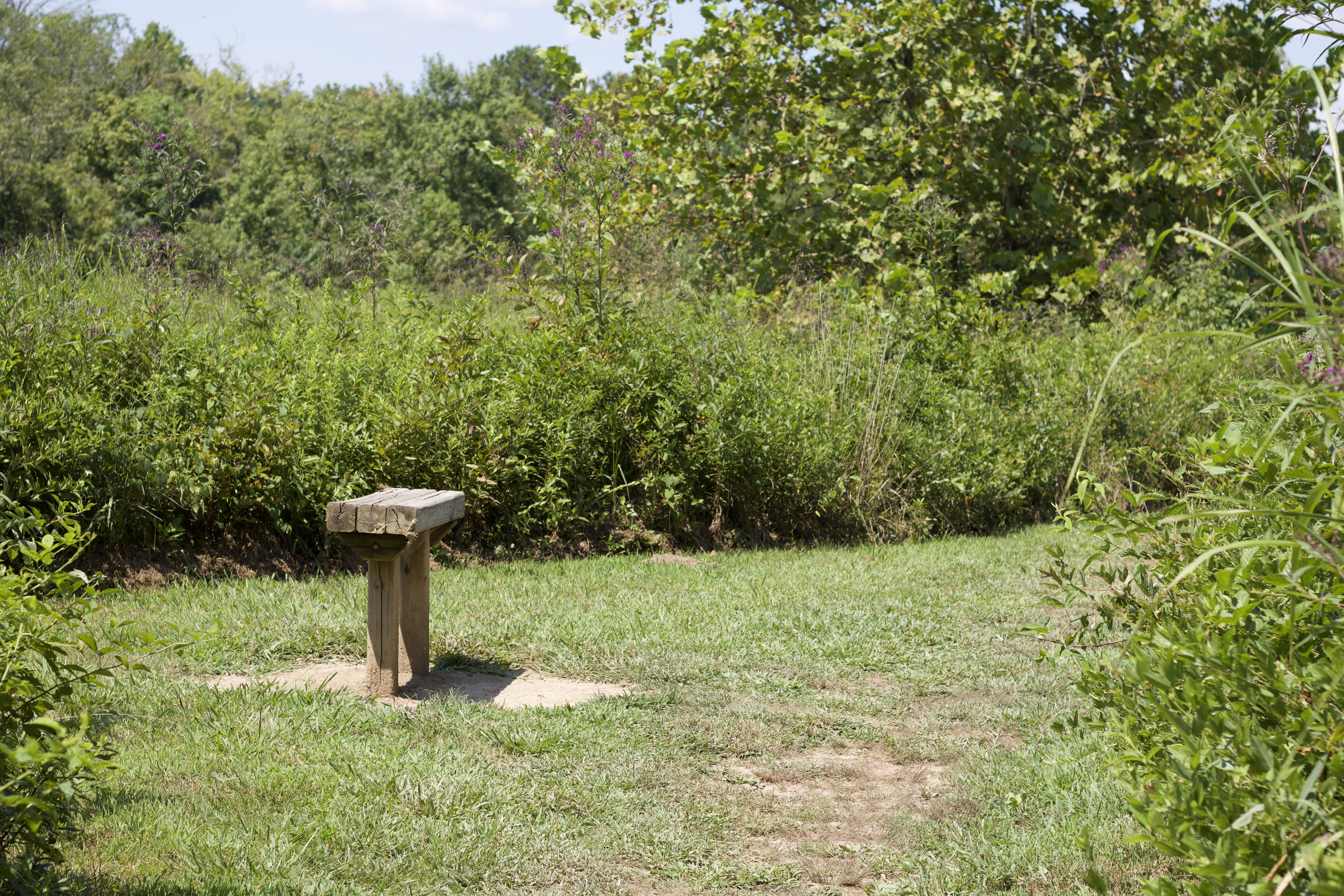
The above photo is a bench in a cleared pathway in the meadow. How pleasant! Probably no on sitting there for most of the day these days, as it is extremely hot. In the background you can see the large oak, standing alone in the meadow.

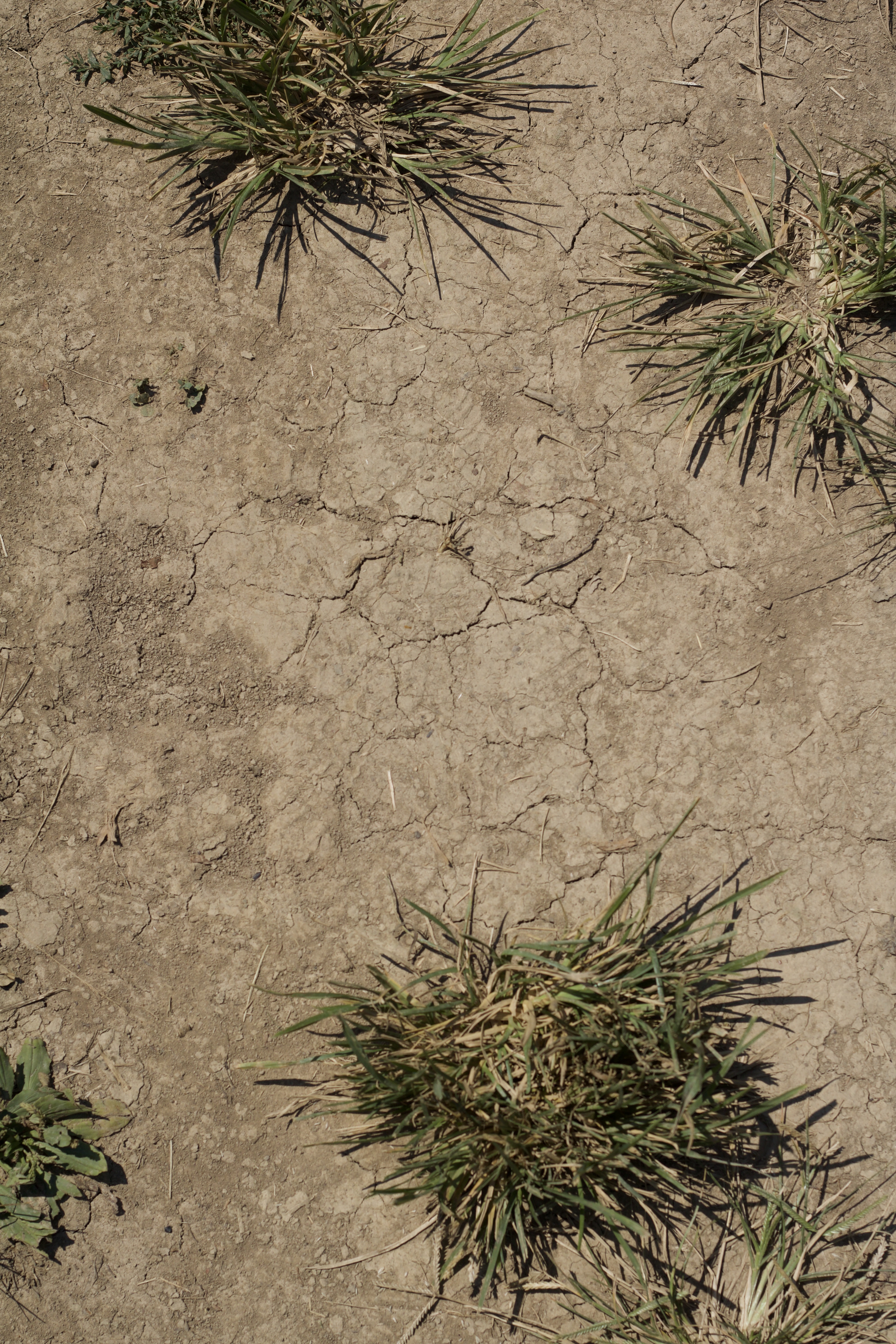
What the ground is looking like these days

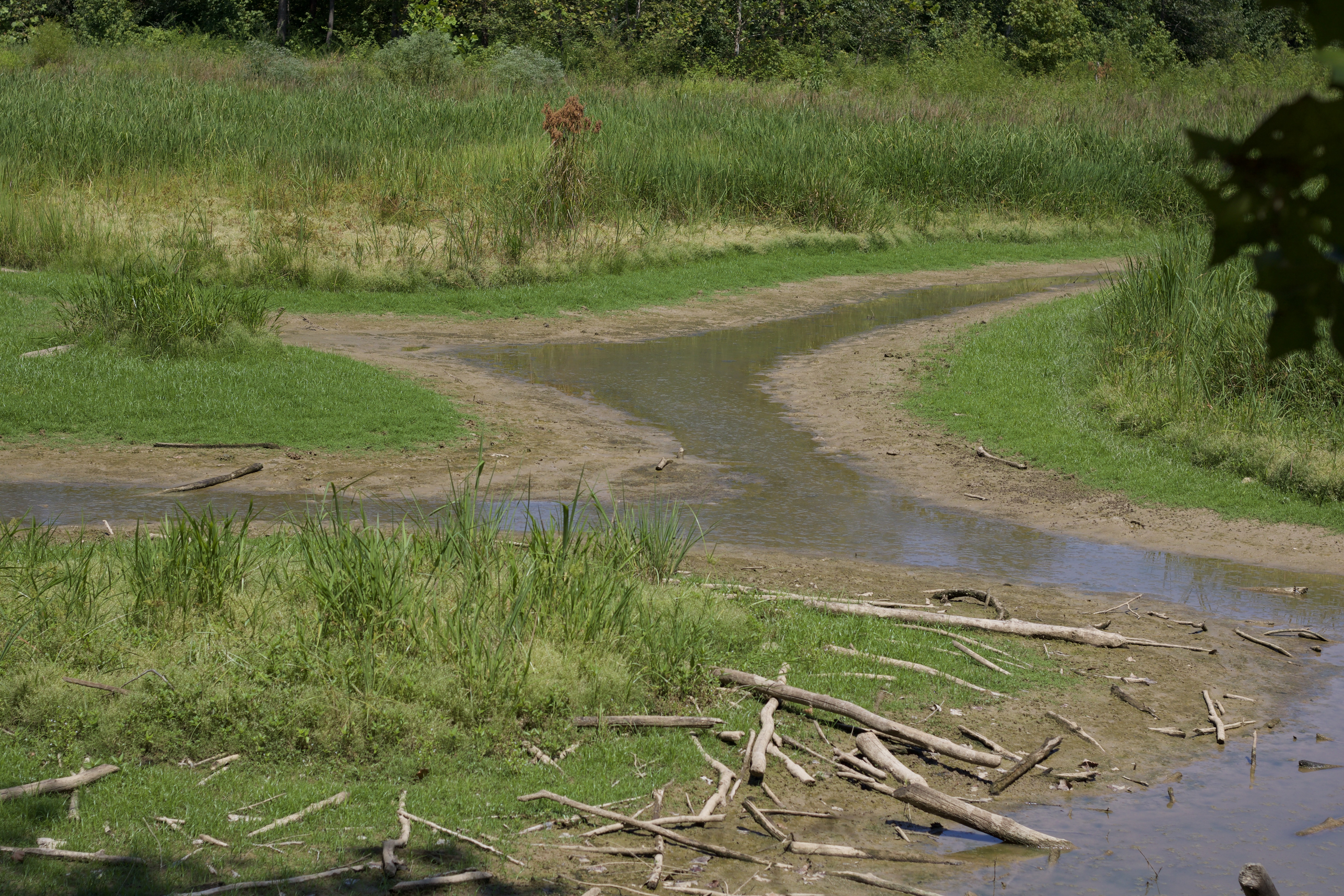
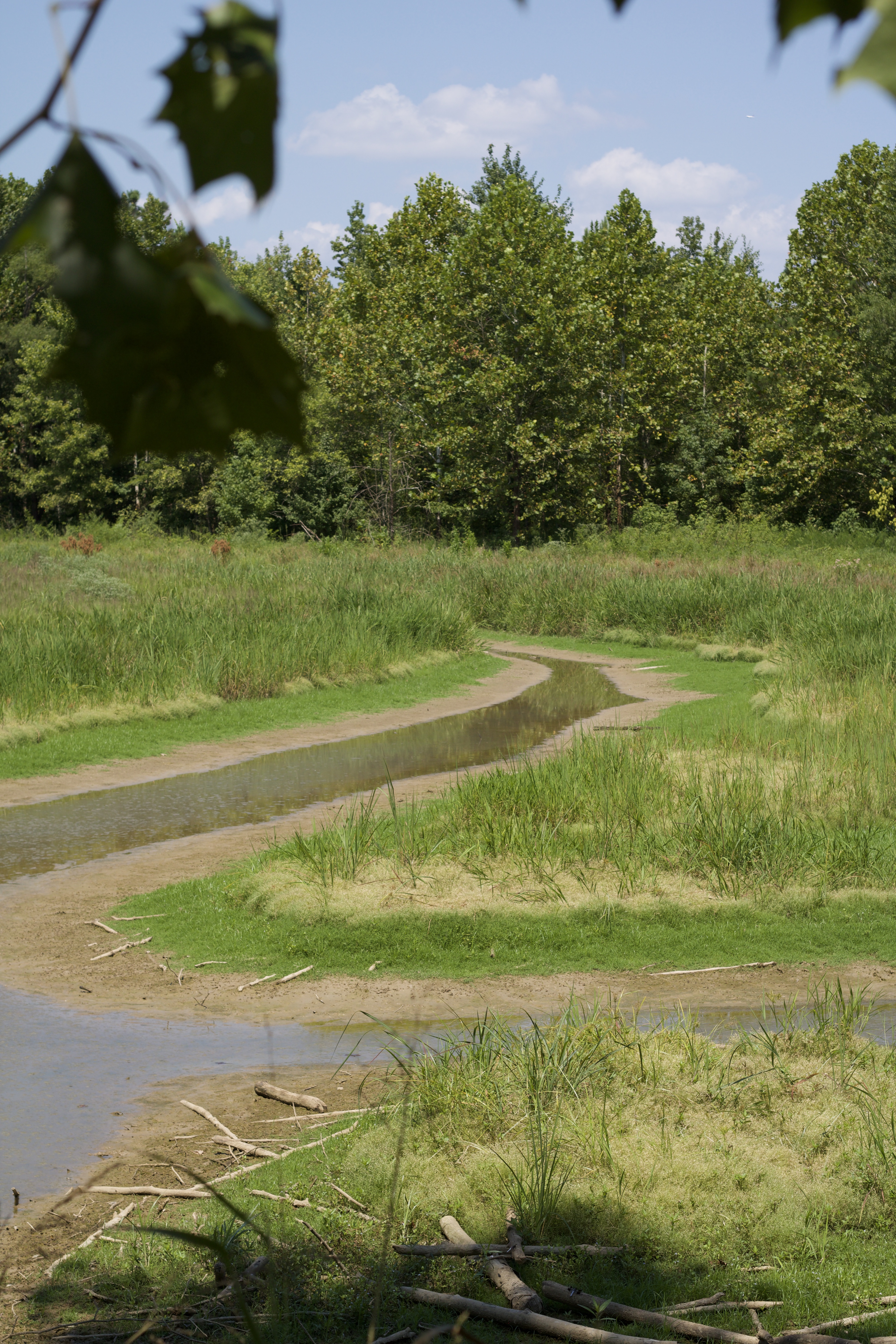
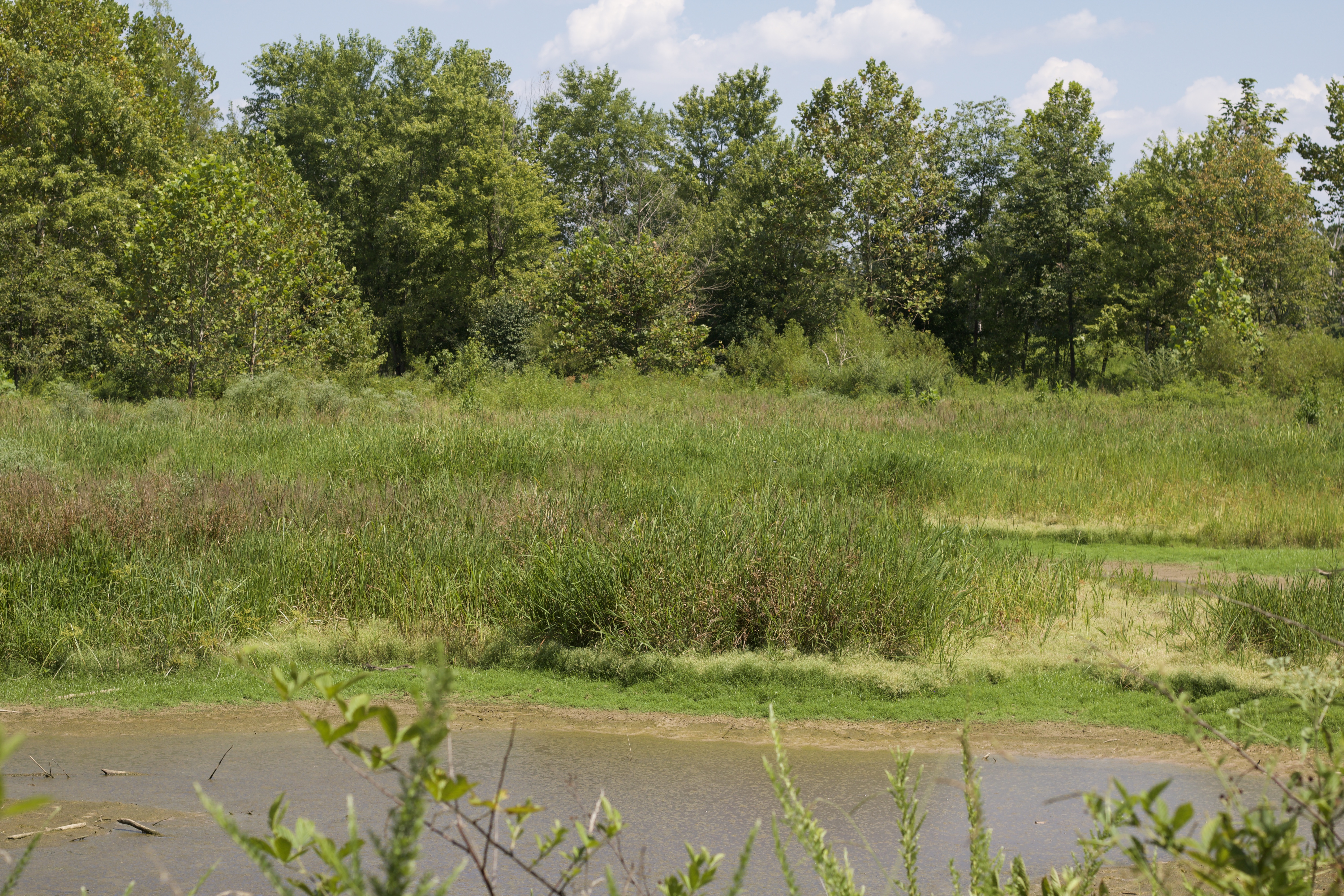
On either side of the meadow there are some marshy, wet areas. They are dry as a bone right now. I wondered if the pond would have been totally dried up yet. Beavers, deer, and herons are usually hanging around here.

Drying up
Wetland area

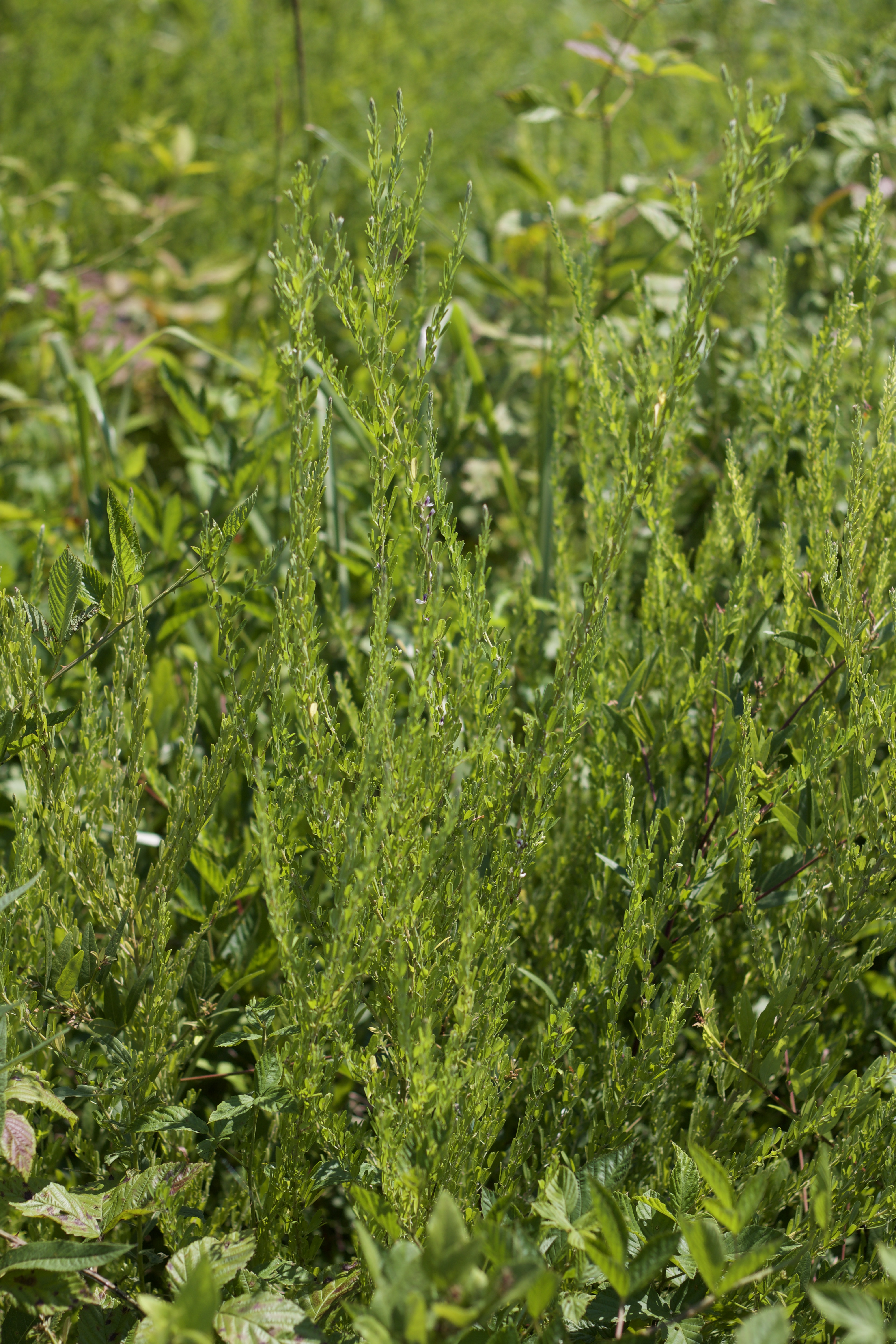
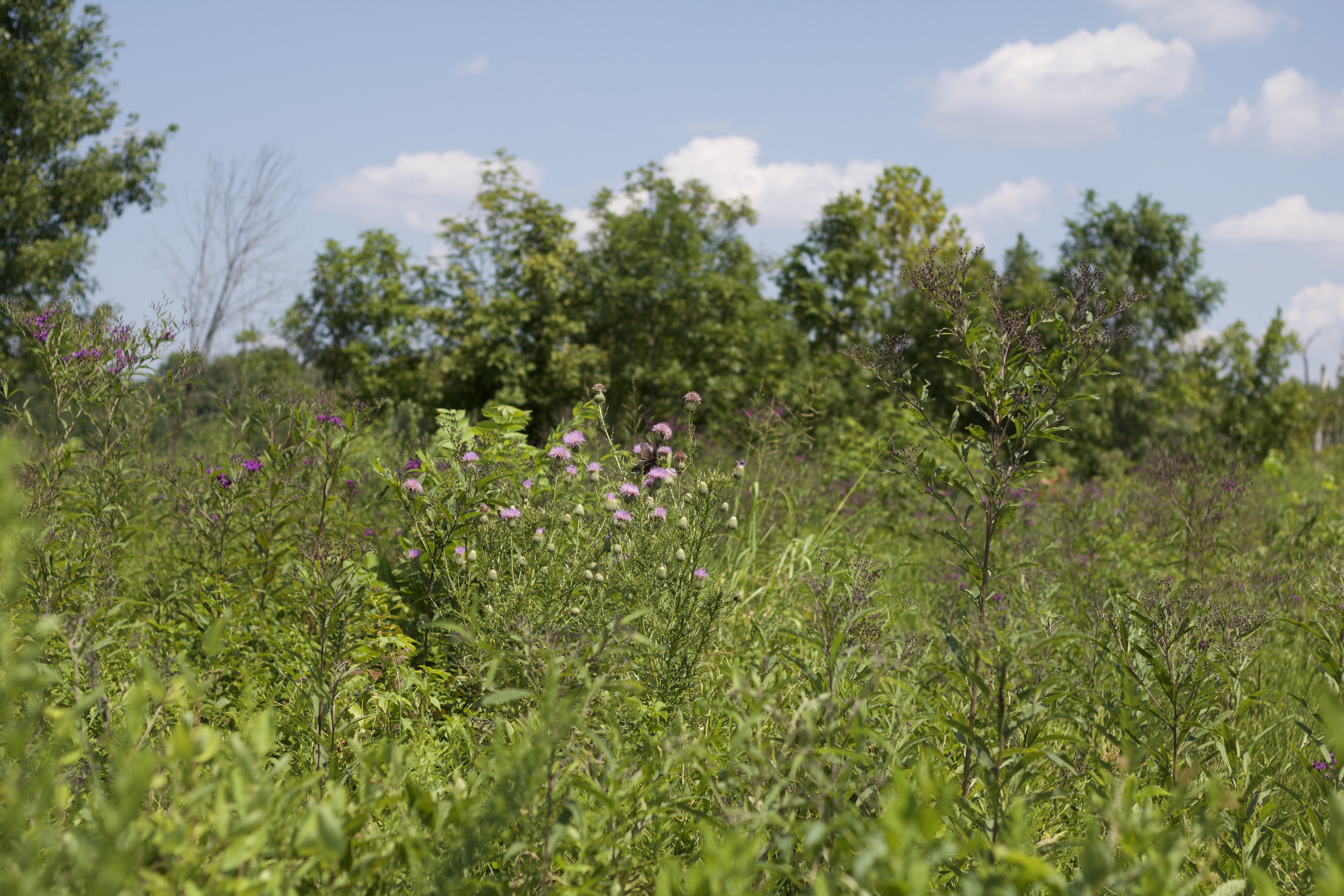
There were some patches of the meadow where I was seeing a ton of this plant. Anybody know what it is? Trees? Shrub or bush? Don’t know, but there was a lot of it, dominating its area.

Mystery plant
Mystery plant in meadow

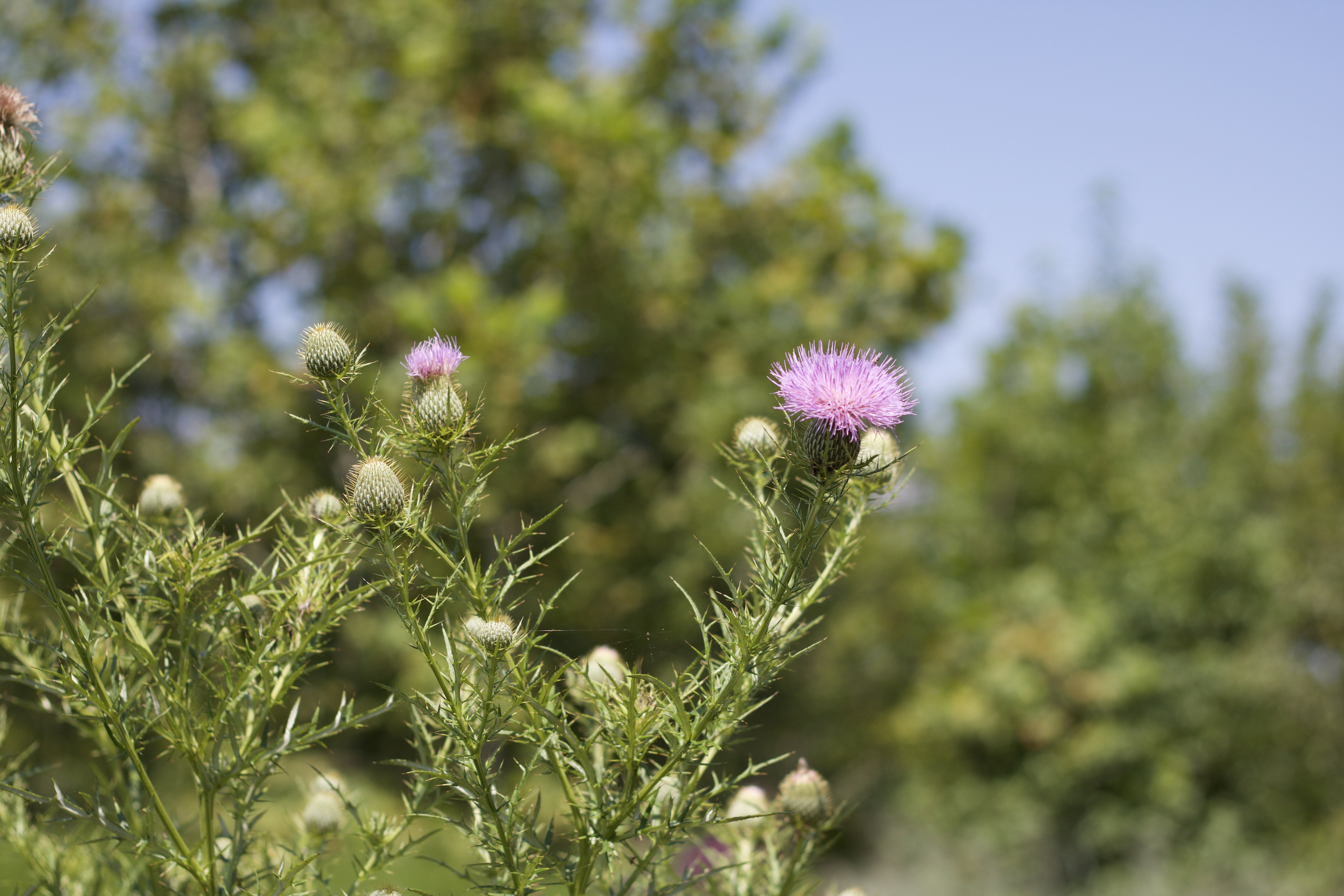
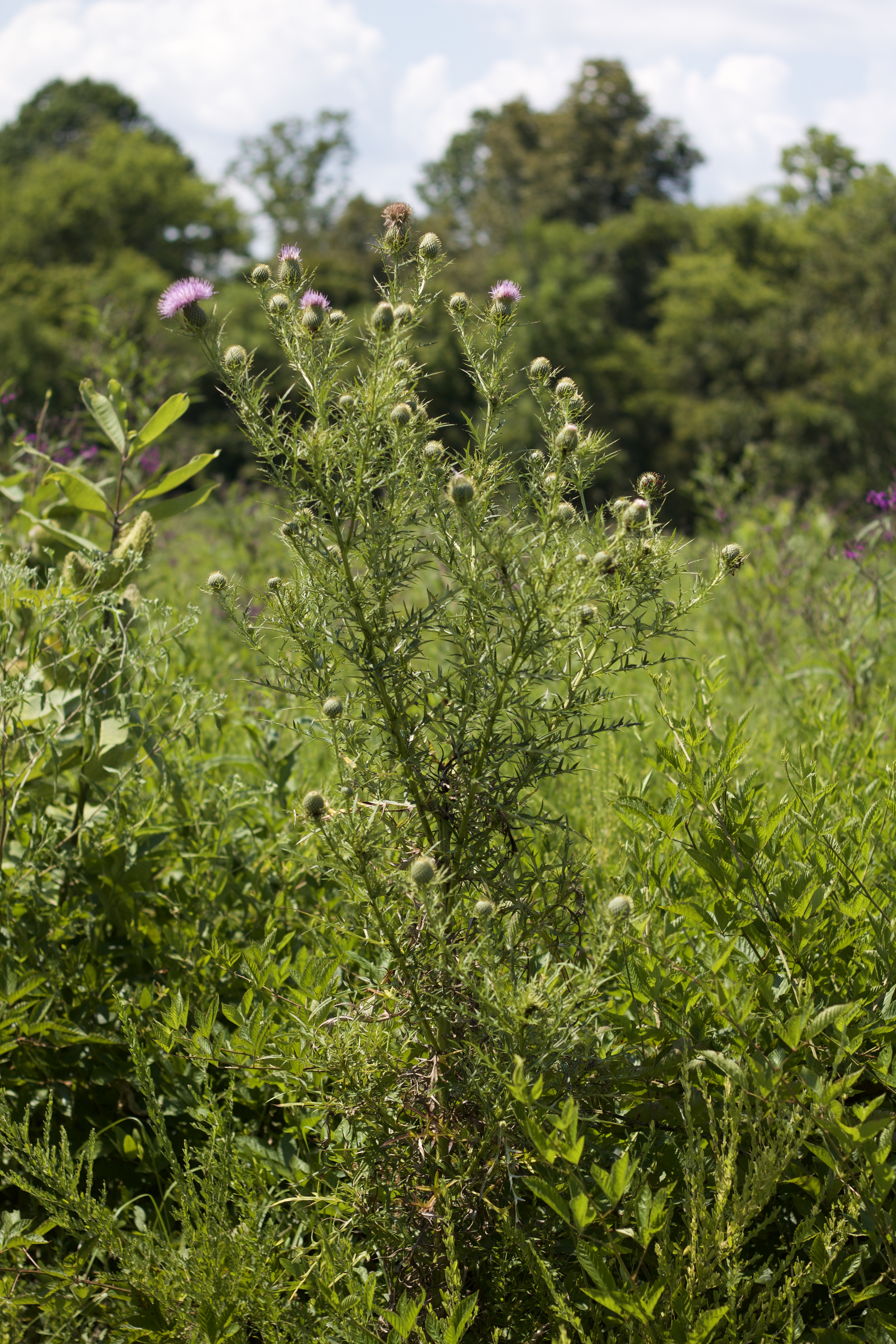
I’ve been spotting the plant below recently as well. It’s just starting to bloom. Very pretty, kind of a standout. My mind is going to “thistle”.

Internet says this is Cirsium altissimum, a Tall Thistle. Native to eastern and central United States. That’s good.

Tall thistle
Cirsium altissimum in the meadow
Butterfly enjoying the giant thistle landing pad
Tall thistle now starting to make a debut

There are many flowers blooming right now, Zinnias, some sunflowers still left, dogwoods (if that’s what they are)… lots of trees are in bloom right now, and the wildflowers. Lots of food for the pollinators. So, we are now seeing butterflies everywhere.

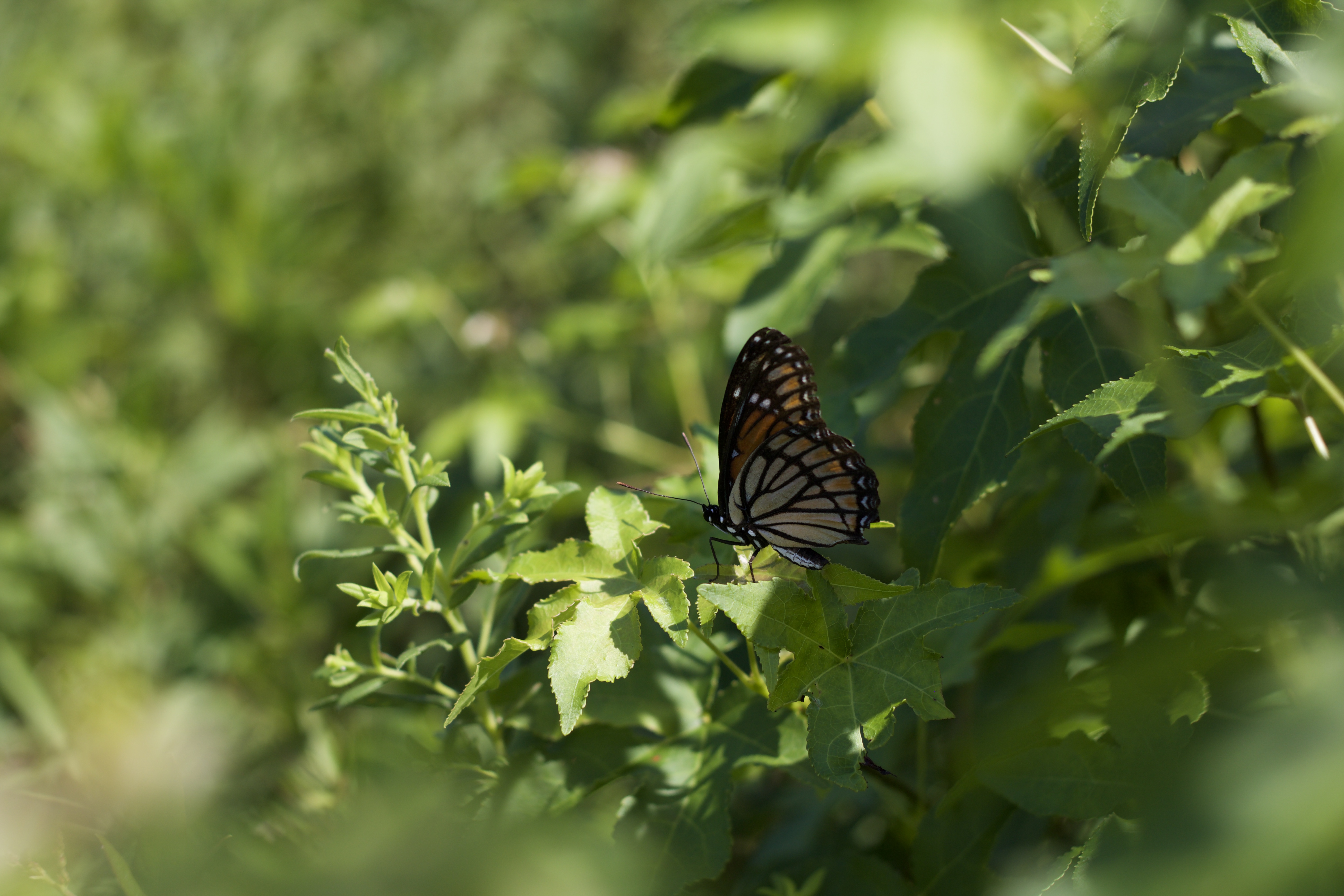
Monarch?
Narrow-waisted wasp on some tiny flowers

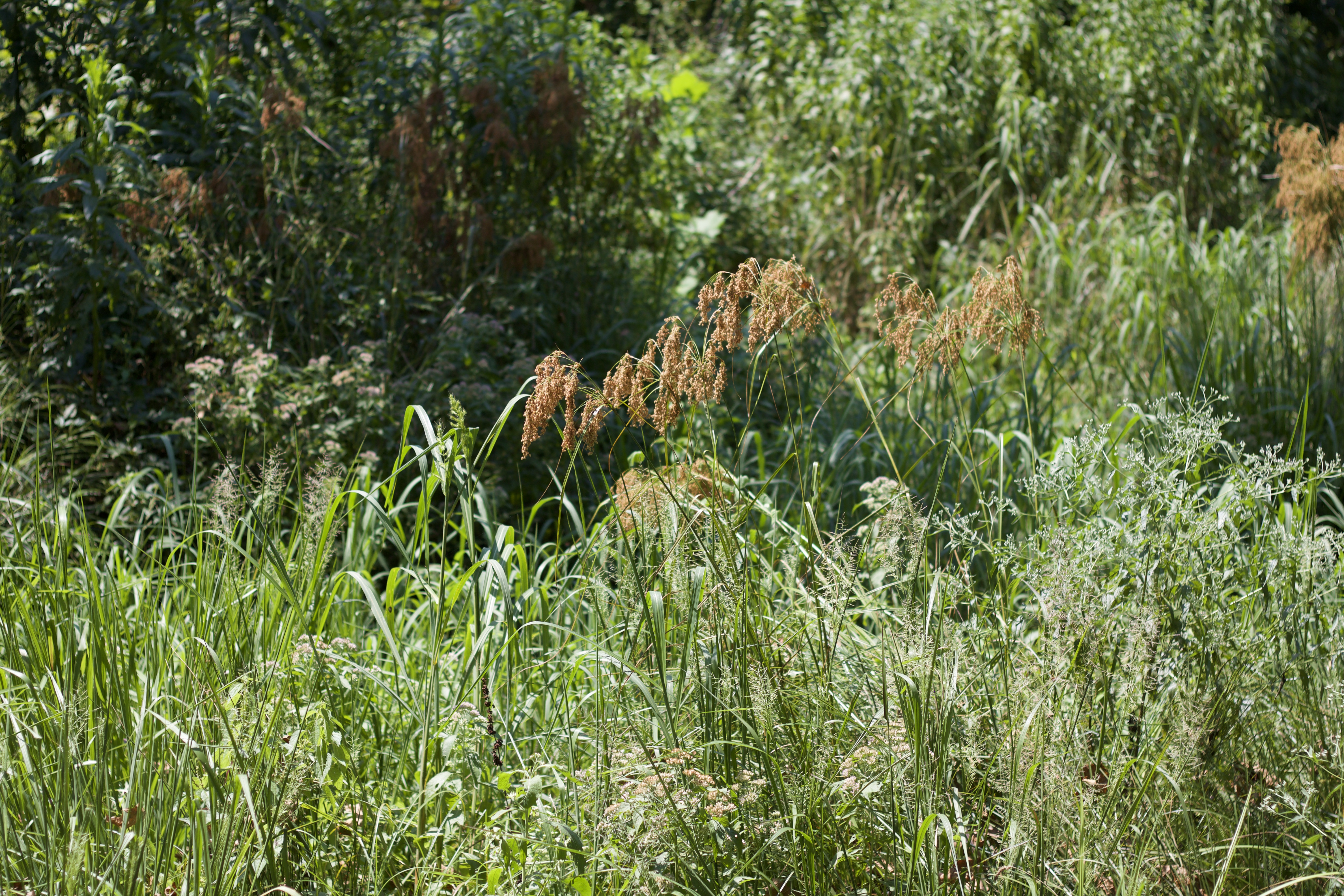
The below photo, the grass, was standing out. I snapped a quick pic. I wish I would have taken some more photos but this was in the meadow, at this point I was really getting cooked, and flowers are still more interesting for me than grasses.

Sorry grasses. I’m sure I will have a grasses era someday.

Standout grass, dried brown seeds

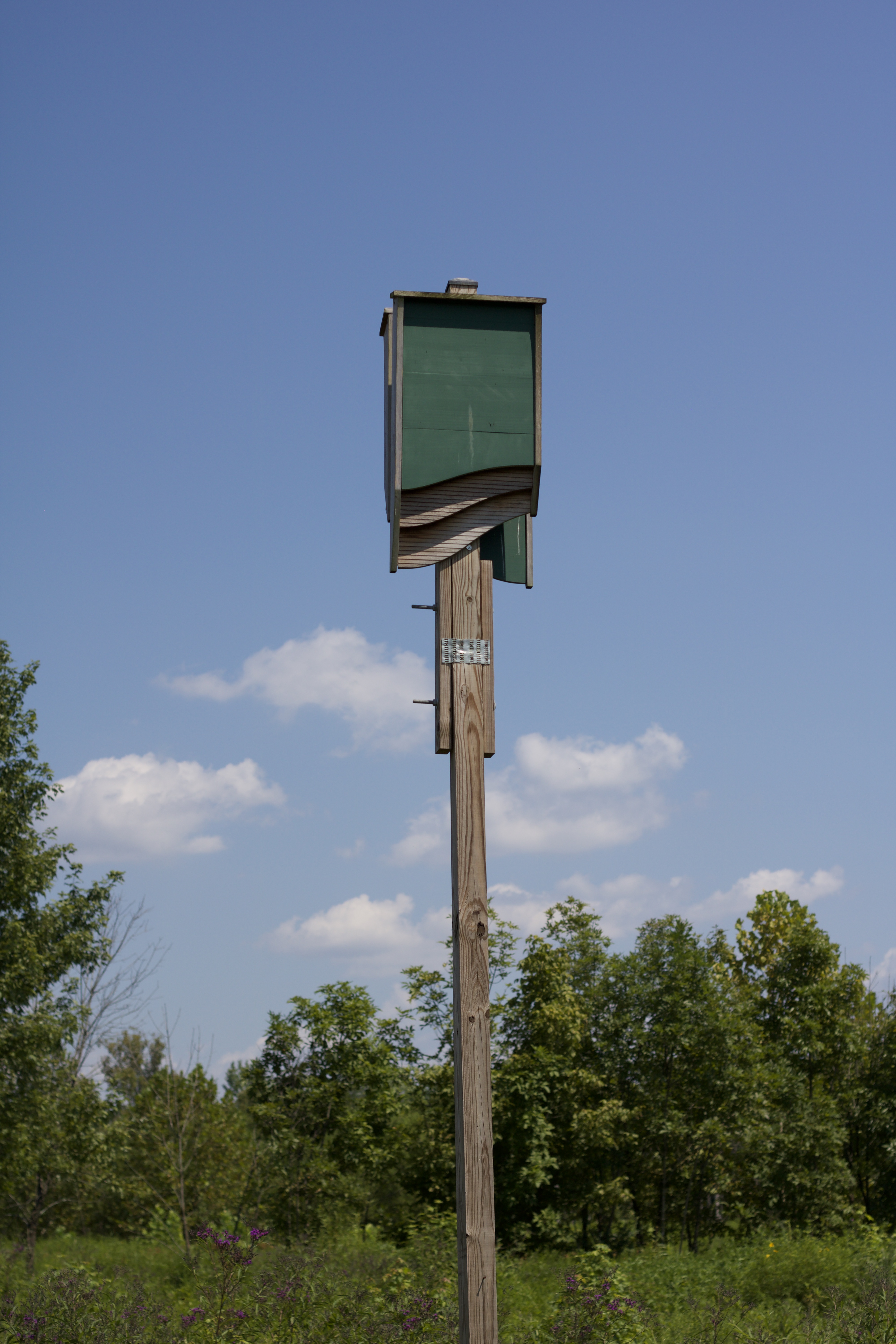
There’s an interesting bat box out in the meadow, only one of them. I assume it is a bat-box.

The bat box

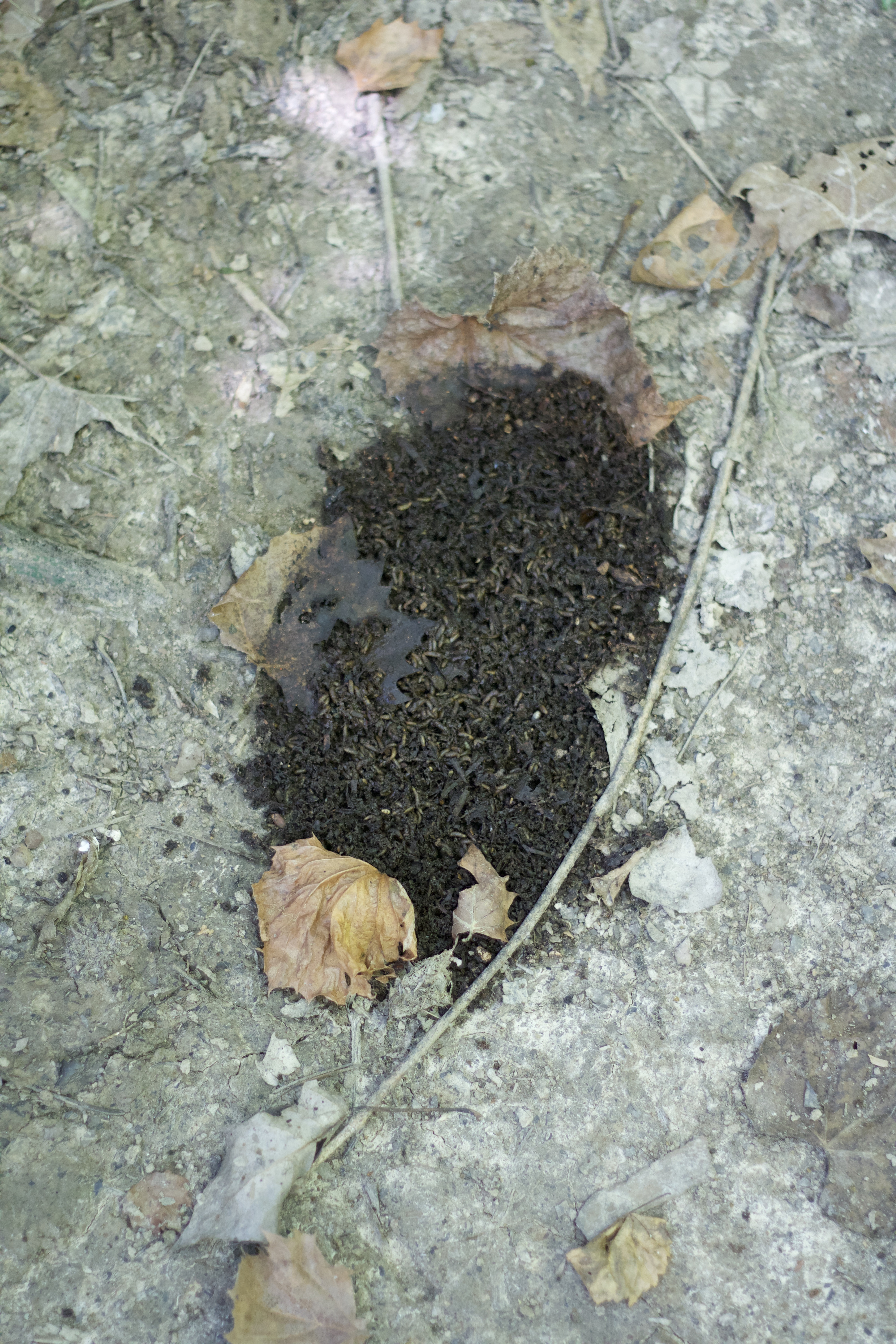
Well folks, this is about everything I’ve got for you here. But there was ONE more thing, and it was actually the most incredible thing I saw on this field trip. It was the only thing I really have no explanation for. As I walked through the shaded, covered tunnel trail on my way to the meadow, I happened across a large, black spot on the path. I looked down, wondering what it was, and saw that it was absolutely teeming with wriggling things. Some of you who are squeamish may not want to look at the following photo. Luckily it is relatively low quality, as my camera was struggling in the dark, and with the difficult subject matter.

Mystery mass — extremely ecologically interesting

This mass is extremely interesting. I squatted down and looked at it, poked at it (with a stick of course) for as long as I could handle, because it made me incredibly sweaty and the mosquitoes were immediately descending on me. I have to tell you that I still have no idea what this really was or is. It looked like dirt, but how did it get there? And if it was poop — what kind of poop is that? How did it get so flattened out? And what about the creatures inside?

I thought they might have been parasites, but looking at them now, and thinking about how they were moving, they seem like they could be black soldier fly larvae. We have those in our compost pile, they look and move similarly. If they are, that means they would have to had hatched in this pile, so it must have been here for awhile… If it is dung… Do the eggs hatch that quickly? And what kind of dung is this? Were the larvae worms keeping it moist?

I’m open to theories. If anybody knows please tell us all. I’m still thinking about it.

Jay and Bill

So I am fully obsessed with gardening. It’s not really an obsession — it’s a new hobby. But boy is it a strong one.

This morning, I would out doing my daily surveying, pulling the rhizome grass sprouts, examining the new sprouts and the general condition of things, and then watering. I have a bunch of new sprouts, Cosmos sprouts. Those seeds laid dormant for weeks, probably three weeks at least, before suddenly shooting up overnight, as tall as three or four inches tall. They came out of NOWHERE. And now they are booming, going to work. Two days ago they appeared out of nowhere. Now today, they’re already duplicating the leaves, and there are twice as many that have popped up. It’s a totally different method of sprouting than nearly everything else that has popped up in the garden, which come up quite meekly, with just two little baby green leaves, and develop slowly.

The marigold sprouts came up quick, as fast as the Zinneas. Within only three or four days, they were sprouting. They’ve stayed low to the ground, but the seedlings have rapidly developed in complexity. I like looking at them just because they have an interesting shape. They are a little crowded by Zinneas and I hope they don’t get consumed, but they are at least on the edge of the Zinnea patch.

My Butterfly Milkweed might be sprouting, but it would be early for them, according to the internet. I’m getting some sprouts in that patch. It’s probably something else.

I’m on a spree of meeting neighbors. This morning, Jay called over to me from across the street. “What are you raising?” He said. That’s all it took. I walked over to him and we talked gardening. He said he was interested in raising some native wildflowers, that his girlfriend had been growing herbs in pots. He had a little dog named Bill, a cute dog. When we walked over to the patch, so I could point some things out to him, Bill trampled the dirt area with my Butterfly Milkweed. I almost said something as I watched him walk all over the dirt, but I held back. They probably weren’t sprouting anyway.

Jay said he’d been watching my garden and saw that things were starting to pop up now. My gardening is starting to draw some attention, now that things are actually growing. It was pretty ugly when it was just a giant patch of dirt. It still mostly is a giant patch of dirt. We’re playing a long game, here. (Although, not even that long. It’s crazy how quickly some of these things grow, like the Zinneas.) I just wonder if I’m going to get any blooms this Fall, or if the plants will decide that it’s too close to the end of the season and that there aren’t any pollinators left… if there aren’t any left. But we’ll see. Maybe there will be?

The first frost for Nashville is approximately October 15. That will be a big date. What will happen with the first frost? Will things die? Will they die before that? Will I have any flowers? And then, what will happen to the perennials? Will they have grown enough to come back next year?

The Zinneas are annuals, I looked up this morning. That’s not a big deal. If everything died and I had to replant everything next season, it wouldn’t be a big deal. The planting is easy. But, apparently the plants take time to flourish, some of them not blooming until years later. I don’t think any of mine take that long for their first blooms—possibly the Butterfly Milkweed. I guess this is to say that it would be better if I didn’t have to replant the perennials, and the plants survived and kept going next year. I really don’t know what will happen.

It’s all an experiment. A very interesting experiment.

I’ve thought about what can go in the backyard. I’m intimidated by the backyard. It’s mostly shaded, with dappled sunlight. The ground is not moist, at least not right now, but it can be. Clover is growing well back there, the grass is not growing THAT vigorously. The front yard has been completely different, compared to the back.

It seems that the backyard, being mostly fully shaded, mimics a forested, woodland habitat. So whatever grows back there will be whatever does well in a forest, I think. One difference is that I feel like it’s cooler in the woods, and the backyard still gets hot. That probably won’t matter THAT much to these plants. The other thing they talk about is soil acidity, and I have no idea about that. I would like to know.

I want to plant buttonbush, really badly. I have a vision for a buttonbush in a space in the corner. It would be a perfect barrier between yards, and would fit the space perfectly. The thing is that they say buttonbush likes moist, wet conditions. That corner is not dry (except now in a drought), but I don’t know if it would be moist or wet enough. I would have to water it, and even then I wonder how well it would do. That could be another experiment.

I want to cover the fences with vines, like passionflower and coral honeysuckle. I wonder how to get those started. I talked with a lady at the nursery/gardening center. I asked about planting, if there were seeds, she wasn’t sure about the coral honeysuckle. Then I asked about passionflower, and she said, “Hold on a minute.” She went through a secret door in the back, and she came out a minute later holding two large green spheres, like perfectly spherical limes. She said, “”We have a passionflower plant growing wildly just outside. Here.” And she gave me those seed pods.

I felt like I acquired a special and rare item in a video game. Like a bonus quest. Ask the gardener at Bates about growing passionflower and you can score two free seed pods.

After the deer attack, I sometimes have a fear that I’m going to wake up one morning and find my entire garden decimated. It’s vulnerable out there, unfenced, by a busy street. But so far, no tragedies except for the horrendous deer attack. And the sunflower that was chomped by the deer and lived, it is still the most vigorous one I have. It’s doing great. It handled that assault without skipping a beat.