The Master Gardeners

Yesterday I went to an event held at the Looby Public Library, for fall vegetable gardening. Just to see what’s going on. Currently, I’ve only planted flowers, and carrots. That’s it. Veggies is a whole new world for me.

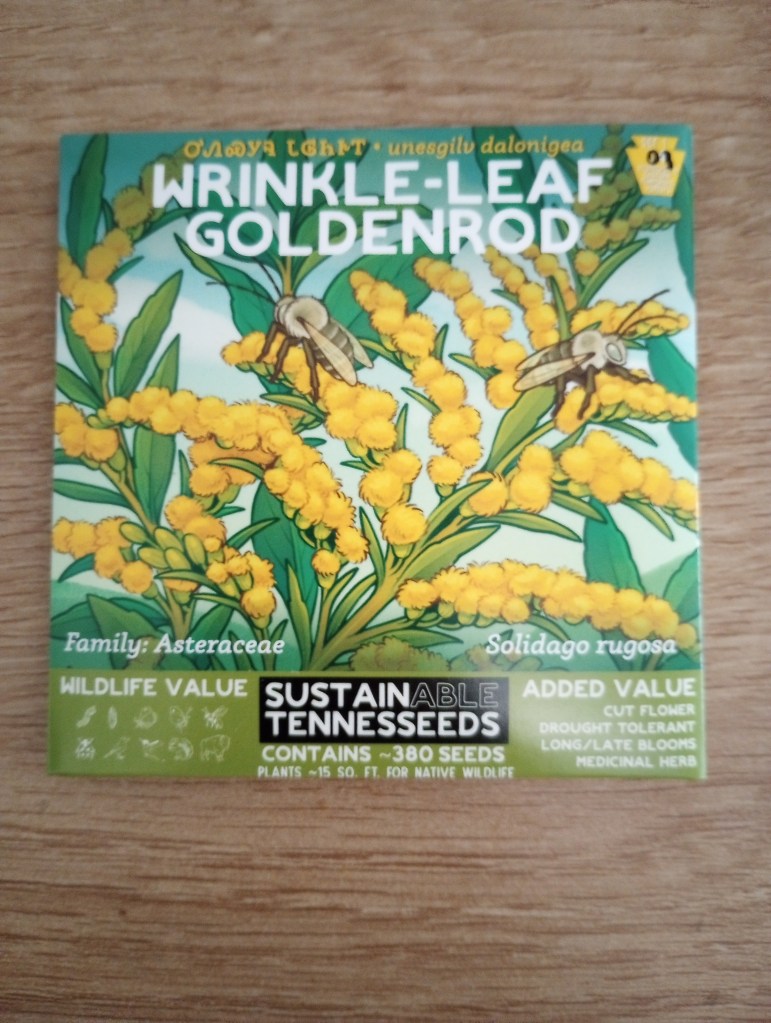
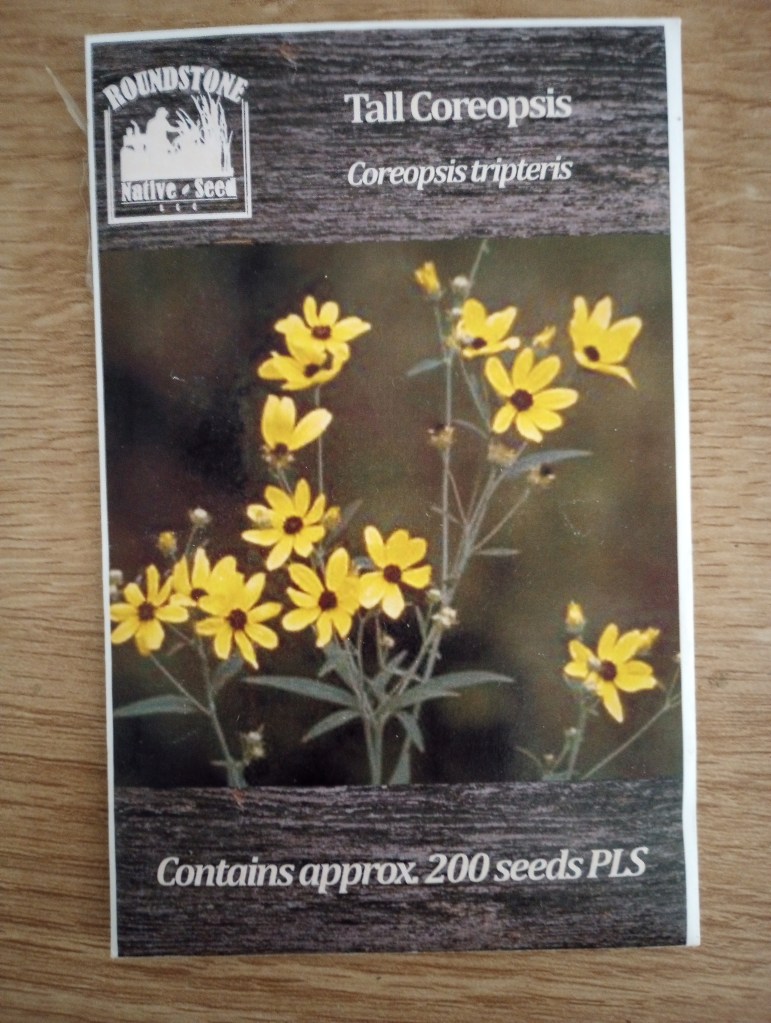
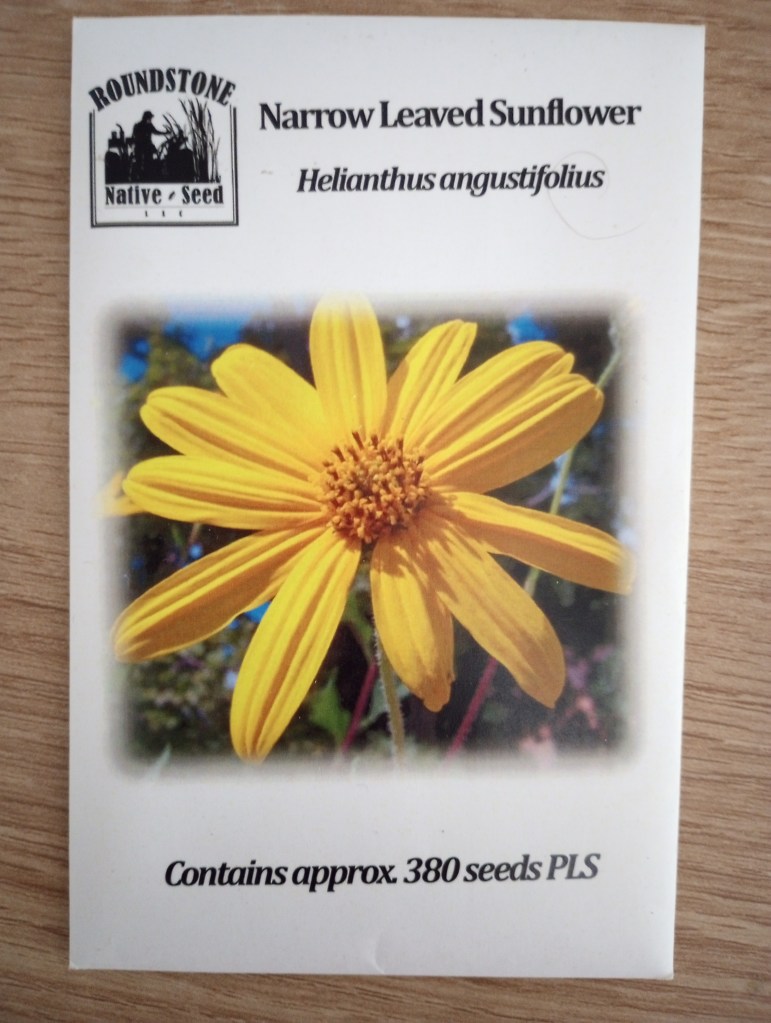
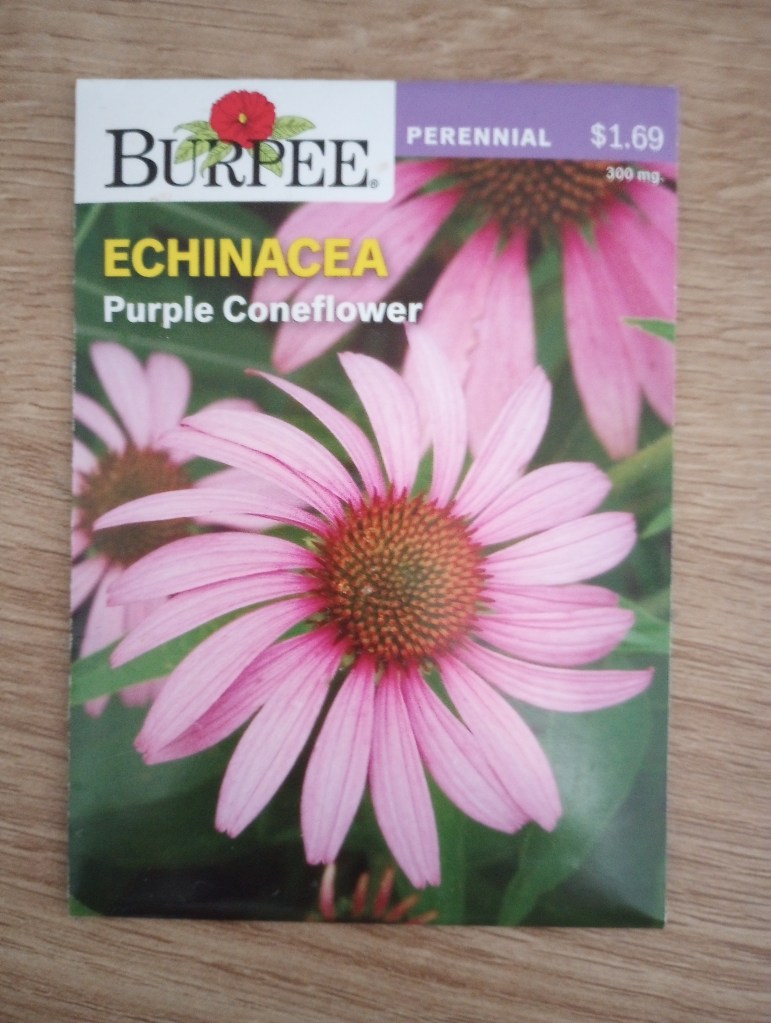
I went out to a local iconic gardening store and bought more seeds. I’ve been going crazy. So far, I’ve now planted Cosmos, Zinneas, Butterfly Milkweed, Jerusalem Gold Sunflowers, Smooth Blue Aster, Purple Coneflower, Shasta Daisies, Marigolds, Black-eyed Susans, and carrots. And I still have some Goldenrod to plant, more Purple Coneflower, Wild Bergamot…

The watering is starting to be a lot of work. It takes 30+ minutes to do all this watering, and it’s still probably not enough. I fill up the watering can by hand, at our sink. The spigot is on our neighbor’s side of the house (we live in a duplex) and I’m too lazy to text him and ask if he minds me using the hose.

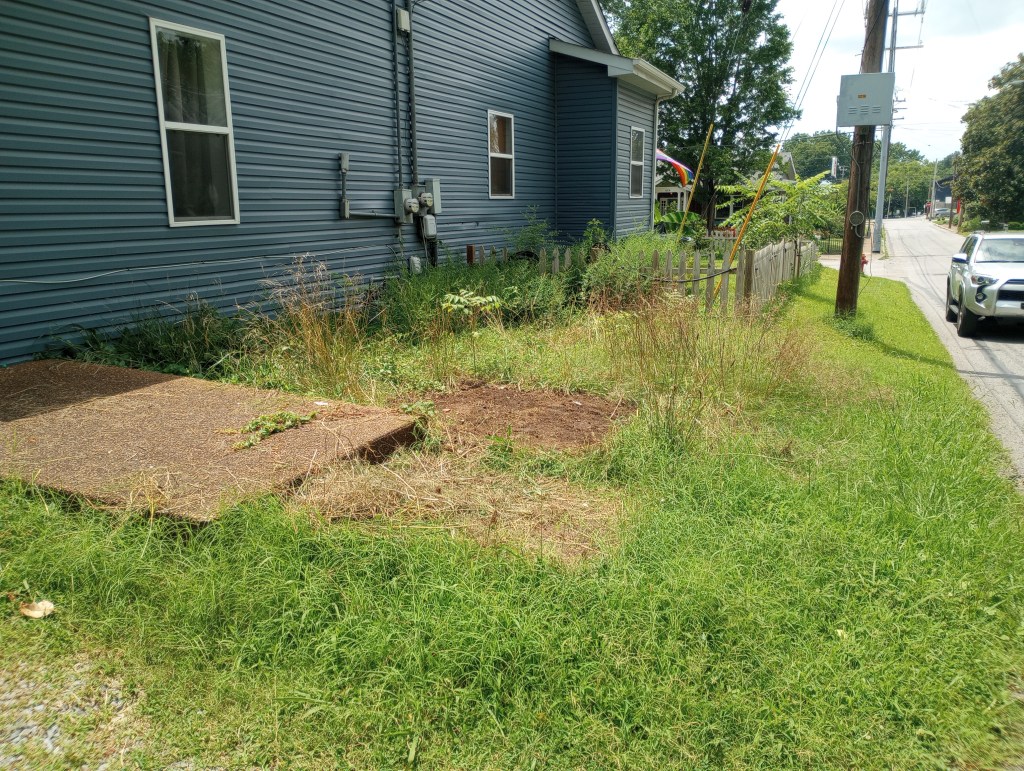
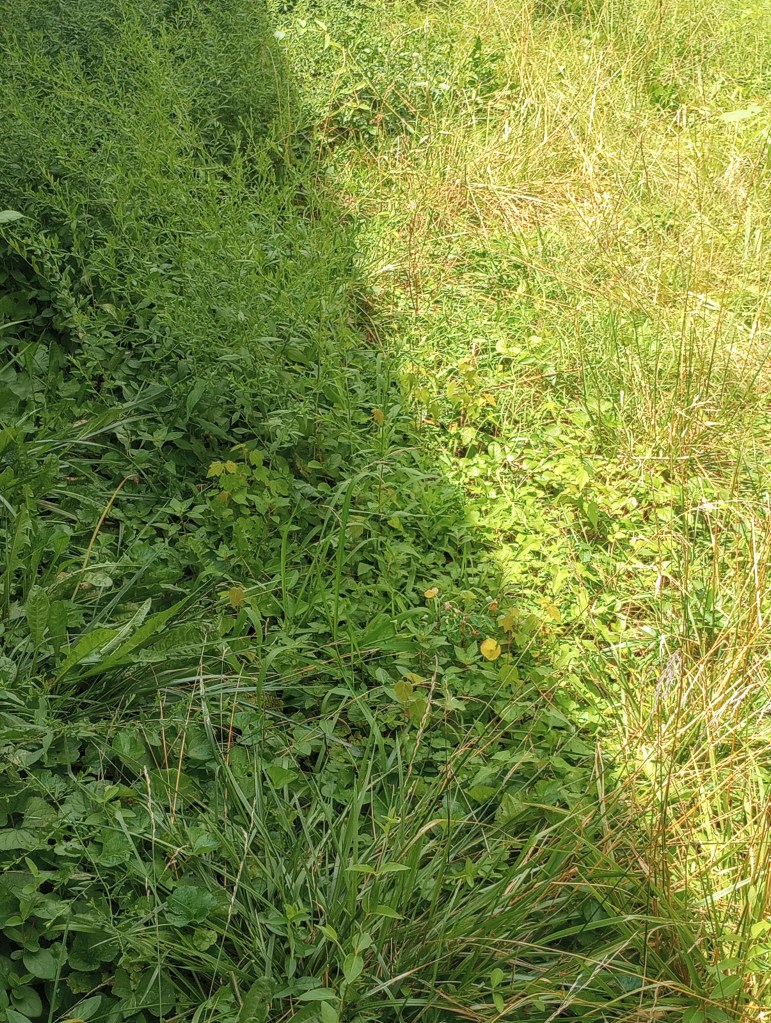
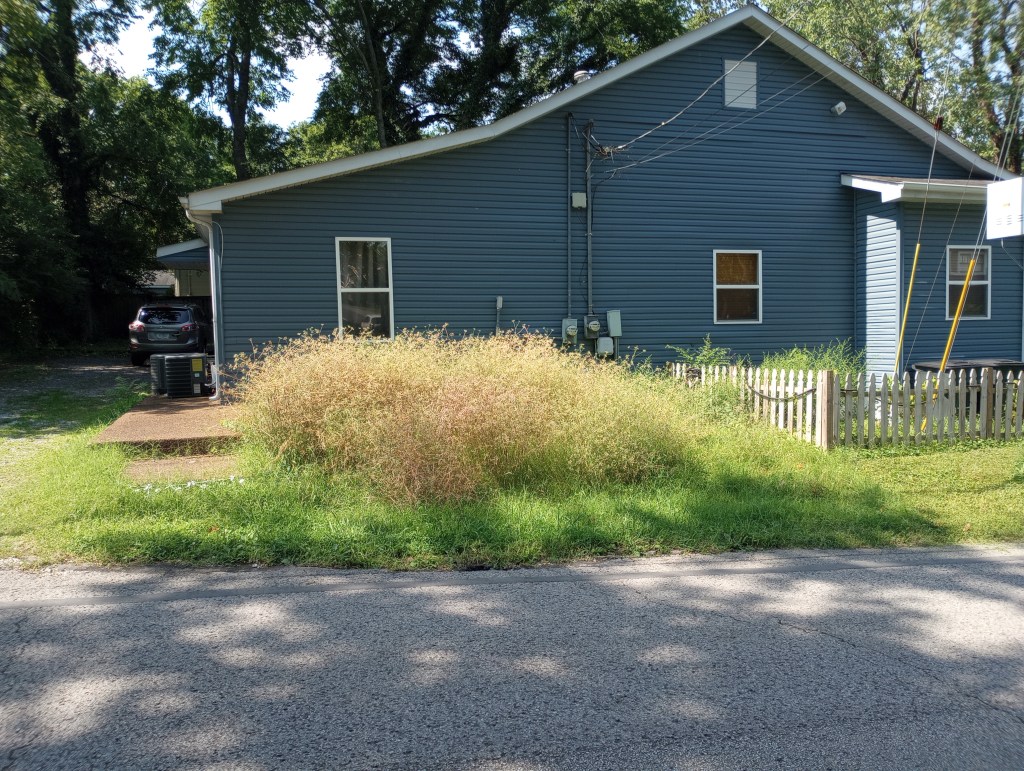
The hard part is not the planting, it’s the tearing up the grass. Most of the grass in our front yard is some extremely tenacious, rhizomous beast-grass. The roots are nebulous and deep. The sprouts are constantly still popping up, even when I think I’ve completely, thoroughly dug out all the roots, removed all traces of the grass.

This grass is quite entrenched in the lawn. And digging it up is hard work. I would even call it backbreaking. I can’t even imagine working on a railroad line, doing whatever those guys did all day. If it’s anything on the level of digging up this grass with a shovel, I couldn’t do it. And it’s compounded 10x in the hot sun.

Basically, you can’t do it in the sun. You’ll die. Or, you just suffer immensely. You have to get up early enough to get some digging time in, or late at night. I’ve done some digging at 10, 11pm at night, long after the sun has gone down. It’s blissful. It’s amazing to be able to do that work without the intense blaze of heat.

As I dig up more and more of this yard, I realize—I’ve bit off quite a bit. I don’t even want to dig anymore, really. But I want to have a large flower garden. And I have to get these seeds down, because the clock is ticking, the winter approaches—and I bought them.

Tonight I’ll have to do more digging.

When you’re doing hard work, it’s amazing how it feels like you’ve done so much more than you’ve actually done. It can be the same with writing. When you’re putting so much into every line, when you’re really crafting each line — it feels like you’re doing so much work, and then you come back and review how much you’ve written, and it’s nothing. Three pages. You worked so hard for those three pages.

The digging is the same. Two mornings ago I dug for a solid two hours straight, from 6:30 to 9:00 am. I took a short break. Backbreaking labor, slow and difficult. It felt like I had dug up ten acres of land. And then, when I stepped back to see how much I’d done, and how much farther I had to go, I was shocked. Depressed. Only about 12 square feet of earth had been cleared. Maybe 15.

Yesterday morning I met Melissa and Taz. She was taking her dog for a little stroll around the neighborhood. I know this dog; he’s one of the most familiar sights in the neighborhood. He barks at me almost nonstop whenever I’m out in the yard. Melissa and Taz live in the apartments across the street. Taz is cute—he’s a small dog, a terrier or something. Grey and white, long fur. And he likes to yap. He loves to yap.

To be honest, like most dogs yapping, it’s really annoying. Taz’s yapping. All the dogs in the neighborhood like to bark, and they’re all annoying. Sometimes lately I’ve wished that dogs were just banned in the city. Sometimes, when they’re really barking up a storm, I just wish that there weren’t dogs around anymore. Not in the city. God damn, it’s so annoying.

But… they are cute. And the yapping isn’t that bad. Mostly, I can ignore it, or I can put up with it. If it is that bad, then you have to tell them. Hey, can you please shut your god damn dog up? Thanks.

You never want to have to do that, of course.

I finally met Taz, who I had been thinking, if he just knew me, he would stop barking at me. I don’t think that’s likely to happen, now that we’ve met. He was still barking at me, as I squatted down to let him sniff me. I did not get a pet in. Melissa said it was his way of saying hi. What a pleasant way of saying hi.

She was holding a lit cigarette and drinking coffee out of a styrofoam cup. That’s the way to wake up, right there.

She asked what I was up to with the garden. I gave her the low down. She was interested. She said it was going to look beautiful when it was done.

I’ll tell you that I have a lot of thoughts about convering all of the boring lawns in the neighborhood into gardens. Into flower beds. I think about how the neighbors will enjoy looking at the flowers in my yard. There are a lot of people living in the complex across the street, like Melissa. They will be able to look across the street and see a wonderful array of wild flowers, hopefully. And the street gets a lot of foot traffic. It will be a welcome addition of beauty on our otherwise mundane street.

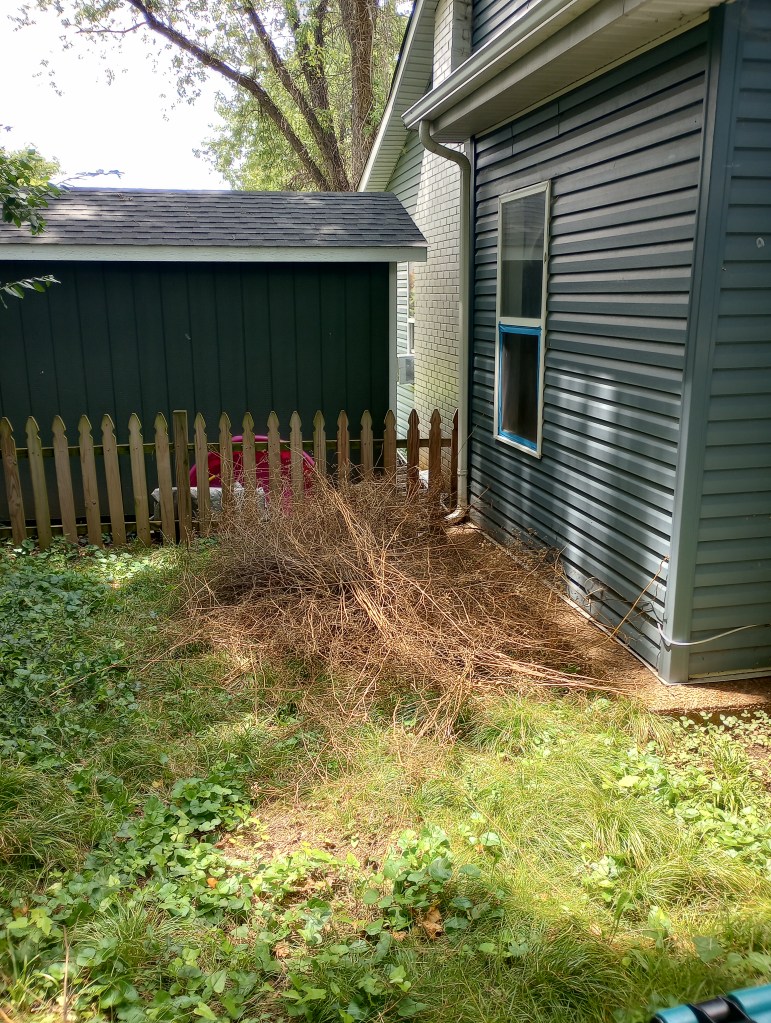
Patrick, my duplex neighbor, has done a good job with his house. He’s done a lot of work. He put up a fence, that has been run through twice in the five years since he’s lived in that house, and surrounded it with flowers. Mostly black-eyed susans and purple coneflower, but he’s got some other things. And, he’s got sunflowers.

There are some amazing gardens in East Nashville. Some people are doing really great work.

The Master Gardeners were an old black couple, from North Carolina and Alabama. The man was from Alabama, the woman from North Carolina. But they had been in Nashville for a long time. They were amazing people. The woman did most of the talking, and she was sharp. She knew her facts. There was an incredible amount of gardening information in her brain. The man knew just as much, but he had taken a support role, and spent much of the time showing us pictures of things on his phone, like his collection of plants grown in buckets, the way they had harvested their lettuce, putting the bottom leaves but letting the tops grow, and an enormous, 22-pound watermelon.

After the seminar, which was attended by myself, a black woman named Audrey in her 40s or 50s, and a young white couple who had recently moved to Nashville from California, and who had inherited a plot in a community garden, they offered to take us to their nearby community plot. We went out there and they took us around the plots. The woman was especially excited to show us her peanut plant. It was her first time growing one.

I’ll tell you this — vegetables are weird. Fruits, too. Flowers are easy to understand. What happens? They’re just a plant. They grow up, and then they have beautiful flowers, and you’ve succeeded. They all kind of do the same thing, I feel like. But vegetables and fruits… Strange. They come in all manner of shapes and sizes. What are they doing?

For example, the peanut plant. It was not what I ever would have expected a peanut plant to look like. It was low to the ground, dark green, dense. It had some small yellow flowers blooming. If I had walked across that plant in the wild, never would I have thought it was a peanut plant. And then, the watermelon. It was sprawling. It’s basically a ground vine. I think that it would be described as a vine, right? A vine on the ground. Now, I didn’t know about that. And this couple had a vine that was covering like 80 square feet of ground. Was that one vine? It looked like it. How many plants was that?

Then you have the leafy veggies, kale and lettuce. I mean, those are simple, right. They’re still strange though. And beets, carrots, where you eat the buried part. Is that even a root? Is it a fruit? What is that? And what’s going on with corn?

They had tons of beans. Beans are crazy. Pole beans, green beans… I can’t even remember all the kinds of beans I saw. I learned that there are a lot of kinds of beans.

The man was very excited to tell me how many kinds of tomatoes there were. He said, “How many kinds of tomatoes do you think there are?” I said, “Oh man, there must be a lot… hundreds—” he said, “There’s over three-thousand kinds of tomatoes.”

Probably just as many kinds of beans.

Some of these veggies can grow in as little as 20 days. I think the radishes were one of those. You can have radishes in a month. How wild is that? From a seed to an edible radish, that quickly. But I’ve seen how quickly these plants can grow. The Zinneas, the sunflowers. It’s all they do. They’re a-growin’.

I’ve already allocated so much of my full sun terrain for flowers. There isn’t much land left for veggies. But we have an entire concrete runway along the driveway, that we could cover with buckets and pots, and plant in those. That would add a lot of real estate. I can see that becoming a reality.

The man said something that was really appealing to me. I’ll remember this fact. He said that they would go to the store and price the vegetables that they had grown, and that they had in one year saved themselves about $900-1100 dollars on produce. That’s not nothing, folks. $1k worth of veggies? That stuck with me.


Out in the community garden, in every plot there were fruits and vegetables, except one. There was one plot where the gardener was growing flowers, Zinneas and sunflowers. They had an amazing strain of sunflower that grew only a single, massive flower at the top. They had a row of them, all about the same height, and all with an enormous flower at the top. And then, they eight or ten different kinds of Zinneas. They were all Zinneas I think, the Master Gardener woman thought so, but each one was a different kind. White, red, pink, orange, purple… it was a small Zinnea botanical garden. And the best part is, it was absolutely covered with butterflies. Pollinators in general, bees, leaf-footed bugs, huge, shiny beetles that I don’t think I have even seen, were all there, but the butterflies were amazing. It was like being in a butterfly house. Probably 60-80 butterflies were grazing on that flower patch. It was really incredible.

That made me want to grow more flowers. More than a peanut plant or watermelon, I still think I just want to grow flowers. For the insects. But, why not both?

I imagine my garden to be a kind of Tennessee native flower botanical garden. That’s what I want it to be. And people will walk by and think, “Now, what is that? That’s something I’ve never seen.” And I’ll be able to take people through the garden and say, “Yes, these are the Smooth Blue Asters, the Swallowtails love them, yes, that’s right, those are Drop Dead Red sunflowers, surprisingly easy to grow. That? Oh, that’s buttonbush, hard to grow if the soil isn’t wet enough, but I’ve managed it here…”
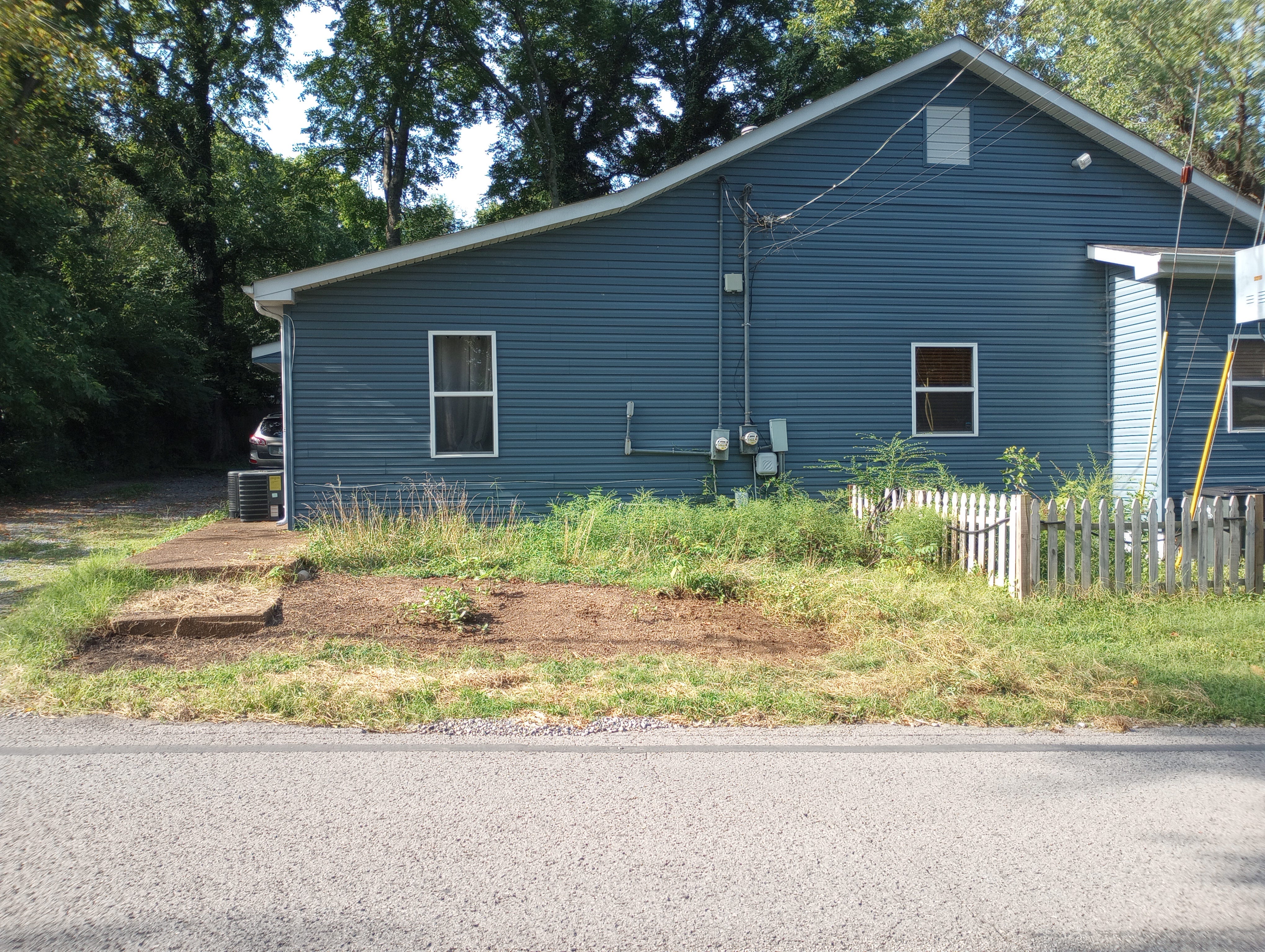
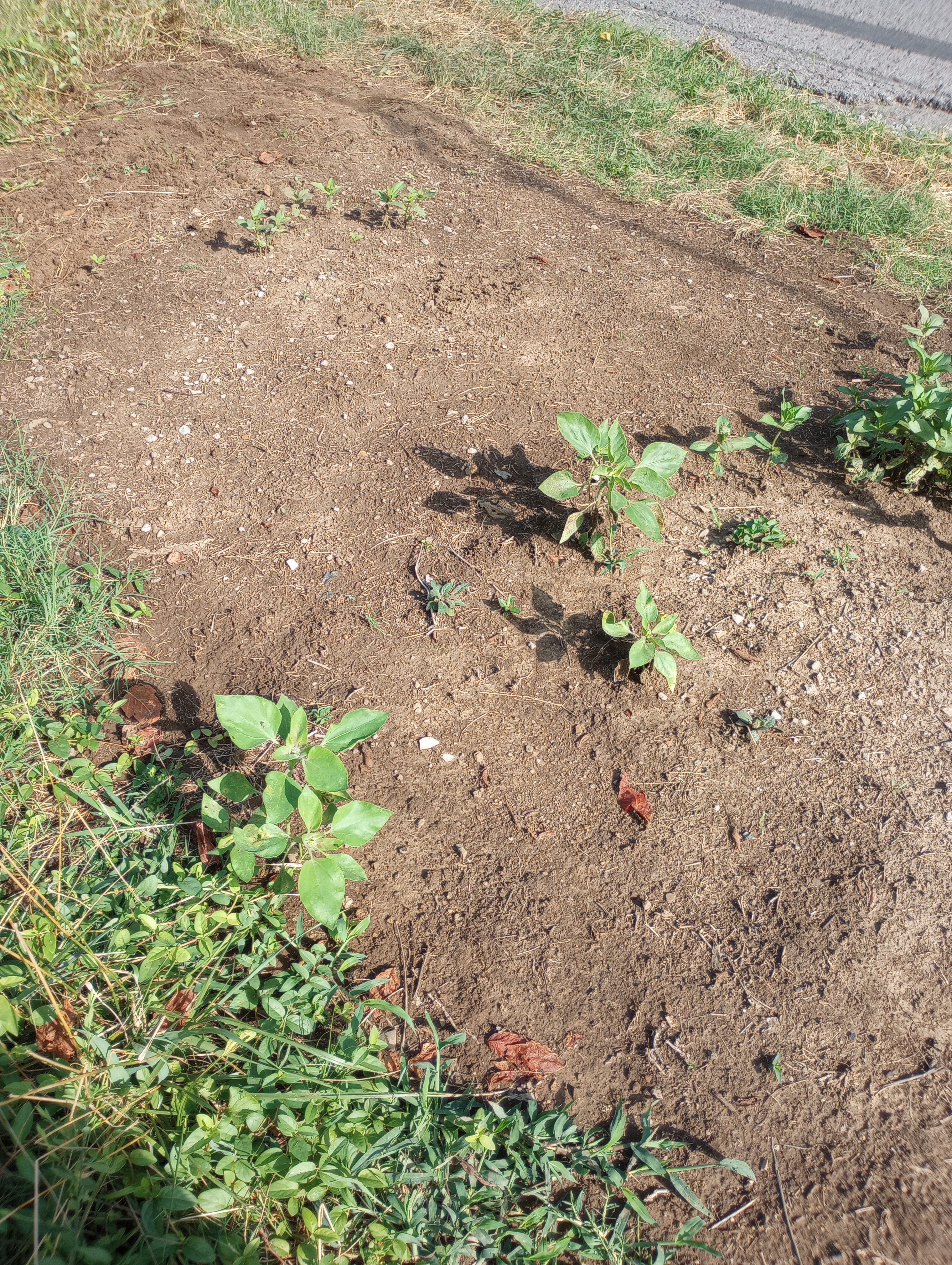
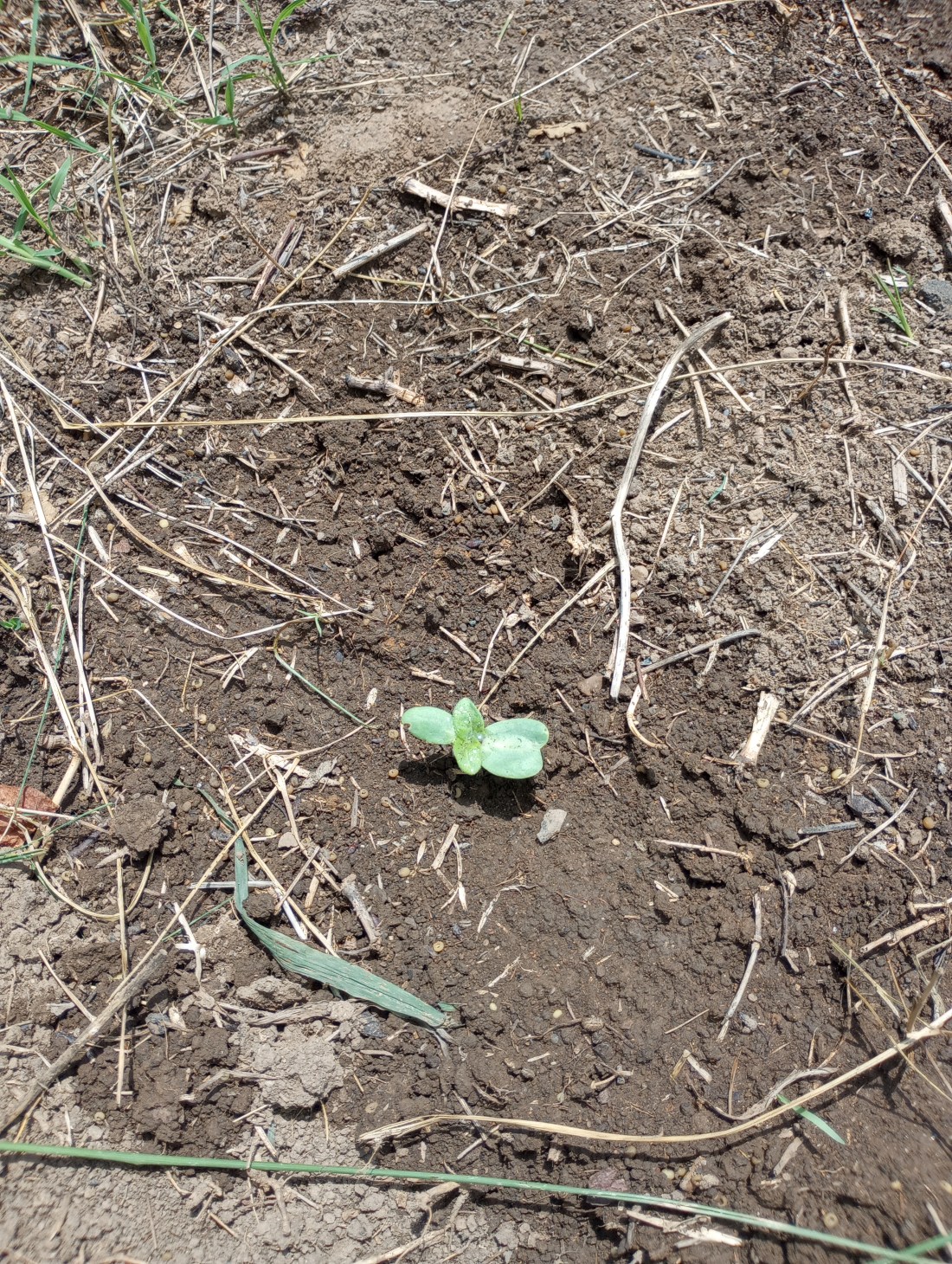
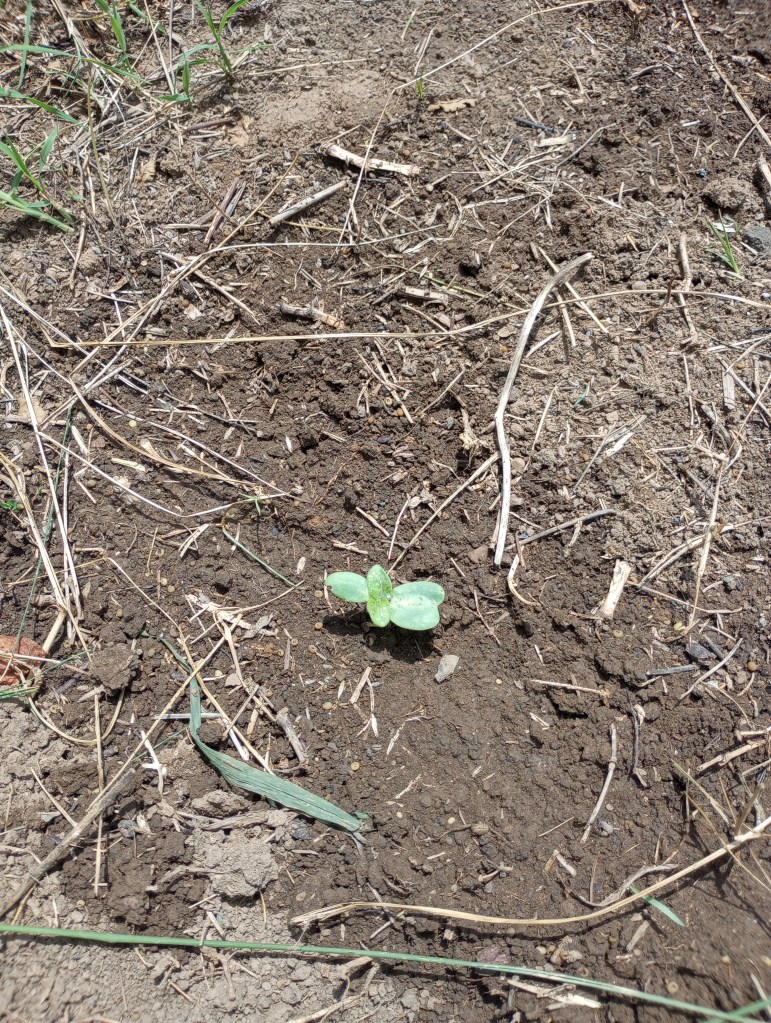
A LOT of work for this patch of earth
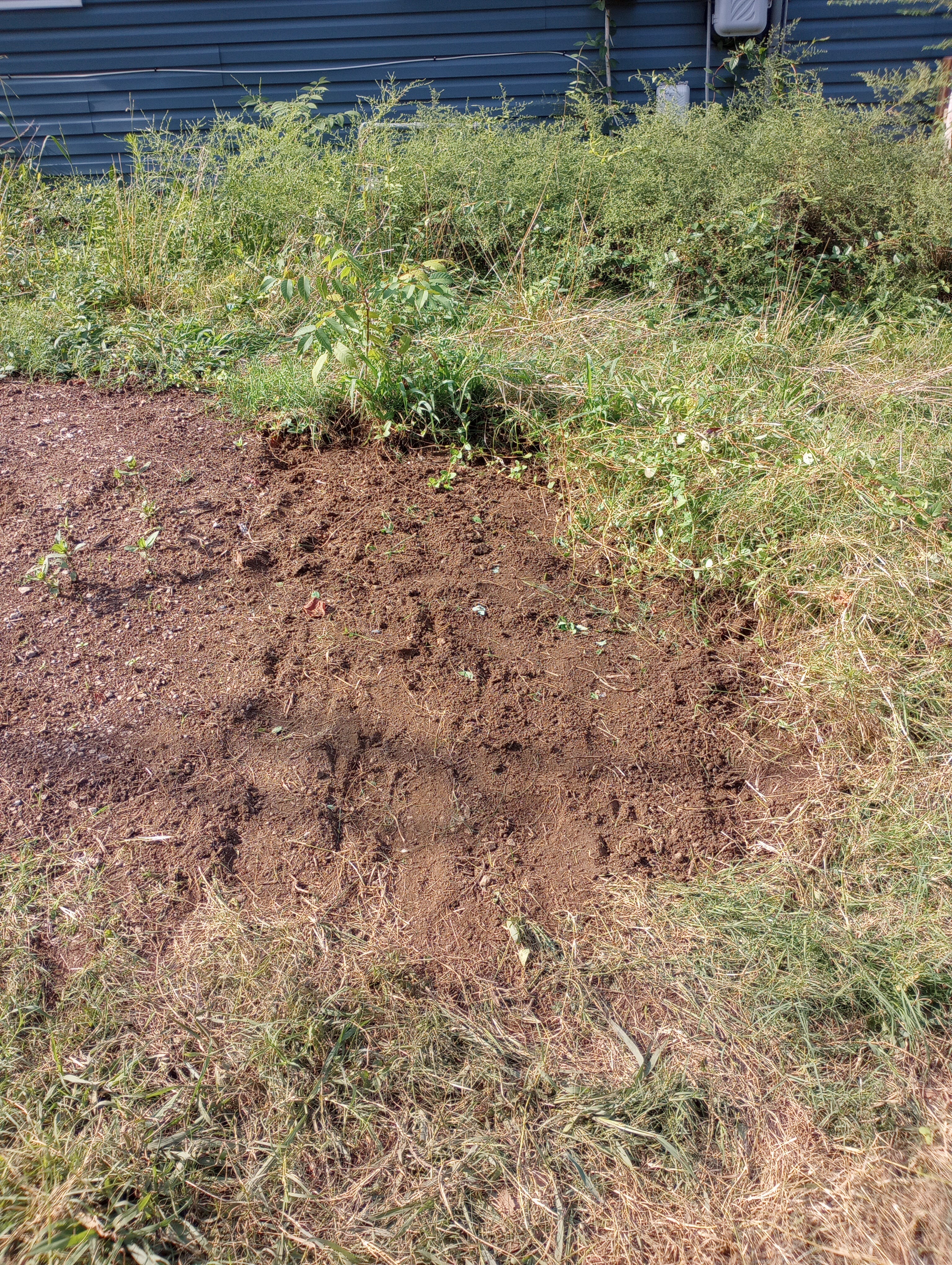
Two hours of digging for THIS
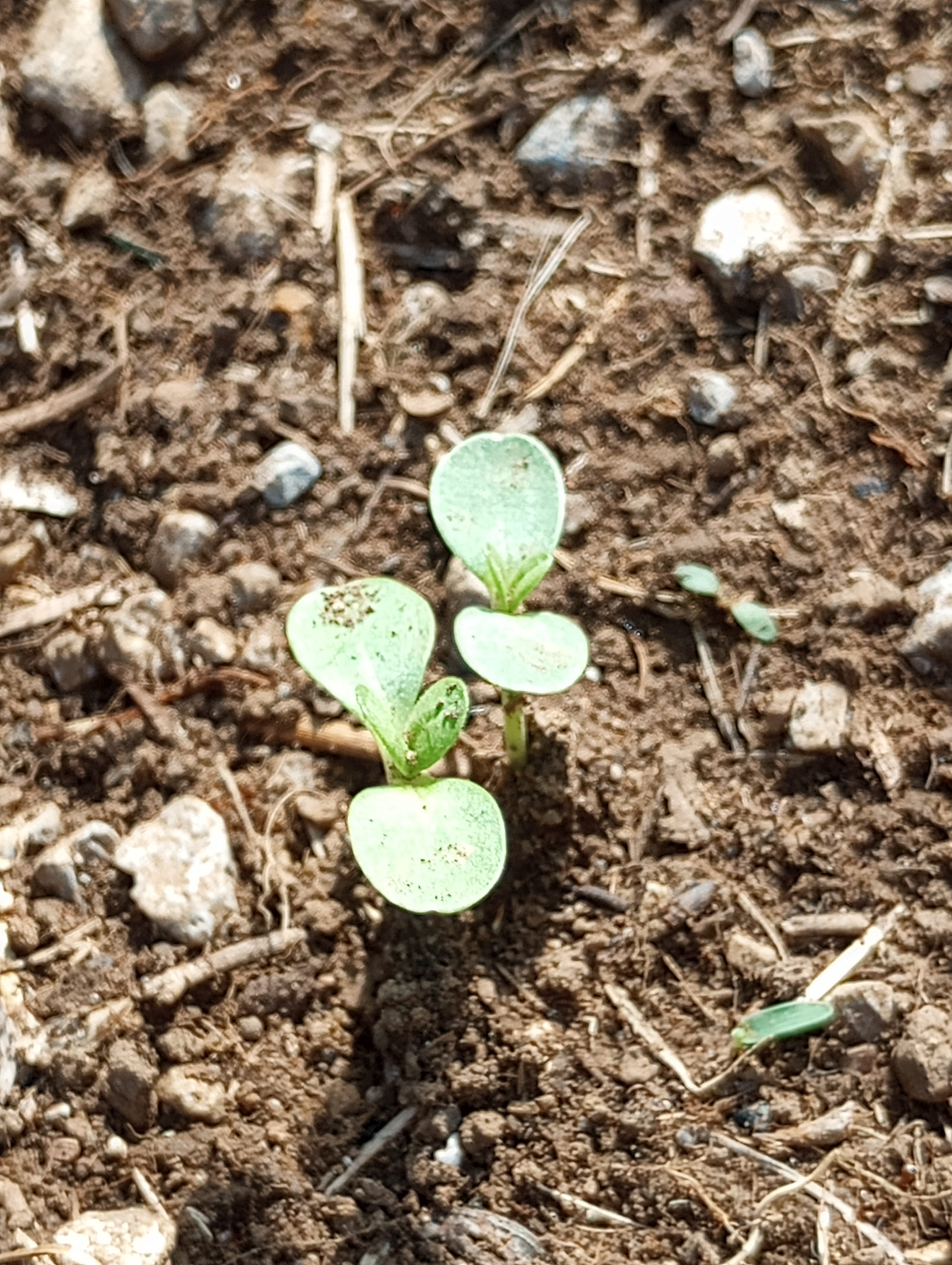
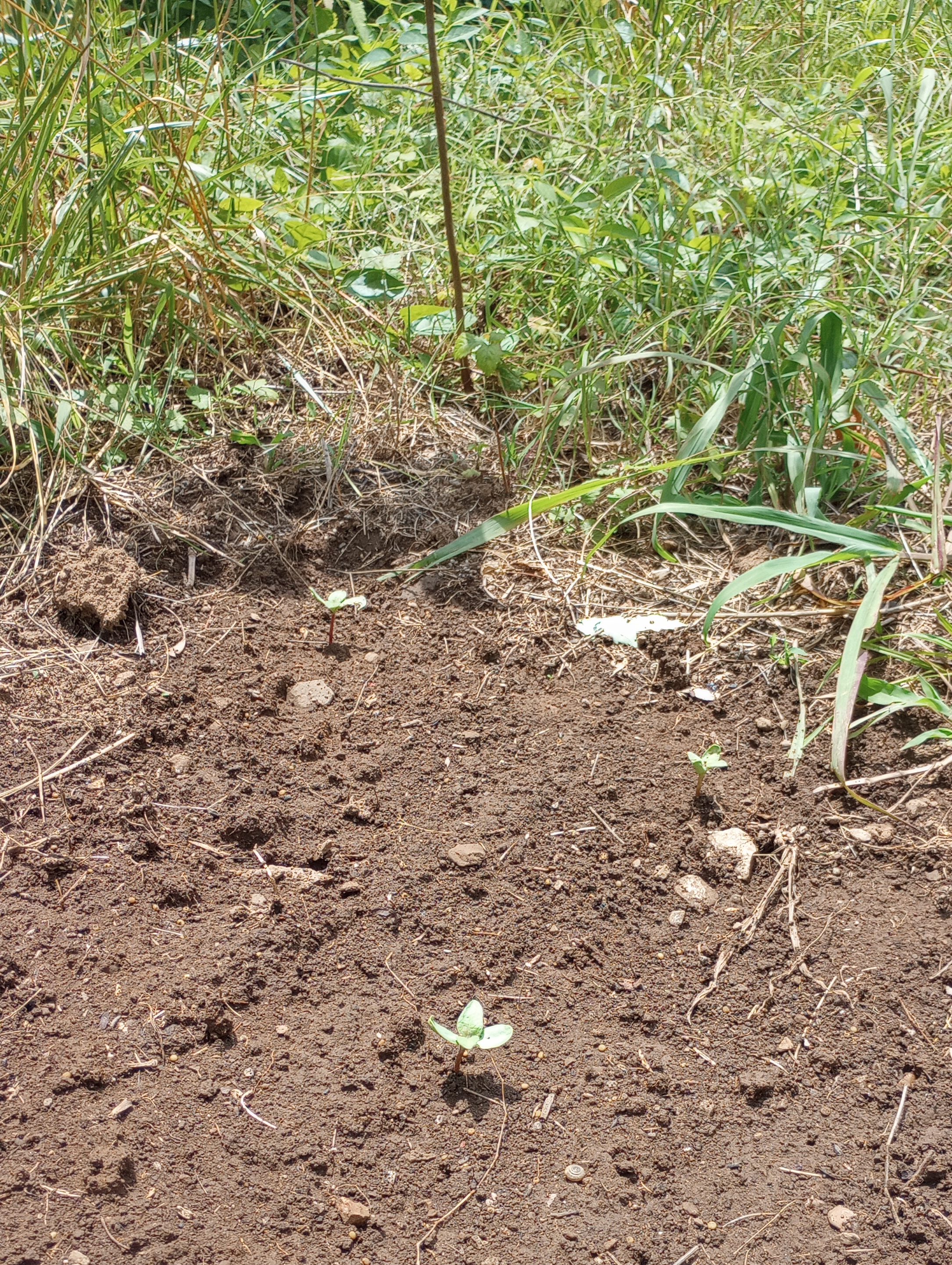
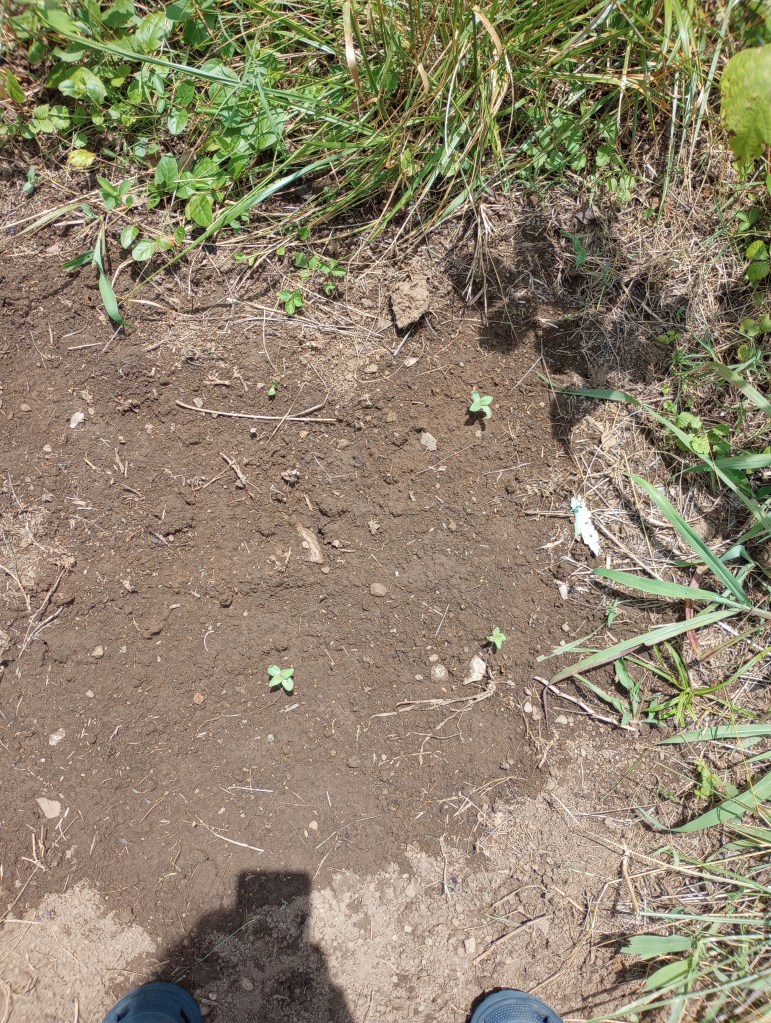
Mystery sprouts
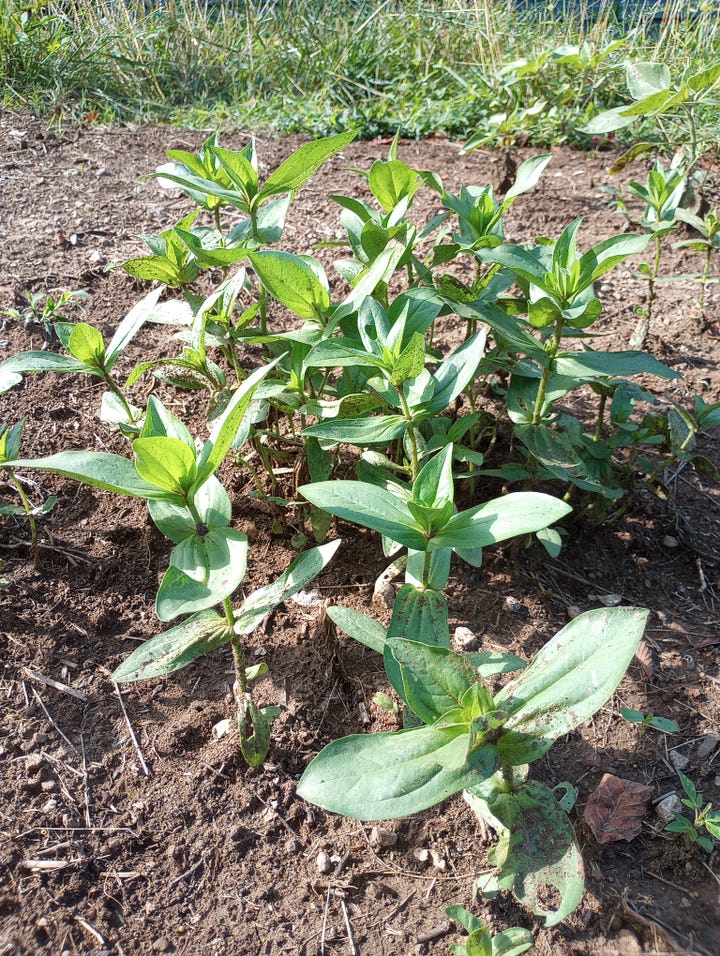
Zinneas
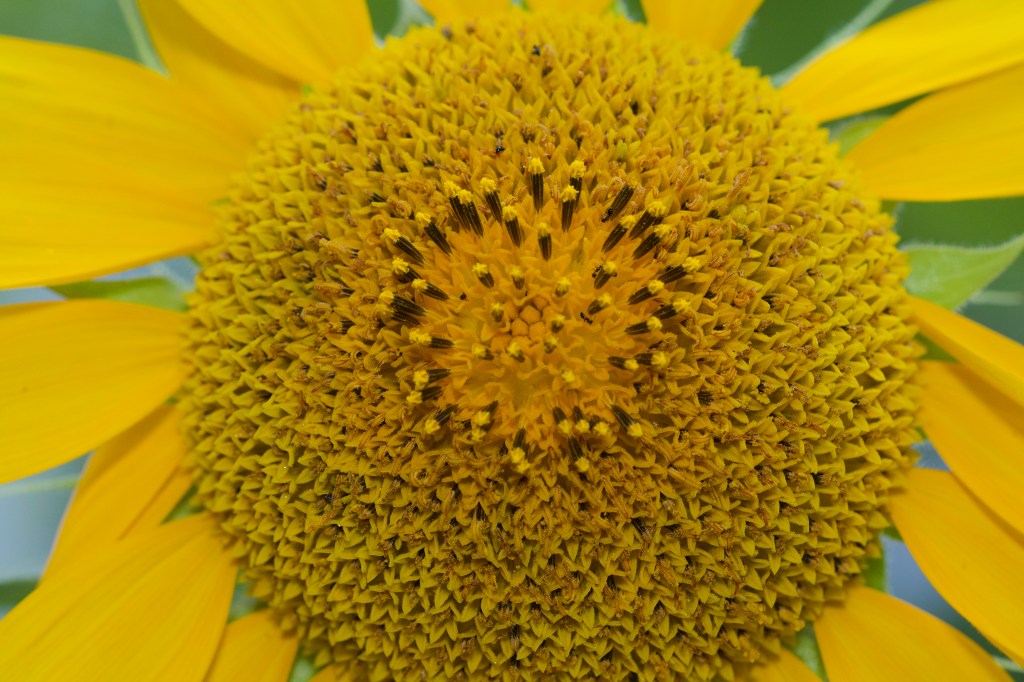
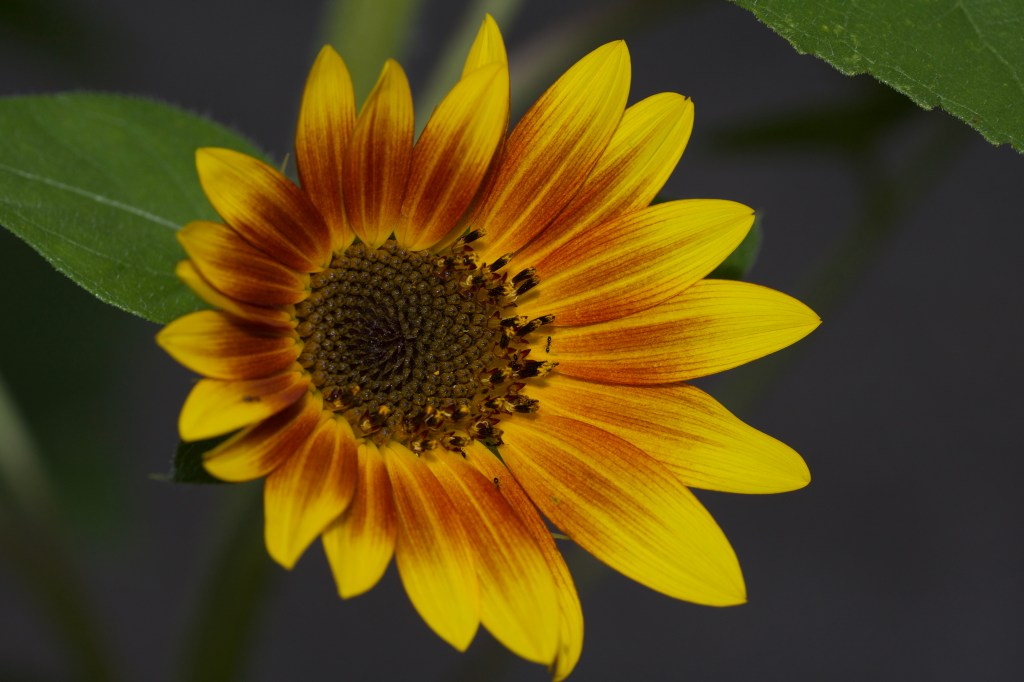
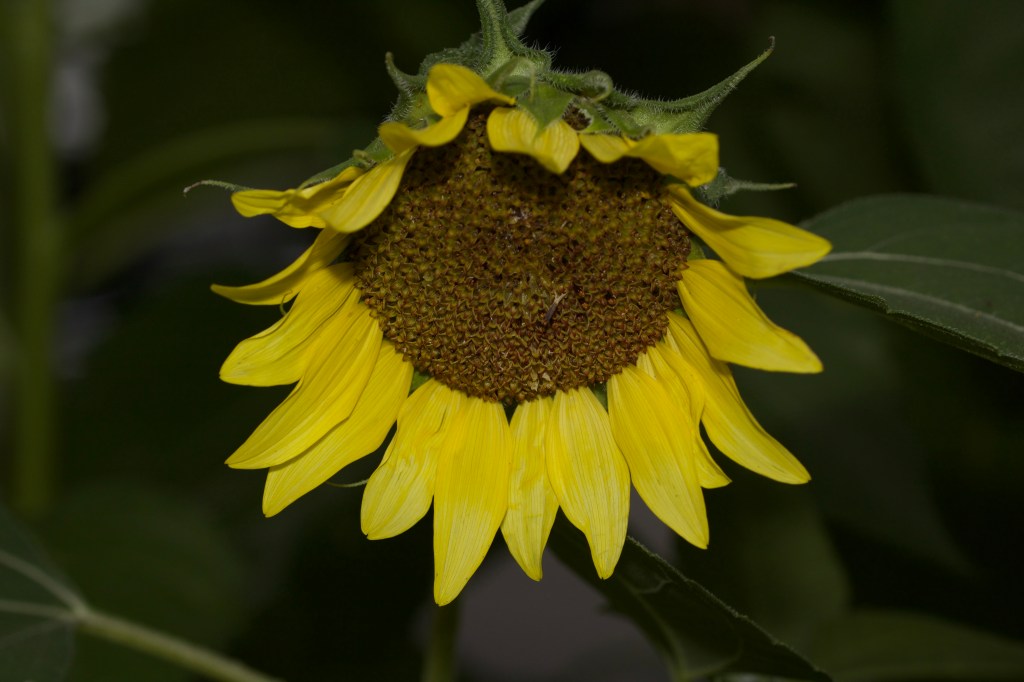
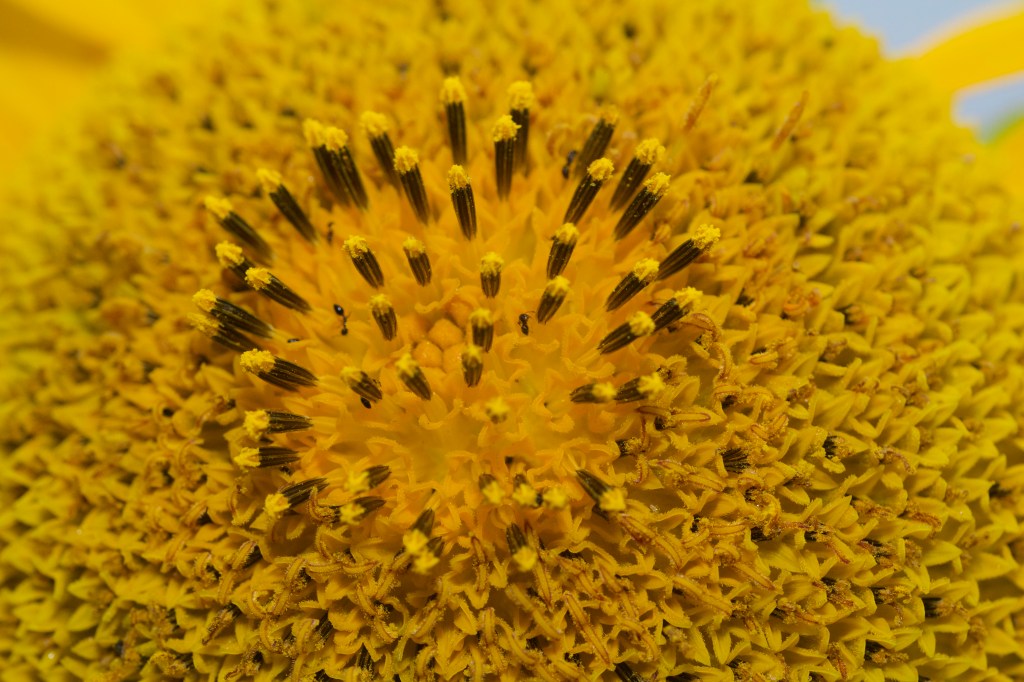
Sunflowers
Marigold sprout

The Neighbor’s Sunflowers

Not much writing here, I just wanted to share some shots that I thought you guys would enjoy.

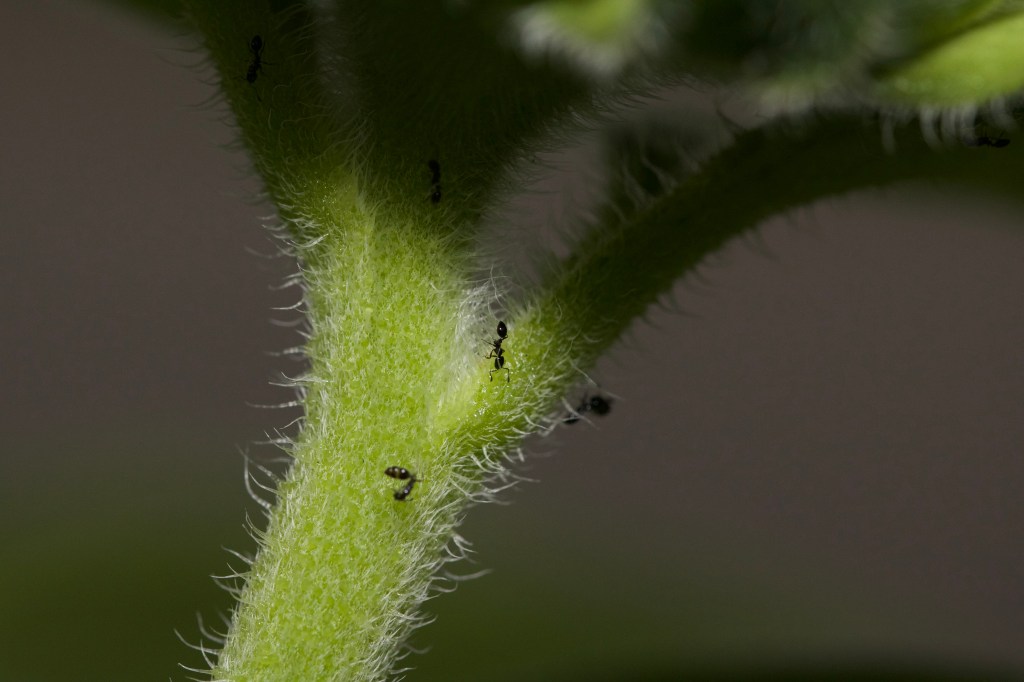
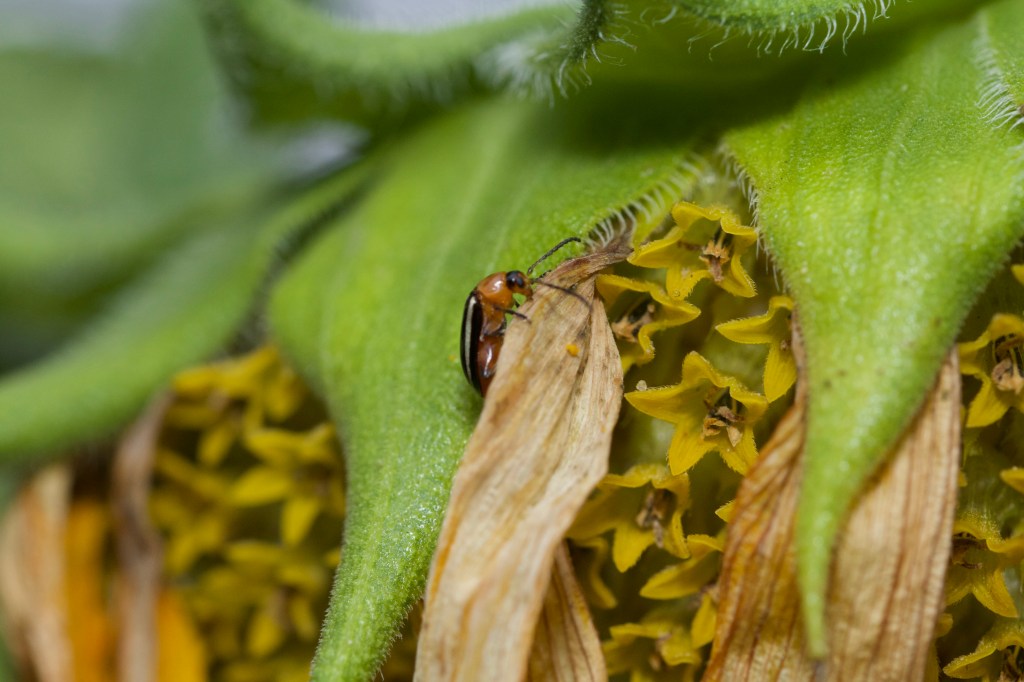
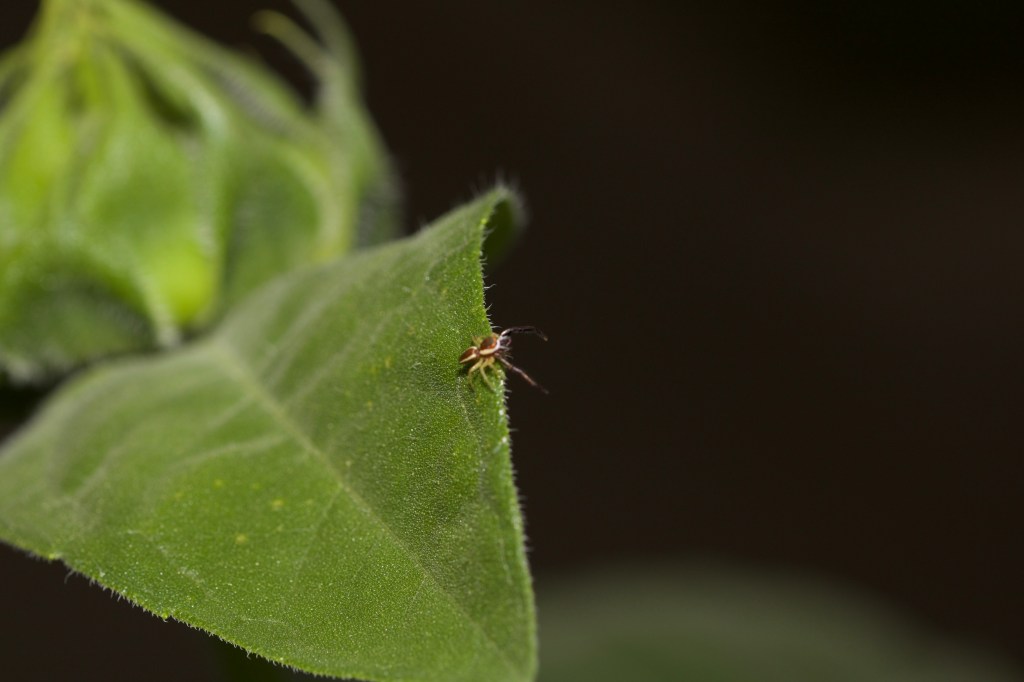
After a very longgggggg time away… I busted out the macro lens.

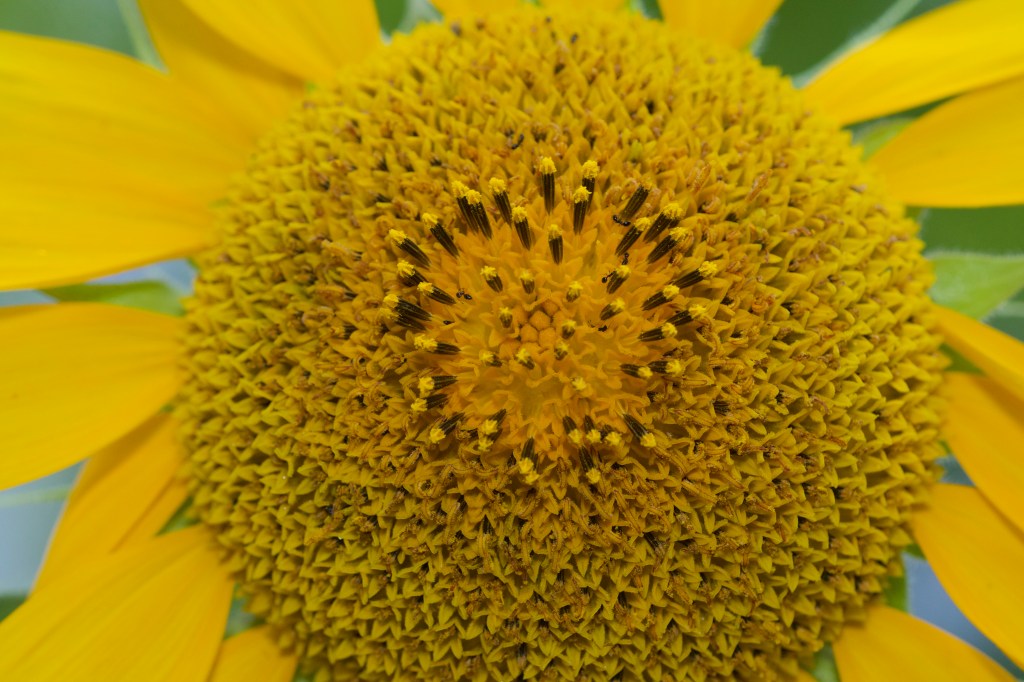
I was surveying my neighbor’s sunflowers, at about 6:30 pm today, and there was so much action going on, I was really taking a good look and seeing everything. There was so much activity, so many different organisms (nearly all insects) making use of the great gifts of the sunflowers, and I decided, you know what? I’m going to do some macrophotography. The spider was really what made me decide to go grab the camera and the gear, because it was an interesting one, with incredible long front arms. I was excited to take some photos of these creatures, and I tried my best.

I was reminded, and especially after actually pulling up the photos on my screen, just how hard macrophotography is. Especially of moving targets. And not only were the bugs moving, but the sunflowers were often moving around, waving in the wind. You have to do alot of spray and pray, and even when the shot lines up, everything is right, nobody is moving, no wind, the target animal is not moving, still you have your hand movement, and you have to get the focus just right. These things are so small. You cannot capture the entire creature in focus, from too close up, because your focal plane is not big enough. You either have to back up, or choose a focal point, which you would almost always want to be the eyes. You can see that I had this trouble with the leaf-footed bug, because it was large. But the tiny ants, the incredibly tiny ants, the tiny ants in existence, I could get the whole ant in focus, from so close up, because the entire ant fits into the focal plane.

All shots were taken on 1/200 of a second, f5.0, ISO 800, a couple on ISO 200.

The Japanese word for sunflower is himawari (ひまわり). Isn’t that a nice word? Rolls right off the tongue. I think it sounds light and pretty, like the actual flowers.

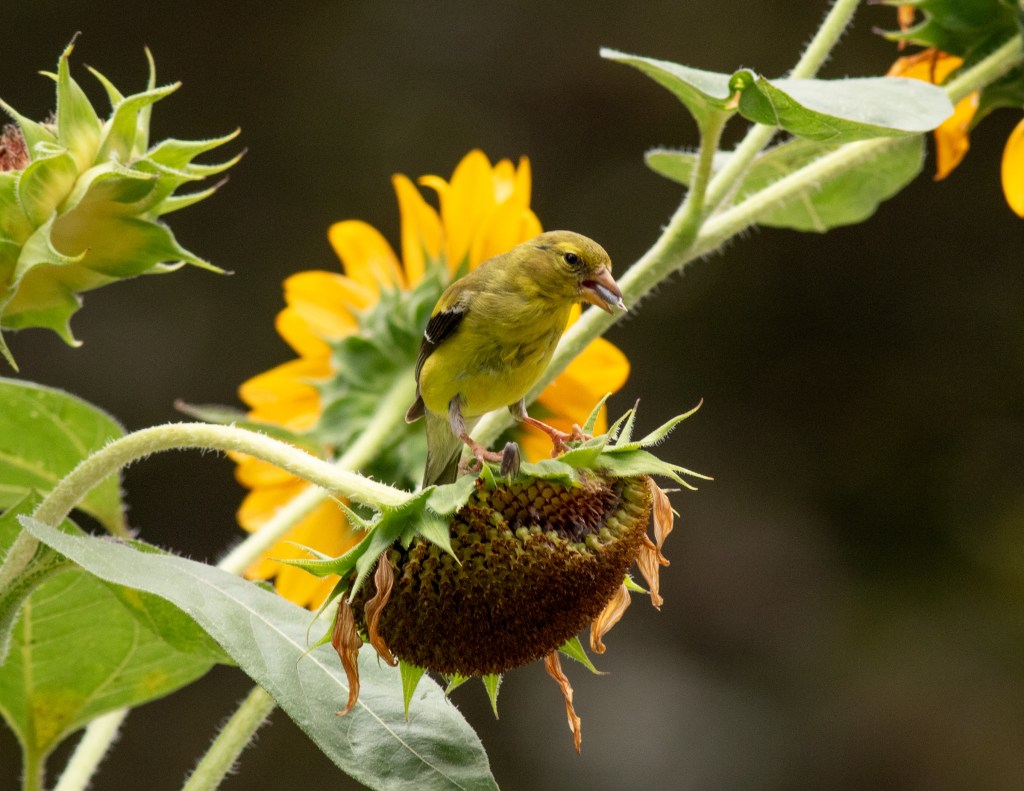
(Below is an American Goldfinch photo I took at the same sunflowers last year, with my 400mm prime lens.)

Sunflower Sprouts and Soil Creatures

I stepped out to investigate my garden, and found that the sunflower seeds I had planted less than a week ago are already sprouting vigorously. This was an incredible sight.

Kawaii sunflower sprout
Proof of concept: Seeds = Plant
Sunflower sprouts

It’s proof of concept. Planting seeds actually works. You can actually get a plant out of a seed.

This was inspiring, and this motivating sight, plus a strong pot of coffee in me, finally inspired me to move, and plant the other ten seeds I had.

Front lawn cleared of hemlock with small dirt patch for sunflowers

Here is the patch, I doubled it in space. I had taken down all the husks of the.. what was it called… why am I blanking.. POISON HEMLOCK. The poison hemlock turns out to be not only extremely toxic but also covered in literally thousands of burrs, which ended up sticking to everything I was wearing, covering me in hundreds and hundreds of little tenacious burrs. (I pulled some off of my washed underwear this morning, five days past.)

Remains of the dangerous and nefarious poison hemlock

Here are the poison hemlock remnants. I got a nice hornet sting in the process of pulling this all out of the front yard. It’s funny, I was ripping it up, knowing it was a toxic plant, apparently so toxic that it shouldn’t be burned or ingested, but Google says touching it was generally fine, and so there I was, in a no-sleeve shirt and with no gloves, standing deep in poison hemlock and slathering it all over my body for a solid hour, the entire time thinking.. I might really end up regretting this. Knowing that it was dumb. But I had no averse reaction, and the only thing that caused me pain and suffering was a hornet sting.

I haven’t been stung since I was a kid, and if you have forgotten what it’s like, as I had… Yeah. It hurts.

I hadn’t even thought about hornets or bee stings when I was reaching in and grabbing those plants barehanded, like a maniac. Well, I clamped my hand down on a hornet, and it reminded me right away why they are not to be forgotten. I knew instantly that I had just been stung, and I saw the culprit whiz right out of the bush, a large black hornet, and within seconds my palm, as it stung me right in the meaty meat of my palm, had doubled in size, and I was going, “Ahhhhh….. Tssssss.. Ahhhhh…….!” Making those sharp breathing sounds between your teeth.

The stinging animals have an incredible power with their stinging ability. After I got stung, I f***ed right off, and immediately ended my shenanigans for the day.

Anyway, that was about four days ago. Today I finished planting the rest of the sunflowers, during a noon bit of cloud cover, and now this is what I really want to share with you.

I began to pull up the clumps of grass, to clear more dirt patch for my planting. And when I pulled up the first round of thick, tall grass clumps, an amazing and unbelieveable sight met my eyes.

I had just unrooted an incredible, thriving ecosystem. Down in the soil before me, I saw literally thousands of organisms wriggling wildly in the soil.

Most of them were baby roly-polys. I could not believe the number of roly-polys I was seeing. Within a single square foot patch of this earth in front of my yard, there were so many, innumerable tiny beings living, and they were only what I could see with my eyes. I scanned the dirt, taking it all in, and I spied: adult roly-polys, baby roly-polys, earthworms, a large weevil, juvenile shieldbugs (stinkbugs), ants, millipedes (several various kinds, one that was extremely wriggling and lithe, with two long slender antennae, and it reminded me strongly of the worm dragons of Asian mythology), various snails, and wasps.

All of this was in the square 1×1 foot of earth that I had just torn up, ripping up those thick clumps of earth. Every centimeter of the earth contained some small living beings. And they were all scrambling madly, now having their world suddenly turned upside down. It was shocking to see.

I had just blown up their little town, completely ripped up their home, and I felt terrible.

I had not expected this to happen, of course. Not like this. This was a particularly prolific patch that I had torn up. I thought, is it worth for me to tear up all this grass, in the name of cultivating the earth, when clearly there is already a good amount of thriving happening here? Already an entire ecosystem is supported.

I had to step away for a minute and consider that.

Ultimately, I figured that this ecosystem could continue to flourish once some sunflowers and other flowers had been added to the mix, and would be even further improved. Wildflowers and other native plants were going to be better than invasive poison hemlock and whatever grass had been there, in the long run. So I continued with my planting. And anyway, this was an experiment, a small-scale experiment in the front of my little lawn in suburban Nashville, and so the stakes aren’t that high.

Seeing this flood of microorganisms in the soil today was a good reminder, that there are many things happening under the surface, down in the soil, that we are not seeing at all. Just below the grass, down in the blades and the bases, an entire ecosystem exists and is thriving, doing the heavy work of keeping the soil healthy and helping things to grow.

I plan next to plant black-eyed susans, zinneas, and shasta daisies. It’s probably not the best time for planting, in the middle of summer. I kind of have no idea what I’m doing. But I’m having fun and learning some things. I figure that’s the most important thing.

I wanted to share this picture too.

Now all green

This now totally green and flush space had just this spring been a patch of bare earth that I dug up to plant some nasturtiums. That was the first thing I ever planted. Three plants grew out of the nine or ten seeds that I planted, with me doing absolutely zero work of watering or weeding. What’s cool to see now is that within only a few months, this bare space of earth has been entirely populated by a variety of plants, without me having to do anything. That was prime real estate for many local plants, and they’ve scooped it up without hesitation.

I surveyed the plants in this space, and looked at all of the plants in the front yard here, and was wondering just how many species of plants there were in this small space. There is already a wild ecosystem here, even in this humdrum patch of weeds and grass, I’m learning.

A Flea, a Goose, and a Lollipop Walk Into a Bar.. (And They’re All Poems)

July 6th, 2025

Well I really have no idea what that title is all about but I have to keep coming up with these things.

My poetry brain was working overtime last night. I can’t tell you why. All I can tell you is that I settled snugly into bed, after a hard day’s work and a fun day’s enjoyment, tired and ready to get my rest, and then suddenly, relentlessly, I was seized with an attack of unabating poetic inspiration. I wrote a poem, then I wrote another poem, and another, still more, my brain twisting and turning, churning them out like an oven. I don’t know what was happening. After I spent twenty minutes on a monkey poem that I didn’t even want to be working on, I had started to feel possessed and unhealthy, and I had to stop myself, and get in bed and stay there. Something was coming over me last night, it’s clear.

This poem about fleas was inspired by the fact that my legs are covered in what I think are chigger bites, and I was laying there in bed with my incredibly itchy legs, twisting and turning, trying not to scratch.


Fleas

Fleas!
Fleas!
I’m up to my knees,
In 10,000 fleas!

I’m scratching, itching, jumping,
Jeez!

Somebody please—
Help me get rid of these
dastardly,
bastardly
Good-for-nothing,
fleas!


The goose poem ended up being about the classic battle of my father versus the geese that terrorize and poop on his lawn. But it simply started with my brain wanting to rhyme goose with noose.


Goose

Goose,
Hey Goose!
Tell me when
was the last time you felt the noose
around your neck—
The cold kiss of Death?

And do you want to feel it now?
Because I have the power
to end all your fun
with my plastic air gun.

Stop pooping on my lawn.
Go away.
Don’t come back!

Or I’ll sic the attack
dog on your ass.
She’s faster than fast—
a great black beast
named Daisy.

On geese she feasts.
A goose is her treat.
She’s a fan of goose meat.
And she loves to eat beaks.

So I would advise,
You go find another lawn
to terrorize
with your crap!


The last good poem to pop out of my brain last night was inspired by The Jumblies by Edward Lear, where he writes “lollipop paws”. And I just loved that so much that I guess the word lollipop has been stuck in my brain.


Lollipop

Lollipop
Lollipop
Call it a Jollypop
It makes people happy
It’s better than taffy

You lick it and lick it
And make it all sticky
It can be tricky
To figure this one out—
How many licks does it take
To get to the center
Of a Lollipop
Jollypop
Pollywop

They come in many colors—
Pink, brown, and blue—
And many flavors:
Bubblegum, cinnamon,
Raspberry too

If you ever find yourself
In need of a treat,
Something sweet,
Take this:

A Lollipop
Pollywop
Jollybop
For you


Muses have mercy on me! Let me sleep tonight..!

Experiment: Wild Lawn

It’s Saturday. We love that. Saturday is the greatest day of the week.

I already thought about breaking my 500 word cap but I’m going to stick to it. For the experiment.

I have been conducting various experiments that I want to share with you. They are all related to healthy living or healthy world. The first experiment is one that I have done for two years now: no mowing.

The first year I didn’t even know what would happen. This year I wondered if the same thing would happen, and it did in the back yard. The front yard we ended up cutting last year, but I think the same thing would have happened in the front yard as well. Let me show you the results.

Front yard

This part of the yard gets sunlight all day. A ton of sunlight. A lot of different things want to grow here. The large patch of brown plant here just went through a long period of blooming and attracted a ton of pollinators. I eventually looked up what it was and it turned out to be Poison Hemlock, so that was great. I’ll take it down soon now. The pollinators loved it though. It looked nice when blooming.

Quite a few random things are growing behind the Poison Hemlock here and I was able to successfully grow some Nasturtiums.

Back yard

As you can see the grass isn’t very tall. That was the most interesting thing for me. What happened both years is that the grass “bloomed” and that was the tallest it got, putting out stalks with seeds, and then that part of the grass dies and is flattened by a storm, and only clumps are left. So the grass stays low like this and you can easily walk through the yard. The dead brown grass you can see is the dead part of the grass, leftover from when it was blooming.

In the half of the yard with all the clover, no grass grows at all. It’s just clover, which doesn’t get very high, as you can see.

So there you go. That’s what happens when we let the lawn grow freely.

The point of this was mainly to see what would happen if you let a lawn grow. My neighbor let their lawn grow and they ended up having a huge clover patch with a lot of flowers. That was in their shaded backyard, similar to ours. Other neighbor let it grow for a month and they had a grassy situation similar to our backyard.

We haven’t used the lawn mower once. Saved ourself time and gas, good for the bugs and environment. Roommate has used the weedwhacker to trim the edges. Other roommate says once a year “we need to do something about the lawn” and then thank God doesn’t do anything. He doesn’t spend any time in the yard anyway. So it gets to be my project.

Official Acts, More Shelby Park

I want to write about Shelby Park. I did a little research and took some photos for y’all. But..

I’m still thinking about our facist Supreme Leader Donald Trump. I talked with my friend Parker about my thoughts, most of what I had written in the last post about comparisons to Animal Farm and Trump, and I woke up the next day wondering if I was being too extreme. I remembered, then, that I have read that many in England or in Europe did not think that Hitler would be so terrible, but Winston Churchill did. I wonder how many in Germany foresaw the disaster that Hitler would be. They did not really have the benefit of reflecting on history that we do now, did they? They didn’t have the same vocabulary, with words such as facist and totalitarian. I don’t know much about the politics and movements of World War 2, World War 1 era, so I can’t say much about that time period, although I wish I knew more. Reading a brief synopsis about Stalin’s takeover of the Soviet Union, to understand the references to Napoleon and Snowball and how it panned out in reality, was very interesting. One major takeaway I had was that Stalin murdered just about everybody, including his own top generals, and his totalitarian rule so crippled the Soviet Union that he had to sign a non-aggression pact with Hitler.

Thinking about the debate, the election and politics, just scanning today’s news, right now, July 1st, 2024, I read that the Supreme Court, with the three justices that Trump was able to appoint, has handed Trump a win.

“The US Supreme Court rules former presidents are entitled to absolute immunity from prosecution for official acts taken while in office, but have no immunity for unofficial acts.”

Absolute immunity from prosecution.

Nice.

Can I have that?

“The landmark decision means the federal election interference case against Donald Trump will return to a lower court which will then decide how to apply this ruling. The Supreme Court ruled 6-3, with Justice Sonia Sotomayor among those opposing the decision. She said she did so with ‘fear for our democracy’ and ‘the president is now a king above the law’.” (From the BBC website.)

Official acts, and unofficial acts. Now pray tell, what are those? In this BBC article, they quote Julie Novkov, the dean of Rockefeller College of Public Affairs and Policy at the University at Albany, who notes the generality of this language. “Novkov was surprised the court’s definition of official acts is so broad.”

Dean Novkov speaks in polite and proper language. In layman’s terms – “What the f*** is an official act???”

One of the justices had some ideas for what could be considered “official acts”.

“Justice Sotomayor cited several examples of a president’s actions that could now be protected – such as ordering the Navy’s Seal Team 6 to assassinate a political rival.” (From the article.)

Wow, wow, woah. Assassinating a political rival?? Come on. That’s not the American way, is it? Trump would never do something like that, of course. Trump’s not like that. I mean, the whole thing about, “Hang Mike Pence”, those weren’t Trump’s words, even though they were spoken by good, honest patriotic Trump supporters. Trump would never have wanted them to actually hang Mike Pence, no, of course not. I mean, he didn’t like, tell his good, honest patriotic, foaming at-the-mouth supporters not to try and hang Mike Pence, while they were storming Capitol Hill, trying to hang Mike Pence, but that’s not because he didn’t want them to. He.. had something to do.. Ah yes, I remember.. he had to watch TV?

So what even is an official act? That’s what the lawyers and judges will be debating now.

Is inciting an issurection an official act? Attempting to overthrow the government an official act? Attempting to overturn an election? Well, if such things were done with the intent to protect democracy, and serve the best interests of the nation, I would say that falls under the official duties of the President of the United States, and so could be considered an official act. And by this definition, ordering the imprisonment or assassination of a disloyal party member unpatriotic, corrupt politician, or the imprisonment or assassination of a political opponent threat to American democracy, (only if absolutely necessary, of course, to save America from utter destruction), would also be “official acts”.

What could also be considered an official act, perhaps the most heinous of all.. Imagine this. You are walking down the street, with a nice cone of delicious strawberry ice cream. Donald Trump is currently the president. Trump is out on the street, and he approaches you and says, “Give me your ice cream cone.” You say no. He takes it from you anyway. You later attempt to sue him, charge him with theft. But, his defense is that he was acting officially, as he was on his way to a very important meeting, and he had not eaten all day, and needed nourishment to have a clear head and think correctly in his meeting, a matter of national security. It was essential for him to do his presidential duties, and as such it was necessary for him to take your ice cream. He was acting with the best interests of the United States in mind, and under his official capacities as President of the United States, and therefore he is immune from prosection, and you have no case. And so, he can take your ice cream, and you can’t do anything about it.

Joe Biden could take your ice cream too, under the same reasoning. Any president could.

Wonderful.


Let’s talk about ecology.

Yesterday I went to Couchville Lake with Mr. Parker Junior, and did some kayaking. Kayaking – a – lot – of – work. Parker said, after we were loaded up and in the car, both exhausted, he said, “Well, was it worth all of the effort?” And in that moment, it was hard for me to say yes, because, you know, when you’re at your lowest, most tired moment, and you think about doing work, and doing more work, work in the physics sense, of expending physical effort, the idea of it is kind of offputting, and so in that moment I really felt – NO. Not worth it. But now that I’ve recovered, except for the stinging on my totally burnt thighs and knees, I can say, it was worth it. It was fun. Somehow though, we would have to find a way to, what’s the word, efficiencize all of that loading and unloading. We would have to work on the process. Because I couldn’t go through all of that every time. The straps, the ropes, the knots, the clips, the standing, the lifting, the loading, the unloading, the fetching, the putting back, the items, all of the necessary items.. It would have to be easier.

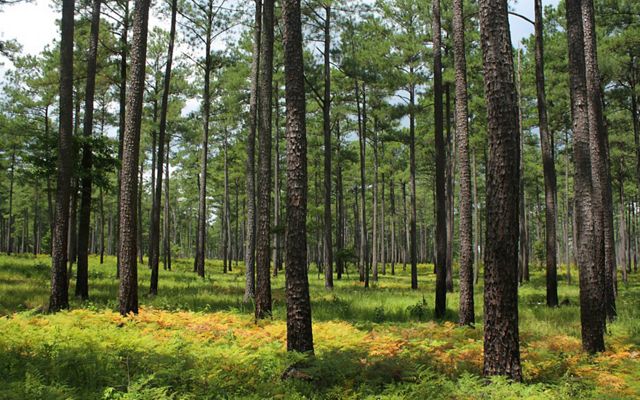
Thinking about Chinese Privet and invasive species, as we pulled up onto the park grounds, I noticed that the woods around the lake were completely clear in the understory, as Tennessee woods are supposed to be. It was shocking to see just how clear they really are. You can see all the way through, you could play soccer in those woods, you could wear shorts. You could walk through those woods as easily as you could walk down the street. I couldn’t believe it, and I kept saying, “Where is the privet? There’s no privet!!” We paddled all around the lake, and I was scanning, and eventually did see some smaller Chinese Privet plants, but that was it, only a handful, and otherwise, a completely clear understory, acres of forest. I figured there was no way that they hadn’t cleared it, that somehow there just wasn’t privet here, so I was hoping to see a ranger and confirm this, and sure enough, back on land at the parking lot, there was a ranger hanging around, with a pretty yellow corn snake on her arm. I asked about the privet and she said, “Oh yeah, privet and all kinds of invasives. We manage it.” And that every few years they do a sweep, it seems, which is also what Ian, the invasive removal group leader at Shelby, was saying too. The first round of removal being the hardest, and then subsequent phases would be more like weeding, getting the young plants. At least for a plant like Chinese Privet. By comparison, with the Couchville Lake woods being so clear, you can see that the Shelby Park are completely, totally choked.

The Couchville Lake woods looked something more like this, although this woods is even clearer and has more sunlight coming through. This is a pine grove in Virginia, but it shows the clear understory. Photo: https://www.nature.org/en-us/about-us/where-we-work/united-states/virginia/stories-in-virginia/va-how-we-work-forests/

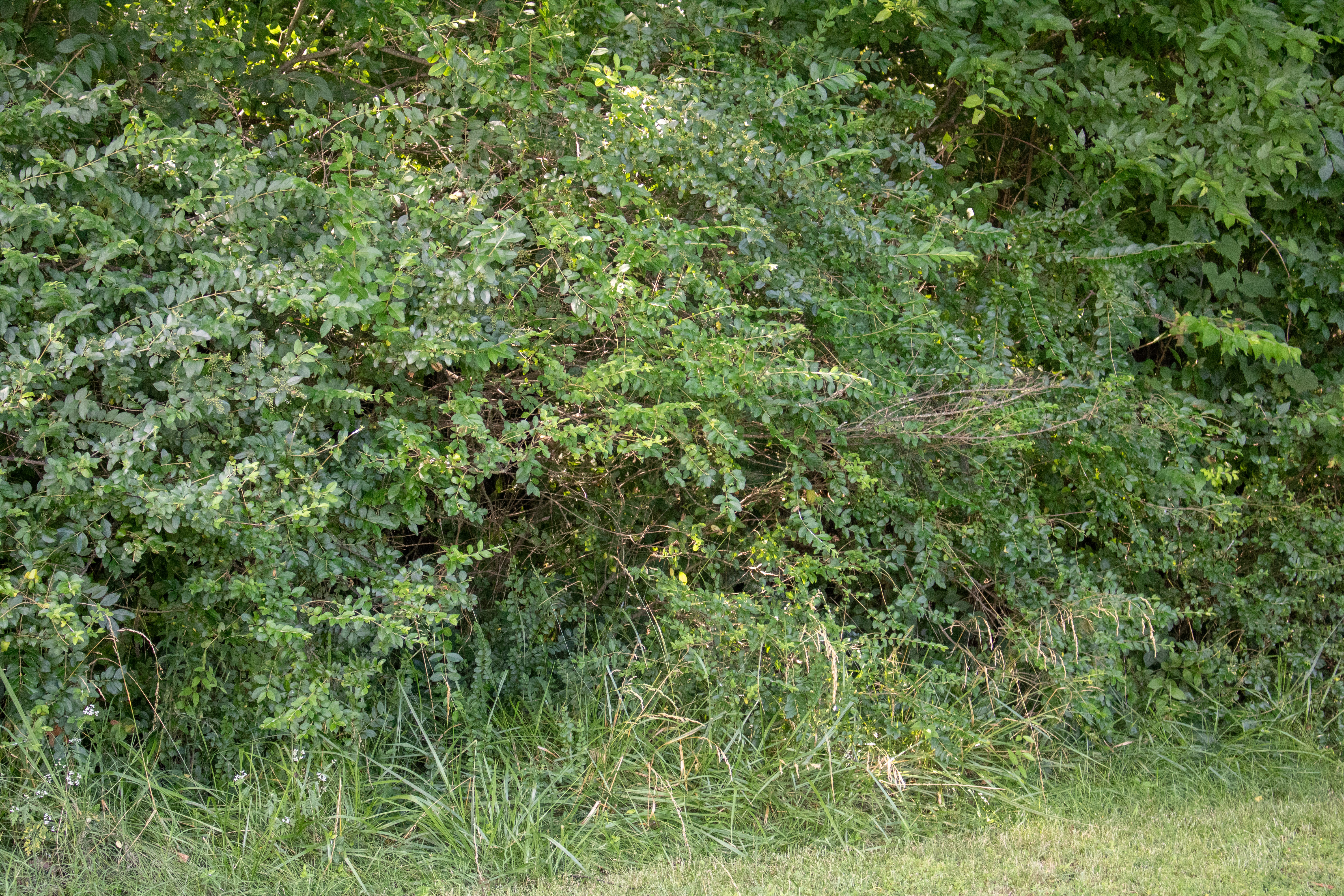
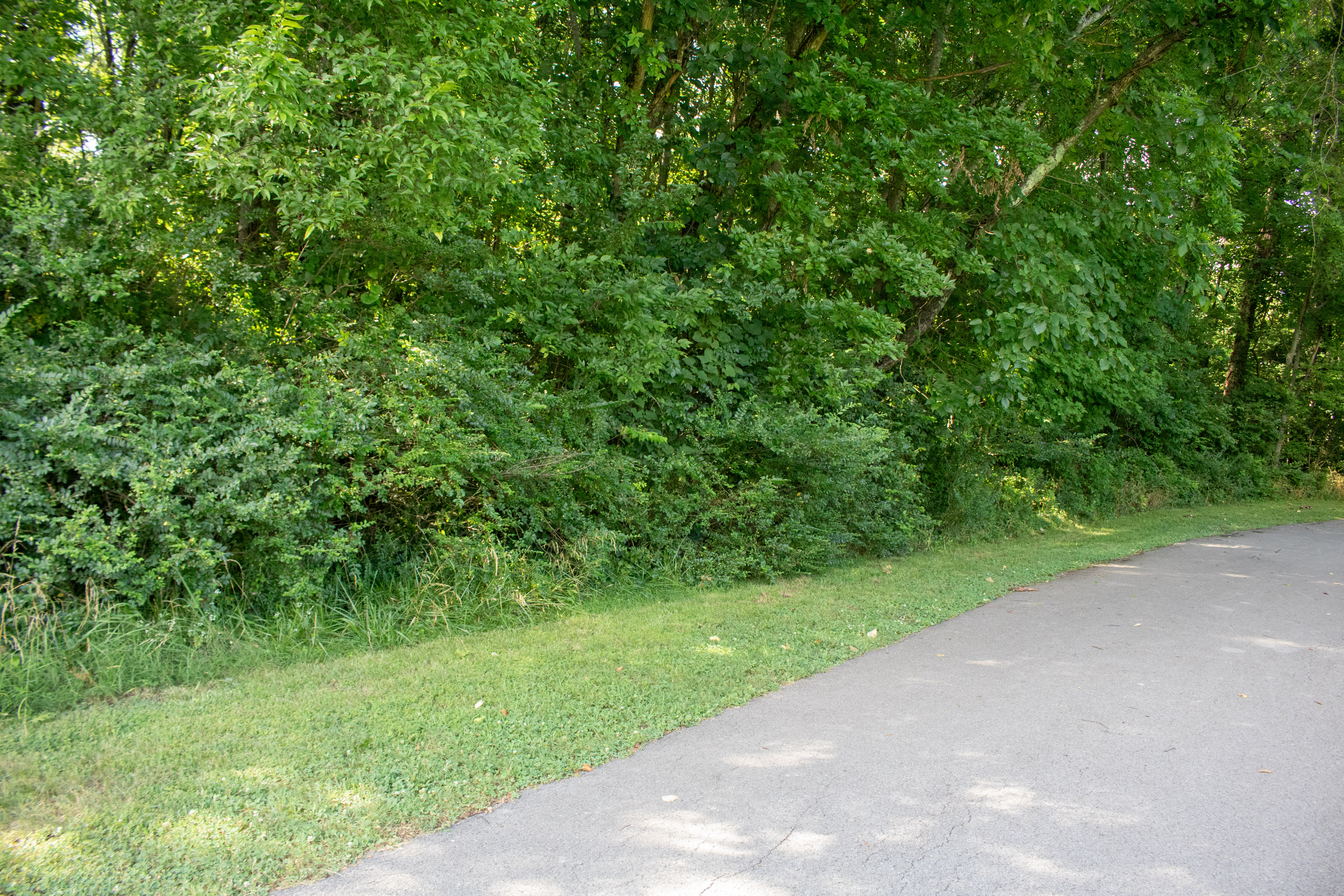
I have some photos for you. First, since I’ve been talking about the privet, here it is, at Shelby. This is at the edge of some woods, and it looks like this at the edge of most of the woods. Notice that you cannot see into the woods at all. That is because of the privet. I wish I had a photo of the Couchville Lake woods, to show you the comparison. Just about everything you see below the leaves of the trees in the understory, is Chinese Privet.

This is almost all Chinese Privet.
A wall of Chinese Privet, all along the understory here. You can’t see into the forest at all.

It’s a big problem. This is not how a Tennessee forest is supposed to be. There is a little, open forest roaming box turtle here at the park and in the Tennessee forests called the Eastern Box Turtle. It’s a forest turtle. How cute is that. They don’t like the privet.

The meadow

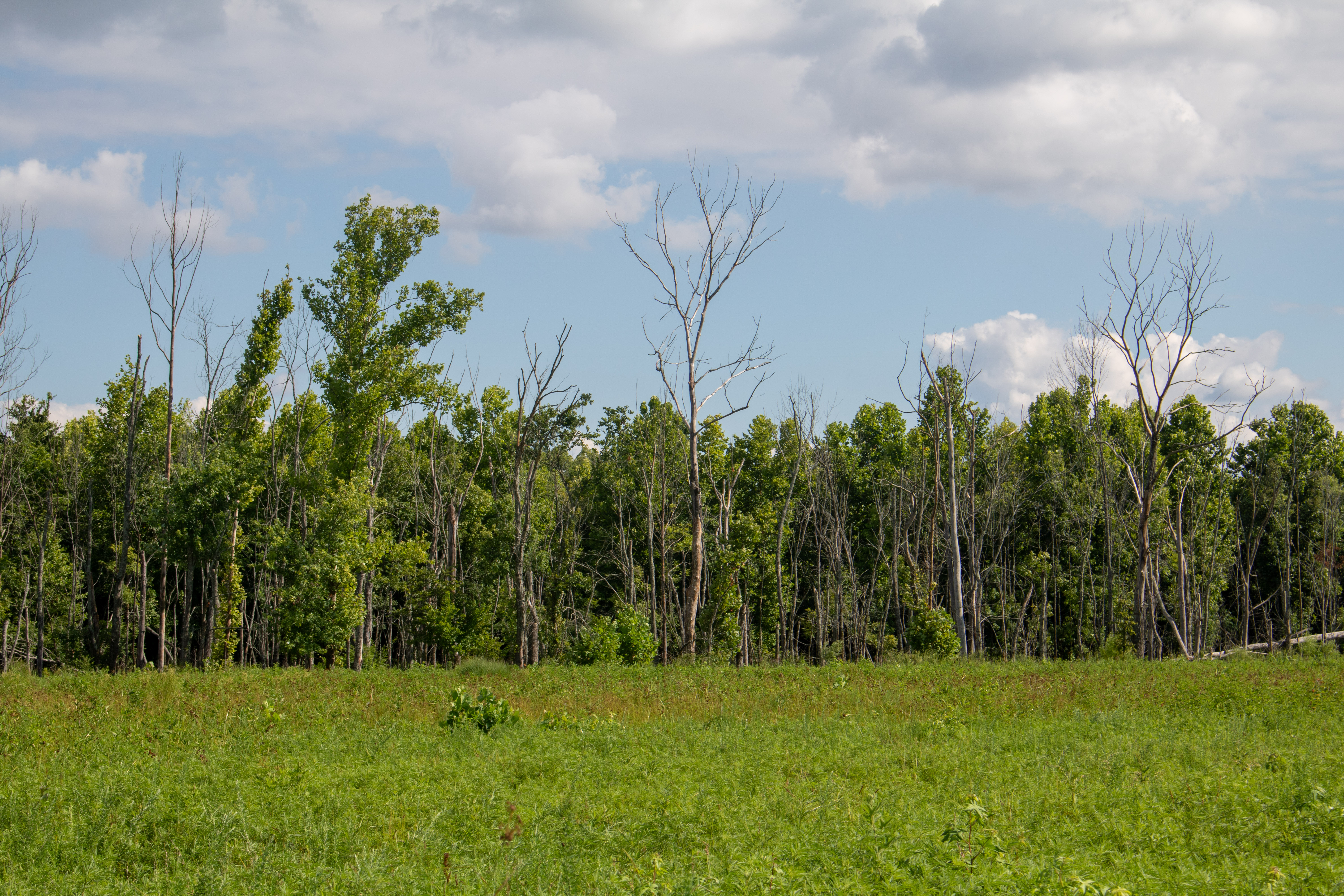
I was wrong about the meadow. I said it was full of wildflowers. And look at this. Not a flower in sight. I guess that’s what I wanted it to be full of, so I kind of imagined it, or convinced myself that it was. We see what we want to see, we remember what we want to remember! There are some in bloom right now, but mostly it’s a sea of green. This is also just a portion of the meadow, there’s more to the left, and way more on the opposite side, behind me (where I was standing in this photo.) I thought it was two or three football fields in size, but it’s way more than that. It’s something like, eight? Let’s just say it’s a lot of football fields.

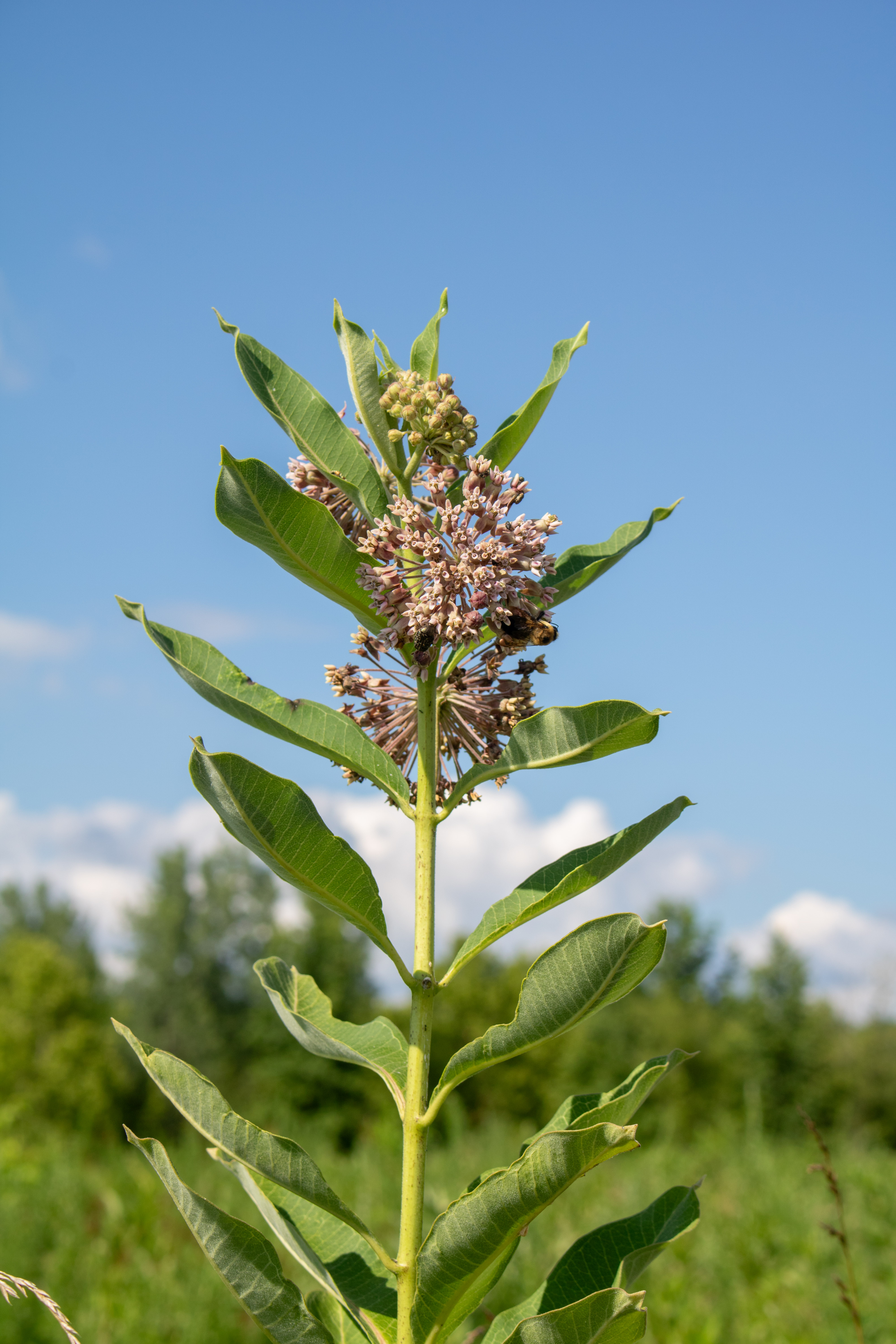
A flower.
What is it??

You wouldn’t guess it, but there is a trail that goes through this meadow here, in this picture, winding around the back and snaking horizontally up to where I was standing taking this photo. And way back there, as I followed this trail, I came upon a herd of deer. Two nights ago, in the later hours of the day, when the deer are active. When I went to do this little photography section, it was mid-day, and blazing, and you didn’t see a deer anywhere, in any of their favorite haunts, the meadow, the swamp/bog/fen thing, not even in the pools of water. They lay low. But after around 6 pm, sometime in the later day, they’ll be out and about, all over. I have now had a few interactions with these deer, a charming one being when I was passing through a narrow trail between a woods trail and the meadow trail, and on this narrow trail was a lone doe, munching away on things. I really wanted to pass through here, but didn’t know what to do, and I said, “Hi there, can I come through here?” And she looked at me, and went back to eating, and then she slowly stepped to the side, and allowed me to pass. And I walked within just a few feet of her, a big doe, kind of nervously to be honest, because I’m not used to just being so close to large wild animals like that, even if it’s a deer. I’m used to them running away, or watching them from a distance, but the deer here have no reason to fear people, and are used to having them around. So I was walking through this meadow trail, and I rounded a curve, and found myself approaching a herd of seven deer, and I had to walk through. As I approached, slowly, what looked like a mom and two youngins bounded off into the swamp area, that was close by, one large buck bounded off into a small patch of trees in the meadow, another buck went the other way, and then promptly turned around to stare at me, and then, there was a doe, who just didn’t go anywhere. She stayed right in the middle of the trail, and just looked at me, staring at me curiously, as they do. They flap their ears, and they just look at you, like, “What’s up? What’s goin’ on? Whatcha up to? Whatcha doin’ here? What are you?” And this was something like the last time I had shared the trail with that doe, except now there were deer on all sides, some bucks, all watching me, and this doe, curious, right on the trail. But again, I really wanted to pass through here, and I also didn’t think they would care too much, so I just kind of walked on through, slowly and making no sudden movements. The doe, as the last one did, took a step to the side to let me pass, but she watched me the whole time, and I felt strongly compelled to say something to her. I think I felt a little rude honestly, like I was intruding on their dinner time, blowing up their dinner party, and it would be doubly rude if I didn’t acknowledge her or make any conversation, so I said, as I passed, her staring deep into my soul, “Hi there. What’s your name? My name is Steven. Thanks for letting me walk through here. See you later!”

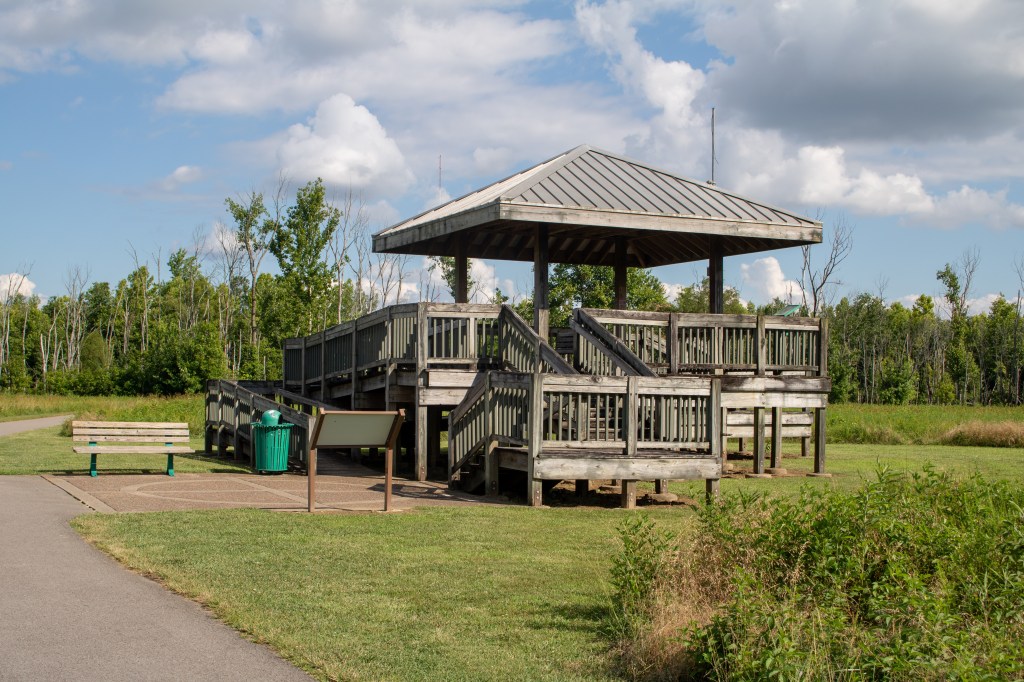
The meadow pavillion
Some things you’ll find in the meadow. I see a lot of cottontail rabbits hanging around the pavillion.

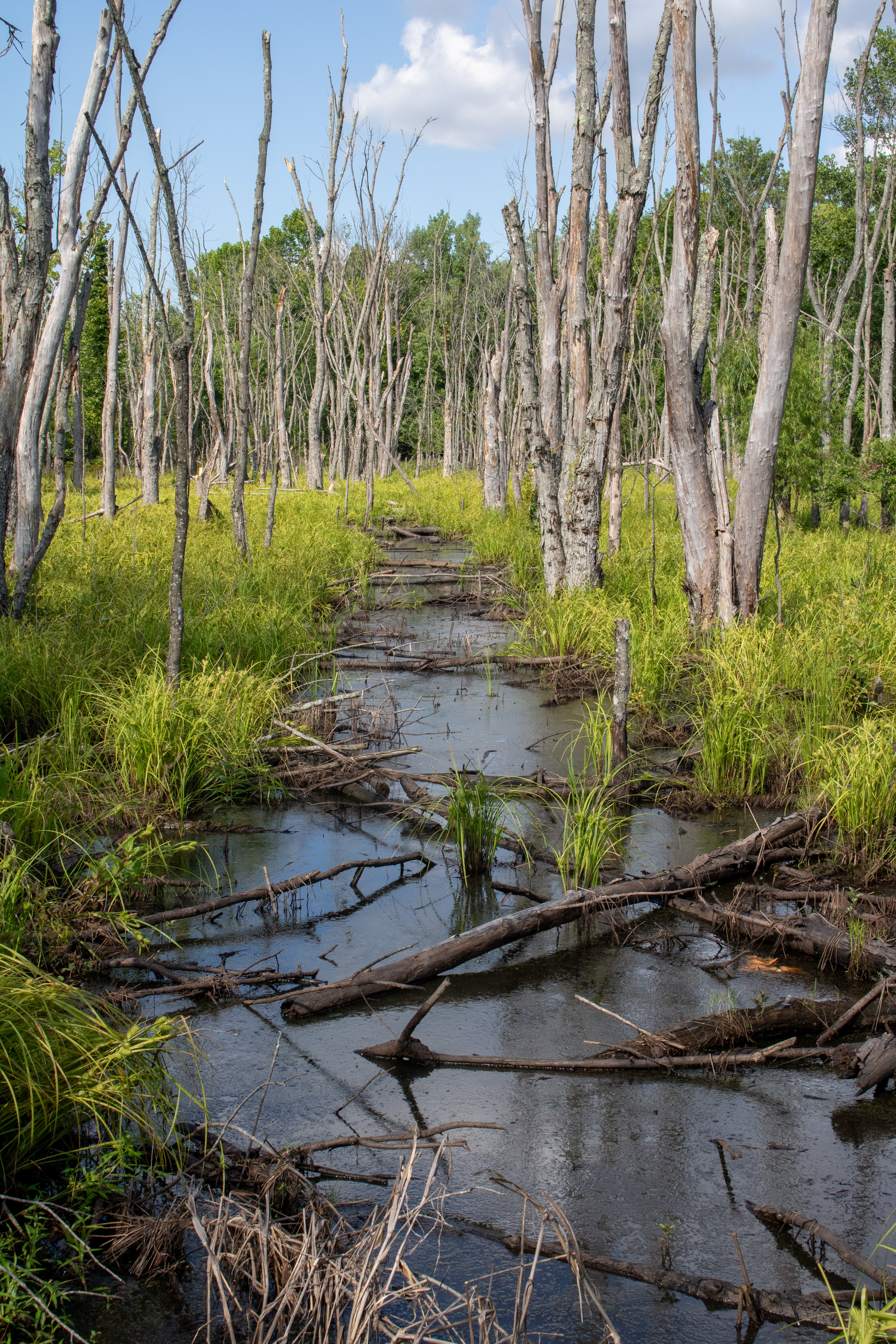
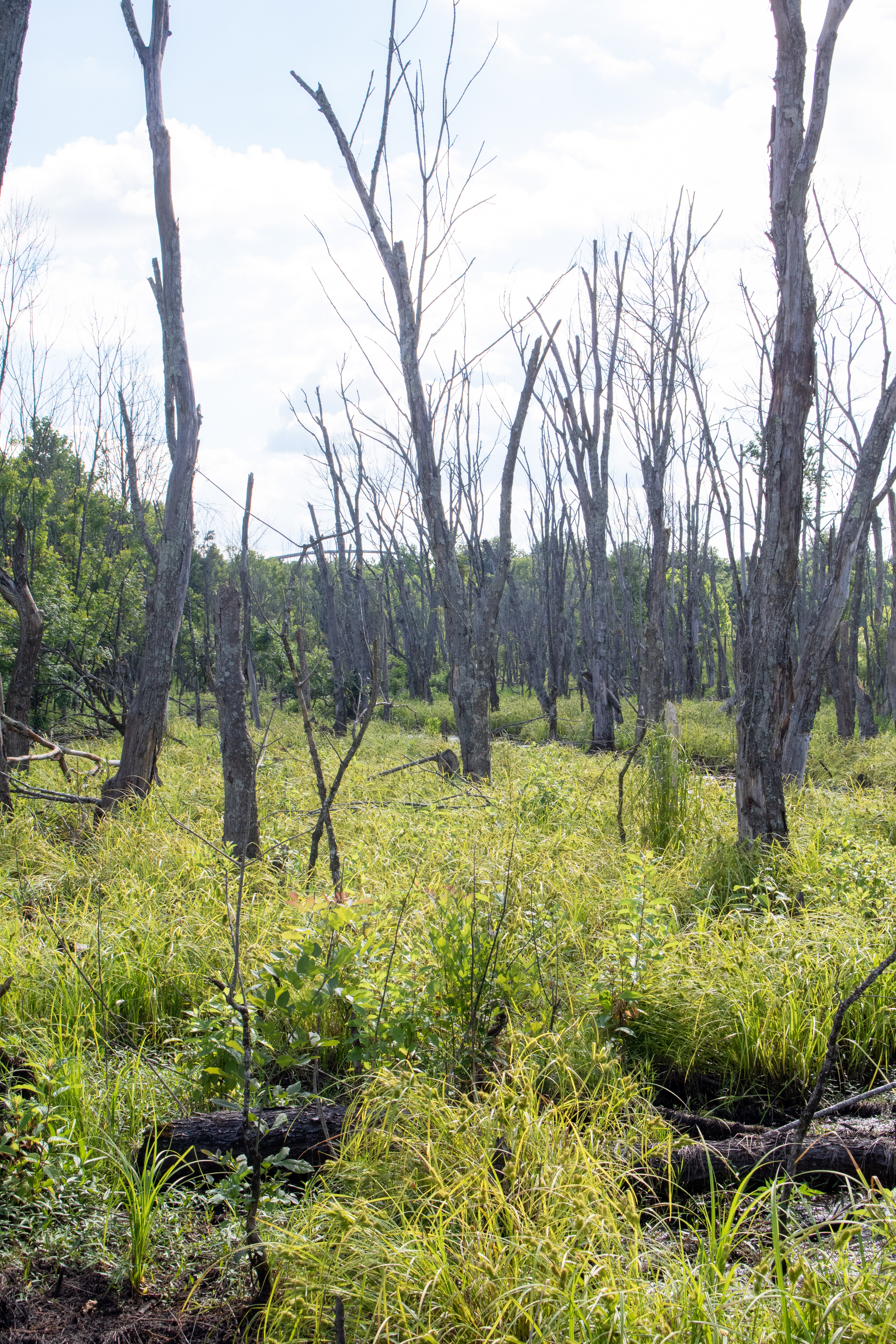
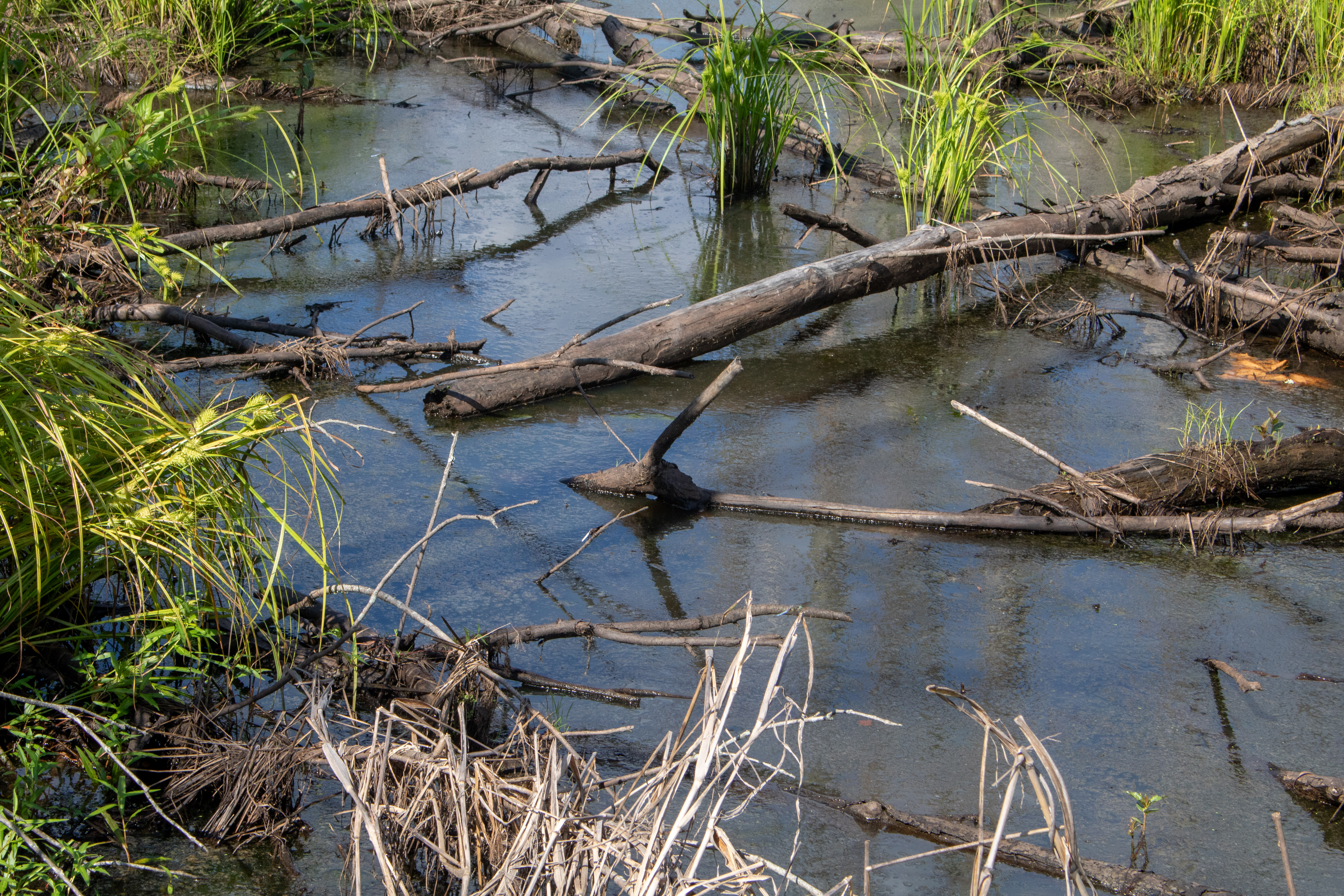
I took some photos of the fen bog marsh swamp, too. I want to know what to call it so I can stop writing all four words. I checked the signs and maps throughout the park but never saw a label. I want to go to their nature center and ask about it because I’m so curious.

Here is the bog/fen/marsh at the edge of the meadow
Water running through
You can see that it’s grassy. The deer hang out in here.
Dead trees. The ground must be pretty firm because the deer can walk around and lay down in it.
The MUD

I will get some photos of the deer for you. I promise. And I will find out once and for all what kind of wetland landscape we have here at this great Shelby Park.

Immortality and Chinese Privet

*From 805B N 12th Street, in East Nashville my home base as of February 2024, and where I will most likely be for at least another year, until July 2025.*

I read recently about immortality projects. It was a theory by some guy as to why people try so hard to do things. They work so hard, strive in their fields, crave fame, legacy, having statues built in their honor, having works that live beyond them, as a way to achieve immortality. “Immortality” but dependent upon others to carry it on, in their memory, in their consciousness. In some way we are all immortal whether we live on in human consciousness or not, because our atoms will still exist, although independently. Matter is conserved, no matter is created or destroyed. That’s physics. So all of the little atoms that are part of you now will always be here in the universe, probably. So if you think about it like that, you are immortal, and also, you have been around for a really, really long time. You just exist now in your current form, and if you achieve anything that anyone is going to remember after you die, and leave your current form, they will just be remembering you as you were in your human form.

I guess that’s something like reincarnation, or reappropriation. I find that comforting. And also, isn’t it nice to think that you have already been in this universe for billions of years? That all of the pieces of your puzzle (at the most basic level), all of your fundamental components have been floating around and doing things here in this world for billions of years, and they will continue to do so after you die? I think that’s comforting.

It’s interesting to me that this is what I’m writing about.

I have never really had a fear of death. Maybe just because I’m young, and death still feels far off for me. I don’t spend a lot of time thinking about it. I have known some loved ones to die, my grandma, my great aunt, uncle Bob. I miss them. Pets, the hardest one being Bonnie, our black lab. I was there in her final moments at the vet’s office with my dad, and we cried like babies. It was a terrible thing, for a while, to be in a world without her, to be in a world without these people. But I guess I have always felt like, that’s just the way it goes. So we live, so we die. It’s just the natural thing. And, in a way, Grandma Marge, Kathy, Bonnie, Uncle Bob, none of them are completely dead. They live on at least in my memory. There are still photos of them, stories of them, out there. There are people still who know about them, and think about them, and remember them.

We live for a long time. Relative to other organisms, we live for a long time. So, I guess we have more time to become attached to life, and to be used to living. Many insects live short, very short lives, relative to ours. As short as 24 hours. Imagine if we lived for 24 hours? What that would feel like? We couldn’t really do it. You would have no time to learn anything, no time to recover from anything, no time to process anything, unless you could do it in an incredibly short period of time. If your capabilities were quickened, and every hour was like for us now, a year, then you could benefit from learning things, from living on something other than pure instinct. That’s what I’m getting at. Because in our long lives, we have the ability to learn, to make mistakes, to fall, and to get back up, to process, and evolve, within ourselves. Insects don’t have time for that. They really just have time for living.

The main reason that I’m thinking about insects right now is because, they are dying every day. Insects, and arthropods, the tiny creatures. Almost every day I am aware of, and even I am the perpetrator of, the death of other beings around me. In one night here, in just about 10 minutes, I killed over 20 earwigs. They were assaulting the house, and they had to be defeated. I could have captured them all, it’s true. I could have released them. I capture and release most creatures that find their way in here, but the earwigs, I won’t lie, I kill them. And I always feel bad about it, and I always apologize, and make it swift and as painless as possible. A few days ago I watched a spider that has been occupying a corner of the house for weeks, which I realize has become a kind of pet to me, and I pass by it and say hi every time I walk into my room, I watched this spider finally catch something, a large ant, and roll it up in webbing, and drink its ant juice. In recent weeks I’ve killed tens if not a hundred mosquitoes. I’ve killed a flea too. All meeting the ends of their lives. That’s a lot of death.

There was a baby possum who died in the street in front of the house. It was run over. I had to walk by its little carcass to get to my front door. That was a sad death.

We want to be immortal. We want to be remembered. To have a legacy. It makes sense. This desire pushes us to do things that are beneficial for our tribe. Creating moving works of art, technological feats, scientific breakthroughs, conquests, inspiring a revolution, being remembered as a good brother, mother, father, all of these things are good for your tribe. Maybe not good for all of your tribe, maybe not even good for yourself, in your life, and maybe not good for the other tribes, but some people outside of yourself will benefit from your immortality project, probably, unless you’re Hitler.

If you died and no one knew, and no one remembered you, so you died the ultimate death to humanity, would you care? What do you think about that? Would you be content to go quietly into the night?

Is an immortality project and the desire for human immortality unnatural? Wrong?

Kurt Cobain is dead, but in a way he is quite alive to me. I actually had to remind myself that “this is a dead man that I’m listening to.” This is a dead man who I’m seeing on my screen, this is a dead man whose voice I hear. And the other members of the band are alive, but they’re not in their 20’s, they’re not the same age as when they played these songs as I listen to them. Time has moved on, but in a way, when I listen to the music, Kurt is alive, Chad, Krist, Dave are all young. Now Kurt as a human is dead, although his atoms are still here, still around on Earth, all of the bits and pieces of him haven’t gone anywhere.

I write for immortality. I write for legacy. I never really decided to do this, I just do it. It is a natural desire that I have. I have many journals now, I’ve kept over the years, and I write with other people in mind, my family, my future. I don’t think I do it because I care about being remembered, but actually, maybe that’s so. I thought I always did it because I just thought they would think it was interesting, this guy, their great great grandpa, or great Uncle, some Swanson in the line, some distant member of the bloodline, this is what he was getting into, this is what he was thinking about, this is what he was working on, and these are the events and details of his life, at that time, as he lived it. History. I think that’s interesting stuff, me personally. I write with the thought that someday, somebody could read all of this and know who I was, in a way, and what I thought about, how I lived, what my struggles were, what kinds of adventures I had.


I dismantled a Chinese Privet tree with my bare hands. I can see the headless, torn trunk from the window. That’s why I’m thinking about it. It’s an invasive species here in Tennessee, (I’m finally getting comfortable spelling Tennessee), as I recently learned volunteering at a local park. A really, really successful invasive species. Our fearless leader, Ian, said that I would see it everywhere now, and he was right. What has been seen cannot be unseen. It’s all over the place, including in my small yard, all along the fence of our driveway, between our house and the neighbors. I pulled it all up, tore it, four or five plants, and then there was the big mamba jamba. Chinese Privet can get big, like 8+ feet tall big, although it’s not thick. It’s lithe and springy. It was interesting that there were no birds’ nests in the branches, I don’t know if they could even support them. I think about that because a tree of similar size right next to this one had two birds’ nests in it, but the juniper had none. The thing about at least this invasive in particular is that it is extremely dominant now, but provides very little ecological value (so I’ve read). It doesn’t really do anything for the environment, it doesn’t feed anybody, and it seems like it doesn’t shelter anybody, and it bodies out other native plants that do. So it’s obviously terrifying to see literally thousands and thousands of Chinese Privets thriving all over Shelby Park, all over Nashville. The last one in my yard, it was a big one, about 8 feet tall, and I just left it there after this first day of juniper removal. A few days later though, I was caffeinated, I was inspired, and I was ready to do some damage. So I twisted it all apart. I had no tools, and just had to use my bare hands, but they did the job, although it was hard work. It takes a lot to get a Chinese Privet to snap. It would probably be impossible to take down in a storm, because it has really nebulous, sprawling roots, and is so incredibly flexible. I found that the branches would break when I bent them all the way back 180 degrees, and only then. But they would break, and that was the way to break them. You just had to keep bending, keep bending, keep bending. The actual trunk of the tree, it’s like an inch in diameter, I’m guessing from looking at it from the window, I couldn’t take down because it’s grown into the chain link fence. It’s kind of weaved in there.

There are other invasive plants here, another one is Japanese Honeysuckle, that is really common. I’m not confident in IDing that one, but if it is what I think it has been, it is also completely everywhere, almost as prolific as the Chinese Privet. I think there is actually one right across from me right now, because I just Googled a photo of it, and looked out of my window, and see what appears to be exactly what the Google has just shown me.


Japanese Honeysuckle?

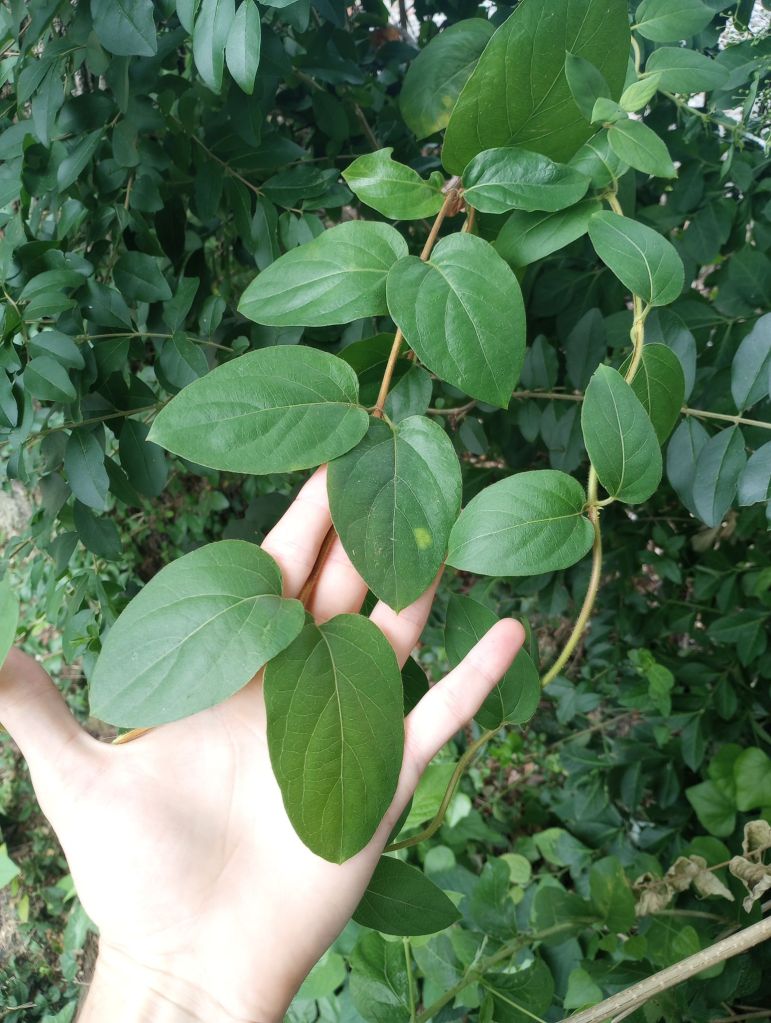
Aaaaand, I found it. Well, I really think I did. It wasn’t what I was looking at from across the window though, that’s something else. I kept scouring and I found it after much hunting, one large vine. It took me about 30 minutes here to decide if it really was Japanese Honeysuckle. Part of knowing what something is, is knowing what it isn’t. If you know what other plants it could be it makes it a lot easier to identify them. That’s why I don’t feel so confident in identifying plants yet, because I just don’t know many plants. So I don’t really know what else is out there, if there are any lookalikes, any trickery. But it seems that there are two native honeysuckles in Tenneessee and neither of them really look like the Japanese Honeysuckle, and it did seem to match the photos almost perfectly. It’s much easier to ID things when there are berries and flowers. If it was in bloom this would have been a done deal in a minute.

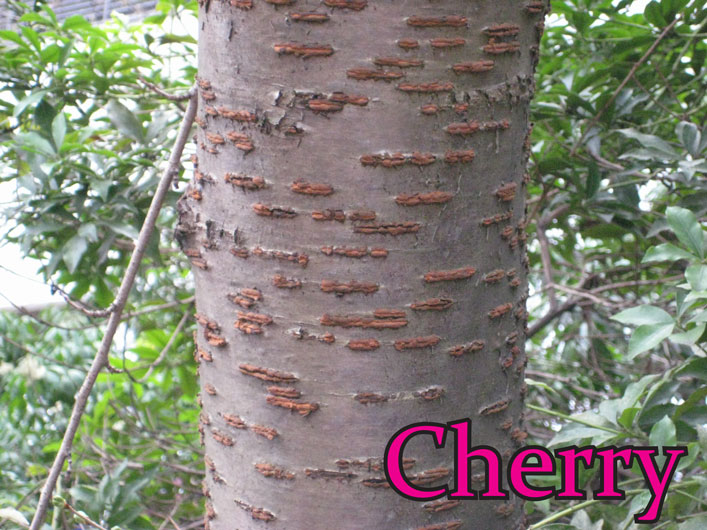
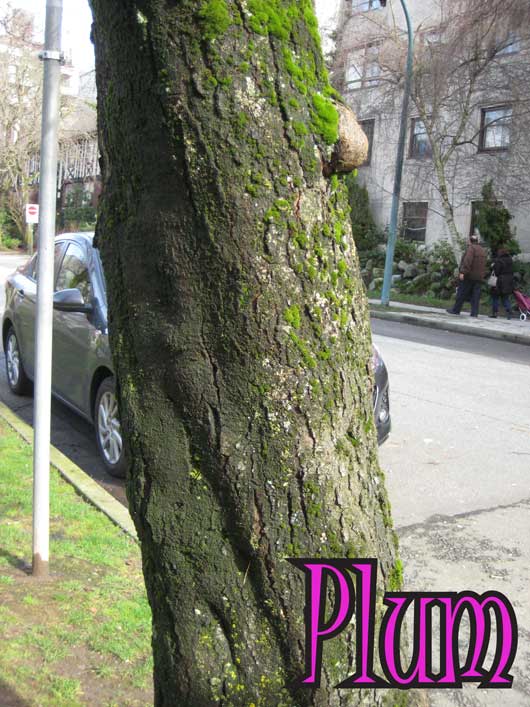
In Japan there is a plum tree that looks a lot like the sakura (cherry) trees. Similar leaves, similar flowers, similar size, and for a long time I thought the tree outside of my apartment complex in Ozu was a sakura tree. It was actually a plum tree. You can be easily duped, but there was a good tell if you knew it, which was that the sakura trees have a distinct horizontal striping pattern on the bark, and the plum trees don’t. There are a few tells, but that was the one I looked for because it’s so obvious.

I’m enjoying writing for you. I’m enjoying writing for me, too. I think that if I enjoy it, you will enjoy it too. I feel that way about art. Generally, if you like it, other people will like it too. Your taste probably determines how many people will like it. If you have a broader taste, or more niche, but at least if you like what you’re making, however broad or niche the appeal could be, somebody else is going to like it too. I write this because I do think, as some other creators probably do, “Will anybody actually like this?” Or, “Will anybody care about this?” And I think, if YOU do, then the answer is yes, there is at least one other person out there who is going to like it as much as you do. And of course, if you don’t like it, your creation, still there can be people who will like it. It could be the greatest work of art they have ever beheld. We probably shouldn’t get too hung up on whether anyone cares, or anyone likes our work or not at all, even though you want to. Just do your best, and be authentic, and let the people decide.

I was talking about the local park with all of the invasive Chinese Privet, where I did the volunteering. That park is called Shelby Park, and it’s a really great park. We are blessed to have it here in East Nashville. It’s huge, many square miles, (don’t ask me how many), many football fields, and has a lake, baseball fields, tennis courts, a dog park, walking trails, and one of my favorite parts, an enormous train bridge in the sky, that carries trains with literally hundreds of massive cars. So above your wonderful park with fields and forests and children playing, there is occassionally hundreds or thousands of tons of iron and steel and coal and things chugging across the sky. There are two benches on a hill that face the lake, and sitting on these benches you can see a large section of one part of the park. You can see out over the lake (maybe I should call it a large pond, it’s not big enough for lake status), and to your right you can see some flat grass areas, trees beyond, people fishing, people walking on the path down in front of you, walking around the large pond, and beyond, you can see baseball fields, cars driving around, and then further, at the edge before trees and the more forested section of park, off in the distance, you have a perfect view of the giant train bridge, above it all, and carrying the heavy, long trains. I like to sit on that bench and survey, and one time I was sitting there, and I watched a train pass, and I just marveled at it for what it was, a product of our human ingenuity, our engineering prowess. I felt like I had taken trains for granted, honestly, because you know, they’re not new technology for me, they were already commonplace and in the world when I showed up here, and I think that for the first time I really appreciated what exactly this train was doing, and after what felt like a long time, that one car after another car was passing by, I started actually counting them, because there were so many, and I counted the rest, which was something like 80, and so that train was probably carrying 200+ cars, of coal, gas, whatever else was in those cars. That one engine, all that material, thousands and thousands of pounds, and across that giant bridge, with all of its tresses and beams and metal, able to support all of those thousands of pounds of train, and that was all done by human hands, all designed and built by human hands, and human minds. Incredible.

I brought us back to Shelby Park because I wanted to tell you about the deer in the fields. There is a wild grassland field at Shelby Park that is probably about two or three football fields big. Tall grass, with wildflowers and things. And there is a pavillion there, a small viewing platform that raises a bit above the field, so you can look out over all of it. I had been to this field when I first moved here in winter, and it wasn’t much back then, kind of like a corn field is in winter, with just some leftover dead stalks of corn, the grass being all dormant, but just recently I had gone back there, and it is now completely stunning. And the best part about it were the deer. There were several deer, out among the grass, mostly hidden, but you could see the tops of their bodies, and their heads when they would raise them up, several deer on their own, out there in the grass and the flowers, munching away, and being deer. I’ve never seen deer in an environment like that, and I was there as the sun started to set, in that warm glow. It was special and beautiful. I felt like I was seeing the Earth before humanity. There was a little cottontail rabbit hanging out in the short, mowed grass around the pavillion, at the edge of the tall grass, along with a big ol’ doe, who kept giving me suspicious looks. She was keeping an eye on me, cautiously, but when people came by with their dogs, she would freeze, and kept her eyes on the dogs until they were out of sight. I’ll have to go back and get some photos of this meadow for the blog.

I’ll also have to photograph the little swamp that borders the forest and the meadow. There is a variety of interesting terrain at Shelby, truly. Between the edge and meadow, and again on the other side, there is some swamp/bog ground, with dead old tree trunks, my guess is dead from the roots drowning, and tufts of bushes and things. There was a family of deer splashing around and grazing in the swamp too.

Actually I’m calling it a swamp but I don’t think it is a swamp. I just did some Googling and now I’m sure it’s not a swamp. But is it a fen, bog, or marsh? That’s the million dollar question.

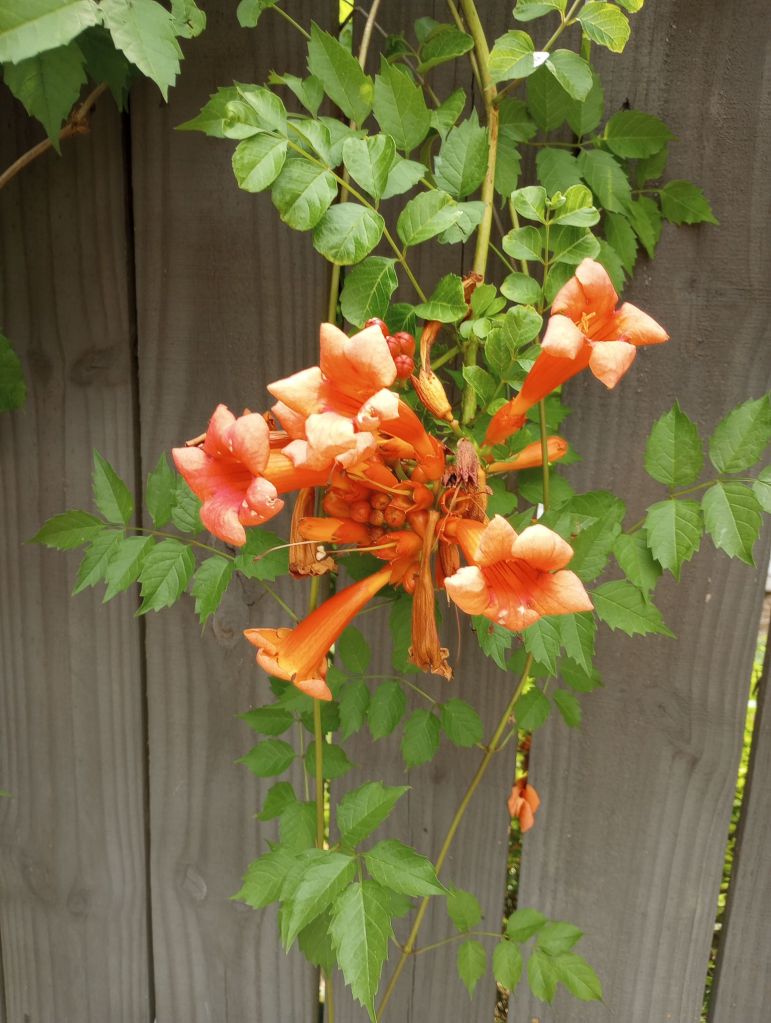
After thinking about honeysuckles I noticed this one on a walk. One of the native honeysuckles, called Coral or Trumpet Honeysuckle (I hope I IDed it right)
Remnants of the Chinese Privet