
I almost feel like at this point I should have a dedicated blog to gardening. Seeing as half the posts contain at least some garden updates. It makes sense. Will I do it?????
I woke up this morning and performed what has become my morning routine. Checking up on the garden. I was thinking about some things last night — one thing I had noticed was that my zinnia leaves had really started to turn purple. There was something that seemed to be spreading on them. At first I thought it was because of the drought, but then as I noticed it on some of the healthier plants, you start to wonder if it isn’t a disease or perhaps a nutrient deficency. I’ll show you some photos.
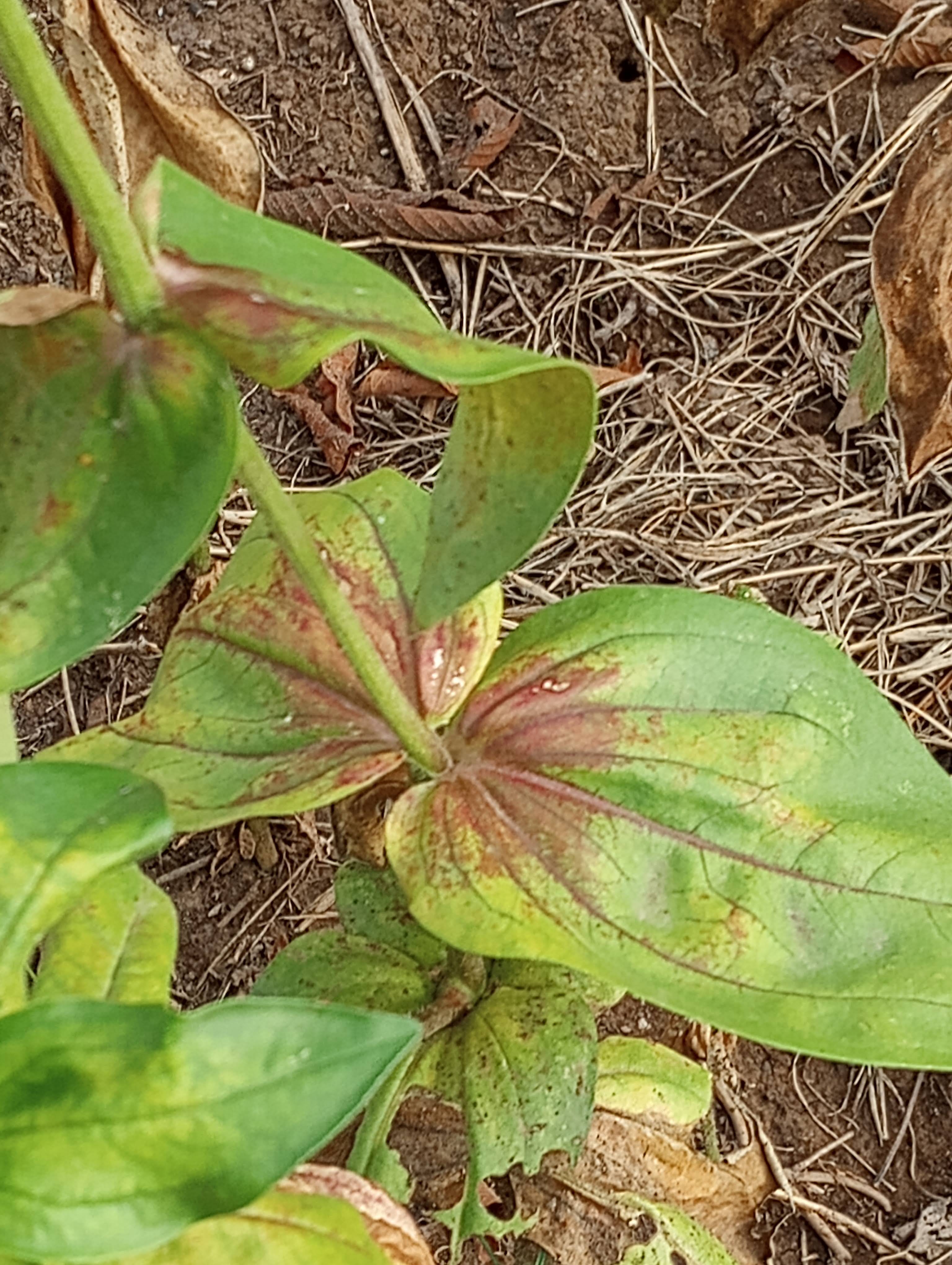
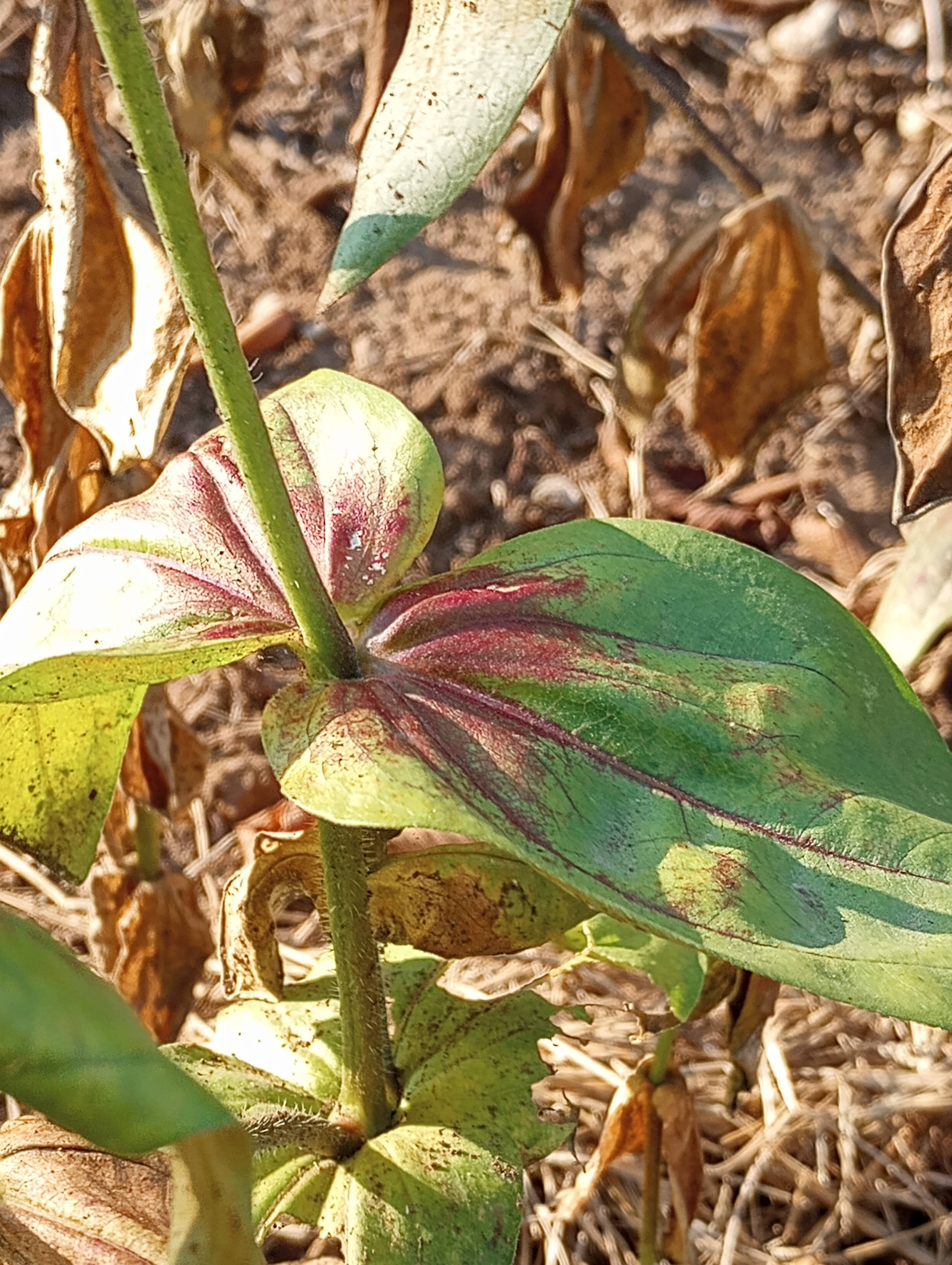
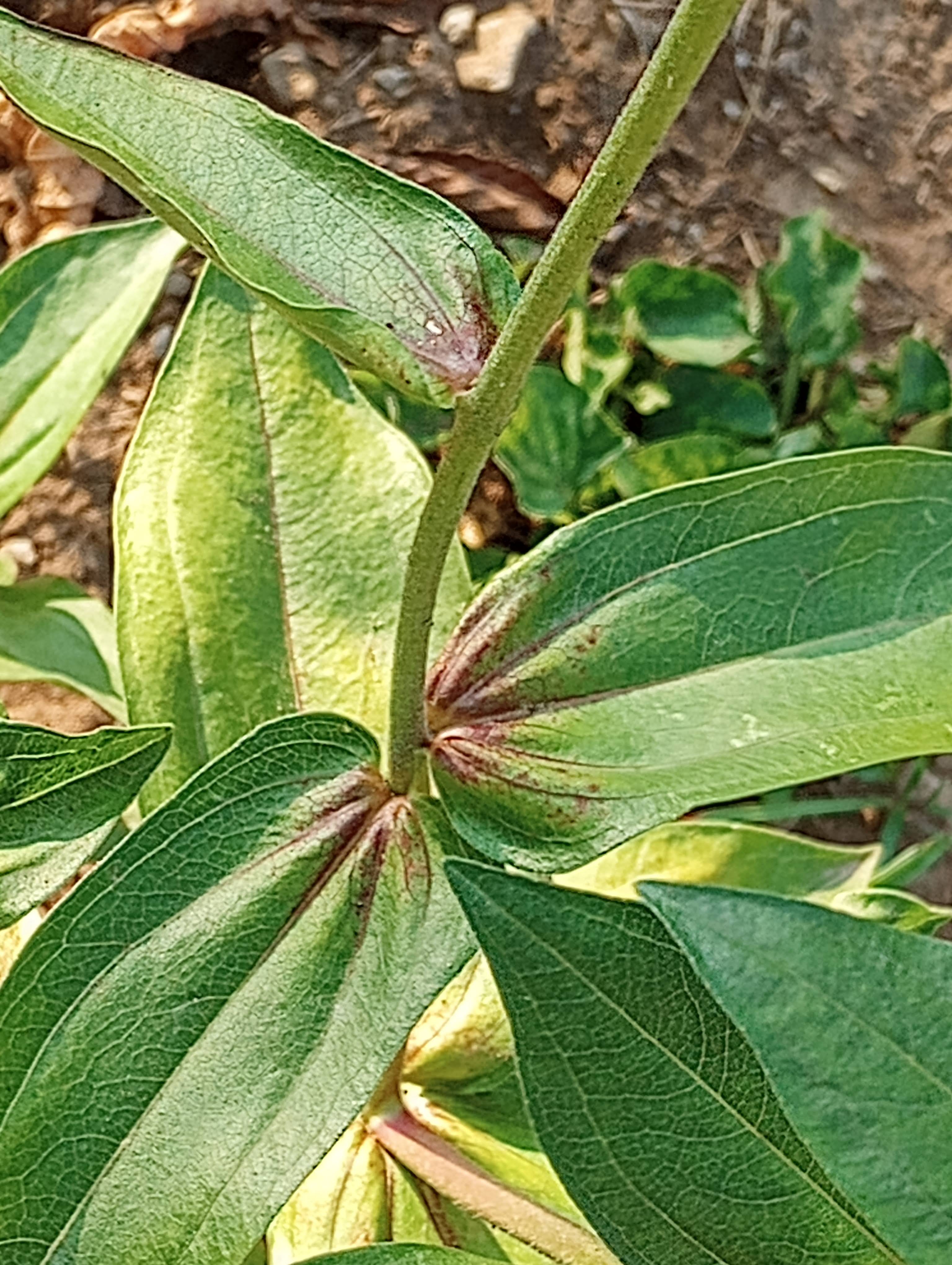
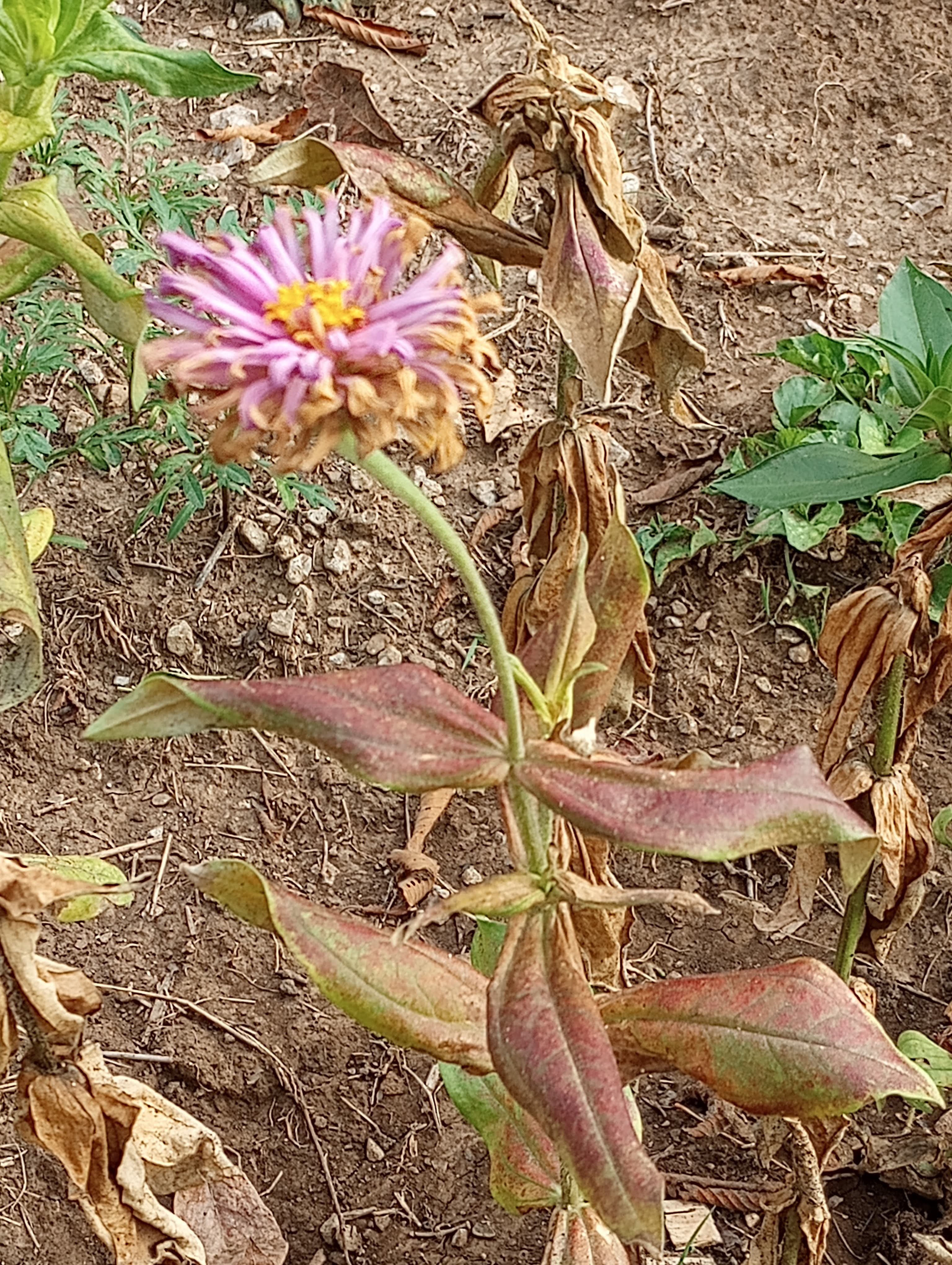
You can see what I’m talking about — this purple, reddish brown that appears at the bases of the leaves. Even some of the healthier zinnias are starting to get it. In the last photo you can see this one is covered with it, and this poor zinnia is going downhill real quick. It has only days left, I’m sure.
Well, what is the cause of this mysterious purple/red coloration? That’s what we want to know.
I went on the trusty internet and did some researching, and my guess is that this is caused by a fungus called alternaria.
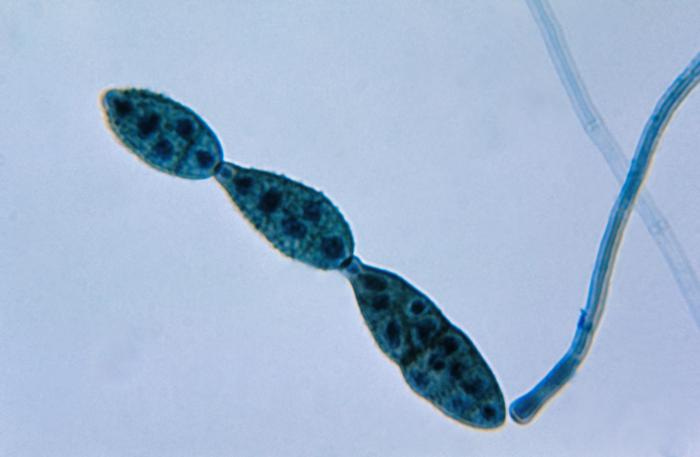
Wikipedia says: “They are ubiquitous in the environment and are a natural part of funga almost everywhere. They are normal agents of decay and decomposition.”
They are a “major plant pathogen.”
Seems about right. People of Facebook were commenting on similar posts that it was alternaria, and the chances seem high. I am probably then supposed to pull the diseased plants, no? To stop the spread? I wonder.
My other patch of zinnias is alright, so far. I don’t want them to become infected. But I wonder if it only happens when the plants are stressed and vulnerable, as they certainly have been. I now say with 100% certainty that my zinnias just needed more water, way more water, and mulch on the soil to help retain the moisture, as my wise mother has suggested several times.
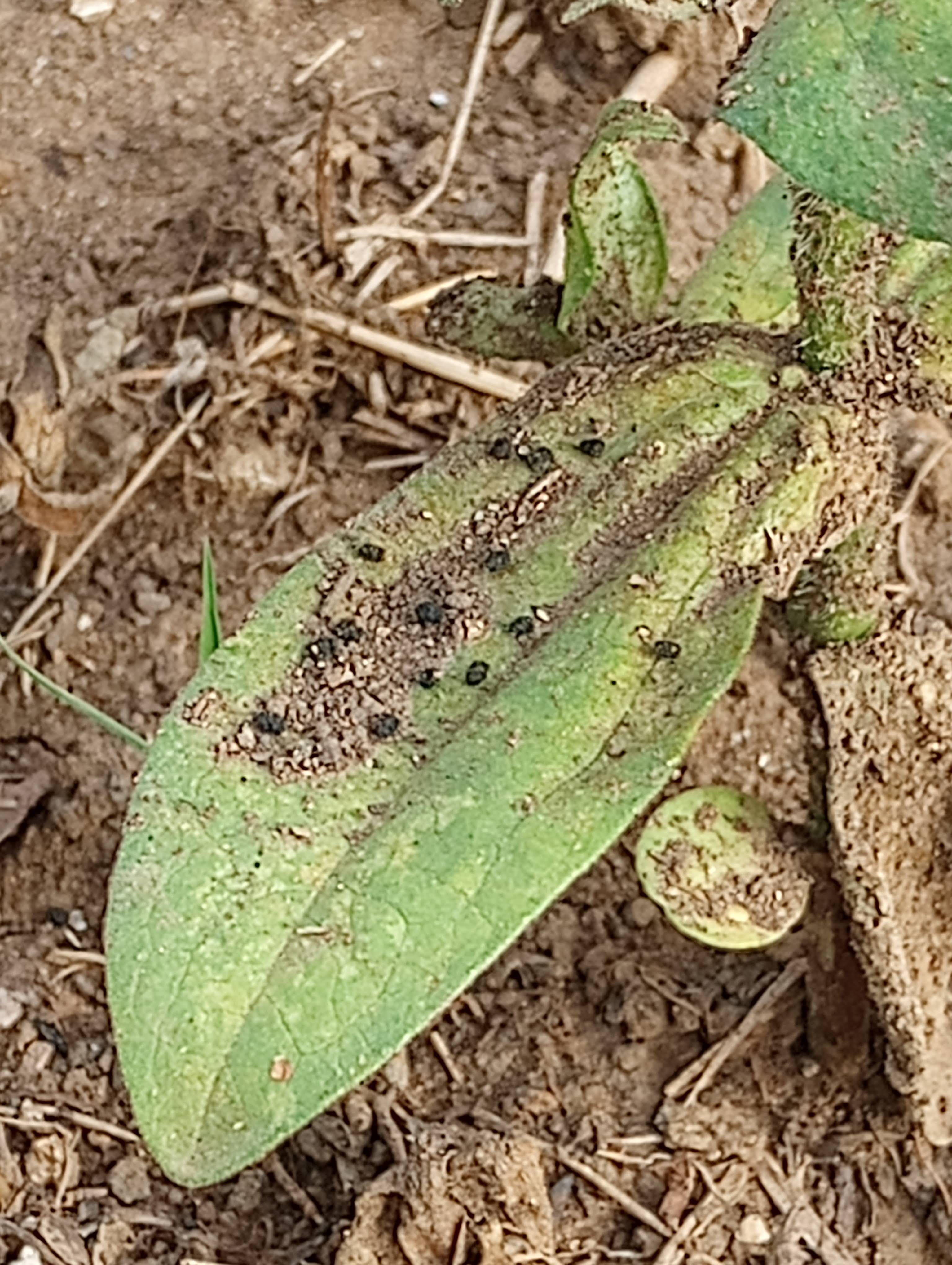
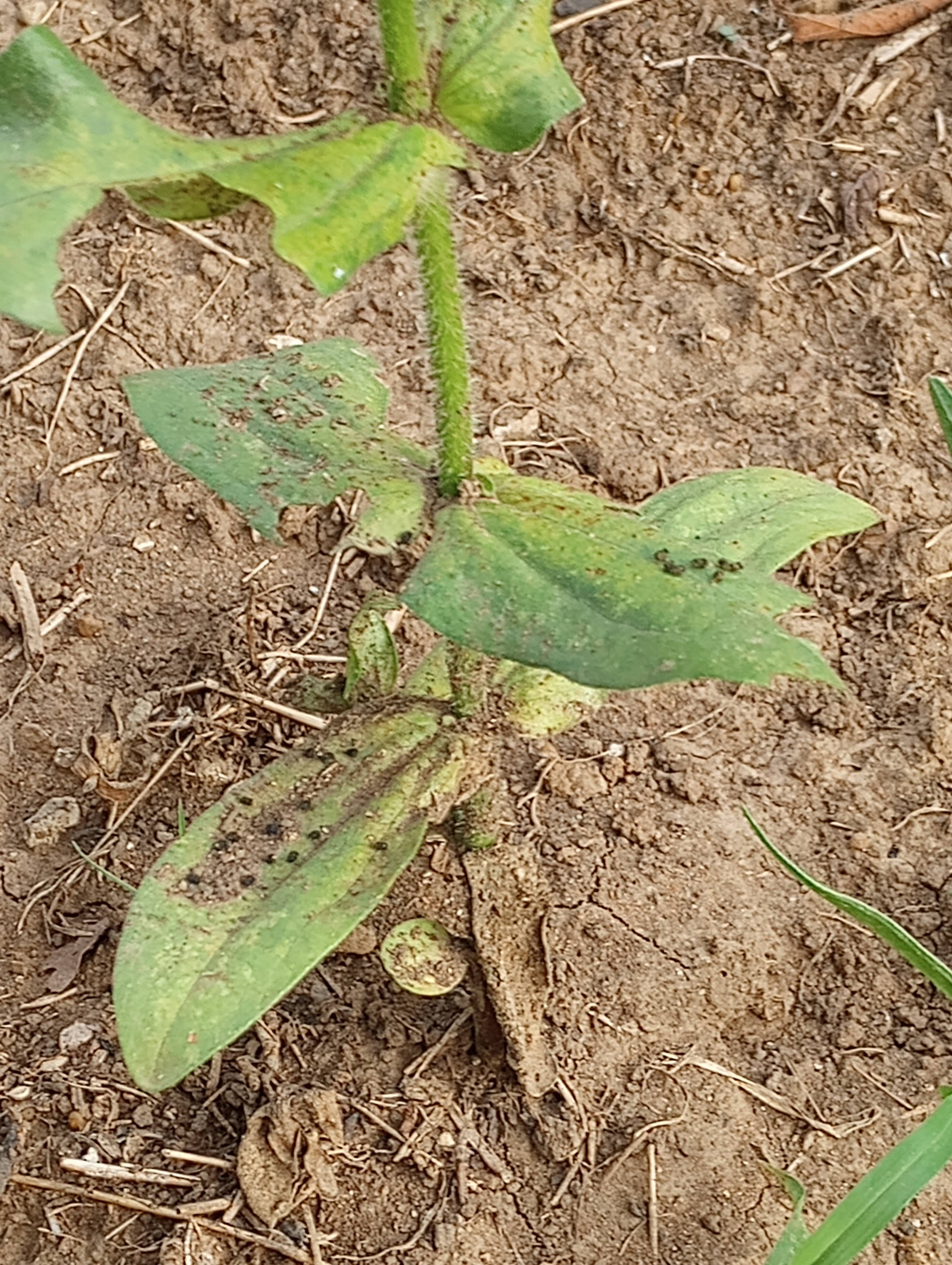
Now, if you ever wanted to see photos of caterpillar poop, viola. Here you are. The wooly bear (fuzzy white caterpillar) that’s been munching on this zinnia is still hanging out here. He has been feasting, and the proof is right here in the poop. I should have snapped a photo of the actual caterpillar. I’m not a great photojournalist. I was so amazed by the poop.
The caterpillar has grown rapidly, as they do. It’s amazing to see it. This morning he (or she) was kind of hanging over, seeming to be asleep. I just want it to stick around so we can see its progress. That other big ‘un, the giant common buckeye caterpillar that was eating the grass in my garden, I don’t know what happened to it. It’s gone. There are three new ones that are here munching away, already they’ve again quadrupled in size. Tomorrow they should be huge.

This has been popping up all over, and it looks like it’s some kind of speedwell. Google said mine was probably some invasive speedwell from Eurasia. Wonderful. I should probably pull it, then. Does this count as mulch? Can I leave it down just to protect my soil from drying out? Until it gets out of control, I don’t see why not.
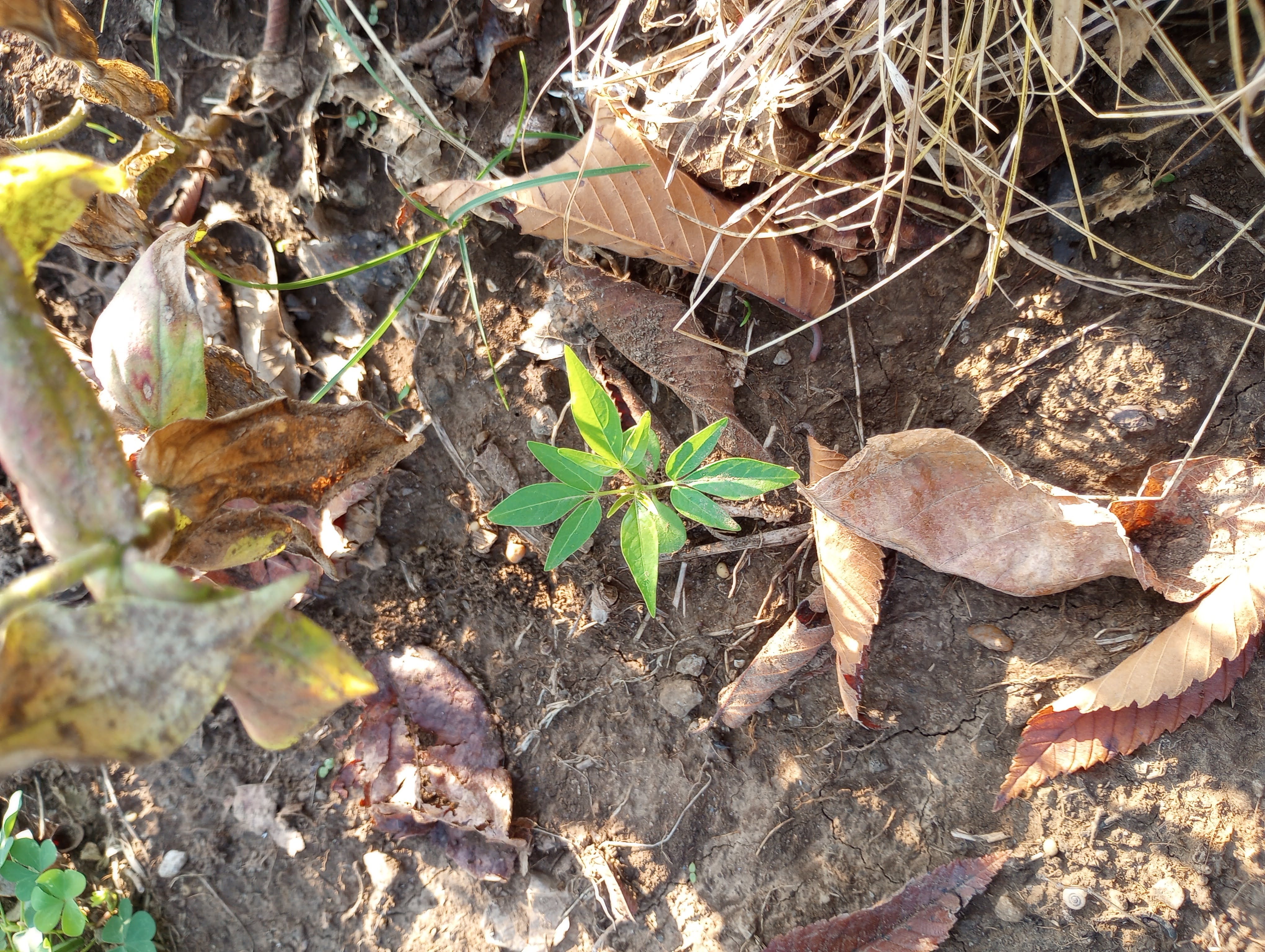
Tree of heaven sprouts are everywhere. Every day they pop up. Here’s a new one. They are thriving in my crappy soil, disturbed roadside habitat. They’re loving it. Too bad they’re UNDESIREABLE.
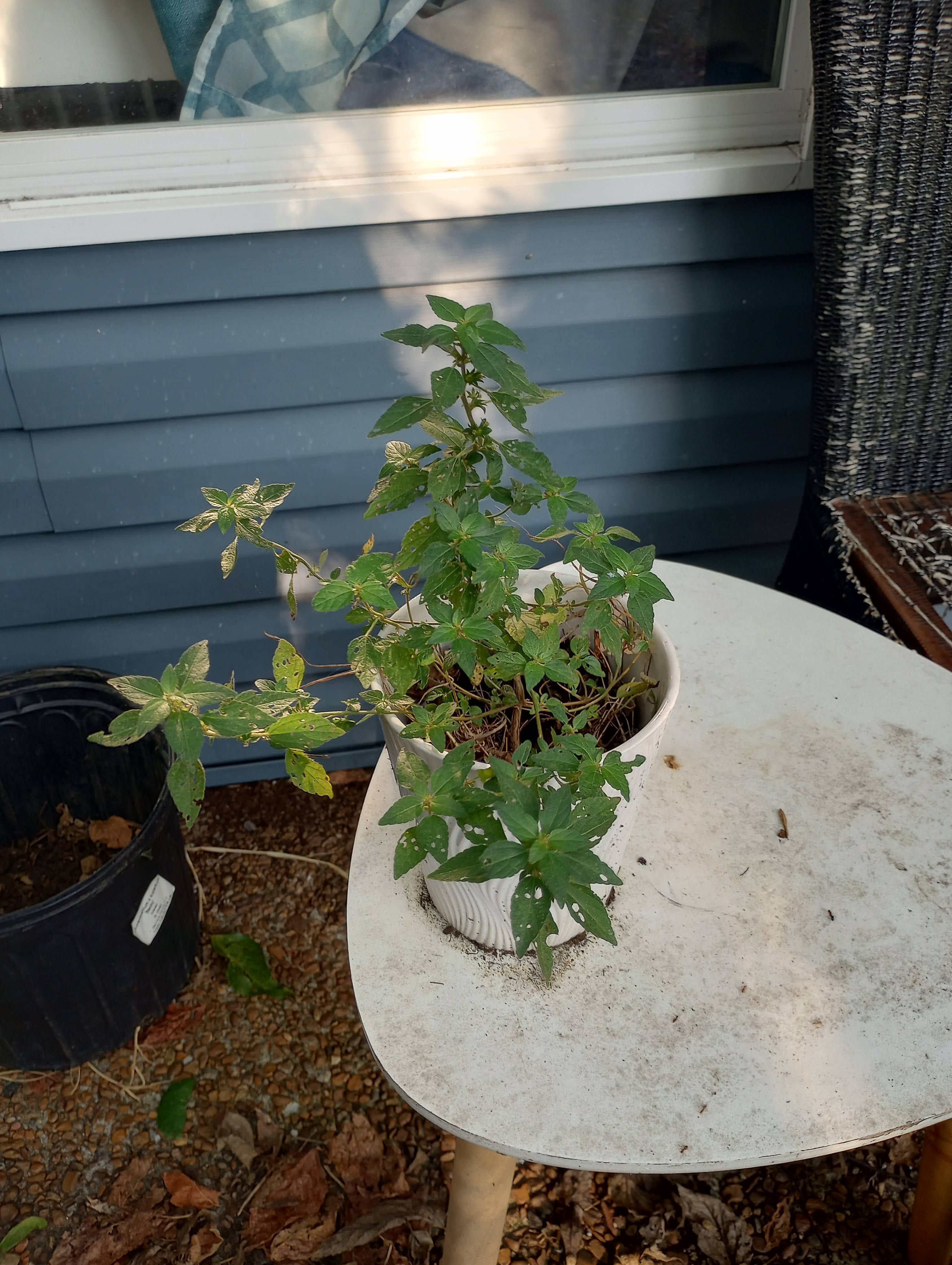
When I was digging up the lawn, I kept this plant, mostly as an experiment. I had dug up the entire thing and it was kind of smelling nice, and I thought, I’ll just throw it in a pot and see what happens. Why not? So I did, and that was about two weeks ago. As you can see, it’s fine.
This is a three-seeded mercury, I learned this morning. It’s everywhere. Popping up in my garden, and on my walk to the cafe this morning, I saw it all along the roadside, in the grass. It’s a native herb, a spurge. What a great word.
Apparently it is loved by flea beetles, and all three-seeded mercury has tiny holes in it, as mine does, which are caused by the flea beetles.
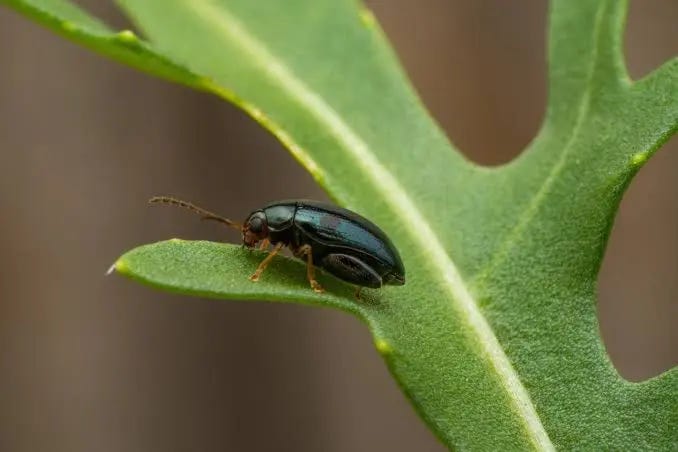
Kawaii, flea beetle!!!!!
 HAKUMUSU