
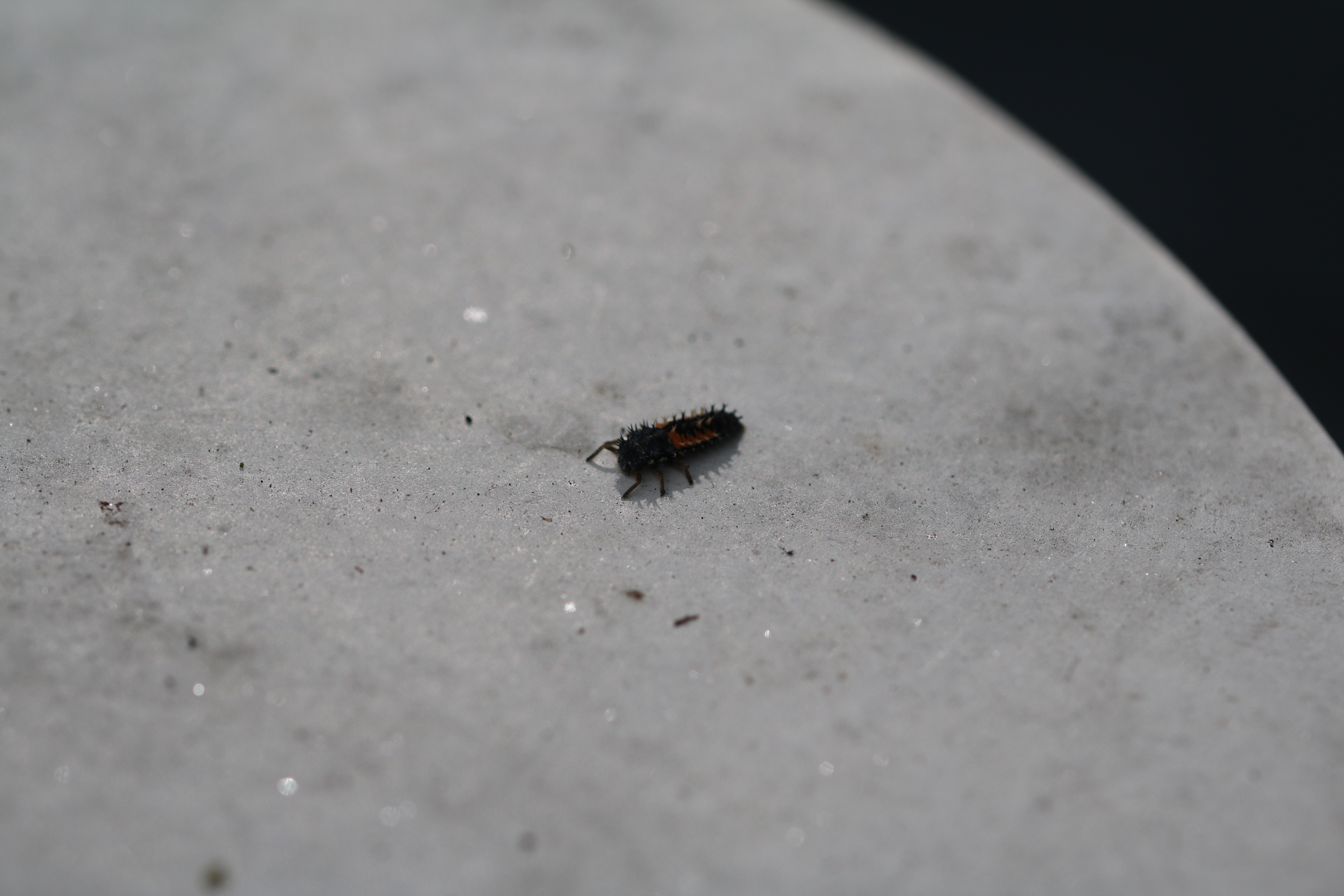
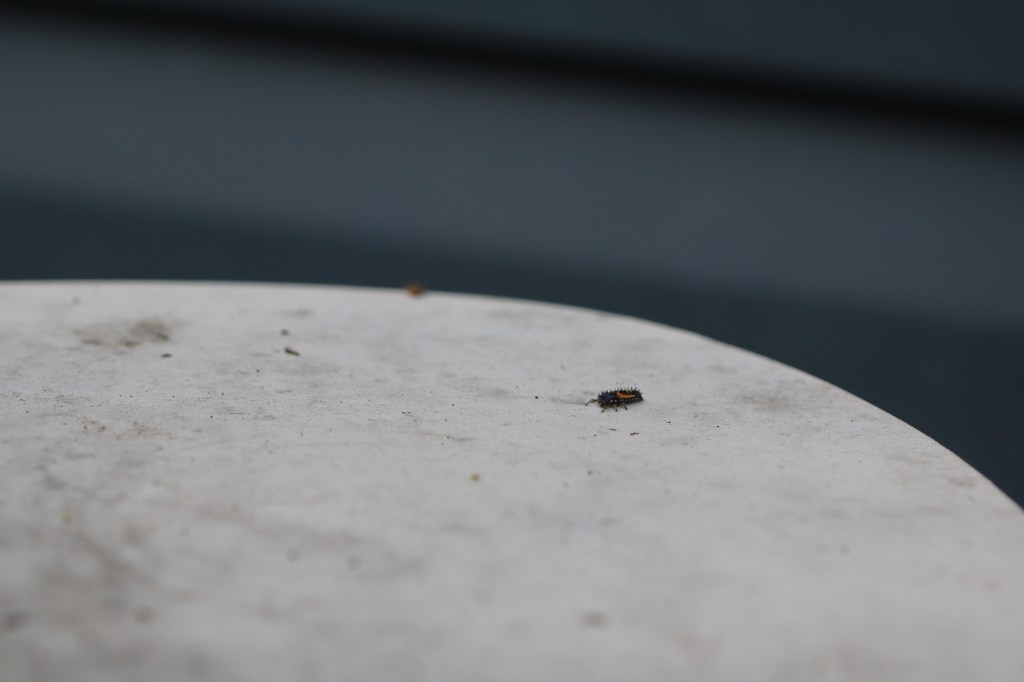
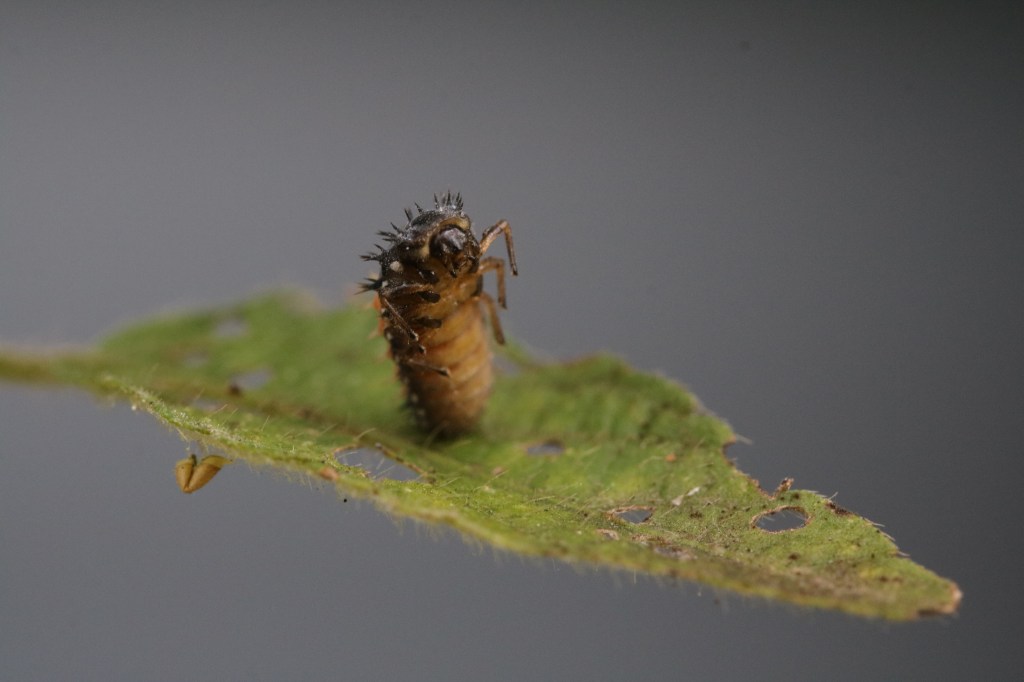
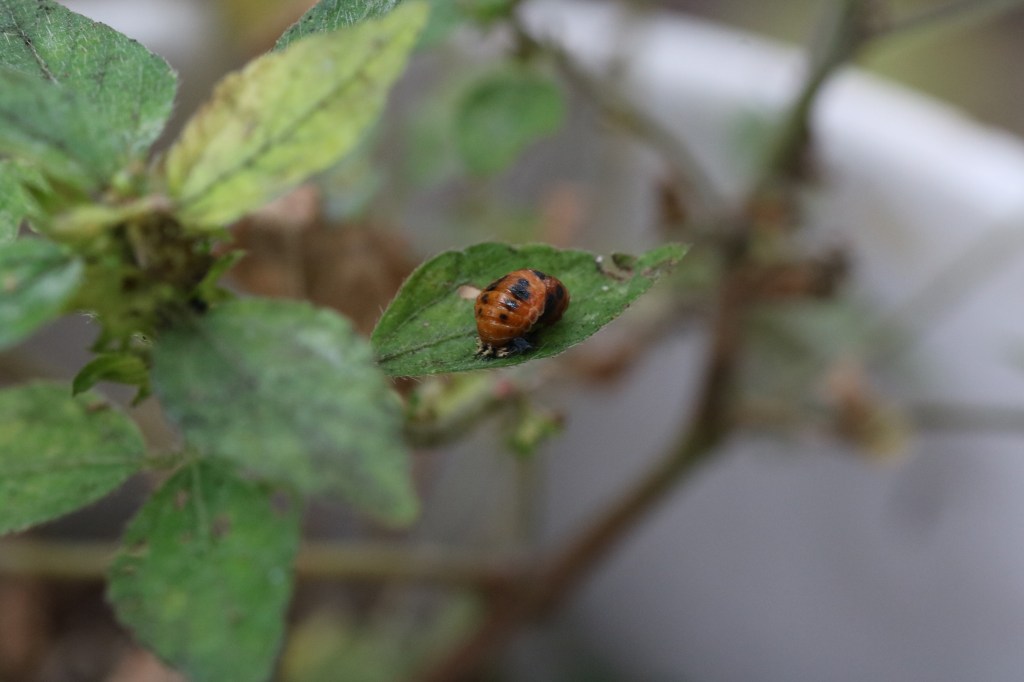
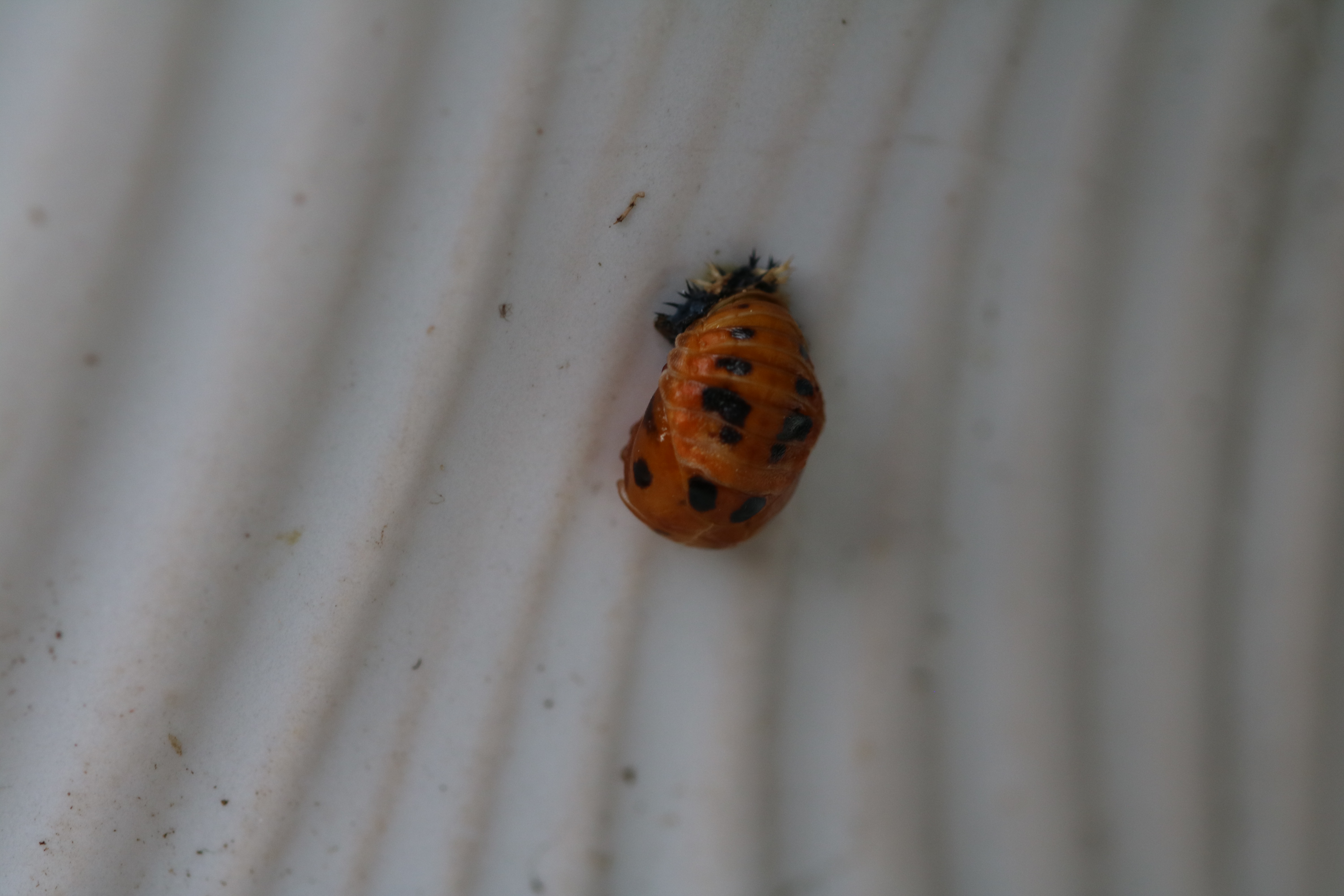
There are a lot of ladybug larvae out and about right now here in early October (Oct. 8th). They’re all over the yard, making their tiny metamorphoses on my front door, my plants, the vines, my car. I was wondering why they would undergo their metamorphosis now, as winter is right around the corner (although we still have 2 months before then, and that is plenty of time to do stuff in the bug world). I read that ladybugs can live for several years and that they stay alive through the winter by hibernating. I had no idea about that.
I told my discerning sister that I had some photos of ladybugs and she said, “Are you sure they aren’t Chinese ladybeetles?” I wasn’t sure. And just now, looking at some photos of the Chinese ladybeetles, or, Asian lady beetle, Harmonia axyridis, they certainly look similar. The internet says that the Asian lady beetle is now in some parts of the US the most common ladybug around, and so these photos probably are of the Asian lady beetle.
There is no difference between a lady beetle and ladybug, they are all in the same family, Coccinellidae, which is a family in the order Coleoptera (the beetles). According to Wikipedia, “Entomologists use the names ladybird beetles or lady beetles to avoid confusion with true bugs.”
(The true bugs are the Hemipterans, another order.) I like saying ladybug, though, personally.




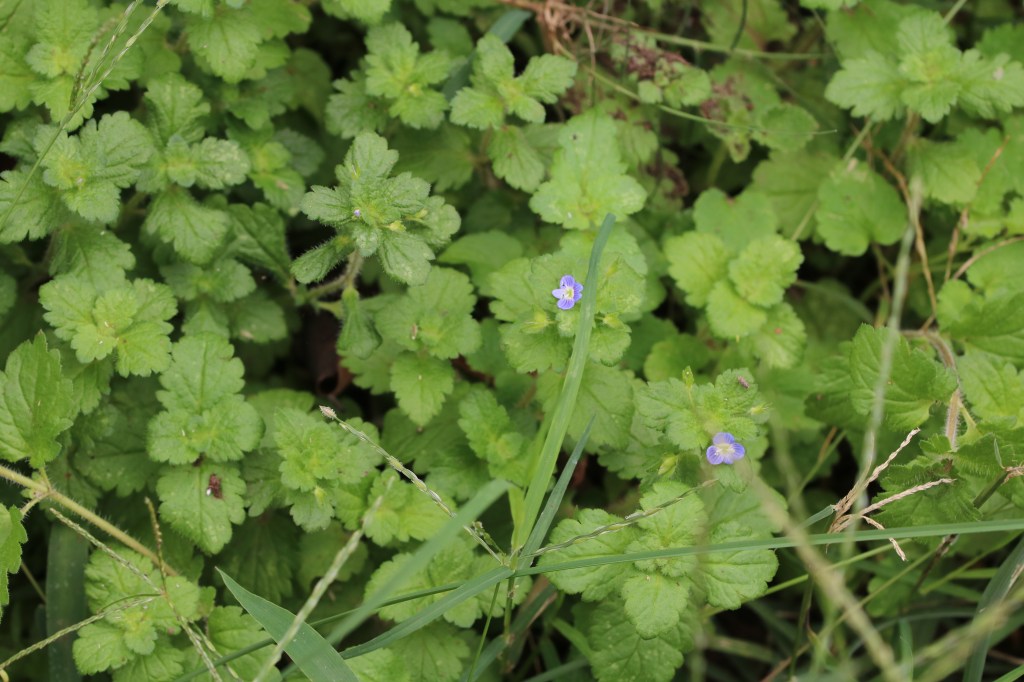
This Persian speedwell has been one of the main plants to dominate the bare dirt of my garden. I’ve just let it go and cover the ground. In the below picture you can also see the Three-seeded mercury, the taller, larger dark green plants. It recently put up some flowers, extremely tiny flowers. They must be some of the tiniest flowers you can find.
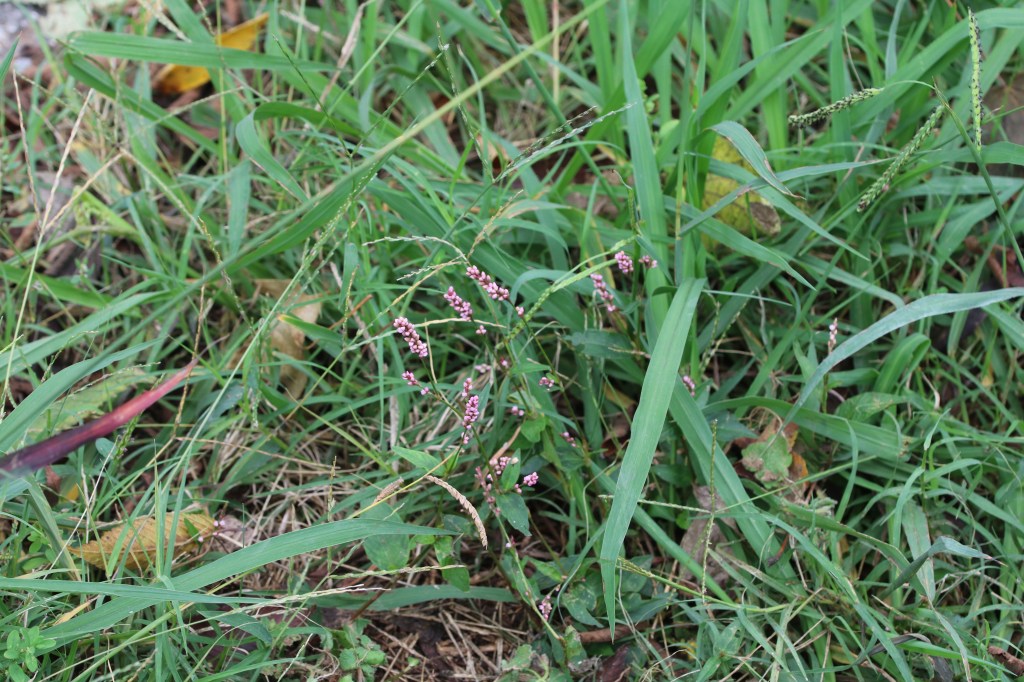
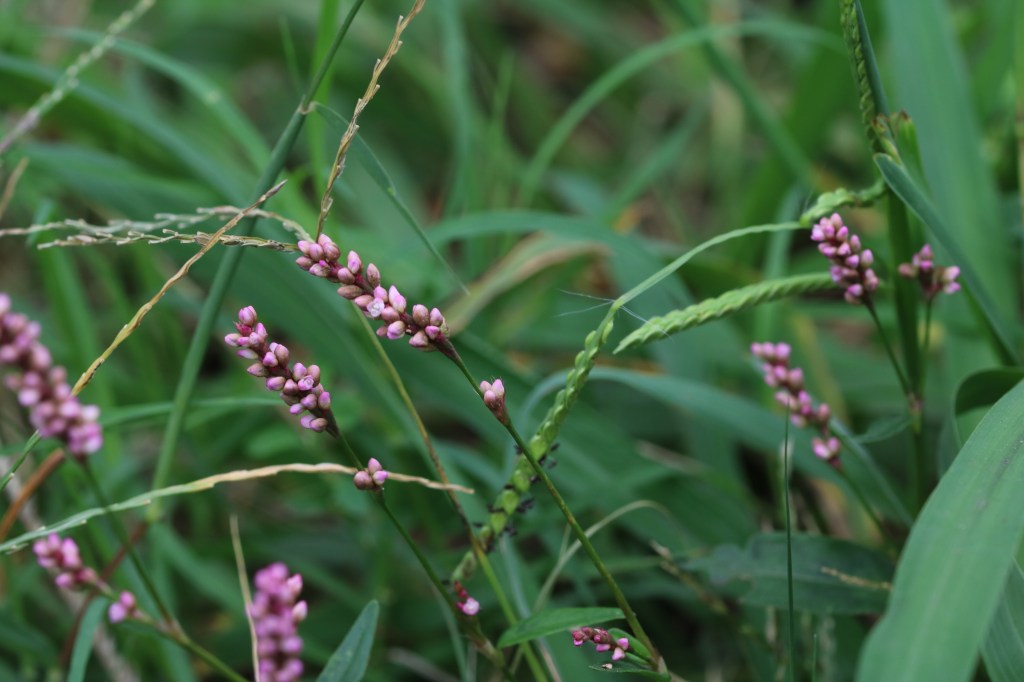
I’ve been seeing this Smartweed pop up, which has some interesting flowers/seeds. Are those pink things tiny little flower buds? Apparently the Smartweeds are edible. We’ll have to try some. (We as in me and whoever else I can get to eat it.)


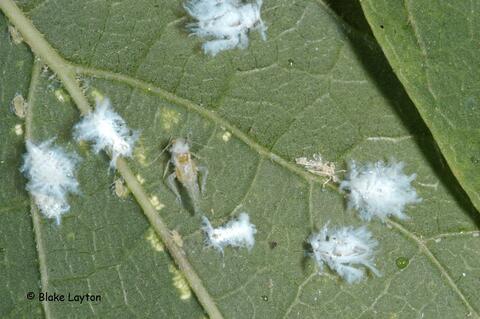
We also have crazy amounts of a fluffy white bug flying around and covering everything with sticky sap. Those are wooly aphids, and probably an invasive kind (from Asia), the Wooly hackberry aphid. According to the internet if you live in the Southeastern US, that’s probably what you’re seeing right now. And I have I think five hackberries in my yard, and a lotttttt of wooly aphids, so it would make sense.

 HAKUMUSU