
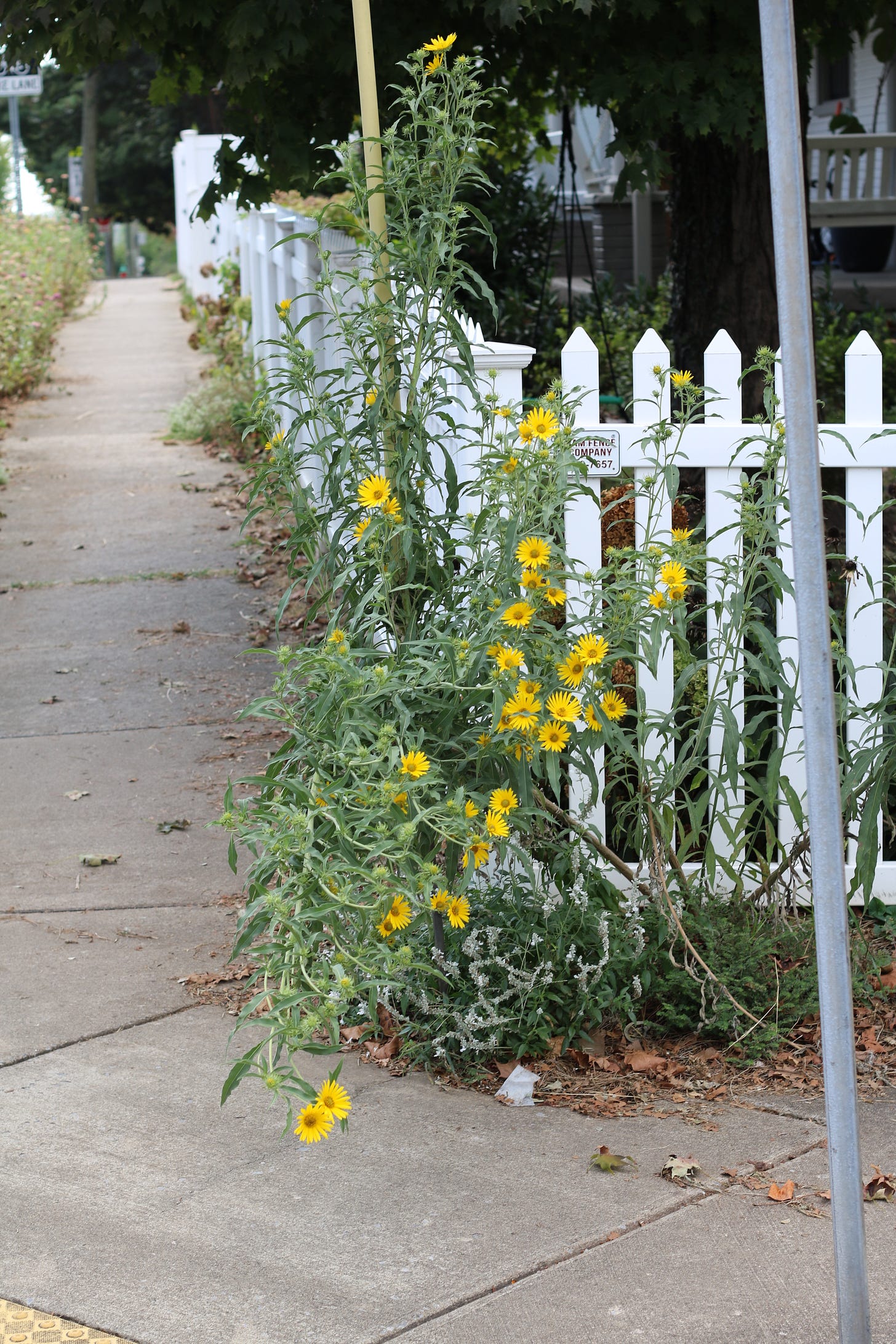
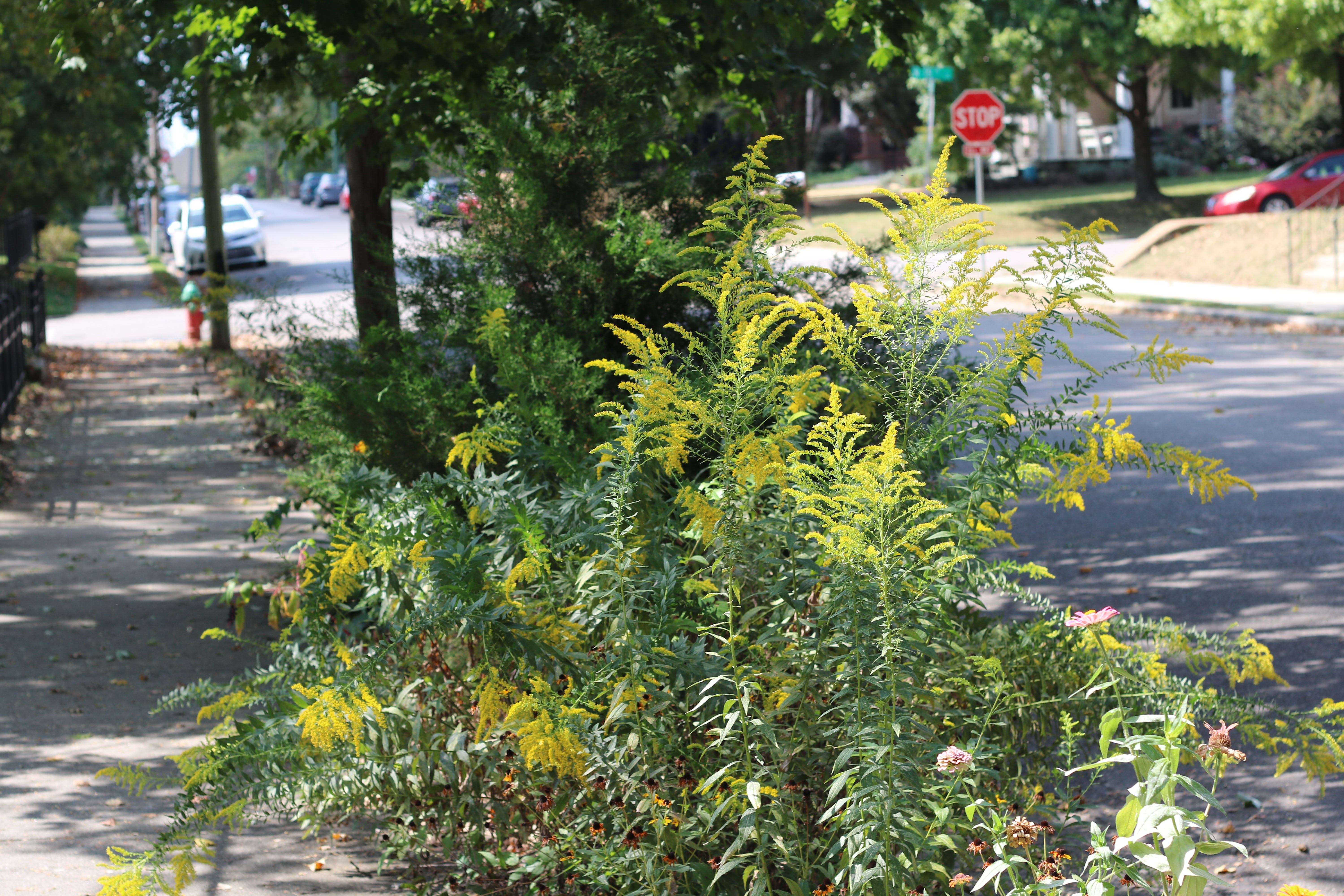
Maximillian sunflower (native!!!!)
I did a little photography tour of plants around the neighborhood. I thought I captured a lot but then, this really isn’t much. We’ve got so many different species of things here in these neighborhoods. These are some of the common sights around here, right now mid-September. A lot of flowers in bloom, a lot of pollinators out and about. We’ve got plants from all around the world, man.
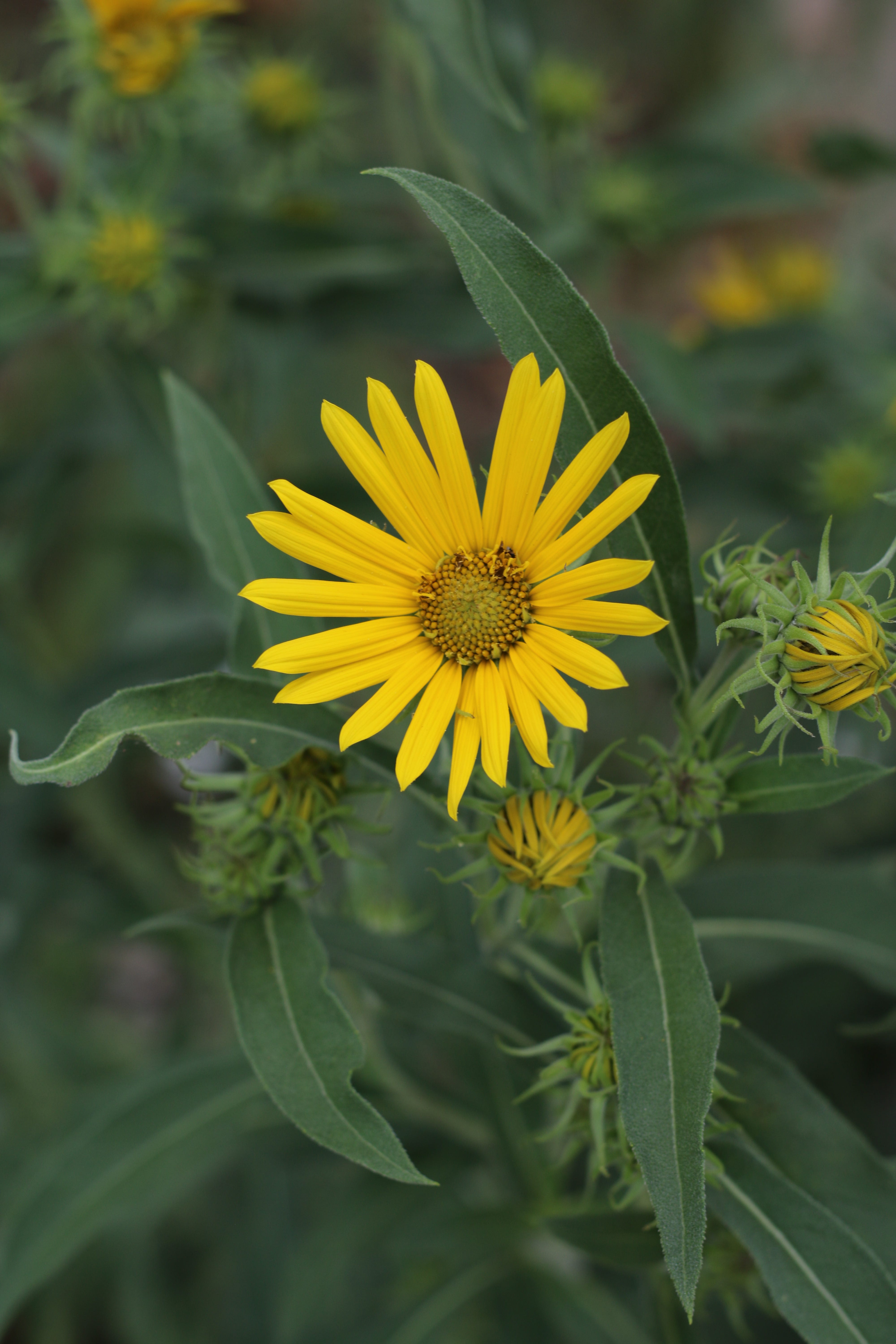
This is kind of a rare one here, this Maximillian sunflower. I don’t see a lot of this in the neighborhood.
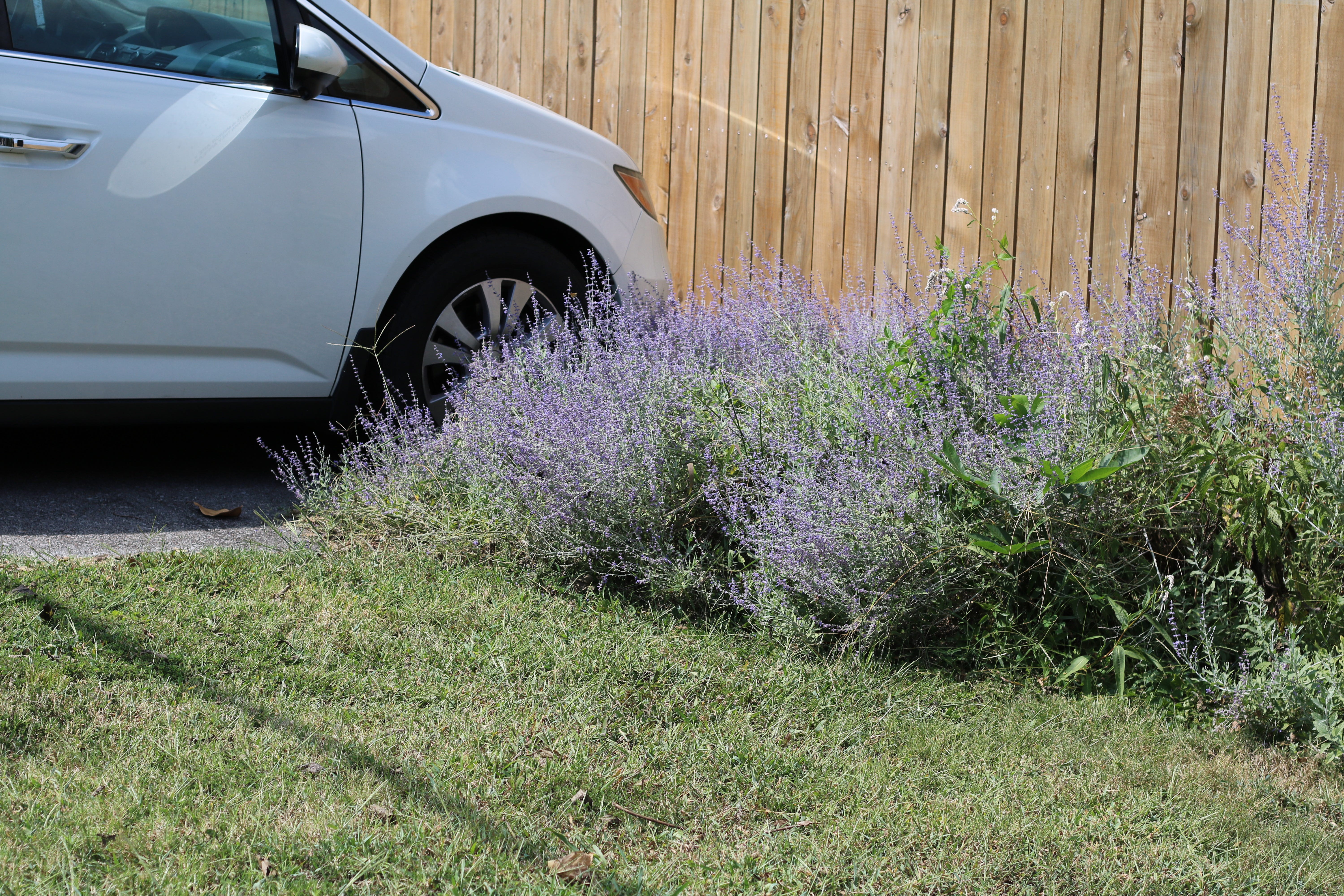
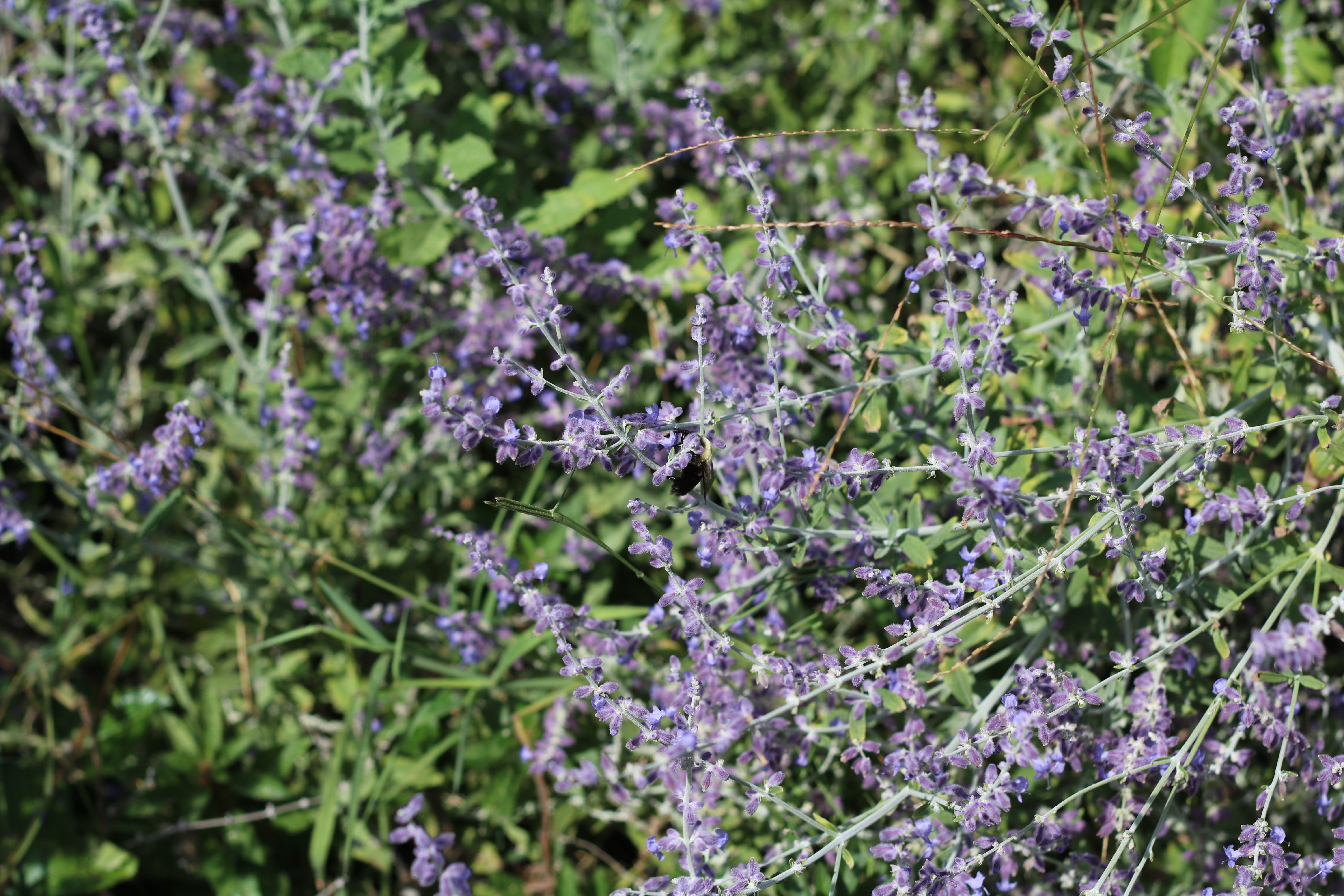
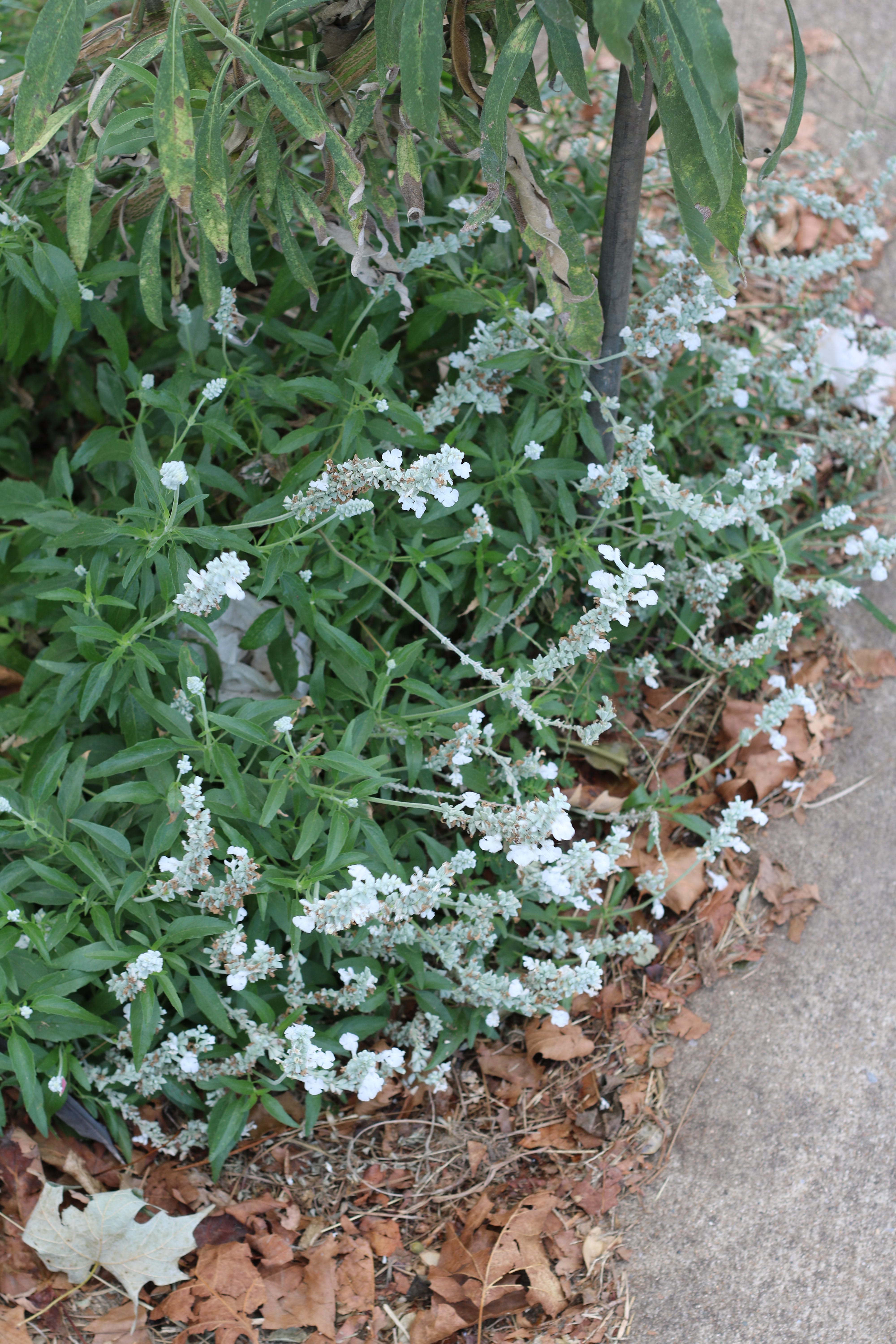
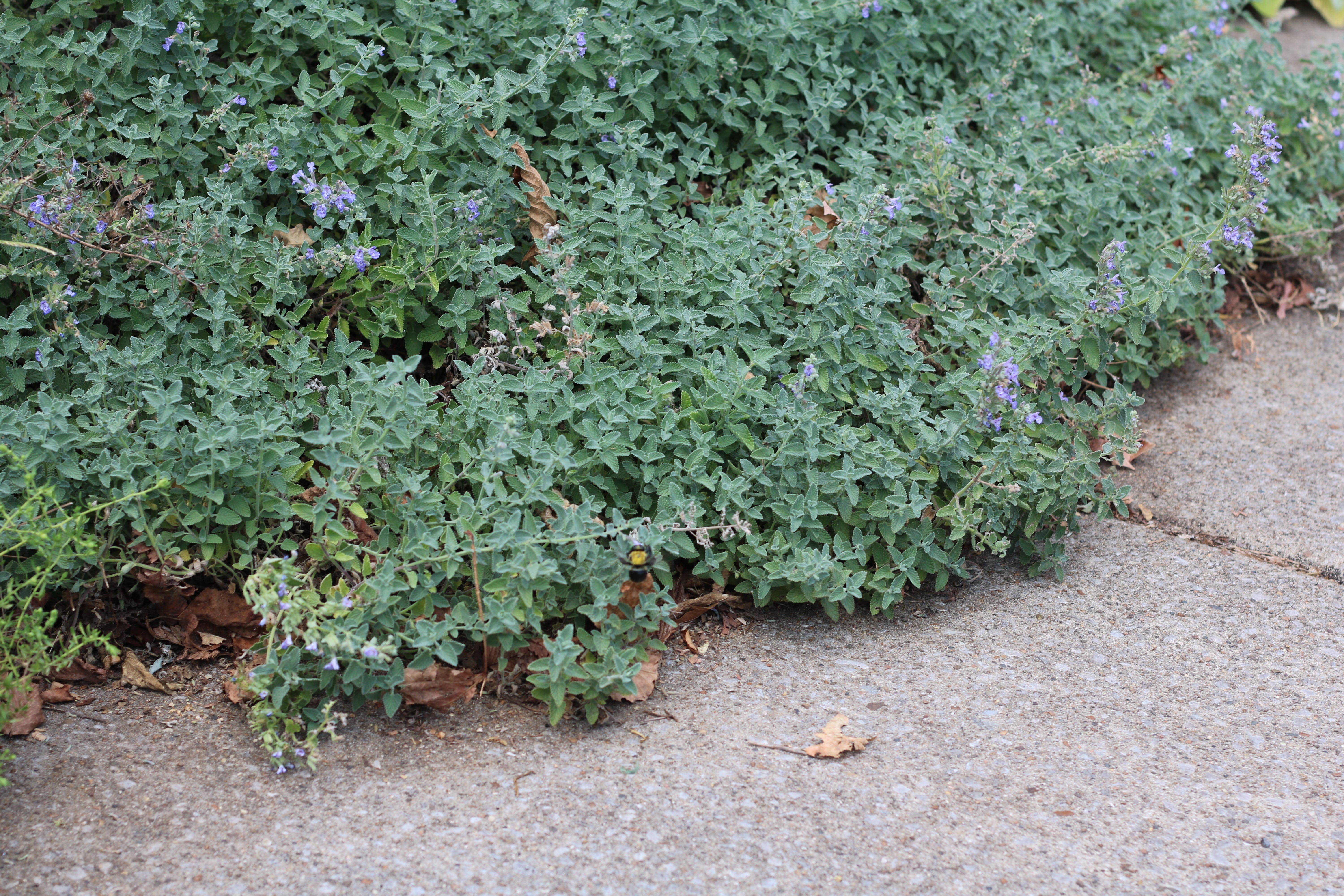
Sage, catmint, lamb’s ear, lavender… all part of the mint family, Lamiaceae. Catmint is common in these yards.
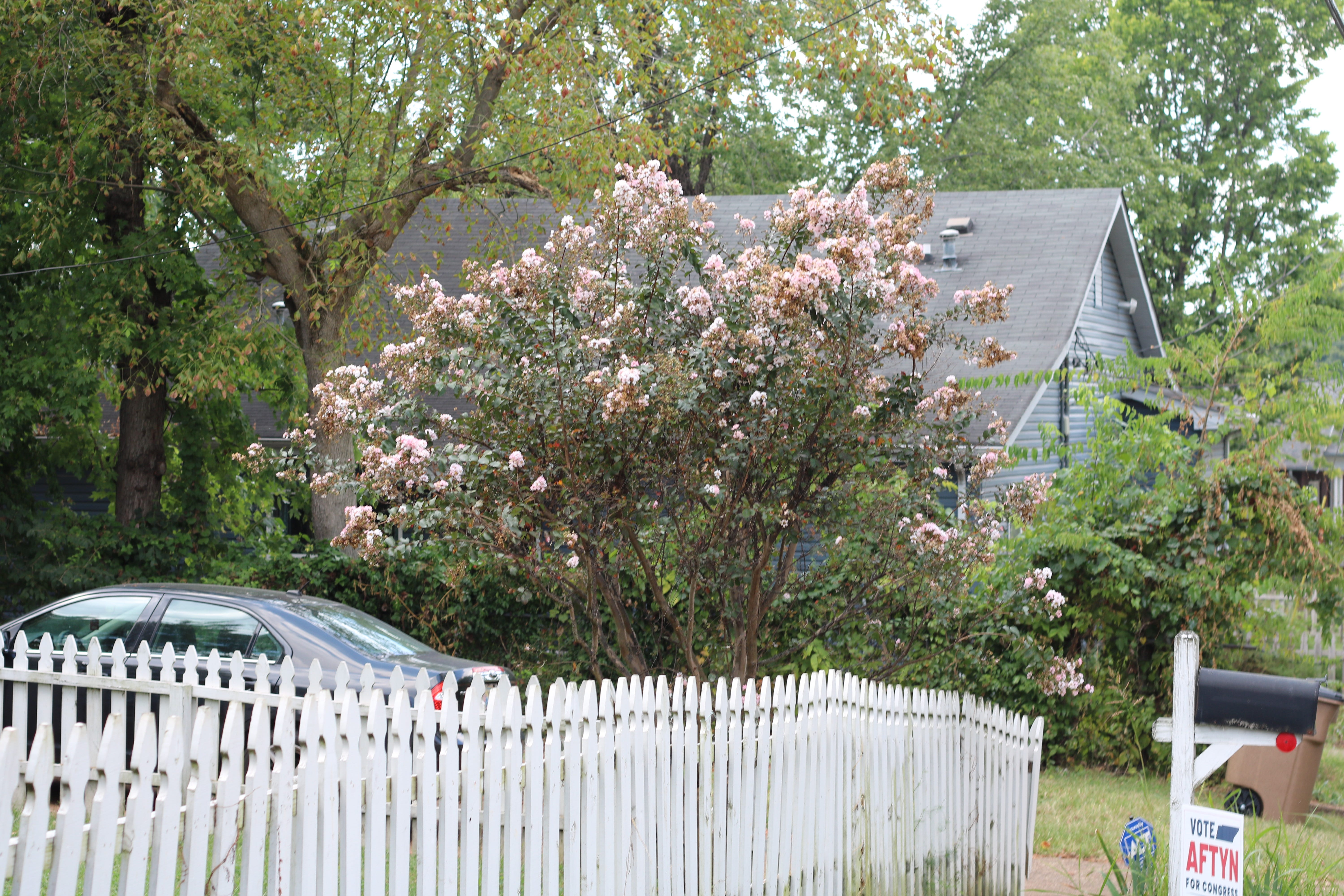
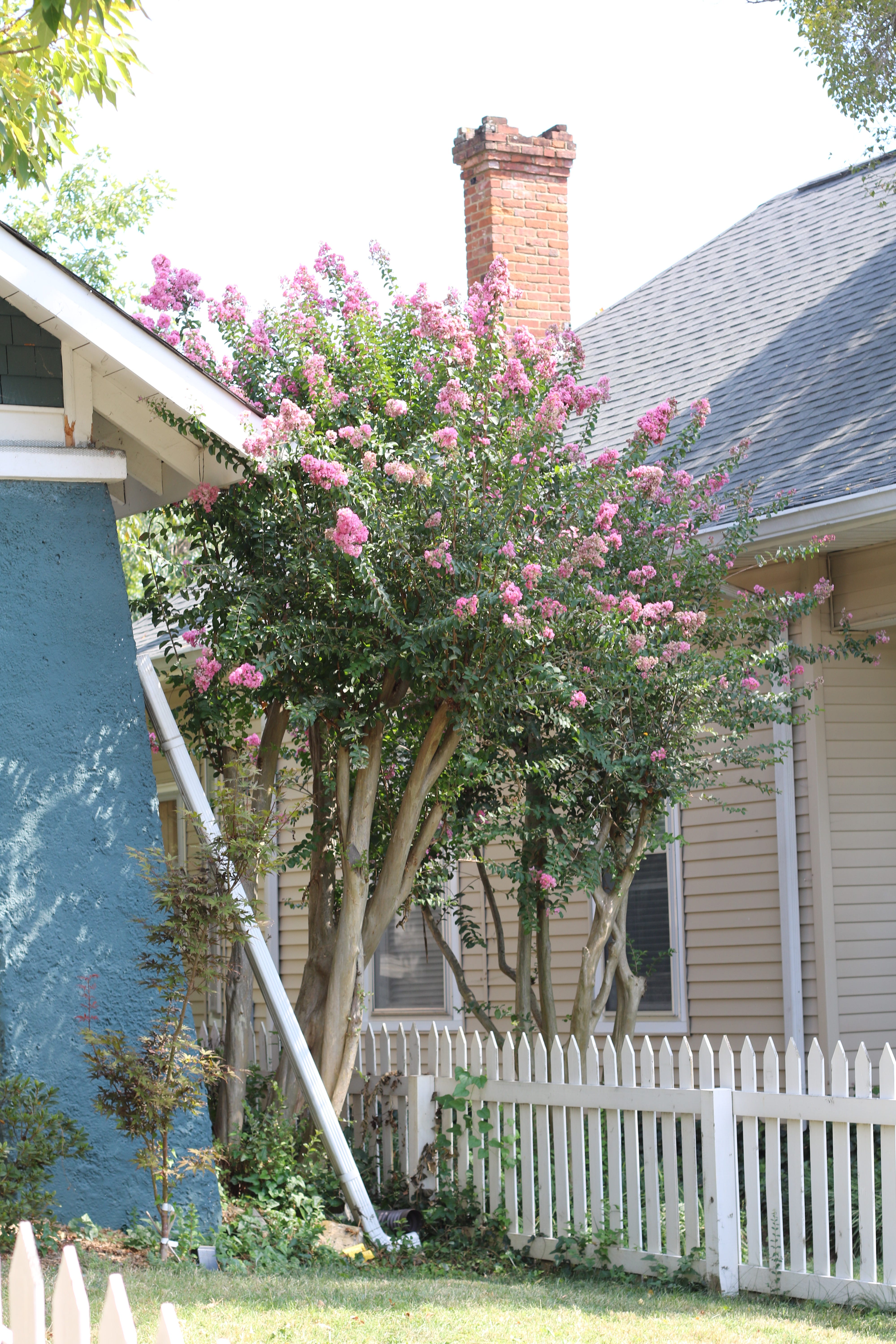
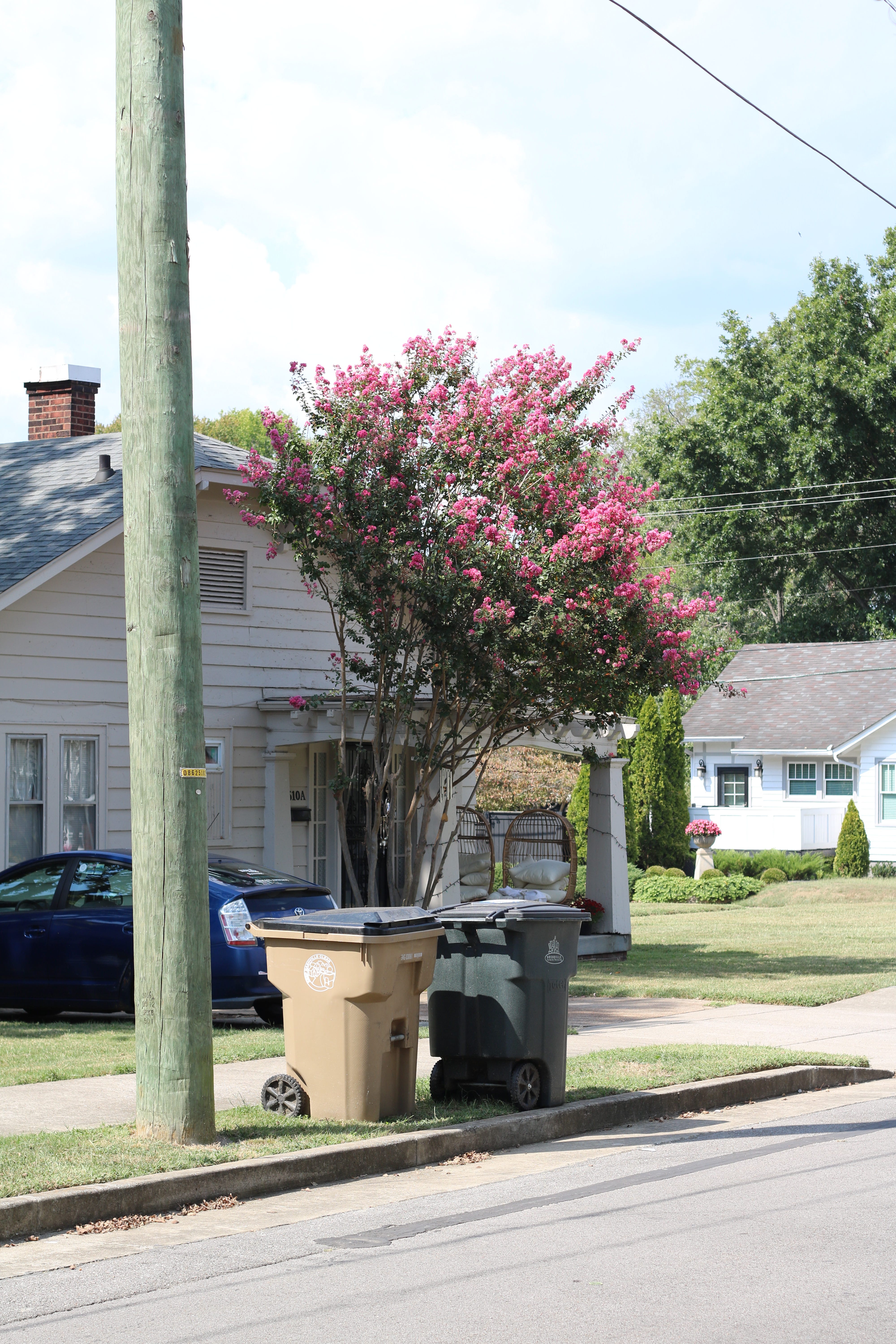
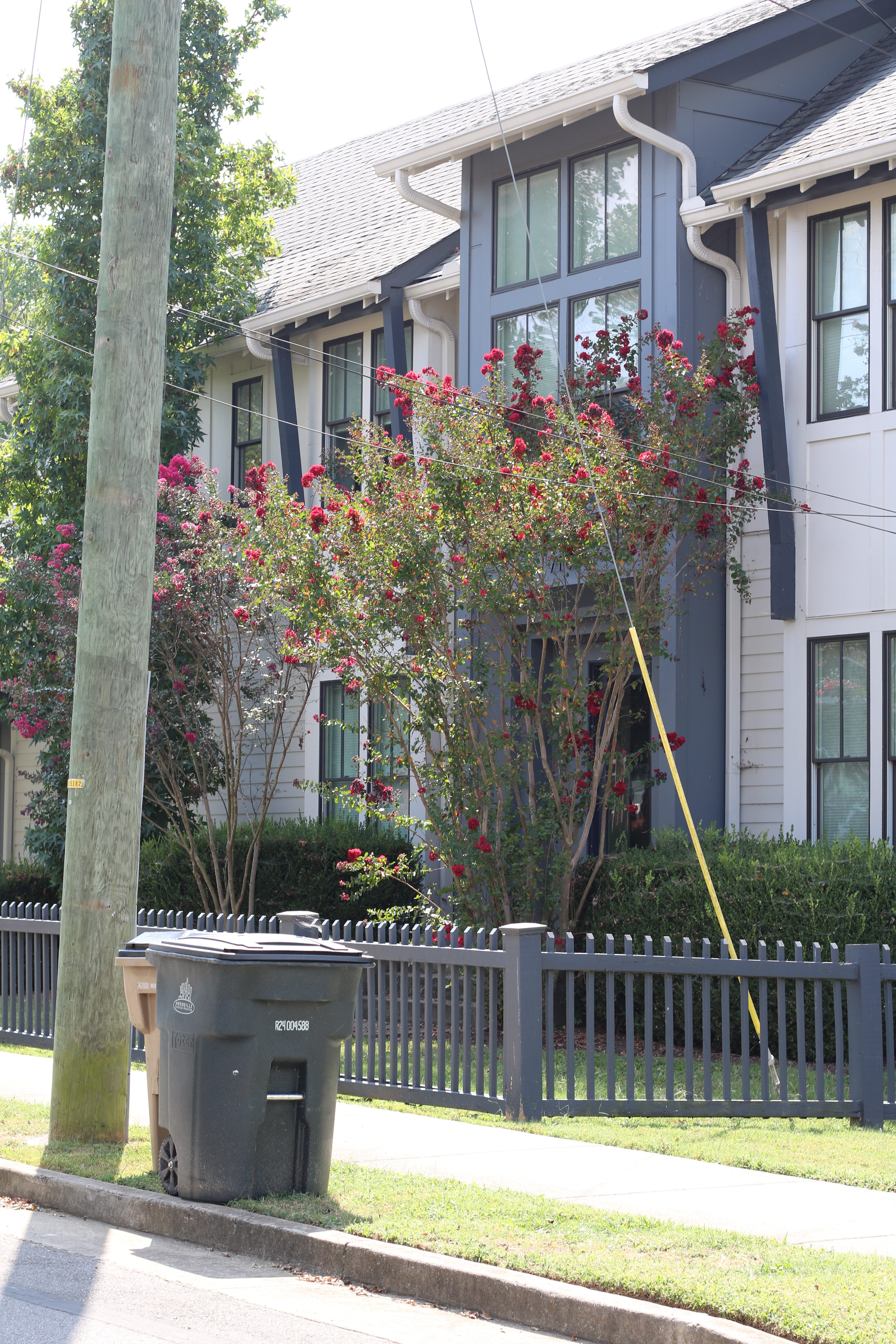
Crape myrtles are everywhere. They flower for an extremely long time, like many months. I didn’t know anything could flower for as long as these trees flower for. There’s a row of them outside of the strip mall in the neighborhood that has the climbing gym and Ugly Mugs. Unfortunately the are non-native, and do a native tree would be better here. They are fast-growing and easy to grow, have a long blooming season, and they clearly do well here. I read an article that said they should be used more in gardening in the area, for these reasons, but really I think we should be using local trees. Maybe Dogwoods instead? Dogwoods are like our native Japanese cherry blossom trees. Dogwood > Crape myrtle.
I wonder what the most similar suitable native alternative tree would be, to a Crape myrtle. They are a cool tree, I like them.
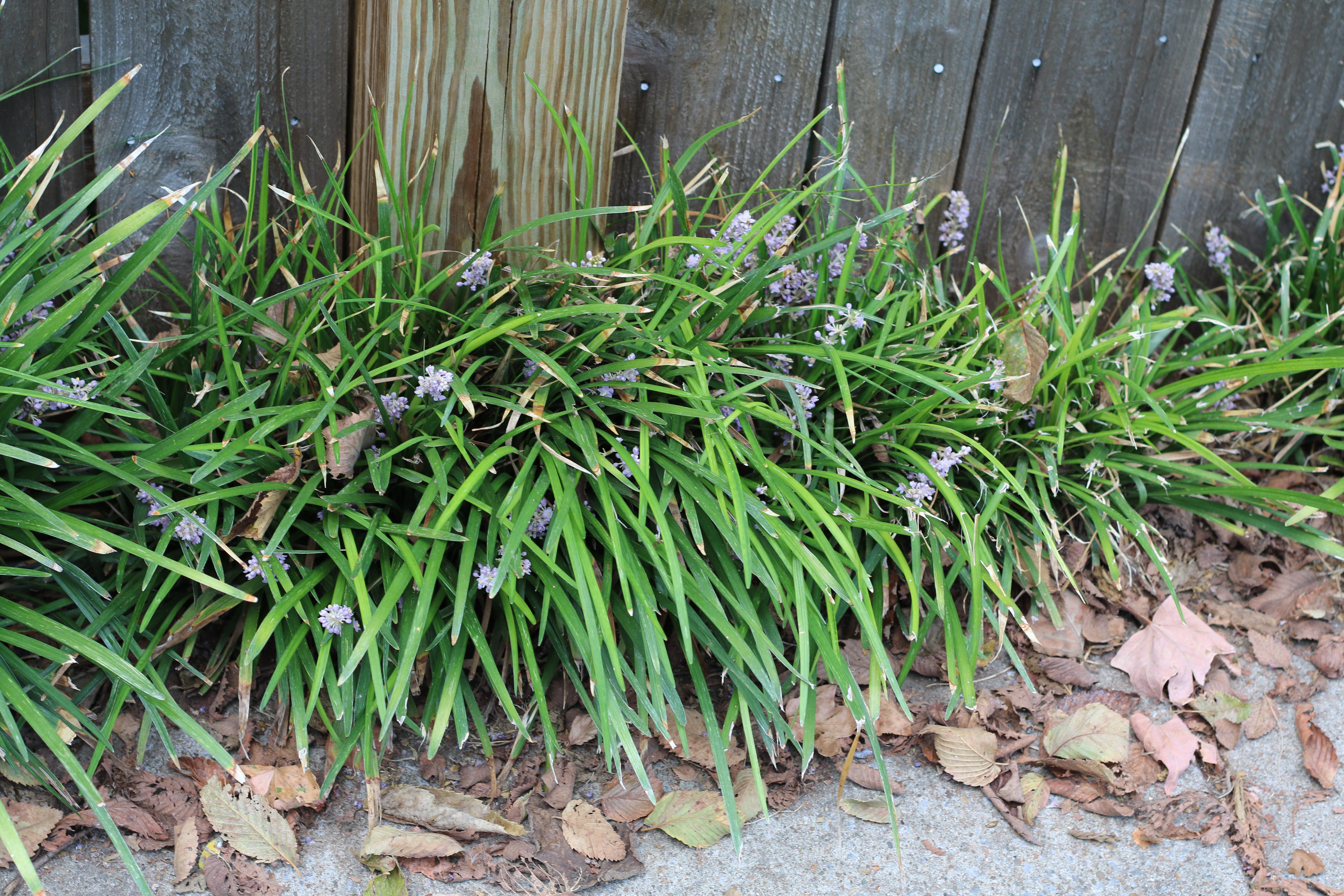
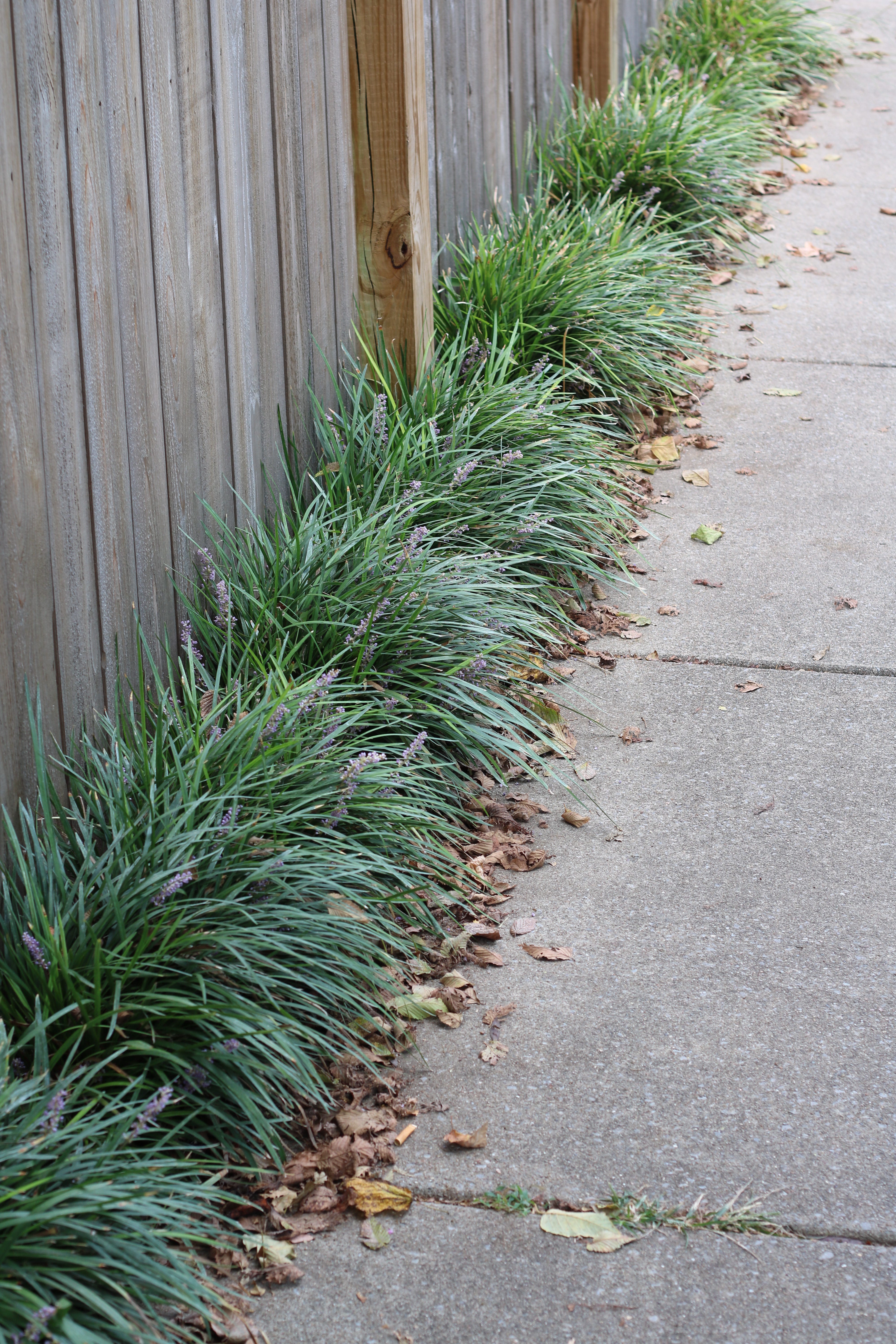
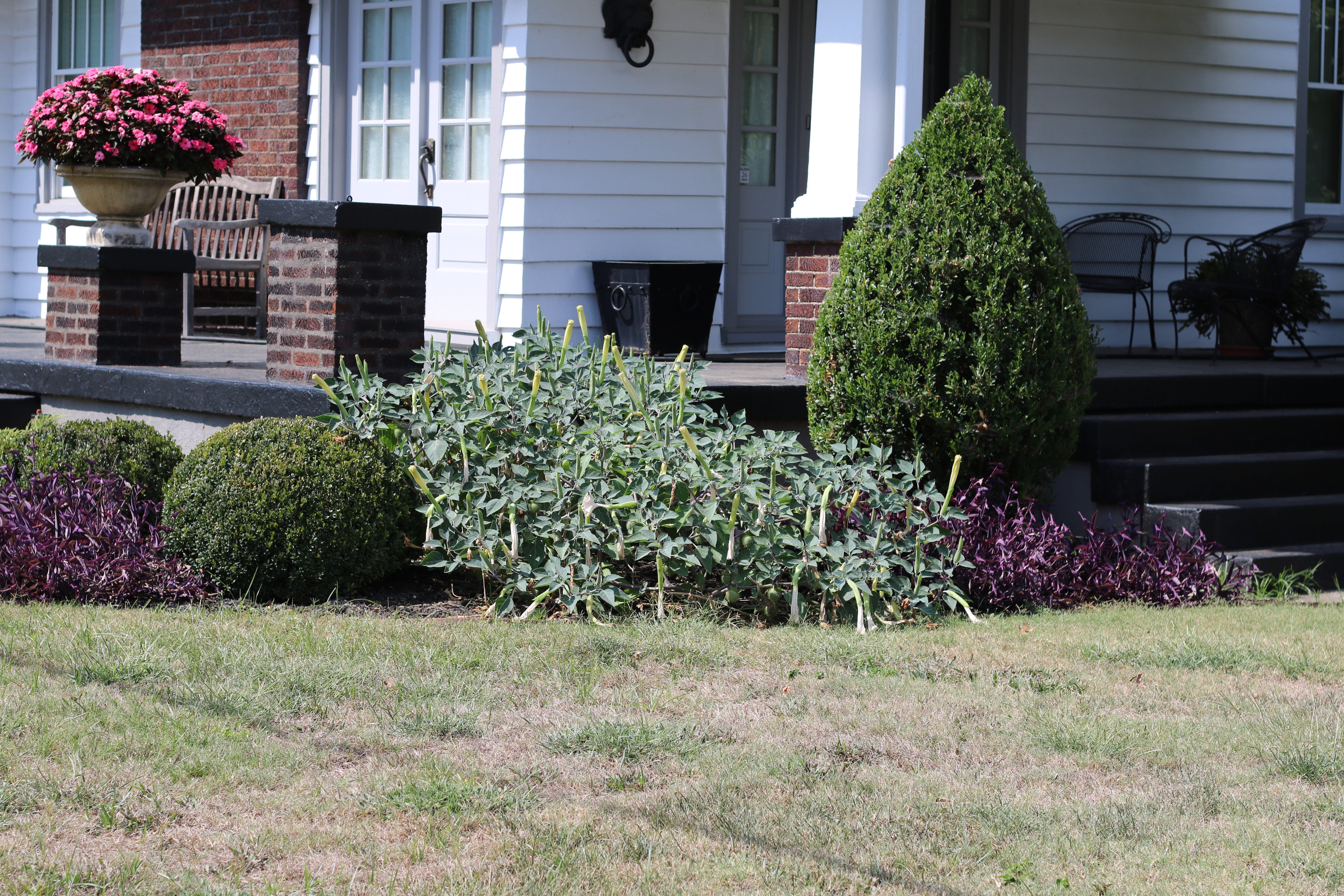
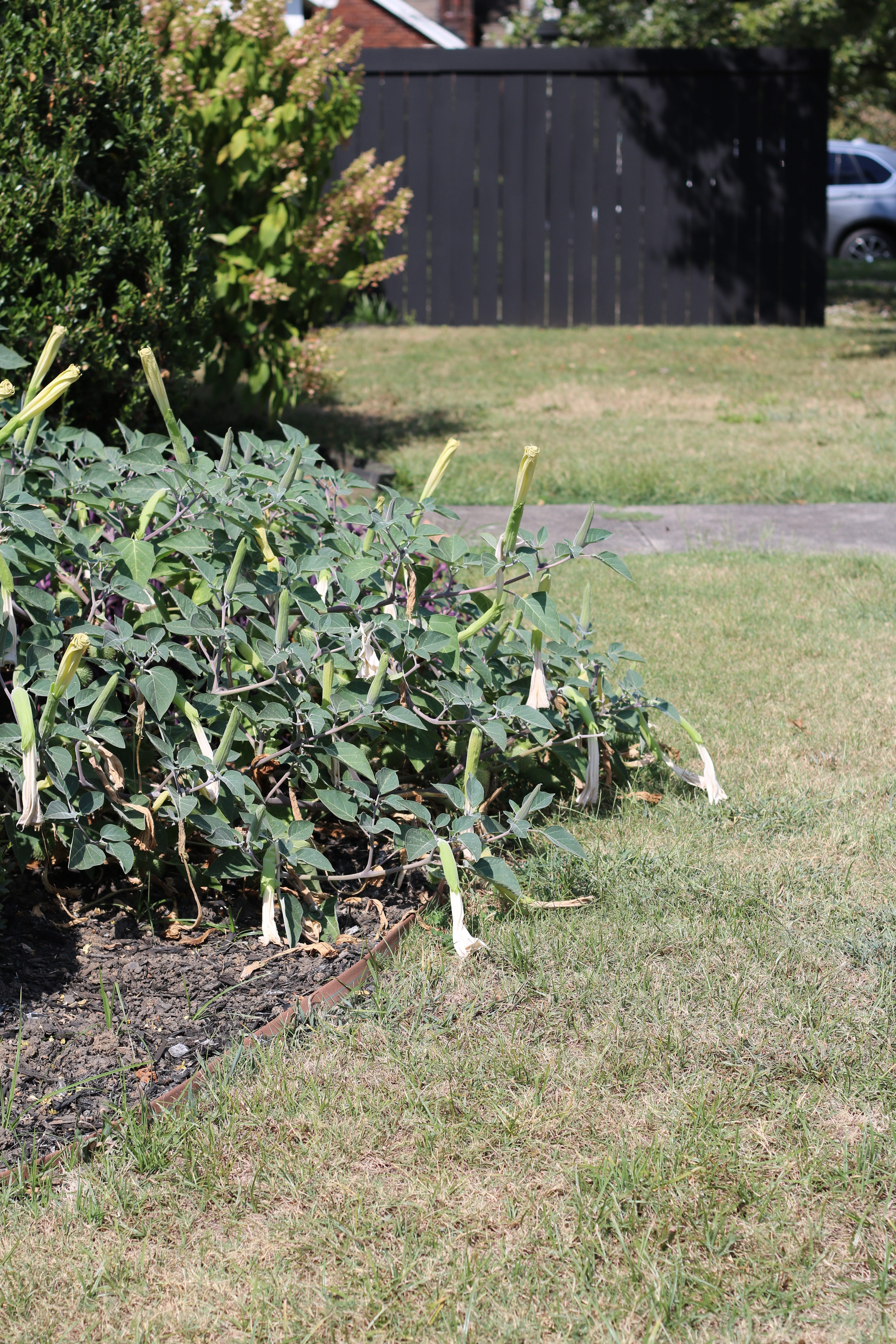
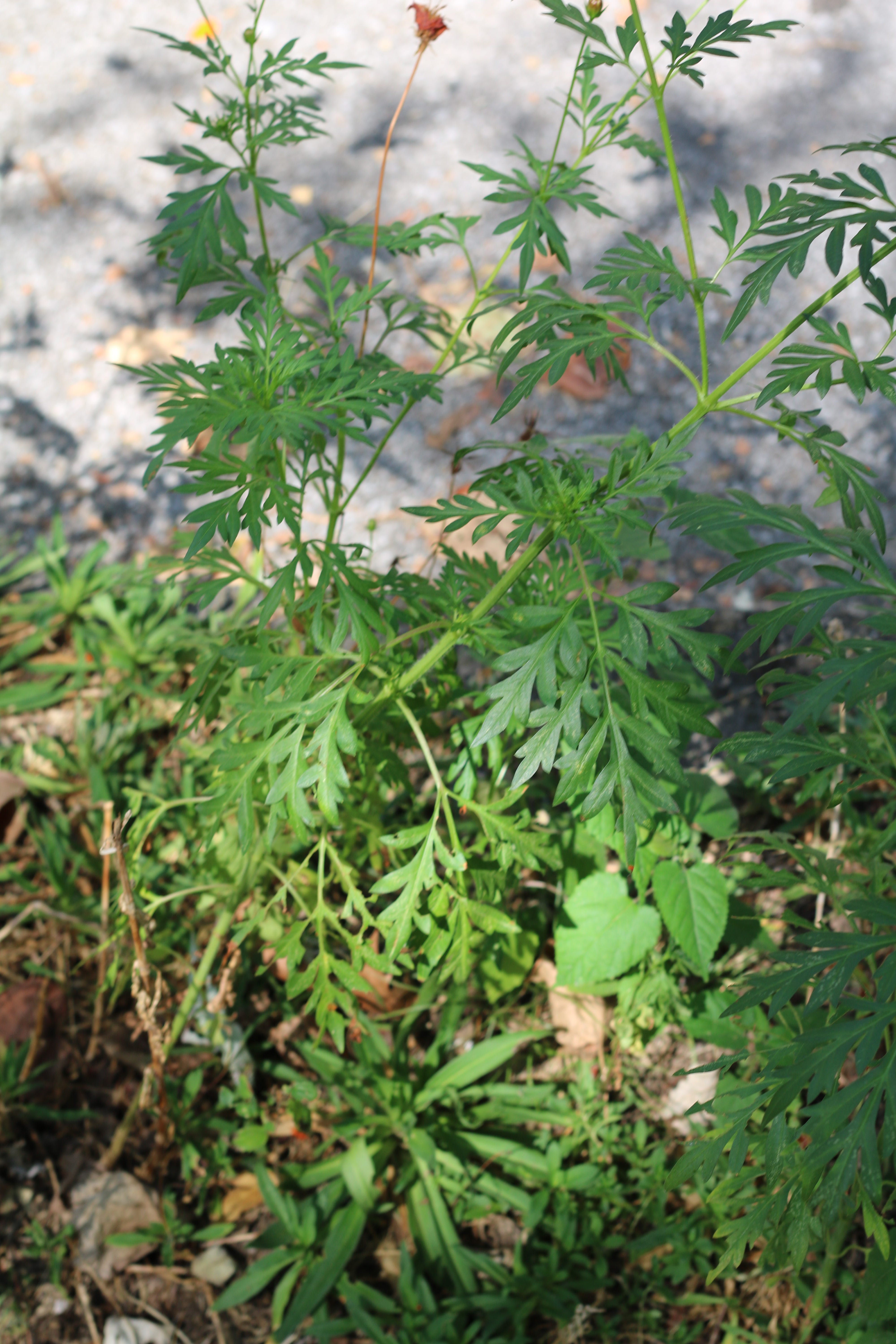
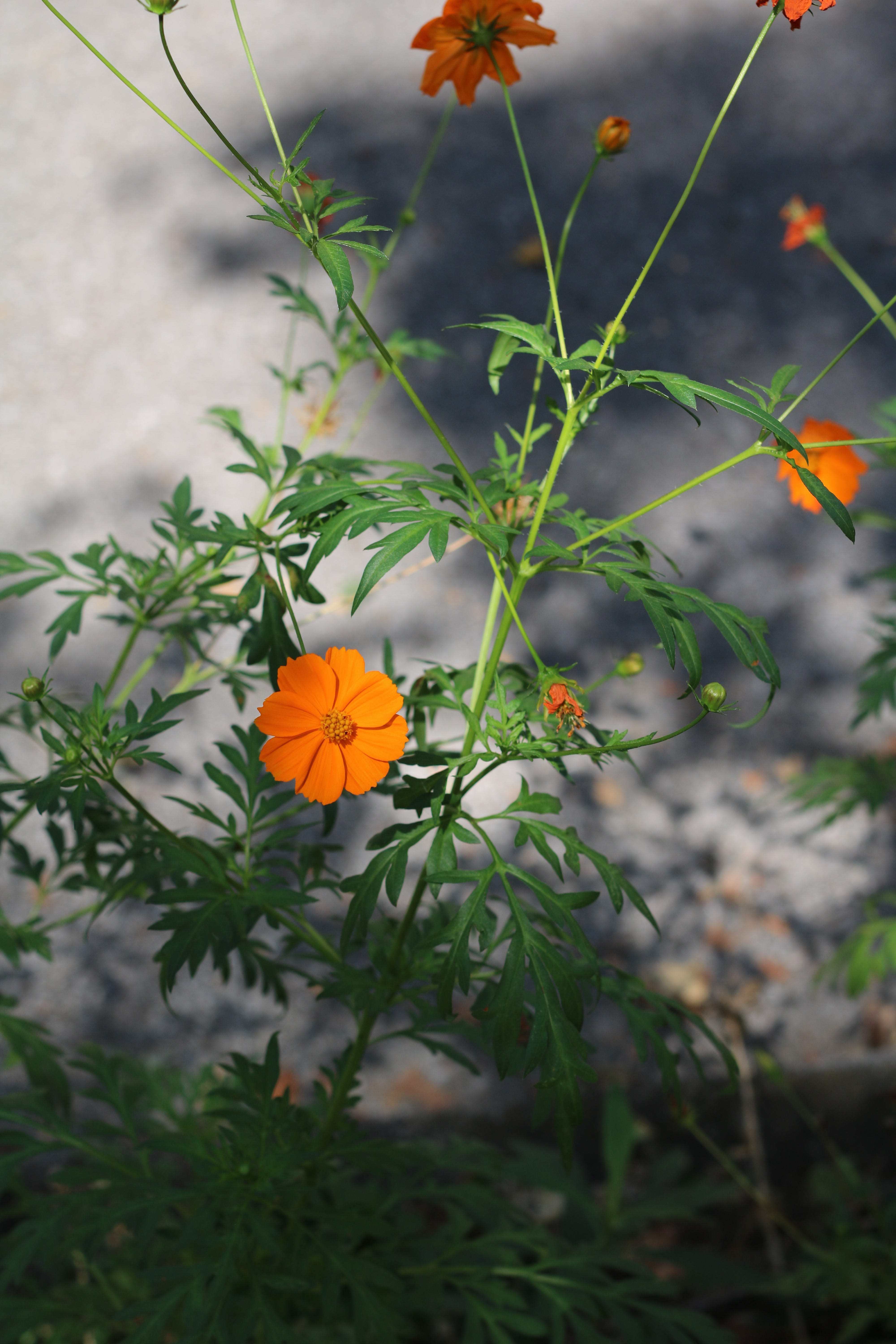
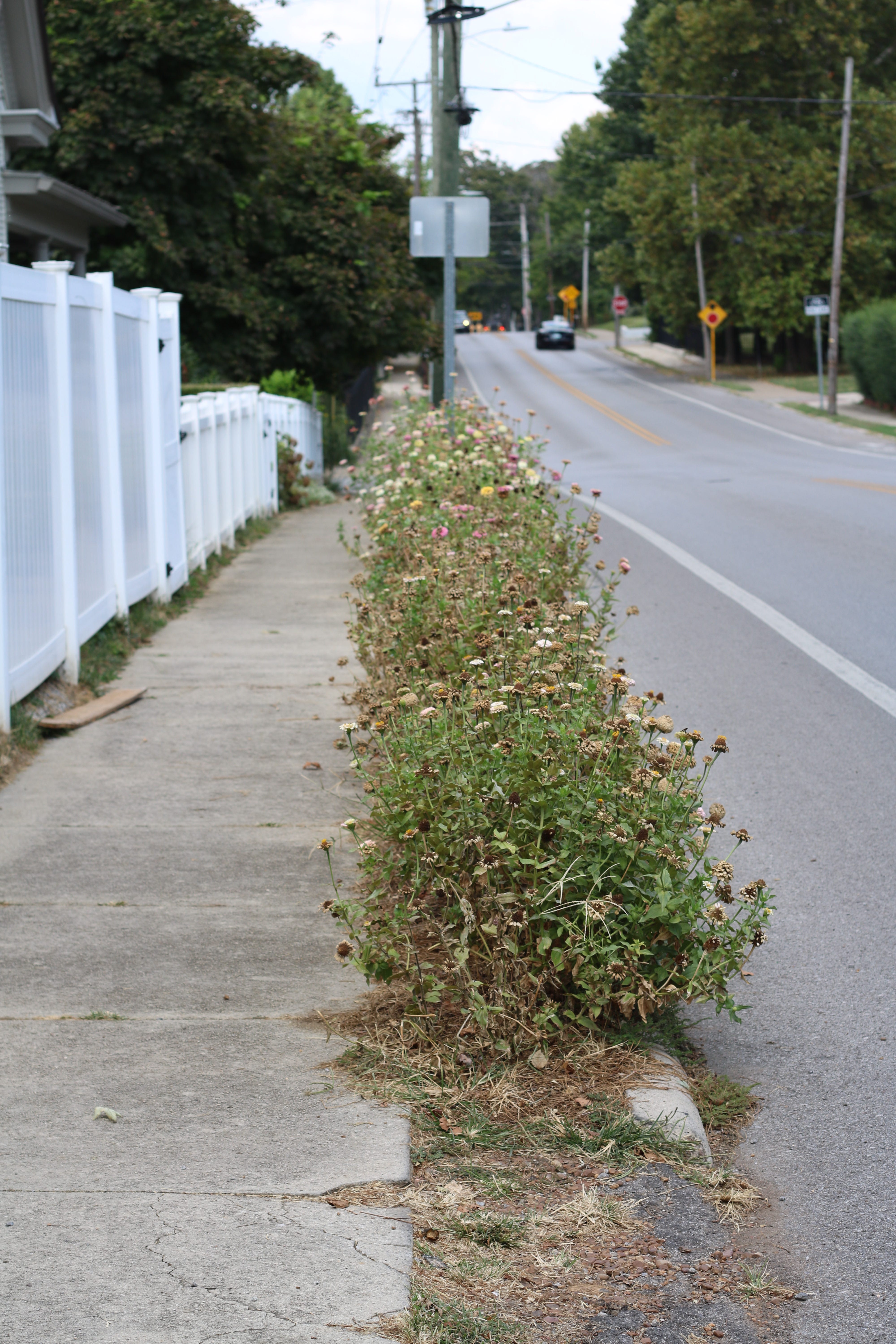
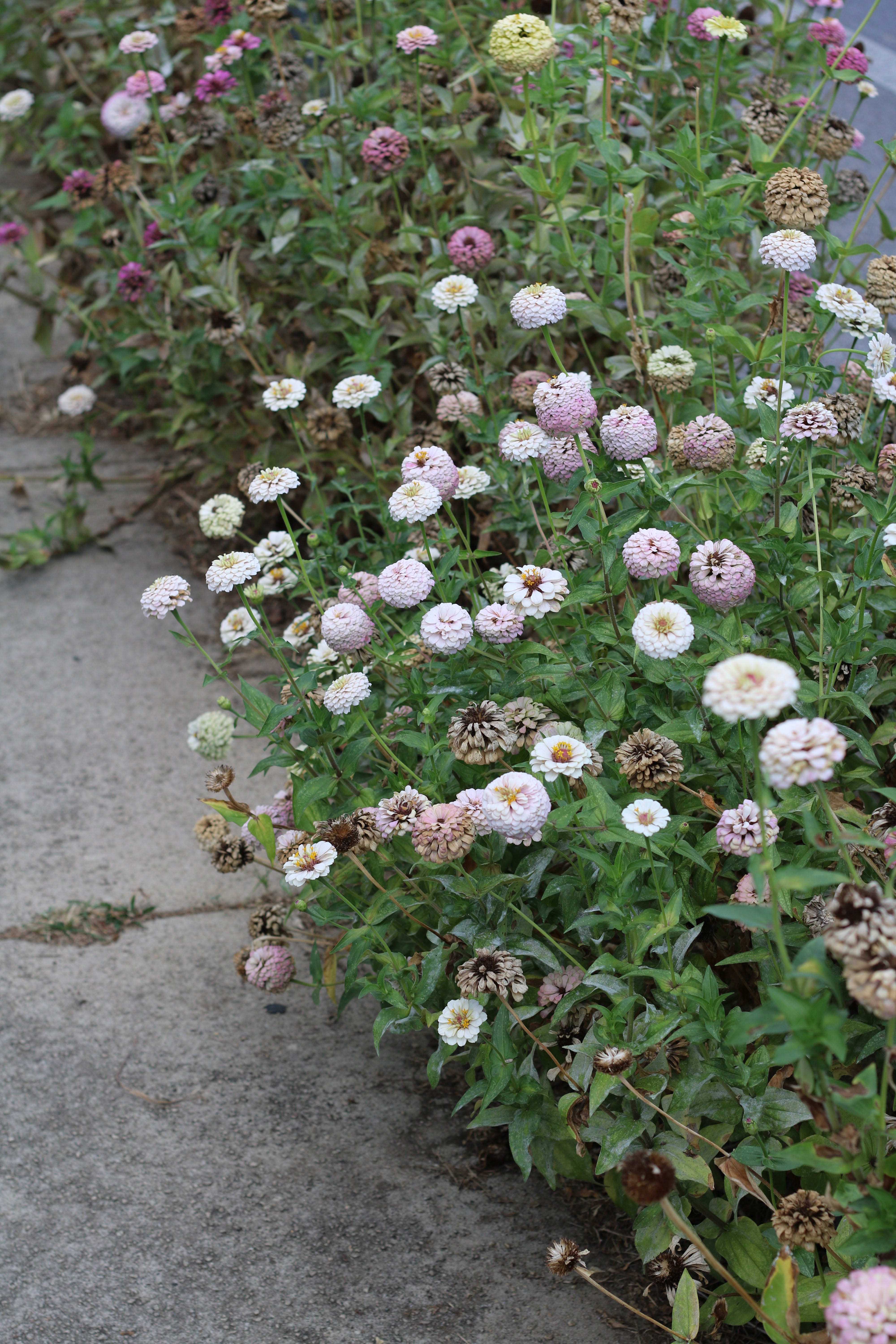
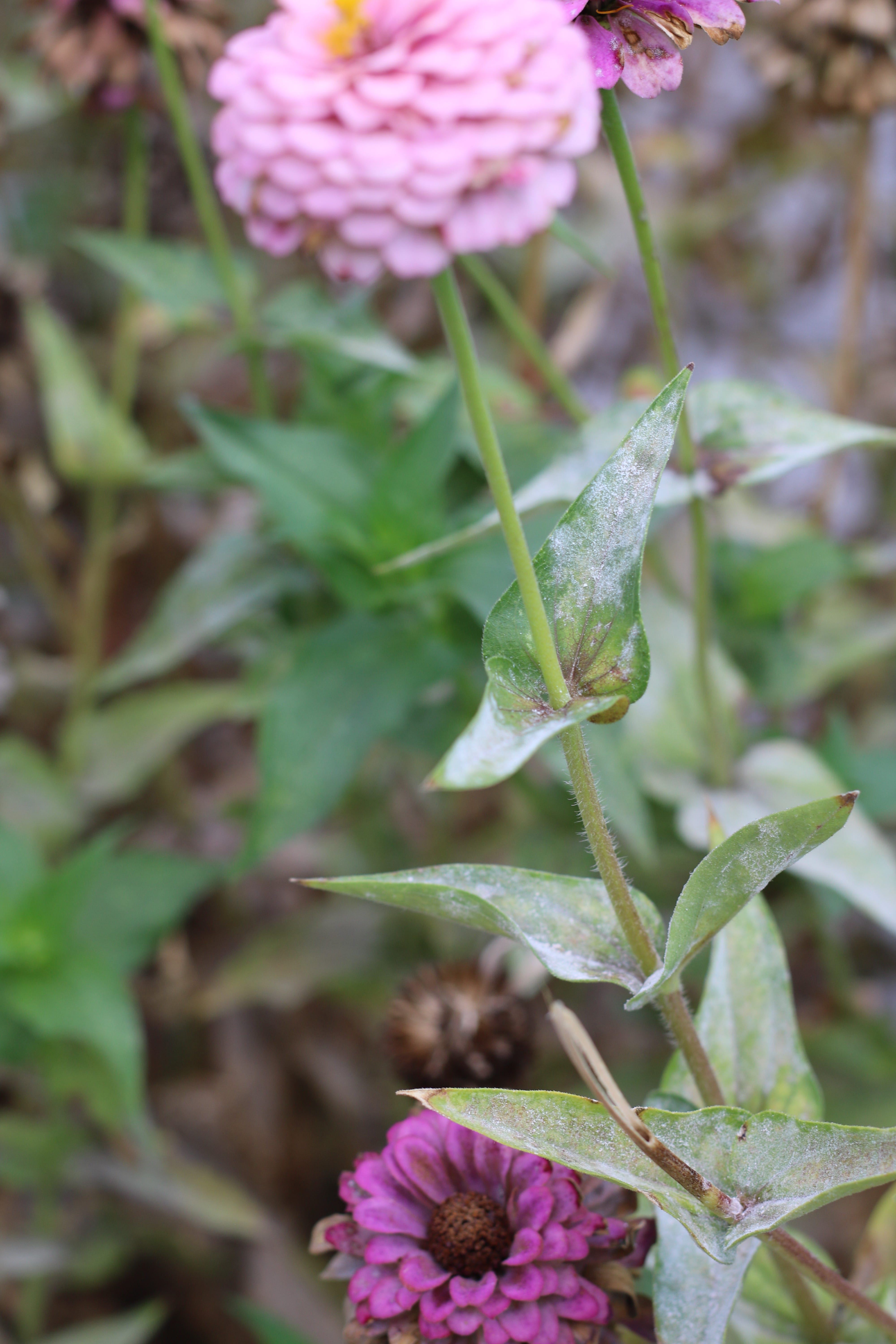
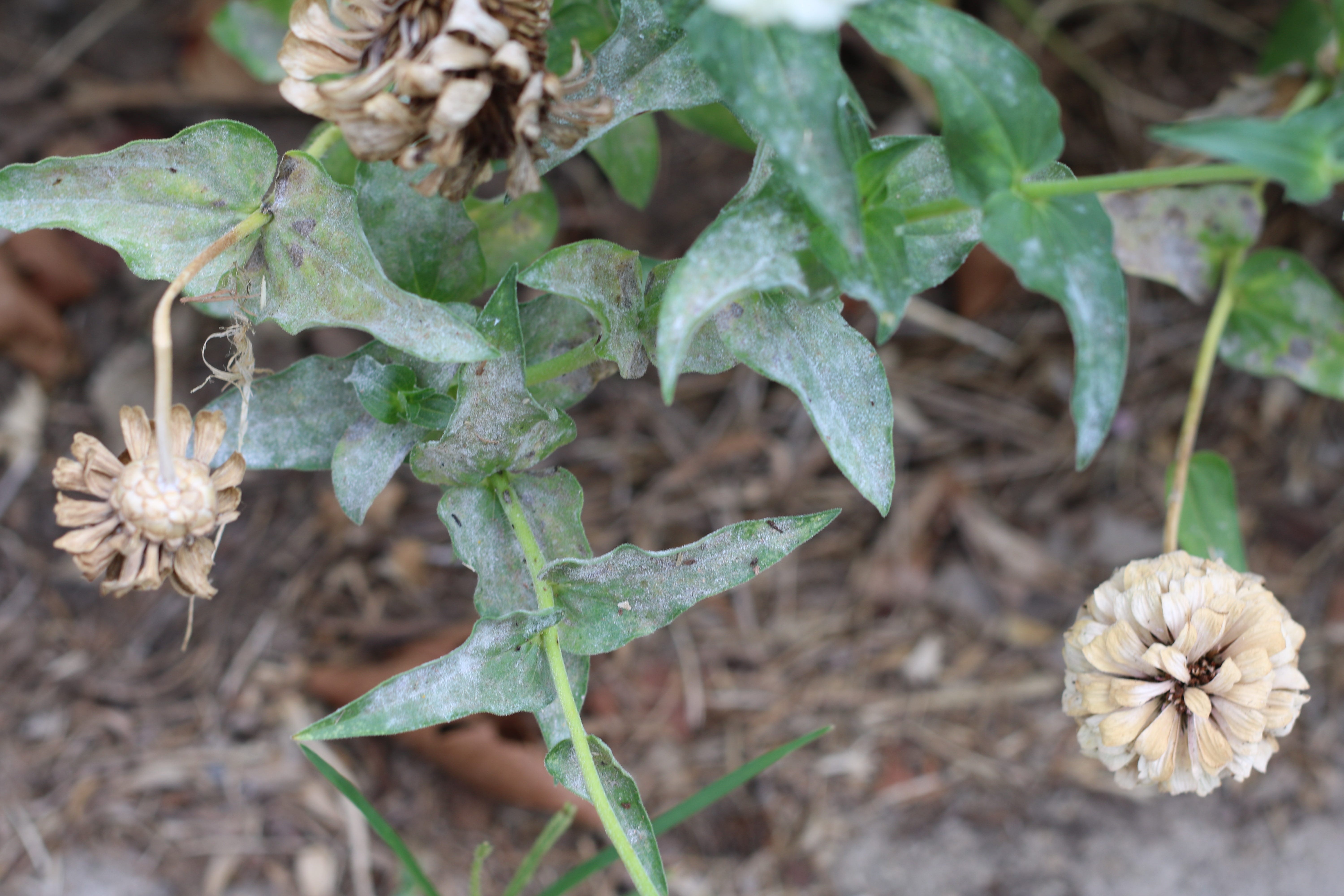
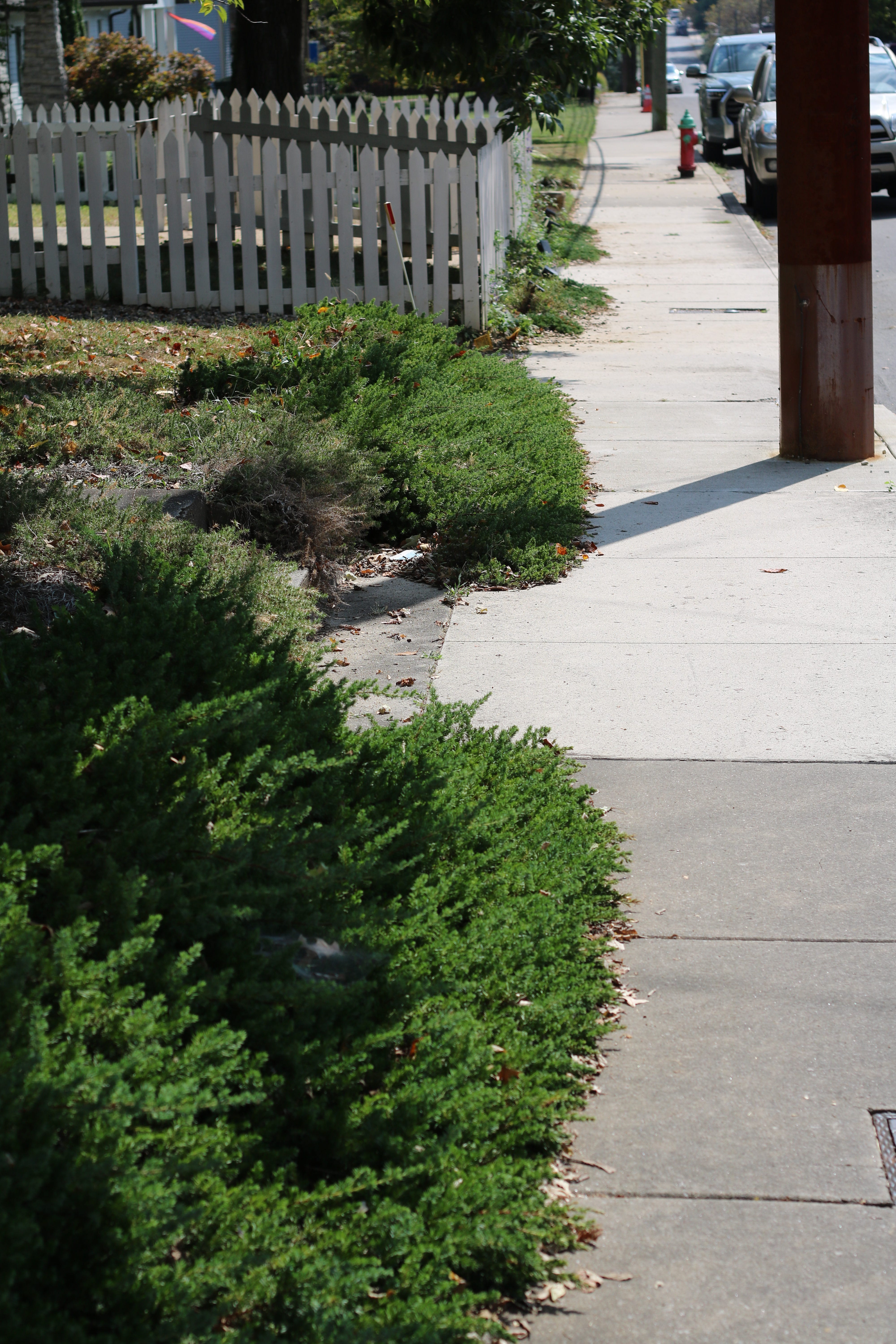
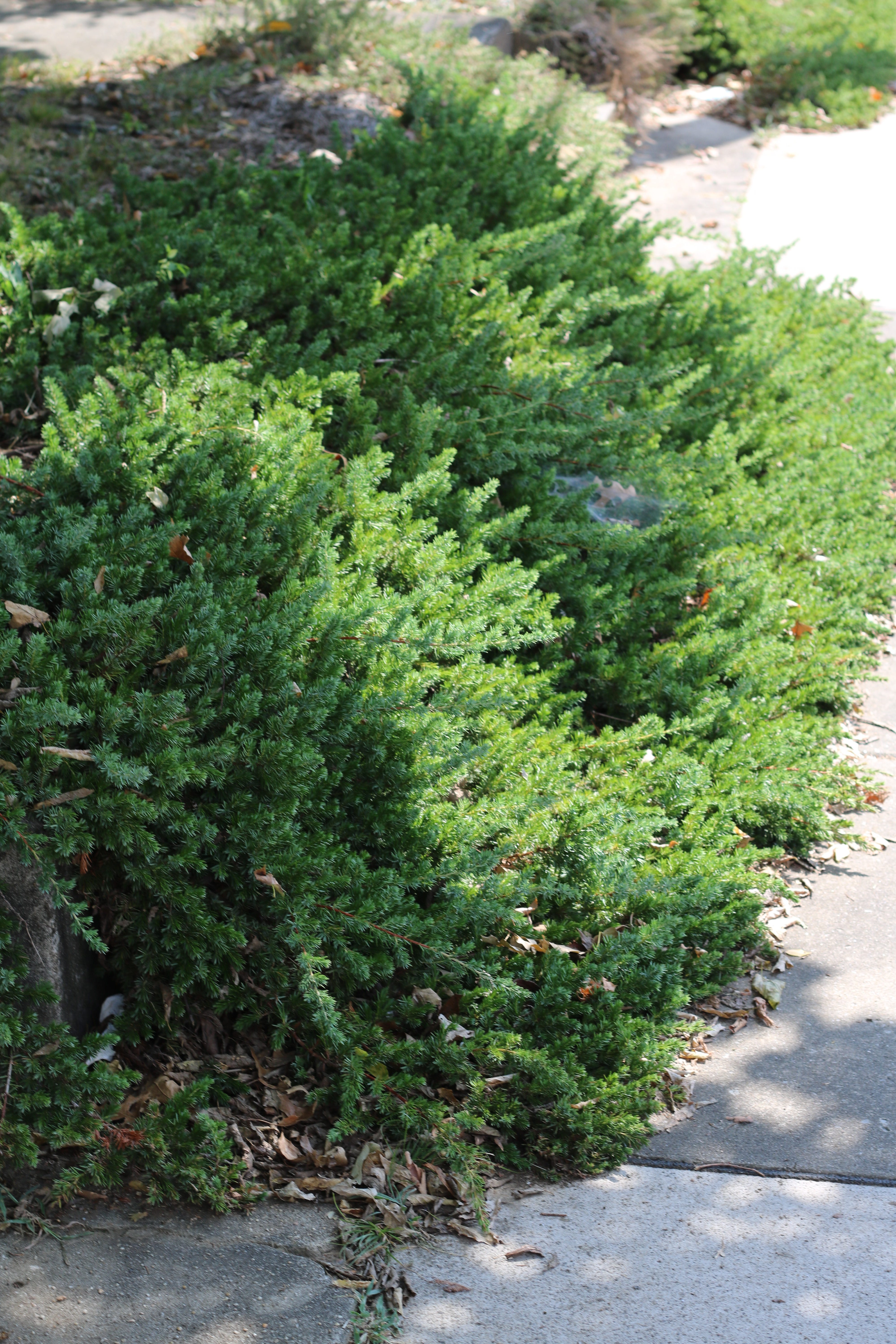
Apparently endemic to southern Australia. It’s come a long way.
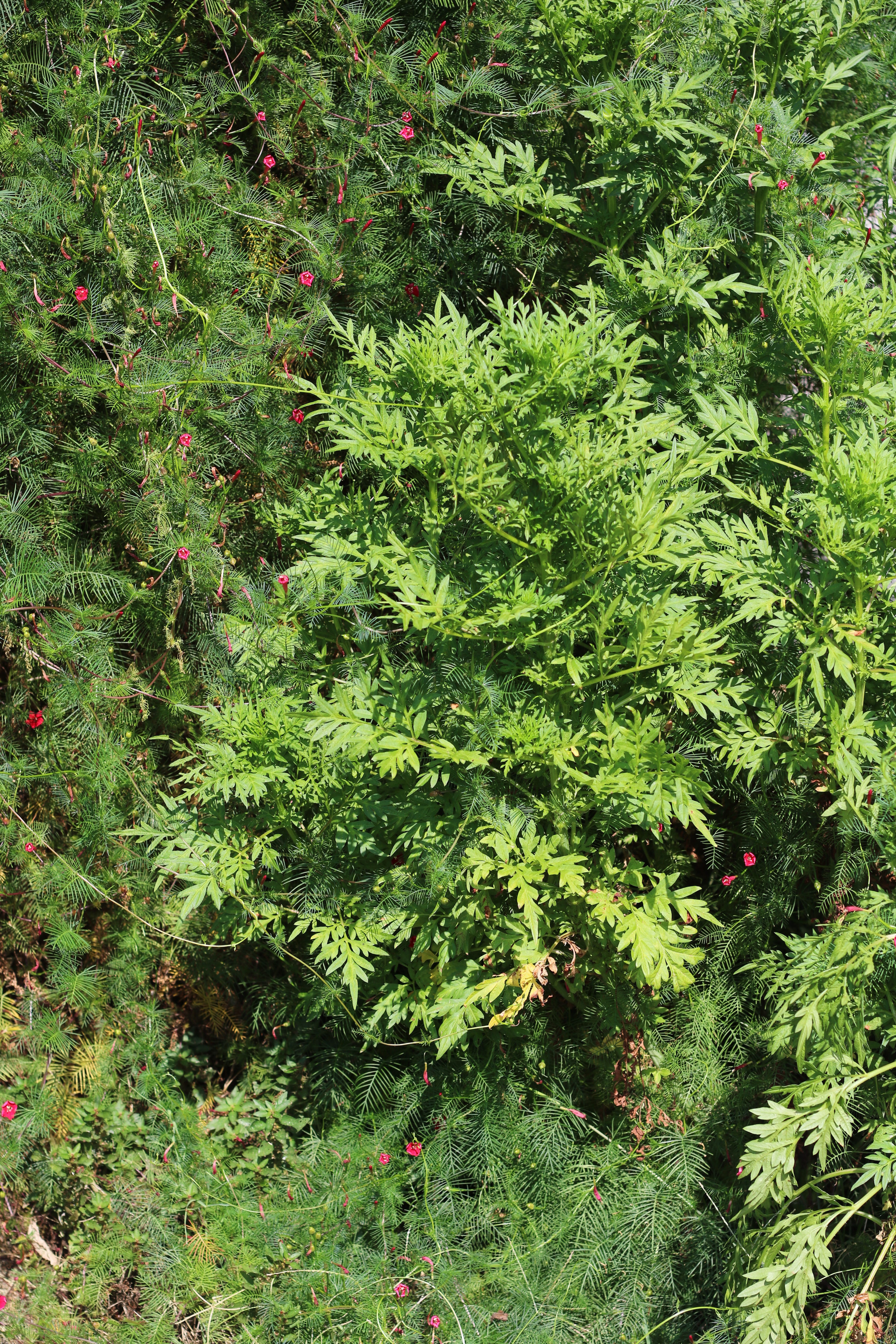
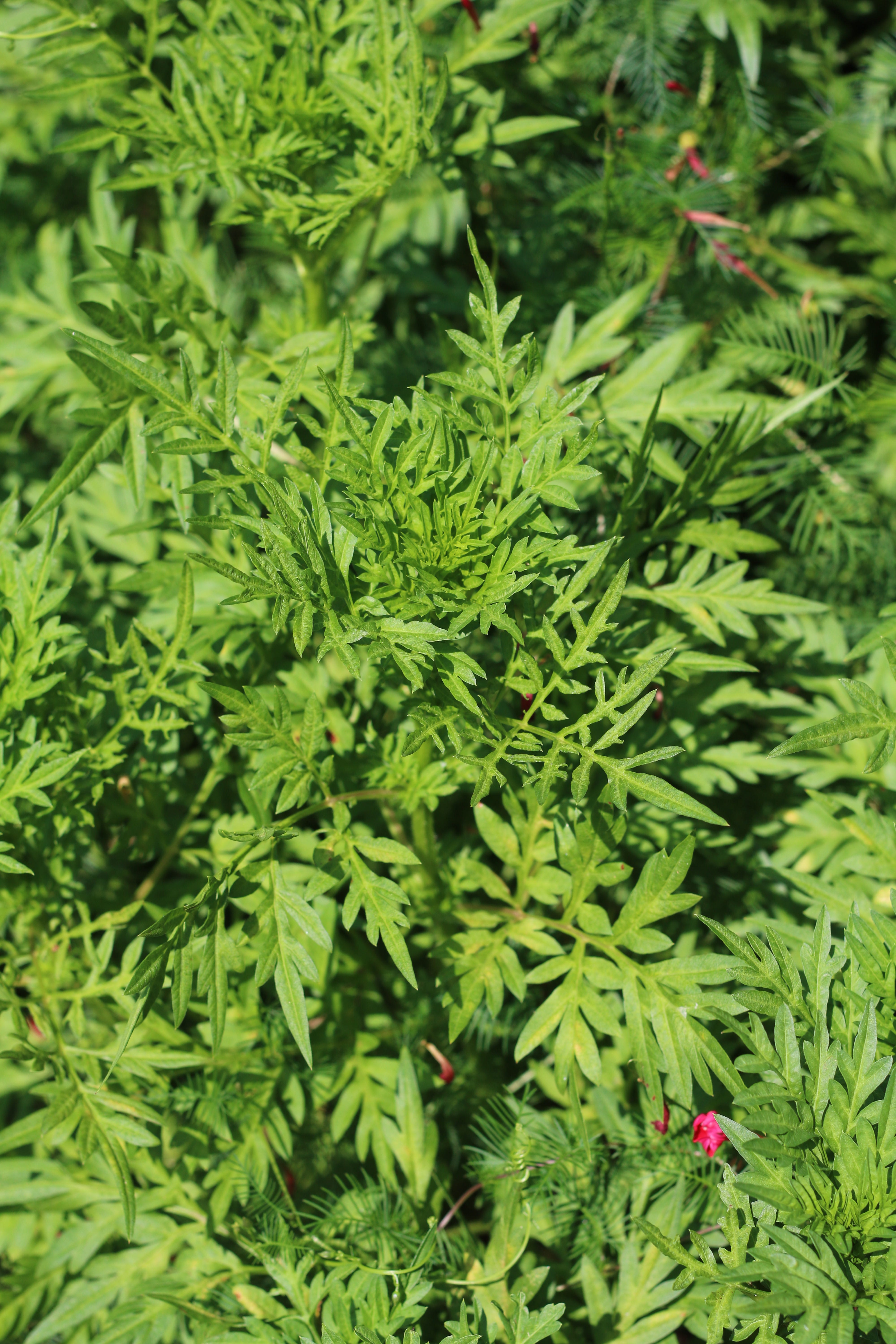
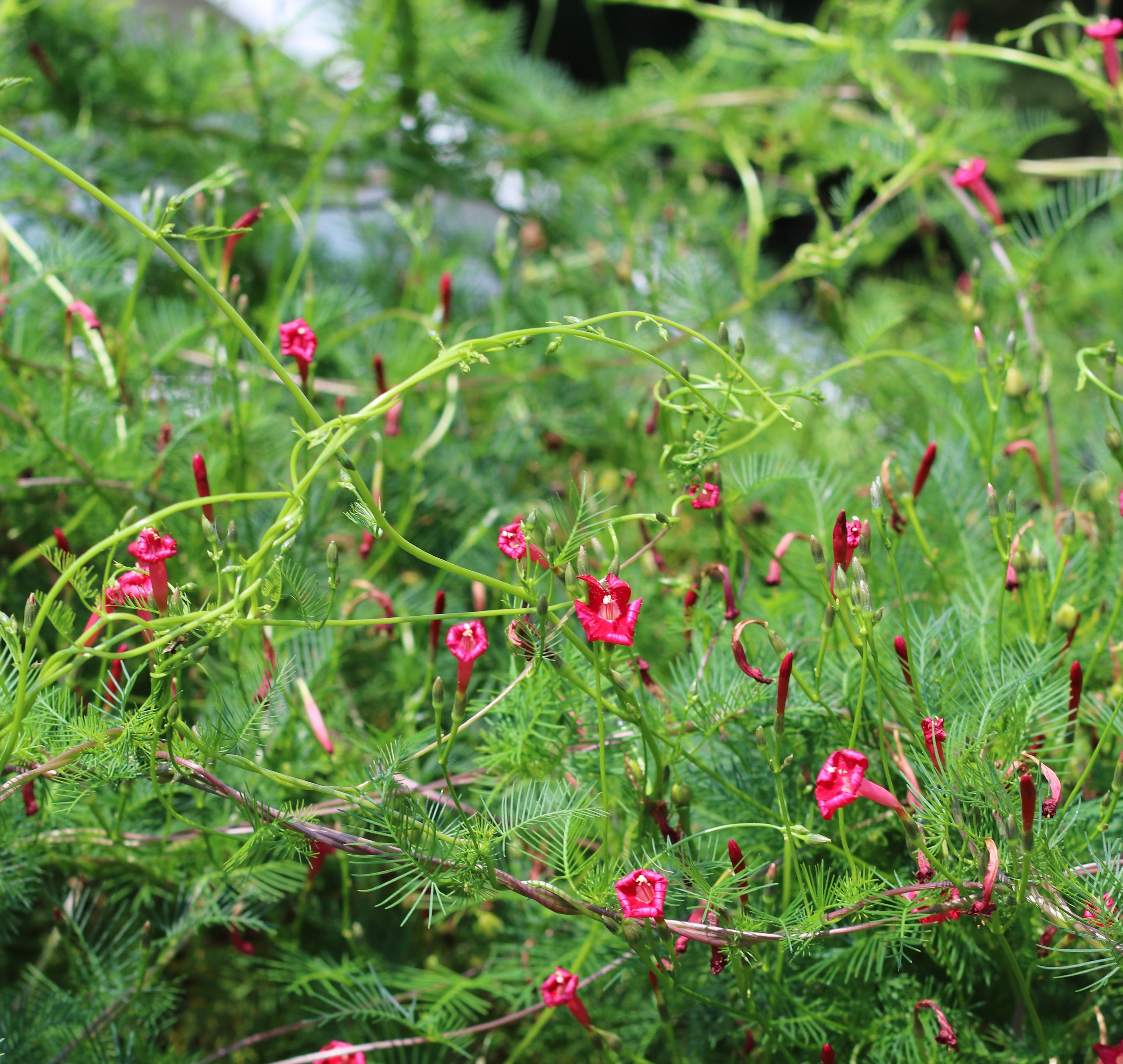
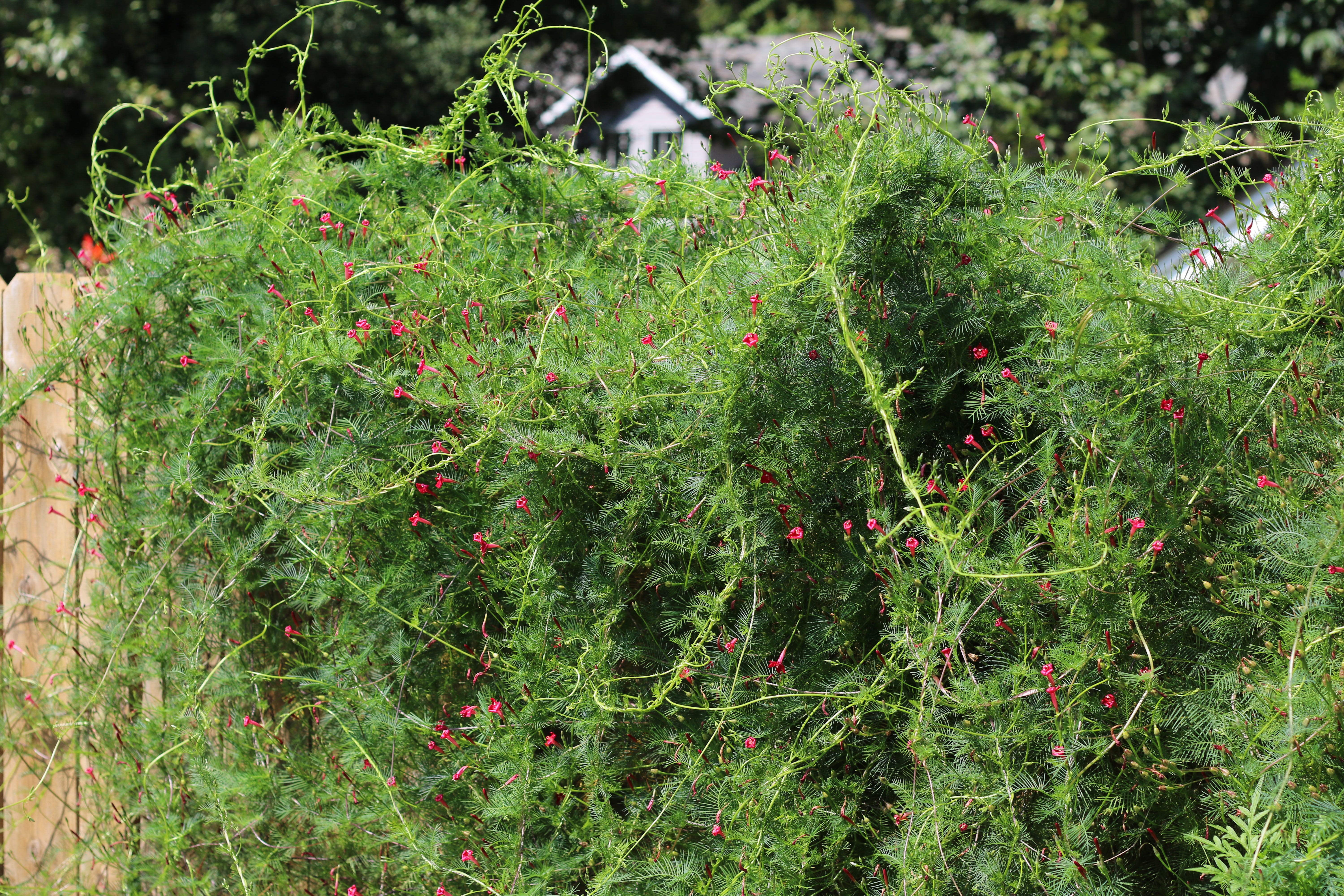
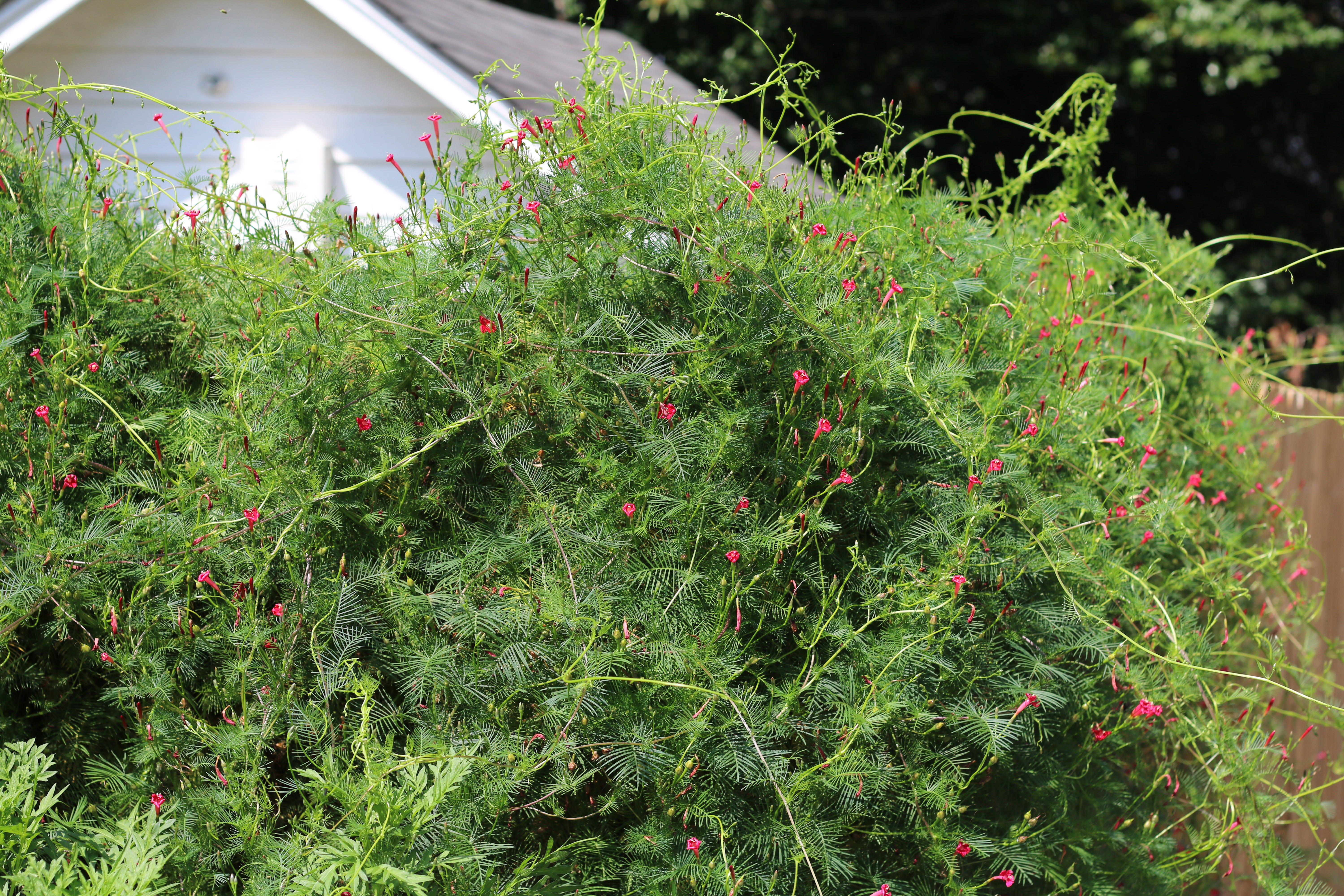
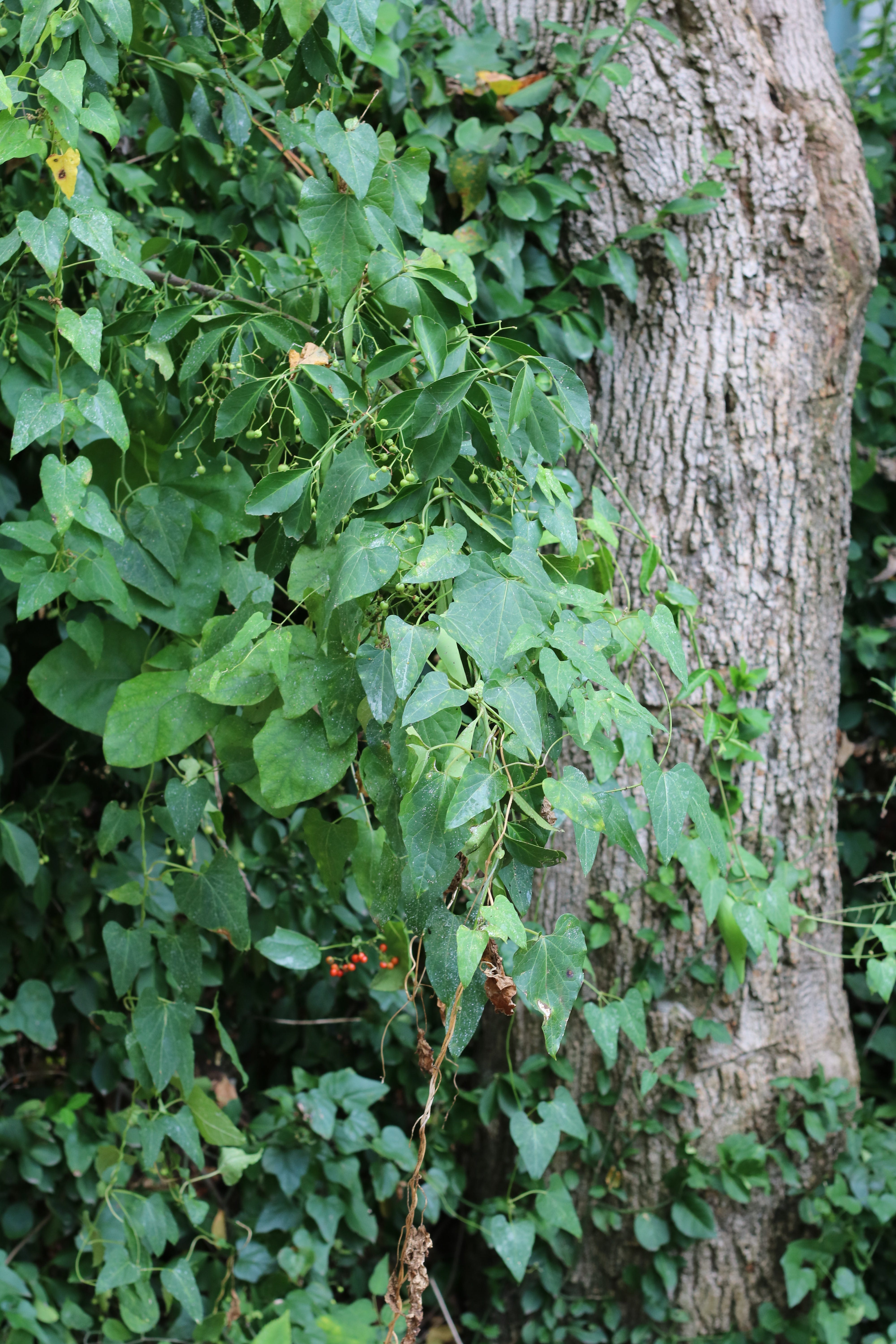
This cypress vine is everywhere. One of the most sighted plants in the neighborhood, growing on fences and around telephone posts. It is from the tropical Americas and seems to be thriving here. Unfortunately, non-native, and so really shouldn’t be here, but at least the pollinators do love it.
The main issue with non-native species is that local animals often don’t know how to utilize them. They don’t eat the berries, they don’t lay eggs on the leaves and feed on the plants, birds don’t make nests in them, etc. And they will often replace the native plants that say, birds and insects do know how to use. In Shelby Park (and in forests in TN in general) there is a problem with the Chinese privet and Bush honeysuckle completely taking over the understory, and jamming up all the ground cover. TN forests are generally supposed to have clear understory. And this is a problem for a certain forest turtle (the Eastern Box Turtle) that has evolved to wander these clear forests.
You also have the issue of the monarchs, who are specialists and need milkweed plants to lay their eggs on and feed on. There are many insects that are looking for certain plants, and have the chemical signature of these plants dialed in, to use them for food and shelter. Those are the plants that they have evolved with, and know how to utilize.
 HAKUMUSU
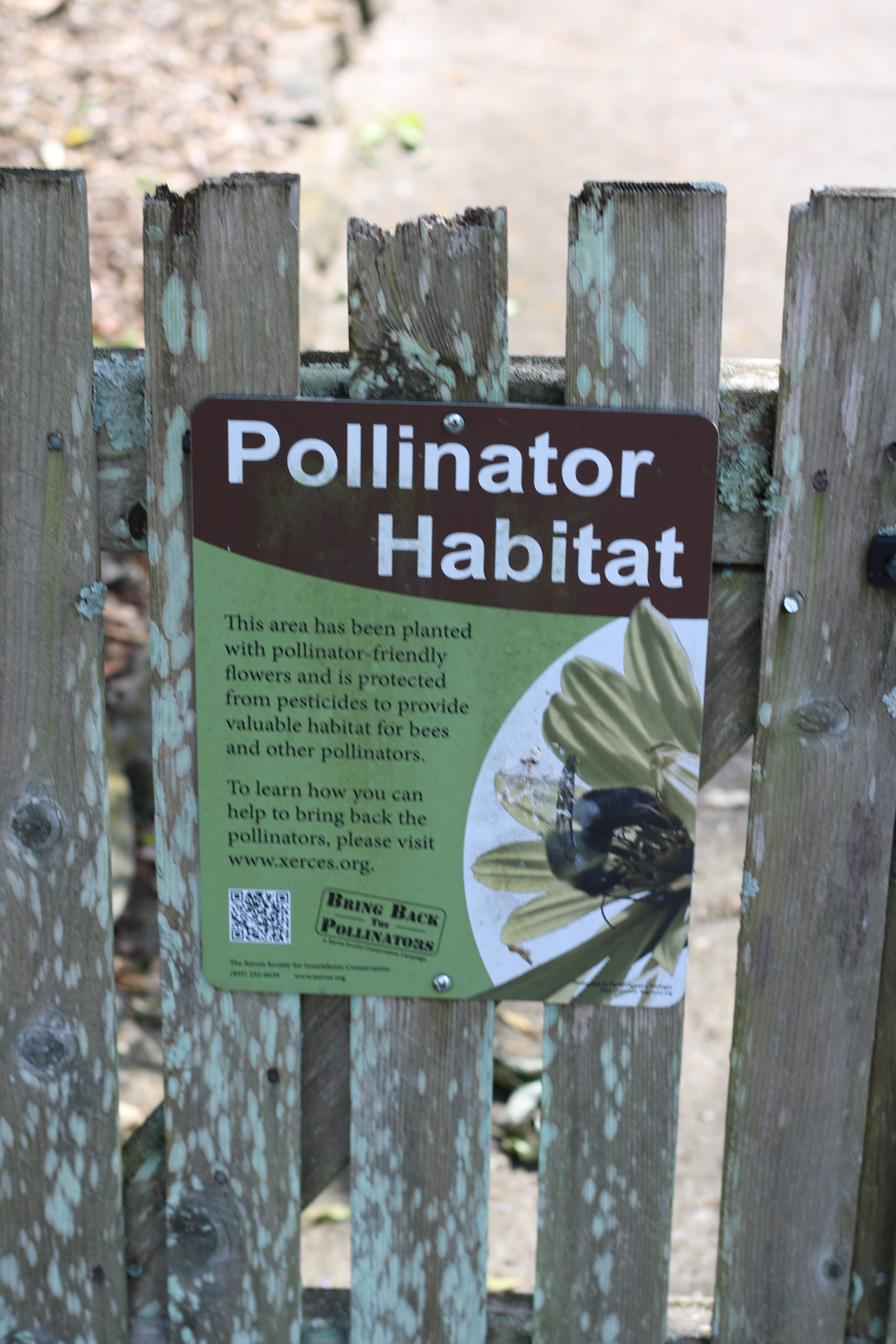
great photos! You need a sign like that!! —M