
An incredible thing has just happened. As I sat down on my little table outside, freeing the famous swimming dog to exercise her capacity for infinite joy in her swimming, to write this post, our friendly neighborhood humming flew up to me, two feet in front of my face, at eye level, looked me in the face, and pooped. A tiny white squirt came out of its butt. Now tell me, if that is not blessed, a sign from the divine, what is? It’s that or nothing. The great creator letting me know that it’s a good idea I’ve got, writing this post. This one is for you little hummingbird.
I actually do have a photo of this little birdie, I’m remembering now!
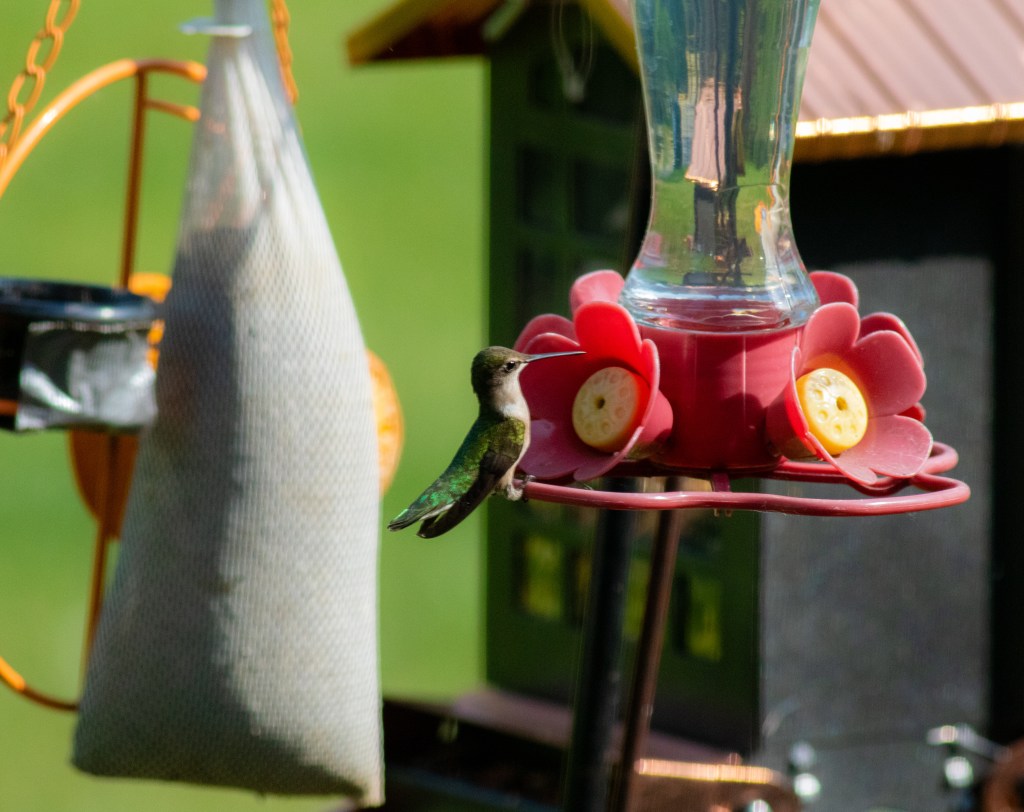
A little blurry because I was shooting through window glass. Sue me. This is the bird. There may be two though. I’m feeling right now like I’ve seen two at this feeder together. Will have to ask the other resident birder (Mom). They like to drink this stuff. Delicious sugar water.
Now this is a great lead-in for the first of our two main topics in this post. A hummingbird-like creature was spotted in the vicinity recently. A creature known in some scientific circles as a Sphingidae.
When you hear the word Sphingidae, what comes into your mind? I’ll give you a minute.
Bing! Times up. Here is the Sphingidae.
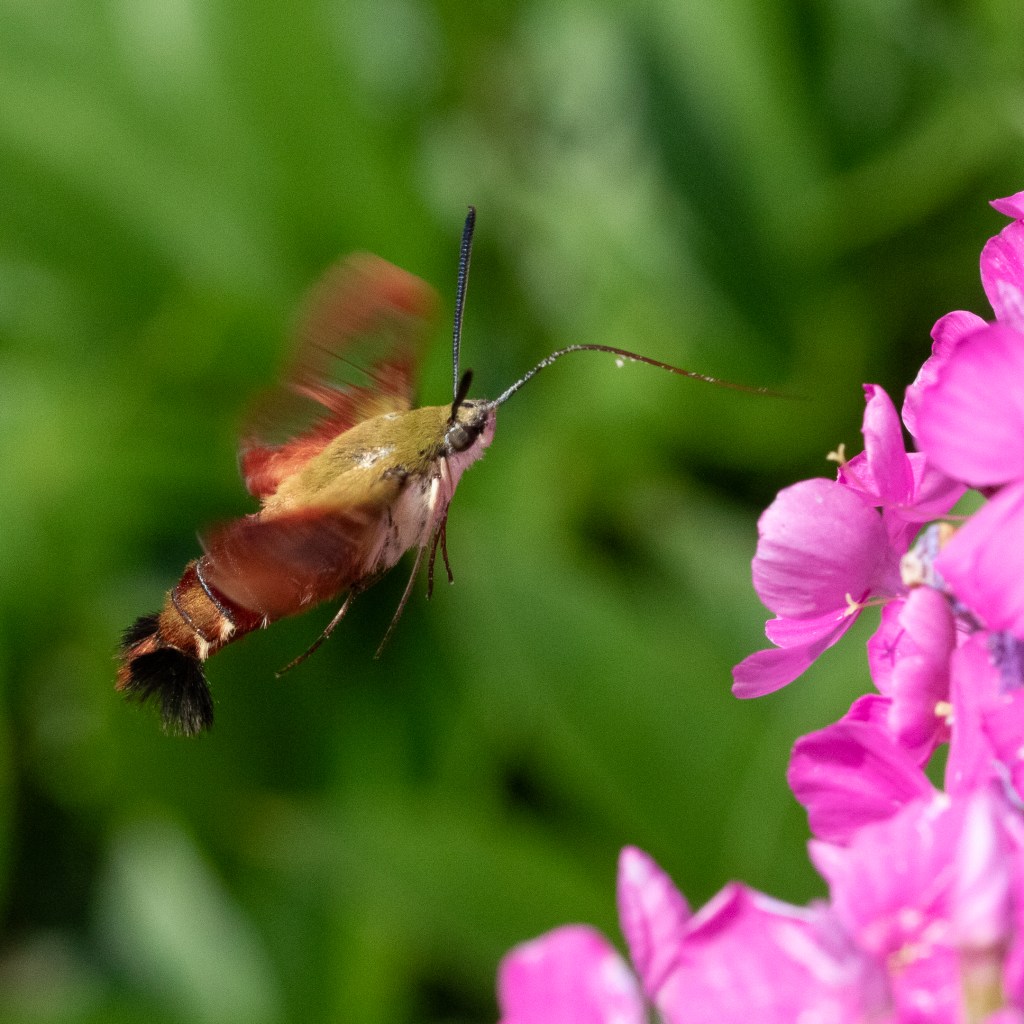
If this is your first time seeing one of these creatures, you may be in awe. You may be spectacularly dumbfounded, and I would understand. I certainly was, the first time I saw it. But I saw one out in the wild, outside of my apartment in little old Ozu, in the flower patch with all the cosmos. I stopped to take a goosey gander and my eyes landed on this hummingbird, and the more I started to look at it, the more I started to think, something is wrong with this hummingbird. And I stood there and stared for at least ten minutes, my brain trying its absolute best to comprehend this small, confusing creature that was before me. In all ways it looks like a hummingbird, is a similar size, shape, fluttering about manically, and it moves quick, so you can’t get a good look. I left there not having any idea what it was, but with the feeling that there was something very strange out in the world. I spent a long time wondering what that was until I finally found it in a bug book my neighbor Tamanaga san gave me. In large, beautiful illustration was the hummingbird creature outside of my apartment, and beneath it was written, Sphingidae. (In Japanese, which is スズメガ科). And the name of the Japanese one, is the Oosukashiba. オオスカシバ. I don’t know what that means. Cephonodes hylas. It’s some kind of moth. Are you shocked? It is a moth that is a hummingbird mimic. I tell you, crazy things are happening in this world.
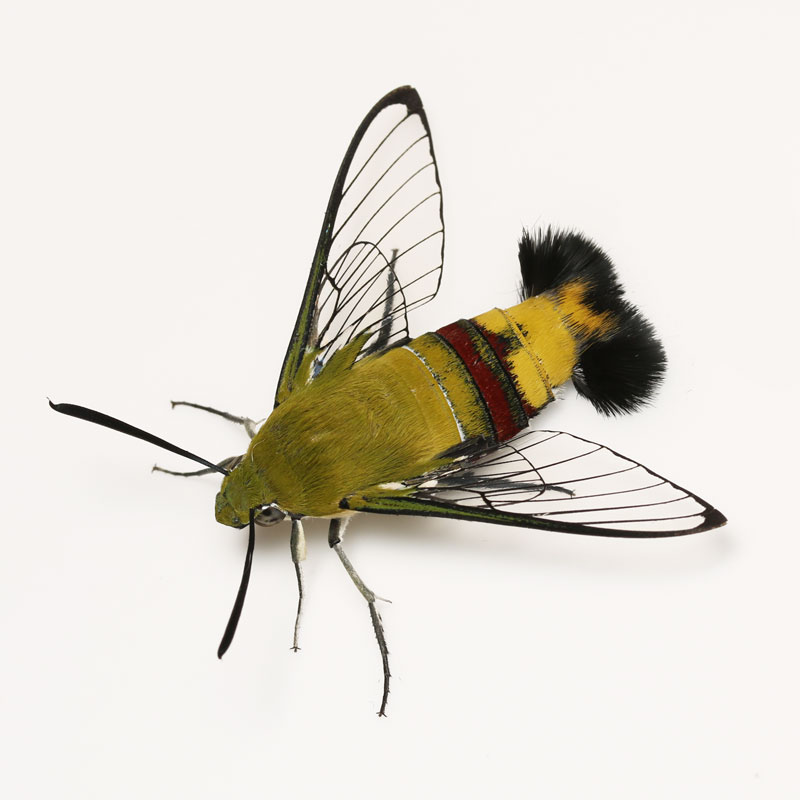
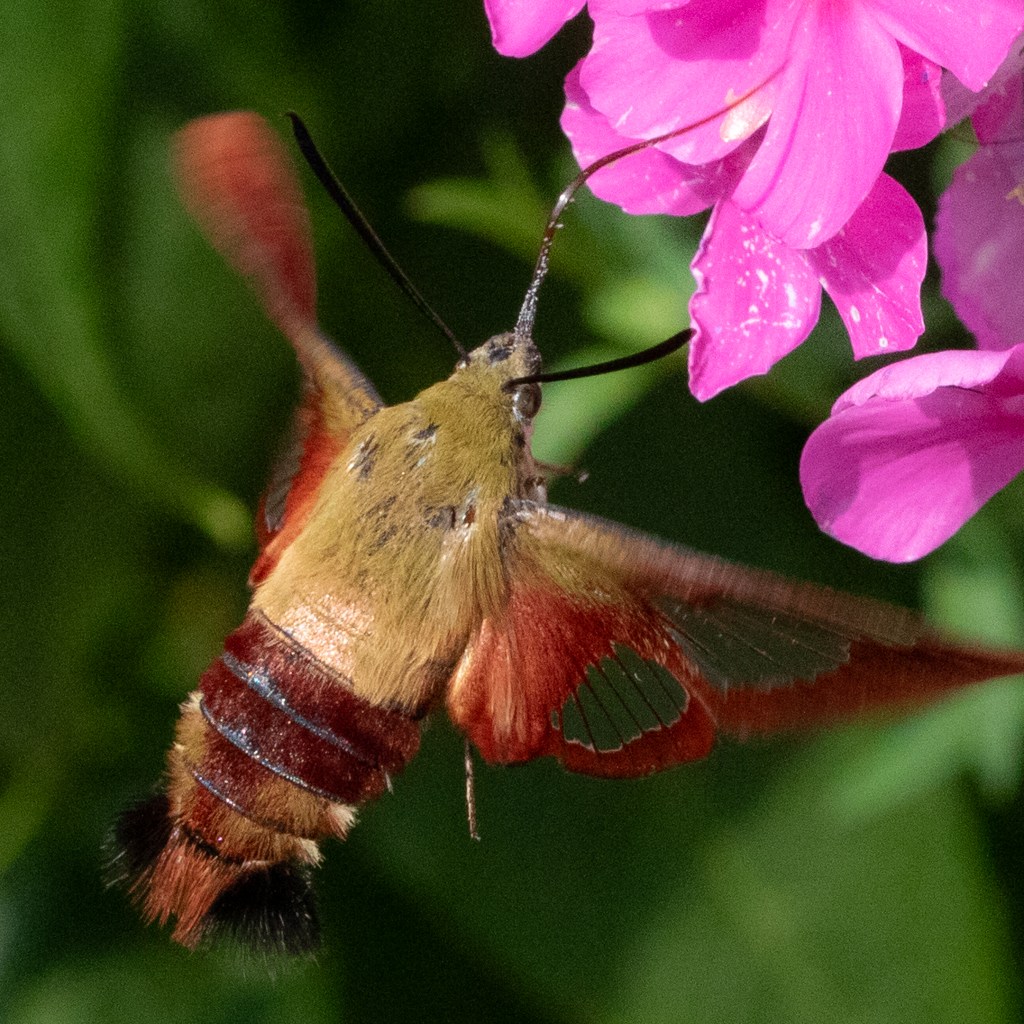
I don’t know what I’ve got in my yard, but it’s not one of these. It doesn’t have the yellow butt. And it has red wings. There can be a lot of variety even within a species though, and between males and females, but this is something else. Apparently the range of the Japanese one is more or less, Asia.
I also saw a nice swallowtail. We all know about those.

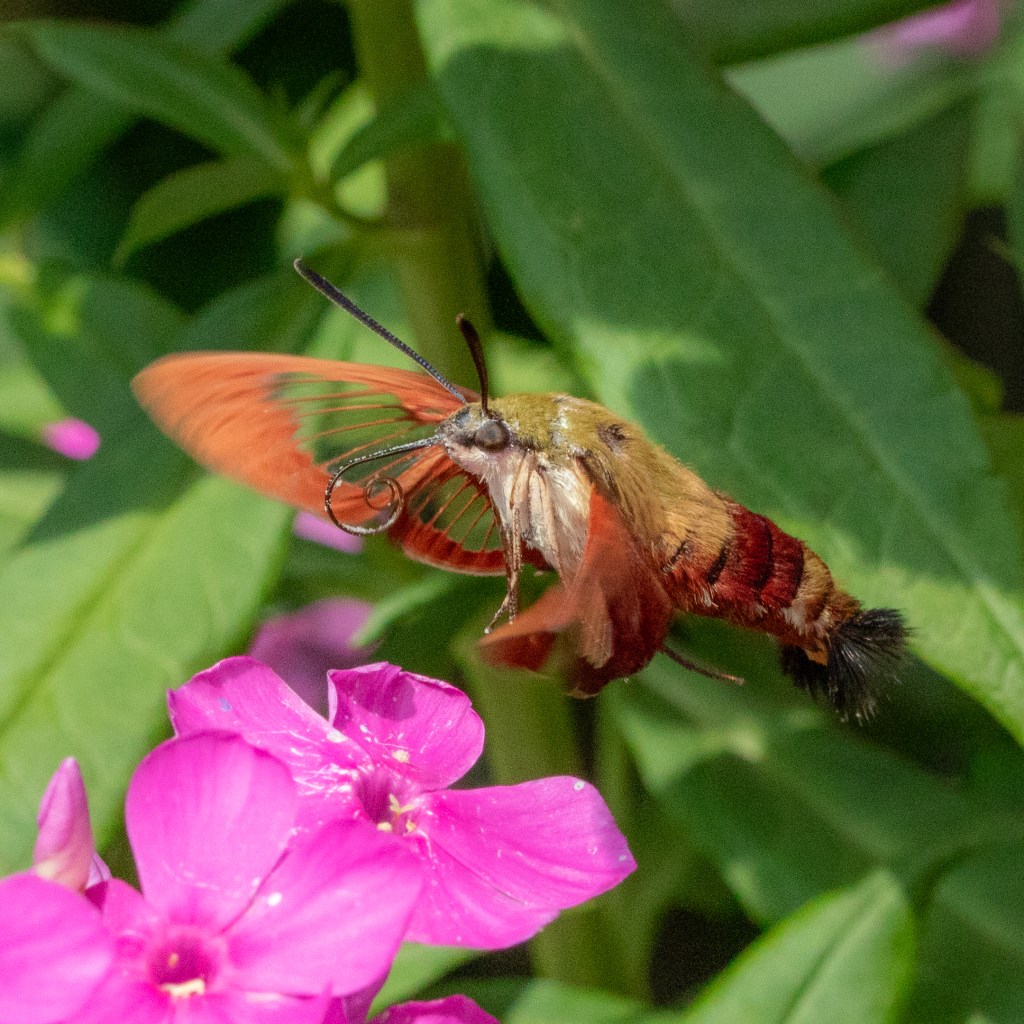
So, the next time you see a hummingbird hovering around your flowers.. look closely. Might not be a hummingbird at all. (Might be a Sphingidae.)

Ok, I’ll stop saying Sphingidae. Moving on then. The second topic.
I spent all night last last night making AI art. It’s kind of addicting. We all loved the Picasso AI cats. Let me show you something else.
I’m using DiffusionBee to do this, which is an app that runs off of Stable Diffusion, and is totally free.
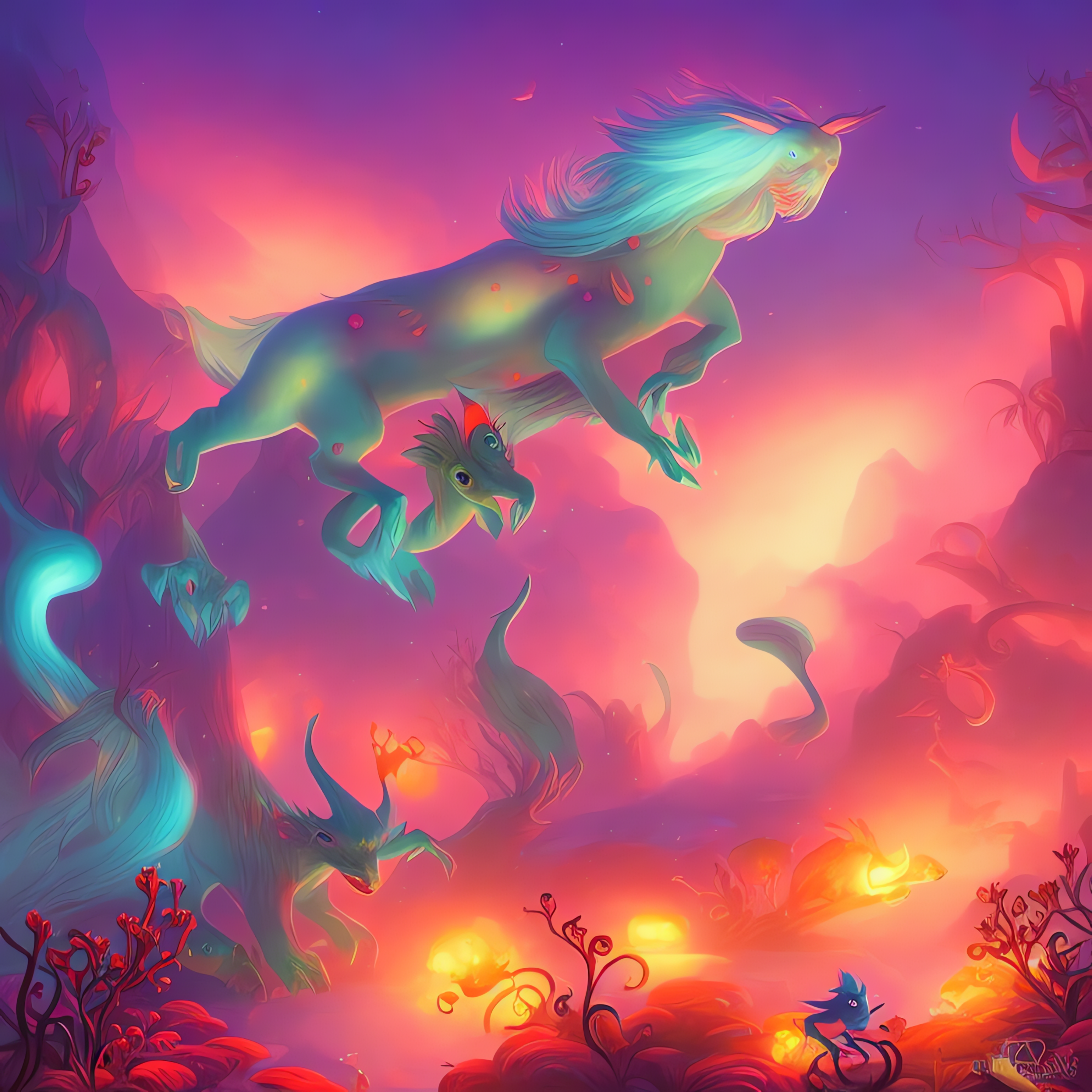

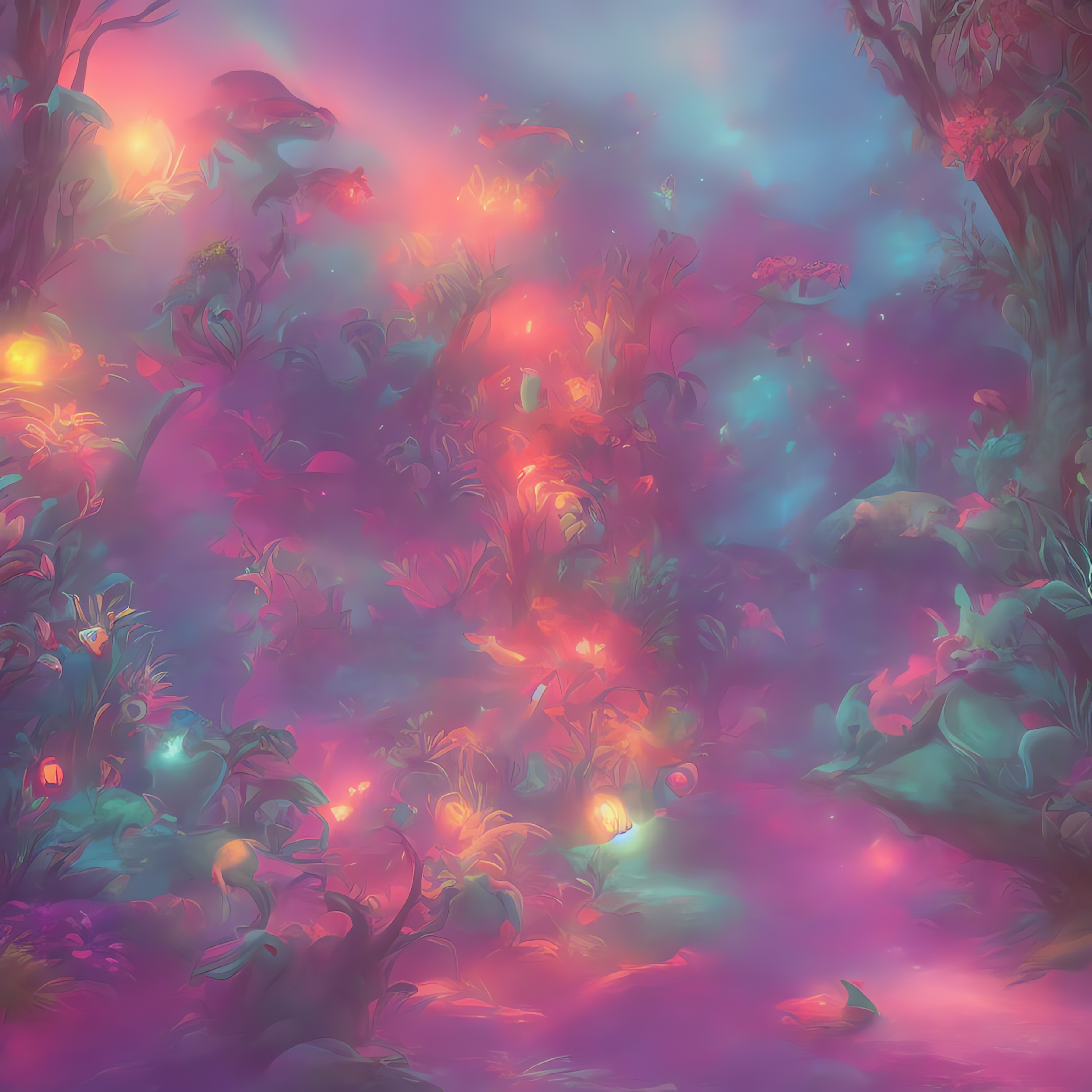

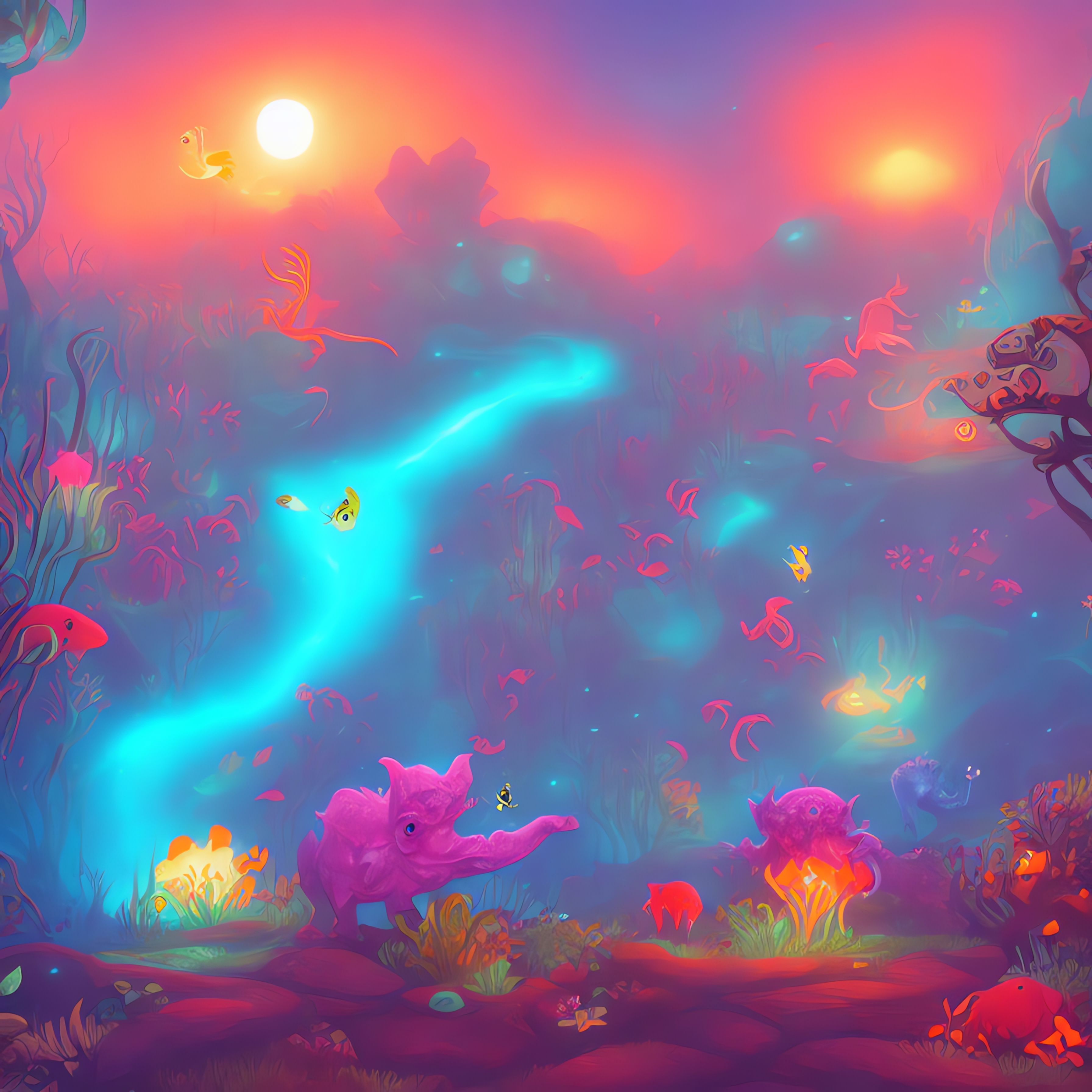
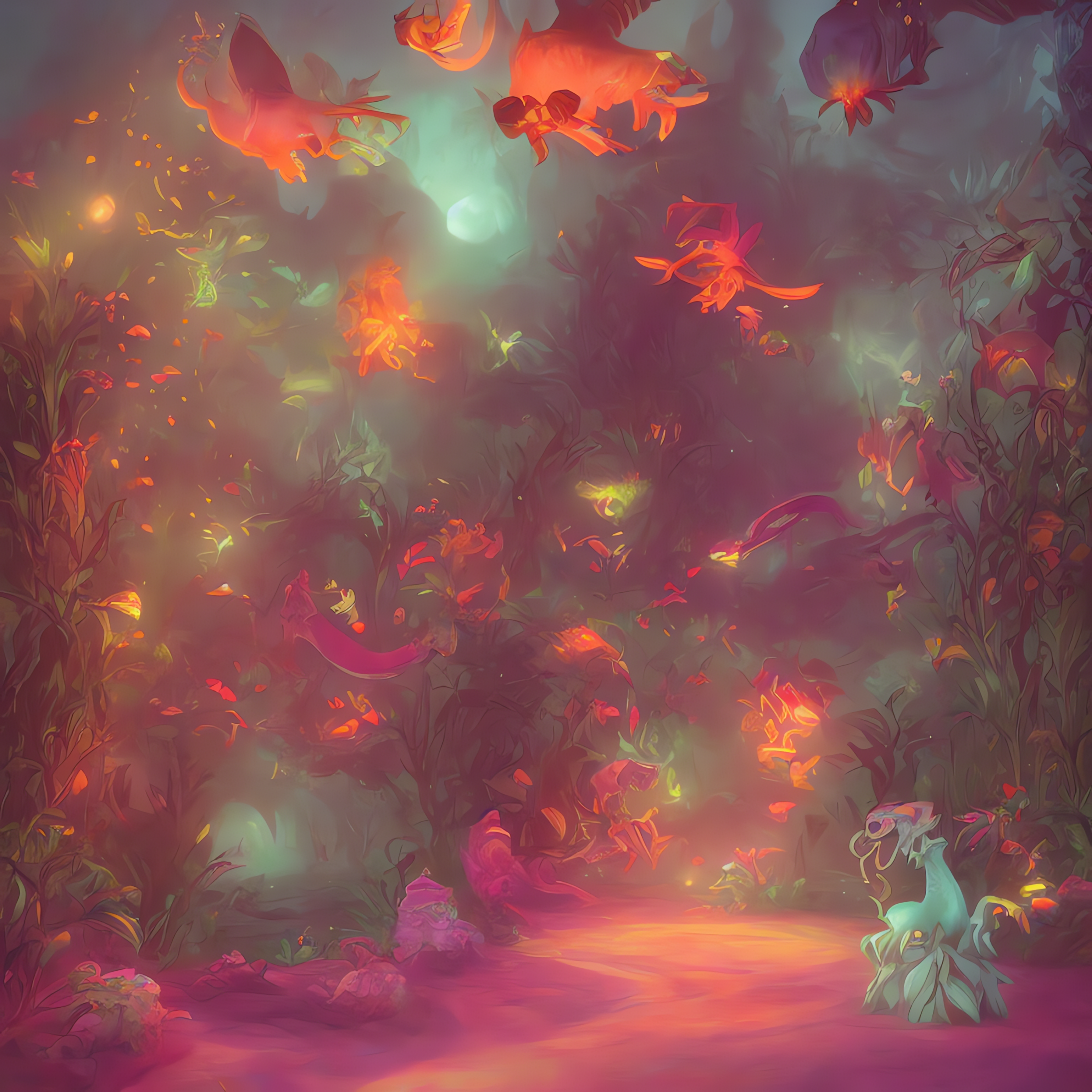


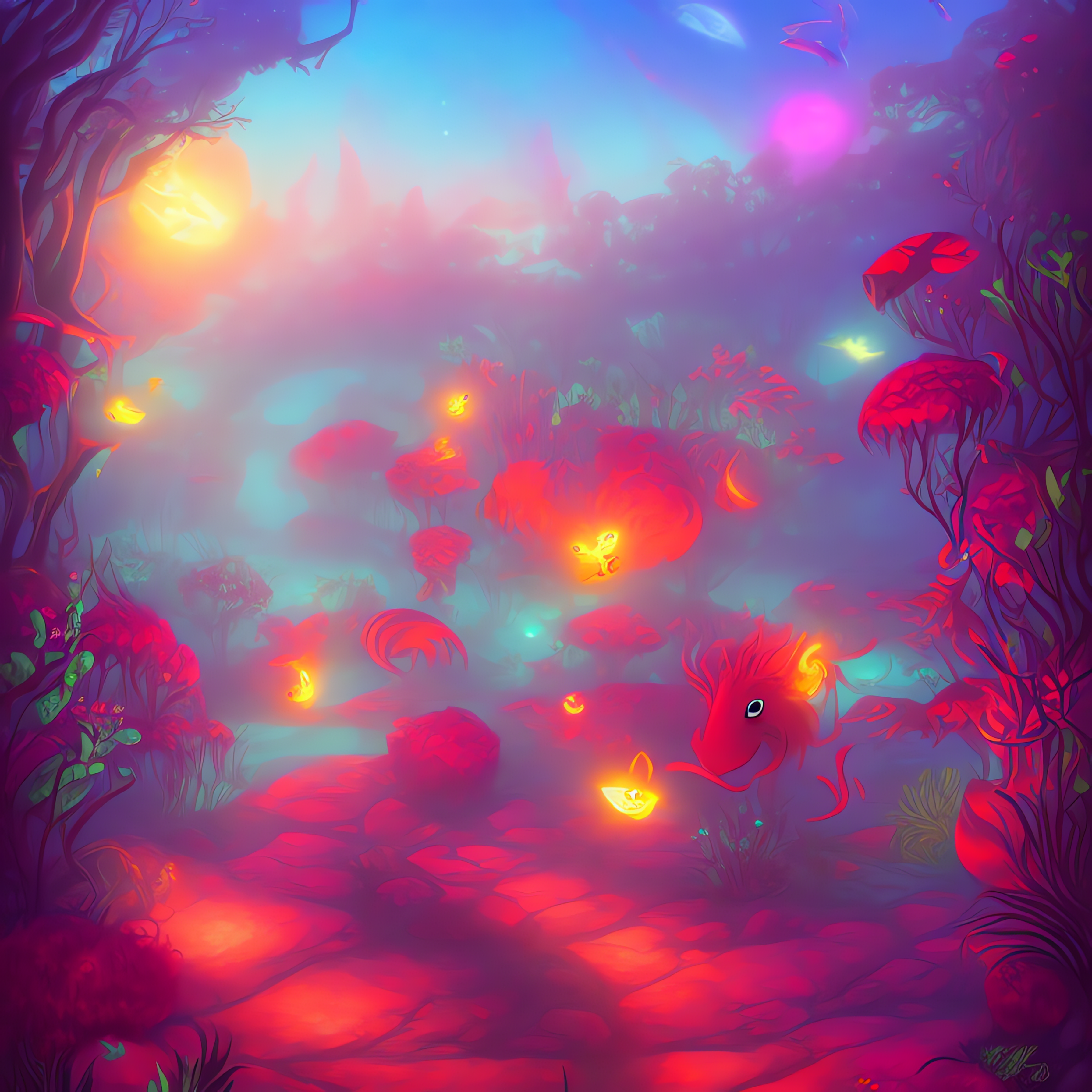
This is a gallery of images under the prompt, “creatures in a phantasmagorical universe”. With some extra bells and whistles, like beautiful lighting, cool color palette, and pastel art. DiffusionBee does well with the abstract stuff, like phantasms, and Picasso. In fact, I have a few images of Picasso phantasms as well, as I know you’d like to see.

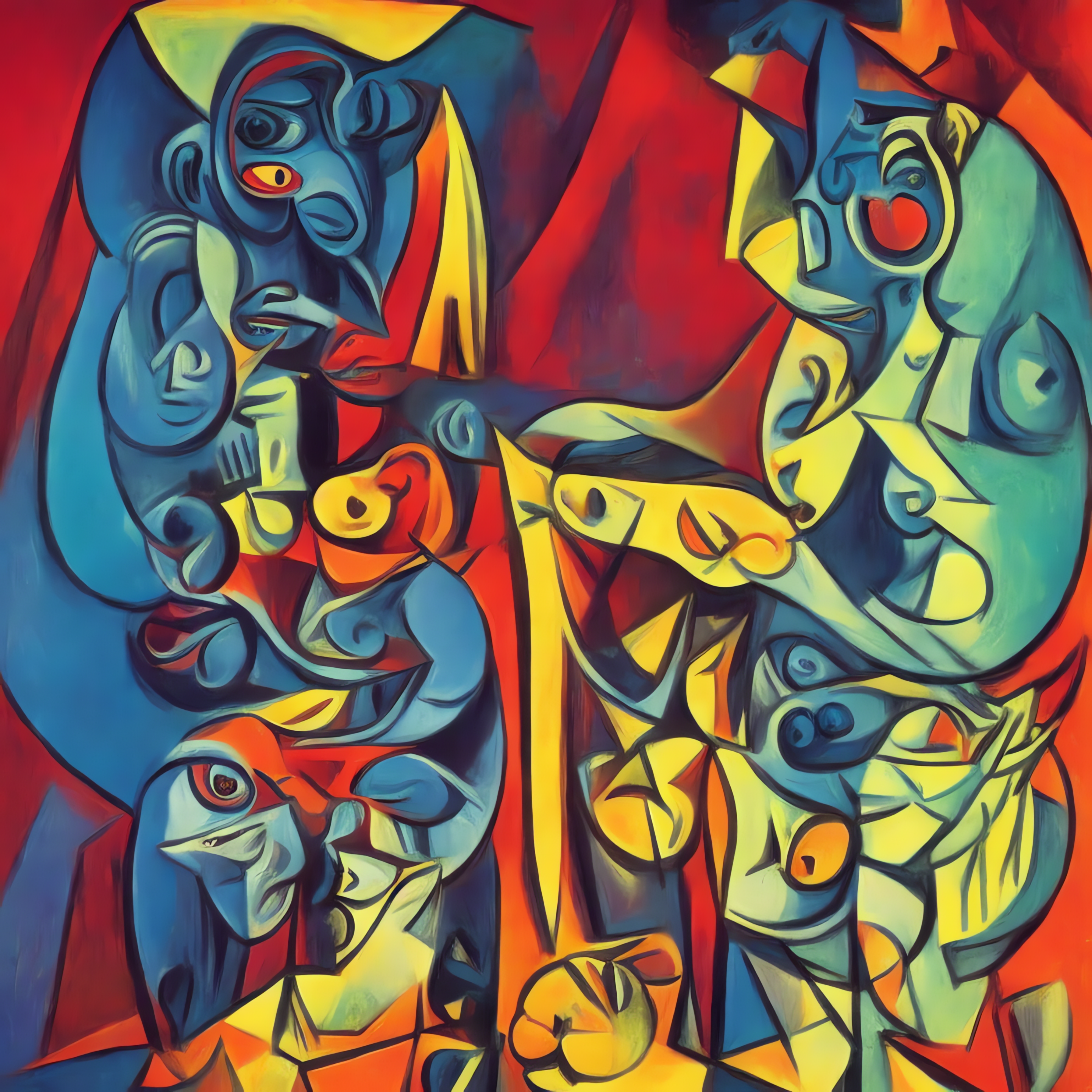
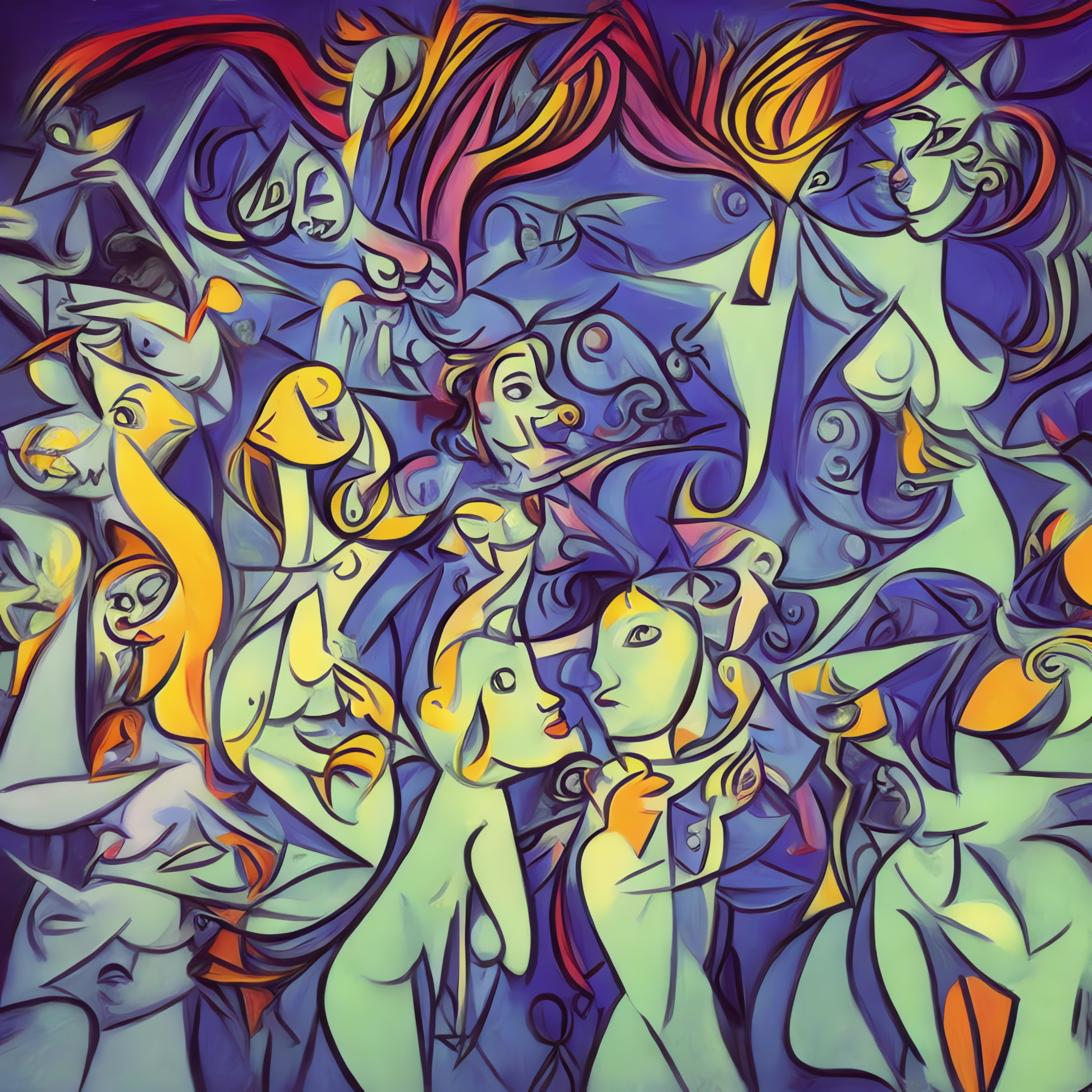
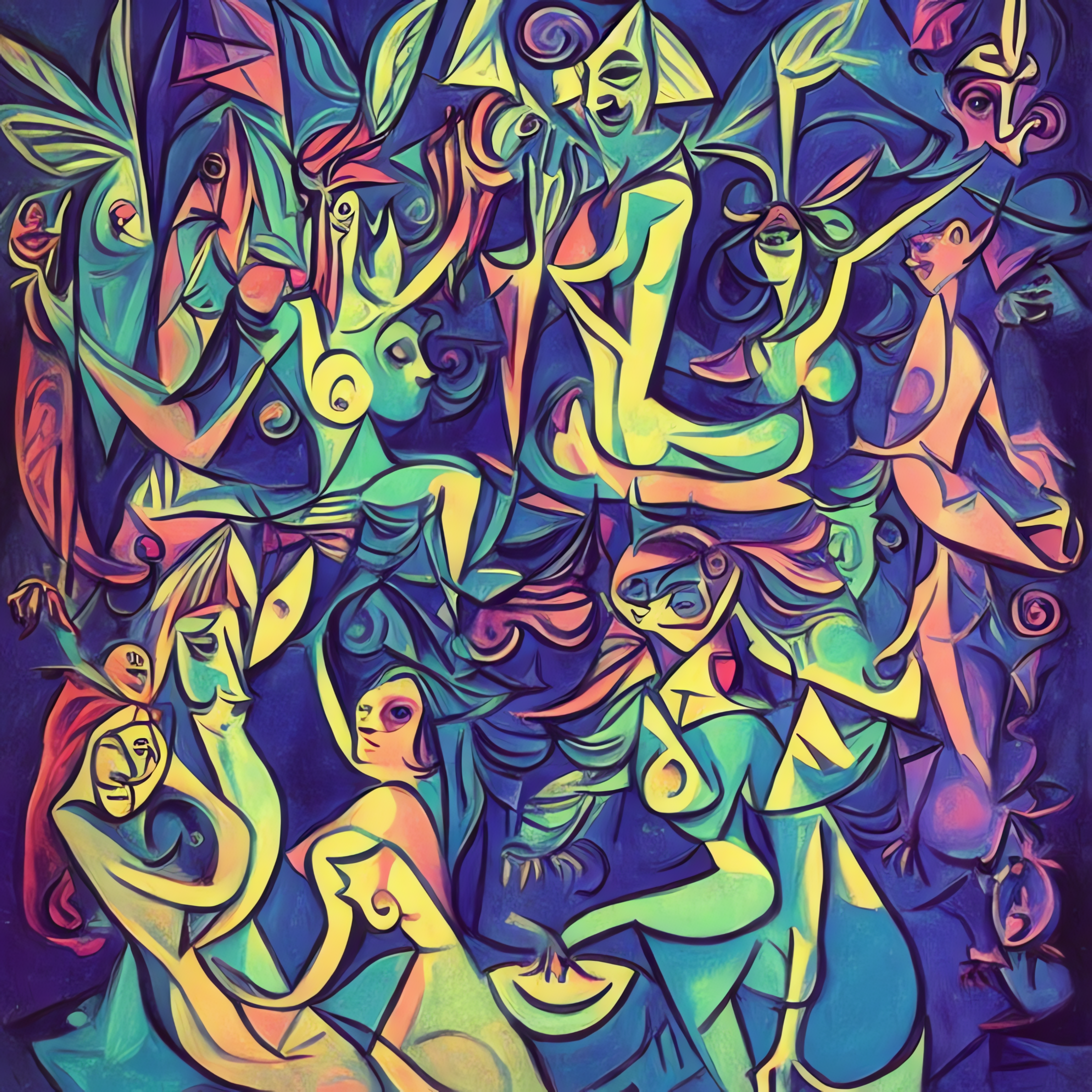
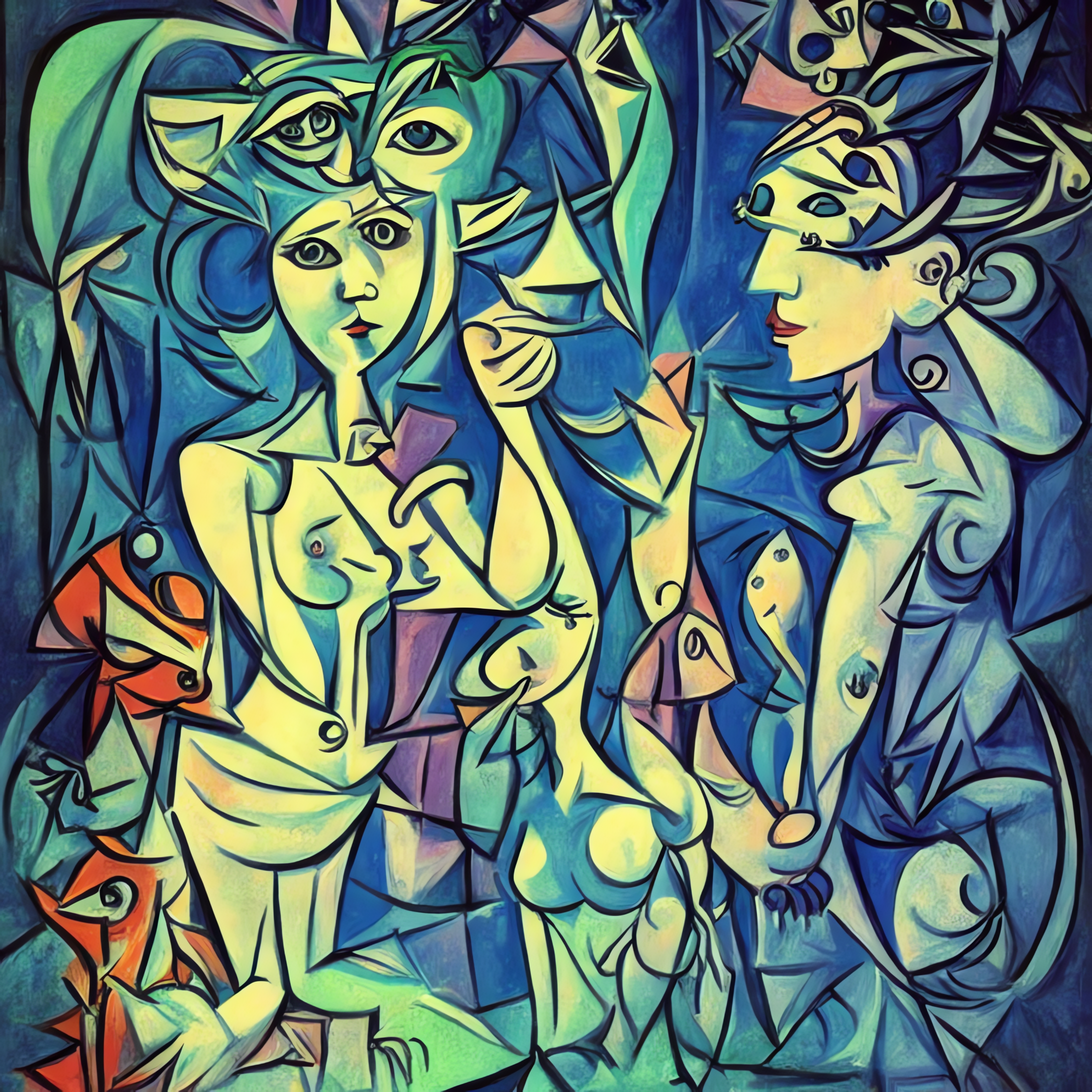
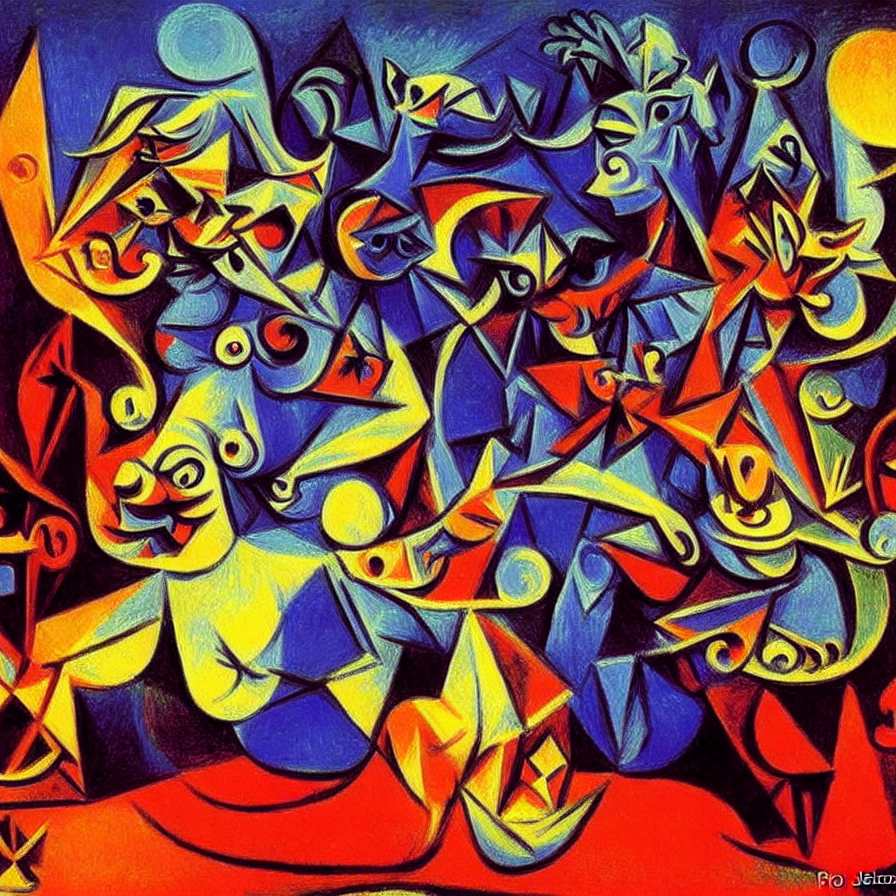
I personally think that these are stunning works of genius, and if anybody painted this I would think they were a total genius. It is interesting for the art world, because part of what’s so impressive about the work of an artist like Picasso, is the fact that such a thing was able to come out of his brain. That alone, and then you are impressed by the technical skill required to execute the vision. But the real money is in the concept, in the vision. Clearly DiffusionBee has no problem with that. And if somebody just used AI to make an interesting and original artwork, and then simply replicated it in the real world, they would only be using technical skill, and they could just say that it was their idea. Very interesting for the art world, for creators.
Just to show you a little more of what DiffusionBee can do.. creatures in a phantasmagorical desert.
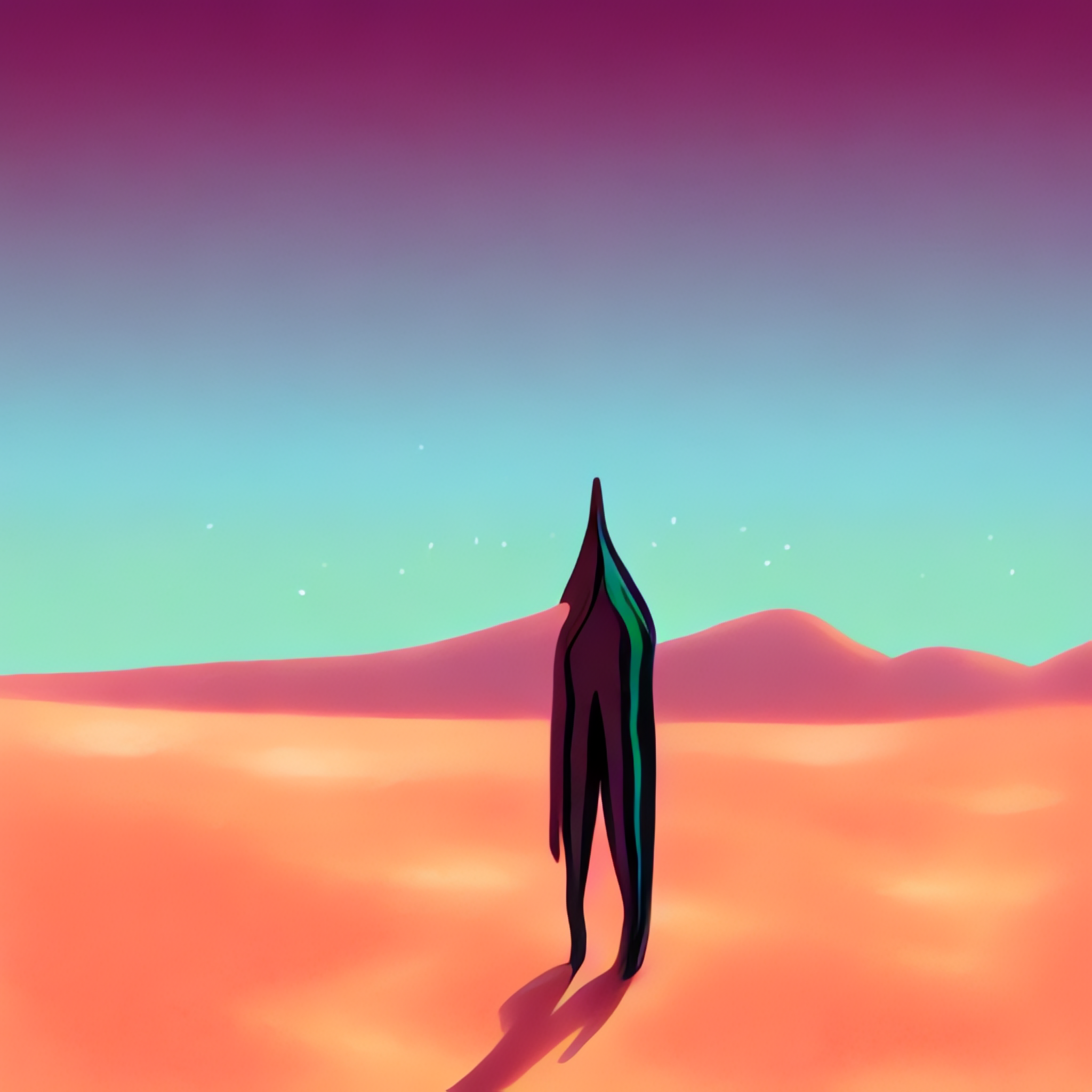
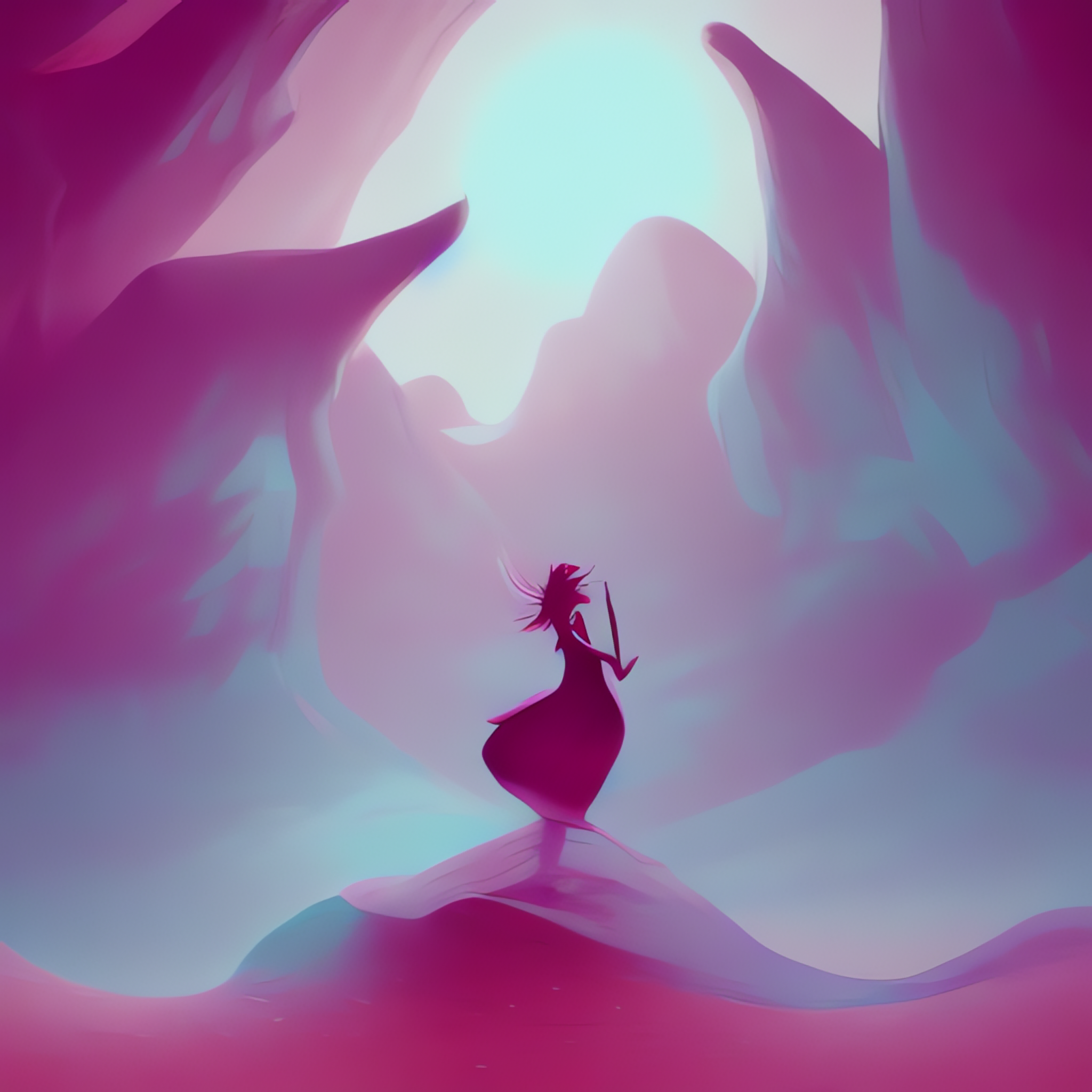
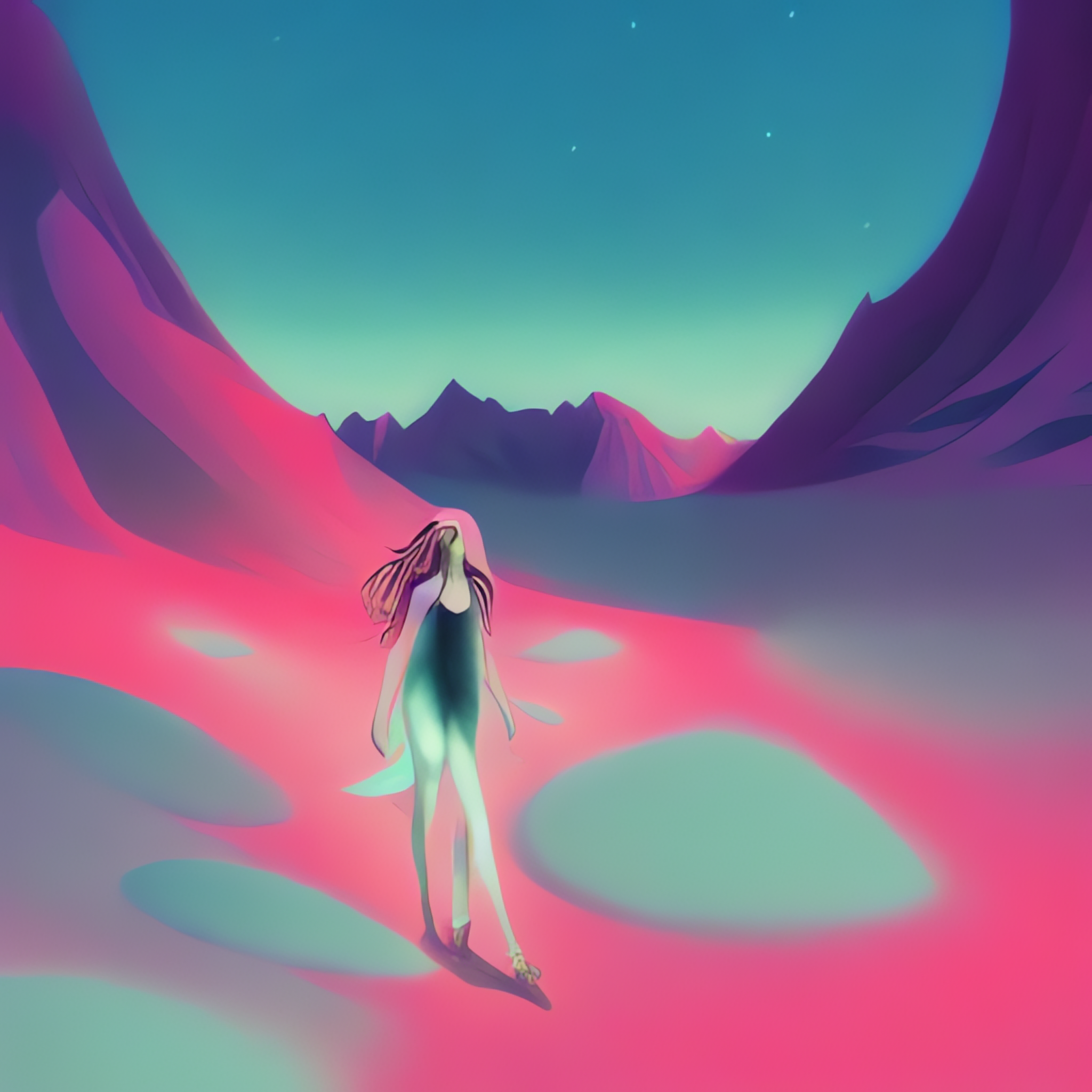
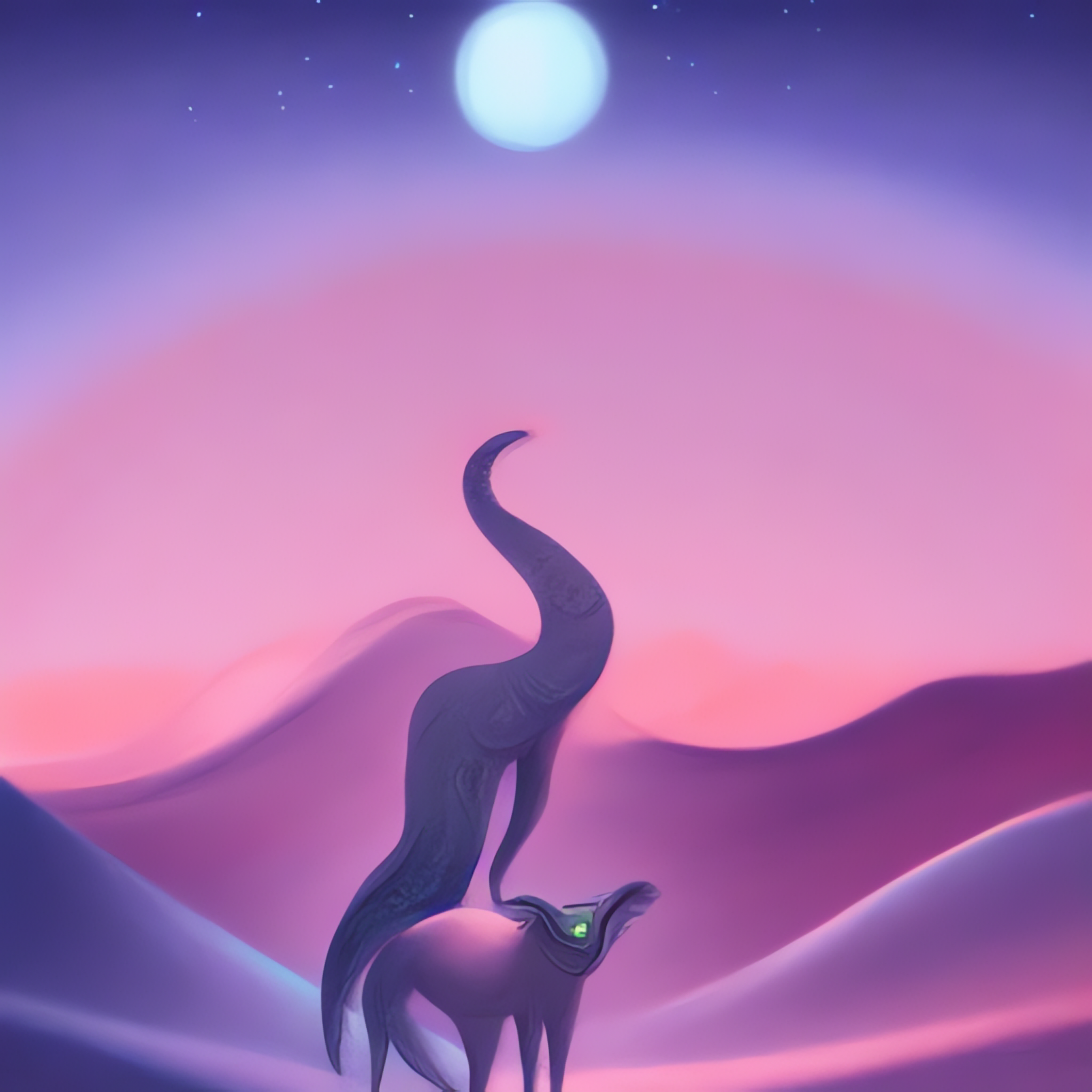


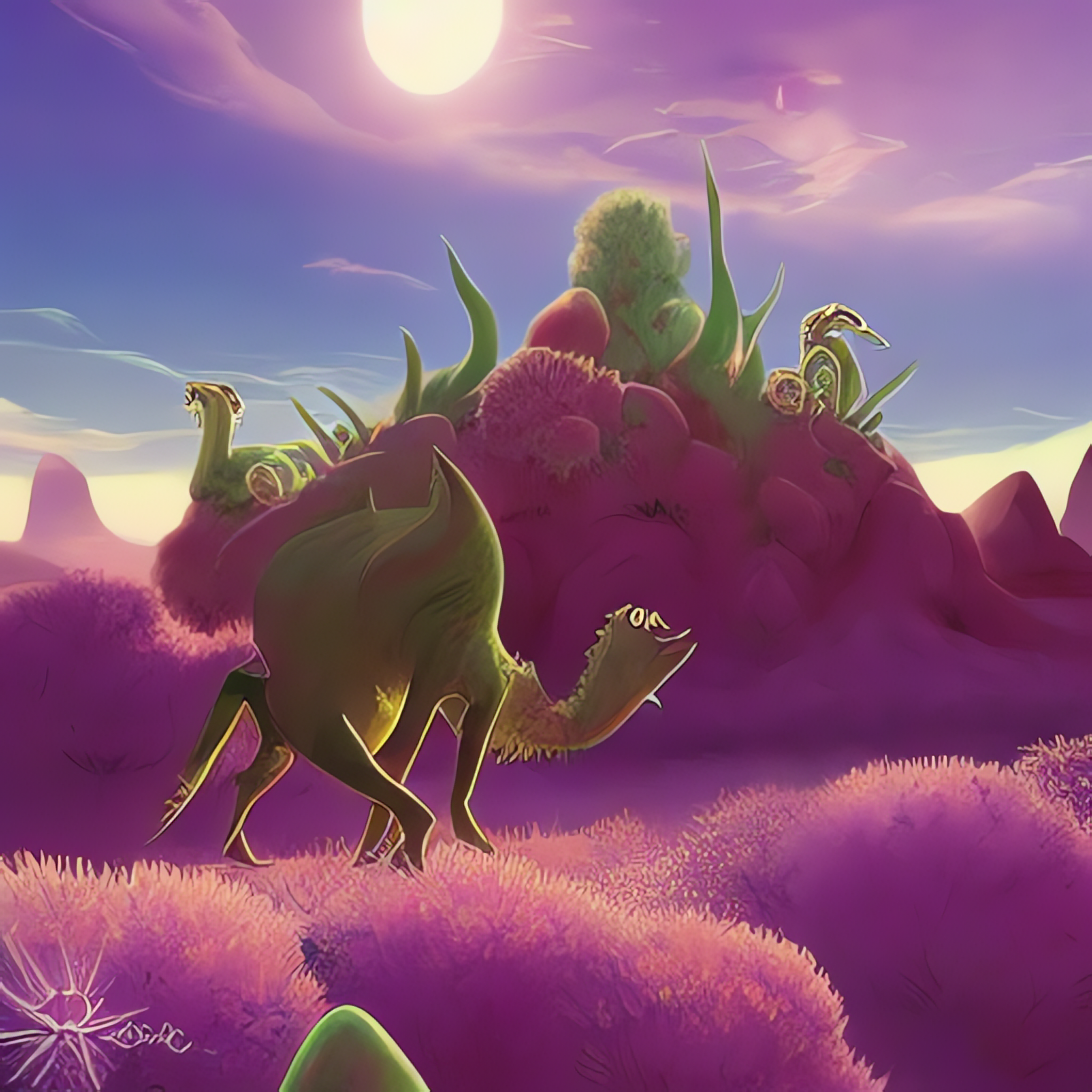
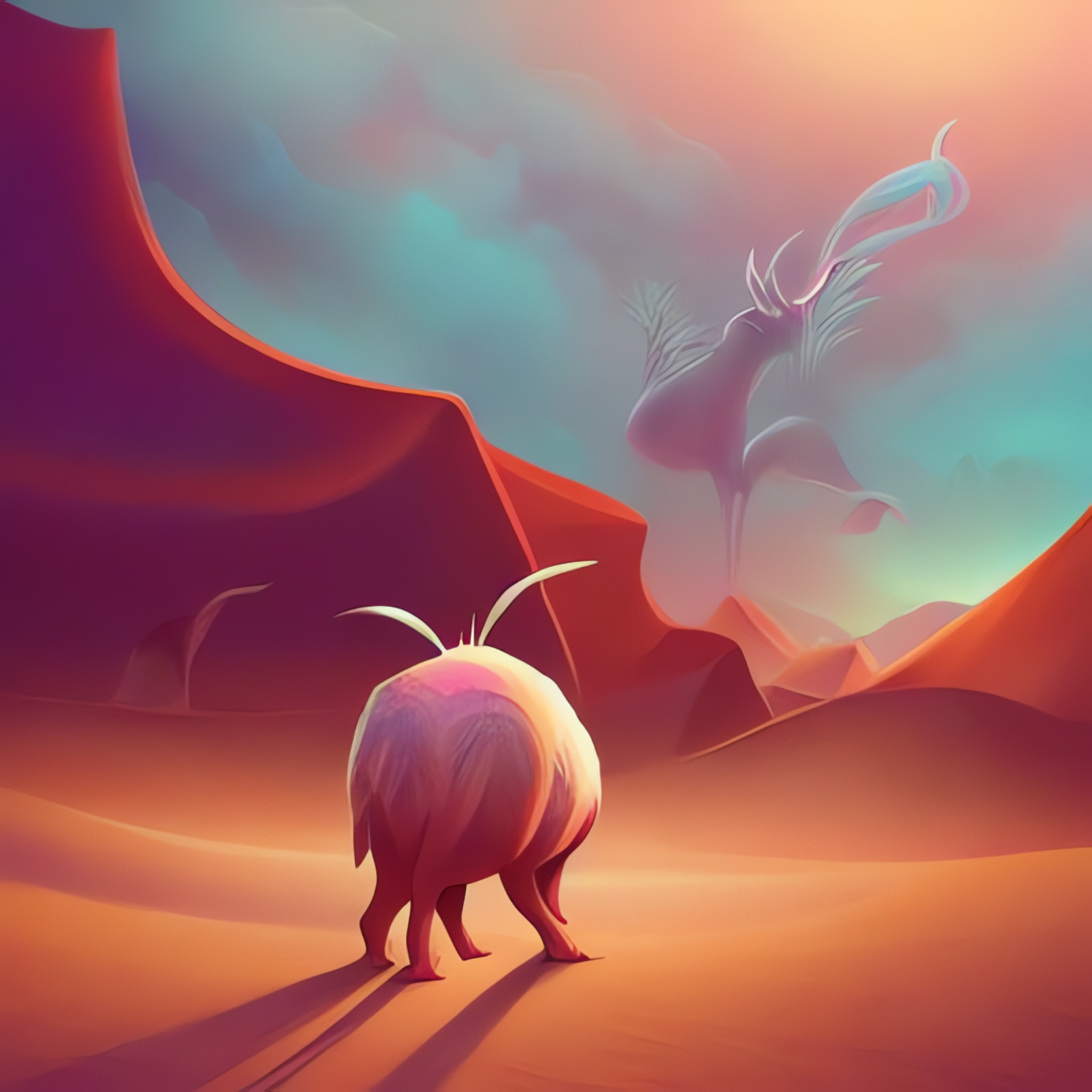
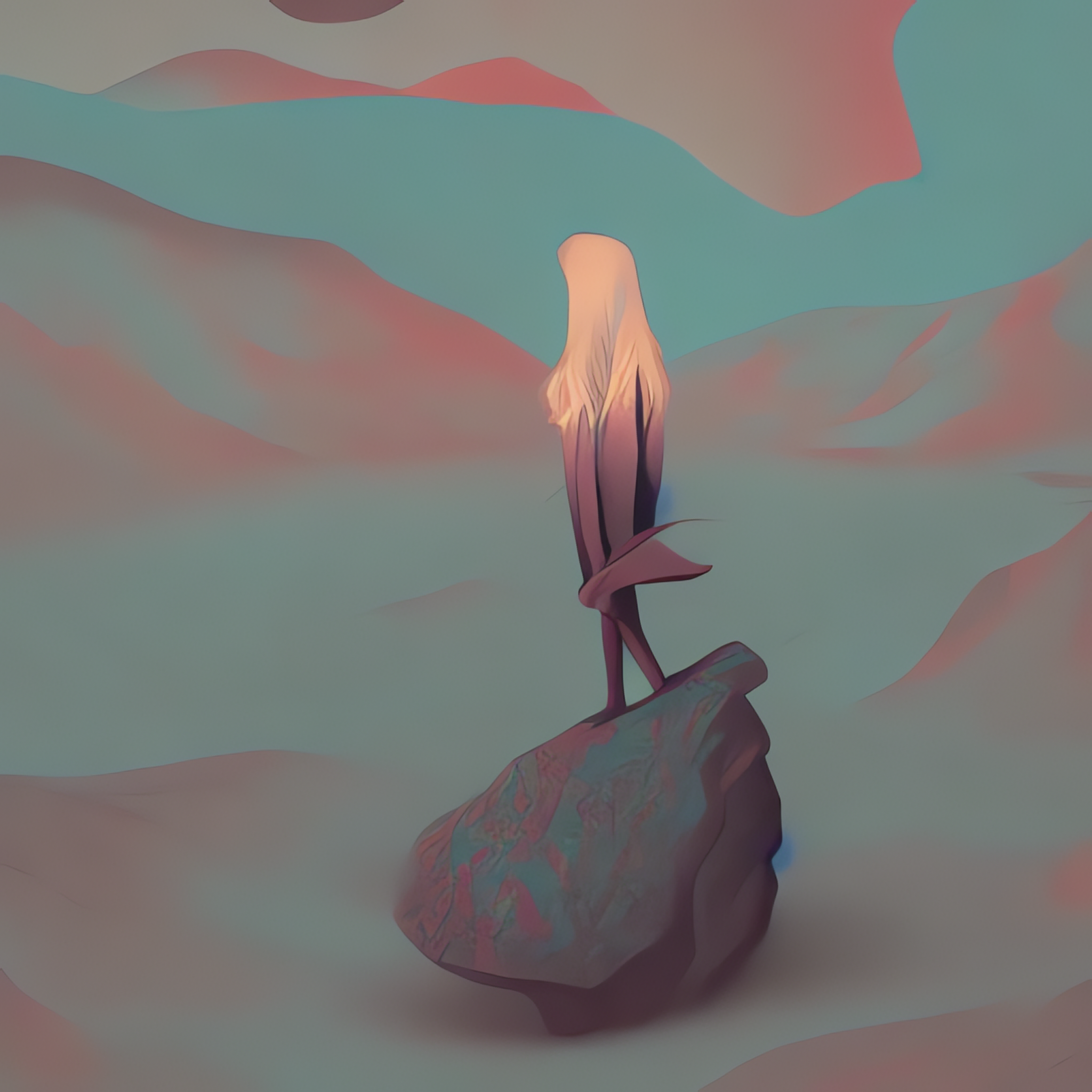
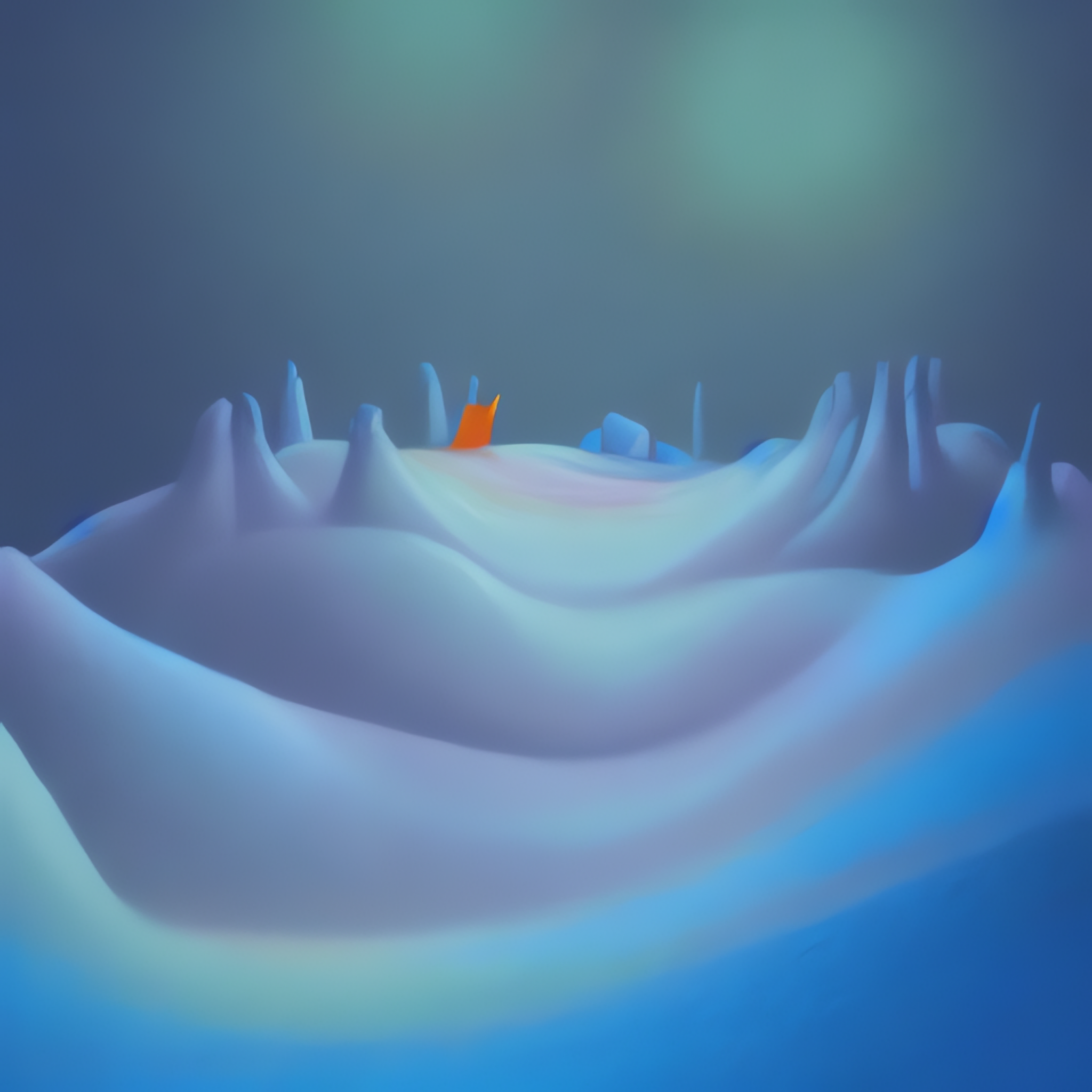
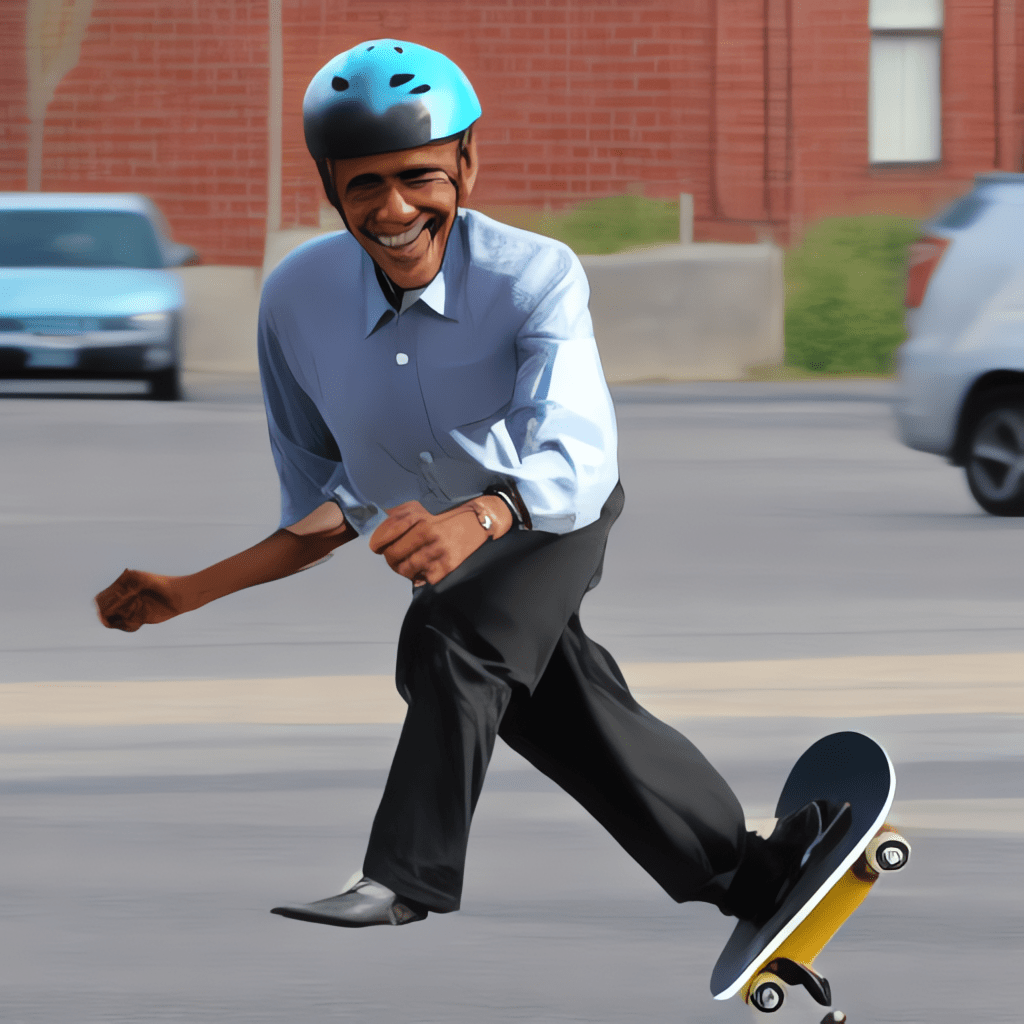
You can see again, DiffusionBee handles abstract works very well. It’s good where something doesn’t have to be perfect, and there’s room for imagination in the work. But something like, “Barack Obama riding a skateboard.” That’s a struggle.
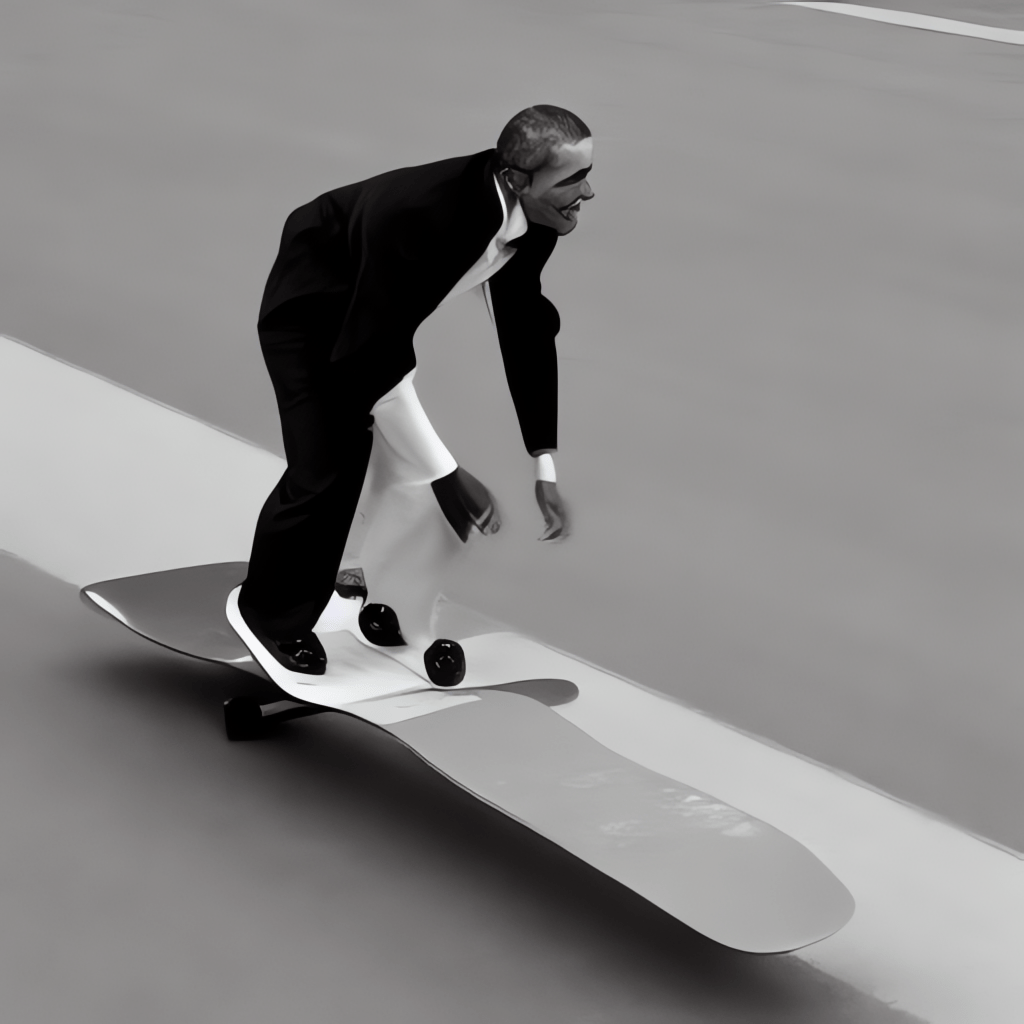
This was the best one, out of twenty. (I do really like this one.) I’ll spare you the others. After this next one.
It was only so long before I wanted to know what was going on under the hood of DiffusionBee, so that I could better control the output. I did some experimenting and learned a bit about how it works, which is pretty fascinating. So, let me tell you about it and then my twilight binge experimenting may have actually done something for humanity.
This is what the app looks like. You type in your prompt, hit generate, and something comes out. You can generate by text, or based off of an existing image, or draw some stuff on top of an image. A few ways to do it.
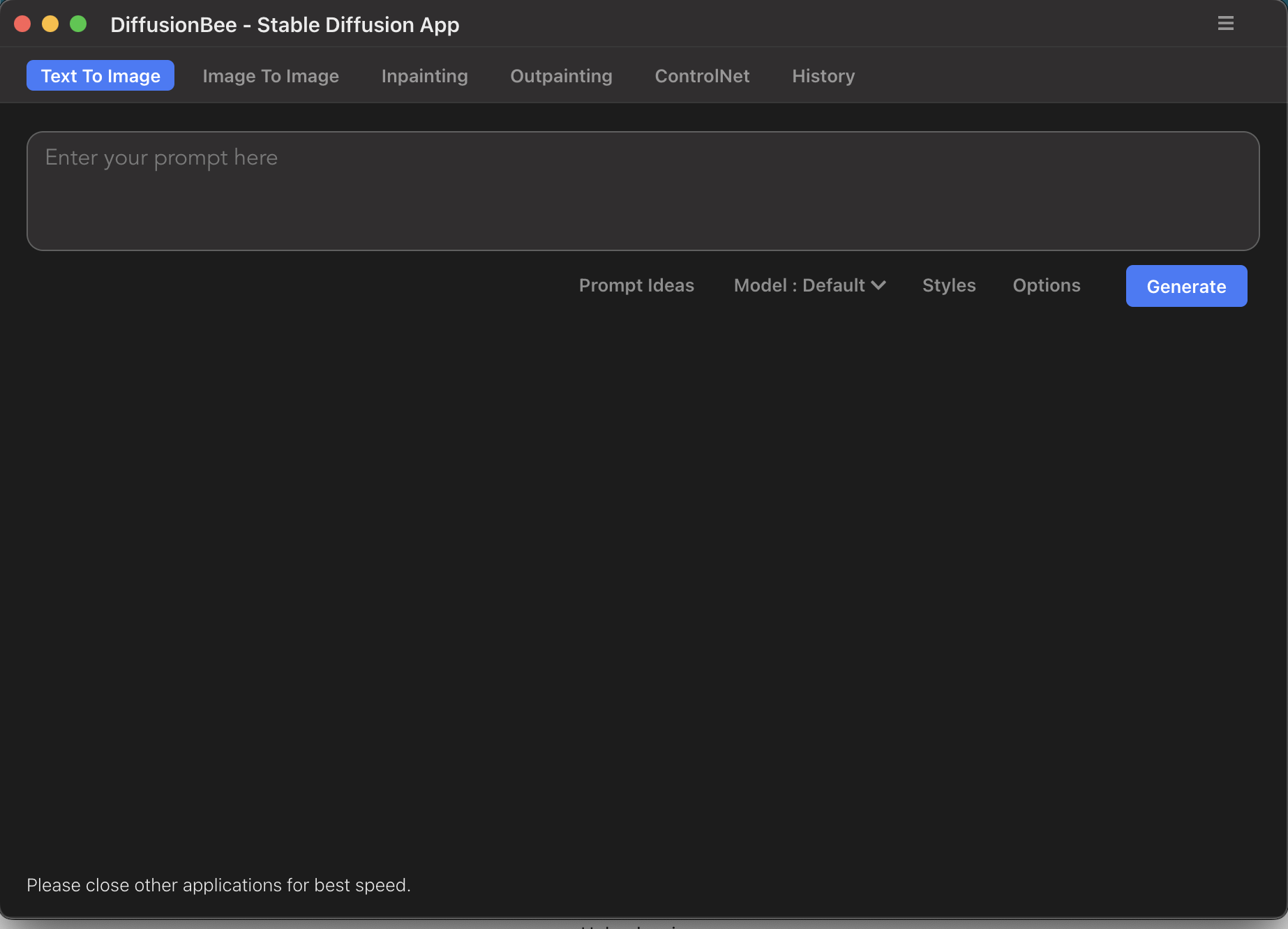
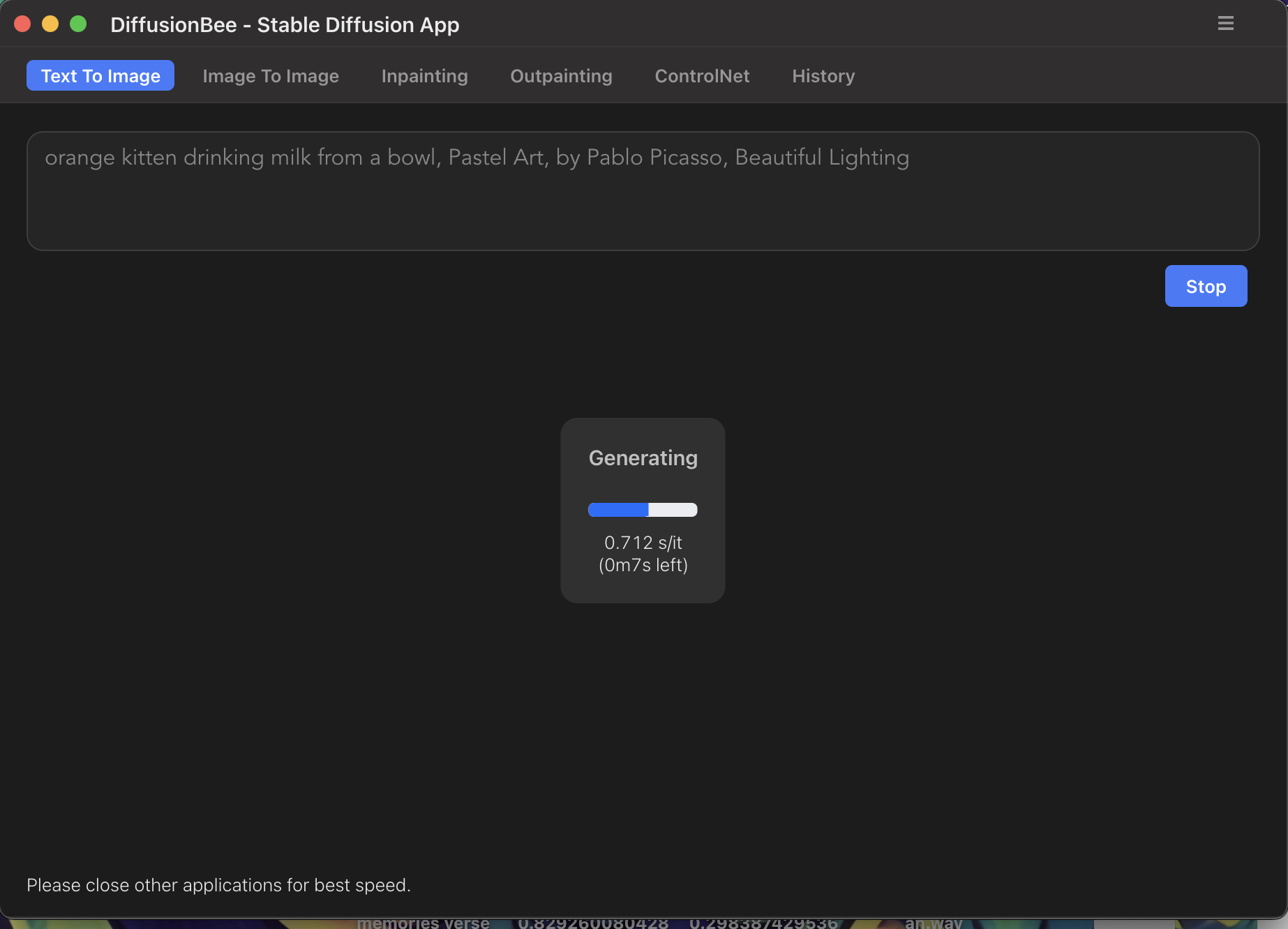

And here are some of the parameters you can tweak.

About image generation – The image is formed over a series of “steps”. At each step, something is added or taken away from the image. The image is modified in some way, to execute whatever vision the AI has for the image. You will see that the AI builds the image in a very organic manner, I think, that it is not predetermined what the end point could be, but it is literally created over a series of steps. Let me show you what I mean.
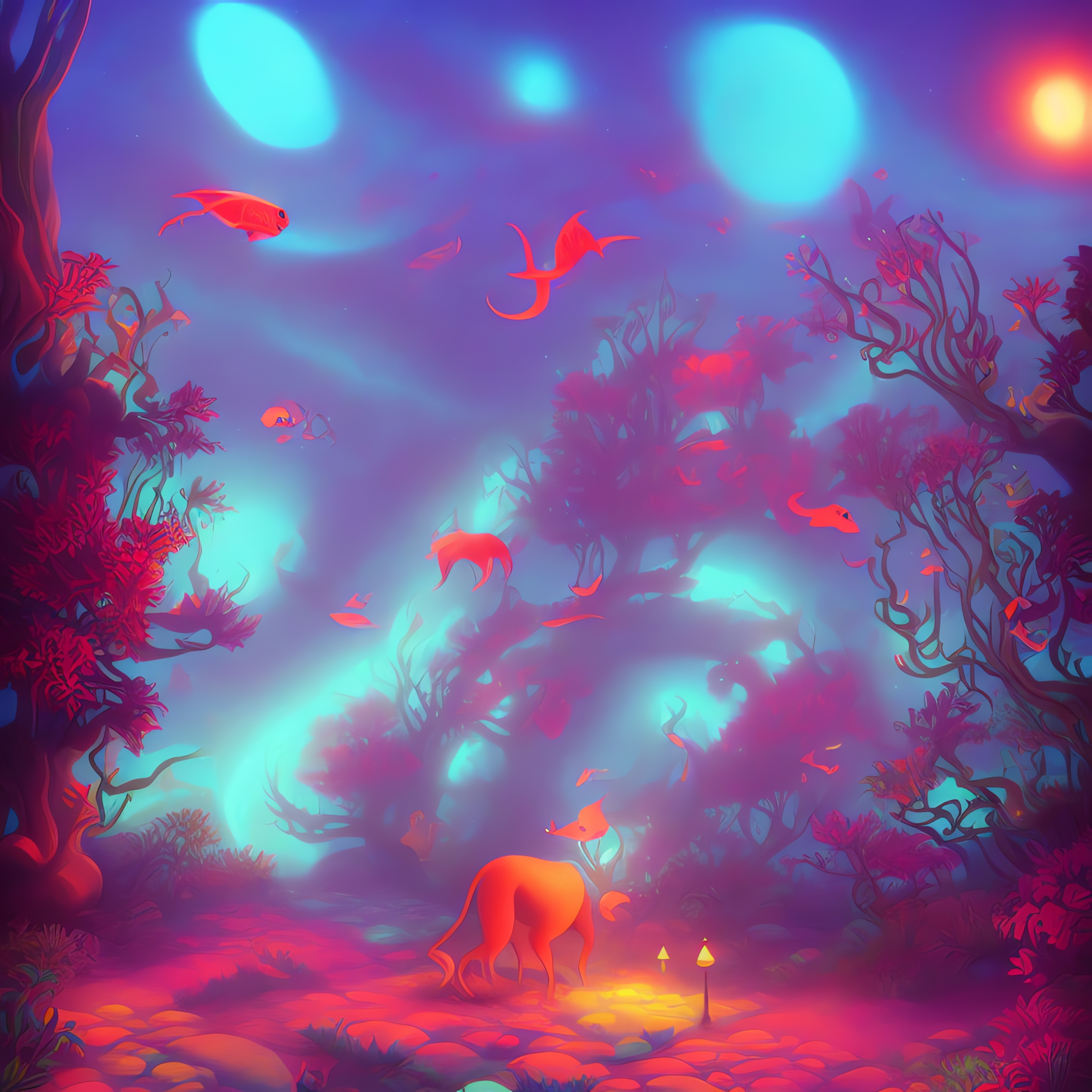
This image is our starting point. It was the basis for much experimentation. The exact parameters and prompt are:
Seed : 54447 | Scale : 16.95 | Steps : 22 | Img Width : 896 | Img Height : 896 | Negative Prompt : human, person | model_version : 1.5 | Sampler : ddim | Similar Imgs : No
Prompt: “creatures in a phantasmagorical universe, Warm Color Palette, Beautiful Lighting, Pastel Art”
The maximum number of steps is 75. This image took 22 steps to make. I used the exact same settings, changing only the step count, to see what was happening along the way, and what effect the number of steps was really having on an image. I can’t figure out how to add captions (lame). The sequence is 1 2 3 4 5 6 7 10 22 30 50 75 (number of steps). Take a gander.
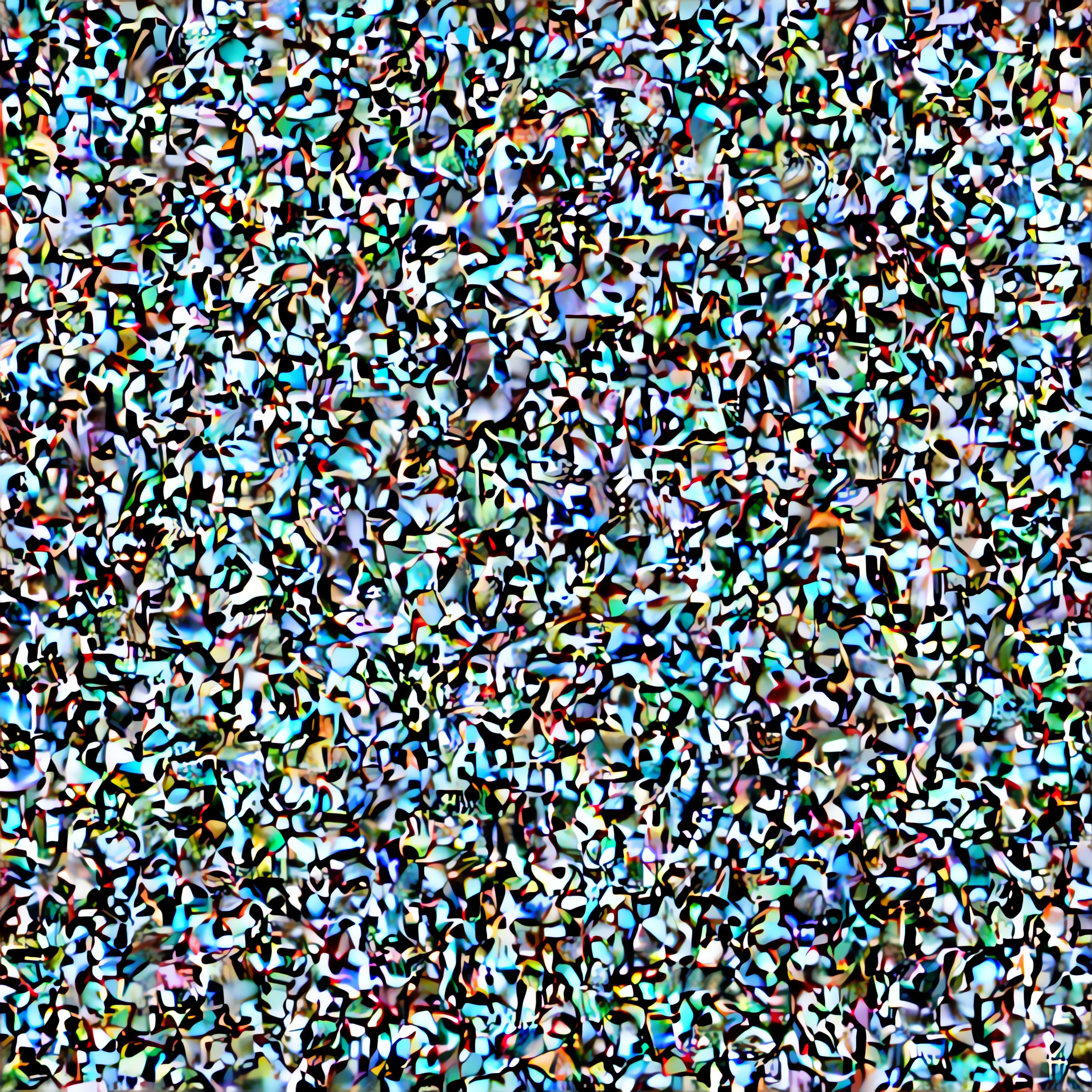

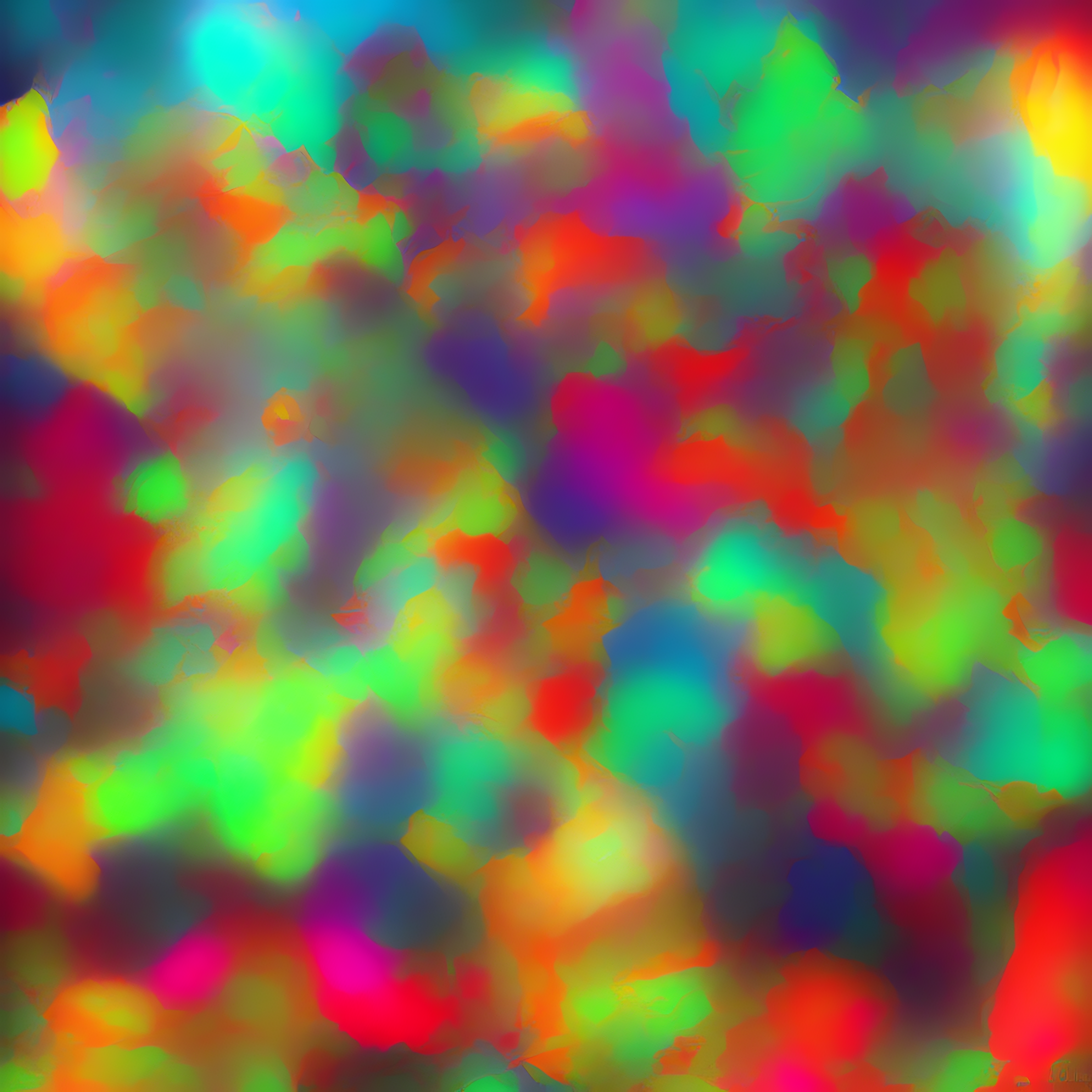
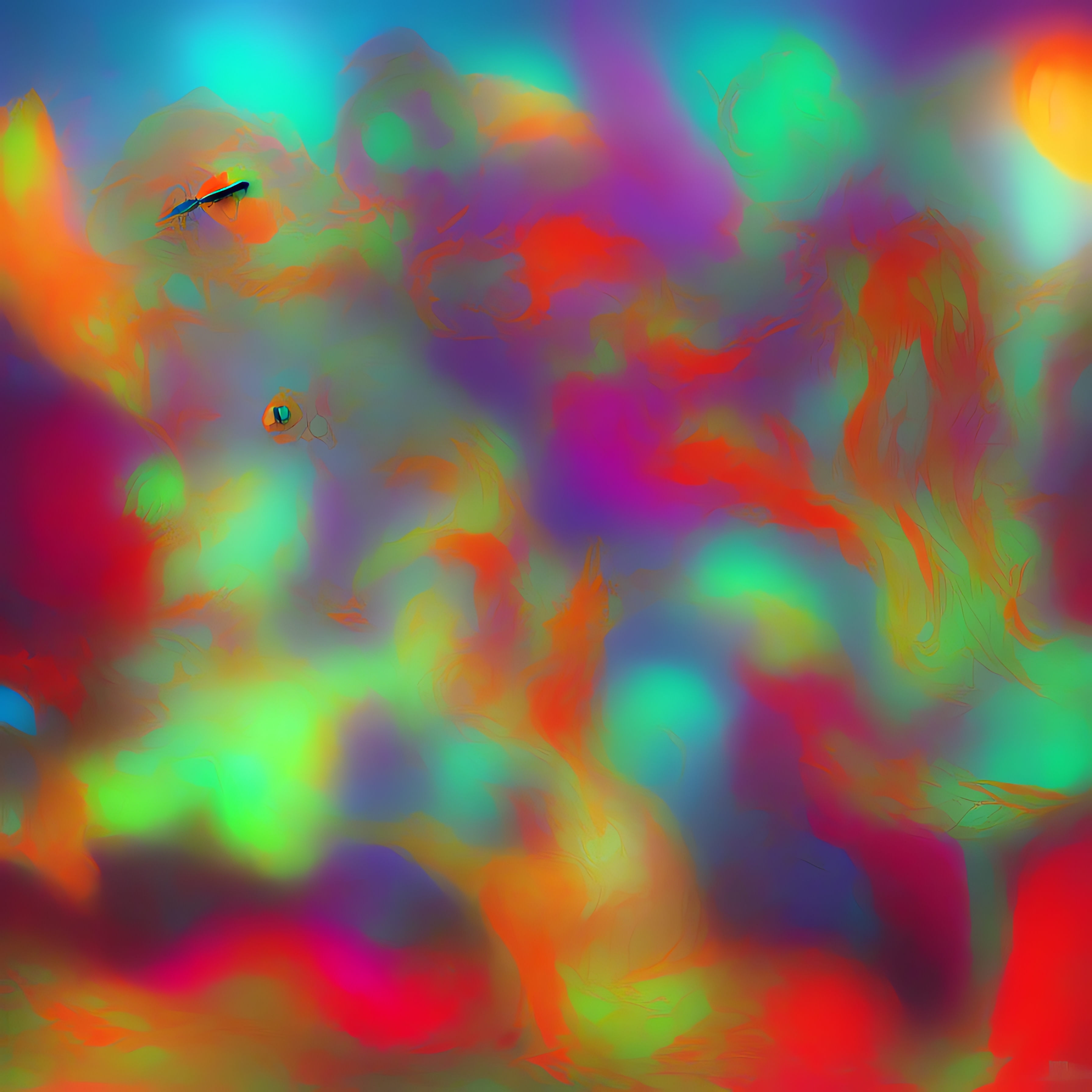
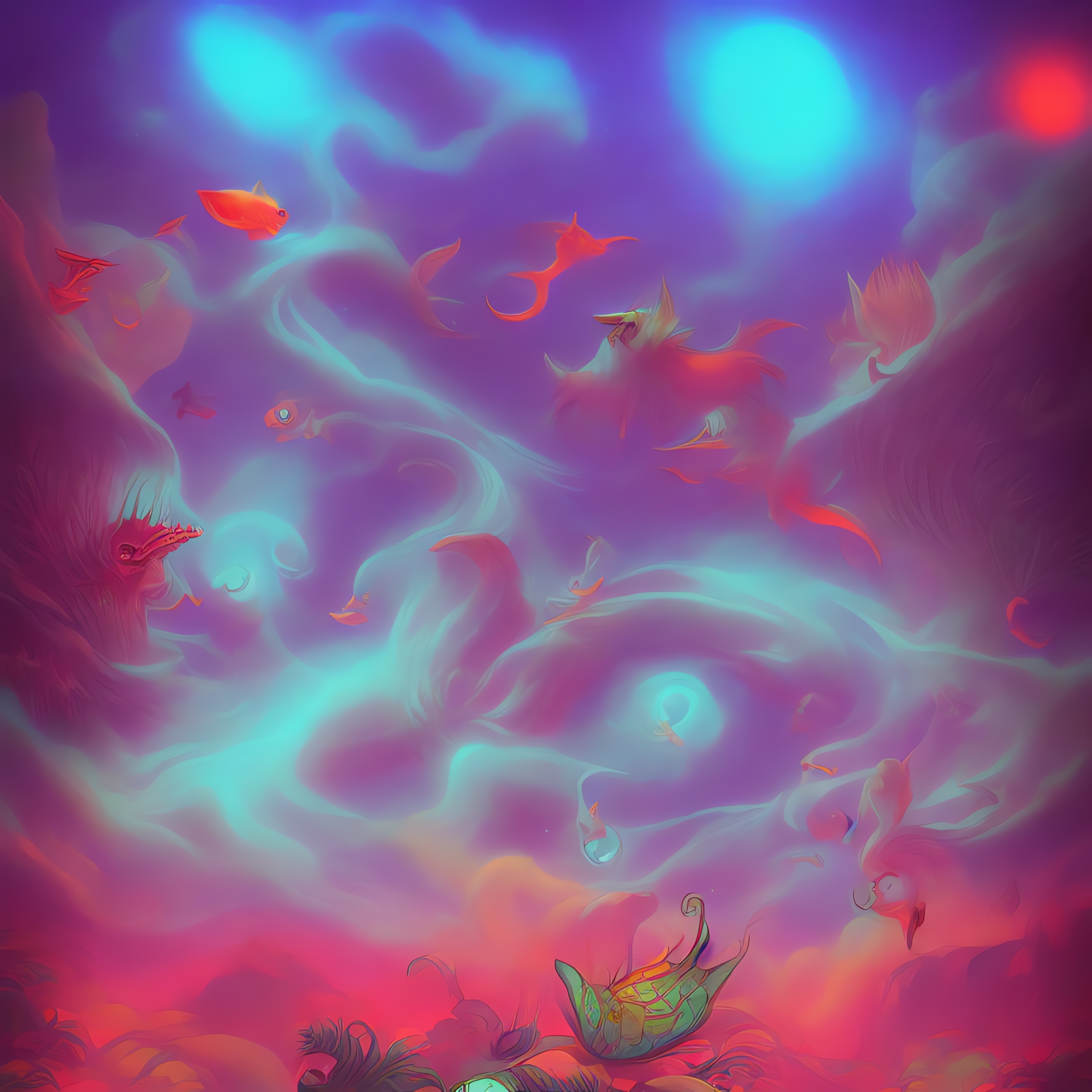

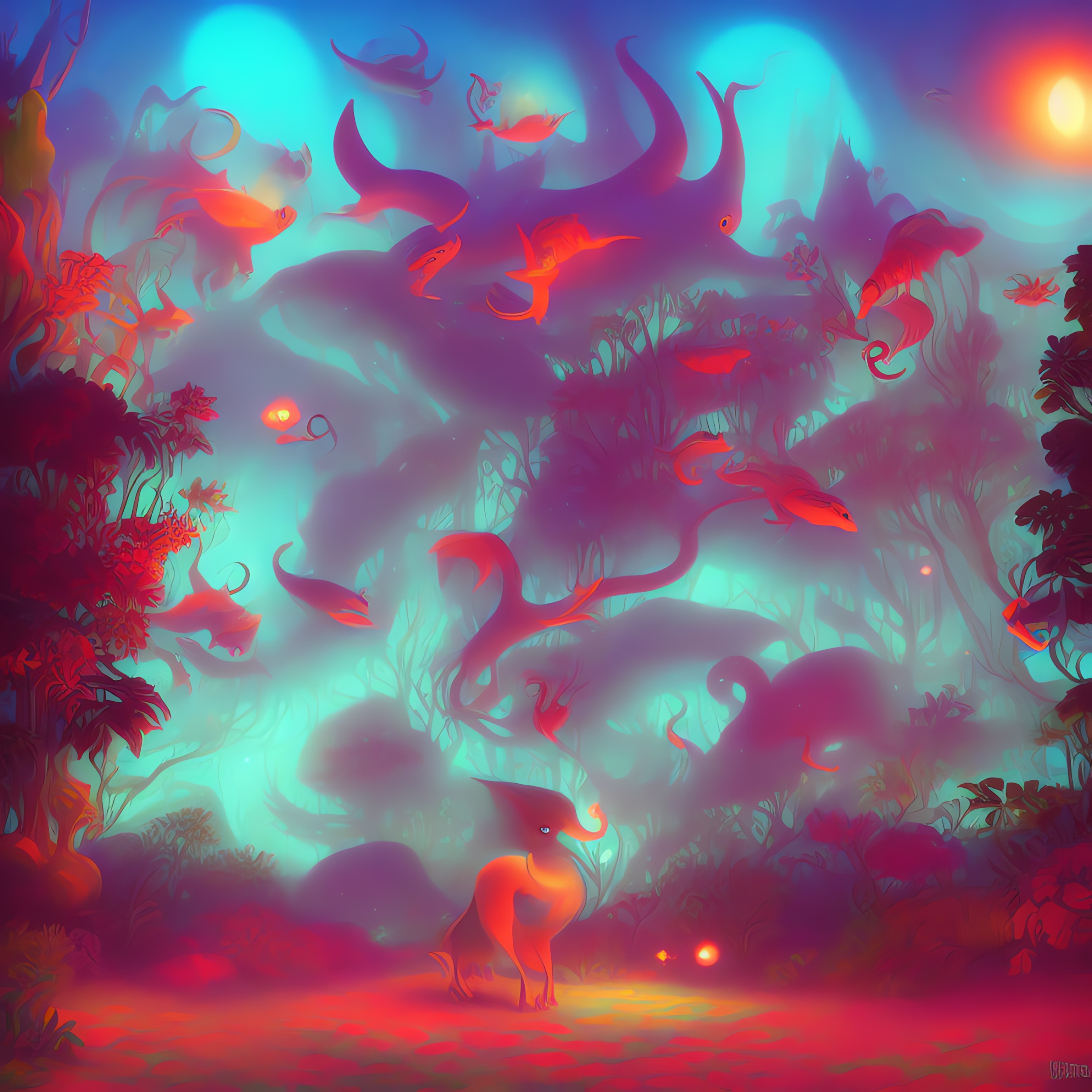


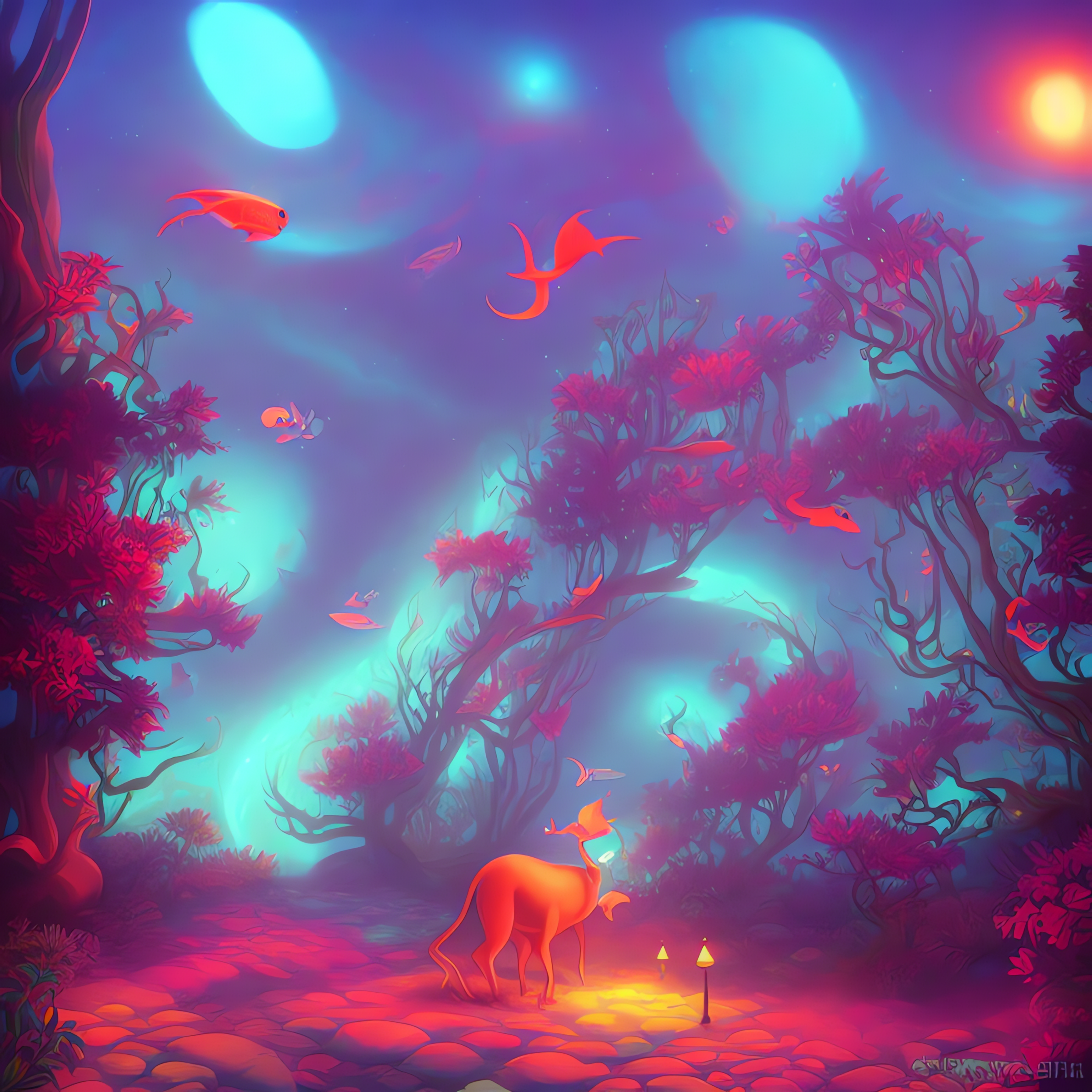
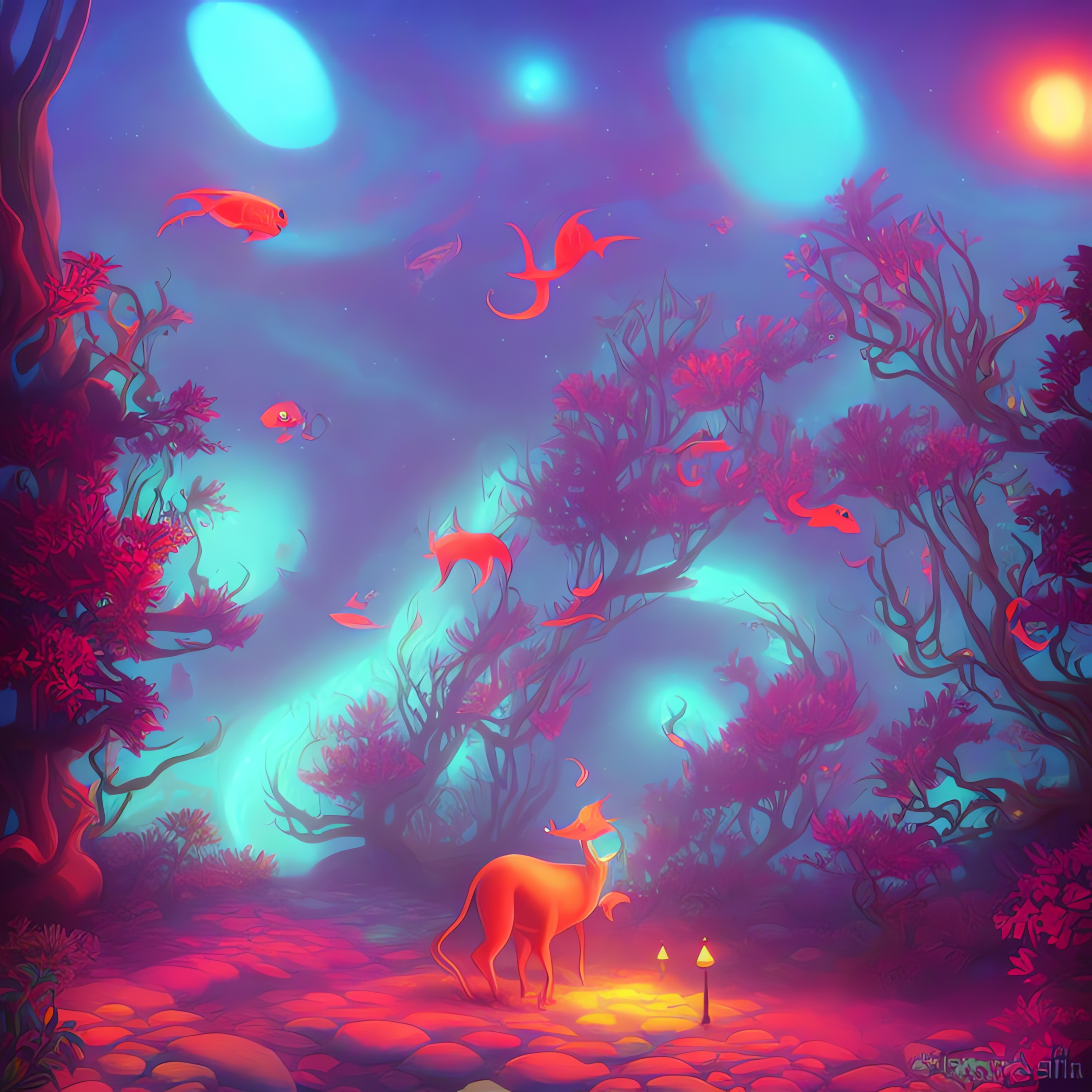
It’s pretty incredible right? Shape, structure, life formed out of primordial ooze. Just like how the universe as we know it was created. Some of my thoughts here.. error on step 3, don’t know about that error. The image is gradually defined across the steps, but the amount of change seems to vary drastically. It would be interesting to know how exactly DiffusionBee determines how much work to put into a step. I would imagine it was determined by some standard metric, maybe time, or amount of data. The unit of generation is s/it, so possibly determined by a set number of iterations? If that is short for seconds per iteration. The difference between steps 6 and 7 is massive, and the difference between steps 22 and 75 are really minute. The image is pretty much fully formed at around 22 steps, and any more, the program just doesn’t really know to do, because it’s basically done. This is good to know when generating these, because it takes about 5 minutes for my computer (a powerful Macbook Pro, 16 GB of Ram, M1 processor) to make this image with 75 steps, and only about 2 minutes at 22 steps. 10 steps was maybe 30 seconds. The image is quite different along the way, at the earlier steps being smoother, wispier, and even with totally different content. At step 10 the subject creature has a trunk, and even has an eye. As the image evolves, that creature is lost to the less-interesting fire cat. Sorry firecat. There is also the whole manta ray-like creature, looming up above, that degenerates into the background. So, you can have a totally different image from one step to another. I saw this again, it was really shocking, in the following sequence of images. These are images of steps 6, 10, and 12, of a different prompt of phantasmagorical creatures. At 6 steps, no creatures, at 10 steps, BOOM, so many creatures! and then at 12, gone again. Blink and you’ll miss them! Truly phantasmic creatures. So if you generate this image on any settings but 10 steps, you’d think your prompt failed and you came up empty, when it isn’t true. This series in particular really left me feeling that 10 steps was a magic number, along with 6 and 22.
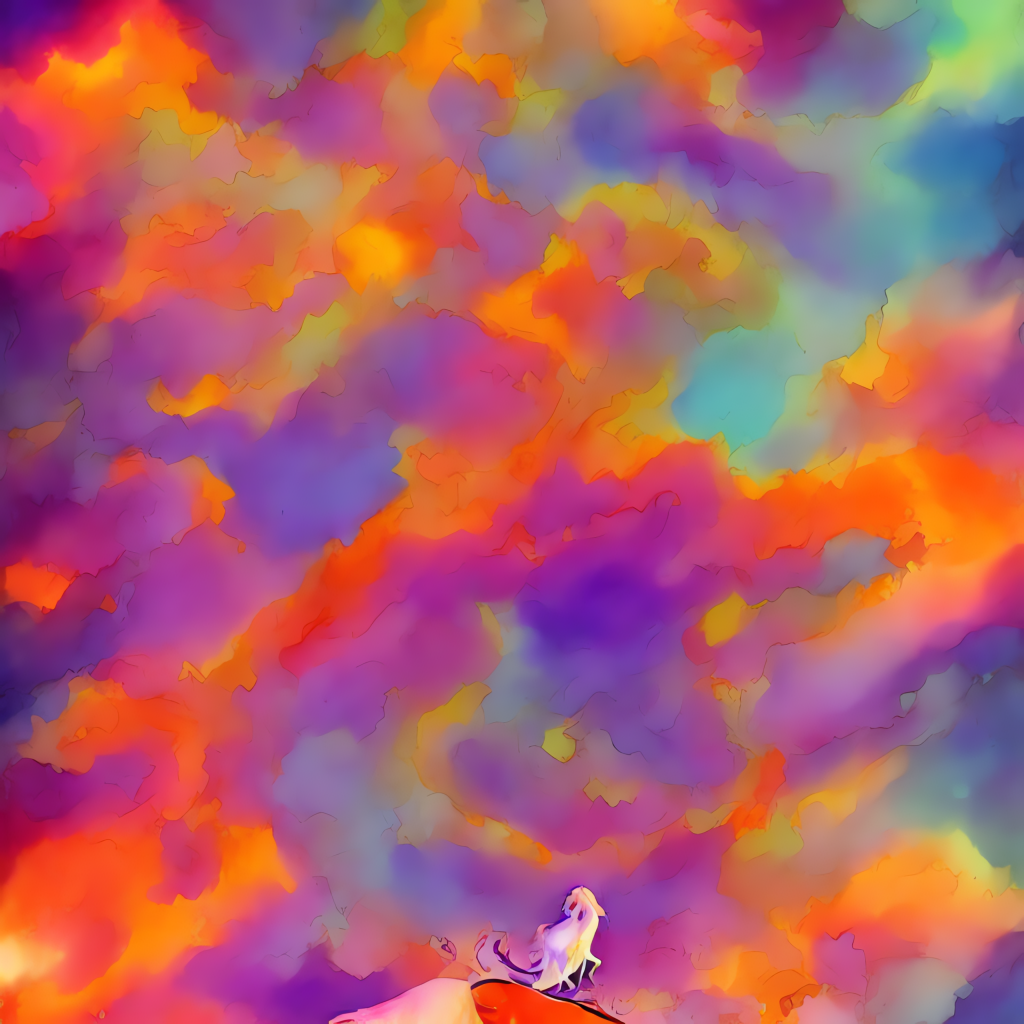


So.. this is the effect that step number has on an image. Based on the step count, you can have vastly different images. More steps is not necessarily better and can even be less desirable. I didn’t only play with step count. I played with seed number, and the effect of words in the text prompt. My eyes are tired of all this squinting, since I’m writing outside, and my post is starting to lag for whatever reason, so I’ll save that for the next post. Arigato robotos, and more DiffusionBee talk next post. 🙂
 HAKUMUSU
Damn, another great post. I liked the part where you wrote the words.