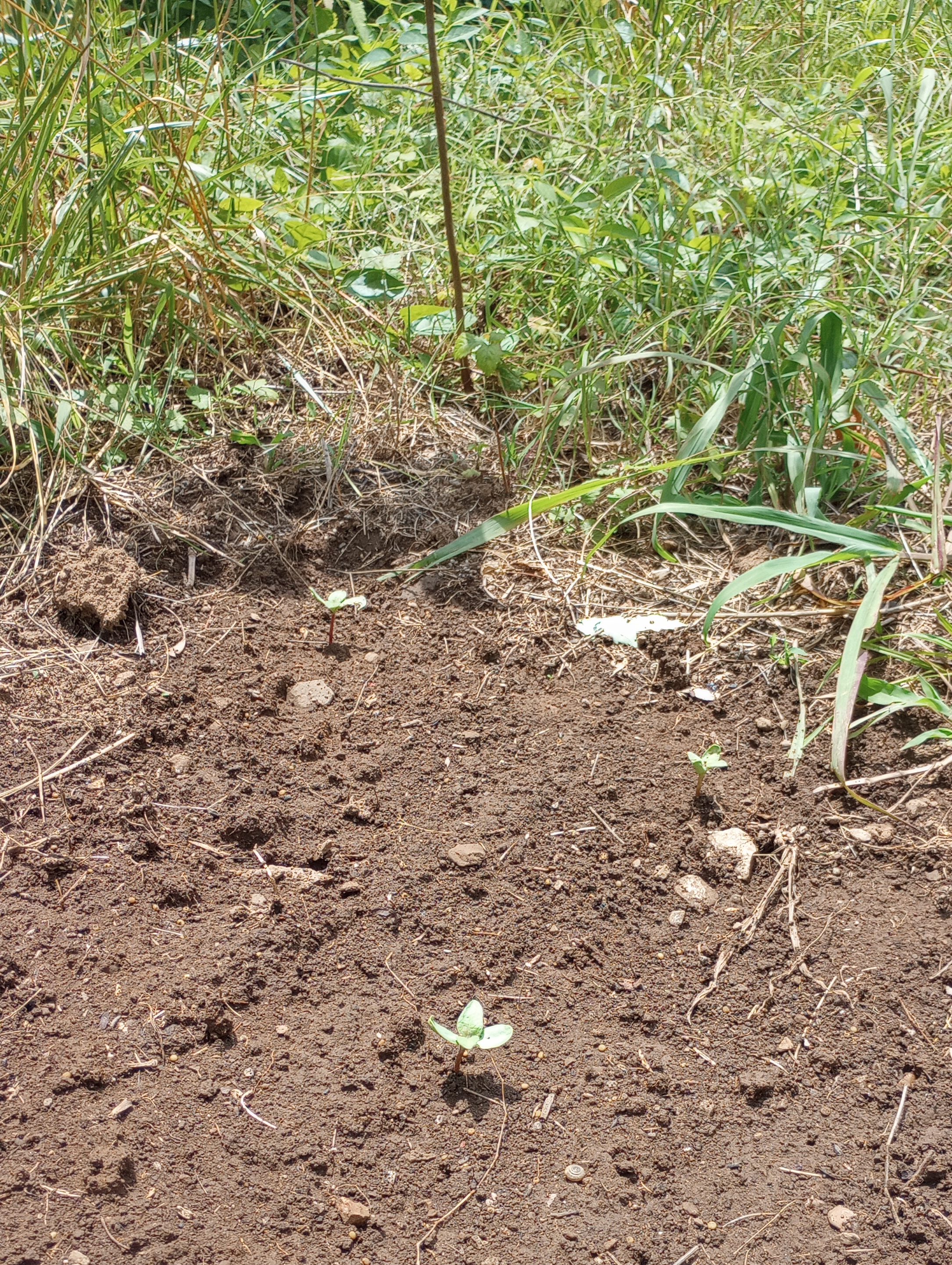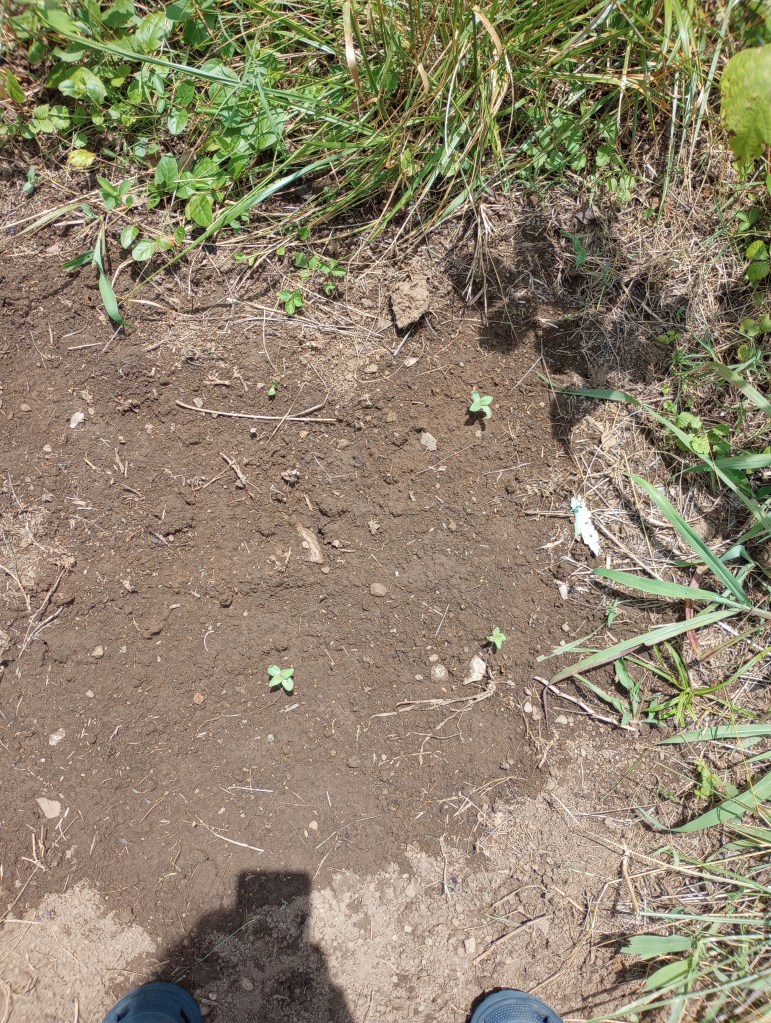

Yesterday I went to an event held at the Looby Public Library, for fall vegetable gardening. Just to see what’s going on. Currently, I’ve only planted flowers, and carrots. That’s it. Veggies is a whole new world for me.
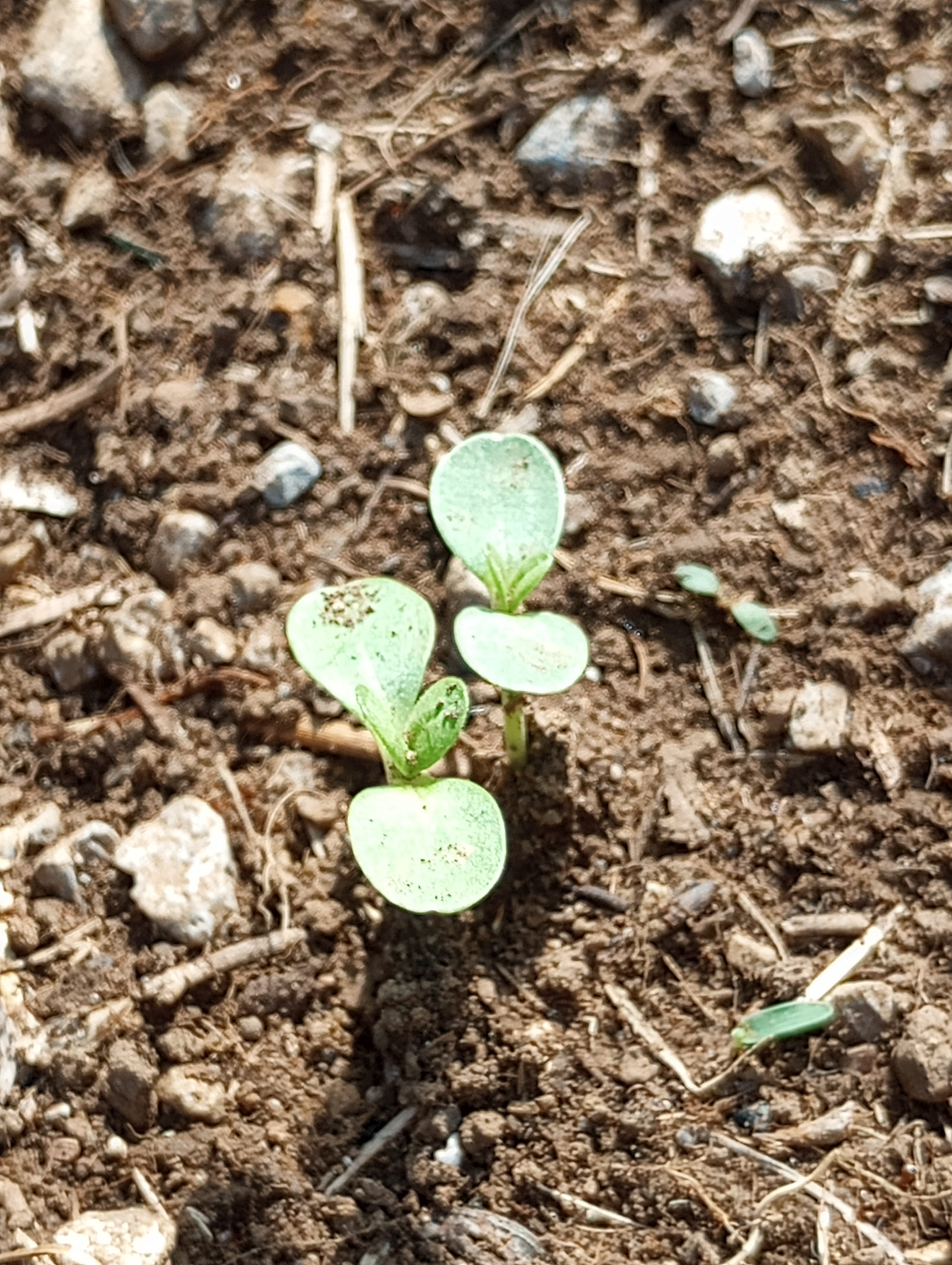
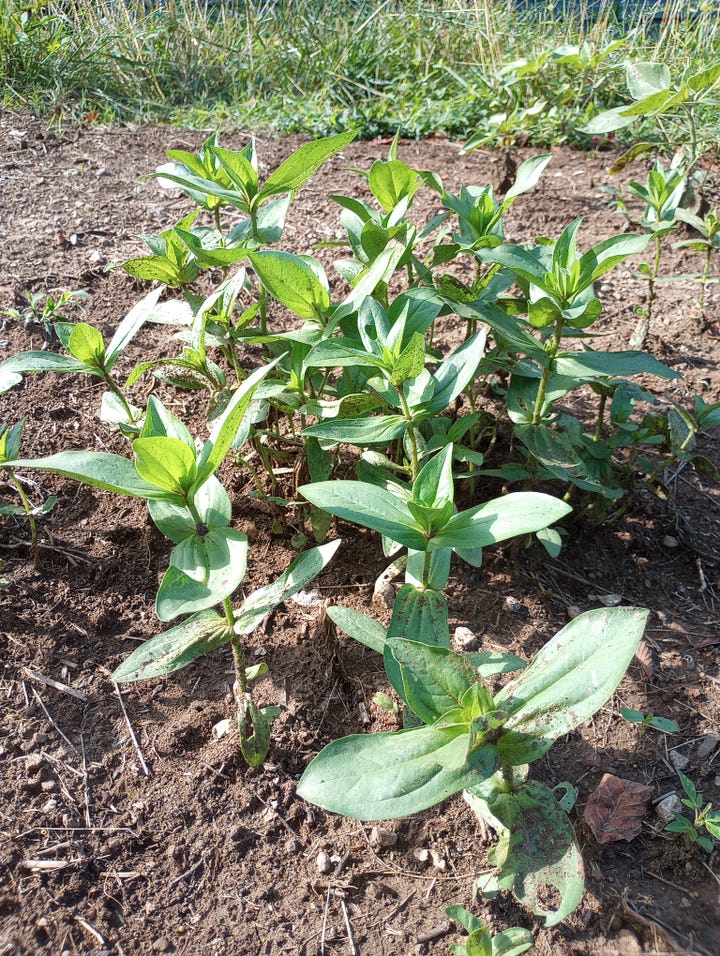
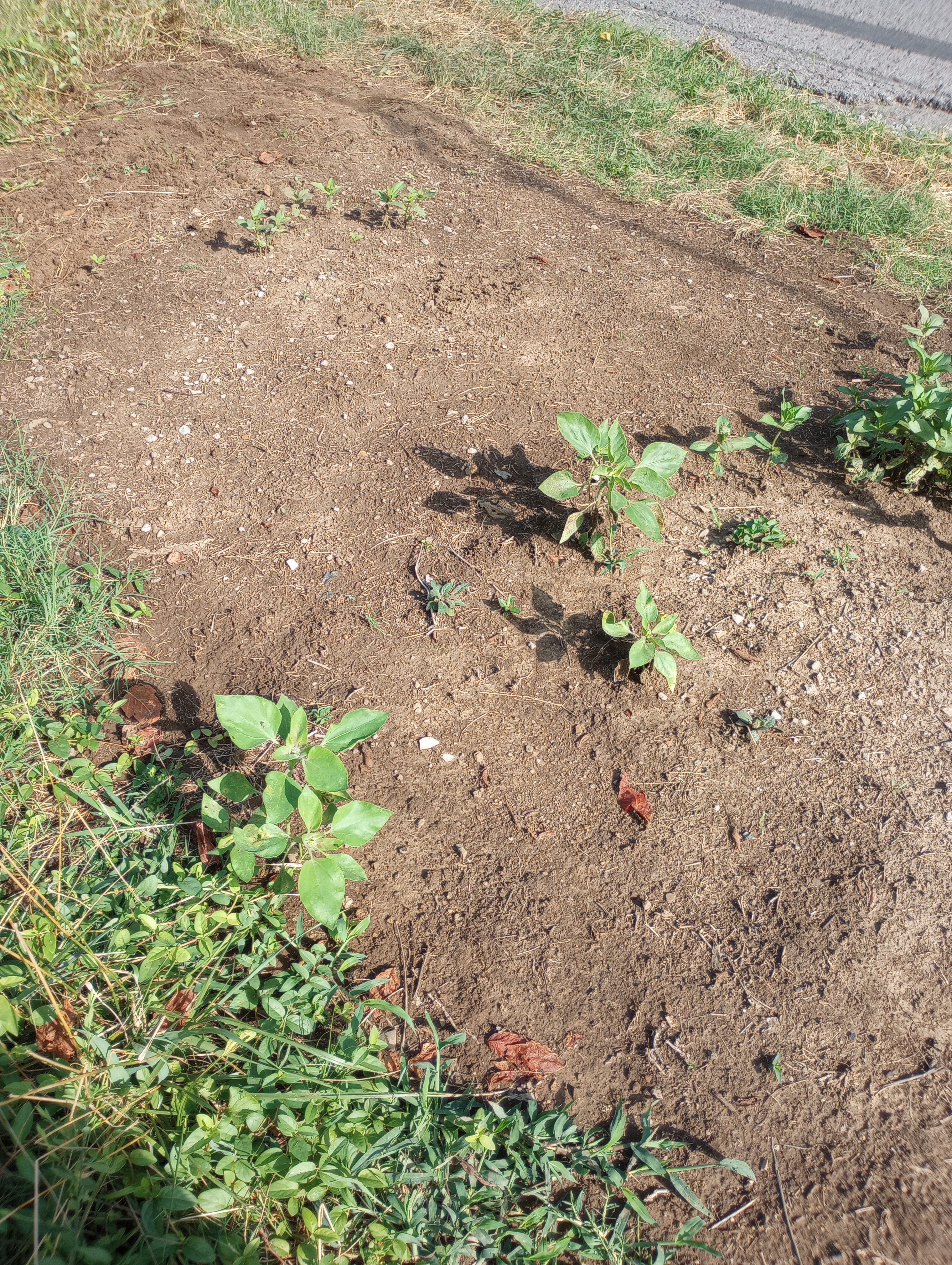
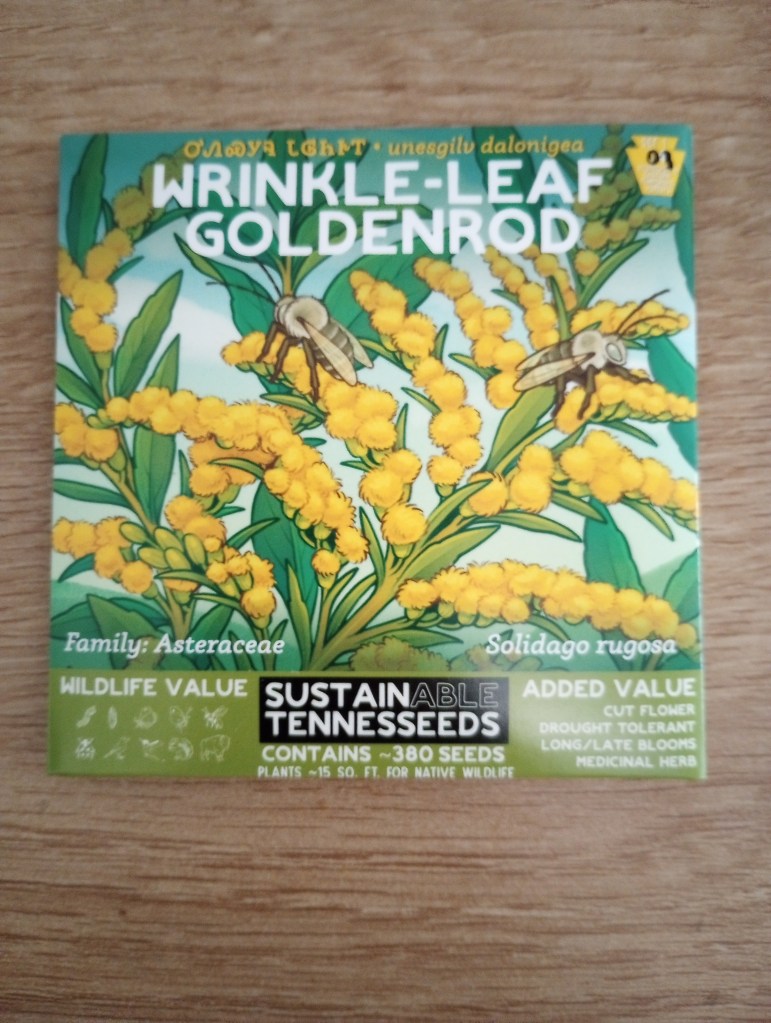
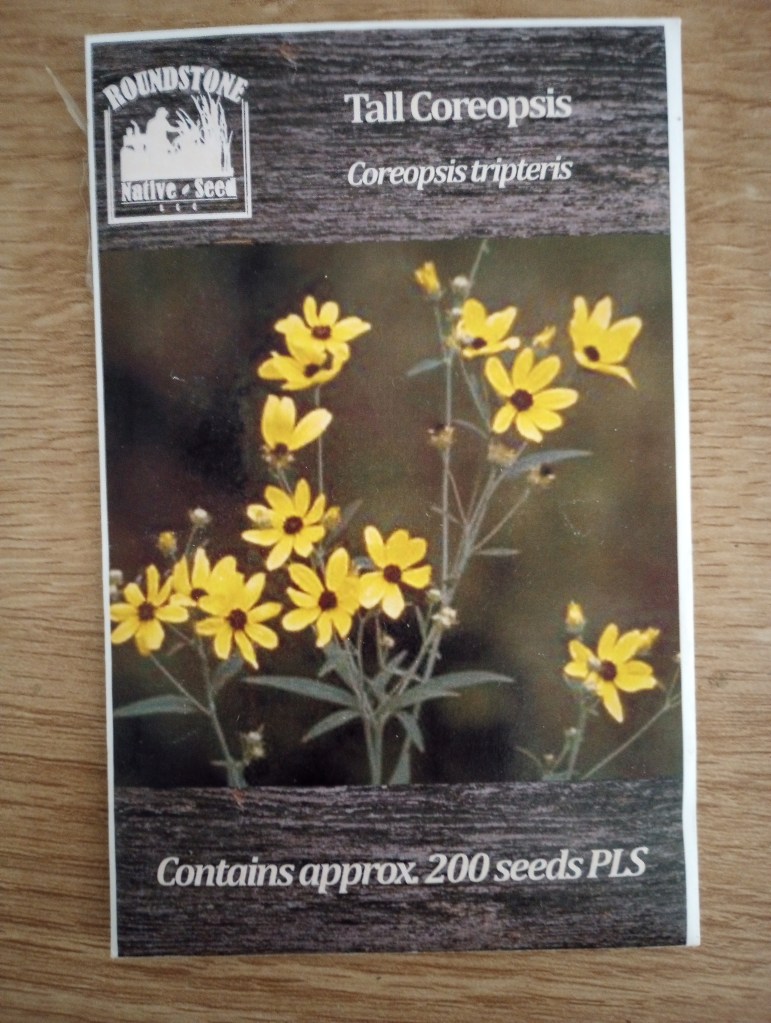
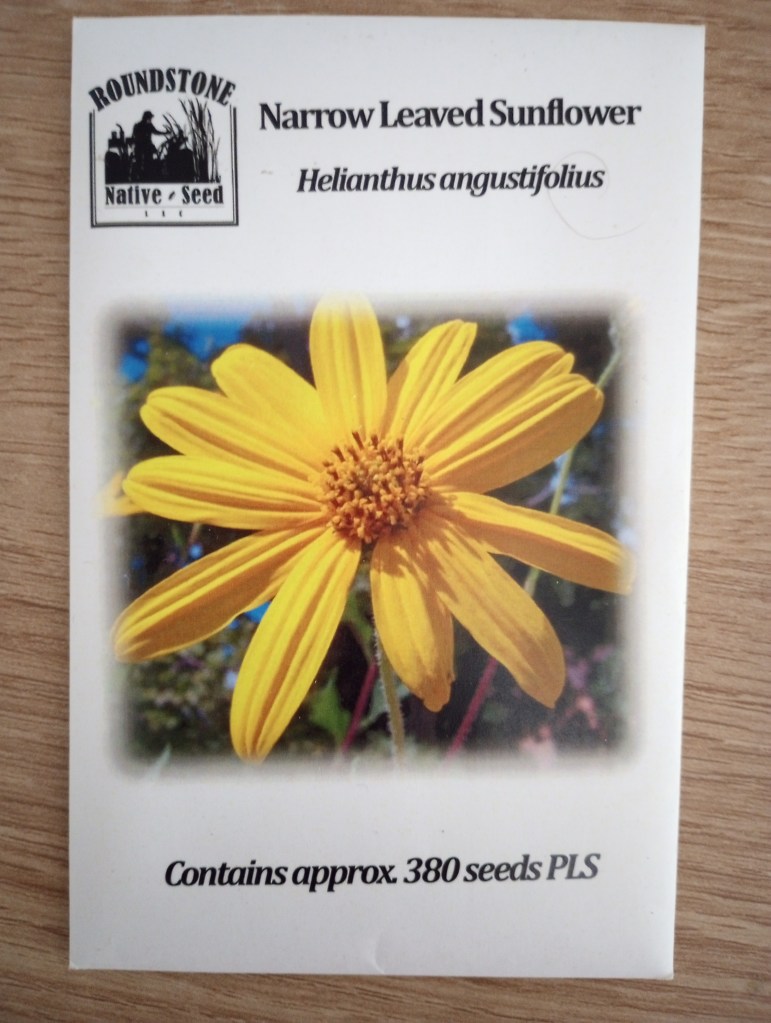
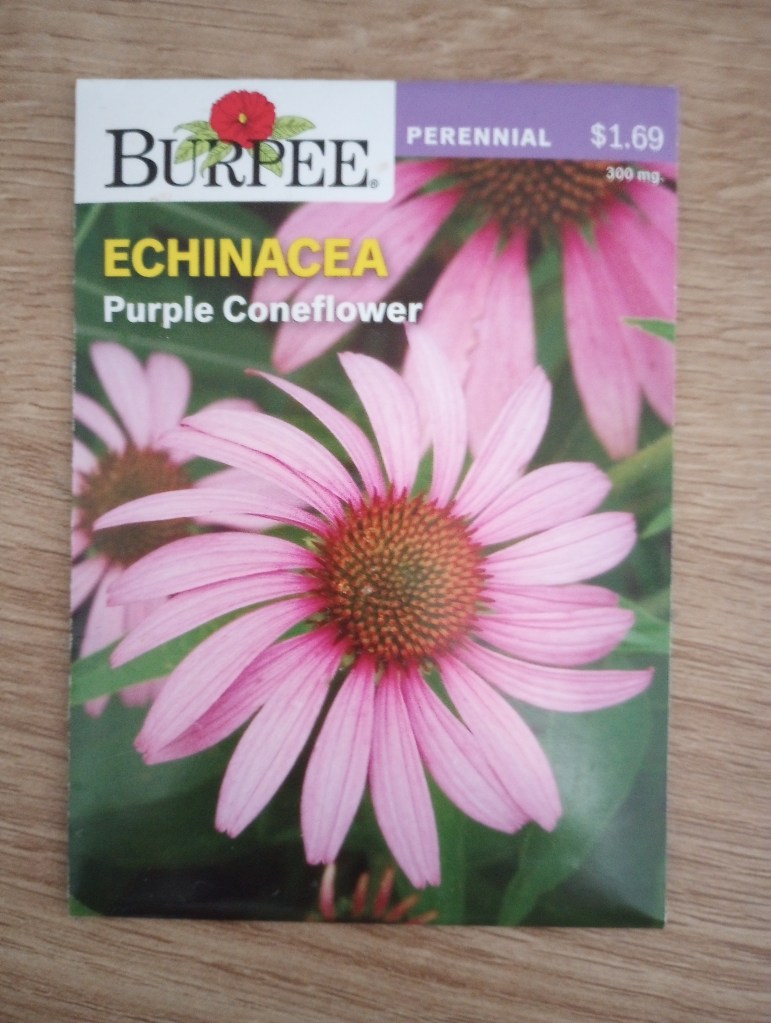
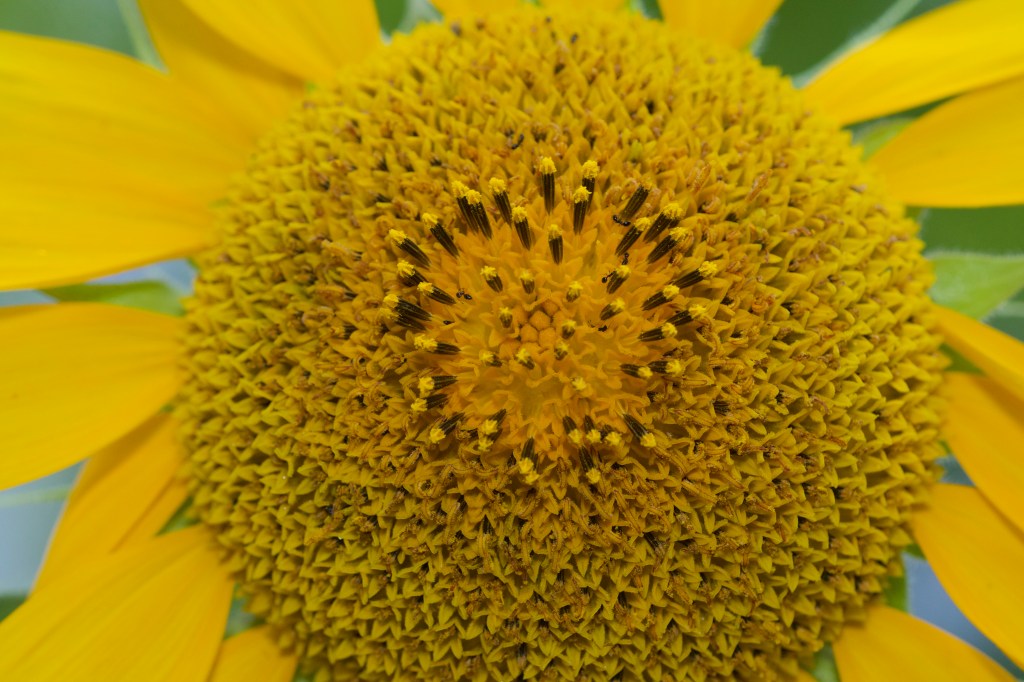
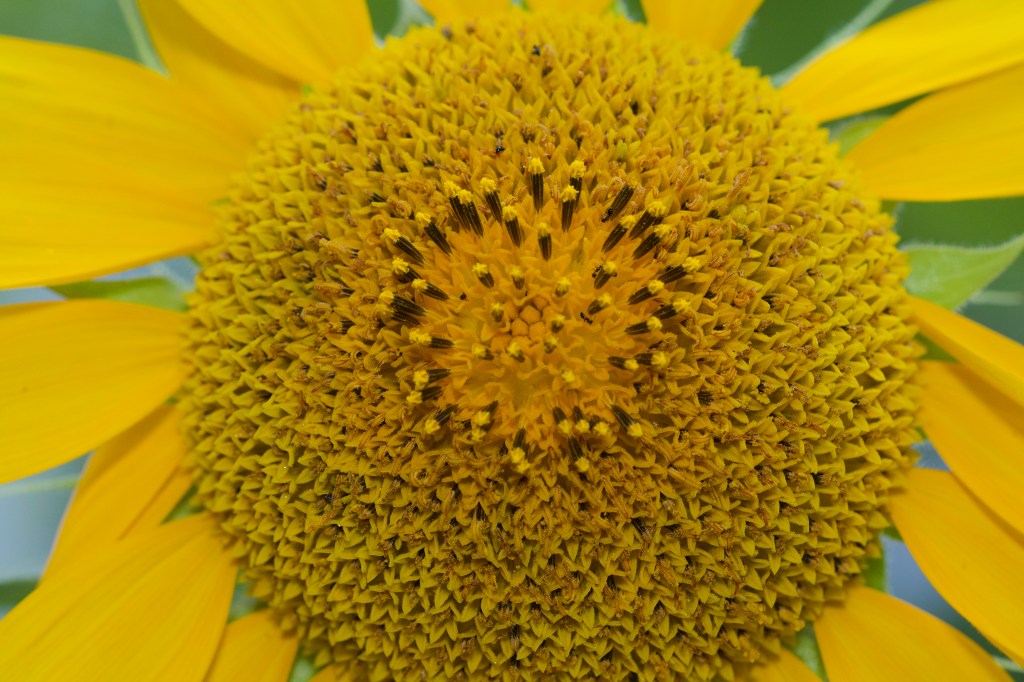
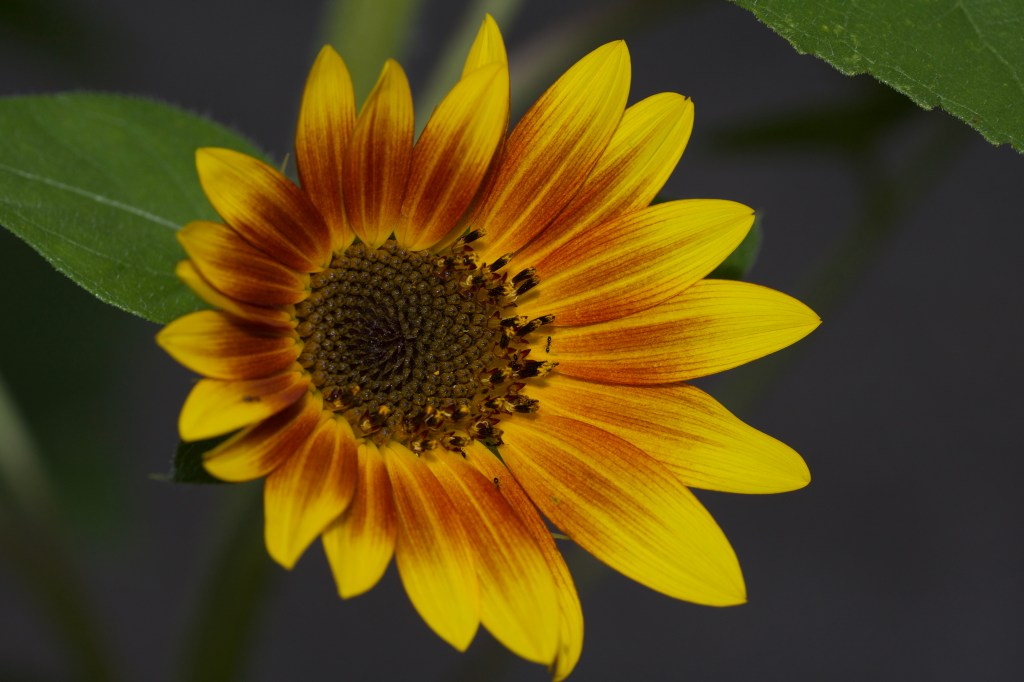
I went out to a local iconic gardening store and bought more seeds. I’ve been going crazy. So far, I’ve now planted Cosmos, Zinneas, Butterfly Milkweed, Jerusalem Gold Sunflowers, Smooth Blue Aster, Purple Coneflower, Shasta Daisies, Marigolds, Black-eyed Susans, and carrots. And I still have some Goldenrod to plant, more Purple Coneflower, Wild Bergamot…
The watering is starting to be a lot of work. It takes 30+ minutes to do all this watering, and it’s still probably not enough. I fill up the watering can by hand, at our sink. The spigot is on our neighbor’s side of the house (we live in a duplex) and I’m too lazy to text him and ask if he minds me using the hose.
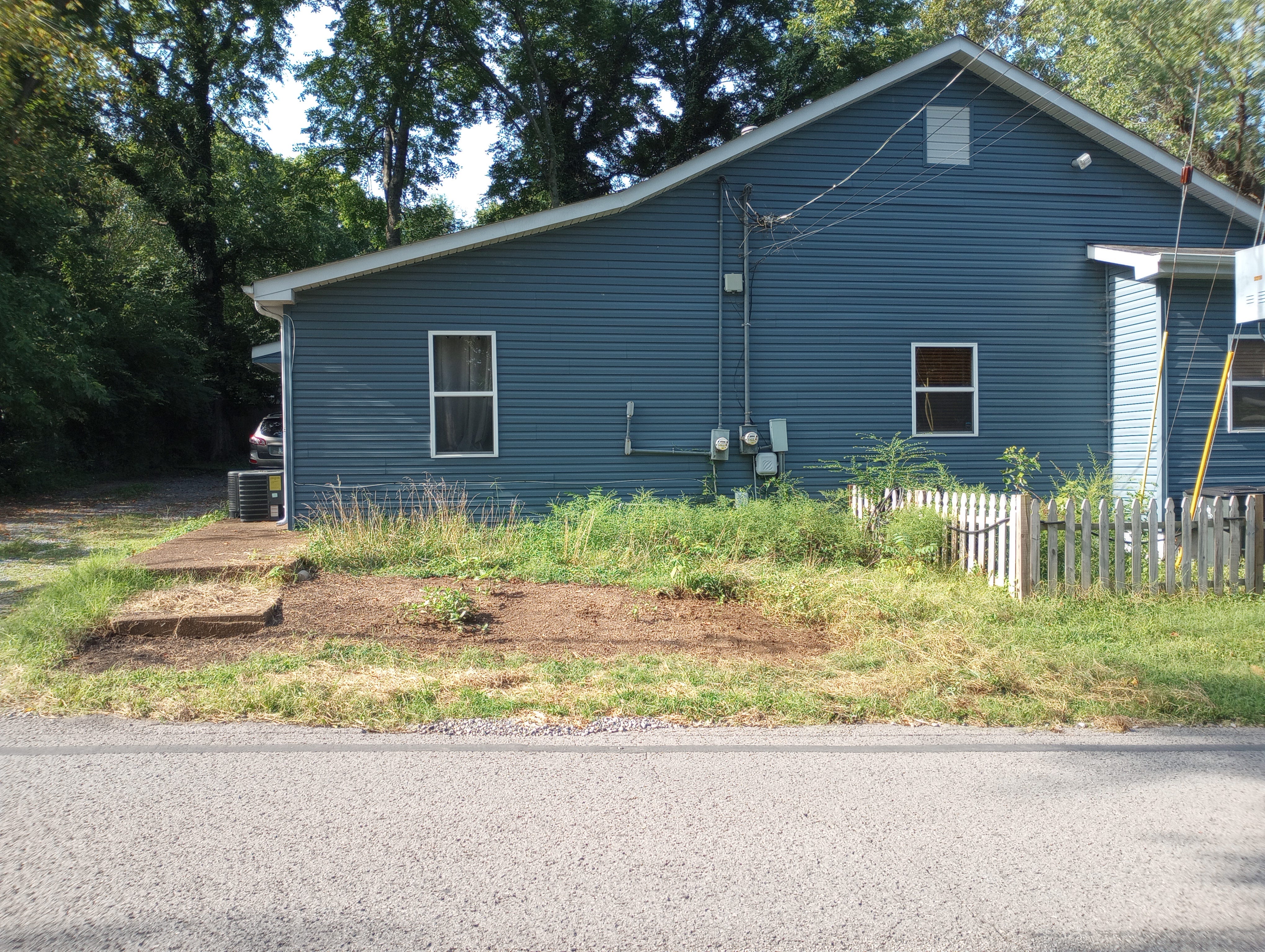
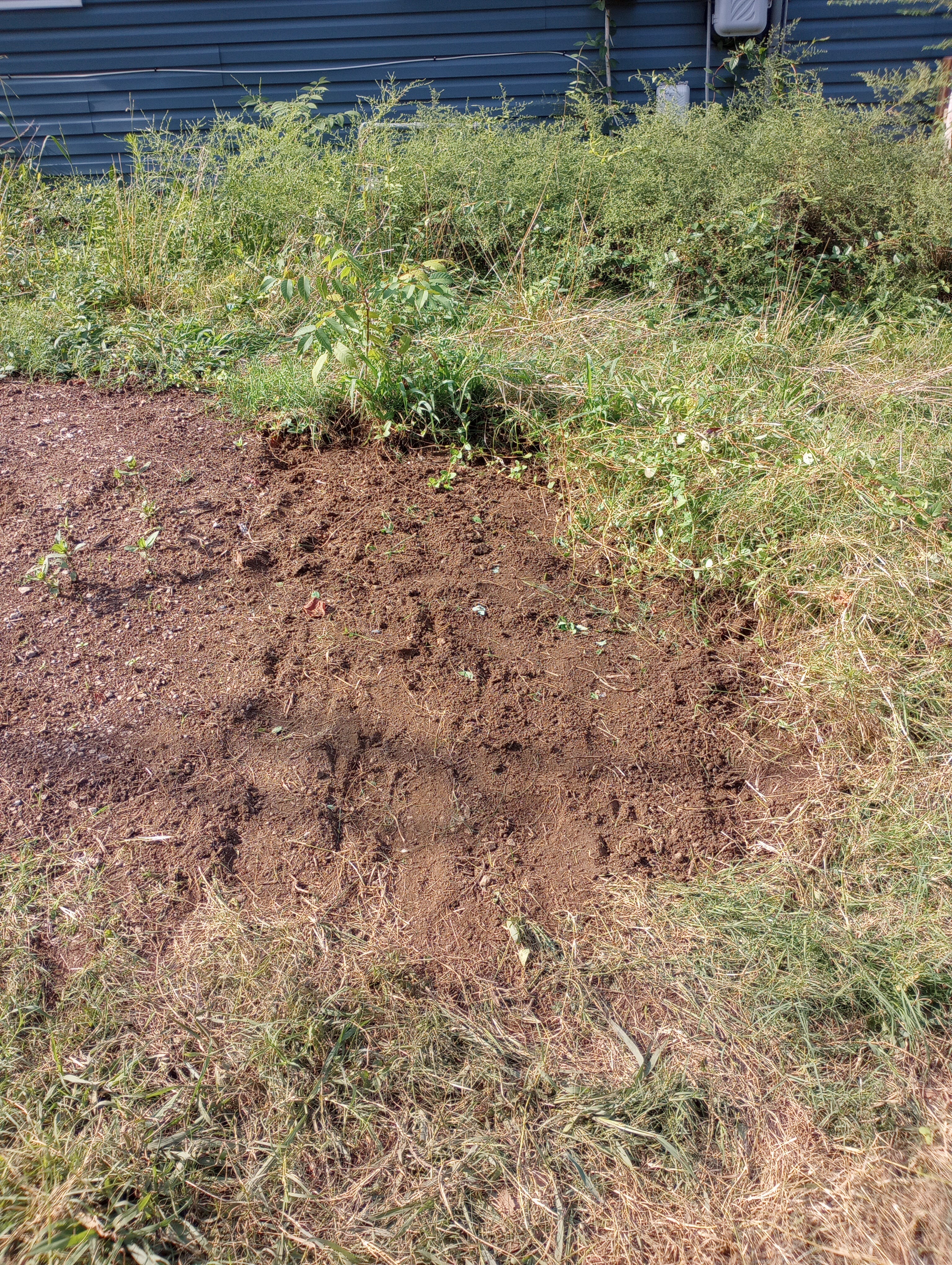
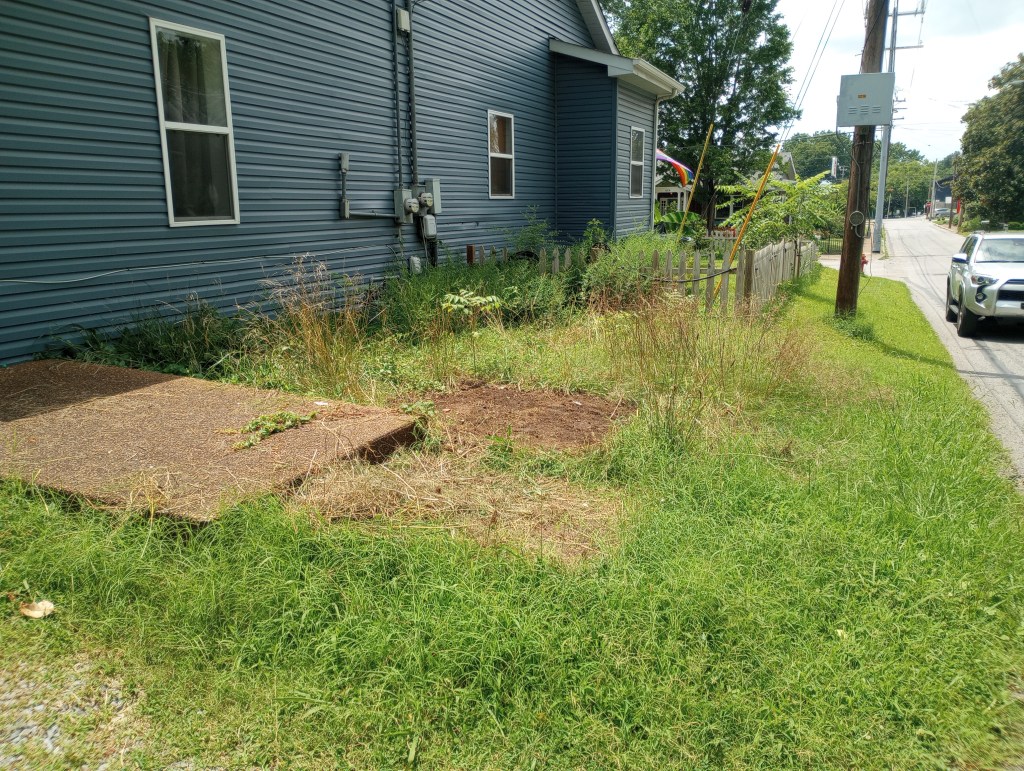
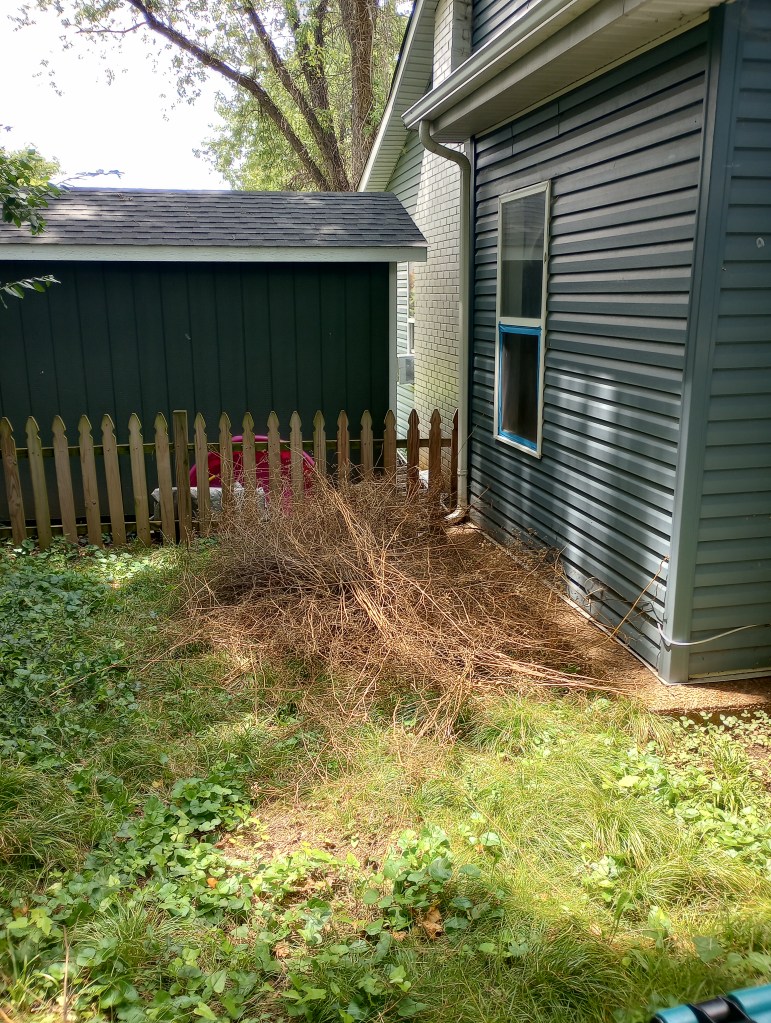
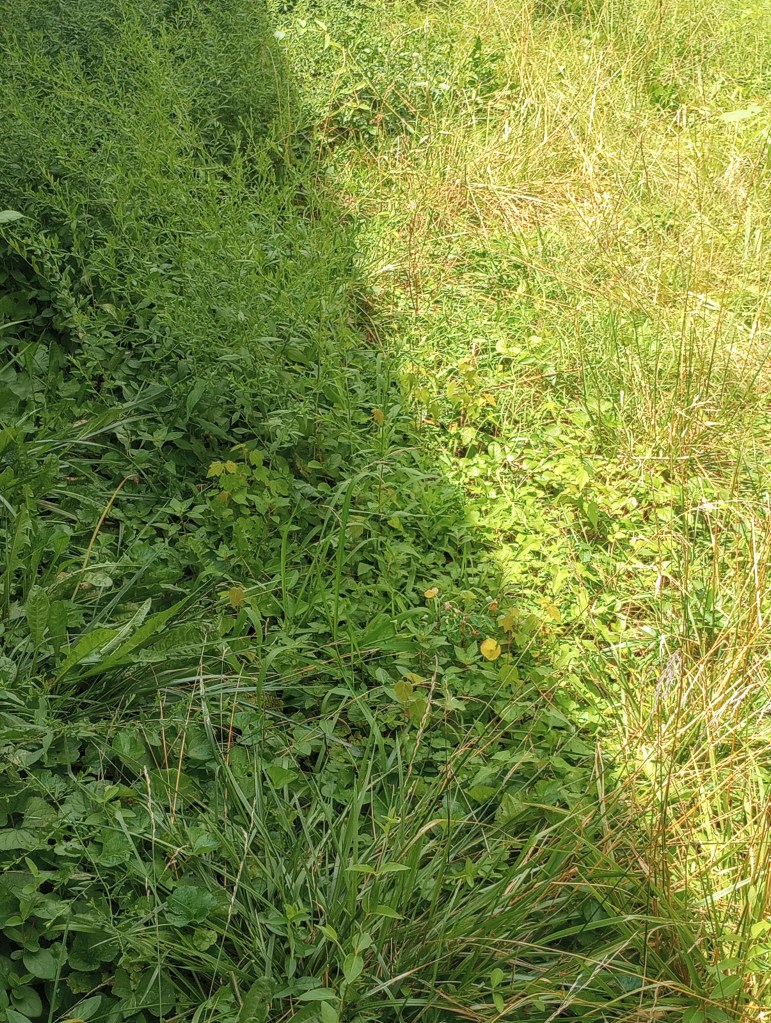
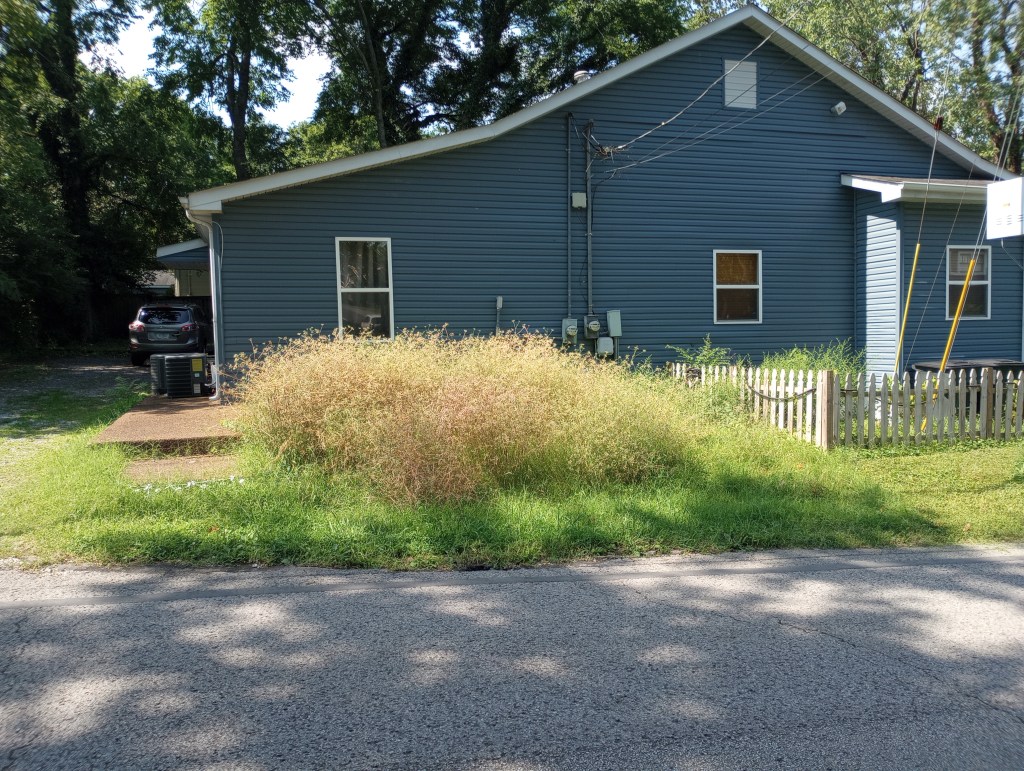
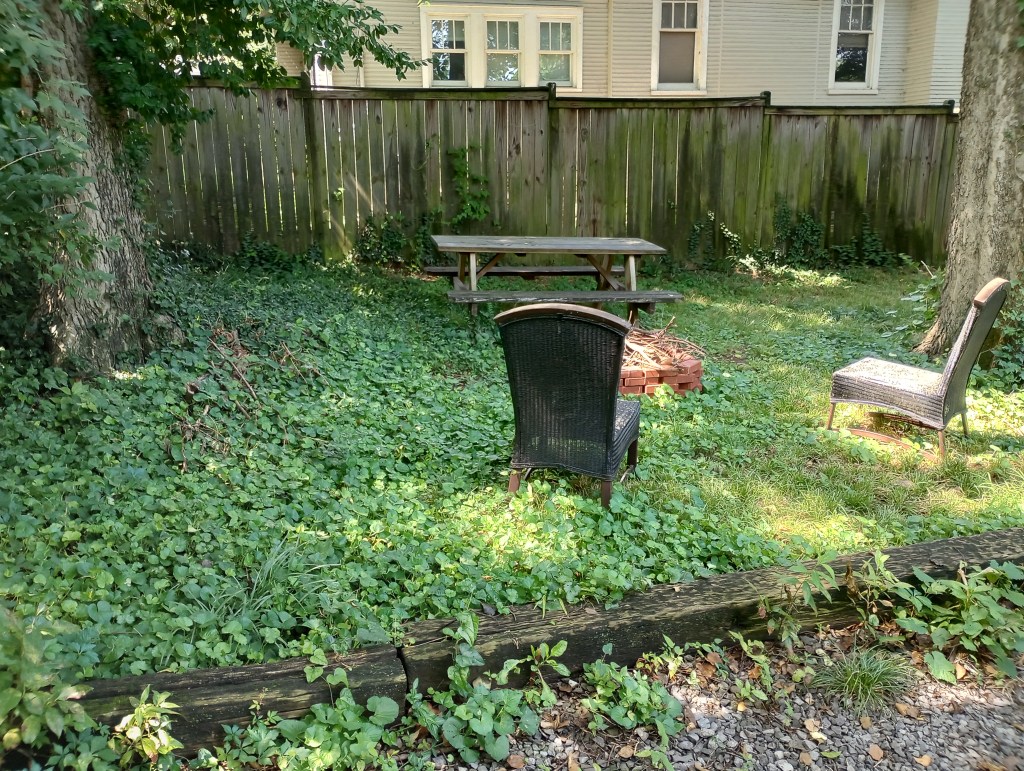
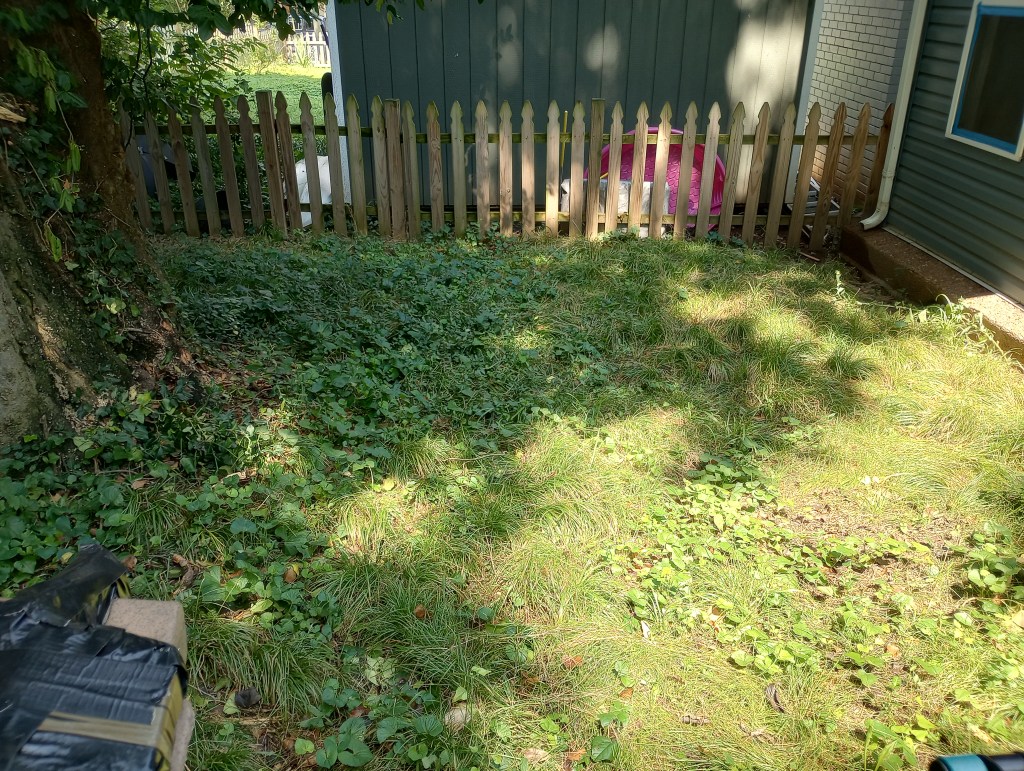
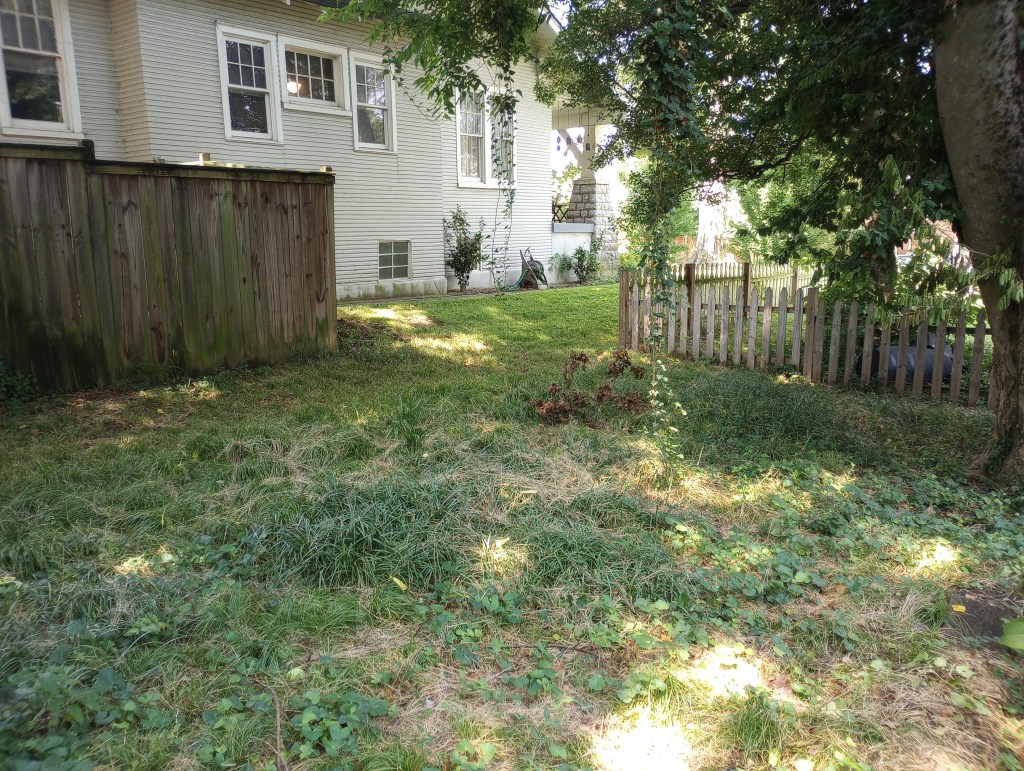
The hard part is not the planting, it’s the tearing up the grass. Most of the grass in our front yard is some extremely tenacious, rhizomous beast-grass. The roots are nebulous and deep. The sprouts are constantly still popping up, even when I think I’ve completely, thoroughly dug out all the roots, removed all traces of the grass.
This grass is quite entrenched in the lawn. And digging it up is hard work. I would even call it backbreaking. I can’t even imagine working on a railroad line, doing whatever those guys did all day. If it’s anything on the level of digging up this grass with a shovel, I couldn’t do it. And it’s compounded 10x in the hot sun.
Basically, you can’t do it in the sun. You’ll die. Or, you just suffer immensely. You have to get up early enough to get some digging time in, or late at night. I’ve done some digging at 10, 11pm at night, long after the sun has gone down. It’s blissful. It’s amazing to be able to do that work without the intense blaze of heat.
As I dig up more and more of this yard, I realize—I’ve bit off quite a bit. I don’t even want to dig anymore, really. But I want to have a large flower garden. And I have to get these seeds down, because the clock is ticking, the winter approaches—and I bought them.
Tonight I’ll have to do more digging.
When you’re doing hard work, it’s amazing how it feels like you’ve done so much more than you’ve actually done. It can be the same with writing. When you’re putting so much into every line, when you’re really crafting each line — it feels like you’re doing so much work, and then you come back and review how much you’ve written, and it’s nothing. Three pages. You worked so hard for those three pages.
The digging is the same. Two mornings ago I dug for a solid two hours straight, from 6:30 to 9:00 am. I took a short break. Backbreaking labor, slow and difficult. It felt like I had dug up ten acres of land. And then, when I stepped back to see how much I’d done, and how much farther I had to go, I was shocked. Depressed. Only about 12 square feet of earth had been cleared. Maybe 15.
Yesterday morning I met Melissa and Taz. She was taking her dog for a little stroll around the neighborhood. I know this dog; he’s one of the most familiar sights in the neighborhood. He barks at me almost nonstop whenever I’m out in the yard. Melissa and Taz live in the apartments across the street. Taz is cute—he’s a small dog, a terrier or something. Grey and white, long fur. And he likes to yap. He loves to yap.
To be honest, like most dogs yapping, it’s really annoying. Taz’s yapping. All the dogs in the neighborhood like to bark, and they’re all annoying. Sometimes lately I’ve wished that dogs were just banned in the city. Sometimes, when they’re really barking up a storm, I just wish that there weren’t dogs around anymore. Not in the city. God damn, it’s so annoying.
But… they are cute. And the yapping isn’t that bad. Mostly, I can ignore it, or I can put up with it. If it is that bad, then you have to tell them. Hey, can you please shut your god damn dog up? Thanks.
You never want to have to do that, of course.
I finally met Taz, who I had been thinking, if he just knew me, he would stop barking at me. I don’t think that’s likely to happen, now that we’ve met. He was still barking at me, as I squatted down to let him sniff me. I did not get a pet in. Melissa said it was his way of saying hi. What a pleasant way of saying hi.
She was holding a lit cigarette and drinking coffee out of a styrofoam cup. That’s the way to wake up, right there.
She asked what I was up to with the garden. I gave her the low down. She was interested. She said it was going to look beautiful when it was done.
I’ll tell you that I have a lot of thoughts about convering all of the boring lawns in the neighborhood into gardens. Into flower beds. I think about how the neighbors will enjoy looking at the flowers in my yard. There are a lot of people living in the complex across the street, like Melissa. They will be able to look across the street and see a wonderful array of wild flowers, hopefully. And the street gets a lot of foot traffic. It will be a welcome addition of beauty on our otherwise mundane street.
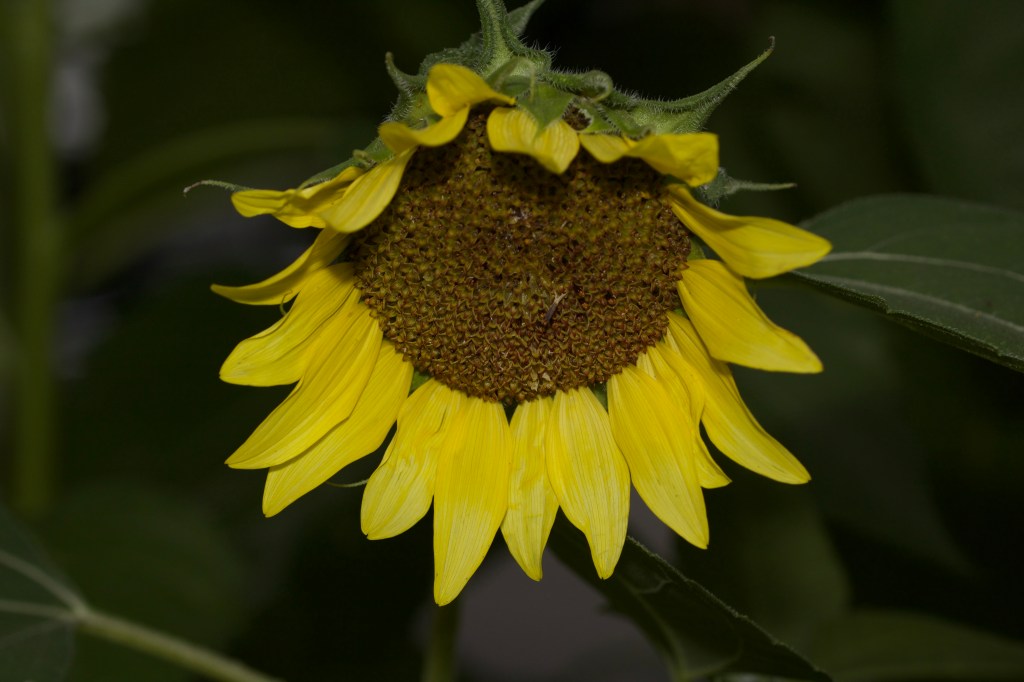
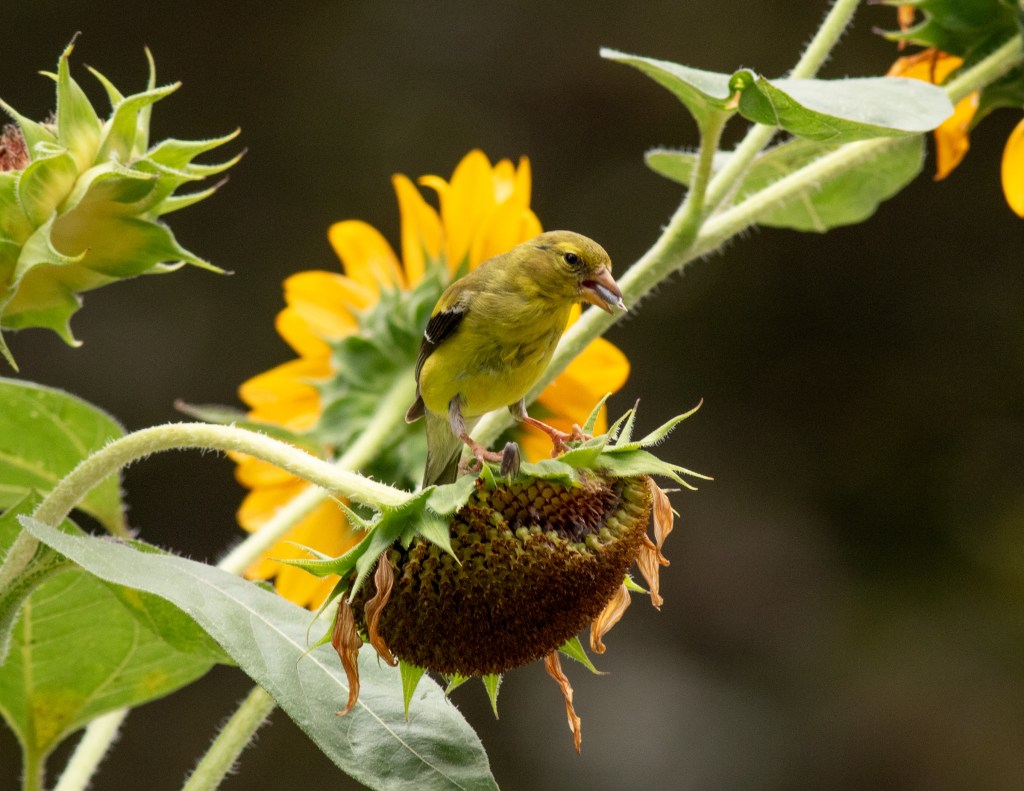
Patrick, my duplex neighbor, has done a good job with his house. He’s done a lot of work. He put up a fence, that has been run through twice in the five years since he’s lived in that house, and surrounded it with flowers. Mostly black-eyed susans and purple coneflower, but he’s got some other things. And, he’s got sunflowers.
There are some amazing gardens in East Nashville. Some people are doing really great work.
The Master Gardeners were an old black couple, from North Carolina and Alabama. The man was from Alabama, the woman from North Carolina. But they had been in Nashville for a long time. They were amazing people. The woman did most of the talking, and she was sharp. She knew her facts. There was an incredible amount of gardening information in her brain. The man knew just as much, but he had taken a support role, and spent much of the time showing us pictures of things on his phone, like his collection of plants grown in buckets, the way they had harvested their lettuce, putting the bottom leaves but letting the tops grow, and an enormous, 22-pound watermelon.
After the seminar, which was attended by myself, a black woman named Audrey in her 40s or 50s, and a young white couple who had recently moved to Nashville from California, and who had inherited a plot in a community garden, they offered to take us to their nearby community plot. We went out there and they took us around the plots. The woman was especially excited to show us her peanut plant. It was her first time growing one.
I’ll tell you this — vegetables are weird. Fruits, too. Flowers are easy to understand. What happens? They’re just a plant. They grow up, and then they have beautiful flowers, and you’ve succeeded. They all kind of do the same thing, I feel like. But vegetables and fruits… Strange. They come in all manner of shapes and sizes. What are they doing?
For example, the peanut plant. It was not what I ever would have expected a peanut plant to look like. It was low to the ground, dark green, dense. It had some small yellow flowers blooming. If I had walked across that plant in the wild, never would I have thought it was a peanut plant. And then, the watermelon. It was sprawling. It’s basically a ground vine. I think that it would be described as a vine, right? A vine on the ground. Now, I didn’t know about that. And this couple had a vine that was covering like 80 square feet of ground. Was that one vine? It looked like it. How many plants was that?
Then you have the leafy veggies, kale and lettuce. I mean, those are simple, right. They’re still strange though. And beets, carrots, where you eat the buried part. Is that even a root? Is it a fruit? What is that? And what’s going on with corn?
They had tons of beans. Beans are crazy. Pole beans, green beans… I can’t even remember all the kinds of beans I saw. I learned that there are a lot of kinds of beans.
The man was very excited to tell me how many kinds of tomatoes there were. He said, “How many kinds of tomatoes do you think there are?” I said, “Oh man, there must be a lot… hundreds—” he said, “There’s over three-thousand kinds of tomatoes.”
Probably just as many kinds of beans.
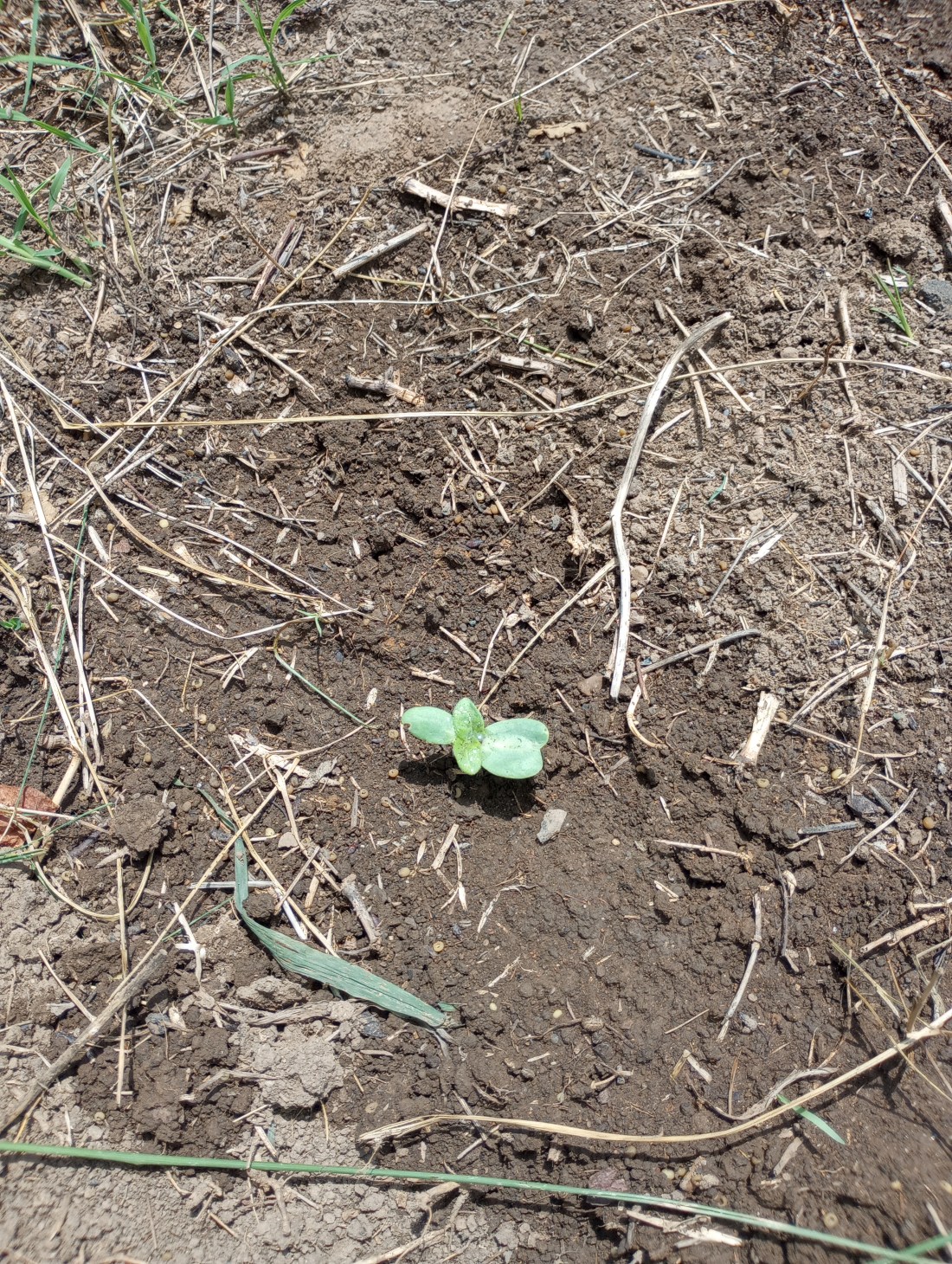
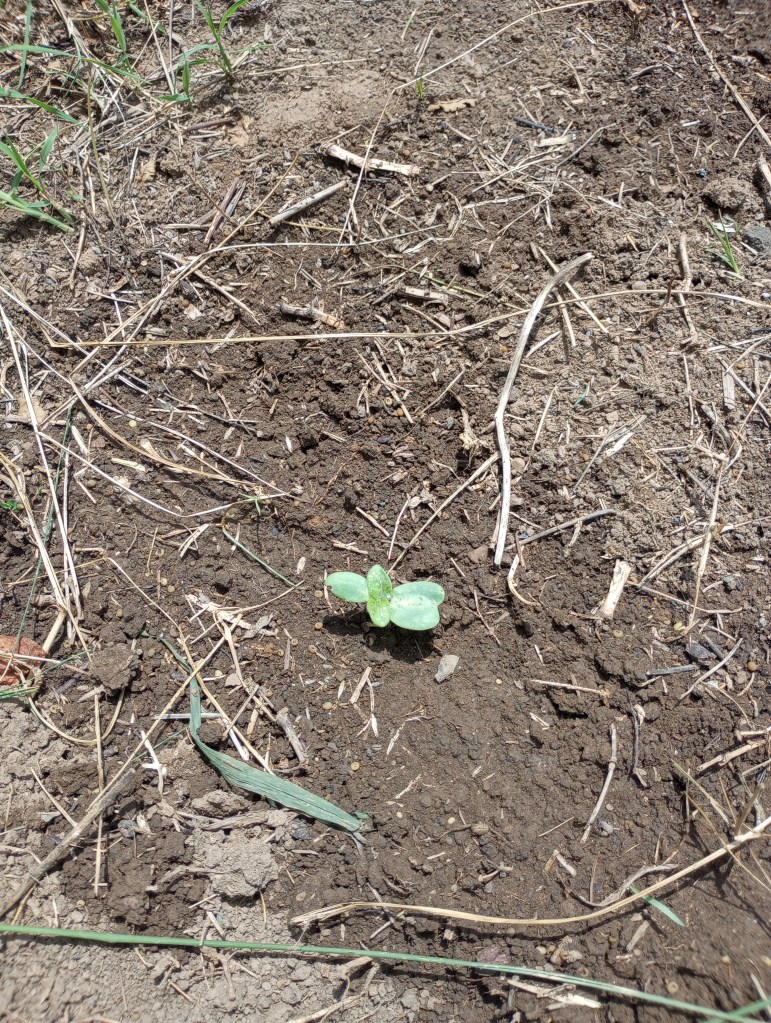
Some of these veggies can grow in as little as 20 days. I think the radishes were one of those. You can have radishes in a month. How wild is that? From a seed to an edible radish, that quickly. But I’ve seen how quickly these plants can grow. The Zinneas, the sunflowers. It’s all they do. They’re a-growin’.
I’ve already allocated so much of my full sun terrain for flowers. There isn’t much land left for veggies. But we have an entire concrete runway along the driveway, that we could cover with buckets and pots, and plant in those. That would add a lot of real estate. I can see that becoming a reality.
The man said something that was really appealing to me. I’ll remember this fact. He said that they would go to the store and price the vegetables that they had grown, and that they had in one year saved themselves about $900-1100 dollars on produce. That’s not nothing, folks. $1k worth of veggies? That stuck with me.
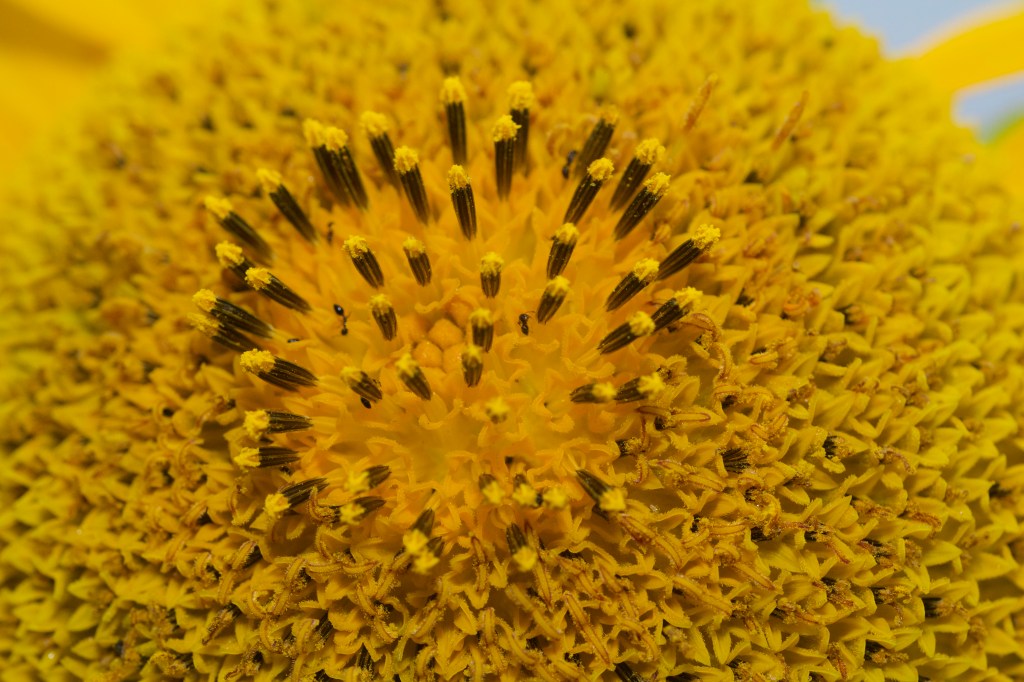
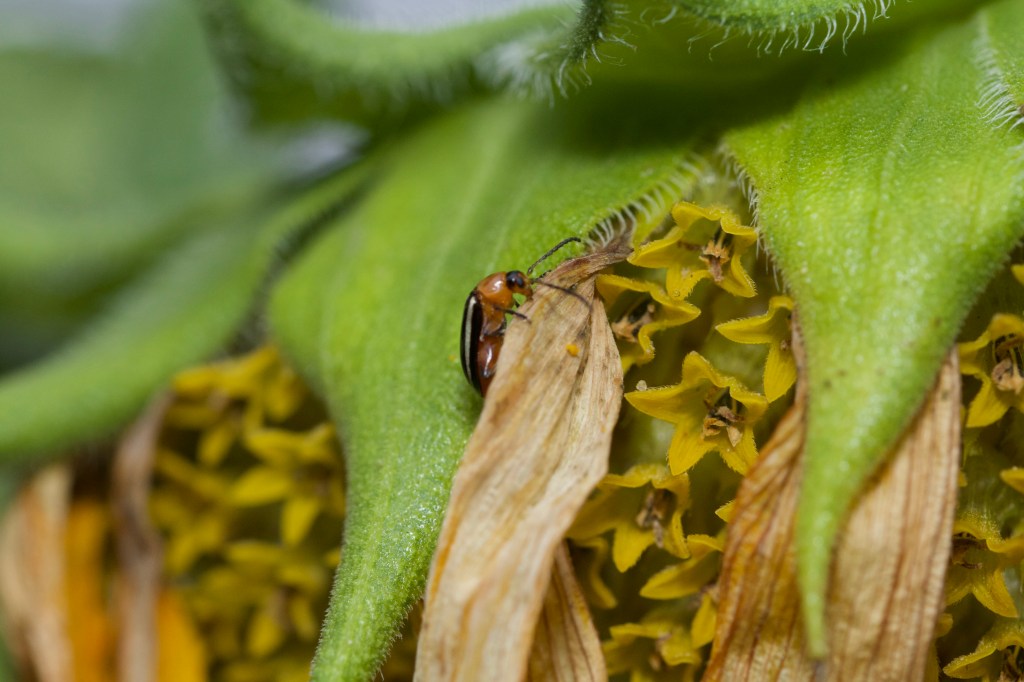
Out in the community garden, in every plot there were fruits and vegetables, except one. There was one plot where the gardener was growing flowers, Zinneas and sunflowers. They had an amazing strain of sunflower that grew only a single, massive flower at the top. They had a row of them, all about the same height, and all with an enormous flower at the top. And then, they eight or ten different kinds of Zinneas. They were all Zinneas I think, the Master Gardener woman thought so, but each one was a different kind. White, red, pink, orange, purple… it was a small Zinnea botanical garden. And the best part is, it was absolutely covered with butterflies. Pollinators in general, bees, leaf-footed bugs, huge, shiny beetles that I don’t think I have even seen, were all there, but the butterflies were amazing. It was like being in a butterfly house. Probably 60-80 butterflies were grazing on that flower patch. It was really incredible.
That made me want to grow more flowers. More than a peanut plant or watermelon, I still think I just want to grow flowers. For the insects. But, why not both?
I imagine my garden to be a kind of Tennessee native flower botanical garden. That’s what I want it to be. And people will walk by and think, “Now, what is that? That’s something I’ve never seen.” And I’ll be able to take people through the garden and say, “Yes, these are the Smooth Blue Asters, the Swallowtails love them, yes, that’s right, those are Drop Dead Red sunflowers, surprisingly easy to grow. That? Oh, that’s buttonbush, hard to grow if the soil isn’t wet enough, but I’ve managed it here…”