As I was typing this sentence (on Sunday), something caught my eye from the window. It was a small rabbit, or should I say large bunny, bounding across the lawn. I’m writing this time from the second floor bedroom, on a desk in front of a long rectangular window that allows me to look out over our humble kingdom. From this perch I can gaze out over the yard and – wow, there goes another bunny! That one was not bounding, that was a hurried scamper. A comical scamper. Boy those things can move quick, can’t they. I don’t think that was the same one, I would have noticed it come back across the yard. Same size though. Could be siblings. Could be twins. I guess they’re all kind of like twins, aren’t they, because they all come out at the same time. Twins, triplets, quadruplets. There’s a word for this – littermates. Yes, littermates.
This is extremely stream of consciousness. You’re right along for the ride with me here. I can see all of these things from this window, and more, because I can see the feeder from here. And the lake. I should say, the feeder complex. I have been here for the various stages of this aviation feeding station’s development, and would say that we can now officially call this a complex, the most recent addition being an oval-shaped mulch patch with African Lillies, for the hummingbirds. They like those African Lillies. Here’s a photo, courtesy of the internet, of what they look like.
African Lily – Agapanthus africanus
In the last paragraph, I wrote, “oval-shaped”. When I wrote that sentence, I first wrote ovular, you know, like circular, or rectangular, but it immediately struck me as sus, and my intuition was correct. That word is already taken. For things related to ovules, of course. The English language is weird. The other day we were watching soccer and I said something like, “She’d just shotten the ball” and the parents stopped me and said, “Shotten??” Got, gotten, fine. Shot, shotten, no sir. Gotten is still alive in the common vernacular but doesn’t have to be used (I just got home, I’ve just gotten home), but it might go the same way as shotten, and die out someday. Because, I just did some Googling, it’s not that you can’t say shotten. It’s not incorrect, it’s just a dead word, listed by the dictionaries as obsolete. Once upon time it was used, if we can trust this nice graph from Collin’s Dictionary, some time in the 1700s, and who knows how much before then.
Anyways, back to the African Lillies.. Ours are yellow and orange. They’re dainty things. So now we’ve got some of those below our feeders, of which we have four hanging from two metal poles, that are four feet high or so, and one hanging from a cottonwood next to the mulch oval. From one pole, there are three smaller feeders: one with the sugar water for the hummingbirds, with little fake flowers for them to stick their tiny beaks into, a standard one, we’ll just call it that because I can’t really tell what’s going on with it from this angle, but it looks similar to the feeder hanging from the cottonwood, which has a little ledge in front of it that the birds and the undesirables (the squirrels and the chipmunks) perch on and pull seeds out through a slit in the bottom, and then there is a sack of smaller seeds, with a thin sieve-like mesh skin, that is favored more by birds with skinnier breaks. I’m thinking that the nuthatch might go for this one, and speak of the angel, the nuthatch has just landed. The hummingbird has just shown up as well. It’s a whirlwind out here. At this moment, I can see these birds: a female cardinal, four, then six sparrows, a hummingbird, a nuthatch, a few geese, far off, and some other kind of sparrow, or maybe a chickadee. These guys n’ gals are out here partying every day. Attached to the sack is a small bowl with jelly for the orioles. They were around earlier in the summer, with the red-winged blackbirds. They’ve both gone away now. Hanging from the other pole is a massive multi-storied megafeeder. This is monopolized by the sparrows. There is currently a sparrow at every feeding port, and they’re fighting to keep it that way. The nuthatch keeps trying to get in there. He flies back and forth, looking for an angle, a way in. He finds it, or forces it, gets a few seeds, and is chased off. He’s my favorite of these birds, I have to say. Something about the way he hops and skips, the way he swivels his head, and pulls seeds out of the feeder with his long, sharp beak. He trawls the sides of the cottonwoods, poking and prodding, snapping juicy morsels up out of the cracks, and possibly hiding seeds. I read that birds do that, wedge seeds into the cracks of trees. He’s got a very pretty blue, grey, white, black coloration. A lot of personality in that bird. He could be a she, I actually don’t know. Another hummingbird has just shown up as well. It’s now confirmed that there are two hummingbirds around.
A lot of action going on down there, man. You could watch it all day, especially if you were a cat. From here would be great, but from our downstairs window, a large, three-paned window with a fullscreen view of the feeders. That view is every cat’s dream. Cat heaven. And Daisy heaven is looking at fish. It doesn’t take much, with them. I was sitting out on the deck in the rain yesterday, right under the ledge of the house. I was only being sprinkled on. It was a soft rain, the temperature was cool, but a very comfortable, perfect cool, not chilly, and with low wind. It was just quiet, but not unsettlingly quiet, not dead silent, just quiet, with only the gentle white noise pitter-patter of the drops, on wood, water, and leaves. And with the fresh scent in the air, the fresh scent of earth, of wet wood, of rainwater. Daisy was out with me, laying beside me near the steps, staring off into the distance, out between the large trunks of the cottonwoods, at the geese in the yard. I sat there, watching her, watching the ripples of the water on the surface of the lake, watching the sky, watching the geese, and in that moment, so full of calm, my senses so pleasantly stimulated, a little thought popped into my head, that this was heaven. It was a fleeting thought, really. But it was a solid one. I wasn’t out there for too long before I felt restless, and I didn’t stay. For that short time, though, I guess I had a little taste of it. A brush with the divine. And you know, it really doesn’t take much. It doesn’t take much, to be happy. And it doesn’t have to cost a dime.
Now it’s Monday. Enough talk about the birds and the wind and crap like that. Let’s get down to business.
The text prompt for this image was “Creatures from a phantasmagorical universe, Pastel Art, Beautiful Lighting, Warm Color Palette.” And this image was built in 22 steps. Last post looked at the effect of step count on image generation, and now we’ll talk about the effect of prompt text and seed number. First, the seed number. Like an actual plant, the seed is the basis for the image. How exactly it works I don’t know, but I can tell you that if you use the same seed for an image, even if they come out wildly different in the end because of all of the other parameters, they must have started the same way. So, if you generate an image twice, keeping all parameters the same, including with the same seed, you will have nearly the same image in the end. If you keep all parameters the same and change only the seed, you will have an entirely different image in the end. The seed for that first image, our experiment image, was 54445. Below are images generated with seeds 54446 and 54447, and otherwise the exact same parameters.
Seed: 54446 (Coral reef elephant??)Seed: 54447
This means that you could download DiffusionBee, set all of the parameters to exactly what I had them as for these images, and you would get nearly the same thing. You don’t get exactly the same thing, because the algorithm that generates these is as they say in the biz, nondeterministic. (Also.. how freakin cool are these pictures. I think I could have a promising career as a Phantasmagorian AI Art Programmer. Wouldn’t that be fun to tell people.) It would be interesting to know what exactly a seed is in the code, how that works. I’m trying to think of what it could be, like a set of numbers or parameters that are related to the growth of the image. I generated three more images with totally different text prompts off of the same seed, to see if that would reveal anything about the seed. 1. “Gorilla in a top hat, by Vincent van Gogh”, 2. “a bowl of cereal, colored pencil, children’s drawing”, and 3. “Barack Obama riding a skateboard, 8-bit”.
Van Gogh GorillasBowls of CerealObamas Riding Skateboards
I can only really see one similarity between them. All of these images have multiples of the subject. I’ve wondered about that, because sometimes there are multiples, and sometimes not, and it doesn’t matter if you specify how many gorillas you want in the prompt text. That may be outside of the prompt’s control, and dependent only on the seed.
Now looking at the effect of prompt text. In the next image, I changed only one thing. In the prompt text, I changed “warm color palette” to “cool color palette”, and now you have an image that is in one way quite different, and yet similar. Take a gander.
Warm Color Palette vs. Cool Color Palette (slide the bar to compare images)
Many differences, and many similarities. You can see that the bones of the image are the same. That’s really where the seed is coming into play. The bones are the same, but the flavor, the details have changed. There is much more of a pronounced glow to the image, which I really love. The whole thing is glowing in mystical blue light. All of the flying fish are gone, and the firecat, the little glowing mushroom lamps, and the red sun in the upper right corner, gone as well. In the cool color palette, you have more detail in the background, less of a foreground (on the sides of the image), and now a really interesting scene at the bottom, with an incredible pink-purple boar creature, and a large, curly, pink monkey. There are new plants, and some yellow thing that my brain is interpreting as a butterfly. Would you expect such a different image just from asking the program to change the color scheme? I didn’t. I thought it would take the same image and just color it differently, but it’s much more than that. I had a lot of fun trying other color schemes and styles and seeing what popped out. Like the chocolates in a box of chocolates, you just don’t know what you’re going to get.
ColorfulCold Color PaletteElectricGreen Color PaletteGreen (without the words “Color Palette”)
They all have the same foundation, but the aesthetic is totally different. So how about changing something else, say, “Watercolor” instead of “Pastel Art”?
Pastel Art -> Watercolor
Amazing. So amazing. Look how the branches of the tree on the bottom right become the hair of the green rhino pokemon creature. The leg of the firecat becomes the leg of the dragon whatever. (I’m trying my best to describe these phantasm creatures to you. It’s hard, ok. I could make up names for them. The Wakkanok, the Schmerkelvitz.) The background just disappears and becomes stars, and the foreground is made of creatures, and colored gas. Now we really are out in the universe. I love it.
Warm Color Palette vs. Cold Color Palette
This one was “creatures in a phantasmagorian universe, Pastel Art, Cool Color Palette” but without “Beautiful Lighting”. That made a huge difference. I’ll take my beautiful lighting, please.
What if we change “universe” to “desert”?
Incredible.
Some of the best, here. On 10 steps, we could more creatures. I love the blurry, dreaminess of the watercolor.
Very cool. I’m really in love with these. You just never know what you’re going to get. So much to play with here, with DiffusionBee. This is a very simple program, no coding required, no importing models or anything. Also, they have AI video now, I’ve seen it. A full movie trailer, 30 seconds live action, apparently made with AI. Think of the implications. We could, potentially, the average person, easily generate hundreds of videos of penguins riding horses. Into battle, at the Kentucky derby, joyously through a meadow, along the beach. This is coming, this is the future. It’s exciting stuff.
An incredible thing has just happened. As I sat down on my little table outside, freeing the famous swimming dog to exercise her capacity for infinite joy in her swimming, to write this post, our friendly neighborhood humming flew up to me, two feet in front of my face, at eye level, looked me in the face, and pooped. A tiny white squirt came out of its butt. Now tell me, if that is not blessed, a sign from the divine, what is? It’s that or nothing. The great creator letting me know that it’s a good idea I’ve got, writing this post. This one is for you little hummingbird.
I actually do have a photo of this little birdie, I’m remembering now!
A little blurry because I was shooting through window glass. Sue me. This is the bird. There may be two though. I’m feeling right now like I’ve seen two at this feeder together. Will have to ask the other resident birder (Mom). They like to drink this stuff. Delicious sugar water.
Now this is a great lead-in for the first of our two main topics in this post. A hummingbird-like creature was spotted in the vicinity recently. A creature known in some scientific circles as a Sphingidae.
When you hear the word Sphingidae, what comes into your mind? I’ll give you a minute.
Bing! Times up. Here is the Sphingidae.
If this is your first time seeing one of these creatures, you may be in awe. You may be spectacularly dumbfounded, and I would understand. I certainly was, the first time I saw it. But I saw one out in the wild, outside of my apartment in little old Ozu, in the flower patch with all the cosmos. I stopped to take a goosey gander and my eyes landed on this hummingbird, and the more I started to look at it, the more I started to think, something is wrong with this hummingbird. And I stood there and stared for at least ten minutes, my brain trying its absolute best to comprehend this small, confusing creature that was before me. In all ways it looks like a hummingbird, is a similar size, shape, fluttering about manically, and it moves quick, so you can’t get a good look. I left there not having any idea what it was, but with the feeling that there was something very strange out in the world. I spent a long time wondering what that was until I finally found it in a bug book my neighbor Tamanaga san gave me. In large, beautiful illustration was the hummingbird creature outside of my apartment, and beneath it was written, Sphingidae. (In Japanese, which is スズメガ科). And the name of the Japanese one, is the Oosukashiba. オオスカシバ. I don’t know what that means. Cephonodes hylas. It’s some kind of moth. Are you shocked? It is a moth that is a hummingbird mimic. I tell you, crazy things are happening in this world.
Oosukashiba – the hawk moth outside of my apartment in Kumamoto
I don’t know what I’ve got in my yard, but it’s not one of these. It doesn’t have the yellow butt. And it has red wings. There can be a lot of variety even within a species though, and between males and females, but this is something else. Apparently the range of the Japanese one is more or less, Asia.
I also saw a nice swallowtail. We all know about those.
So, the next time you see a hummingbird hovering around your flowers.. look closely. Might not be a hummingbird at all. (Might be a Sphingidae.)
Ok, I’ll stop saying Sphingidae. Moving on then. The second topic.
I spent all night last last night making AI art. It’s kind of addicting. We all loved the Picasso AI cats. Let me show you something else.
I’m using DiffusionBee to do this, which is an app that runs off of Stable Diffusion, and is totally free.
This is a gallery of images under the prompt, “creatures in a phantasmagorical universe”. With some extra bells and whistles, like beautiful lighting, cool color palette, and pastel art. DiffusionBee does well with the abstract stuff, like phantasms, and Picasso. In fact, I have a few images of Picasso phantasms as well, as I know you’d like to see.
I personally think that these are stunning works of genius, and if anybody painted this I would think they were a total genius. It is interesting for the art world, because part of what’s so impressive about the work of an artist like Picasso, is the fact that such a thing was able to come out of his brain. That alone, and then you are impressed by the technical skill required to execute the vision. But the real money is in the concept, in the vision. Clearly DiffusionBee has no problem with that. And if somebody just used AI to make an interesting and original artwork, and then simply replicated it in the real world, they would only be using technical skill, and they could just say that it was their idea. Very interesting for the art world, for creators.
Just to show you a little more of what DiffusionBee can do.. creatures in a phantasmagorical desert.
You can see again, DiffusionBee handles abstract works very well. It’s good where something doesn’t have to be perfect, and there’s room for imagination in the work. But something like, “Barack Obama riding a skateboard.” That’s a struggle.
This was the best one, out of twenty. (I do really like this one.) I’ll spare you the others. After this next one.
It was only so long before I wanted to know what was going on under the hood of DiffusionBee, so that I could better control the output. I did some experimenting and learned a bit about how it works, which is pretty fascinating. So, let me tell you about it and then my twilight binge experimenting may have actually done something for humanity.
This is what the app looks like. You type in your prompt, hit generate, and something comes out. You can generate by text, or based off of an existing image, or draw some stuff on top of an image. A few ways to do it.
And here are some of the parameters you can tweak.
About image generation – The image is formed over a series of “steps”. At each step, something is added or taken away from the image. The image is modified in some way, to execute whatever vision the AI has for the image. You will see that the AI builds the image in a very organic manner, I think, that it is not predetermined what the end point could be, but it is literally created over a series of steps. Let me show you what I mean.
This image is our starting point. It was the basis for much experimentation. The exact parameters and prompt are:
Seed : 54447 | Scale : 16.95 | Steps : 22 | Img Width : 896 | Img Height : 896 | Negative Prompt : human, person | model_version : 1.5 | Sampler : ddim | Similar Imgs : No Prompt: “creatures in a phantasmagorical universe, Warm Color Palette, Beautiful Lighting, Pastel Art”
The maximum number of steps is 75. This image took 22 steps to make. I used the exact same settings, changing only the step count, to see what was happening along the way, and what effect the number of steps was really having on an image. I can’t figure out how to add captions (lame). The sequence is 1 2 3 4 5 6 7 10 22 30 50 75 (number of steps). Take a gander.
It’s pretty incredible right? Shape, structure, life formed out of primordial ooze. Just like how the universe as we know it was created. Some of my thoughts here.. error on step 3, don’t know about that error. The image is gradually defined across the steps, but the amount of change seems to vary drastically. It would be interesting to know how exactly DiffusionBee determines how much work to put into a step. I would imagine it was determined by some standard metric, maybe time, or amount of data. The unit of generation is s/it, so possibly determined by a set number of iterations? If that is short for seconds per iteration. The difference between steps 6 and 7 is massive, and the difference between steps 22 and 75 are really minute. The image is pretty much fully formed at around 22 steps, and any more, the program just doesn’t really know to do, because it’s basically done. This is good to know when generating these, because it takes about 5 minutes for my computer (a powerful Macbook Pro, 16 GB of Ram, M1 processor) to make this image with 75 steps, and only about 2 minutes at 22 steps. 10 steps was maybe 30 seconds. The image is quite different along the way, at the earlier steps being smoother, wispier, and even with totally different content. At step 10 the subject creature has a trunk, and even has an eye. As the image evolves, that creature is lost to the less-interesting fire cat. Sorry firecat. There is also the whole manta ray-like creature, looming up above, that degenerates into the background. So, you can have a totally different image from one step to another. I saw this again, it was really shocking, in the following sequence of images. These are images of steps 6, 10, and 12, of a different prompt of phantasmagorical creatures. At 6 steps, no creatures, at 10 steps, BOOM, so many creatures! and then at 12, gone again. Blink and you’ll miss them! Truly phantasmic creatures. So if you generate this image on any settings but 10 steps, you’d think your prompt failed and you came up empty, when it isn’t true. This series in particular really left me feeling that 10 steps was a magic number, along with 6 and 22.
So.. this is the effect that step number has on an image. Based on the step count, you can have vastly different images. More steps is not necessarily better and can even be less desirable. I didn’t only play with step count. I played with seed number, and the effect of words in the text prompt. My eyes are tired of all this squinting, since I’m writing outside, and my post is starting to lag for whatever reason, so I’ll save that for the next post. Arigato robotos, and more DiffusionBee talk next post. 🙂
*Written August 2nd, 2023, from my parent’s home in Indiana.*
Today has been a lazy day, and I have spent the day as such. Just lazing about. Some days you just really don’t feel like grinding. You have no desire to check off the boxes on your to-do list, and you really can’t be bothered to take any of the steps you know you’re supposed to be taking towards achieving your goals and dreams.
That has been today, for me. But, (I’m telling myself this at least), what’s great about life is that you can do nothing at all and actually still make progress.
I think that’s a great thing about life. That some magic happens when you’re just sitting around doing nothing. And today, that’s been happening. I’m just existing, and letting the magic of the universe do its thing.
My dog does this every day. She’s just existing. She’s really good at that. And I’m sure this is one of the major reasons why we love animals so much. They help pull us out of our super-mega-fantasy brain world that teleports all across time and space and conjures up all kinds of wacky and wild and anxiety-inducing scenarios, and into reality. Into the present, you know. The here and now.
Me and my gal, we’ve been swimming. Every day, we swim. We’re lucky enough to be able to do that these days, being on a small lake in the summer, and we’re taking full advantage of it. It’s a blessing, a blessed thing. We both agree. Every day around noon, she starts to pester me. She comes right over to me, plops her fat butt down on top of me, starts pushing on me with her nose, and tries to eat my hands. Alternatively, she will just stand next to me, and stare. You know exactly what she wants, and you know she knows you know exactly what she wants. It’s swim time. She’s waited patiently all morning, for you to do your morning business, she’s been patient, and waited long enough. And now, it’s swim time. These days, it’s the only thing on her mind. It’s everything she’s living for. You can see it in her eyes, and by the way her face lights up when you say the word, the word that she has oh so keen an ear for, the S word. You have to be careful, very careful when you say it around her. I noticed she was going crazy around me when I would be walking around without a shirt on, and I realized it was because she thought we were going swimming. She knew I was always shirtless. So today, after my morning work, of some emailing, some phone calling, and some generation of AI cats drinking milk from saucers in the style of Pablo Picasso, and I sat down to play a little guitar, Daisy decided it was swim time, and came right over and sat her butt down on top of me. Into the water we went!
(Oh, did you say you wanted to see those Picasso cats?)
Tell me, are they not genius? DiffusionBee took 20 seconds to make each one. The exact prompt “orange kitten drinking milk from a bowl, by Pablo Picasso”. These are the cream of the crop. I cranked out hundreds, at least fifty. It’s addicting, making these things. You never know what’s going to come out, and when you land on a really juicy prompt like this one, you just don’t want to stop. (Yesterday I spent seven hours churning out AI images.)
Daisy likes to splash and snap at the water with her massive maw. She is very otter-like in the water. Or a giant water rat. My dad has taken to calling her “the famous swimming dog.” She is renowned throughout the neighborhood. A couple weeks ago I let her loose, which is an incredible joy to see, that first sprint off the pier, the leap, and the plunge into the water. There is a perfect freedom in it, a total, raw, unbridled joy. It is one of the most beautiful things in the universe, and I hope that everyone can find something that they love as much in their lives as Daisy loves swimming. I let her loose and it was so joyous that I had to applaud, and cheer, from the main floor deck balcony, and as I did so, two neighbors across the lake joined me in celebration. We were celebrating joy, and there to bear witness to the presence of great joy in the world. After she exhausts herself swimming around with me and splashing her heart out, she will patrol the shores, going both ways, out to the neighbors, striding through the filthy muck-silt and the shallow water, climbing on the small rocks that line the shore, prowling for fish and other creatures. Our lake was carved out of a bog, and would probably immediately revert back to a bog if not maintained by people. I think it’s not that old and only fifty years ago or so was a bog. We have a spring right out from our pier, and the water is ice cold, shooting up out of that spring. Daisy will then spend most of her time, after all her patrolling, on the pier, looking down into the water, at the fish. We have a sizeable pontoon boat, and in the gap between the boat and the deck, she sticks her head and looks for fish. I stuck my head down there with her the other day and looked too, and it was just like being in an aquarium, standing at the aquarium glass, the fish would swim right by, with no sunlight reflecting off the water, so you could get a really clear view. She tried to chomp some of them. I think the fish must like it too, playing with her. Sometimes she will get too excited and fall into the gap. She swims around to the front of the pier and climbs up the ladder like a regular human. The more exhausted she is the harder it is for her to lug her big butt up out of the water. She has a really massive butt.
She likes to play a game where she will try to jump directly on top of you when you dive into the water. It’s dangerous if she succeeds because she has razor sharp talons and will marr your baby soft skin with them when she lands on you. She’s smart though, and is hard to fake out. So you can try and fake her out, try and wait her out, or just go for the dive and hope that you get far enough away that you’ll be safe. I’ve left my legs trailing on some of the dives and have been severely maimed as a result. That game is more fun for her than us.
I did an exhaustive aquative workout yesterday, so I didn’t swim too much today. Mostly I sat in a shaded spot not far from the water, in the shade of some large tree-bush with large bell-shaped white flowers. We have these giant trees, called cottonwoods, with leaves that rustle beautifully in the wind. A very soft and soothing rustling. They piss a lot of homeowners off because they spew crap throughout the year, thousands and thousands of airborn fluffy white seeds, pod seeds, like a string of green beans, sticky, incredible sticky seeds, coated with a powerful superglue sap.. and worse, they shed their limbs too easily, and have to be pruned all the time. I know this because I recently commented on them to my dad, about how much I loved the cottonwoods, and his response was, “If I had the money I’d cut them all down.” And I was aghast, and then he gave me his reasoning, and told me the money he spent pruning them, and I thought, well that’s fair. They go through multiple phases of releasing their seed into the world, first via extremely sticky pods that will adhere to anything, especially bare feet, and then fuzzy dandelion-esque whiteness, that when it really gets going makes it look like snow in summer. Not the best for homeowners I suppose, but their leaves make such beautiful rustling sounds, and the birds love them. The birds really love them. We’ve had orioles, nuthatches, red-winged blackbirds, hawks, woodpeckers, and recently even a kingfisher in them. And of course, we’ve had Jimmy Squirrel. He has made the cottonwood right outside of our living room window his estate, in fact. But anyways, I sat in the shade, in the grass, and kind of just zoned out. I wasn’t intentionally meditating, but I wasn’t thinking too hard about anything either. Zoned out is really the right word. Zoned out, and let time pass, and listen to the rustle of the cottonwoods, and watch Daisy play in the water. While I did this, I watched the little microbugs crawl all over me. This was only like two hours ago, by the way. I’m sitting outside now as I type this because I felt like doing something. They were some of the tiniest bugs you’ll ever see. Two of them were extremely tiny Hymenoptera, which are the bees, wasps and ants, and I’m not sure what it was, and I don’t think it would have been a fly because it had wings that folded over onto themselves, but I’m not sure. These little bugs were about a millimeter long. If they squished together, probably two-hundred of them could fit onto my pinky nail, and I don’t have a big pinky nail. They were probably the smallest bug that visited me, but the other ones weren’t much bigger. I had a nymph mayfly on me, only slightly larger, and a very vivid, fresh green color. That one was really tangled up in my belly button hair, and I thought it was going to fall into my bellybutton, where it might never get out. I didn’t exactly want that to happen, but I was ready to see it. There was a small beetle on me, one of the long ones with the big butts. I don’t remember what they’re called. Buprestids, maybe. Then, of course there were ants, which tickle too much, and I threw them all off. There was a little, tiny, tiny-teensy green spider, running up my thigh. I only even noticed this spider because I was wondering why I had this giant blue vein running up the middle of my thigh, and I then I saw this little spider. It was so small and light that my nerves simply couldn’t register it. That was adorable. It had a body that was light green like celery, with a little yellow circle around its dark-green cephalothorax. (You know, that’s what spiders have. A cephalothorax.) Body and head is fused. That would look horrible with humans. And that reminds me, as I sat there and played with a stick, I thought, me picking a stick up off the ground is kind of like me picking somebody’s severed arm up off the ground. Kind of morbid, if you think about it. I liked having these microbugs climb all over me. I felt like a giant, a giant tree. We really are giants, comparatively. Even a baby human is absolutely massive compared to a small jumping spider. I don’t think those little microbugs knew any different, that they were crawling on a tree, on the earth, or on a big ol’ human, and that was nice. I liked that. They accepted me for the lump of matter that I really am, and made me feel like I was really a part of the fabric of life. That’s why I like spending time in nature. You don’t often get that feeling sitting around on your computer, or driving your car. But it’s a very important one.
Also while I was sitting there, I heard a strange, furious fluttering sound, and looked up to see a large hummingbird right over my head. It was getting some drinks from the big white bellflowers. I watched it there about a foot from my head, and it even rested on the branches. That’s a real treat, to see a hummingbird just chilling out. My grandma noticed one the other day, I’d bet the same one, from our window in the kitchen, seated in a tiny curve in a skinny branch, like it was sitting in a little swing. Like a little doll in a dollhouse. They are the most fragile and adorable looking creatures ever. A tiny, beating, fluttering emerald and cream jewel. It must live around here. It’s a good place to live, for a hummingbird.
Well, I’m finished writing. That was nice. Two swallowtails have just started dancing, right in front of me. Two gorgeous, yellow butterflies.
Splash momentThe Famous Swimming DogCatching water droplets in her giant maw
This post details the events of May/June 2022. I have no idea how to write this like a normal person.
Shoutout to Derek Tepe for inspiring me to finish this post. Without him I don’t know when I ever would have. Thanks Derek and I hope you enjoy it.
Did you have fun today?
Make sure you have fun today.
Yesterday I got my fun by declaring that I would twist Mr. Parker Junior’s nipples every time he scratched himself. He’s been wearing shorts up to the mid-thigh, and all that exposed leg is being devoured by insects, and is now covered in bandaids because he can’t stop scratching his bites. In the ten or so minutes between declaring my intentions and moving on with life I got to twist his nipples several times. When I twisted them, he would curl up into a defensive ball and cry “Stop!” and then offer many and varied explanations for his unhealthy behavior, as is his custom. I would not have done this if I had not made a conscious decision then and there that I was going to have some fun, however I would get it. I did, and it changed the trajectory of my day. Sometimes a fun-jection is just what the doctor ordered. So, make sure you’re having fun. You’ve gotta have it. You should play every day.
I have recently spent several weeks of my life in the remote recesses of the mountains of Japan, in a lonely home with a wild Australian man, learning bird calls, following boar trails, hunting for owls, turning all faucets to the right, and unplugging all appliances when not in use. This home was located in a small town nestled in the hills of Kuju, Ubuyama, or the full name, Ubuyamamura, which means Ubuyama village. The kanji for Ubuyama is 産山, which could be interpreted as “Birth Of The Mountain”. I stayed under the good graces of James Cool, who we will henceforth refer to as Scrumpillion Wombus, or in full, The Lord Scrumpillion Wombus, as it is a perfect mix of regality and preposterousness that is the man himself. Scrumpillion Wombus was a gracious host – as long as I did not breathe too loudly, walked on the edges of the stairs so as not to make them creak, did not talk to him more than once every three days, set all faucets to the right and unplugged all appliances as mentioned, kept the royal laundry pole hanging, properly hid myself from the neighbors, showered at regular intervals, and blew my nose when necessary, I was free to do as I pleased, and come and go as I pleased. That is, until that fateful day when he said to me, “Well this has been fun, hasn’t it? You have until the 6th.”
A heavily edited view of the Kuju mountain range from the baseball field adjacent to the house
Ubuyama is right up around Kurokawa Onsen, a famous onsen town, and Mt. Aso.(This is an image of Kyushu.)
I lived in the other room on the second floor of The Lord Scrumpillion Wombus’s fine estate. The room that was not The Lord’s. Prior to my arrival it had been Scrumpillion’s workout room, where he would carry out a variety of royal workouts, such as shadow-boxing, tabata, and manic cleaning, and where he would hang his laundry from the royal laundry pole. He graciously gave me this room for my stay, on the condition that I keep the aforementioned pole, a long metal rod precariously resting on protruding edges of wall near the ceiling. This request I of course initially obliged, and continued to oblige even after the laundry pole had fallen, entirely to my fault, as I had forgotten to lock it in place with the royal safety hangers (hangers hooked onto the pole at the ends between where it rested on the blind racks above the windows – if you attempted to slide the pole off, the hangars would keep it in place, stuck between the bars of the blind rack) (an ingenious security system that none less than The Great Wombus himself could contrive), and it had crashed into my enormous, precious new photo-editing monitor, that thankfully was built with resistance to thick steel laundry pole attacks in mind, this being one of the main reasons why I was attracted to it in the first place – even after this incident I continued to oblige, now having been instructed in the ways of The Lord’s failsafe hanger security system, that immediately failed, as I went to open the blinds and released the hanger, and the pole fell down onto the only spot in the room that it possibly could have landed between the mounds of camera gear, computer equipment, human craniums, and precious monitors, to strike absolutely nothing, and I took this as a sign from the divine, a being higher than even The Lord Wombus himself (if there really could be such a being), that for the remainder of the duration of my stay, the royal laundry pole really must go.
During this wild recursion at the Lord Wombus’s great estate, my best friends and greatest source of amusement, Scrumpillion aside, were not actually human. They were the feathered, flying, frenzied denizens of the woods – the avians. Yes, there is a whole ‘lotta bird goin’ on over in them mountains of Ubuyama. I could talk at great length about these birds, and I would love to do so, but I fear at the risk of alienating myself from those who are not as interested in these whimsical featherballs, like for example The Lord Scrumpillion Wombus, to whom I attempted to speak with about birds on many an occasion, and who would, in his very keen, very sharp intuition, understand immediately on what topic I came to him to discuss, and would upon perceiving it, reply, “Bird! Bird!” But, somewhat surprisingly, he did assist me with my bird investigations by sharing a find with me, when he sent me a photo of a bird that he dubbed the “fat stupid bird”. The bird that Wombus discovered was none other than the kojyukei, and I was personally aggrieved that in all my searching I was never ever able to find this bird myself; but alas, The Lord’s partridges reveal themselves only to The Lord himself.
The fat stupid bird (kojyukei – Chinese Bamboo Partridge)The fat stupid bird flees, undoubtedly from the Lord’s overwhelming splendor
I didn’t see this bird, but I heard it many times. This was a common with the birdfolk. You would hear them every day, hear them all around you, right outside the window, and yet, try as hard as you might, you may never see them. This particular bird, the kojyukei, I heard almost every single day that I was there in Ubuyama, and tried to track it down countless times, and never did I succeed. Then Scrumpillion, who couldn’t care less, see them, not only once, but several times, on his way home from work! What a scoundrel.
Had he known then the sounds this fat stupid bird is capable of, he may have labelled it a fat stupid shrieking bird instead.
Iconic kojyukei call Kojyukei scream, similar to the aogera, the Japanese Green Woodpecker, which was also around
We’ve now come to the point where I show you all of my bird pictures. These photos were almost all taken from The Lord Scrumpillion’s estate grounds.
Oriental Greenfinch – カワラヒワAshy Minivet – SanshoukuiAshy Minivet – SanshoukuiYamagara – Varied TitMejiro – Japanese White-eye, looks like male and femaleMejiro with a big catchMejiro callSoushicho – Red-billed LeiothrixDon’t know this one, think it was a babyEnaga – Long-tailed TitEnaga callHashibosogarasu – Carrion CrowGabichou – Chinese HwameiShijyuukara – Japanese TitOoyoshikiri – Oriental reed warblerHoojiro – Meadow BuntingKogera – Japanese Pygmy WoodpeckerAobato – Whistling Green PigeonAobato call
There is a story behind every one of these shots. Some stories are short. “I saw the bird and took a picture.” That would be the Wombus way of storytelling. Some stories are longer. One of these such stories is the Aobato story. The Aobato is the Whistling Green Pigeon. The Whistling Green Pigeon was one of my favorites. For one, because it’s a green pigeon. Do I need to say anymore? When all you’ve ever seen are the classic grey pigeon (we did have these in Ubuyama, I was surprised to see them), seeing a green one feels like finding a shiny version of a Pokemon. (Shiny Pokemon are a rare version of the Pokemon that has a different color scheme and is of course, shiny.) However, as if being green wasn’t enough, these pigeons also have an allure in they they are extremely shy, and will never show themselves to humans. They sing their iconic songs all throughout the day, just to remind you that they do exist, and they are out there, you’re just not allowed to see them. You can see from the photo however that not only was I able to see one, but I also snuck a photograph, although I will not say I was allowed to do this. That little green pigeon absolutely did not want to be seen by me, and as soon as it realized it had been discovered, it jolted up, and flew off in a hurry. I have never seen a bird more startled or panicked by my presence. I had really given up all hope of ever seeing this bird, after so many forays into the wild in search of it, and in the end, I had found it through a new bird-sighting technique I had developed after many such unsuccessful hunts. This technique I call looking-for-birds-by-not-looking-for-birds, and I will explain what this means. Of course, it’s not really a good name for the technique, and it should probably be immediately renamed, because the whole point is that you are in fact looking for birds. The secret of the technique lies in how you approach the looking, and I can give you analogy that you don’t need because this is very easy to understand, and I just love analogies. Instead of walking around your house looking on every counter and under every pillow in search of your keys, with this technique, you simply sit on the floor of the living room, and wait for your keys to come to you. Obviously this does not work with keys, (although when you stop and think about it you’re probably more likely to remember where you put them) because birds are really nothing like keys. Birds move around a whole lot more, and birds are more perceptive than you and I, and have better eyesight and the higher ground. They will always see you before you see them, and they will probably hear you too. So, I learned through experience that looking for birds by walking around and saying, “Here birdie birdie birdie!” is pretty useless, but if instead, you pick out a nice spot on the ground and sit there and wait, you will have great success. That’s how I found the aobato, and a whole lot of other birds. I would go out into the meadow behind the Lord’s estate, and sit somewhere where I could survey all, and just wait. I would do this in the mornings, most often, when the birds were at their chirpiest and most active. It was amazing an amazing place to be, on these mornings, to see and hear the incredible whirlwind of bird activity, and it really was a whirlwind. It wasn’t always at the same time of morning. Sometimes it was the crack of dawn, as early as 4 am, other times they seemed to take it easy and relax for a few hours into the day before starting up, but whenever it happened, when it was decidedly bird party o’clock, they were all in, and every bird in the forest was a part of it. All the action happened at this time, and you knew it was happening because it sounded like every single bird in the forest was singing its little lungs out, and all kinds of different birdies would be shooting across the meadow every which way, perched in the trees, flittering in and around them. It is an incredibly joyful thing. It’s really hard to watch a bunch of birds in their morning joy and not be delighted. On one morning, I was truly awake for the very first call of the day. It was the morning of my first solo camping. A major achievement, and I had successfully survived (at one point in the night I had doubts if I would), and I had woken up even before the dawn, the pre-dawn, and watched the sky brighten through the tiny screen in the apex of the tent, that I gambled with and left uncovered by the rain flap, so I could do just such a thing, and I swear not a minute after, even thirty seconds after I had the thought, “I wonder when the birds will start chirping…”, right on cue the first chirp came. Soon after that, the Hototogisu came, the “lesser cuckoo”. Then there was singing all night long.
On one of my Aobato forays I found something else that I had been looking for. But really, I should say that it found me. We found each other, out there, two wanderers in the woods. The Aobato (the green pigeon) call is distinct and there is nothing else like it out in those woods. It was also loud, and I could hear them often from the house. I kept my windows open at all times to hear all the calls, and many times I would hear something new or strange and run over to the window, or outside if I had to, to see what I could see, and in this way I discovered several birds, such as the Ooakagera, the White-backed Woodpecker, who I heard, from a tree 30 meters out in front of the house, all the way from my bedroom, by the pure force of their banging into the tree, and the Kogera, the Japanese Pygmy Woodpecker, who also has a very cute chirp, and my ears were frequently delighted with both the light hammering and cute chirping of this tiny bird. Actually it was good luck that there are two dead trees right outside the back of The Lord’s estate, both in clear view from the window, and so I got to see woodpeckers too. Woodpeckers like dead trees because they have little yummy bugsies in them. In total I saw three different kinds of woodpeckers – the Kogera, the Ooakagera, and the third, the Aogera, or the Japanese Green Woodpecker. On the second day of my arrival I beheld it in all its colorful beauty as I stood at the window with Scrumpillion himself – and then to my dismay, never again.
Aogera – Japanese Green Woodpecker
This woodpecker was hanging around though, as many of these birds were, even if they didn’t show themselves. I spent many hours waiting at the window, for many birds, but especially for this bird, gazing at my dead trees longingly, camera on the ledge of the window, bug-screen slightly cracked. I had to keep the screen cracked, even at the risk of Giant Japanese Death Hornets (Suzumebachi) flying into my room, so that I wouldn’t scare the birds off when I opened it to take a picture. Giant Japanese Death Hornets did fly into my room, but actually they have never concerned me, because they are so big and giant and deadly that they must have nothing to fear, and are very relaxed and self-assured, and so they don’t care about me. That Aogera never showed itself again, but I knew it was out there, because one day, as I sat in my chamber and listened to various bird calls, when I came to the Aogera, I played the call, and immediately from the woods outside came the same call in response. I probably could have used the call to bait one, but I learned that this is not a good thing to do, as you are deceiving the birds, and that is immoral. (Really it is a problem because birds are A. very territorial and B. looking for love, and so when they hear the call they will either frantically search for the intruder, or frantically search for new love, and waste energy doing so.) If you die in Japan, and have been naughty, you will be sent to one of many various hells as punishment for the crimes you’ve commited in your earthly debauchery, with a creative and relevant punishment to meet the crime. I have seen some of these firsthand as displayed with cutting edge animatronics and state of the art plaster demon sculpting. I can only imagine the tortures one would be submitted to in the Hell of Bird Deception. (They deceive you?)
Ooakagera – White-backed Woodpecker, loudbird that I found outside the houseMy friendly local Kogera scouring one of the dead treesDid you know birds blink?
My first video ever (kawaii chirping included!)
The thing that found me and I found it was a deer. I had wondered if and when I would see a deer. I thought some of these animals would be much easier to spy than they were. The boar included. But when I was least expecting to find a deer, I found one, which is the same with the Aobato, and maybe a general rule in finding things in nature, because you just don’t really get to have your way with nature. I was pursuing the Aobato call that I had heard from on the other side of the hill, down in a valley where some lumber work was being done, and I had just crossed the hilltop with the baseball field and the few homes and estate of The Lord and was descending a steep path that made an S-curve down into the valley. I heard the Aobato calling from here often, as well as the Aogera, but every time I had come through here I had found nothing at all. I was still at the top of this path, having just branched off the main road to the top of the hill, and was squatting there, peering into the trees, as I was currently on the same elevation with many of the upper-middles of the trees, where a lot of the branching begins, and I could see into the branches and up into the leaves, and would be able to see better if any bird flew into them, as that is a difficult thing with birdwatching, and why binoculars are so helpful, because at the bottom of a tall tree, even if you have good enough eyesight to actually spy a bird all the way at the top, you won’t be able to tell anything more than that it is actually a bird. I was just squatting here, peering out into the forest, waiting patiently for the Aobato to land on a well-lit perch right out in front of me and pose for the camera, when I had the sudden feeling that I myself was being watched, and so I turned to the right, looking down the trail, and saw just a few meters from me, coming up over the ridge, a large animal. It wasn’t moving, and it was standing in the shade, so I couldn’t make out what it was at first, and I thought initially that it was a boar, because I thought more often about boars, knowing them to be around, and not as often about deer – but then I saw its left ear flap down, just like a dog’s would, and I realized that it was a deer. This deer was staring right at me and seemed very much like it also couldn’t tell what I was, and was trying to figure that out, so we were both just stuck there, staring confusedly at each other. Only the top half of its body was showing, up over the ridge. I had my super bird shooter lens at the ready, and knew that if I could get the photo, it would be a real closeup, like the whole face filling the frame closeup, but I also felt that any sudden movements would scare this little deer right off, and I would have lost a magical moment, and for no photo, and so I just looked away (wild animals don’t like to be stared at) and continued to squat there. Another second passed, and I glanced over to see how things were going with my deer friend, and saw that not only was it still there, but it had even taken a step up onto the ridge, to get a closer look. I knew it couldn’t be long before it figured out that I was a big scary human and run right away. I decided it was now or never, and went for the photo. I swiveled, raised my bulky super deer shooter lens up, pointed it in the deer’s direction, looked through the viewfinder.. and saw nothing but leaves. I had totally whiffed, and now wiggled it around desperately, trying to catch a trace of brown, of fur, or snout, anything, and was still whiffing. I pulled my eye away to try and reset, just in time to see this deer wise up and bolt down off the ridge, into the valley, and out into the woods beyond. Actually I continued to squat there, both in sadness and in hope, for some time after. Yes, I was sad.. if that’s the right word.. I was pained that I had just had such an incredible opportunity to photograph a wild deer’s face and blew it, but I was also hopeful that it may have run only a short distance off, and then stopped to look back, as a curious creature might, and then maybe I could scavenge something out of the situation. But unfortunately I never saw that deer again, or any other one, in my time in Ubuyama.
Ikaru – Japanese Grosbeak
One of my first notes from being in Ubuyama (I write a lot of quick notes down in a journal) representing a typical Ubuyama exploration session: “Morning うぶやま (Ubuyama, written in hiragana because I couldn’t write the kanji.) explore. Rabbit poop. Spiders. Beautiful rock hill under birch? Not confident that it was a birch with that one plant and ladybug larvae. (Looking back on it this is a confusing sentence.) A grove. Fly? (It was a fly.) with long curved tail, red eyes, yellow stripe on tail. A grove. (Grove written twice, I must have been excited about it.) Crashing out at the end. (I decided to climb down a hill that turned very steep at the end which resulted in me jumping off into some thick bush and grass.) Wanting to poop but not wanting to desecrate the place. Also concerns about wiping.”
The fly was one of these, an Ocyptamus, which I think we can all agree is a pretty wacky looking fly (source: Maryland Biodiversity Project)
Prior to the previous note in my journal was this one: “Set a trap. Got me with the MTG music. (YouTube MTG Arena music)“.
The Lord Wombus is cunning. At the time of my move to Ubuyama I was attempting to escape the extremely powerful orbit of the planet Magic The Gathering that I had again fallen into. Magic The Gathering is a nerdy card game for nerds. It’s very fun though. The physical card game itself is dangerous, but mostly in that it compels me to play the virtual one, which goes by the name of Magic The Gathering: Arena. The Lord knew that I desired to free myself from this planet, yet we had some good fun in the narrow space between the boundaries of Magic’s snaring gravity and the liberating void beyond. It was dangerous, but would bring me some small thrill to even speak the relevant words (“Magic”, or “The Arena”, or “Mono red”), and I would at times turn to The Lord Wombus and say, “Something something Lizard Blades..” Or, “Something something Experimental Synthesizer..” Or, “Can I play Magic now?” And he would of course say no. But The Lord himself, he was allowed to play, having the rock solid self-control that you would expect of such a noble and lordly figure (there is no weakness in him), and was a fan of card games, and so for some time, before we saw that it was simply impossible, would dabble in it (I had a brief stint as his MTG coach), and so it could occasionally be heard, wafting over from his quarters, the sounds that have become ingrained in me. The sounds of the Arena. One day, and I believe by then we had already established that no Magic was to be had in any possible form, no reference of any kind and no utterance of any related words, I was lounging in my room, safely, with the laundry pole out on the stairs, and I heard something that stops me completely. It is a siren song, piercing down to the very depths of my soul. Its power is overwhelming, and almost automatically I surrender to it, and seek the source. It comes from Wombus’s lair, and so I enter. I see no Wombus – just an empty chair, and a computer in front of it. A familiar sight, a familiar glow. Beckoning. I step further in, and the screen comes into view. I look at it excitedly, anticipatingly. Before me is not the home page of Magic The Gathering: Arena, but instead a YouTube page, with the words “MTG Arena music” in the search bar. The MTG Arena main theme is playing, and I see now that I have been snared like a rat by the cheese. A rat in the full throws of a cheese-crazed mania. In both rage and shame I call out, “You bastard!” Gleeful cackles emanate from the royal poo-chamber below. The cackles of a Scrumpillion thrilled at his success. Only a mind so devious and intricate as his would devise such trivial mischief for his pooptime pleasure.
Kakesu – Eurasian Jay
What I wrote the morning after my first solo camp experience: “I have returned. What did we learn? やっぱり (yappari, meaning, “As I thought”) it got cold. Had no rain cap. (For the tent.) But no rain until the morning. Lucky. Choosing the spot is very important. My spot was not very good. Not flat at all. And despite the thick grass, quite hard. I heard things. Soft squeaking. Thinking it was mice. And at one point something dashed right by the tent. Then there was the boar. Or boars. Hard to tell how close they got but the grunting was unmistakable. Was that 2, 3, 4 am? I was nervous, even scared. Imagined myself in the middle of a curious and aggressive pack, out prowling for the night. I thought about them coming right up to my exposed head and sniffing it, kicking it. (My head was not actually out of the tent but was bulging out of the side because the tent was so small, and so felt very exposed.) Thought about them trampling the tent. About what I should do if any of that happened. Was thinking I could run to that “tree.” Good thing it didn’t come to that because there was no climbing that thing. Went out of the tent headfirst to pee. Not a good way to greet any マムシ. (Mamushi are an aggressive venomous snake living in these parts. The internet says their strike range is about 30cm. We will not try and test this number.) Hungry last night, hungry this morning. Smiling after the first bird [chirps]. (Accidentally wrote chips.) I feel alone in the middle of human town. In that apartment in 大津 (Ozu), in the middle of human world, I was alone. In the middle of the woods, when I am actually more distanced from anyone, and there are simply less people around, I feel completely connected. Because I am. Connected to the source, connected to what I know, what we all know... What you have been doing here, is research. Research into alternate ways of living, research into meaning, research into loneliness; very core, very essential components of the human experience. This is some of the most important research you will ever do. I wonder if putting up boxes would lead owls to come to this area. (I had been wondering if there weren’t owls because there wasn’t anywhere for them to roost.) Last night there was a moment where I realized exactly what I was doing, and I felt deeply, wholly, completely free. And I also felt that I wanted to play guitar.”
Directly before that particularly lengthy summary I have the two short notes. “The unexamined life [is] not worth living.” Followed by, “Black t-shirt fashion. Only black t-shirts.“
A Hayabusa (Peregrine Falcon) or Tsumi (Japnese Sparrowhawk) divebombs a Kumataka (Mountain Hawk-Eagle)Return strike
The difference between hawks and eagles was not confusing enough, and so all-knowing ornithologists created the mighty hawk-eagle, and we all became confused again. The crow-raven is coming.
Kumataka call
I found this action again by listening. I heard this call come in through the windows of my bird box. It was a totally new one to me, and that was rare, now that I’d been here for two or three weeks. I immediately grabbed the camera and raced outside. An incredible scene greeted me. I had learned soon after my move that birds are territorially aggressive and will attack other birds that fly up in their space. Aerial turf wars are very real in bird world. Once when Wombus and I had taken a trip into the big city (that is compared to Ubuyama), Aso, we watched a pair of crows kindly escort a buzzard out of their airspace. Birds have such nice manners. I also saw a Hiyodori attack and kill another Hiyodori.. but Hiyodori be crazy.
Hiyodori – a crazy birdIn English, Brown-eared Bulbulしゃれとんね!
Actually I have a lot of love for this bird. These are the noisiest and most fidgety birds in Japan. At least in Kyushu.
Hiyodori callA familiar sound
There were few birds I could count on seeing every single day, and the Hiyodori was one of them. These fiesty buggers were out fighting, squeaking, chittering, swooping, diving, sailing, soaring, and wiggling in the trees and meadow just outside The Lord’s Manor, at almost all times of the day. I couldn’t spot it (although I tried), but I think they had a nest in one of the tall cedars right behind the house. When the other birds had cooled their jets, the Hiyodori jets were still running very, very hot. I witnessed the bird murder at the spot I had chosen for my first camping, in the woods back behind the house, following the sounds of aggravated chirping, the bird equivalent of screaming, and at first only saw a scuffle, and not in clear view. When I walked over to investigate, I thought everyone had flown off, and stood there longer only to play peek-a-boo with what I think was a baby Mejiro. It was a teeny-tiny and unusually curious little Mejiro (but I read that young birds are typically more curious and less shy), who was hanging around and maybe a bit startled by the murder, which had happened right behind me, and I only knew so because the victim then spasmed a death spasm, and I spun around to find, having been initially obscured by low hanging cedar branches, a Hiyodori that was perfectly intact, and with a neck at a ninety-degree angle. That took the Hiyodori from being in my regard the bird with extreme ADHD to the murderous bird with extreme ADHD. I went and searched about this, of course. Apparently male Hiyodori are extra wild during mating season.
For what reason this Hayabusa (the Peregrine Falcon) was divebombing a Kumataka (Mountain Hawk-Eagle) I do not know, but it was happening, and it was a sight to see. The bird equivalent of David and Goliath. This little divebomber was giving big mighty hawk-eagle a heck of a time and big mighty hawk-eagle wanted none of it. Probably the most memorable takeaway I have from this experience aside from just the general emotional imprint that was left on me from witnessing such a bird battle was that more birds than just owls can turn their heads 180 degrees around behind them. And you can in the same photo see why this would be useful. (In that first photo, the Kumataka has turned its head directly around to spot the diving Hayabusa.) I wish I would have recorded some of this scuffle, but I hadn’t learned about recording video yet – that would not come until Ryoka’s great wisdom (“You should take videos!”) and the Kogera.
Luckily my special friend waited to appear until after I was a cinematic master. One day, as I stood in the Lord’s kitchen preparing my daily oats, I for no particular reason glanced out of the sliding glass windows to the right of me. You are extremely unlikely to see anything of interest out of those windows, so thought I, until that day – because what I saw then took my breath away. Right behind the house, in full view, snuffling around the base of a tree, was a large, furry, Anaguma – AKA hole bear, AKA badger. Boom, right there, a freaking badger. This was a lot for me to process. I had not expected to see a badger, I had never seen a badger, I had forgotten all about badgers, and without warning, here was a badger. The all-knowing Kihara sensei had prepped me for this moment by having shown me a video of a badger that she recorded, a badger that frequented her yard, and so I could recognize it at once. Upon seeing the badger, I had two thoughts. 1. badger, 2. camera. This badger had to be digitally recorded in the annals of history. I ran upstairs and grabbed my camera, while briefly debating over whether to change the lens or not, as I had the super zoom lens on (a 400x, so actual photographers will laugh when I call that a super zoom, but still that’s a lotta’ zoom) and I knew the shots would be closeups, but I didn’t know how long I had with this badger (and who doesn’t love a good badger headshot, am i rite fellas) and so I just went with it. I tried to open the window, and the screen, as gingerly as possible. The window was the easy part; the screen was the real challenge. It wouldn’t slide easily and made way too much noise. The scuffling of the screen would have certainly scared away any bird, but this badger was not nearly so timid. Actually, it really did not seem to give a hootenanny. It looked up, which really means it was just looking out. I don’t think that badger could have looked up at me if it wanted to, not without sitting down at least. I at once stopped sliding the screen, holding my breath – and then it went right back to snuffling. I then had a full two minutes, maybe three, to photograph this lovely badger. I think I did pretty good.
Anaguma – Eurasian BadgerDelicious barkGimme this delicious bark
As you can see, it was really liking that bark. In the first photo especially I think our little friend looks almost boar-like, and on showing this photo a few people did think it was a boar, with that bristly fur and long snout. Look closely and you can see a tick on the right ear. It really bothered me that our little friend was being parasitized, but you will be pleased to know that in a photo just a bit later, as it trotted off, there was no tick to be seen. I’m sure that it just felt bad about parasitizing such a lovely creature as this badger, and decided to renounce its bloodsucking ways, as we all eventually do, and definitely did not crawl deep into the ear canal. I’m sure that’s what happened.
The badger mulled around outside the back, enjoyed some stump gnawing and grass frolicking, then meandered off to a thick bush behind the neighbor’s house, and presumably went down the hill and into the forest. I do not let special first time forest creatures go so easily. I pursued this beast to see if I could get any more shots. I was doubtful as it now must have heard me, as stealthy as I was being (not stealthy), but I had to try anyway. I was right that I had alerted it, because after leaving the house, I spied it between a gap in houses, having upgraded from a meandering trundle to a brisk trot, as it trotted along the trail that led into the forest. The way that it trotted, combined with the look on its face, and the fact that it did not bother to look my way, made me feel very much that it was still totally unconcerned with my presence, and had only picked up the pace because it knew it was still probably the smart thing to do. Because, you know, “Humans.” I put that in quotes because I’m imagining the badger rolling its eyes and saying to itself then, as it heard the door opening, and the footsteps on the gravel, and the smell of my musty mountain man self filling its piggie snouter, “Human.” Or maybe it was more of an, “Oop, gotta go!” I adopted a similar air of nonchalance and walked through the gap in the houses onto the trail, looking to the right, and saw nothing. It had ducked off into a patch of thick, tall grass on the edge of the forest, and was safe in badger world again. I would see this badger again, a few more times, before I left. It made me quite happy knowing that I had a loveable creature like that hanging around.
I also saw a cat. Look at those eyes. This is a crazy-eyed killa.
All in all, out there in the Ubuyama wilderness.. there were some tough days, where I was feeling lonely, when the weather was crap and I couldn’t go out, and I was stuck inside. I think that was the second week. For the most part though, I really enjoyed staying at this cabin in the woods, and with my pal Scrumpillion. What I miss the most is how easy it was to make cool nature discoveries. Mostly insects. Never in my life has it been so easy to find insects to photograph. It became a routine with me, that sometime near late afternoon early evening, I would pop on the macro lens and the flash, step outside, and go a’hunting, and after ten, fifteen, twenty forays into the wild, I was still able to find something new, several things new, every single time. I didn’t have to drive anywhere, or make any plans, I just had to walk outside. Having nature so accessible, being right in it.. When I reflect on it, that’s what I miss the most. Going out for a walk and coming face to face with a deer, looking up from your oats and seeing a badger in the yard, having an owl hoot right outside your window, hearing a wild new bird call and wondering what it could possibly be, trying not to step on newts during your stroll through the forest, finding a crab in the middle of the woods.. it’s an exciting life.
It’s very interesting, loneliness. You would think that living with so few people around, spending so much time alone would make you lonely, but actually, even though I was much more removed from human contact during my stay in Ubuyama, I wasn’t lonely. My almost sole source of face-to-face social interaction was Scrumpillion, and that wasn’t much – but it was enough. I did not feel lonely at Ubuyama. It might sound crazy to say it, but the birds and the bugs, the boars and the badgers were my friends. It comforted me to know that they were around. Also the Australian. They sung to me and entertained me. They did tabata and watched meme compilations on 2x speed. Their existence alone was enough to satisfy me.
White Ermine
There is something certain about nature. Something secure in it. Humanity doesn’t have it. We’re anxious and existentialist. We have emotional baggage. We don’t know what to do with ourselves. We crave meaning. How tiring. I imagine that simply by not having thoughts an ant spends its entire life in some state of Zen. Honestly, that must be pretty nice. And then you get super strength and the ability to feel no pain. Sign me up.
Call it a wrap? We can call it a wrap. Let me do one more scan through the old notebooks.
I really wanted to see an owl. I really wanted to see an owl. A few days into my Ubuyama stay, I heard one hooting. I went back to that spot on many nights, and once on a day, scouring the area for whitewash (white streaks on the trunk of a tree), a sign that an owl is roosting there. Never any luck. And then, on my second to last night, an owl started hooting right outside of my window. There were several hoots. I threw on clothes and raced outside. But of course, the hooting stops, and there is no owl to be seen. These birds were messing with me man.
Before I was brave enough to do the solo camping, I had set the challenge for myself to walk through the woods alone at night. All the way through. There was a path behind The Lord’s estate, that cut through the woods and went down into civilization. (The center of town, which was a school, a post office, a local city hall, a small general store, and like six houses.) Walking it didn’t take long, only about ten minutes. In the dead of night though, the forest is the forest, and it doesn’t matter how far you are from civilization. As you soon as you’re out of range of the nearest home or human, you’re alone in the woods. That was really spooking me, and I wasn’t able to get very far from the house at all before I got the hibee jibees. It was bugging me that I would get so freaked out by these woods just because it was dark, when I had spent so much time in them during the day, and of course you know logically that there’s nothing out here that’s going to hurt you, right. But still I got the hibee jibees. All those horror movies did something to me. But one night, after chugging my red wine and working up a good buzz, I grabbed the trusty flashlight and out I went. I powered through, no fear. Alcohol is a helluva drug. And after that, I was never scared again. I was a man of the woods. Until I tried to sleep out there. I was a little scared again then.
One day, I “went for a jog”. I really meant to do that. I ended up on a four hour excursion deep into the woods. That just happens out there. And once I’m on the trail, I can’t give it up. It’s a little bit addicting that way. I took it all the way to a clearing of trees in the middle of a few sizeable hills, and exhausted, with no clear trail to follow, finally called it the end. Then I spotted the most magnificent tree ever. There are some trees that just hit you right. They are the kings and queens of the forest. Older, bigger, thicker, gnarled, shapely trees. They’ve got a story and some secrets. This was one of those trees. And it was growing right out of the side of the hill, the steepest hill, angled out at about forty-five degrees, so that it could spread its massive branches out into the open space away from the other trees, and become a lord. This tree was an absolute boss, and when I saw it I had an overwhelming urge to climb it. Along that forty-five degree angle of the trunk, not far up there was the first of many thick branches, and that extended out horizontally over the valley below. If there were any big cats around, it was pretty much the most perfect spot ever for a big cat to lay and survey its kingdom, as big cats are inclined to do. I pushed my way through the tough bush at the base of the hill, slipped and slid in the soft dirt while scaling it, and finally monkeyed my way up onto the trunk, where I then, extremely cautiously, scooted myself up to that branch. This was high enough up where if I fell I would almost 100% break something important to me, if not die, and without a phone, would have to crawl pathetically for too many hours to someone who could help, and that was on my mind. It was very slow scooting. But when I got up onto that branch, and layed across it, I felt exactly like a big jungle cat would, secure on their perch in a tall tree, and looking out over all. I stayed there for I don’t know how long, just enjoying that feeling, and it was an incredible one. I was hoping to see anything come down into the valley below, unaware of me, a deer or boar or bird, but nothing did. Then I stayed up there a little bit longer, after I had wanted to go back down, because I didn’t have the nerve yet to attempt the descent. That was much harder to do. I tried to reverse-scoot my way back down, until it got too steep, and then slid the rest of the way down, clamping the trunk with my thighs, and tearing up a good amount of skin in the process. So that gave me something to remember the trip by.
Other highlights.. James gave me his thick canvas jacket to wander around in. It was dark green and had some faux fur hood. That thing was tough and warm, an absolutely perfect adventurer jacket. I’m sure no Australian would be caught without one. Behind the house, in the meadow where I would watch birds and bug hunt, there was some dense, springy grass on the side of a slope, underneath a line of trees. One morning, after going out there to see what was up with the birdos, wrapped in the jacket, I threw up that faux fur hood, plopped down in the grass, and took a nap. That was awesome. And I see how cloaks were so useful. Basically a wearable blanket/sleeping bag. On another foray, I found a crab in the woods. Yes, in the middle of the woods, I found a crab. It was peeking out of some lush grass down in a ravine where a teeny tiny stream ran through. That was an incredible thing, that forest crab. When you think of creatures that you’d expect to find deep in the middle of the woods, does crab come to mind? Not for me. But there it was.
I also spent a rainy day following boar trails. I was prepared to come face-to-face with one or several boars at any time. I stumbled on a trail inadvertently, when I was looking for newts. There were these little black newts with red bellies everywhere. They were very cute, and they liked it moist. Then I found a mud trail and followed it. There was a lot of slipping and sliding. Those boars like it steep. Nothing really interesting happened here. I was on edge the whole time, wondering if and when I would find the boars. And what I would actually do when I did. I knew that they don’t like surprises, and basically any boar that saw me out there would have 100% been surprised. I guess the reason why boars are particularly dangerous is because their tusks are right at about the average adult’s thigh height, so when you get gored, you get gored in one of the worst possible places. My plan to avoid this goring was to attempt to scale something nearby. It was a flimsy plan. I was really able to experience the boar life, traipsing around out here, but I did a very poor job of following these trails. They were low, so I was squatting most of the time, and it often became incredibly steep, and with the mud I would completely obliterate their tracks, turning those parts of the trail from stairs to a pure mudslide. I’m sure they came through later and saw the carnage, and smelled the dirty human, and were like, wtf mate.
I think that about wraps it up – my time in the Ubuyama wilderness. Thank you to The Lord Scrumpillion Wombus for hosting me, and thank you to you for reading all the way to the end!
I have returned to you after this long and grueling haitus with an expansive new vision for the future of this blog. It’s been half a year or more now, I believe, and I’m sorry to have kept you waiting, but like everybody, I’ve been busy, and (mostly) I have been putting my time to good use, and it is in your interest, because I’ve spent the past few months enjoying my newfound photography life, and thus I’ve had the brilliant idea to merge my photos with my blog, and this means that I’ve had to do some heavy lifting with this blog, much heavier than you would imagine (than I did, at least), for just wanting to combine photos and writing, but heavy lifting it has been.
Let’s take a moment to enjoy some photos.
East Okinawa CoastlineCool Black And White Rendition Of A Building That Is A Big Street ButtholeAdorable Akahige (Ryukyu Robin, called Red Beard in Japanese, but, why..? Japanese joke)Cycad CliffA Couple Of Bingle Boys And A Shisa
Do you enjoy them? Please tell me you enjoy them.
This post is long. You have been warned. It is so long that a table of contents has been requested. I’ll put that right here.
I have stuck with this all because I know that in the end it will have all been worth it, for you and for me, who this blog is both for. I don’t know if I can still even really call it a blog, as I feel that we have risen up in the ranks, because I am now armed with the all-powerful WordPress Business account, and that means I am a business man, and can do all the business things, like download plugins that prevent people from right-clicking on my site to download my photos only to install it and see that it doesn’t work, or buy plugins that will give me really great slideshows and find out that the plugin crashes my site, and I can’t see the photos in the slideshow anyway, because something is wrong with my DNS cache, and all of the photos are grey, which I can fix by going into WordPress classic mode, but then I can’t use the new block technology, and also, none of my edits will save unless I smash the save changes button with my forehead while screaming “Save it you bastard!!” Of course that last part is a joke.. but given all that I’ve been through up until this point, I wouldn’t be surprised if they asked me to do that. And by they I mean the WordPress support, who are wonderful people, and are only a chat away, offering 24/7 support, and you can see why that’d be necessary, because without it everyone would cancel their plans and flee the site after the 3rd incomprehensible popup that tells them “Sorry but you can’t do this thing you would like to do!” I think I am just having a particularly tough time because I have literally no idea what I’m doing. And YouTube hero Tyler Moore made it look so easy… I have stuck with it all, and we are finally going to see the vision played out in reality, a vision which is basically just me writing, but then also with photos. I feel that I have spent so much time “working on the site” and so much time thinking about it, and every time I visit it, I think, how, how is it possible that so little has been done? I am getting a rough introduction into the world of website design, and the larger computer world in general, I suppose. I have to say that I don’t really like it at all, and I wonder if that will ever change. I do now have a great appreciation for the engineers of the world, the digital masterminds, because they are doing the work of wizards.
Before we get into the meat of this real meaty post, I would like to share with you a little episode that happened to me a few weeks ago, to give you a familiar jumping off point, and to show you that while my life has changed in many respects, it also is basically the same, here in my little Ozu town.
I was sitting at my desk in the teacher’s room (big room with most of the teachers, open desks), with Kusuyama sensei sitting at her desk next to mine. She turns to me, opening a bag, and says “Miyamoto sensei brought apples. Do you want one?” And I was very surprised and pleased, because I haven’t had an apple in a very long time, I’m sure many months, could have been half a year, perhaps not since I’ve lasted posted. The reason for that being that apples here are, like strawberries, too pricey for my “poor man budget mentality” (budget is the incorrect word here, as apparently I am not poor, bur rather have the mindset of a poor man (i.e., frugal); as a rich man has recently told me) and so I go to the other fruits. In apple season they’re about 100 yen (one US smackeroo) which is reasonable and I will pay that. Off season they’re more. But this apple was a free and delicious-looking apple and I took it gladly. I said, “Thank you to Miyamoto sensei!” who then at that time happened to be walking right up to our desks. Kusuyama sensei says, “She’s right here, you can thank her now!” And she tells Miyamoto sensei that she just gave me one of her apples. And Miyamoto sensei looks at me, and I look at her, and I say, “ありがとうございます!はだを食べます!” (Arigatougozaimasu. Hada wo tabemasu.) I decided to add the hada wo tabemasu as a little bonus at the end, because I thought it would be fun, and she would enjoy it. I made a conscious decision to do this. However, as soon as those words left my mouth, I had a strong feeling that I had made a mistake. Miyamoto sensei’s reaction, of “Oh, that’s nice dear!” that you may give to a child who walks up to you and starts babbling incoherent nonsense, helped me to feel that, and my knowledge of the Japanese language helped as well; but it did not, however, help enough to save me from saying what I said. The moment passed and I immediately turned to Kusuyama sensei to confirm my suspicions. I said to her, pointing at the skin of the apple, “Kusuyama sensei, what do you call this?” She says, “Kawa.” And I said, “If I say, hada wo tabemasu, what do you imagine?” And Kusuyama sensei, laughing, pulled her arm out, and pantomimed biting it. And my suspicion was confirmed, that I had just said to Miyamoto sensei, “Thank you for the apple! I eat human skin!”
My mistake was that there is a specific word for skin, in Japanese, for human skin, and that is hada. What I was trying to say was that I would eat the skin of the apple, as Japanese people often don’t eat the skins of fruits, and I thought it would be fun, to say that. That I will be enjoying the skin of this fruit. I wanted to try and be fun. What happened instead is that Miyamoto sensei returned to her teacher’s room, and says to the other teachers, “Well, our ALT is a skin eater.” And someone probably replied with, “Yappari.” (I knew it.) And this is why I am still so wary of speaking. I just never know what exactly is going to come out of my mouth. But what I thought was quite interesting was that, if I had not realized my mistake myself, I never would have known I said anything wrong. I feel that Kusuyama sensei has some duty to protect me from making such grave mistakes, but she had already turned back to her work, and Miyamoto sensei had already given me a confused smile, and the moment was over. If I hadn’t personally recognized my error, I would have told Miyamoto sensei that day that I was grateful for the apple and I would be eating human skin, and I would have been entirely none the wiser. It just makes me wonder about all of the similarly incorrect things that have come out of my mouth. They must be innumerable. I have been here now for over two and a half years, and my Japanese is only recently not terrible. That is a lot of time to have been telling people I eat human skin.
So there you go. I still can’t speak Japanese (coherently). Now let’s get to the good stuff.
(For some context, these writings and accompanying photos are all in reference to a seven day trip to Okinawa I took with friends Juicy James Cool and Mr. Parker Junior in the first week of January this year.)
For Reference: Okinawa Bottom Left (The Main Island In The Ryukyu Islands), I Am Living in The Center Of Kyushu
Lessons From Okinawa
On the eleventh day after our return, the trip felt to me like a distant dream. I looked at my photos and felt that I could hardly even remember when I took them. It felt like it could have been years ago, and I think I felt that way mainly because I had by that time fully reintegrated into my standard, pre-Okinawa way of living. That way of living has been, since the start of the covid times, relatively formulaic. The people have changed, some of them, and my work has changed, some of it, and my hobbies, and various events have peppered it throughout – but the scenery – where I live, where I work, shop, play – has all been the same. And so, on this now well-trodden landscape, you could pick out the Okinawa trip, and move it around, at any point on this treadmill, and drop it down, and it wouldn’t really matter. It would still only delineate itself by the primary fact that it just wasn’t here, where I’ve been for so long now, here in Ozu machi, Kumamoto.
I absolutely reveled in this freedom, the freedom that comes with travel. Freedom from the ordinary. From the plain dullness of my everyday life.
I’ve thought about this. I still think about it. In the days coming back from Okinawa, I was shocked. Shellshocked, I’ve been saying. The first night back, I drank a liter of wine. Alone, in my apartment. It was a coping mechanism. I was coping with the shock. You see, I had just tasted that freedom. I had just tasted joy, adventure, excitement, thrill, warmth, stimulation.. I had just spent over a week, ten days, free from this ordinary. Ten days in different places, and with people. Sleeping together, laughing together, exploring together, talking, bonding, arguing, eating, drinking. Doing what people do. I got ten days of it, glorious sociality, and upon coming back to my Ozu apartment, finding that I wanted still more, that I was just starting to find its rhythm, this new way of living, and it was gone, as quickly as it came. The social stimulation was one thing, and the joy of travel, and all the excitement.. New places, new culture, new sights, sounds, tastes, all of this, panoply of fresh experience, to be taken in. Okinawa shattered my monotony. And then, I was brought back. I resisted. I held out for as long as I thought sensible, taking another week of vacation. I schemed ways of escape, of protection, of deliverance, taking more time off, taking every single day off, quitting the job entirely, and getting out of dodge – but I deemed it all too drastic, too desperate, and my old life reclaimed itself, dragging me, at first kicking and screaming, then more dejectedly, back into the normal. It hurts, but each day that passes, it hurts less. So quickly I forget, forget the freedom I felt, the creativity and the imagination and enthusiasm, and richness, that had so infused those days.
In those days, after the trip, I really struggled to understand what it meant. What was happening to me. I reached out to friends for insight. On that first night back, the liter of wine night, I wrote to James and Parker, a drunken ramble, but all true, and with surprisingly coherent phrasing and with correct grammar (proud of this), that I found it just so incomprehensibly strange, that we all just, having spent all that time together, having becoming what I felt was an intimate tribe, that we just separated, and went back to our respective boxes, cordoned ourselves off from each other, us, as humans, social creatures, that we did that willingly, and that it’s not considered lunacy, but the exact opposite, in fact; it’s normal. I woke up the next morning with only a single message in response. “Health check?” I ran this all by Ryoka, the shellshocking, and she told me, “That’s called vacation crisis.” And she’s right. I read about it, that many people consider quitting their jobs after getting away on a vacation. I understand what is meant by vacation crisis. I don’t know if I would call it a crisis. I don’t really like how commonly that word is used. It feels flippant to me. But I do think that that this Okinawa trip laid bare that there are some things fundamentally wrong with my current way of living, and that may be what’s at the root of all vacation crisises, that once we are free to step back, get some distance, and with a fresh perspective, we take a good look at the lives we’re living, and find that we don’t really like what we see. Sure a vacation should be fun, but even at the end of the greatest vacation you shouldn’t find yourself recoiling in horror at the thought of returning to your pre-vacation life. If you do, then you must have a problem. For me, I have come to the conclusion that my problems are two, and common ones: lack of purpose, and loneliness. Loneliness is crippling, as they say – it undoubtedly is what has driven me to drink too much on those worst nights, and living in a small town, living alone, already having tenuous ties to the community as a foreigner (although I have always felt very welcomed and integrated here), and during a pandemic, as we enter a new phase of lockdowns, and yet another state of emergency, and it’s winter, and finding myself with an increasing feeling of uselessness at work.. it’s not a real shocker that I do feel isolated. I suppose the real shocker would be if I didn’t. Simply living alone is enough to put you in a high-risk demographic group: People who live alone have an 80% higher risk of depression. Anyways…
So yeah, Okinawa made me happy. Loneliness is my problem. There is great gaping hole in the spot that human connection is supposed to occupy in my life. In the days leading up to and on the Okinawa trip, that hole was filled right up. I spent ten days paired with companions, ten days surrounded by friends. Before leaving for Okinawa, we had a New Year’s party at Parker’s, and although I fell asleep early, and was woken up, harassed, forced to celebrate, shuffled around, finally landing in the middle of the floor, next to Mudra who refused to share the blanket, on a heated carpet that was too hot, listening to Rossi’s Mongolian drum ensembles, that I eventually, late into the night after all others besides myself had managed to fall asleep, had to turn off, then having to smush myself against the wall to let Daniel through to piss, Mudra now snoring, somehow drifting off, waking up to find heated carpet unheated, shivering, and yet upon waking, still feeling perky enough to join in the morning conversation, where I was immediately shouted down, silenced at once, (my voice being too powerful and masculine and loud); still, with all of that, inconvenience and irrationality, still I preferred it to being alone. I thought of families and communities where communal living was or is still practiced, the Iroquois in their longhouses, and the Moravians that all slept together in one big house, and I thought about how completely different that was from my way of living now, and what it would be like to do that every night, day in, day out. I thought it’d be nice, living in a community like that. And whenever I think about this, I think about a study that was done, a study on heart disease. Doctors were curious as to why the rates of cardiovascular disease were so low in a certain community, probing for secrets that they could take to the world, and what they found was that it wasn’t anything in the diet, and it wasn’t anything in the way of exercise – it was simply that they were all living together, with entire extended families parked together under one roof – and this constant belonging, constant social interaction, protected them more from cardiovascular disease than anything else. We know too that social interaction does more to lower rates of morbidity than anything else – exercise, diet, even quitting smoking – more important than anything else, are people. We have the data. We have the anecdotal evidence, I believe, as I’ve just gone through a period of constant sociality, and returning to my private home, depressed, isolated, and miserable. So why do we isolate ourselves? Why do we not view it as insane, as the actual health risk that it is, that we go off and willingly move into empty apartments and homes, alone? I think we should.
Let’s continue.
Shisa
First impressions of Okinawa. At one point, on our first day there, I said to Parker and James, “I had a dream that I was in America, and everyone was Japanese.” That is how I felt on that first day. Not only that I was in some kind of surreal Japanese America, but also that I was in a dream, or some kind of computer generated, synthetic reality. For as we walked, first through the park, seeing homeless people, many of them, mixed with families strolling right on by, with a man crawling out of his wheelchair to relieve himself in the grass, cats everywhere, coming to a beach, with people playing in the sand, a man with a metal detector hunting for treasure, the water just beyond the beach under an overpass, then walking out into a festival, now, surrounded by people, all kinds of people, the people of Okinawa, dressed in all manner of ways, eating cotton candy, and throwing darts, and frying food, with a woman giving strange eyebrows to Parker and James, then coming into another small park..
The dream. The first day there was like being in a dream. You know how in a dream, it feels purposeless, often, and you’re just wandering, guided by something, or rather something is guiding you, the dream is just unfolding out before you, with no real plan to its construction, or no indication as to why what’s happening is happening, and you’re just kind of in it, along for the ride, wondering where it will take you, and how it will unfold? I felt that way, all day, that first day. I just couldn’t shake that feeling. The gray, overcast sky did much to help evoke it. The lax, unhurried, meandering movements of all the Okinawans helped as well. The strange dress, the cats, the unfamiliar sights, of the man relieving himself in a bush, of a large woman with a metal detector scouring a small strip of beach, of an overpass placed over the water just in front of said beach, from the festival stalls, selling all kinds of treats, games, snacks, the festival filled with all kinds of people, with one of them making strange faces at James and Parker, guesticulating wildly with her eyebrows, to the large family, boisterously sauntering down the middle of the street, fanned out to span it in its entirety, the cousins, aunts, uncles, children, young couple in matching Fila jackets, carrying on as if they were in their own living room, the abandoned bike on the side of the road, the trash, and more cats, and now a procession of people waiting on a long stone staircase, waiting to pay their respects to the gods, some of them in t-shirts, some of them in parkas, short skirts, and suits. This entire time, taking in all of this atmosphere, taking in one strange sight after the other, bizarre and surprising visuals generated on repeat, one after another, I just couldn’t shake the feeling that this just wasn’t real – it was so familiar, and yet so unfamiliar at the same time. Perhaps, if we had just come from America, it wouldn’t have felt so strange, so off, that air of looseness, where nobody seemed to really care what anyone else was doing, as opposed to mainland Japan, which has a much more controlled, buttoned up, constrictive air about it, everyone so consciously aware of the face they put forward. It’s hard to describe this, as it is so intangible, this atmosphere, and what exactly it’s comprised of. Even the architecture was off – the worn, blocky buildings, the pastel colors, the strange shapes and designs, the plants growing out of the cracks, corners, and verandas, so that half of the houses looked like they themsevles were alive. The American, I saw in the homeless people. The variety of fashion, or lack of it – that was American (at least, Midwestern, suburban American). The relaxed air about the people. The large and loud family, parading down the street. The metal detector, even, was American to me in a way, as I haven’t seen one anywhere else. The Subway – American. But then, Japan was on display as well – in the cats, in the shrines, in (some of) the fashion, the food, the large, blank, yellow stare of the smiley face stuck to the side of the Smile Hotel, gazing out over the city. That was all Japanese. So what of the people? And the people, I didn’t know what to make of. Many, probably most were Japanese by nationality, but in behavior, not like the Japanese in Kyushu, or Tokyo, and in appearance, on a spectrum – for some of them looked like any Japanese you would have plucked right off the mainland, but others, if you saw them anywhere else, you wouldn’t have thought they were Japanese at all. And that’s because, I would learn later, many of them are not descendants of mainland Japanese, or are to varying degrees. Many of them are native islanders, the Ryukyu people. Many of them are of Chinese descent, or Phillipino, or Taiwanese, or another Eastern Pacific country. Some of them are American, and they’re often conspicuous, especially when dressed in military fatigue, and some of them are Canadian, like our friend Dan. And it is this strange hybrid of cultures, primarily the Ryukyu, Chinese, Japanese, and American, that forms the bulk of what is Okinawa today.
We got to know Okinawan culture more intimately over the course of the trip. We were quite lucky to have been able to see the people out in force, and to get a good look at them, celebrating the New Year. I learned quickly about the Shisa, as well. I had heard of that word Shisa, only a week before embarking, at a mochi making party with the Higashi family in Kikuchi, our first reunion in a long while. The Higashi family had just been in Okinawa, for the two youngest boys’ volleyball tournament, and in talking to English Number One about it, he mentioned the Shisa, and I said, is that an Okinawan greeting, and he said no, but Makisan laughed, and said yes, and then Eichi struck a pose, like a tiger bearing its claws, and said I had to do this when I say it. The conversation was quick, and I didn’t leave it really knowing what a Shisa was, only that it may be some form of Okinawan greeting, and if I say it the Okinawans may laugh at me. Well, it turns out that Shisa is not at all the Okinawan way to say hello – that’s haisai – but rather, the lion guardian spirit of the Ryukyu people. The Shisa, also called Shishi, meaning lion, come in all shapes and sizes (though they’re always.. lion-shaped, although with some of them you couldn’t guess it) and they always come in pairs, one with mouth open, and one with mouth closed. I would learn more about their history and significance only later – at that time, on the island, I only knew that they were special, they were funky, and they were everywhere. Shisa are stuffed into every nook and cranny of Okinawa, and it brought me great joy finding them; a great Okinawa scavenger hunt. You may wonder, really, how many different ways can you portray a lion guardian thing, and thanks to the boundless fountain of creativity that is the human mind, there are many – although there do seem to be some standard, convergent forms. Two types of Shisa, ones that looked like they were just made from fried clay, and another that had been glazed, seemed to be consistently made in the same form.
A Common Variety ShisaAnother Common Variety, The Blue And Green GlazeA Less Common Variety, The Screamer (Or The “I Can’t Believe You’ve Done This”)Really Having A Good ScreamA Small And Wild ScreamerScreaming Into The VoidBeholding The Sun God
You will also notice this beautiful white and red roof, and this also I’ve only seen in Okinawa. Mainland Japan does not have Shisa, not commonly, but their own version of them, the komainu, which are typically seen guarding the entrance of shrines. They are not lions like the Shisa, but dogs. Both the shisa and komainu have their origins in China. Okinawa, or I should say the Ryukyu kingdom, at that time, ended up with the Shisa, and mainland Japan with the komainu, although mainland Japan does have the shishi in its culture, in the shishimae, the lion dance.
The RoovesAnother ViewThe White LionThe HobgoblinPokemon?The Demonic LionA Traditional Home (Note The Shisa)It’s Alive
Let’s take a moment to enjoy some more Shisa photos.
Guarding The SanitizerThanks For Keeping DistanceKing Of The HoodBrother’s FavoriteSquad PicDevious IntentionsGreen GuardiansLaugh!CavedShellsaAquaboyBirds Of A FeatherMask Up (鼻出し状態)Floral
I still felt like I was in a dream when we wandered down to the park under the underpass by the beach. It may not sound like the most likely place to be poppin’, but it was poppin’. Here too I felt strong American vibes. Maybe it was the Blondie blaring from a city PA speaker. Or was it the rollerblades? The b-ballers? It was a hive of activity. Skateboarders, tennis players, slamming the ball against the most indefatigable foe, concrete columns of the underpass. Parker gave a gasp and pointed. “Do you guys see that?” and ran away. We were strolling the beach when he recovenvened with us. “RC cars!”
So yes, those first days were spent in Naha, acclimating ourselves to this strange new place, and its strange new culture.
We got our first real Okinawa schooling from a Canadian. We met Dan as we were checking out of a local supermarket. He started to chat us up, and he asked us where we thought he was from. I made the mistake of saying American. James said I should never call someone an American, (reflecting our standing in the world, at least in the eyes of the Australians), but especially not a Canadian (which Dan was.) In my defense this was early in the conversation, before the “eh”s and the accent started popping out. Dan told us all kinds of things about Okinawa – about where to buy good Shisa souveniers, about why the Okinawans love Spam (they do love Spam, this was a major surprise), about how there is strong anti-American sentiment because of all the crime committed by American soldiers in the 80s and 90s. (I read about this crime, after returning. It seems that not only was there crime, but there was also a lack of justice. Many of the perpatrators were given meager fines, discharge from the army, or got off scot free. Nothing that you could call justice for someone who ran over your four year old. All enforcement and judicial affairs related to American military personnel were and still are carried out by the American military. This has been a great source of tension for the island.) About Okinawa’s economic struggles, being the poorest prefecture in Japan, and being a more popular tourist destination than Hawaii, having some ten million tourists annually, with four million of them being Chinese (Dan’s numbers). As for why Dan was here in Okinawa now: Love, baby. Dan met an Okinawan woman and got married. They spent some time in Canada and then came back to Okinawa. He said he liked talking to foreigners – he struggled to make friends in Okinawa because he doesn’t speak Japanese (which may be surprising to hear, given Okinawa’s diversity, but probably has a large part to do with his age, as in Japan, the higher up you are in age, the less likely you are to speak English).
Bark If You’re My Dog – Something You Will Not See On Mainland Japan (American Influence?)Another Okinawan Sight (Offering Of Fresh Fruit)Veggies As Well (Health Food For The Gods)Okinawan Glass Artえま (Ema) For The Baby GodThe Baby Bodhisattva (Buddha?)An Offering Of BibsMaccas Delivery, We’ve Got ItFree PCR Testing Site (Closed At That Time)Corals Under The Underpass (Growing Over Wavebreakers)Man Poses With Spam Sandwich (おにぽー、Onipo)
Touching on the history of Spam in Okinawa, will lead us to covering everything I learned about Okinawa’s recent tumultuous history, which was this – the Ryukyu kingdom was subjugated by the Japanese in 1609, and Okinawa prefecture officially founded in 1879. The people of Okinawa were forced to fight along the Japanese in World War 2, to defend the island against the Americans, who were making it the last stop before the mainland, and everybody died tragic, horrific, senseless deaths (at this point in the war it was entirely senseless, for everyone except the emperor and his people, who just wanted to maintain as much control over Japan as they could after the war was over). The Okinawan people were forced to support and fight for Japan, and suffered greatly. I don’t know if I need to recount all of the horrible, gruesome details that I learned from visiting the various war museums, but I did feel that I learned something particularly important, which is that war memorials are necessary, and everyone should go to them. I have thought before, when visiting the Hiroshima and Nagasaki atomic bomb museums, why we need these, why should we keep dwelling on such horror, why keep these gruesome images and facts alive and in our consciousness. And I think I felt the answer this time around, which is that, yes, we know war is horrible, conceptually, many of us – but you need to know, exactly, to see as best as you can, without actually experiencing for yourself, how horrible it really is – the black, charred flesh of crying babies, the journals of the high school girls holding down the arms and legs of soldiers as they’re amputated off, the journals recounting the moment when they were hit by mortar fire, seeing their friends blown to bits, seeing the videos of endless dead bodies and ruined buildings, ruin everywhere, everything black and grey and destroyed, all smoldering wasteland. The photo of the POWs, over a hundred men in a barbed-wire pit of mud, some of them standing, some of them dead, none of them smiling for the camera.
Actual horror. Hell on earth. By the last museum we made a stop at, I didn’t even want to go in. My suffrometer had been maxed out. I couldn’t take anymore.
Why keep the horror alive?
So that we don’t forget.
Because someday, the events of WW2 will no longer remain in any living person’s consciousness. There will be no one left to tell their horror stories. And that is why we need these museums. They’re also necessary, not only so that we remember, but so that we can understand. I think many of us feel intrinsically that war is horrible, and those of us with more active imaginations can perhaps to some degree simulate what it may have been like, or kid ourselves that we can – but I’m sure that it can still never get anywhere near the thing itself. Our imaginations on their own just aren’t powerful enough – but when aided with photos, videos, testimonials, journals.. with some help, we can begin to understand.
What repeatedly struck me was the senselessness of it all. High school girls being blown apart so that the Emperor of Japan can potentially stay in power after the inevitable defeat of his nation. What kind of leader, what kind of ruling party would ever trade power for the lives of their innocents? One who believes they are God, perhaps, and so have a right to decide how lives are lived, and how they are spent. One who is a madman. One who is both.
Yanbaru
Now, let’s take a look at this photo.
This photo won the mystery award from Ryoka. When I showed this in class, all the students would, in unison, squint and lean forward, intensely focused on the screen. I took the photo already knowing what it was, so of course I know what this is a photo of. But I’ve been surprised that most people who look at it can’t tell. What do you think? If you can read Japanese, there’s a clue for you down at the bottom right. If you can’t read Japanese, or can’t read this yet.. Stevie’s here for you.
It says, “危険!手をふれないでください。マングース防除事業。”
Danger – don’t touch this – death to mongeese.
It’s a dead mongoose in a mongoose trap.
Now let me tell you a little bit about what was one of the most interesting parts of the trip for me.
The animals of Yanbaru are so threatened with extinction for, I think, two primary reasons: land development, and death by mongoose. In 1910, 17 mongeese, known to science as the Herpestes auropunctatus, the Small Indian Mongoose, were released in Naha, southern Okinawa, to wage war on the Habu, Protobothrops flavoviridis, (a particularly fun one to say), a venomous Okinawan snake. I regret not taking a picture of any of the numerous warning signs placed in the habu hotspots (or the people hotspots, as they were ideal places to share the good word, that these snakes will mess you up), but I do have pictures of habu sake. The students were very interested in this. According to Wikipedia, the habu are often stuffed into the jar alive, and drown, or are stunned and gutted alive. Gruesome stuff.
Habu Sake ($300)夫婦 – Husband And WifeHabu Whiskey
Unfortunately for everyone and everything on the island of Okinawa, the habu are nocturnal, and the mongoose, diurnal, and so the two rarely ever meet, and so the people of Okinawa simply added one more problem animal to their list of problem animals. To me this just shows how little we understood about animal behavior and ecology, just over a hundred years ago. Although there may have been people who knew better and weren’t consulted, or someone just really got the idea into their head, that our snake problem could be easily solved if we just brought a pack of mongeese to the island. I do wonder how this ended up happening, but apparently the idea was a common one, because according to a pamphlet I received from the Kuina Conservation Center (we’ll get to this), the Small Indian Mongoose was “introduced into about 70 islands in tropical areas, including the Hawaiian, Fiji and West Indies Islands, during the late 1800s, in order to control rat and poisonous snake populations.” The rats were also brought by the humans, and were also extremely detrimental to island flora and fauna, like on all other islands they’ve been introduced to. Instead of hunting the habu, like intended, the mongeese hunt everything else, and because the top predator on the island was the habu, and no carnivorous mammal like a mongoose, the animals adapted only to defend themselves against the habu, and perhaps birds of prey, and had and have no adaptations against mongeese, and this is the same sad story on so many islands around the world. Feral cats and dogs are an issue as well, on Okinawa, to a lesser extent, but still enough that the government had to initiate policies limiting the freedom of cats and dogs in the Yanbaru villages, and institute a tracking program, requiring all pets to be chipped. The mongeese have thrived since their introduction, and have steadily pushed northwards, until they made it up into the Yanbaru region, where the rarest and most sensitive of Okinawan species live. It wasn’t until recently that people caught on to what’s been going on, that mongeese are eating all their special animals, and this is now an ongoing struggle, between the people of Okinawa, to save their endemic wild things before it’s too late, and the mongeese. When reading about the Kuina, in the same pamphlet, I’d read that it had first been described in 1981, which I take to mean that it was given its scientific name, as the Gallirallus okinawae, and I couldn’t believe it. I thought that must have been a typo, but no, it’s true. So this animal that is now the flagstone species, the centerpiece in the campaign to protect the wildlife of Okinawa, had not even been officially documented, known to the larger ecological community, until a little over forty years ago, which to me seems like just yesterday, as whenever I read about particularly interesting species like the Kuina, they’ve all been documented much longer ago, in the 1700s, by Carl Linnaeus, or some French guy (my history is weak here), and maybe the 1800s, but not EVER in the late 1900s. But so it is, that the wildlife of Okinawa has flown under the radar for so long, and once it got some attention, it must have been found that these animals are in serious trouble, and would be gone soon, some of them gone already (potentially the Okinawa Spiny Rat), without some intervention. The initiative started only in 2000, after 15 years of basic research, when the prefectural government started capturing mongeese, and they’ve since passed legislation, constructed three fences, many kilometers long, and have even started up a real life Okinawan Avengers, the Mongoose Busters. So what you see in the picture is a mongoose caught in what is listed in the pamphlet as a “kill trap”, deployed by the Okinawan Avengers. We found it down along the mangroves, where there were two traps, the first one being empty. When I spotted the second, I saw flies, then a tail, and knew we’d gotten lucky. (The mongoose, not so much.) We were witnessing history, really, a glimpse into the ongoing war between a slinky, furry destroyer, the repercussions of the misguided intentions of over a hundred years ago, and the people of an island, in a desperate attempt to protect their dorky, charismatic, flightless bird (and everything else threatened by the mongoose, like the Okinawa Spiny Rat, the Ryukyu Long Haired Rat, which is actually more a possum, the Ryukyu Black-breasted Turtle, the geckos, newts, frogs). The misguided acts of the past. Ignorant humans attempting to rectify an order that is beyond their understanding.
The Glorious KuinaA Majestic BirdA Glorious BirdHe Blinks!
These photos are all from the Kuina Conservation Center. Although I desperately desired it we were not able to see a Kuina in the wild. Thank you to the center for having Kuina on display to satisfy the burning curiosity of animal people such as myself. This bird, I first heard of through the great omnipotent internet. I found, from some very brief perusing of the great omnipotent internet, that there was a forest on the northern end of the Okinawa mainland, and that there were wild things there. On searching Google Maps, I found the Kuina Conservation Center and knew right away that was a place I needed to go. I had to fight for it – after four days of letting James have his fill of parks and museums and McDonalds, when I said that we were going to go see the bird today, his response was, “No we’re not.” His reasoning being that we had already explored Yanbaru yesterday, and I got one day, and one day was enough. I had to put my talons down for this. I said, “James, we are going to go see that bird.” And we did go see that bird, and made friends with a nice man, knowledgable on all things Kuina, and friends with just about everyone in Japan, Kobayashisan, who spoke to us the entire time in good English, answering all of our questions, and educating us on the history of the project, to save the Kuina, and the Kuina behavior, diet, mating, about the Mongoose Busters, and about the lessons he was designing for classrooms around Japan. I felt that the Kuina is in good hands if there are people like him looking after them.
The Only Bird To Wear Underpants (Fashionably Dressed)Communicating With Party (Kek)The Small Indian MongooseOkinawa Avengers
The Kill Trap Is What We Saw
Trapping SuccessKuina (Okinawa Rails) Recovering Their Range As A ResultThe Line Of Defense (Buffer Zone) Using Fences, Dam, And Natural Barriers
Driving up to the center, we saw many signs that warned of Kuina, and at the center itself, a sign that listed how many Kuina had been hit by cars last year, and this year. That is unfortunately another killer of these birds, as well as construction – death via car, and via falling down into places they can’t get out of, like trenches and ditches.
The Kuina is a dorky bird. Something about a bird without the wings is just funny. It is very much a bouncing, bobbing blob. It’s face is entirely expressionless, a face that has you wondering, just what, if anything, could be going on in that round nub of a head. The secrets of the universe. Certainly something is going on in that little nub noggin.
I guess you know I’m a nature lover when I say that the highlight of my trip was seeing a bird.
Did someone say birds?
BirdsAnd Non-Birds
Ryukyu Green Pigeon – Only extant species of endemic pigeon in Japan
Japanese White-Eye
Ruddy Kingfisher
Ryukyu Red Robin
Eurasian Kingfisher
How Can We Talk About Birds And Not Talk About Pigeonsやまがら – Varied Tit – Extremely difficult to photograph, sneak level highコゲラ – Japanese Woodpecker – Not difficult to photograph, sneak level low赤ひげ – The Ryukyu Red Robin – This bird modeled for me. Actually.イソヒヨドリ – Female Blue Rock Thrush – Chillin’ On A Traditional Okinawan Roofちゅうひ – An Eastern Sea Harrier (my guess) – A Local King Of The Skyクロサギ- An Eastern Reef Heron – There Were Several Out On These Rocky Shoresイソヒヨドリ – Male Blue Rock Thrush – This One’s Actually Blue (Males are blue with red stomachs)イソヒヨドリ – Female Blue Rock Thrush – This One’s Not Blue (Females are grey)めじろ – Japnese White-Eye – Note The White Eye (Love This Bird)むじせっか – Dusky Warbler – Not A Great Photo But I Worked Hard For It And You Will Enjoy It. S-Tier Sneak LevelThank You For Giving Me This Photo Bird
But I have not shown you the best one. And this bird deserves a story unto itself. First I will show you the photo.
I am sure that almost all of you do not know what you’re looking at. You do not know that this bird is a critically endangered bird and there are most likely less than several hundred left in the wild, perhaps less than a hundred adults. I did not know this, either, when I took the photo of this bird. The story is this (because I have to give you the story) (it’s the whole reason I made this blog): At the end of a three and a half hour hike to a waterfall and back, that could have been done in one, but you know, birds; at the end of this hike there was a trail going off down into a small, clear-watered stream, and we made the call to extend our hike “just a bit longer” (dangerous words) and venture down to it, thinking that we may get very lucky, and find some interesting critters. James had actually already spotted an interesting critter, a large, dinosaur-like newtbeast lumbering across a sandy spit in the stream, from the hiking trail – and that greatly peaked our curiosity. We ventured down to the waters, and immediately started making discoveries, which were, this beautiful butterfly, and these wiggly wet newts. When we had gone down into the streambed, I had noticed a bird fly out from above us, into the woods across the stream. I was hoping to see birds here, (I was hoping to see birds everywhere), particularly a kingfisher, and so was on lookout for them. We had our fun with the newts, a lot of fun with the newts, trying to feed them a sizeable many-legged thing, millipede or centipede, somethingpede, and finding out that it could crawl underwater just as well as it could on land. As we mozied back down the stream, I was constantly scanning the trees, hoping for any sign of birdlife, when I noticed a hole in the tree above where we entered the stream, and I formed a quick theory, that the bird that flew across the stream when we entered lives in this hole, and we probably spooked it off, and it probably wants to come back. And so, I having perhaps the most essential skill necessary for success in wildlife photography, decided to activate that essential skill, by standing still, and waiting. If I am close to getting a photo, or there is an opportunity at hand, I am extremely reluctant to let it go. I will hold out as long as possible. And in this case I had also got into that state. An extreme unwillingness to move. Parker did not last long – within minutes he was heading back to the car. James surprisingly lasted much longer – he is a man of nature but he also has limits on his patience, and when I broke my trance for a second to confirm if it was really alright that we were still standing here for so long, having now been rooted in place for at least fifteen minutes, (that time goes quick), and asked what he was doing, seeing that he was preoccupied with something on his phone, he told me that he was trying to get free Line Points from a bottle he had gotten from a vending machine earlier, and so I knew that we could press forward, both having a mission. Even then, I didn’t want to keep Parker waiting for too long, as I had already made them both wait quite a lot, extending that hike two hours past what would have been the norm if you did not stop to look for birds every ten feet, and so I was feeling so strongly that it was time to move on, but didn’t want to go without the photo, and I was locked in struggle, between acknowledging that I couldn’t stand here forever, and also wanting to stand there forever, and I had just started to move my feet, to leave, when the bird returned. It came right back across from the other side of the stream, and right back to that hole. And I couldn’t believe it, and I’m sure I audibly gasped, and most likely aggresively whispered, “It’s back!!” and whipped up the camera, and started shooting. And I really couldn’t get anything great, nothing pin-sharp, as they say, but it was enough to make out what it was, and that was all I needed, and we left there with a victory. And usually, if you wait long enough, it does seem that you will leave with a victory. I guess that the successful nature photographer really doesn’t leave without one. And so every time you leave, you leave with a victory. I did get lucky then, I felt it, but I didn’t realize how lucky I had been, until several nights after returning, when I started the long, long process of going through the three thousand photos I had taken, and culling them down, to the useable, to the edit-worthy. And that night, I had called it a night, and was sitting on the bed, flipping through some of the pamphlets I had taken from the Yanbaru Conservation Center, looking again at the cast of critters all at risk in the Yanbaru region, and my eyes landed on a bird, the Okinawa Woodpecker, and I thought, “I’ve seen this bird.” I had a strong feeling that I’d seen it. I knew that bird. And I thought, I think that’s the bird we saw at the stream. And I noted a big red CR posted under the picture on the pamphlet, CR meaning critically endangered. So, of course, I thought, well the chances are certainly against me, and I probably did not see that bird. Maybe a close relative. But those eyes looked so familiar. And that night, I went to sleep, wondering if I had really photographed the critically endangered Okinawan Woodpecker or not. Of course I could have confirmed it it right then, but a little anticipation can make things just that much sweeter, and again I thought I was probably wrong. The first thing I did the next morning was pop open the laptop, pull up the photos, and there it was, that I had seen the exact same bird, no question about it. And then I did the research, and learned just how endangered this bird really was, that it is on the fast track to extinction, and is very close to it already, and I had been able to not only see it, but photograph it, and I felt incredibly lucky. According to the IUCN’s Red List site, the number of locations where you can find this woodpecker is 1 (Yanbaru), the number of mature individuals is 50-249, and the continuing population trend is declining. The hole was a telling sign, as to why this bird is going extinct – it is meeting the same demise as so many woodpeckers around the world, that require old growth forests, with the gnarled and holey old trees, to make their nests, and the old growths of Yanbaru have mostly been felled, and so the woodpeckers have nowhere to make their homes. The Okinawans have done the right thing by designating Yanbaru a national park. I hope that they can continue to take the steps necessary to save this bird along with all of their other special critters, because it really is a beautiful bird. My guess is that the one I saw was either a juvenile or a female, as it isn’t as brightly colored as the one shown in the pamphlet photo.
Another Shot – ノグチゲラ, Okinawan WoodpeckerFrom PamphletThe First Page Of Pamphlet Showing Endemic Yanbaruansルリタテハ, A Blue Admiral – The Beautiful ButterflyAnderson’s Crocodile Newt – Listen As Vulnerable On The Above PamphletFish Mode Activated – Flattening Limbs And Using Tail To Swim
These are the animals of Yanbaru, but there were discoveries all across the island. Particularly, there was one insect that brought me much amazement, and it was this one.
The Mystery Bug
I have never seen a bug like this. I have seen a lot of bugs, but when it comes to bugs, there is always something that has not been seen, even for the bug expert extraordinaires. It is a great beauty of the bug world. This one I found essentially glued to a park sign. I say glued because as I hovered around, breathing all over it, running back to the car, grabbing my expensive and amazing SuperInsectShooter2000 macro lens, then coming back and shoving said lens right up in its face, this bug did not move a tarsus. The appendages, (legs?) that appear to have morphed into horns, were what were really throwing me for a loop. I spent some good time thinking about it. Guesses, anyone?
Top Down (One More Shot For Suspense)
Wow I can’t believe you knew that it was a Pterophoridaen (plume moth)!! Specifically a Stenodacma pyrrhodes!! You’re doing better than me. Actually I was very surprised (well, I was pretty surprised) that it was a moth. A lot of twists in this world of bugs.
Another member of Pterophoridae (credit: Wikipedia)
And Another One
This Is Not A Plume MothNice To See This In JanuaryVery SmolThere Be GeckosA Common Sight In Okinawa, A Spiny Orb WeaverRare Sighting Of A Wild Carted-Smallbeast Extremely Rare Sighting Of A Wild Furry ParktrawlerHide Action Attemped: SuccessSmall Okinawan Tiger In Repose
Humans
James is a very peculiar person. To give an example: After our first full day of adventure on Okinawa, a beautiful day, a day full of new sights, tastes, culturing, adventures.. at the end of this day, I looked over at James, lying facedown on the hotel bed next to mine, and said, “What did you think was interesting about today?” And I thought this was a good question, as we really had seen so much, and I was curious to know what about it had made the greatest impression on him. And James responds, after taking half a second to think it over, “The weather.” (said as an Australian, so, “Tha’ wetha’.”) I said, “Give me more.” This time, a second passes. “Getting the rental car.” Now, I know that I am just as much a peculiar person – but in his peculiarity, James is certainly very different from me, because if you had asked me that question, the two things I would have absolutely not put on my list of interesting events of the day, would have been the rental car, and the weather. What is even interesting about a sunny day? How can you actually even list that as an interesting thing? You may think that James was being sarcastic. He very often is. And a normal person answering in that way probably would be. But sarcastic he was not. I knew James well enough by then to know that his answer was a completely genuine one, and that after our first action packed day on this exotic new island, the two most interesting things for James that day really were the weather and the rental car. I needed more; I pressed further. “What else?” But that was it. “That’s it.” (His reply). And then, as an afterthought, to himself, as he’s already answered the question, done his duty to the outside world, and is now once again devoting full attention to obliterating his Legends Of Runeterra AI nemesis, he adds, “The stone road was nice.” And that was an acceptable answer. The stone road was nice.
The Stone Road
This entire conversation (if you can call it a conversation) was conducted over the sounds, over a cacophony of sword clashings, and spell castings, and customary catch phrases, and other such appropriate fantasy sounds.
A Topic Of Debate
This house, placed along the stone road, represented an aesthetic divide between James, and Parker and myself. Parker and I were on team yes, James on team no, and strongly so. What do you think? Attractive? Horrific?
When it comes to friendship, James can be a demanding individual. I was banned from driving the car because I drive too aggressively. I couldn’t play music because my music is displeasing. I couldn’t lay on his bed because I’m filthy. I couldn’t have a Calorie Mate (a quintessential Australian food) (“Want a calorie, mate?” James once said – not to me of course) because he has to order them off Amazon (for the best deal). Parker has a catchphrase, and it’s “Sheboigan” (not sure if correctly spelled). James has a catchphrase, and it’s “No”. I tried to convince James to start saying “Badabing badaboom” (I thought that would be fun for an Australian). He wasn’t into it. A tangent, but Australians really have an infectious way of speaking, perhaps in part because their words are so fun to say. I say their words, but actually the really fun ones, like Billabong, Diggereedoo, and Kookaburra, are all Aboriginal words. I had never thought of Billabong as being a word having origins in Australia, but after spending some time with James, I fancy that I could recognize it now. And fun fact, (I had always just though it was the fun name of a company, nothing more) a billabong is a kind of oasis located in the Australian outback. Words like wallaby and dingo are also Aboriginal. I’ve noticed that people (at least, Americans), are so tickled by the Australian accent, that when they meet a real life Australian they can’t help but to try it out, that most people when meeting James can’t resist unleashing their inner Australian, and James always takes it in stride. I’ve asked him if this ever bothered him, and he says no. I think he knows that it’s not done mockingly; we just can’t resist it. When with James I confess that something takes hold of me too, and am often seized by overwhelming urges to blurt out words and phrases in the Australian tongue, one of my favorites being “A dingo ate my baby”. Sometimes I’m able to surpress these urges, and sometimes I’m not, and whenver I’m not, James is right there with me, joining in to rant about dingos, and throwing in some “Aw yea”s, and “croikeys”, and other quintessential Australianisms. Once when asking James about Aboriginal words, he started listing some off, and on the fourth or fifth word, I was fascinated, and commented, “Wow.. I haven’t even heard some of these!” and he says, “Well, I was just making them up.” They all sounded like perfectly real words to me, I suppose because they all sounded like nonsense, and not being Aboriginal or Australian, I can’t tell the difference.
Another worthy tangent – James doing karaoke sounds like a horribly wounded animal in its death throes. There are times when you may accurately level the charge of hyperbole at me but this is not one of those times. It is something unearthly. Hearing it will touch something deep inside of you. His favorites are “Breaking The Habit” by Linkin Park, and “You Raise Me Up” by Josh Groban. And this is why James is such an enigma. He is a fun guy, while simultaneously being anti-fun. How does it work? He belongs to a very rare class of people who can pull this off. (Luka is another member of this class; but Luka is for another time.) On the drive home from the airport, I was doing some verbal painting for James, laying out for him a fantasy I was having, of me going to see him, in Okinawa, his future home, where he wants to move (for the weather), where he is now a successful Maccas magnate (Maccas, Australian for McDonalds; James sees great opportunity in opening McDonalds in Japan, “printing money”) and in me borrowing a fancy car from his fleet of fancy cars (he likes cars – flicking through Tinder for the first time, he swiped right on two profiles, both including pictures of cars), and I said, looking over at him in the backseat, “Doesn’t that sound like fun?” And he said, with a light touch of agony in his voice, “Not really.”
At another point on the trip, I turned to James and said, “Are you having a good time?” (At this moment, I was having a good time. It was ideal conditions for having a good time.) James was stoic, as usual, and so it was and is very hard to tell, if and when he’s having a good time. His response: “Better than being at home.” And that bar is very low, because James lives in the middle of the woods, surrounded by empty houses and tall trees and the bloodcurdling screams of deer (I’ve heard these), where he is this winter perpetually engaged in the existential struggle of trying to stay out of a hypothermic state at a reasonable price (the electric bill is quite high in his middle of nowhere).
I’m writing a lot about James here. Our relationship has been a great source of amusement to me, and hopefully not too much of exasperation to him. I am only scratching the surface, the surface of a very large and very fantastic iceberg, and however much I would like to, we just don’t have the time or energy for me to expound on every single peculiarity or instance of peculiar behavior on James’s part – but I can give you one more. James and I had a moment of conflict, of true conflict, laid bare, a moment of us forcing our up-to-this-point dysfunctional cogs into some kind of synchronicity, a more working order, and it was tense, Parker wide-eyed and mouth-shut, and after the climax, and tensions had relaxed, and consessions made, James made a comment, a pained one, one that suggested he had been harboring a deep and dreadful grievance for a long, long time; and James’s comment was: “Please no more jazz.”
Music was one of our greatest sources of tension. We had listened to jazz only once on that trip, as I was only in the mood for it once, that warm, relaxed morning, at the start of our drive up to Yanbaru, and because I had then been allowed to drive, as this was before the ban (I was banned for driving “too fast”) (our car liked to scold, and was quite quick to do so, and this was another great source of amusement on the trip, as Parker in particular did not handle the scolding well, and would respond to the car’s gentle robotic suggestions of “Please slow down” and “Stay in the lane” with a rising exasperation, gripping the wheel harder, and shouting various “God dammit!” and “Shut up!”s, which helped to load him with all those neurochemicals necessary for safe and proper driving, like adrenaline and cortisol), and we had a working rule that the driver got to choose the music (although I did have the ban revoked, and was allowed to drive once more, and yet Parker played the music – funny how that works). I had played jazz, stuff from the Vince Guaraldi Trio, only that once – but out of everything I did, out of all the atrocities I had committed, playing jazz in the car was one of the worst.
James is so particular about his CalorieMate that he knew, after a period of several months, spanning the full length of our history, since I had started making trips out to stay with him in his Ubuyama wilderness, during which I would often request to be fed (it feels weird to even write that, requesting to be fed in a friend’s house) and he would occasionally yield, some frozen vegetables, or a pack of instant ramen, and rarer still, a precious CalorieMate. After several months of Ubuyama visits, I had made a comment about my “consuming” (he likes that word; “All you do is consume!”) his CalorieMates, and he surprised me by stating the exact number of CalorieMates that I had swindled from him, and it was five. He had this entire time been keeping track. They’ve recently gone on sale, I noticed at the supermarket, and I have bought him four, one of each of the flavor’s he’s never tried (he only buys chocolate), to attempt to compensate for my wanton consumption. Around this time James messaged me, unprompted, about their going on sale. (I have since eaten one).
James and I had one more source of conflict, and it was McDonalds. It was not about his future ambitions as a Maccas magnate. I fully support those. Rather, it was about me not wanting to eat there, every day, if I could help it, and him wanting to eat there every day, if he could. James is undoubtedly a Maccas man. He usually would limit himself to Maccas once a week, on Sundays after he goes grocery shopping – but this vacation meant freedom, for the both of us, and for James specifically, it meant freedom to eat all Maccas, all the time. This was in direct opposition with what I had desired, which was to try as much of the local food as possible, as well as that McDonalds, even if I did want to go there, did not have anything for me, besides a pitiful ebi fillet. (Shrimp burger). I consider myself to be a compromising individual (James will laugh at this), so I humored them on the drive to the airport (I say them because Parker was always willing to climb aboard the Maccas train). I even humored them again in Okinawa, curious about whether they had any Okinawa specials, and they probably did, and it was probably just a Spamburger. But then, the second time it was proposed in Okinawa, I proclaimed that I would not eat there again, and so we debated, and settled on the plan, that we would first go to Maccas, where James and Parker would get their fix, and then we would go to a local place, where I could get mine (which was champloo). This was not ideal, but we both got what we wanted. It was a compromise of sorts, but James stayed in the car, for my meal, and it took twice as much time for us to eat, and so obviously was not better than us enjoying something we all liked together. The next time we were deciding where to go to eat, and the suggestion of Maccas was once again floated, potentially even by me, in jest (still a mistake), and I said I will absolutely not go to McDonalds, but if you must, we can separate again, to which James replied, “No more split meals. It makes me feel like I’m with my divorced parents.” And that made me think that while James and I have a great friendship, we probably would have a tough marriage, with such fundamental differences in culinary desires, opinions on the interest of rental cars, and loves of jazz music.
Spending time with other people has a usefulness in that it can help you to round out edges of your personality, fill in gaps in your knowledge, or help you to realize some of your personal quirks or habits that are or are not so useful. I say this because I learned a lot from James and Parker during these ten days, and I think (I hope) they learned from me too. At least I know that Parker made two lifestyle changes as a result of this trip. I have thought for awhile, and so has Parker, that he is too easily and too often flustered, and I thought that this was in some part related to his caffeine habit, which can be summed up as, he is a fiend for the feine. Parker’s natural state of existence had been, prior to this trip, a caffinated one. I had been trying to convince him to give up the caffiene, or at least cut it back, for awhile now, and I think he had tried it once or twice, but on this trip, we really went for it, because I was there to help. It’s harder to police yourself than to be policed by others. So we agreed that Parker would have no caffiene on this trip, and then many, many times a day, (basically at every vending machine, which, because we’re in Japan, was anytime we ever stopped or went out for a walk), I would listen to and weigh the strength of Parker’s relentless stream of requests for a caffinated beverage. Parker came up with many various reasonings as to why he should get his caffeine, including, “What am I supposed to drink?” (implying that he had to drink something and if he couldn’t get any other suitable option it would have to be something caffienated, because of course, he had to have something to drink, and of course it couldn’t just be water) (and this is how he became somewhat of a mugicha man, mugicha being wheat/barley tea, which I really love) and “Well if it does have caffiene, it can’t have much.” (this was for the apple tea, which we weren’t sure if had caffiene or not, because it wasn’t written on the bottle – and after a few days of steady drinking, Parker says, “It does.” He looked it up, after the few days of steady drinking) and “It’s for my can collection!” (which was him trying to get me to let him have a Dr. Pepper, which we’ve never seen in Kyushu, and to which I responded, “You have a can collection?” And he does. We settled on him having a few sips (they were gulps) and pouring the rest of the can out.) And during this trip, as we progressed, I swear that Parker had started to noticeably relax, except when he was in the car and being scolded. Parker also asked me, at one point, when I told him he shouldn’t pick his nails, what he was supposed to do when he sat, and had nothing else to do, and I told him, just don’t do anything. Because he had the habit, like so many people, myself included, the long habit of picking or chewing his nails down, and there was nothing left but destroyed stumps, and I told him about how if you just make the conscious effort to stop, that is half the battle, as it’s something that you picked up a long time ago and are most likely only doing it now as an unconscious holdover, an autopilot function, (although for him having a lot of tension it could still have been a response to relieve that tension), and it is a habit you can break, and he has recently sent me pictures of his new nails, and told me that the other day he scratched something with them, which was an experience he hadn’t felt in a very, very long time. I think that’s a good example of why it’s helpful to have other people around, in correcting bad physical and mental habits, because we fall into these patterns, and carry them out without even thinking about them, and because they’re so normal to us, we don’t realize that they’re not normal at all, or we don’t have the ability to pull ourselves out of them by ourselves, but could with a little help from another, who can see it objectively. Having people with different perspectives around you also helps you to cover some of your personal deficiencies. After spending time with James, and another friend of mine, Ikkei, who are both engineers, (machine people), I see that they view things, especially the machines, in a very different light than I do. Physical, mechanical things just come to them in a different way than they do to me. I saw the true similarity in them when, seperately, in their presence I complained about the issues I had been having with my laptop, and without any asking on my part, or even desire to have them fix it, they were both sitting down with it, having a look, and tackling the problem. I actually asked James, and this is a very rare thing for me to say, when he was sitting there deep into my computer’s bios, or whatever he was doing, “Are you having fun?” Because it seemed like he was. And he said yes. He was. And I realized then, that what is agony for me, which is solving computer related problems (I could see it only as a complete waste of time) is for them an enjoyable experience, like solving a puzzle. I think in part because they enjoy the problem solving component, but also because they just get it. They just get mechanics. And being friends with them has clearly shown me that I don’t get mechanics like they do, but I do see why they like it. I say this because on the Okinawa trip, I had made another comment, about how my boots had been giving me blisters, and I wasn’t sure why, whether it was too much walking, or they weren’t made for that much walking, or they just weren’t a comfortable pair of shoes, and James said, “Just wear two pairs of socks.” And since then I’ve only ever worn two pairs of socks with those boots, and have never had a problem since. I think it was very obvious to James, that it’s a friction problem, and there is too much empty space in the shoe, and wearing two pairs of socks will fill up the space, eliminate the friction, and there will be no more blisters, and I understand that too; but it was much clearer for him.
This makes me think of my newest friend, Luka (we’ve got to him), a big burly Croatian-Canadian bundle of joy and love, who also has the engineering mind, and who, on a drive to James’s for a hybrid Christmas/Thanksgiving party, when I asked about crumple zones, as we were talking about cars, and crumple zones, I think specifically because he had made the comment that old cars were much more dangerous because they didn’t have them, who replied to my honest question of whether a car needed crumple zones with, “Of course you need crumple zones, dumbass!” Of course you do! A car without crumple zones! What a joke! James and Ikkei both probably would not have to ask the question of whether you need crumple zones or not. They would immediately see the value. The mechanical mind.
Worms
There is one more story I can leave you with. Okinawa was a gift that just kept on giving. One night, about a month after, Parker gives me a call. I answer the phone, and can tell immediately that he is exasperated, which is common, but I could tell immediately that in this case he was in a state of flustration of the highest order. I said, “Hey buddy,” and Parker says, in between hurried, panicked breaths, “Oh my god Steven. I think I pooped out a worm.” And Parker proceeds to send me a picture of a long, skinny, pink thing in his toilet. It does look like a worm. He then begins to tell me about how he had recently done the deed, gone off to a friend’s house, and had come back to find this worm in his toilet, that it must have been in his poop, and swam back up. He had come up with the working theory, with some help from another friend, Matt, that this worm was an Ascarid, and he may have gotten it in Okinawa, and he was now filled with them. It was alarming stuff, but still, I played the role of the soother, the de-hype man, telling him, ok, just relax, we don’t really know if you are filled with worms yet, and even if you do have worms, people get them all the time (not that I knew anyone who did), and dogs get them all the time, and I’m sure it’s not a big deal, and everything will be fine. He had sent me a link, to what he thought it was, an Ascarid worm, a type of roundworm, and the more I read, the more I was convinced of the probability that this was the correct worm, and that Parker did have worms. They were common in certain areas, specifically tropical and sub-tropical regions, as well as regions where sanitation was low. Okinawa was a tropical/sub-tropical island, and as far as sanitation level, who was I to say it was sanitary? The trash, the feral animals, the urinating homeless man, all flashed through my mind. It was said that one common mode of transmission was through eating unwashed fruits and vegetables. I thought, “But we didn’t eat any of those did w-“. And then I remembered the starfruit. I had wanted to stop at what’s called a michi no eki, which are fantastic places that carry all of the local flavors and trinkets, produce and sweets and mascots, and while there we had found ourselves the saataandagi, the Okinawa doughnuts that I had been hunting for, and after making the purchase, I had continued to meander, all the way around the perimeter of the store, with Parker anxiously hovering over me, concerned about making James wait for too long, but I was enjoying all of the uniqueness of Okinawa on display, when my eyes landed on some peculiar, star-shaped green and yellow fruits, and you know that I am sucker for exotic fruits, and so I went back to the register and bought them. And I was thinking now, how fateful it was, that I had ended up buying those fruits, the vehicle for our first worm infestation, and had taken them back to the car, and had opened up the back, so excited, offering one to James, who says, no kidding, “Are they washed?” His foresight astounding. I said no, but they had probably, maybe washed them before they gave them to us. “Aren’t they supposed to do that?” To myself, I thought, washed? Ha! My body can handle anything that nature provides. I really thought something like that. Seriously, I can handle a little unwashed fruit. But when I thought that, I was not including the malicious eggs of human-targeting parasitic Ascarids into my definition of nature. I was thinking about some dirt and maybe a dead bug. Me, the biologist. It’s pitiful I know. And so Parker and I happily scarfed those crunchy, juicy starfruits down. And now, flash forward a month, and I read, transmitted through unwashed fruits and vegetables, and I thought, my god, the starfruits! It was just like when Bill Murray eats the egg that he took back from the monkey in Osmosis Jones. The moment of compromise. So we had a vehicle. And I thought, alright, but how long does it take for the worms to mature. Does the time frame match? And it did, to the T. I read, what I did not want to read, on several sites, that it took about four weeks for the worms to mature – and it was just about four weeks since. The prognosis was not good, and I said to Parker, “The prognosis is not good.” I advised that he should go to a doctor the next day, tried to tell him again not to worry, that a lot of people do have this, over a billion people in the world have been infected, and that they’re not dangerous, usually, unless there are so many that they literally block your intestinal tract (I decided to leave that out), that everything would be fine, and try not to think about the small slithering creatures that are now sapping your vitality and infesting your bowels. But I too was now shaken, thinking the same thoughts that Parker had been thinking, but with less certainty – were these worms in me too, now? Just a few hours before I had noticed some intestinal discomfort, and boy it felt like it was really ramping up now. Like the worms knew that they’d been found out, and they had limited time to do their worm work. I gave James a call, and said, “Well, Parker’s got worms.” And I asked James if he had had a starfruit at all, and he said, yes, just one, and he washed it first. And I thought then how foolish I had been, how filthy I really was, going to bed filthy, because I prefered to take my showers in the morning, and being infected with worms, because I ate risky fruits, and how exonerated he was now, standing righteous, a night showerer, a fruit-washer. I said he should check his poo just in case, and then went to bed thinking that night about if, and how many, worms were inside my body. As much as I tried to suppress them, my powers of imagination led me to imagine myself, as I lay there in bed, completely bloated with worms, pushing against the confines of my intestines, as I was experiencing now what I believed to be great intestinal discomfort, and upon waking up tomorrow, going to the squatty potty at the school, and unloading them all, the great big mass, into the trench. I’m sorry to spell out such a graphic image for you but this was really what was going through my mind, and I think it’s only fair that I share it with you. My mind also flashed with images from the worst chapter in my entomology textbook – the chapter on parasites. I thought about the screw worms, the botflies, and the Leishmaniasis, and hook worms, the brain infesters, the wigglers, the burrowers, the devourers, and how one of those parasites that I had read about in my textbook was now giving me the honor of a private lesson, carrying out its life cycle in the most unfortunate host. (Me.) My primary consolation was that I imagined Parker going through similar things. We would be together in this unwanted adventure. And I did also think that it gave us a kind of badge of honor, an explorer’s badge, proof that we had been to exotic and foreign lands (I know this is a very romanticized way of looking at it), and I thought about how I could use it when playing Never Have I Ever, except that game is for things you haven’t done, and I have now had worms, and so actually I had just gotten worse at the game. I also thought about how we had taken a small risk in going to Okinawa, because it was during COVID times, and so all traveling is somewhat of a risk, even if case counts are low, but how while we were there, omicron began its rampant rise in Japan and particularly in Okinawa, and how we started to get messages, from loved ones, and coworkers, concerned for our safety, now being in the middle of the hottest place for COVID in Japan, with Okinawa receiving national attention, and everyone thinking, “Oh, my ALT is there!” and that we would now return from COVIDLAND to spread it all throughout our hometowns. And that was bad enough, dealing with the stress (mainly on Parker’s end) of being in a COVID hotspot, and then having to do the testing, upon returning home, and the quarantining, and that alone may have had us questioning whether it was worth the trouble or not, (I think for Parker, it may not have been, as we were reflecting on what we had learned from the trip, on the car ride back from the airport, and Parker says, “I learned a lot too. I learned that I like Taketa.” This had been his first real trip, which I was very surprised to hear, because I imagined that everyone who comes to Japan is hot for travel, but Parker has kept this entire time close to his Japanese home, which is Taketa, and his comment made me feel that the only thing he really learned from his big adventure out into the world, barring that initial move to Japan, was that he shouldn’t leave home at all.) And now, not only did we end our trip with testing, the quarantining, the concern, that we had been hoping to avoid, but now we really had something to cap it off with, the greatest omiyage yet, our very first worm infection. These were the things I thought about that night, as well as, well isn’t life interesting.
Now, the worm experts reading this, must have quickly settled on their own theory. Having read the clues: worm in the toilet, no excrement, long, skinny, pink; they are now proclaiming, “Why, it’s nothing more than a tubifex worm!” And they are entirely right. It was a tubifex worm.
I am embarrassed to say that I made the critical mistake of not ever confirming what an Ascarid worm actually looked like. But we would not have thought for a moment that we had them, had we simply asked the great omnipotent internet to show us what it was. We would have saved ourselves much consternation and exertion of imagination, had we only done this simple step. But I was duped; convinced, simply from reading, that we had found our worm. I blame Parker for this, having not done this step himself, and passing on his fear and his certainty to me, but when panicked, it is much easier to jump to conclusions, to make lapses of judgment. Because, later that same night, Parker went to a party, and told me that, while he had tried his best not to talk about the worm, that he wanted everyone to have a good time, and not dampen the mood with the lively talk of parasites, he was found out, not having a very good poker face, and his worm problem brought to light, to which his story was, he told me, scoffed at. “They scoffed at me.” (The Japanese). And they scoffed because they knew better. They knew better than us, that while Okinawa is exotic, and is sub-tropical, “It’s still Japan”, and so it would be almost impossible for it to have the lack of sanitation procedures necessary to harbor Ascarids, that it was an insult to the country to suggest it, and that Parker’s worm was probably a worm that someone had heard of that was a common worm that traveled through the sewers and occasionally popped up in people’s toilets. And this was the worm. The tubifex worm. Which to me sounded much more sinister, and is why as soon as I heard the good news, I sent James the message, “Don’t worry James. Only a tubifex worm.” Parker’s call prompted me, finally, to actually search images of the worms themselves, on which I found that the tubifex worm was exactly identical to Parker’s toilet worm, and the Ascarid was not in any way, and seeing the images of the Ascarid actually brought me back to the lab component of a zoology course, where we got our hands dirty with various members of the many-branched tree of life, and this worm was one of them, and I remember it so clearly, because my professor had said that when we cut into it, it would pop, as it exerted a strong outward pressure to match the pressure imposed on it when inside of the host’s body; and it did pop. So, like the pressure inside of an Ascarid when cut open by the sharp steel blade of an exactoknife in the hands of a curious young biologist, upon hearing that at the end of our worm story, none of us were bloated with worms, none of us needed to go to the hospital, and none of us needed to wash our fruits in Japan; we were relieved.
In the aftermath of this I thought about two things, which were 1. That my intestinal pain that fateful night may have been entirely fear or anxiety induced, which is interesting to see the effect that your mind can have on the body, as if my fear of having something in me making me feel bad itself actually made me feel bad, a self-fulfilling prophacy (although thankfully I can’t self-fulfill worms into my body), and 2. That we were lucky enough to not have been parasitized, but now had some small idea of what it actually would be like, which is horrible, and yet for many people around the world it really is a reality; it is happening to them right now, many of them children, and the psychological trauma of knowing that you are actively being parasitized aside, there are also obviously significant negative physiological effects. We were lucky enough not to have been infected, and I felt that this would be a good time to pay our luck forward, and give thanks, and help someone else to feel the relief that I felt when finding out that I was worm free. I made a small donation to Parasites Without Borders, although I really wanted to donate to the Schistomiasis Control Initiative, because they are directly supplying infected people with medicine. The Parasites Without Borders seems to be more focused on education. If you find yourself in a generous mood, and did want to donate anything as well, someone out in the world, many someones, do really have these worms, and would appreciate it. If you are just curious about parasites (hey, some people are) both websites have some good information regarding them. Be warned of course, there are graphic and potentially disturbing images (on the PWB site), especially if this would be your first introduction to Leishmaniasis.
We can finish with some photos I took of skies and sunsets.
Some Photography
Sky On FireBetween The RocksDouble Layer (Triple Layer?)Guiding Lines
There was also a very interesting building, the big street butthole, that became somewhat of a subject for me. (It was a decorative and magnificent exhaust port for a street running under the channel.)
And I had fun shooting buildings in general.
(Not A Building)Okinawa Has Great Mexican FoodA Church With A Water Collection Tank (Many Homes Had One)首里城 – Shurijyo – A Famous Castle In Naha Naha From ShurijyoIn The Strangely RocksThe Lion KingA Colony Of CycadsIn The Groves (The Mangroves)乳首島 – Nipple Island (What I Told My Students It Was Called) (Not Sure If Good Joke To Make In Class) (Looks Like Nipple)
We can start there. Last week, Ozu High School won the prefectural soccer championship. Pretty easily. The game was four to zero. We all sat in the auditorium and watched it together, during the school day, as it was live streamed on YouTube. I told you that Ozu is good at soccer, and that their soccer team is like a small army. I now know that, if the students are to be trusted, which they are not, although when it comes to soccer they’re probably a reliable source of information, that the Ozu soccer team has over 170 members. 170. There are something like eight hundred kids at the school. So about one in five students at Ozu are on the soccer team. And that sounds about right. Some of these kids wake up at 4 am to make the trip to Ozu and be there on time for morning practice, which starts at 5:30, and don’t get home until 8 or 9. I have to respect their dedication, even if I think it is totally insane. I couldn’t do it. These kids work at least 10x harder than me. It is really like being in the army. I’ve never been in the army, I have no idea what’s it really like. I imagine it is to some degree what an Ozu soccer player experiences. But anyways, last week, I was in the school gym, as I often am, working out with the boys, which is a lot of fun, because they think that I am the strongest human that they’ve ever seen. At least they treat me like that. I am stronger than almost all of them, but it’s just because they’re tiny twinks. Compared to them, I am truly a muscle-bound freak. I was in the gym, and I asked them about the soccer tournament, because I knew that that last weekend all school sports had had their tournaments. This is a difference between Japan and the US, where almost all of the sports have their tournaments at the same time. Baseball, I think, may be an exception. So I knew that the soccer guys had played last weekend, and I asked, and they told me that they had a game tomorrow, during the day, and I could watch it on YouTube Live, on a channel called Green Card. I’ll put the link here so you guys can check it out. The next night, after work at Shoyo, I went home, gorged on my nightly soba, and then grabbed my laptop, sat on those steps in front of Nagata sensei’s apartment, hooked up to that sweet, sweet WiFi, and searched up Ozu’s semi-final game. That game was the semi-final, I forgot to say. This was the second time I had ever watched Ozu soccer. They’re a good team. They won that game, 4 to 1, one of the goals being an outside of the box upper-90 shot. Sexy stuff. I was impressed, and I thought, hey, I’ll leave a little comment. I don’t often comment on YouTube videos. I’ve actually maybe never commented on a YouTube video. By the time I get to any YouTube video, there are already about a thousand witty comments or memes, and there’s no need for me to add my far less witty comment to the noise. But on this video, the comment section was just a barren patch of white, and so I thought they deserved something. I just really had an urge to comment, then. So after thinking for about one and a half seconds, keeping it short and sweet, I wrote, 大津強いね!Ozu tsuyoi ne! Ozu is strong! I then closed the laptop, thought nothing of it, and returned to my apartment.
The next day, I wasn’t going to have class, but Atsuko sensei asked me if I would join her. When we walked into class together, I was deep in thought, I’m sure over something incredibly trivial, and paying little attention to anything. By the time I had reached the podium, to set some textbooks down, I realized that I had heard something, something that was meant for me to hear, when I walked in, and that was, 大津強いね!Several students had said this, when I walked in, at a volume slightly above conversational level – not shouting it at me, but loud enough for me to hear. And it took my brain a few seconds to realize, that’s what I had commented last night. Waking up from my trance, and saw seven or eight boys in their seats, looking directly at me, and I said, “大津強いね!” My comment made an impression on them. My YouTube profile is linked to my gmail, and so my YouTube username is my actual name, paired with a clear and unmistakeable picture of me, so it’s obvious that I was the commenter.
I thought that was a funny reaction, but it still didn’t sink in, the scope and reach of my comment, until later the next day. That day, Ozu was playing in the prefectural championship, and we all gathered in the gym to watch it on an enormous screen. In a normal year, we would have all gone to watch the game live, at the stadium, but this was not a normal year. Some of the teachers, the young bucks, had been designated cheerleaders, and were decked out in some electric blue Ozu swag, and I went over to them and said, “Hey, nice shirts.” They said, “Want one?” And so I walked with Dragonball Z sensei (he’s got spiky porcupine hair) to go get one, and as we were walking, he stopped and turned to me, and said, “YouTube.. Nice comment.” And now I thought – ok, spiky sensei knows about it, 1-5 knows about it.. how many people have seen this comment? So after the game, I sat down at my desk, pulled up the video, and saw that that video had 15,000 views (which blew my mind, I had no idea so many people were interested in high school soccer), and my comment had 7 likes, which is by far the most likes I’ve ever had on a YouTube comment, and my comment was still the only comment on this video. So any student, parent, teacher, whoever these 15,000 people are, whoever watched that video, would have seen their school ALT commenting, 大津強いね!And at 15,000, that could be the whole school. At least all of the soccer players would know about it. And the soccer players, especially, but the high school boys in general, really enjoy a good catchphrase. A good meme. They had already memed me with it that day when I walked into class. For my part, I’ve tried to help cement it as one. After the championship game, I pulled up the recording on YouTube, and again commented, 大津強いね! I think it stands a good chance of being adopted.
I say that the students really enjoy a good catchphrase, for this reason. The way that they first sounded off the 大津強いね! in class, in unison and at a level just loud enough to catch my ear, took me back to a time early in my ALT career, a time where my days were filled with the words, “Hey guys.” Or, if the students were really in the mood for it, “Hey guys, we have a gift for you.”
Any foreign man, woman, or child working in the Japanese English education system will be familiar with this phrase. I now know that it is nationwide. In the beginning, this “hey guys” meant nothing to me. In my first classes, I noticed that at the start of class, and sometimes throughout class, when there was individual work or group time, I would hear this, and I could tell the students wanted me to hear this, this “Hey guys.” And at first I thought, maybe they were imitating me, because I did typically refer to the class as a whole as “guys” and when I want to get the attention of the whole class, I would sometimes say, “hey guys”, although I have since switched to “hey kiddos” being more gender neutral, more fun, and less likely to induce a “hey guys” in response. At first I thought it was because of this, but I don’t say hey guys all that often, and the students were saying it in every class, and in the hallways, whenever they ran into me, and it was just too frequent for them to be imitating me, I knew it had to come from something. I just didn’t know what. They would say it, and I knew they were looking from some reaction from me, but I don’t really internet, and so their meme fell short, and eventually, when they saw that Steven sensei doesn’t get the joke, they stopped using it. But sometime soon after I met Parker, which was now many months into being in Japan, he brought this up. He said to me, one day, “Do your students ever say, ‘Hey guys?'” And I said, “All the time.” And he said, “Do you know where that’s from?” And I said, “No.” And he said, “It’s from PornHub.” (Disclaimer: Parker is not a PornHub user.) And that was the day I found out that I was teaching a small army of PornHub fans. Apparently, at the beginning of videos, there is an ad, and the ad starts off with a woman, saying, “Hey guys, we have a gift for you.” That phrase has now since become a litmus test for seeing whether your ALT watches PornHub or not, although now that the meme has spread across the country, many ALTs know about it without having seen the ad. It’s a quick and effective way to try and elicit some kind of reaction from an ALT, and a cheap and easy way to get your lads to giggle. I’m sure it’s thrilling for them, to be sitting them, ALT walking into class, and thinking, “Ok, time to hit him with the ‘hey guys’, let’s see what he does!” I should not have been surprised that all this time my high school guys had been reciting the lines of a PornHub advertisement to me, but given how widespread it was, I didn’t think it’d be something that sinister. It really felt like every damn guy in the school had said it to me at one point or another. I thought it was just a line from a popular video game, like Fortnite or something. But, I still wasn’t too surprised. When it came to crass, I learned quickly with them. I could give a few examples of what I mean by that, involving trees, and hand gestures, and words that I would be ashamed to write here, but to keep this family friendly, I’ll hold off.
You may be thinking, Steven, are you trying to keep your blog family friendly? We’re already talking about PornHub. And I’m not really trying to keep it family friendly, but PornHub is something that will probably come up in your family. Everyone in your family, if they have any access to the internet, and any slight curiosity, must know about it. It’s 2021. PornHub is here and with us. And here’s the thing about PornHub, which is really what I think about when I think about all of my high schoolers being PornHub fiends, is that PornHub ranks quite highly on the list of companies that propagate pain and suffering. PornHub actually profits off of it. Pain and suffering is worked into the PornHub business model, along with straight up illegal activity. PornHub ruins lives. People have committed suicide because of PornHub. PornHub is a horrible company. PornHub is everything that is wrong with capitalism. If you’re interested, read Nickolas Kristoff’s New York Times PornHub pieces. While you could debate about whether free and easy access to porn is a good thing or not, there is no debate to be had over PornHub being one of the worst companies on this planet. So, of course, I’m not happy that all of my students are quoting PornHub advertisements, but I do get it. PornHub being the destroyer of lives that it is, the “Hey guys” thing, it’s funny. They are funny guys. And, they are high school guys. With phones. They’re still maturing young bucks, and they can’t be expected to know (although I would expect them to care) about the evils of PornHub. I did dabble with the idea of letting them know, choosing PornHub as the focus for my next edition of the school newspaper, The Ozu Times, and I even had a great title worked out for it. “Hey Guys, We Have A Problem.” In the small font below the main title: It’s PornHub. I thought that was clever. But I don’t think it was the move. That may have been quite an awkward paper for the homeroom teachers to hand out. It wouldn’t have survived the chain of approval anyway. All of my papers have to go through a rigorous approval process, passing up that long chain of command, from my supervisor, to the head of the English department, and the several head honchos of the school, all the way up to the principal. That would have been a fun conversation to have. Still, someone’s got to educate these kids, and if we ever talk about it again, I’ll let them know what I think. “PornHub, bad company. Very bad company. Black company.” Even those dinguses can understand that.
So that’s why I’d love it if 大津強いね! could become a new catchphrase. It would be a much more wholesome one. It doesn’t have the edge, of the “hey guys”, or the nationwide recognition, or the appeal of being in English, so I don’t imagine it would last, but it’d be nice if it did, if I had inspired a quip to replace the dreaded “hey guys” with.
I now have a little collection of one offs I’d like to share with you. In lieu of any greater story.
I have taken to walking a certain route through my neighborhood. There is a park not too far from my apartment complex, called Shouwaen. It’s named after the Shouwa era (昭和), which was, I believe, three eras ago. This era is the Reiwa (令和) era, the last was Heisei (平成), and then before that, Shouwa. Do you know about this? In Japan, depending on the establishment you’re working with, you may write the date as being, for example, the day I write this particular section of this particular blog post, 10日6月2021年, or, 10日6月令和3年. When I submit paperwork, the year is typically written as the year in the era, and not the, what is it called, the A.D. year. The first year in any era is the 元年 (gannen), basically meaning ‘beginning year’, which I am proud to say I was here for Reiwa’s. That was a fun year, because I got to write 元年 on everything. If I leave on the last year of Reiwa, then it would be a convenient way to convey to both the Japanese and anyone who is familiar with the Japanese eras, how long I had lived in Japan for, if they ever ask me, as I could just respond, “令和”. The park is called 昭和園, Shouwaen, and it’s a nice park. It sits up on a hill, and from the top of the hill, when there are breaks in the trees, you can look out over your dominion, that is Ozu valley, and see all the way to the farthest ranges to the south, which I was admiring the other day, and wondering just how many tens or hundreds of kilometers away they were. They’re so far off that if they didn’t have just a jagged ridgeline, you might think they were clouds. Just a soft blue hardly distinguishable from the sky itself. There’s just something special about mountains. I remember talking to a guy, in Tokyo, and we had a special affinity, both being readers, and wearing the exact same pair of glasses, his name was Patrick, and we were talking about what drew us to Japan, and I mentioned the mountains, and he said that he thought he couldn’t or wouldn’t want to live somewhere where there weren’t any mountains. I’m inclined to agree. And when it comes to mountains, Ozu has a particular appeal. There is just something awe inspiring about living in the shadow of the largest active volcano in Japan. And that reminds me of another conversation that I had recently. On my last day, if I had one final day left to live, I think I’d invite everyone I knew, or didn’t know, anybody at all who wanted to come to someone’s final day party, to an incredible display of debauchery on top of Mt. Aso. Inside of the cauldera, it’s quite flat, and spacious, grassy fields ringed with rock. And inside the cauldera, over in the back, on the north side, is the opening. There must be a scientific word for that. The mouth of the volcano. I would host an enormous party, with a stage, live bands, horse riding, fireworks, copious amounts of alcohol, amateur sumo wrestling, whatever, and then, at the end of the day, I’d give a speech, throw on some leather, hop on a motorcycle, and with music blaring, and fireworks blasting, and to the cheering of all, drive off a ramp into firey doom of Mt. Aso. It is the most thrilling way to die I can think of within 50 kilometers of me. But, in sharing this idea, this is how I learned that in the mouths of all volcanoes are not open pools of bubbling lava. I guess I thought that they were. Apparently a crust forms over the top. You may think that I’m stupid for not knowing that, but I didn’t. I imagined that they were all boiling, frothing basins of red hot lava, and I’m more than a little disappointed that they’re not. I think the distance from the edge of the mouth the crust is so far, though, that I’d still die from the impact, when I jumped off into it. So, it doesn’t totally ruin my plan, but I did imagine more of a burning, melting sensation, in my final moments, then just a sudden splat. For me, it’s more appealing to disintegrate, and leave no trace behind, then to be splattered everywhere. しょうがないね. But it would be thrilling nonetheless.
Going off of the volcanoes not all being pits of flame thing, I had another similar revelation this past week, and one that might be easily used to accuse me of being an idiot. Do you know where your stomach is? I’ve asked several people this question, recently, as I’ve been wondering if this is more or less common knowledge, and I’m the only one who didn’t know, or if there are people like me, who just thought they knew where it was, and were living a lie. Everyone that I’ve asked has known. That doesn’t necessarily mean that most people know. I could just be surrounded by some very smart people. I think what’s more likely is that somehow I’ve made it this far in life without managing to see any of the infinity of diagrams displaying the arrangement of the internal organs in the body, or if I had, I’m sure I had, I had entirely forgotten them, and come up with my own diagram, existing only in my head, and not in reality. The other day I saw one of these diagrams, and had to look at several, because I did not trust that single diagram, as it was so entirely different from my mental one, but they all seemed to show the same thing, that your stomach is about in the middle of your torso. That single fact has blown my mind every day for the past week. It still does. Your stomach is approximately between your belly button and nipples, and situated somewhat to the left. If you had asked me where the stomach was, before my awakening, I would have pointed to my belly button. I thought it was right about there. Because that’s where the sounds come from. The tummy-grumblings. Also, I thought that the lungs were maybe 3x larger than they actually are. I thought that I had just an incredible set of lungs. What really blew my mind, looking at one of those diagrams, was how massive your intenstines are. I really had no idea. I don’t even like thinking about how massive the intenstines are. And the fact that my stomach is nearly in my chest. Don’t even get me started on the kidneys. I should not bring up the fact that I was a biology major, now. But, in my defense, I never took anatomy, and have never been all that interested in anatomy. I did take a zoology course, and cut open a number of poor, formaldehyde-soaked dead things, for science, and I didn’t really enjoy any of that.
So that’s a one-off. You could maybe say that was a two-off. Let’s keep going.
Here, these are all related. I can give you several recent of examples of amusing miscommunications. We can go in order of recency, reverse chronological order, if you like. The most recent of these happened just last week. I spent most of the Ozu High School’s championship soccer game in conversation with Uramoto sensei, who I have brought up before. He is one of the two vice-principals at Ozu. This is a confusing thing. There are two 教頭先生 (kyoutou sensei) at Ozu. I have had many a conversation about what the roles of the three individuals that sit in a row in front of the main cluster of teachers desks, where the normies sit, are, and here they are. There is a 教頭先生 (kyoutou sensei)、a 副校長先生 (fukukouchou sensei), and then another guy (or girl). Isn’t this sad, that I still don’t know, all three roles, and I’m sure I’ve been told many times now. That third role is the head of the teaching staff, but I don’t have the official name of the title. Anyway, the difficulty is in how to say kyoutou sensei in English. Fukukouchou sensei is obviously vice principal. That was obvious, wasn’t it? Well, now, wait a minute. I was going to say that we also call the kyoutou sensei vice principal, and that’s the confusing thing, but now I’m looking at those kanji, in 教頭, 教 being teach, and 頭 being head, and, well.. That certainly seems to be head teacher, doesn’t it.
I don’t want to write about that anymore. Let’s move on.
This is my blog. I don’t have to do that to myself.
I was having a nice conversation with Uramoto sensei. He is an incredibly nice man. I wrote before, I’m sure, that he was one of my favorites at Ozu. This man works about eighty hours a week. Seventy to eighty hours a week. They cut down on cleaning time at Ozu, and now only clean twice a week. But, there’s still trash to be collected in the teacher’s room. So who collects the trash? Yes yes, our man Uramoto. He shows up at around 7, and leaves at nine or ten, each night, and he commutes at least an hour every day. That’s not the only reason he’s working so late. That’s just an example, one of the many. I actually have no idea what he does, but he is always doing something. The BBC recently posted an article about overwork, overwork being the working of 55 hours or more a week, being a greater cause of death than malaria. More people die from overwork than malaria. I didn’t mention this report to Uramoto sensei, when he’s telling me all of this, because I don’t want to stress him out anymore, because I’m sure that would be stressful, to be stressed from working too much, and to then be stressed about your stress, because it’s killing you. But, I’m worried about that man. If anyone dies from overwork, and I don’t want anyone to, of course, but if anyone does, I’d really rather it not be Uramoto sensei. I would like him to enjoy a nice, relaxing, fulfilling retirement, with fingerpainting, long walks on the beach, and bottomless mimosas. I spent most of that game, not watching the game, but rather talking to Uramoto sensei, who was entertaining me with stories of his family trip to see the giant hanging fish (we had both been there on the same day, it turns out) and of eighty-hour work weeks. It came around that I started asking him about 熊本弁 (Kumamoto ben), which I like to ask the older teachers about, because they know some good ben. Ben being dialect. In Japan, there are strong regional dialects, and although they are weakening with the younger generations, I think you can still tell where someone is from based on how they speak, in the vocabulary and grammar that they use, and perhaps in the intonation as well. There is a great video on this, that I watched the other day, of a guy speaking in all 47 prefectures’ dialects, with the standard Japanese (which is, Tokyo Japanese?) captioned below, and I couldn’t understand any of it, including the Kumamoto ben. So, that partially inspired me to ask Uramoto sensei. This is one reason why it is nearly impossible to understand older people here. Another reason, applying specifically to the men, is that they move their mouths so little, and have such deep voices, and speak so quickly, that to the inexperienced ear, their language is not Japanese, but some kind of ancient, tonal grunting. I don’t want to call them cavemen. It’s not that bad. But it might help you understand what I mean. Over time, their speech has just gradually devolved into being the most effecient, with the least amount of effort, required. The higher your rank, in the Japanese world, the shorter your sentences can be, and once you’ve reached the top, you hardly have to speak at all. At least, you’ll never have to form a complete sentence again. I’m getting at the Kumamoto ben, because I asked Uramoto sensei, if he could teach me any, and he did. That day, as it has been recently, was a scorcher, and Uramoto sensei taught me the proper Kumamotoan way to say, “It’s hot.” And there are two ways. One, is a general change that you can make to any adjective, by just dropping the i at the end, and adding a ka, and drawing it out. So, if I say, atsui, which is, it’s hot, I would say, atsuka—–. Or, for samui, it’s cold, samuka—-. Then, there is the real Kumamoto version, which may be an entirely new word, and not an alteration of existing ones, which is, nu-ka—. Only real Kumamotoans know this. He told me. The real ben speakers. After the game was over, (Ozu won 4-0, I think I missed every goal), equipped with my new ben, I mosied back to the classroom, and came over to my desk, and saw Kusuyama sensei in her seat next to mine. As I pulled back my seat, to sit in it, I said to Kusuyama sensei, who is from Kumamoto, I should add, “Phew! Yu-ka—ne—-!” She turns to me, “Yu-ka—?” She was suprised to hear my Kumamoto ben, I was sure. I repeated, “Kyou wa (today), yu-ka—-ne!” She’s not surprised. She’s confused. She’s repeating to herself, “Yuka? Yuka?” And now I’m confused, and give an uncertain, “Yu-ka?” I’m now wondering if either Uramoto sensei taught me something so esoteric that even the average real Kumamotoan doesn’t know it, or I’ve got something wrong, when Kusuyama sensei’s eyes light up, and she says, “Oh, Nu-ka-ne!” And I reply, “Yes, yes! Nu-ka!” And she starts laughing. She says, “Ah, nu-kane. Kumamoto ben, hai, hai. I thought you were trying to say your butt hurt from sitting in the gym. Yuka means floor, ne.” And then I realized that I had just come over to her, and been saying, “Floor! Today, floor!”
Another recent and entertaining miscommunication. I was walking my walk through the neighborhood, returning, when, as I turned the corner at an intersection, I ran into two of my students (or, they seemed to act like my students. At least they seemed to know me, although I couldn’t tell that I’d ever seen their faces.) They said hi, and told me they we’re going to the grocery store. And I said, you know, that’s great, and have fun. And I specifically said the words, “Have fun!” And our conversation was going along smoothly, until I uttered these words. At that, the lead boy, on his bike, stumbled. He looked at me uncertainly. “iPhone?” He replied. I tried again. “Have fun!” He said. “iPhone.” I repeated once again. “Have fun!” He said to me, reaching for his pocket, “持っています.” Motteimasu. (I’ve got one.) He then turns to his friend behind him for help. His friend is just as confused. “Headphones?” He ventures. They look to me again. And I can’t just keep repeating “Have fun!” at them, as much as I’d like to, as I’ve already carried it on long enough, and if they haven’t gotten it now, the chances are extremely low that they will get it, and so I said, “楽しんでください!” Tanoshinde kudasai. Have a nice time. And they said, “Ah! Thank you!” As I was walking back to my apartment, I practiced saying “have fun” and “iPhone” with Japanese pronunciation, and they are similar. I get why they thought that. But, wouldn’t it be hilarious if I was really just standing there, at the end of our conversation, and repeating, “iPhone! iPhone!” That’s as ridiculous as me sitting down next to Kusuyama sensei and going, “Floor! Floor!” iPhone is just a standard American goodbye. We are that proud of them. It’s a way to remind each other of our innovative and enterprising spirit.
Here’s another recent one. These happen often, weekly at least. This was a few weeks ago. I was in the office kitchen. Just two days ago I asked 森田先生 (Morita sensei, Forest Field) what you call this room, because I’d been wondering about it. She didn’t know either. I keep thinking there is a specific name for this kind of room. Is it a staff room? Is it a break room? Is it just a kitchen? Kitchen doesn’t quite feel right. It’s weird to me to say that you have a kitchen in the middle of your office. And no one really cooks there anyways. The most cooking that happens is heating up water for instant ramen. That’s all. So calling it a kitchen is really a stretch, although you could cook there if you wanted to. They have the equipment for it. I should really cook a nice meal in there on one of my lunch breaks. I do get fifty minutes. That’s more than enough time to cook something nice up. I think I would just be in everyone’s way if I did that. I would get an incredible amount of attention, as every teacher who popped in there to get their lunch, or drink, or make coffee, or microwave something, would see me sauteeing some onions in a pan, and ask me, as they shove me aside to open up the fridge door, or squeeze behind me to get at the microwave, what, are you actually cooking something? I could bring an apron and a chef’s hat. They would all get a big kick out of that. This is starting to sound like a really great idea. A few weeks ago, I guess we’re going with kitchen, in this office kitchen, I was in it, and I ran into Yokogawa sensei (Sideways River, 横川) (it’s a small kitchen, it’s unavoidable that we run into each other) (anyone who enters the kitchen with you must be at the minimum greeted, no matter how unwilling the two parties. It’s just the standard etiquette of such a small room. On few occasions I have said nothing and it’s quite awkward. When two and only two humans find themselves together in such close proximity, you really have to make the choice to speak or not, because there’s no way that either of you could pretend at that point that you didn’t notice each other, or were thinking about something else. It’s not a great room for misanthropes, or the socially inept.) I struck up a conversation with Yokogawa sensei, and at one point, unprompted, she said to me, “Today, chili.” Now, this is harder to convey, because I have to type that word, with one kind of spelling, and then you’ll know what she was saying, based on the spelling, but there are two words that she could have been saying, right. Chili, and chilly. Seeing as we were in the kitchen, and I had just finished asking another sensei what they had brought for lunch, and she was herself standing in front of me with lunch in hand, I thought she must be talking about her lunch, and I was shook, because I’ve never heard any Japanese person mention chili up to this point, and I had really almost entirely forgotten about chili, and so the fact that Yokogawa sensei was having chili for lunch, not only that she had made chili, but brought it in for lunch, which was so outside of the standard range of answers when you ask a Japanese high school teacher what they brought for lunch was, that it I shook me, and I said, “What, really? Chili? You made chili? I didn’t know that anyone in Japan ate chili!” And she says, “No, no. Today, it’s cold. The weather is chilly.”
I have more. Here’s the last one, of the recents. I was talking with Ryoka, my Japanese friend in Malaysia, known as “Malaysia girl” to many, about whatever we talk about, and for some reason I mentioned Jeff Bezos. I think I was quizzing her on famous Americans. She may have said that she didn’t know that many. I threw Jeff Bezos out there, and she said, “べーぞ?(Behzo?) Yeah, I know べーぞ。べーぞ pizza, ne!” She thought I was saying basil. And then I thought about two things, which is, one, a Jeff Bezos pizza, and two, a Jeff Bezos, except his name is instead Jeff Basil. What would be on a Jeff Bezos pizza? What set of ingredients suggest world domination? Or maybe each pizza just has a nice full headshot of Jeff Basil posted on the underside of the box lid. It could just be Jeff’s favorite kind of pizza. These are all good suggestions. I should ask her about Elon Musk.
In this same conversation, Ryoka told me a story. This is the story of the baby’s ぐー。(Gu.) I told her that that’s the sound that babies make, in English. The sound of an English speaking baby. Goo goo gaa gaa. The sound of a Japanese speaking baby: ngyaa ngyaa. んぎゃーんぎゃー. I would now like to hear baby sounds in all languages. The story of the baby’s ぐー is this. And you have to write it with that little ー. If you don’t, it’s quite confusing for the Japanese. They won’t know what you’re talking about.ぐー means rock, and it also means fist, and is used in rock paper scissors (グーとパ、別れましょう!) I think that’s what they say, although I’m now wondering why they say that, because they’re saying, rock and paper, let’s pick one, and why would you ever pick rock in such a situation, unless you are a true rock man, or you would like to lose. I’ll have to ask about this. (Here’s the answer: This is used for dividing teams. And that makes sense, because 別れる means divide up, and there are only two options. 説明 (setsume, explanation) courtesy of Mr. Parker Junior.) But, anyways, グー is fist. Babies are born with closed hands, I guess, with closed fists, and in each fist, they are holding something. In one hand, they hold the name of the person who will be the most important to them in their lives. The name of the person who will have the greatest influence on their life. The person you marry, for example. Or Shia LeBouf, if you’ve been particularly struck by his “Just Do It!” video. In the other hand, they hold the name of the Pokémon that will lead them to become the next greatest Pokémon master. Ash, or, Satoshi (Japanese name) for example, was obviously holding the name Pikachu. I’m just kidding about this. In the other hand, they hold their dream. Their future dream. Their greatest achievement. So it could actually be the name of the Pokémon that will guide them to absolute victory. I think that’s right, that they hold their dream. I was tickled by the idea of all Japanese people being born with the name of a spirit Pokémon in their hands that I may have forgotten how the legend really goes. This is a Japanese legend (is this kind of thing a legend?), and I thought it was interesting. People spend their lives then trying to catch what they let go of when they were first born. Just a few days ago, while I was on the phone, I caught a mosquito one-handed, and I was so startled that I may have just caught a mosquito one-handed, pretty nonchalantly, like you might reach out to pick your watch up off your desk, that the first thing I did, before even giving my hand a squeeze or anything, was just open my hand back up, to confirm that I really had caught it, and as I watched it fly up and out of my hand, upon opening, I knew that not only had I just caught a mosquito one-handed, but I had also just let it go. And this was in my apartment, where I am now sleeping in a tent, on some nights, to protect myself, although it has recently gotten so hot, that inside of that tent I am being cooked alive, and now have to make the difficult choice, every night, of either falling asleep in an uncomfortable pool of sweat, or while slapping myself in the face and head every five, ten, fifteen minutes, until finally becoming so fatigued that mosquitoes are allowed to drink even the blood of my face freely. I think they are learning, though, that if they just fly down to my feet, my legs, even my arms, they can have a free meal, and avoid all potential danger. This is a long story, the story between the mosquitoes and I. But why I say this is because, if I do end up catching my dream, however I end up catching it, I hope I don’t do what I did with the mosquito, and find myself so startled that I caught it, that I open up hand to see if I did, and end up letting it go. Maybe it’s better that I didn’t kill that mosquito.
The above is a recording of Malaysia Girl imitating a Japanese baby. I thought you’d like to have the audio. Actually, you kind of need it. I really have no idea how you read ngyaa ngyaa to yourself. I read it the way I hear the baby voice, but I already know what the sound is, and now you do too. You can compare this to the sound you thought the baby was making, when you read that ngyaa ngyaa. Were you close? This is the sound of a Japanese baby. I’m really proud of including this audio file, by the way. This is a major milestone in this blog’s history. A groundbreaking post.
You know what, here is the American version. This is me. It’s not fair that my American readers get the Japanese baby, and my Japanese don’t get the American. This is the sound of the American baby. The first audio files uploaded to this blog are twenty year olds making baby sounds. That’s the kind of blog we’re running here, I guess.
We’re doing good, here. I think I’ve told you a lot of good things. We’ve made some baby sounds. There are only two more things I think I’d like to tell you before we wrap this post up.
I am changing the name of my blog. $30 is the price that I have to pay for being an uncreative and unoriginal monkey. I came up with the name for this blog, ManInJapan, using about the same amount of time and energy it takes to sneeze, and am being punished for it. I can’t stand searching ManInJapan and seeing tens, hundreds, of other ManInJapan accounts, and being reminded that I am one of them, one of this horde of incredibly uncreative and unoriginal men, who realized that yes they are a man, and that the words man and Japan sound nice together, and they are in fact a man in Japan, and so man in Japan is obviously a great name, except for the fact that basically any man in Japan can put this together, and then only the ones who are not totally uncreative or unoriginal realize that everyone else will use this too, and then opt for something better, that takes a little more than a single second to come up with. ManInJapan was the first name I really thought of, and while it does have a great ring to it, I see my options as being only this: either I continue to exist among this horde of ManInJapan accounts, and achieve ultimate dominance, establishing myself as THE true ManInJapan, or I simply change my name, to something that is just slightly more specific to me, and distinguishes me in some way from the ManInJapan army. The second option is just easier, and I also can’t really stand being ManInJapan anymore, and so I’m going to change the name to hakuchoumusuko. 白鳥息子. This is, 白鳥, being swan, hakuchou, white bird, and musuko, 息子, being son. This is my last name. We can argue about how much more creative this is or isn’t. I think it’s still more creative than ManInJapan. It’s also personal. And, this is one of the most reliable jokes in my self-introduction lesson, which has now become a half standup comedy routine, as something about it just really gets the Japanese, me converting my name to Japanese, the way that I convert theirs to English. I’m lucky enough to be one of the very few who can do this with their last names. Yet more evidence that my relationship with Japan is a fated one. I say it like this, in class. “And my last name is Swanson.” And some of them will say, Swanson. And I’ll say, “Do you know what a swan is?” At higher levels, hakuchou is said immediately. At lower levels, it might take a few tries. At the lowest levels, only silence, and then if someone gets it, they are immediately recognized by the class as being the new representative English guru. Then I say, “How about son?” And at the higher levels, musuko is usually said. At the lower levels, taiyou is said first, which is sun, and then my Japanese sensei sidekick will say, no, not that one. At the lowest levels, again, silence, and if anyone does know it, English guru. Then, once they know what we’re talking about, the punchline. “So, my name is Steven Hakuchoumusuko.” And cue big laughs. The first time I ever told this joke, it was entirely spontaneous, as these all are, it popped out after probably the twenty or thirtieth self-intro lesson, and it got big laughs, and even a compliment by one of the senseis after the lesson. “I liked your hakuchou musuko joke.” And I thought, “Was that a joke?” So I knew that was a keeper. I think the evolution of my self-intro lesson parallels the evolution of an organism, or really, the evolution of anything at all. Evolution doesn’t change. The process of evolution. Evolution itself is obviously quite dynamic. I try it over and over, making small alterations, spontaneous mutations, and if they are effective (get laughs) they stay, and if they aren’t, they don’t, and over time, my lesson is improved. Actually, my first self-intro lesson was just a pathetic mess, compared to what we have today, but it took, what, some 70+ runs to get the point where it will reliably entertain the average high school aged Kumamotoan. I’ve heard that some standup comedians have a no phone policy when they perform at weekly clubs, when they’re trying out new material, because they’re taking risks, and they don’t know if something will bomb or not, and they don’t want it getting out and bombing on the world stage, the internet. What we see in their final performances, their tours, their TV specials, are the products of a long period of tempering. My self-intro lesson has gone through the same process. I’m glad there are no recordings of my first run throughs.
Now that we’re on jokes, we can tie this last thing in perfectly. Parker recently told a good joke, when we were out planting rice a few weekends ago, as we do. Well, as he does. Once in awhile. You don’t have to plant rice all that frequently. Just a few times a year. We were planting some rice, and having some nice conversations, with our new friends, Tomomi san, and Tsuki san, and Osajima san, and Parker, at one point, asked Tomomi san, “What’s your favorite soda?” Tomomi san is quite a bubbly person. Really, she’s just a like a soda. It seems that her natural response to any interaction is laughter. When we first rendezvoused, in a Family Mart parking lot, made our introductions and had a short conversation, and were heading off to go to the scene of the action, I remember that Tomomi san was laughing, still laughing, as she opened her car door and sat down in the driver’s seat. She was still so tickled. It also struck me that she seemed to think her thoughts out loud, and I say all this just to give you a sense of why and how she responded to Parker’s question, “What’s your favorite soda?” with a lengthy, vocal, internal debate over whether she liked soda at all, and what constitutes as soda, and out of those, what she did like, which all culminated with her saying, “In America, I had a strawberry drink. I think it was strawberry.” And Parker says, “Fanta?” And she says no. “Strawberry..” They’re standing, and here, I’m kneeling, taking a rest, staring down into the deep chocolate mud of the rice paddy, listening, and I also thought it must be Fanta, and so if it’s not Fanta, well, it could be Cherry Coke, which has a similar fruity taste, right, and it’s a good one, at one point was one of my favorite sodas, and so I say, “Cherry Coke?” And she says, “So so so!” (Yes yes, that one!) This all took at least thirty seconds, and some several back and forth exchange, and you can tell throughout all of it, that Parker really just wanted Tomomi san to say a soda, any soda. He says to her, again, now that we’ve found our answer, “So what’s your favorite soda?” And Tomomi san says, “Cherry Coke.” And Parker says, “Souda.” そうだ。Do you get it? Is any joke funny if you have to explain it? Not really. That might be why this joke is failing so hard on the student circuit. But I’ll explain it. It is more apparent to Japanese speakers, or it should be. そうだ (souda) can mean, “Is that so?” Or “That’s so.” depending on your intonation. So, you know, you ask what their favorite soda is, or favorite anything is, just ask any question, and souda is a common and acceptable response. Except in this situation, you know, it’s also soda, and that’s what we’re talking about, so you’re responding with the same word.. yeah, you get it now, you must. Is that funny? I think that it’s funny. I like it a lot. I’ve liked it so much, that I taken it into the classroom. Every class I have, we start off by just saying hi. I try to warm them up a bit, give them a little pre-lesson entertainment, if I can, just check the pulse of the class, give them a little energy if they need it. It’s a good time to try and make them laugh. If you can secure a laugh right at the beginning, that’s big. I had found major success with a joke, recently, this joke, “What is Michael Jackson’s favorite color?” Everybody knows Michael Jackson. I give them a few seconds, to float their random guesses, and potential explanations, before hitting them with the punchline, “Ao!” Said like Michael Jackson in a Michael Jackson song. You can imagine it, right. This is funny because that sound, ao, あお、is blue, in Japanese. It’s a good joke. It kills. And this has been hard for me to nail, this Michael Jackson Ao! sound. Sometimes the sound that comes out of me is just so strange. And sometimes my voice cracks. It’s also hard for me to get the volume right. I don’t want to scream it at the kids, but you need a certain amount of vocal energy to make a sound like that. Following up that joke, this past week, I’ve been trying the soda joke. Already, this joke has a problem, in that most students don’t know what soda is. So, they look at each other, saying, “Soda? Soda?” Someone might know. They will come to a general understanding, and my sensei sidekick or I will explain, and already the joke is losing steam, and answers will start to trickle out, but it’s all uncoordinated, and the students may not be listening at all, now, when I start trying to reply, “Souda.” to them. It’s impossible for me to tell whether they understand the joke or not, as well, when I reply, “Souda.” because they almost never laugh. When it has all gone off perfectly, and I’ve asked the question, and a student has understood, and has given me an appropriate answer, and at an appropriate volume, that the class is aware of what’s happening, and I can then reply, “souda.” even when all conditions are met, this joke has failed. It brings at most, feeble chuckles, or some grins. Nothing at all like the success I was having with the Michael Jackson joke. It’s not the reception I was expecting. On the second day of my telling of this joke, of me running it through the circuit, I was at Ozu, and it was my third class of the day. I said, to the class, again, “Can I ask you guys a question?” They say, yes. Some students don’t know what that question in itself means. Usually they do. I only need one student’s permission to go ahead with it. I say, “What’s your favorite soda?” This class, again, needs to know what soda is. Some students start talking to each other about it. Some students are looking at me in complete silence. Some students are thinking. Very few students mumble answers. No one speaks confidently enough for me to reply to so that the class will catch the joke. I ask one student in the back, then, after this initial confusion phase has passed, and we are all on the same page, that I’m asking them about soda, and what their favorite soda is, and they’ve had time to think of an answer, I ask one guy in the back, my man Nakamura kun, who I know can give me a straight answer, I ask him, “What’s your favorite soda?” He says, “No soda.” He’s a soccer player. I think, dammit Nakamura kun. I’ve wasted enough time at this point, it’s probably already been five minutes, and I’m supposed to be doing some kind of lesson, with a plan and purpose and everything. I turn to the front, looking down at the girls right in front of me. I recognize a girl (don’t flame me, I don’t know her name, I’m sorry, but we’re good friends, I swear) who I’m good friends with, have had many a conversation with, told many a joke to, pulled many a weed with, during cleaning time, and who is not a shy girl, thinking she is another surefire, and I ask her, “What’s your favorite soda?” And suddenly, this girl freezes up. You would think she just stepped out on the stage of Japan’s Got Talent and was asked to perform something. She’s looking straight down, embarrassed. She will not be giving me the name of any soda. I cross the room. I’m desperate now. Soccer player in the front, he’s an outspoken guy, he will give me an answer. I ask, for the sixth or seventh time now, “What’s your favorite soda?” He thinks for a second. “Mmm, water.” God dammit. I almost threw my hands up in the air. I think I did, actually. I look at a guy in the center of the room now. Someone has to answer this question. We’ve come too far to let it go. He is another soccer player. We’ve worked out together in the gym. We’re bros. He has to answer this question. I look at him, with a look that says, “Just say a soda, kid. Please. Just say the name of any soda.” And he says, “Ramune.” And that is the name of a soda. And finally, I get to do it. We can do the joke. And I say, just to confirm it with everyone, that his answer was an acceptable one, that it was a soda, “Your favorite soda is ramune?” And he says, “Yes.” And I say, “Souda.” This is the big moment. How hard did the joke fail? I look around. There are a few snickers. Some realization of the joke. One or two smiles. Most students seemed to have resigned themselves to the antics and are waiting to be told when it’s time for the real lesson. Ramune boy lets out a small laugh. Compared with previous classes, this class loved it. I let out a massive sigh. I’m just glad to have gotten it out, at this point, and we could move on. But, I had to let them know, I thought they deserved a little more of an explanation, about what I had just put them through. I said, you know guys, I’ve told this joke three times today. And in the first two classes, not a single person laughed. And of course, that made them laugh. A surefire way to get a class to laugh at your joke is to tell them about how other classes didn’t laugh at the joke. I will do this often when I have a joke that fails. In this way, even if your joke is an utter dud, you are still guaranteed to get a laugh. In failure, it succeeds. They could tell I was frustrated with the failings of this joke, and one student offered his reasoning for it, saying, sympathetically, “難しい.” Muzukashii. It’s a difficult joke.
I told this joke again, completing the circuit, this Friday, at Shoyo, with Kaneto sensei’s first year class. Kaneto sensei is a new teacher I work with. He’s a fun guy. Likes soccer, and drinking beer. He’s a graduate student at Kumamoto University. We get along well. I told the joke to the first years, was met with again, what could be described as a lukewarm reception at best, and Kaneto sensei, in wrapping this up, says to the class, “American joke.” And this is a funny thing. When I tell a joke, and the joke fails, my Japanese friends will often respond with, “Ah, American joke, ne.” What I think this is, even if the joke isn’t American, as in this joke, the favorite soda joke, because you know, this is not an American joke at all, this is totally a Japanese joke, because no American who doesn’t speak Japanese would get the joke, I think it is their way of trying to make the joke teller feel better. If I can conjecture to capture what they mean to express by saying this, “American joke,” they’re trying to say, “This joke is not funny to me, or us, Japanese. But we’re not saying it’s not funny. It probably does great with the American crowd. Just not with us.” I appreciate that, even though none of the jokes I tell them are really American jokes, and in truth they’re just bad jokes. But they’re giving me an out. Yet another example of how the Japanese are a very courteous people.
Blog post end. That’s it for this collection of one offs. It’s 27 degrees Celcius here, 蒸し暑い (mushiatsui) as hell, (humid), and I can’t sit here and sweat any longer. When I sit, my legs get so incredibly sweaty. This is the season where I spend every day at work wishing I could wear shorts at work. I tried to tell them once, that I’d like to wear shorts, (the head honchos) but I accidentally used the word for pants (I was a different Japanese speaker then) and they must have come away from that thinking, well, Steven really enjoys wearing pants, and it’s interesting that he’s asking us about wearing pants, because he is wearing pants at this very moment. He is just an interesting guy.
Final quote. I don’t know where it came from. I think it was from Emerson’s Essays. I also don’t know who Zoraster is, but he’s got a cool name. But I like it. And in these times, we could all use an extra dose of perseverance, I think.
“‘To the persevering mortal,’ said Zoraster, ‘the blessed Immortals are swift.'”
We’re back, we’re back. I’m sorry. It’s been awhile, I know that.
How are you guys? Doing good? I’m doing good, thanks.
We’re back, we’re back. I’m sorry. It’s been a while, I know that.
How are you guys? Doing good? I’m doing good, thanks.
When I write, recently, it feels like I’m talking to myself. And only crazy people do that. Crazy people and the Japanese. They’ve even got a specific word for it – 独り言。Hitorigoto. It means self-talk, and my tantosha does it all the time. It took me a while to get used to all this self-talk. I think it’s something us Americans aren’t used to, at least I wasn’t used to it, people sitting next to you talking to themselves out loud, as loud as they might if they were trying to talk to you – which is what I thought they were doing. But they weren’t talking to you, they were talking to themselves. Japanese people aren’t crazy, at least not all of them. They just do this sometimes. They don’t do it all the time, either. They don’t do it on the train, for instance. They would be thought of as a bit of a nut, I think, if they did that. At least I would think they were a bit nutty. But people don’t talk on the train, not often, not even to themselves. They talk a little bit, but mostly, they’re quiet. It does depend on the train, and where you’re going. If you’re squadded up with a crew of ごきげん high-spirited sightseers, you’ll have a better time striking up a conversation, then if you’re on the late night, coming back from a soul-crushing day of work train. I don’t ride that one much. I bike to my job. I’m not an expert on this topic. I haven’t tried to strike up too many conversations during public transport. I did try to ask two ladies, separately, on a bus, if I had missed my stop, and both of them ignored me. One had headphones in, and the other was older, and I’ll say that she could have been somewhat deaf. I don’t know for certain that she intentionally ignored me. Headphone girl definitely did. She was sitting behind me, though, directly behind me on the bus, and when I turned around to ask, my face was already pretty close to hers, much closer than I expected, and with the headphones in and all, she had no idea what I said, and then add the fact that I’m not Japanese, and we’re on a bus, and I can’t blame her for getting all deer-in-the-headlights on me. Actually, she looked like she was about to have a heart attack right there on the spot. Her eyes almost popped out of her head. I thought about asking the question again, but I saw the headphones, and it was already so awkward, with our faces being so close and all, that I just turned back around. I did miss my stop. I rode that bus all the way to the depot. I asked the bus driver if we ever stopped at my stop, and he said, “What? What stop? I don’t know what you’re talking about, crazy guy. Please pay the money and get off the bus.” Turns out I had the name of the stop wrong. Those damn kanji. You would think I would remember the name of the stop now, having gone through that. I don’t. I would probably still get it wrong, if I rode that bus again. I’m like that. It takes me a while with names. Somehow words with meaning, words that I can use to explain things, or describe things, they stick fine. It’s just that names are so abstract to me. They don’t seem to fit anywhere into my mental schema. They may as well be a series of random numbers. If you introduced me to a person and told me their name was 16840A, I might have an equal chance of remembering it, as if you told me their name was Tom Pantaloon. Alright, that’s a lie. If you introduced me to a guy named Tom Pantaloon, I’d never forget his name. This is what happens when I talk to myself and no one is responding on the other end. I’ll just ramble.
I ramble a lot, on these posts. I know. Of course I don’t want to give you a bunch of ramblings. I want to give you something better than that, with a plot, with an arc, with a payoff. We love the payoff. But, I don’t know. Maybe you like the rambling. Still, we need some kind of payoff, in writing, in stories. Is there any great work that consists entirely, solely of a series of ramblings? Moby Dick is kind of like that, but he has an overarching theme for the ramblings, and a major payoff in the end. You can diverge all you want, as long as you have something to come back to. And we do have that here, because there is one thing that I absolutely want to tell you in this post, and we better start with that first, because we only have so much time, and the other things I want to tell you, if we start with them, we’ll never, ever get to what I absolutely want to tell you, in this post.
The funny thing is this: an extraordinary occurrence during a quite eventful game with an intensely interesting person named Austin, and involving dogs. I know it’s vague, but I can’t give you much more than that. Not without spoiling it for you. And first, we have to start with Austin, the hero, who is to be the main character of this comedy.
Austin is from Kansas.. probably. We can say for sure that he has at the very least spent some time in Kansas. He’s been there. I know for sure that he has also spent some time in Oklahoma, and most likely in Arkansas as well. Which he calls, Ar-kansas, by the way. Did you know that there are people calling Arkansas Ar-kansas? I didn’t know anybody called it that, but he does, and he told me that’s what people from Arkansas call Arkansas.. which is interesting, because if you say it that way, the way that it wants to be said, because you know, Kansas is Kansas, and if you put an ar in front of it, why the hell would we suddenly change the end of the word to aw, but that’s what we do.. if you say it the Ar-kansas way, people will look at you funny, or tell you you’re wrong. Except for the people who are from there, of course. They won’t look at you weird at all, because that’s how they say it. So everyone else has it wrong, except for the people who live there. And it’s not like they’ve chosen to make it fancier or anything. The way they say it is the way that it reads. It’s the natural way. So how the hell did the whole rest of the world pervert the name? I don’t know. I guess the same thing happened with Louisville. I guess people from Louisville actually say Louis-ville, and everybody else says Louey-ville, and if you go there and call it Louey-ville, they’re miffed. Or at least they know, you are not a true Louisvillian. Austin is from this region of the United States, “the part of the United States that nobody really talks about.” (His words.) And I had to laugh at that. It’s kind of true, isn’t it. You don’t hear a lot about Oklahoma and Arkansas. I don’t know, if you’re a sports fan maybe you do. They’ve got some good sports teams, probably. Basketball and football. I guess it’s not necessarily a bad thing if nobody talks about your area, because it might just mean that everything isn’t going to crap there, or at least it’s going to crap faster in other places, but.. I don’t think that area is doing too hot. Not according to Austin.
Anyways, Austin is from Kansas. Austin is a burly brother. His dad is even burlier. His dad is at least 6’4″, bald, and enormous. I’m sure there are many other nice descriptors I could use to describe him physically but I’m just going off of what I’ve got, here. (I realize that describing someone as “bald and enormous” is not the most flattering description, okay. What do you want me to do?) Austin showed me a picture of his dad wearing an eyepatch, as he’d ruptured his eye, and naturally it was quite bloody, and of course, he looked exactly like a pirate. He showed me another picture, no eyepatch, and in that one his dad looked like a perfect cross between a Viking and Santa. If Santa were a Viking, he would be Austin’s dad. Austin has the strapping muscularity but missed out on the height genes. Ah, the genetic lottery, so fickle! For his giant Viking dad, somehow Austin ended up shorter than me, who is a respectable 5’11” and ¾, as the nurses insist on saying (Why take that away from me? Why can’t I be 6’?). Not bad for an American, but nothing to write home about. In the great genetic lottery he did win big Viking bones, and balding. He’s hairy everywhere else except for his head. A bit like a werewolf permanently stuck in mid-transformation. The Japanese kids love to pet him, like he’s a big, furry teddy bear, or Bigfoot. (Japanese children just like to touch people. That’s kind of their thing, and they especially like touching foreign teachers, like they’re some kind of strange, newly-discovered creature, because that’s actually what you are to a Japanese 6 year old.)
The Japanese aren’t hairy. Austin must rank in the top 5 hairest men in Kumamoto, and he’s really not even that hairy.) The parts of him that are hairy are really hairy, and the parts of him that aren’t, are completely hairless. There is a stark divide between hair and no-hair zones on Austin’s body, such as at the upper, upper forearm, also known as right below the elbow. Similar to how on a mountain, there are certain plants and trees that grow, thrive all the way up until a certain elevation, a certain cutoff, and then boom, no more. They just can’t survive past that point. And you see the same phenomenon in the ocean’s intertidal zone, with more sensitive creatures, such as the mussels. The higher they move up the shore, the more time they’ll spend out of water, and at a certain point, they simply can’t handle all the desiccation, and so you have a clear boundary between where a mussel can live, and where it can’t live. Any young, free-swimming mussel child who decides to settle on the other side of that line.. God bless that mussel child. Yes, this stark, natural boundary also exists on Austin’s forearm, and also on his thigh. Nothing can grow past that point. And I know all of this, not by studying him like some kind of specimen, of course not. He just told me about it. He just tells me about these kinds of things. It’s a conversation topic, you know. When he showed me this peculiar physical phenomenon of his, I was very interested, and asked if he’d ever been burned, on his arms and legs, or if he had gone through a phase of wearing shirts that were way too tight, and he told me that he did used to wear some tight shirts. So he might have done it to himself.
Austin has accepted his extremely premature balding as he does with most misfortunes in his life, the true, noble way – with humor and grace. He jokes about it quite frequently. Really, I think that’s your best option when it comes to balding, at least until the hair science technologies perfect the art of hair growing. What else can you do? You cry about it, or you can own it, and Austin’s owning it. You have to respect that. He came over yesterday to my place, with the original intention of getting trimmed up, by me, which I was very excited about, because I’ve never cut anyone’s hair, and I told several senseis that day, “Hi, I’m going to cut my friend’s hair tonight!!” It was big news. I was paying him back for a cut he gave me a few months ago, and he gave me his trimmer, a powerful brick of a buzzer that blows my wimpy rechargeable one right out of the water, that really buzzes when you use it. It’s a buzz you can feel. That’s how you know it’s good, when it’s got that buzz. Like a hive of bees. He gave it to me, and he wanted to get his hair trimmed up, and so we set it up, his trimming appointment with barber Steve. I invited the Brit over, Lewis, to participate in the post-trim debauchery that I will soon be mentioning (as it relates to Austin’s dogs.) But for our trimming, when Austin showed up, I said, enthusiastically, “Sit down, and let’s get to trimmin’!” And he said, “Eh, I think I’m ok.” He had been thinning, he said, and so had been worried about his hair looking too thin. I said, show me, and he showed me his hair, the front, right above the forehead, the hairline, and it did look pretty thin to me. So, I didn’t get to cut his hair.
There is much, much more I can tell you about Austin. He’s kind of been my partner in crime ‘round these parts, being the only other young American in my small town of Ozu. I have to tell you a little bit more, because I need to be certain that you can understand that Austin is truly a funny guy. I have to impress that on you or this whole story will be a total flop. So let me continue.
Austin is Irish. That’s not supposed to be funny, that’s just to help you understand him. Irish, and maybe Austrian. For awhile, he thought he was German, but apparently, his dad recently said to him, “Actually, son, I think we’re Austrian.” So there ya go. We are all a bunch of mutts. You don’t need to know his whole life history. Oh god, I’m rambling!
Austin drives slow. As in, he drives really slow. In Japan. And that’s very significant, because people in Japan drive slow. Unless you’re the highway, where you can drive as fast you like, people be driving slow, and especially in the Inaka (the countryside). Those little Ojichans and Obachans are cruising around at 20 kph in their dainty K-cars and trucks. (Like 15 miles per hour, for real). So, you don’t want to be getting passed in the countryside. Basically, it shouldn’t ever happen to you, especially not if you are in good health and in your 20’s, and not in some way physically incapacitated or otherwise have reason to exercise extreme caution. I’ve never been passed in the countryside, and I don’t drive fast. Not by choice, but by limitation, as my little Suzuki Wagon R really doesn’t let me. It’s possible, but it takes too much commitment for me to get up to any speed that could really be considered speeding, and by the time I ever get up to such a speed, I have to stop again. So, yes, Austin is driving so slowly that he gets passed in the countryside by Ojichans and Obachans, which is quite unusual and outrageous. And why does he drive so slowly? Something about not wanting to end up in Japanese prison, I think. He had a few reasons, all of them related to his suspicion of the Japanese police force and their treatment of foreigners, if I remember right. Even if they were all really out to get him, and planned to pull him over on the smallest possible infraction, still his chances of ever getting into trouble were very, very low, because I think there are only three police officers in the state of Kumamoto, and they’re all busy with bike thieves and assisting the elderly. (Oh Japan! What a lovely country!)
I’m not the only one who’s noticed Austin’s snail driving. When we took a trip to Ogawa to see a bunch of giant hanging fish flags (Austin, Parker and I), I was first riding with Parker, and we were caravanning, and Austin was behind us, and Parker was like, “Wow. Austin drives pretty slow, huh!” We almost lost him many times on that drive. When we got to Ogawa, after getting out of the cars, one of the first things Austin said was, “Man, that was a great drive! I really got to get some good chanting in.” And I thought, “Oh, so this is why you’re so slow!” Because of the chanting. And it makes a lot of sense. He’s in that car, where most people are screaming at drivers in front of them, jockeying for position, racing around, Austin is in the car having a great time, growing the grey matter in his brain, and meditating. Austin is a practitioner of the Sokkagakkai sect of Nichiren Buddhism, thus, the chanting. One of the things they do in Sokkagakkai is chant the Lotus Sutra. There are a few sutras in Buddhism, and you pick the ones you like, and chant them to the Buddhas of your choosing, and they will grant you favor, such as money, or purity of spirit, or sexy waifus. (Ok, I don’t know about the last part, and I’m not making jokes about Buddhism for Buddhism’s sake. Anyways I think the Buddhists can handle it. They are pretty chill as far as religious practitioners go.) They are into the proselytizing though, unfortunately (Sokkagakkai is at least. I don’t think that’s common for most Buddhists but I ain’t no expert on this topic.) The Sokkagakkais are somewhat aggressive about it, like Jehovah’s Witnesses, and actually I was personally on the receiving end of some proselytization (I just love that word.) by a Sokkagakkai member. I was in Kamitoori, in Kumamoto City, with Lewis the Brit, trying to the cross the mega-crosswalk that connects the northern and southern shoutengai, the shopping districts. I had a nice conversation with this fine older lady, during which she asked me if Obama was also in the deep state, along with Donald Trump, (“Obama san mo, deepu suteitu desuka?”) And I told her that I’m sorry but it’s very hard to tell who’s deep state and who’s not, kind of like the Illuminati. Very hard to confirm it. And so I couldn’t say. She did have noble intentions with her attempt to convert me to Sokkagakkai, I remember, because apparently we had brought the coronavirus upon ourselves as a kind of retribution for all of our sins, and we could pray them away. Something like that, which I thought was good to know, and I wish her the best of luck. Hey, whatever it takes! When it comes to Sokkagakkai members, I only have two examples to speak of – Austin, and the Kamitoori deep state lady, so I don’t know a lot more about them, and I don’t need to write anymore, I think I’ve already written enough, and I’m supposed to be writing about Austin. But anyways, that’s why he chants. And he has a little metal bowl, a gohonzon, that he chimes in prayer, a soothing thing. I did go to a Sokkagakai meeting with Austin once, to check it out, and they were a great group of people, I have to say, and he’s a very chill guy, so there is something going on there, with the bowl ringing, and the chanting.
On the way back from our Ogawa excursion, to see the bunch of colored fish dangling from the sky, Austin made several comments regarding the fact that he was being tailed, such as, “Man, this guy is right on my ass!” And, “Jeez buddy, you’re in a hurry!” “I’m not going to go any faster!” And I thought “Hmm, that’s interesting!” because even with my tame Suzuki Wagon R, I never had much of a problem with people tailgating me. And yet, here it was happening to Austin, really just about everyone was tailing him! “I’m just doing the speed limit, buddy!” He said to one tailer. And then he informed me, (I didn’t ask), he said, “I’m just happy doing the speed limit!” Later on the drive, when we were on the highway passing through the tunnel between Aso and Ozu, a new and glorious tunnel (the old one having been destroyed in 2016 by an earthquake), a kilometer or five long, (which is a few miles, for you Imperial system scoundrels), and Austin again has someone right on his ass, and he makes similar comments, and I check again in the rearview mirror, to see a now familiar sight, of someone right on the back of Austin’s bumper. Austin seems a little unsure, now, and he says to me, “It’s 60, right?” And of course I didn’t know, because really there are no speed limits in the Inaka, and no speed limits in a tunnel. You just drive however fast you want to go, or you drive as fast as everyone else is driving. But as we’re going through the tunnel, with another driver yet again right on our butt, we pass a speed limit sign, and it says 80 kpm. And Austin says, “Huh. I guess it’s 80!” And then we go a little bit faster, and the guy behind us definitely did not let up. We pass through the tunnel, through Ozu, and we’re on a street near my place, when yet again Austin finds himself with another car aggressively close behind, and something finally clicks in him. He turned to me and said, “Am I a slow driver?” And I said, “Well, Austin.. You do drive a bit slow!”
Austin being a slow driver makes a lot of sense, because he is completely imperturbable. His feathers cannot be ruffled. I don’t think it’s ever been done, I don’t think it ever will be done. I’ve never seen so much as a single feather out of place.
For too long, Austin was seriously struggling to say the word “Fukuoka” properly. He can say it, at least, he could, but he wouldn’t. Fukuoka is a prefecture to the north of Kumamoto. Austin calls it Fukioka. That is, the correct pronunciation is, or at least the totally-not-incorrect pronunciation is, foo-koo-oh-ka. And Austin says foo-ki-oh-ka. Nobody knows how or why he started doing this. Early into our relationship, he dropped the Fukioka on me, and I didn’t know what he was talking about. “I think this man means Fukuoka,” methinks. But I wasn’t sure. And so I said, “You mean Fukuoka?” And he said, “Hai. Fukioka.” Yes, Fukioka. And so I told him, as non-condescendingly as I could, because I know people are sensitive about that stuff, their pronunciation and whatnot, some people are, I am, that what I was hearing was not Fukuoka, but Fukioka. And he seemed to get it. And then the next time we were together, he once again called it “Fukioka”, and so we had a similar conversation. But that time, I didn’t leave our conversation with a strong feeling that Austin wouldn’t say Fukioka again. Actually, I had almost no confidence at all. Just something in the way he said, “Oh, ok.” while I talked him through it. It doesn’t give you a lot of confidence.
I told Mr. Parker Junior about this, the Fukioka business, before we all went to Oguni to see the fish flags, and it was several hours before it came out. It finally did, as we were walking down that narrow street back to the parking lot, an onsen parking lot that was not for festival parking, as we were soon to find out, being chastised by a furious onsen employee, that Austin dropped a Fukioka. I was walking behind the two of them, Austin and Parker, and the Fukioka popped out, and I thought, “I’ll just let them hash this out.” And so I listened. And Parker says, exactly what I said, what anyone says who’s trying to help someone say the word they want to say when they say a different word, “You mean Fukuoka?” And this time, Austin says, if I can remember right, “Fukioka?” There’s a little bit of doubt, there. And Parker says, “It’s Fu-ku-oka. You’re saying, fu-ki-oka.” And Austin says, ok.
I talked to Parker about this later. I was a little bit delighted that Parker got to hear it. The Fukioka. I asked Parker if he thought that Austin knew what was up now. Now that two people had commented on it. I don’t know how he’s made it this far in Japan and the Japanese haven’t fixed it for him. I think they just know what he’s trying to say, and that’s good enough for them. If they went around correcting all of our atrocious Japanese mistakes, nothing would ever actually be communicated. Only corrected. But still, the Fukioka was pretty bad. I still wasn’t sure that anything had changed, but it had now been pointed out by two people, right, so Austin must have known that it wasn’t just me being a stickler for pronunciation or anything. By this point, I had told Emily about this, and I wanted her to hear it. The Fukioka. But I wasn’t sure if she’d be able to. Austin may have it down, by now. I’m getting a little out of order chronologically here, but at our hangout, Lewis and Austin and I’s, I’m deeply focused on something (I’ll come to that later, I’m out of order here), but not so focused that I can’t hear Austin’s Fukioka, when he unleashes it on Lewis. I was at that moment as alert as any dog is when it hears its name and it knows its been a bad boy. Or girl. Lewis’s response. “What?” It was golden. Lewis actually didn’t even know what Austin had said. Austin recognizes this, now. “Fukioka? What, am I saying it wrong?” Internally, I’m dying. But, I’ll let them hash it out. Lewis, comprehending now. “Ahh, ah, Fukuoka. It’s fu-ku-oka.” Austin says, “And what am I saying?” Lewis. “You’re saying fu-ki-oka.” And it is now, it seems, really dawning on Austin, that he might be saying this word wrong, as every time he says it, at least among the company of Westerners, the immediate reaction to his Fukioka is, every time, “Huh?” “What?”
After this, I can’t say that I still had any confidence at all that he wouldn’t say Fukioka again. I was thinking that perhaps, the muscle memory was just too strong. The word Fukioka had now imbedded itself in his linguistic library and was never going to come out. I had told Emily about this, because it was funny. Emily already knew Austin. I had actually been messaging her about it for some weeks before. I gave her updates. I told her about how he had unleashed it on Lewis. And I was excited to tell her about that. But I thought, now, the chances were much higher than they’d ever been, that the next time that Austin wanted to say Fukuoka, he would say Fukuoka. Austin came over to cut my hair, this past week. I wasn’t looking for it, the Fukioka, and we went that whole hangout without it – until, as he stood in my doorway, with his foot halfway out of the apartment, he told me a story, about places called Soappaas, or something like that, I know the first word in the name was soap, places where you can pay people to take baths with you, but you’ve gotta be careful, because the yazuka have been running a racket, and stealing people’s shit, while they’re taking their bath. Which I thought, that’s pretty sad, isn’t it, to not be able to find anyone to take a bath with you, so you end up paying someone to do it, and the whole time they’re lathering you down, you’re being robbed by sleazy yakuza scumbags. And of course, all this paying to people bathe and theive you, this is happening in the heartland of the yakuza, Fukioka. He said that to me, then, in such passing, as a gracious parting gift – and then vanished into the night. And at hearing that Fukioka, I was not in total disbelief. I was actually quite happy, because I thought that the chances were now very good that Emily would get to hear it, and then everyone who I’d introduced Austin to would have gotten to hear his Fukioka, and we could all have a good laugh over it. Austin, Parker, Emily and I all gathered at my place again this week, and as we sat around my small round table, the gaikokujin of the round table, Emily asked Austin if he had gotten to get any travelling in before corona struck, and he said, yeah. And I sensed it, that this was my opportunity. I said, “Where have you been?” And he said, “Oh, mostly, in Kumamoto.” And I said, “But you’ve been to other prefectures, right?” And he said, “No. Oh! I’ve been Oita.” And now I’m thinking, dammit Austin, just say it, just say Fukioka, I know you want to! “What prefectures do you want to go to?” Specifically asking him to name prefectures. I know I’m smooth. He says, “I’d like to go to Hokkaido.” We’re close. I say, “In Kyushu.” (Fukuoka is in Kyushu. I’m trying to get him to say Fukuoka. I’m helping to narrow down the possible answers he can give.) And I’m thinking, here we go. You must say it now. I know you want to go to Fukioka. You talk about it all the time. Just say it Austin. Say the Fukioka. And he responds, “Well, I’d like to go Nagasaki.” And then he looks me right in the eyes, and says, “And that one that I keep getting the name wrong.” And I said, “Dammit Austin!” Whether he was too smart and saw the trap I’d laid out for him, or whether he was now really done with saying Fukioka, I couldn’t tell. And half of me was pissed, because I really wanted Emily to hear it – but I think more than being pissed, I was proud, and I had to get up and go give him a hug. My boy was growing up, like a baby that finally says someone’s name right after having only said the baby-fied version up to that point. I don’t have any specific examples of that because I haven’t raised a baby and I can’t remember what it was like being a baby, but I have thought about what it would be like to have my full consciousness, all of the consciousness and awareness that I have now, inserted into my baby self, and I think that would be pretty interesting. I wonder how long I could play it off that I had the mind of a simple baby and not that of a twenty-five year old. What would give me away? Maybe I’d get caught changing my own diaper. I’d be wiping myself off with one of those baby wipes, and mom, or the babysitter, someone would walk in, and I’d have a wipe up my butt, and we’d make eye contact, and they would just know – this baby knows what’s going on. Maybe I’d put my tiny baby finger over my lips. Don’t tell anyone. But I don’t think I could put up with the helplessness for long. The only time I’ve ever seen Boss Baby was at the Tamanagas, when I was making some dessert thing with the kids, and Boss Baby was on the TV. I guess there’s a TV show, and they love it. Riku was describing all of the characters to me. “Tina, this baby, she’s really out of control. And Kevin, this baby, he’s really smart.” I wonder how Boss Baby does it. I think I’d pull the baby card sometimes, to get out of sticky situations, or to get out of doing things that I didn’t want to do. I wonder if I would get totally sick of baby food. Or if I wouldn’t be able to help but make a total mess every time I tried to eat anything, because I have such a weak and undeveloped baby mouth, and no teeth. That must be hard, man, being a baby. No wonder they cry all the time. Babies have it tough.
I could probably describe things to the world about being a baby, and what it is like to be a baby, that babies never could, because they’re too stupid. It could be revolutionary for baby science.
I can give Austin a hard time about the Fukioka thing. I know he doesn’t care. He’s imperturbable. Austin told me about his co-workers badmouthing him, right in front of him at work. They think he doesn’t understand Japanese, I guess. Apparently he understood enough to know that they were talking smack. And of course, he was smiling, laughing while he tells me all this. “Isn’t that shitty? Ha-ha!”
Austin is addicted to Tik Tok. I once rang him up, and he answered the phone, laughing. Literally, the first thing that I heard was laughter. Have you ever had someone answer the phone like that? You just have to wonder if they’re insane. He’s not insane, I don’t think. He was just in the middle of watching a Tik Tok. I think he’s usually watching a Tik Tok when I contact him. He responds to my messages almost instantaneously. I think there’s a good chance that he’s watching a Tik Tok right now.
Austin’s Tinder bio includes the quote, “Shoot your shot.” by John Wilkes Booth. I know I’m just throwing out random facts about this man for you now. These are all very entertaining to me. For my Japanese friends, John Wilkes Booth is the guy that shot Abraham Lincoln. And he probably didn’t say that. Austin said to me, “I doubt anyone knows who that is in Japan. But it’s funny!” He started off this conversation with me by saying, “So I matched with a woman who is way out of my league.” She was an incredibly busty woman. “I guess she liked my bio!” Naturally, she was a robot, and was inviting him to talk with her on Late Meet. An app. He’s been invited to a good four or five different apps by Tinder robots. He does well with them.
I think you must now have to some degree a small sense of who Austin is. I hope you do, anyway. He’s a fun guy. And now, we’ve really got to get moving. That Fukioka business is actually a good lead in for the main event, here. You’ll see what I mean by the end, I think. The main event being the funny thing that I really wanted to tell you. And I do hope it’s funny for you, or you might never come back here. At least, you won’t be able to trust me on what is and isn’t funny. I’d like to say that you can trust me, and I’d like to keep that trust, and so I’ll do my best here.
Austin and Lewis both came over, I think last weekend, that doesn’t matter at all, but I think it was last weekend. I’ve taken to calling Lewis Lew recently. He hasn’t made any comment on it, surprisingly. I feel like most people would comment on that kind of thing, their being given a new nickname and all. It’s a personal thing, a nickname, so you would most probably feel some type of way about it. Lew doesn’t seem to be feeling any type of way about it. Or if he does, it’s secret to me, which is pretty typical, because that man is a walking, talking secret. He is enigmatic. I’ve talked too much about Austin to give you an equivalently thorough description of Lewis, not in the same post. If I were a better writer I could probably characterize these characters in much fewer words. If I wanted to. I don’t really want to. But I will say about Lewis, Lewis has a special way of speaking, and talking about things, that is particular to Lewis, that cloaks him in mystery and intrigue, and it is all unintentional. I thought, early on, that it was intentional, because it seems that it’s just too obvious to not be, but I’ve called Lewis on several such things, when he’s speaking in this way, and his response is always, “Oh god you’re right.” Or something along those lines. It will go something like this. Lewis will say to me, out of the blue, and this happens quite often, something along of the lines of, “I’ve done something terrible.” Or “Something terrible has happened.” Or “I’ve just had the worst experience of my life.” Something quite vague, like that. And then you’ll say something like, “Oh, boy. What happened?” And he’ll say something like this. “Oh, I can’t even say it. Not now. It’s too bad.” Or, “You know, I don’t really want to talk about it, to be honest. I don’t think I’m ready.” And you’ll say something like, “Oh, boy. Must have been bad!” And he’ll say, “Oh, it’s so terrible. It’s the worst thing I’ve ever done. I can’t believe I’ve done it.” And you’ll say, if you care to continue this line of conversation (by now I know how it goes, so I don’t typically) “Is there anything I can do? Are you going to survive?” Something like that. Because you’re now wondering, why he’s telling you about something he’s done, without being able to actually tell you what he’s done. Maybe he needs some emotional support. Maybe he just needs to confess that he’s done a terrible thing, just to have someone else know that he’s done a terrible thing. It’s like a confession, a mini-one, confessing that you did a bad thing, but not going so far as to reveal the nature of the bad thing. It’s too horrible. I get that. But he’ll say, “Yeah. I’ll be alright.” And then you’ll now think, alright, he’s done a bad thing, he doesn’t need my help, this line of conversation is over. Let’s move on. And you’ll move on, or at least, you’ll think you’ll move on, but it won’t be for long, because it’s coming back. At some point soon, it will come to him, realizing that he’s done a bad thing, and he’ll say something like this. “But dude. That thing I did. If I told you, you would not believe it. I can’t believe I’d done it. It was so bad. It wrecked me, dude. I don’t even know what to do about it.” And you’ll think, ok, we’re coming back to this again, I guess he really does want to talk about it. And you’ll say, “Right, you keep talking about this thing, what was it though? What did you do?” And this time, he’ll hesitate, and he’ll say something like, “Ahhhh. Man… I want to tell you, I do. I just don’t think I can. It’s not the right time.” And here there will be an additional level of intrigue added, where he’ll say something like, “I have to see what will happen. It might just work itself out.” Or, “It might just be better if I don’t tell you, to be honest. Not now.” Again, something vague, like that. It’s all very vague. And all of these little details make their impression on you, of course, and your desire to know what he’s done that could be this bad, and the more you talk about it, the more your curiosity naturally grows. You will make conjectures. They may or may not lead you to any reasonable hypothesis as to what it could be. “Is it about that girl?” “Ah.. well, it could be. In a way, yes.” “Is it about that other girl?” “No. Or, not really. I don’t think so.” It’s usually about a girl, but you can’t be sure. When he answers in such ways, you can’t be sure about anything. And the best part of all of this, is that the odds are ten to one that in the end, you will never know about it. You will never find out what the bad thing was. It will come around, if you want it to, sometime down the road, and you’ll say, “Hey, that bad thing. What was it?” And all he’ll have to say about it is, “What thing? Oh, that? Oh, that wasn’t so bad. I worked it out, in the end. It’s alright now.” And that’s it. You’ll never know. I had to get used to that, the never knowing, and it took awhile. The thing is, he doesn’t do this on purpose. It sounds crazy, but he doesn’t. He doesn’t mean to make everything so mysterious, so curiosity-arousing, so dramatic, but he does. He can’t help it. And it’s good fun, this mystery. It’s good to keep some secrets, I think. Just for the sake of intrigue. People like that stuff. It can be infuriating, yes. But some infuriation every now and then can be a good thing too. Even rage is better than nothing.
Lewis is in the process of uploading his consciousness to the internet. He was, since the last time we spoke about this, 59% machine. I’m sure it’s much higher now, and increasing by the day – especially since corona kicked in. He lives in a techno-cave, and is quite happy with it. I think about how we are so opposite in that regard, in our living situations. I live in a spacious, well-lit, second story apartment, windows open, with plants, and colorful things on the walls, and no internet. Lewis, by comparison, lives in a dungeon, or a small grotto, a place where the number of times it has been graced by sunlight can be counted on one hand, where no living thing grows, where interior decoration is minimal, and where consciousnesses are uploaded to the internet. I suppose when I write that, it must sound a little depressing. It’s not that bad. He could benefit from having a plant or two. I knew more about the city that Lewis lives in after a month of being in Japan, when he had been there for a year. I can’t get him to do anything outside with me. Hardly anything. That’s not surprising, given the whole, sunlight never gracing his apartment thing. He will look at flowers, and walk around parks, and that is the extent of his interaction with nature. If your invite contains the mention of sports, mountains, or bugs (to be fair, bug hunting is not as popular of an activity, for adults. Kids know what’s up.), you will be receiving a hard no. He did go to the beach with me once. Lewis doesn’t read books. I gave him a copy of The Lord of The Rings. I had a spare. This man wears the damn ring around his neck, and I couldn’t get him to the read the book. I get it, if you’re not a reader, it’s an intimidating thing, that book. But it’s like wearing a rosary around your neck, calling yourself a God lover, going to church, watching Passion of the Christ, and having never even cracked open the Bible. At least in that simile, there was a walking, talking person that spawned it all. The book was based off of real life events, if you choose to believe such. In Lord of The Rings, however, it all comes entirely from the book. None of this stuff happened in real life. The book is the source. But Lewis won’t read it. I gave Lewis 50000円 and told him to keep it if I didn’t weigh 80 kilograms (175 pounds, you’re welcome) by July 4th. This was last year. I think we settled on July 4th. Or maybe it was by the end of the year. I think we made the pact in January. Times and dates mean nothing to me, almost nothing. On most days I don’t know what day it is. You might say that’s a luxury. I don’t know the date, that is. Of course I know the day. I’m not an idiot. I can keep track of the days. There’s only seven, and they loop, and certain things happen on certain days. But, when I made that pact with Lewis, it does seem that I have no idea. Anyways, I threw in a bonus clause, into that pact, that if I made it to 85 kilograms, Lewis would have to read The Lord of The Rings. I made it to 82. I got my money back, but he didn’t have to read the book. I do wish I would have tried harder. I think he’d still be reading it, honestly. But at 82, I had put on too much fat anyways, as I was eating a loaf of white bread for lunch every day, because “I was bulking.” That was a good time.
I could tell you more about Lewis. I don’t know how much you need to hear. Austin is really the main character here. Anything more about Lewis is just some additional sprinklings of goma seeds, I think, on what is now already shaping up to be a perfectly good bowl of goma, tofu, peas, and brown rice. I eat that almost every day, these days. It’s good stuff. With a little olive oil drizzled in. Here’s the last thing I’ll say about Lewis: he is never on time. If you say, let’s meet at 5:30, Lewis will say alright, that’s fine. He will then send you a message at 5:35, when you’re expecting that, hey I’m here! message, letting you know he is now leaving his apartment. Very rarely, he will be significantly early, but he’s usually just late. I was going to say he’s unpredictable that way, but I think he actually is to some degree predictable, in that you can be sure he will never be on time. He may come early, he will mostly likely come late, and occasionally, he won’t come at all – but you can put your money on it, if he does come, he will not be on time. I’ve never asked him about this, actually. Different people have different conceptions on what it means to start an event at 5:30. It may be that for Lewis, that means something like, at 5:30 I’ll be ready, and anytime after that is a good time. He might take it that way, I don’t know. I should ask him about it. I know I don’t think about it that way. If you tell me 5:30, I’m gunning for 5:30, and if I’m anything maybe fifteen minutes or more later than that, I’ll probably apologize, or explain why. But not everyone’s like that. When inviting Lewis to anything, I’ve found some success in the strategy of shifting the time of the invite back. It usually works. If want to meet him at say, 6 or 6:30, then I’ll say, hey, how about we meet at 5? And I now recognize that this is just haggling, isn’t it. I haggle with Lewis over our meeting time.
I haggled Lewis into meeting early on a Saturday, to join Austin and I in a day of debauchery. I think I told him 11 or 12, initially, and so he said, “I’ll be there at 2.” Which then turned into, “Now 3:30.” I think he showed up at around 4. And what we were all there to do, was to play a game called Magic The Gathering. And now we’ve reached the part of the story where I tell you about the debauchery, that is Magic The Gathering. Do you know about this game? I hope you don’t. Magic The Gathering is a terrible game. I wish that I could say that I have nothing to do with it and have never had anything to do with it, but I can’t. I have. And what’s worse, I love it. It’s a very fun game, for me. It’s a card game, and it’s nerdy. Full of dragons, and wizards, and merfolk, and Swords of 1000 Truths. I’ll just throw some card names at you, and I think you’ll have a perfect understanding of what we’re dealing with here. Territorial Scythecat. Grotag Bug-Catcher. Deadly Alliance. Akiri, Fearless Voyager. Shepherd of Heroes. You get it. Fantasy. But it’s good fun, if that’s what you’re into. It’s just that it might steal your soul. I hadn’t played this game since I’d been in Japan, but Japan is into it, somewhat, and they release the cards in Japanese, and somehow, that just makes them look a bit more, or a lot more, badass. I debated for a long time, whether I should drop 8000円 on a box of them, so much that I even summoned Emily’s counsel, as on one hand, I thought it would be fun to learn some new fantasy related words, that could also be useful to me in my daily life, words like exile, destroy, graveyard, merciless, eternal (actually both coming from the name of a single card, Merciless Eternal), angel, plague, demonic, etc., but on the other, I was concerned that I would be trading my soul for it. Whenever my senseis come to my desk to say what’s up, they’ll usually see that I’m studying, and would look over my notebook, and in the older days, before they realized that when it came to Japanese, I wanted to know everything, they would see these words, like exile, and merciless, and rejuvenate, and they would always ask me, “But Steven, when will you ever use these words?” I have an expansive imagination, senseis. I find ways. And if I don’t use any fun words like those, then I’ll spend my whole life as a Japanese speaker with a sad and boring vocabulary, and I don’t want to spend my whole life as a Japanese speaker with a sad and boring vocabulary. I want my Japanese to have some spice to it.
So, this Saturday, we’re playing this cursed game, Magic. I’m pronouncing that, cur-sid. The old fashioned way. Austin has played it only once or twice or three times before. He knew the rules, more or less, but when it came to strategy, and winning, he was entirely clueless. I found this out when he started going through the cards to make his deck, and was attracted to cards that any veteran Magic player never be attracted to, unless under very specific circumstances, or they were going for an experimental strategy, or they were just trolling. A beginner Magic player is kind of like a child. They are attracted to cards on whim, and fancy, just because they like the way they look, the name, the art, or something else that is aesthetically pleasing, but practically has almost no impact on the game. Although the name can, in some cases. Beginning Magic players are innocent enough to still hold aesthetics in some regard. Veteran players have seen too much for this. I enjoy the aesthetics of a card, but I enjoy battlefield dominance more, and I will choose accordingly. Austin had his first taste of what happens when you choose entirely on aesthetics.
The deck that you play with in Magic reflects your personality. Lewis’s decks are intricate. You won’t know what’s going on with them until the machine is fully assembled. That is, there are machinations. His decks are finely detailed, with many moving parts, an apparatus that when complete becomes a whirling death machine. His turns take time. There are a great number of steps that are required to build the machine, and much trickery. He often tricks himself. His decks could be considered, “big-brained”, which really just means that they’re extremely annoying to play against. Also, if I can offer a critique of Lewis’s Magic game here (I don’t know why I am, because, like I said, Lewis doesn’t read, and he’ll never read this), he’s not bad at building the death machine, but he’s pretty bad at protecting it. Blow up one cog, and the machine falls apart. And it’s never too difficult to blow up one of Lewis’s cogs.
My decks are not so complicated. By comparison, they are relatively “small-brained.” If Lewis’s decks are death by machination, my decks are death by being bludgeoned to death by the club of a rampaging troll, or by being gored in the stomach by a massive horned ram-demon. I occasionally choose to overwhelm with a legion of many, but either way, for me, creatures are the engine. Simple, but effective. The trickery is minimal, and the machinations are few. I also have a knack for identifying and being attracted to the strongest cards in the game, and that helps. I beat Lewis every four out of five games, or so.
Austin’s decks are collections of cards that strike his fancy. A card goes into the deck, not for any strategical reason (none that you can see, at least), but simply because it has a certain appeal. It has charmed him in some way. Unfortunately for Austin, at least for his chances of victory, he seemed to be attracted to almost entirely useless cards. The first card that really got him was a card called Meteorite, and that’s exactly what it was. It was just a meteorite. I think that’s exactly why Austin liked it, but it didn’t do all that much, unless you had a certain kind of deck, which Austin didn’t have. He saw this card, and said like he said with all such cards that struck his fancy, “Now, look at this card! That’s a good one!” And he would show me, and I would take about half a second to pass judgement, that this was an inferior card, and would not help Austin win the game. I said, “Yeah, if you have blah blah blah, it’s not bad.” and Austin didn’t have blah blah blah. But he thought it could work anyway. And that was something I noticed about Austin, when it came to Magic, is that for not really having any clue what was going on, he had very strong opinions about his cards. And I did like that. He threw a useless Myr (some kind of brown, crescent headed robot thing) into his deck because “I saw a Myr deck once. It was really strong.” He was also attracted to a card called Trusted Packmate, or something like that, that was again, not very useful to him at all unless he was going for a certain strategy, that he was certainly not going for, but his response was, again, “You know, I think it can work.” So, after letting the lad assemble his own deck of fancy, of meteorites and Myrs and trusted packmates, and goring it with horns, and crushing it under the weight of infinite machinations, Austin asked me to help him make a deck. And now, finally, the funny part is coming. I promise.
Austin asked me to help him make a deck. I was happy to do so. I already had an idea for another deck we could do with our cards, and I had just started getting the pieces for it together, when he hands me a stack of cards, and says, “And I’d really like to have these in it.” I flipped through them, and took the meteorite and Myr out right away, and saw that what we were left with, what he had really handed me, was a pile of dogs. Flaming dogs, St. Bernards, dogs with armor, dogs striking majestic poses, dogs running fast. A bunch of dogs. What happened was, there was a big, shiny dog, called Pack Leader, that was a pretty good card, that made your other dogs stronger, and invincible, which is great and all, and Austin saw that, and he really liked it, and so he thought, well, that’s good, let’s make a dog deck, and he went and found every dog he could, and that amounted to about nine or ten dogs. Unfortunately, this was not enough dogs to constitute a deck on their own, and also, really all of the dogs except for that one big, shiny dog, were almost useless. I took one look at his pile of dogs, and I told him that, and he wasn’t swayed. “I like the dogs. Let’s use the dogs.” And so, I set them to the side, and went to work, cooking something up entirely unrelated to dogs. And as I worked, I could see that something really nice was coming together, something with dual-wielding mohawk men, scrunchy, scheming goblins, and floating golden skymauls, but I saw that as I progressed in the course of putting this deck together, however much room there was for Austin’s dogs at the beginning, which was essentially, none, there was now increasingly less room for them. I would keep trying to take a dog out, slyly, saying, yeah, and I think this guy is gonna have to go.. but Austin would be right there to put the dog back. “Ooh, not that one. No, we have to keep that one.” And I would explain, quite rationally, how my card made sense, and fit into a greater strategy, and was in every way superior to Austin’s dog, and it hardly made any impact on him at all. “Austin, look at this card. This card can fly. This card is a rogue. This card has X, and Y, and you can use it with Z. It’s great. You need it in your deck. This card is just a dog. It doesn’t do anything, at all. It is only a dog.” And that meant almost nothing to him. “Yeah.. but with Pack Leader, it’s pretty good, right? And just look at that cute little pupper. Let’s keep it.” I did get him, by powers of persuasion, to drop a few of the most utterly ineffective dogs, but by the end of building this thing, we had too many cards overall, and by that I mean, we had too many dogs. I tried that, many times throughout the construction of this deck, trying to slip out a dog here or there, and replace them with something that made sense, and would be useful, and Austin just wouldn’t have it. I was building a deck for him, yes, but building a deck is an art, and I had a vision for my project, and wanted to execute it perfectly, and yet when I would take steps to bring it closer to the perfected form, I would run into the dog problem – adding this card would mean taking out a dog, and that wasn’t going to happen, because at a certain point, we had taken out enough dogs as it was, and the rest became non-negotiable. So, we reached a point where some kind of final deck had been completed, which was a cohesive deck that had a functional strategy, with some dogs thrown in. We had something like forty-eight or forty-nine cards, and we needed to get to forty. Basically, we had a perfect and complete deck, if we just didn’t use any dogs. But Austin wouldn’t have it. We laid out all our cards, and went through each one, and made the cuts. And how that went was, Austin would pick a card, and he would almost always gravitate to the best cards in the deck, and he would say, “You know, I think we can take this one out.” And I would say, no, Austin, that’s the best card in the deck. And he would go to another one, and say, “Is this one all that good?” And I would say, yes, that’s a core component. We’ve gotta have it. And then he would come to one, and he would say, “Well, we really don’t need this card, do we?” And I would explain how it was again, necessary. And certainly, would not be sacrificed for one of his feeble dogs. And for each card that Austin would choose, he would ask me, for the sixth or seventh time, then, “And what does this one do again?” Because we were playing with mostly Japanese cards, and Austin can’t read much Japanese, and so more than half of the cards in his deck, he couldn’t read them, and didn’t know what they did. When playing, he would come to cards, and think they did one thing, when it was the other card that did that thing, or he would try to remember what they did, and he would get this look on his face, of just a slight bit of confusion, and Lew or I would notice it, and say, “You got it?” And he would say with complete confidence, after an uncertain pause, “Oh yeah, I know what this card does.” And after a few times of him saying this, I learned that when Austin says, “I know what this card does,” he really means, “I certainly have no idea what this card does.” And I had explained the strategy of the deck to Austin about fifty times, in the course of building it. It wasn’t complicated. It was warriors. We wanted warriors. And we wanted equipment. We wanted to have warriors and to give them weapons. And that became another frequent point of contention – Austin, this card is a warrior. We want warriors. Your dog is not a warrior. And he would say, for the fiftieth time, “Why do we want warriors again?” Austin was almost entirely uninterested in my building of his deck. He just wanted to make sure that the dogs had a place in it. Austin and I worked through his deck, to bring it down closer to that ideal forty cards, and I have to say, it really hurt me. Each card that we cut, was a card that brought that deck closer to something beautiful, and in place of that card, taking it farther away, would be another dirty dog. It was hard for me, and some tense words were exchanged, swords crossed, both parties unwilling to back down, but ultimately, after pushing him as much as I did, I could see that Austin was serious about his dogs, and that compromise must be struck. It was Austin’s deck, and if he wanted to so defile it, I had to let him, and so I did. “If we have to take anything out..” And I pulled the cards, and the downgrade was complete. This process, of sorting through the cards, identifying a working strategy, assembling them into a functioning body, of trying to figure out how to cut as many dogs as possible, of arguing with Austin over each dog related decision, was an hour-long masterclass in the arts of strategic planning, persuasion, and compromise. And again, I had to respect his conviction. The man wanted his dogs, and have them he would. And so, at the end of this hour long struggle, to put together something that wasn’t as horrific as his first production, and with dogs, we were finished. We had something. Austin had his dogs, and his warriors, and it seemed to be not all that shabby, and we were ready to see how they performed. And now, here, finally, is the funny part.
Austin and I sat opposite each other across that small round table of mine. We set our decks on it. This was to be Austin’s first run with his new dog/warrior deck. It was exciting. After all that planning and persuading and arguing and compromising, the good part was here, and we were going to play the game. And we drew our cards, and we started the game. I played my turn, I passed it to Austin. And Austin, on his first turn, he’s got one. And I’m ready for it. I know what’s coming. You can tell by the look on his face, how tickled he is, to be playing it. It’s what he’s wanted all along, what he fought tooth and nail, against all reason, to have in his deck. He’s been waiting for this moment for the past hour. He’s breaking out into a full smile, he’s pulling the card out of his hand, he’s about to speak, and as he sets it down on that small round table, in the center of the table and in full view of all, he announces, “And now I’m gonna play this wolf!”
I’ll let that sink in. You might be confused to see that word. I was certainly confused to hear it. Wolf, did you say? There were wolves in that deck? You didn’t mention anything about that, Steven. You only talked about dogs. A lot. You probably wrote the word dog twenty times or more in those last few paragraphs. So why are we talking about wolves now? And yes, you’re right, and that’s a great question, isn’t it. I didn’t say anything about wolves, because there are no wolves in the deck. There is not a single wolf in the deck. No, not one wolf made its way into it. But plenty of dogs did. We spent an hour, an hour, making a deck, an hour, making a deck with dogs, in it, arguing over these useless dogs, talking about how we should take out this dog, and that dog, and how we couldn’t, because they were so cute, and Austin wanted, needed to have dogs in his deck, and in that last hour, if anyone had been counting, they would have heard the word dog said, between the two of us, at least fifteen thousand times, this dog, and that dog, and this dog, and they wouldn’t have heard the word wolf, a single time. They would not have heard the word wolf uttered even once. Not once. And yet, after an hour of dog talk, after an hour of squabbling over these dirty mutts, these Bolt Hounds and Selfless Saviors, after putting such incredible focus into constructing the ultimate hybrid dog and warrior deck, after all this, Austin’s first play of our first game, Austin has his dreams come true, his greatest wish granted, on the very first turn, he gets to play one of his god damn beloved super-cute pupper dogs, and what does he call it? He calls it a wolf. A wolf!
Can you believe that? I couldn’t believe it. It floored me. It was just like when Mr. Parker Junior ordered that parfait. It was about that good. It could have even been better – I think it was. I just couldn’t believe it. “Are you kidding me?” My go-to phrase in such situations. What else can I say? Was he kidding? But he wasn’t. I’m looking dead at Austin, jaw lowered, in complete disbelief. “You mean, this dog?” And he says, “Oh, right.” And he chuckles! This man, he hadn’t noticed a thing! If I didn’t say anything, it wouldn’t have mattered at all! How many times had we said that word, how much energy had we just spent arguing over that word, how much it had become entrenched in the identity of his deck, woven into the fabric, this word, and when he finally plays it, when it was finally time for the big unveiling, he gets it wrong! Calls it a wolf! Like nothing before mattered at all! It’s like, your whole life you’ve been dreaming about owning a Lamborghini, reading picture books about Lamborghinis as a kid, going to car shows to look at the Lamborghinis with your grandpa, discussing the latest Lamborghini models with your boys, scrimping and saving up enough money to finally purchase your own Lamborghini, and you go to the Lamborghini dealer, and you drive your new Lamborghini home, and the whole way home you’re feeling like a million bucks, and you finally get back, and you pull up, you park your brand new Lamborghini, and you step out to admire it sitting there, gleaming in the sun, the car of your dreams, parked right there in your very own driveway, and you put your hands on your hips, and you say to yourself with a wide, satisfied grin on your face, “Damn that’s a nice Ferrari.” It was just like that. Austin just called his Lamborghini a Ferrari. And that was entirely fascinating to me. How that happened, I just couldn’t imagine. I was just dumbfounded. And the best part was, he was all set to let this matter drop, and pass the turn to me, but there was no way I could just let something like that go. “Austin, tell me, did you really just say that? Did you really just call your dog a wolf?” His response: “Yeah, I guess I did! Ha-ha!”
I’ve learned more about Austin’s brain, and I have come to a better understanding of how that could have happened, in the time since that incident. For one thing, during the course of the game, and the games afterwards, Austin kept calling his warriors “knights.” I must have told him, like I said, about fifty times, his deck was full of warriors. Warriors. There are certain cards that interact with warriors in a certain way, and so the distinction is important. I’m not just being anal about nomenclature here. I mean, I am, and I was, but I had a good reason for it, other than it’s just insane to be calling your warriors knights, when they’re not knights. They’re warriors. He also would refer to his cards only ever with masculine pronouns. Austin’s deck was full of beautiful angelic warrior women, and badass armor-clad club-wielding warrior women, and every time he would play them, he would refer to them as “this guy” or “this dude” or “him”. And that just infuriated me. Lewis did the same thing, and I couldn’t understand it, and when they would do it, I would say, you mean “this woman”, or “this lady“, or “her”, and they would say, oh, yeah. And then the next time they would again refer to them as this guy. I just couldn’t understand it. But I talked to Austin, later, about this whole calling his dog a wolf thing, and calling the warriors knights, and he said, “I think my brain just works differently than most people’s.” And he then told me a story, about how he was writing an email at work, and he was saying out loud to his coworker, who was standing over his shoulder, engaged with him in writing this email, what he was going to be writing – but at a certain point, he stopped typing what he was saying, and started typing something else, different from what he was speaking. And I thought, that’s something that normal people would really struggle to do, and you’re doing it by accident. You do have a bit of a different brain, don’t you.
He also doesn’t like Scrabble. I asked him, “Do you want to play Scrabble?” He rejected that idea immediately. “Uhh… no.” And I said, “What? You don’t like Scrabble?” He said that “sitting around and staring at a bunch of letters” is not his idea of a good time. Which I thought was interesting, too, because for a lot of people, that is their idea of a good time. Look at how popular Words With Friends was. We also have the Fukioka thing to consider, as well. And recently, I was talking with Austin about local grocery stores, and he said that he frequently shopped at “DirectX.” Which sounded to me like the name of some low-rank shipping or cable company, and I was like, “You mean Direx?” And that’s what he meant, but he had been calling it DirectX this whole time. He also refers to Kumamoto City as just Kumamoto, which is, of course, as confusing as if you called Indianapolis, Indiana. I don’t know when he’s talking about the city, or the prefecture, and after every time he says that, I say, “You mean the city?” And he says, “Yeah.” But he still calls it Kumamoto.
So that’s really it, then. That was a lot of words for a story that I could have told in about one-hundredth as many, I know. I hope you thought it was funny. It was hilarious to me. It’s getting harder to find kicks these days, as well, in the long monotony of pandemic life. So that day of silliness was especially memorable. Austin brought a lot of silliness to that day of Magic, with his dogs, and his meteorites, and his dub. I didn’t talk about that, but there was a card that Austin insisted on keeping in his deck, a card that killed me more than any of the dogs, that was even more useless, called Dub, an image of a queen laying her sword over the shoulder of a kneeling knight, that was just a general buff, and that would turn your card into a knight. And he kept saying, in defence of the card, when I would say it was worthless, “But it turns your card into a knight!” And this may be how he got so stuck on the knights thing. I tried to take it out several times, and he would slip it back in, and several times, when shuffling the deck, my eye would catch this card, my instinct, that something was there that shouldn’t be, triggered, and I would say, “What’s this one?” And he would say, “Oh, it’s nothing.” And it was that damn dub. I think the peak of his joy that day, was when he ended up decking out his chosen, king of dogs, the pack leader, with that skymaul, and the dub, turning it into an actual flying dog knight, with several other buffs and things, so that it was truly an incredibly powerful dog. He couldn’t stop giggling. “It’s so strong!” And he didn’t even bat an eye when I took control of it and killed him with it. It was refreshing to play with him, actually, in the way that it is refreshing to do things with children – as they just know how to have fun, and are not so concerned with optimization, efficiency, domination, and such things, that adults so seem to be shackled with, and it took me back to the good old days, early in my Magic career, when I felt that way too. We could all use a bit more shenanigans in our lives, couldn’t we. I certainly could. For having a deck laden with useless dogs, dubs, and cards he couldn’t read, running mainly on fancy, and not battle-tempered strategy, Austin did pretty good for himself. Austin really brought the shenanigans that day.
So.. was it funny? Just tell me it was. Lie to me, if you have to. It took a lot for me to write all that. Days, you might be curious to know. At least four.
At the beginning of this post, I said that I didn’t feel that I was really in conversation with you guys. I don’t feel that way now, at the end of it. I think I just had to get warmed up to it, again. I have to have something to tell you that I think you want to hear, I think is what it is. If I think you don’t want to hear it, I’m not all that excited about telling you about it. I’m still learning about myself, and how I write these things, you know. For example, at one point I had the idea to try and bring some consistency into this thing, and write once a week. I told you about that, and I kind of knew it was doomed from the start. Anytime I try to schedule anything like that, it’s doomed. That was more of a fantasy than the characters in the Magic The Gathering world. Consistency and creativity with me, they just don’t go together. This is just not that type of blog, I have to say. If I could consistently schedule writeable material, then perhaps I could consistently schedule posts, but it just doesn’t work that way. This also just takes too much time, to do weekly. Not if I want to keep dropping bombs like this. But I would like to post again, sooner. I can’t believe it’s already been two months since the fart story, honestly.
Anyways, we really are finished now. It’s been long enough. I’ll leave you with a quote, like usual. I can do consistency, in some ways. And it’s just a good way to wrap these things up, I think. This is a Lil Uzi Vert quote. I heard it in a remix of a Lil Uzi Vert song, recently. He’s got some good lyrics, that guy.
I know, you’re not kids. I just like saying that and I can’t use howdy ho buckaroos every time, or I’ll wear it out. I wanted to write that sentence as, “lest I wear it out,” but I thought that would just be too old fashioned to be appropriate here. No one says lest anymore, but our man Herman Melville does, and I’m sure I wanted to write it that way because I’ve been reading the ol’ Moby Dick, and actually just finished it today. That was my work today, finally finishing that whale of a book, and this is my other work – writing this story for you! Because today is the final day of my little spring break, the sixth of the six days of nenkyuu (work leave) I took, when hard pressed to, as before this I had 26 days to take, and come July, 14 of them will go up in smoke (and be replaced with more) if I don’t use them. Like Mr. Parker Junior, I’m stingy with my days, and I’ve been hoarding them, because I don’t know what to do with them, and it’s easier to just go in to work and spend a day dinking around, busying myself with distracting the other teachers, and pestering them with Japanese questions, and giving them packets of wasabi; but this was spring break, and there are only so many days I can get by doing nothing, and so I took my nenkyuu, and forced myself to come up with some plans. I’m glad I did, as I end it having committed several acts of genius, and coming away from it with some quality writing material, and so I am able to sit down here at my desk on this beautiful Tuesday in Ozu town, on this sunny afternoon, when I would ordinarily be eyeing the clock, and wondering why I stick around for the last five minutes of the day, as my leaving time is officially 4:05, but does anyone know that but me? I wonder. I know I’m rambling a bit here, but, you see I’ve got the time, and the confidence, because I’ve already written this post out, more or less. I did it last night, the old fashioned way again, pencil and paper (I prefer pen but after three successive trips to Trial where I forgot to buy ink, I’ve run out, and am rediscovering the magic of the pencil). I hope you’ve had some acts of genius, or at least some inklings of genius, in days since the last post. My genius told me to take a solo trip to Kurume, a city to the north, which was the first time I’ve solo traveled, and went more or less how I thought it would – I made some friends, I spent too much money, I got sunburned, and saw things that I’ve seen many times before. The best part of it was the wild Japanese, and that is really what I wanted to get out of it; that and a ride on the shinkansen (the bullet train). The best parts of that trip were the parts where I was going from A to B, missing train stops, reading tickets and signs, asking people for directions, and throughout all of it using my Japanese, seeing how it holds up, seeing how much I can understand, and what more I have to learn, and what I can take away. I would compare that feeling to that of an athlete who has been training in the gym, versus performance, and on that trip I was able to perform, and I enjoyed that. Although I am living in Japan, I can still form a little English bubble around me, sometimes a not-so-little English bubble, forming around me whether I’d like it to or not, and getting out there alone, with no help, with no one to rely on, and no one to work it out for you but yourself, is a way to break that bubble. So I enjoyed the breaking of that bubble. I would just like to do it for cheaper next time.. did someone say hitchhiking?
My other act of genius on this break was to buy a guitar. I have been a piano player, but I haven’t felt like playing the piano. I have felt like playing the guitar. The electric guitar, specifically. I didn’t fight this genius, I didn’t overthink this genius, I just thought, let’s get a guitar then, and see what happens. I almost settled for an acoustic, as it was cheaper; but electric is what I wanted, and electric is what I got, and man am I glad I did. When I sit down with that baby, I feel like a wizard who just got his first wand.
I do have another update for you.. I’m wondering whether to include it now or later, and I think I’ll do it later, actually. At the rate I’m going now, this will turn into another beast of a post, it may already be a beast, and is getting beastlier by the key press.. I think we’ve enjoyed the appetizers enough; let’s move on to the main dish!
I said that I am at the end of my spring break. The beginning was last week, Tuesday. Only Monday was I required to show up to work, and that was to say goodbye to all of the teachers that were moving on. Goodbyes are interesting, aren’t they? The way you feel about the goodbye says a great deal about how your relationship was with that person. It’s strange saying goodbye to someone, who had such an influence on your life, and knowing that you may never see them again. And that is the way of the world. Every day a new life is lived, every day a new stage is set. Characters enter, and they exit, and they may return, and they may not. This play is being written by the day. And on Tuesday, the day after this exiting of some of the up-until-this-point main characters (and you know many of them – Sakamoto sensei (kind older English conversation teacher with erratic class greetings, Hiroyuki the cat sensei, Goto sensei (you know her, right?), Matsuzaki sensei (gave me dekopons), Shota sensei (I think you know him too.. genki math teacher at Shoyo)..) the cast of characters was made up of familiar ones, ones that I hadn’t seen in a long while, and they were the Higashi clan, and their accompanying friends.
I don’t know exactly what I’ve written about the Higashis, but I know I’ve at least mentioned them. This is already shaping up to be long, and with the Higashis, and our history, it could come out to be any of several varying degrees of long, from a bit long, to extremely long, to just too damn long, and I think I’ll have to exercise some creative control here, and not allow that to happen. I want to tell you everything, of course, but we just don’t have the time – I’m not writing a novel, after all; I’m just writing a blog, and one that I’m trying to post weekly on, at that (we’ll see how long that commitment will stand for, I’m already two days past my Sunday deadline, one day later than last week). So, I really just need to give you enough that you can work with, for the time being, to make this story come alive just enough for you, that you can appreciate it. So, without writing a novel, who are the Higashis?
I’m already paragraphing.. that’s a bad sign. We’ll stick to it, though. We can do it. The Higashis are a family that I have befriended in Kikuchi. That’s description level one. If we upgrade, I can say that I met them when I first came to Ozu, as they hosted me at their home for the first four nights after my arrival. It was originally supposed to be two, but then came my first typhoon, and, knowing that I am an Indiana boy, who has yet to be indoctrinated in the ways of the natural disaster, Maki, the momma san, kindly said to me, “Why don’t you stay longer?” and so my stay was extended. It is a custom for some schools to have their ALTs stay with a host family when they first come to Japan, and I was a beneficiary of such a custom. I was lucky. Some ALTs don’t have this experience, and possibly worse, some ALTs have this experience, like my predecessor did, and they end up spending a night or two with a family in the midst of domestic turmoil, and living in squalor, and being generally ignored by the family, and coming away from it with the experience of seeing their first husband sleeping on the couch, and sighting their first cockroach in Japan. I came away from it with lifelong friends, with a new Japanese pseudo-family, who took me under their wing, and introduced to me countless sights and trips and cultural experiences that I’m sure I would never have had otherwise, and so I am extremely indebted to them, and recognize that I got, just like with my schools, and my supervisors, incredibly lucky with being connected to them. And for the time being, I think that can be enough on the origin of the Higashis, and why they are important part of the act of this play, of my time here in Japan.
I can remember that I mentioned Eichi, the father, because I know that I told you that his name, converted to English, is English #1, and it’s funny, because in the Higashi family, at least, Eichi is not English #1, or 2, or 3.. he might be competing with Haru, the seven year old, for fourth place. He is behind Maki, the momma san, who is probably #1, but is in a close race with the oldest daughter, Misaki, who is now a second year university student, who is an incredible artist, but also an incredible English speaker, and for her age I would say her level far surpasses that of her peers. Out of the Higashi children, Misaki holds a special place in my heart, because she was the only one I could have any real conversation with, when I first got here, because I couldn’t understand the kids (the real kids, Haruma and Ryouma) at all, and Suzuka, the second oldest daughter, was too shy to use her English with me. So, Misaki was my best friend, and on the various adventures I had with the Higashi family, in those early days, when all around me was essentially gibberish, Misaki was there for me, and I would wait patiently in my confusion, for Misaki’s words of clarity, of solace, of English. Maki san also speaks fluent English, but Maki san could not at all times be in attendance to me, and when she was off telling Haru to stop climbing on something he shouldn’t be climbing on, or making plans with English #1 on the smartwatch, or was in some other way preoccupied, Misaki was my go-to. When I first met the Higashis, and started teaching at Ozu High, Misaki was a third-year (the final year) there, and that’s how the connection was made, but Misaki has since moved on to university, and so unfortunately enough, she was no longer around at our hangouts, and I had to get a little more familiar with the younger Higashis, especially Suzuka. Haru, the youngest, had bonded to me pretty quickly, as much as it is possible to bond when you can exchange no to very little information verbally, but Ryouma was a bit more inaccessible, and Suzuka had just been shielded from being my best friend, as Misaki had mostly kept me at bay before, but now that she was gone, someone had to be my new best friend, and being the oldest, now a high school student, we could have conversations about more than just Splatoon and Beyblades, and so she was it. All of the children are gifted artists, which I learned, during one long car trip back from Amakusa, that probably in large part came from Maki’s father, who was an incredible painter. Misaki is now studying art at a college in Oita, the prefecture east of Kumamoto, where I go to visit Mr. Parker Junior, and has created several large paintings that are now hanging up in the Higashi home that to me look like they could be in any art museum (and at one time they were, as the art students at Ozu had an exhibition at the art museum in Kumamoto city, where I went with Maki san to see Misaki’s and the other student’s works, and that was when I learned that Ozu High school has some amazingly talented artists – my favorite work was a giant pink paper mache frog riding a moped (a real moped) overgrown with grasses and flowers).. And.. Oh boy, I’m writing a novel here aren’t I. I think I just have to move on from this, or we will never actually get to the story. Although, if I do this now, I’ll never really have to do it again.. But this part is important, and at least, I wanted to convey to you that Misaki holds a special place in my heart, and so I was very pleasantly surprised, when after not seeing her for many months, when I hopped into the car that Tuesday at noon, to head out to the south of Kumamoto, to go “camping” with the Higashi clan, I was pleasantly surprised when I looked across the table in the back of the car, to the girl sitting next to Suzuka, to ask who the new friend was, when I realized that it was Misaki, and I said, “Oh! It’s Misaki!!”
I put camping in quotes, because while it was said that we were going camping, and I was invited to go camping, and we had been talking about camping, what in actuality we were doing was not really camping, but glamping. At least, I should make the distinction, because when you think about camping, you probably don’t think about staying in a comfortable house, with a bath, and a stove, and lights, and air conditioning and heaters and futons and all that good stuff, which is what we did, but rather about staking out tents, and unravelling sleeping bags, and lighting a campfire, which is what we did not do. We have done the camping of that variety, but this time around, not only did we do the glamping, but we did it in style – we stayed at a traditional Japanese home, complete with the (let me flex some new vocabulary on you here) いろり (irori)、a cement fireplace sunken into the center of the living room, かまど (kamado)、a traditional iron stove-like thing for cooking rice, with two iron bowls for rice sitting above small chambers that are filled with wood and lit, and a 五右衛門風呂 (goemonburo, this is pronounced go-eh-mon-bu-ro), an iron, circular tub, that is filled with water, and then heated from below, by again filling a small chamber, this one outside of the house, situated under the tub, with wood and lighting it. It was wide, it was spacious, it was comfortable, it was beautiful; and that is why I call it glamping, although I know you could have all those things on a nice sunny day out in the field as well. We went a few hours down south, staying at a place up in the mountains, looking out over the flatter plains and rolling hills of the Aso-Kuju national park, and looking to the north, when the sky was clear.. I was going to say you could probably see for fifty to a hundred miles, I don’t really know – but from the point where we stayed the Kuju mountain range did not look all that far off, although it must have been at least an hour’s drive away. I don’t know how accurate any of these numbers or estimates are. You could see far. It was beautiful. And in between the mountain range, and the top of our small mountain, the land between was filled with hills, and pines, it felt like we were raised up on a small island in the midst of a forest sea, and it was all quite enchanting to look out over.
I’ve gotten to the description of our campsite, and the place where we stayed, and yet I haven’t even made it past the getting into the car, and being pleasantly surprised to see Misaki. I’m getting things a bit out of order here, I know. I got into that car then, that enormous car the Higashis have, to go glamping, although I should say that I got into that living room, because the back of that car is essentially a living room. That car consists of a driver’s seat, a passenger’s seat, and then a living room – complete with two sofas facing each other across a large table, and with a bench underneath, and a chair on the side. And riding in that mobile living room, with English #1 manning the helm, was myself, Misaki, Suzuka, Suzuka’s friend Hikari, who I have gone on several adventures with before, and almost never stops laughing, Ryouma (I didn’t mention much about Ryouma, aka Dragon Horse, he’s maybe nine or ten, is a bit shy, can eat more onigiri than me, likes volleyball and Minecraft) Haruma (aka Spring Horse, I usually just call him Haru, he is bolder than Dragon Horse, is only still when he’s sleeping, and likes to use English – we have had speed reading competitions, in English and Japanese, and he will often surprise me with.. surprise English), and finally, a 6th grader (looks like he could be in middle school) who is the son of a co-worker of Maki’s that I have spent many a barbecue and karaoke with, and who’s name I am ashamed to say that I still don’t know, as I missed my chance at the beginning of the outing to own up to the fact that I had forgotten his name, if I ever knew it, and spent the rest of the time waiting for a chance to pick it up, and never did. We have to give him a name, and I’m going to create one for him, for the purposes of this story, and it will be Mr. Glasses, as he was the only other guy wearing glasses, and he wore them well. And then, everyone in the car has been named, and I am now sitting smack dab in the middle of all of them, at the start of this adventure with the Higashis, on this noon on a Tuesday.
I am now wondering how I introduce what is to be the main drama of this scene, of these scenes, in this act, of this play. I think I just have to come out and say what it was, and let the story progress from there. There is a reason why I chose to write about this particular trip, and while I love the Higashis, and this is a good chance to introduce you to them, and I love Japanese culture, and this is a good chance to study up on that as well, neither of these things are the real reason why I chose to write this story. These are good things, but they are not what lifted this excursion up, they are not what elevated it to the status of being blog-worthy, not on their own. To make it to this page, it takes something extra, something unplanned, something unpredictable, to give the story the spice it needs to reach the stage of being worth sharing, of worth writing about. And what that something extra was, that thing that brought this out of the realm of the ordinary, and into the realm of the shareworthy, was that for the entirety of the approximately thirty-six hour window that I spent with the Higashis, on this glamping trip to southern Kumamoto, I was consistently releasing a steady stream of the deadliest, most insidious, air-defiling, lung-corrupting, soul-corroding, sickness-inducing, vitality-sapping flatulence that I have ever had in my life. I have been alive for a quarter of a century, and I have never had any kind of flatulence, that reached such a level of potency, nor for such an extended period of time, as I did over the course of these two days; and who was it to receive the brunt, who was it to bear the brunt of such an unfortunate and cursed bombardment of Hellish stinkings, but none other than the blessed Higashi family. Our entire time spent together, there was, from the first fart, not a moment, hardly a moment, where I was not stinking, where I was not defiling all air around me, the inverse of a walking air freshener, and there was almost nothing I could do about it. My mistake was this: in the day before, Monday, I had eaten an entire bag, 250 grams, (dried weight), of black beans. Before that, I had only ever eaten at most half a bag. Black beans are cheap, black beans are high in protein, black beans are delicious. I have recently been incorporating them into my diet, and that day I cooked up a whole bag, and mainly out of convenience, I ate them all over the course of the day. Eating even up to half a bag, I hadn’t noticed any serious changes in my gastrointestinal state, and so there was not any indication, there was no clue, no sign, no omen, of what was to come, and I thought nothing of this eating an entire bag, over 1000 calories of black beans, in the day before my glamping trip with the Higashis. I have now learned, the hard way, what such an act will do to me, and what it will do to those around me, because I spent the next two days, from the first fart, until the minute I finally reached home once more, thinking about how horrific the gas emanating from my bowels was, how powerless I was to stop it, and how sorry I was to everyone for dousing them with it. It was just their luck, that they happened to think, “It’s been awhile since we last saw Steven, let’s invite him to spend two days with us, with most of it confined to a small car, sitting around iroris, or otherwise crowded together in some way!” at the same time in my life that I happened to think, “I’ll eat a whole bag of black beans today!” It was nothing but fate, nothing but the moving of two great celestial bodies through the universe, on their predetermined courses, unalterable, and headed for jarring and dramatic collision.
The first fart happened early. I had probably only been in the car for a few minutes at that point, probably some time after I had recognized Misaki, and settled into my seat. I had let out a few that morning, but I hadn’t yet realized the implication of what it meant, did not yet foresee what the future had in store for me, for us, until several farts into that car ride. Trapped in that car, seated shoulder to shoulder, with the windows up, and not even a draft of wind, there was nowhere for my farts to go, but up into that stagnant air, and into my own nostrils. I could smell them before, that morning, even in my apartment, when there was room for them to disperse, where I was moving about; but in the car, I was made to bask in them, to bathe in them, and then I knew how bad they were. I was at first not so concerned, but as the farting continued, at regular, and increasing, intervals, so I continued to become gradually more concerned. We sat around the table, in the back of that cavernous car – the kids were jostling about, Haru grabbing my iPhone, asking for my password, swiping across the screens, hunting for the app store, searching desperately for games, while I repeatedly tell him, sorry kid, there’s nothing; Do you like the news? – I ask the high schoolers how their final exams went, if they got good grades in English; they both say yes, Hikari says that Suzuka is lying, a tiff ensues – I ask Misaki about college, she tells me interesting stories about working at Seven and I (the Japanese name for Seven Eleven, the Japanese are inclusive with their marketing) – we’re singing along to pop songs, anime songs, Crazy Frog songs (a play by DJ Haru), we’re drawing pictures, playing shiritori (word game) – and throughout all of it, throughout all of this, permeating the air, hovering over all activity, is a silent, sickening, undulating stink, rising in intensity in the seconds following expulsion, receding in the minutes, but always and ever present, and lingering. I am all too aware of this, and like the air, it fills my thoughts. I knew that being in the car, in such a confined space, and with the smells being of such potency, if I could smell these farts, then someone, at least one member of this crew, must be smelling them too. I was constantly consoling myself with the thought that, just maybe, no one else was noticing. It was possible, after all – I couldn’t know that they were smelling it, at least they didn’t reveal it to me. For after each puff of death gas, I would scan the room, subtly looking into the faces of each member of the car, looking for any sign, any hint, seeing if I could discern any trace of discomfort, any whiff, or reaction to such a whiff, of the stench. But, in that hour car ride to the giant stone bridge, 通潤橋 (tsuujyunkyou) I perceived no distress, and no indication that anything had been wrong at all, and certainly not that I had been the culprit of it, except for one slight movement made by Suzuka. At one point, in the middle of a peak wave of stinking, Suzuka ever so slightly appeared to be disturbed, and proceeded to check the three bags in the car, one bag with food in it, and two with trash. I noticed this – but of course, I reasoned that while there was a chance that she was searching for a source, for a cause of that hideous odor in the air, there was also a chance that she was just searching for something in one of those bags, a snack, or something she misplaced, and having nothing else to use as evidence for reasoning one way or the other, I couldn’t draw any definite conclusion. And so, upon arriving at the campground, after two or more hours of being a human stink bomb, I had escaped detection.
The car was the danger zone. The house was not so much. We were outside often, the doors were open, there were competing smells, the smells of the cooking rice, and curry, and pizza, and alcohol. But every so often, I would let out again another stinker so intense, that I would have to look around, and wonder, again, if this was the one that would finally draw a comment, if this was the one that would find me out, and I would quickly duck away in shame, and find a fresher spot to permeate with my poison. As the night progressed, and the frequency and stink of my farts refused to abate, with each one I felt an increasing urge to apologize to everyone, knowing that they had all now been thoroughly soaked in my flatulence, and had most likely been smelling it, and putting up with it, for a majority of this trip. I have a distinct memory of standing close to and across from Misaki, in mid-conversation, with Maki san, English #1, Mr. Glasses and his mom, and Hikari chan all in my immediate vicinity, and having the stench assault my nostrils yet again, and thinking, “This just isn’t right.” And it just wasn’t right. It was just wrong. I was thoroughly defiling everyone and everything around me, I had been all day, I was at that very moment, and could they smell it? As I stood there, eating my green pepper pizza, attempting to correctly say “I will slap him until he cries” (Misaki was quizzing me on the difference between the verbs 当たる、殴る、叩く – different ways to say slap, hit, beat, strike, etc.), surrounded by a chorus of chatter and giggling from the rest of the party, with that smell yet again wafting into my nostrils, I had to look her in the eyes and maintain composure, simultaneously wrestling with a series of thoughts such as: Does she not smell this too? And does she know it’s me? And should I say I’m sorry? And how do I go about doing that, exactly? It’s hard enough to make that confession in your native language – in one that you’re liable to be misinterpreted, that you’re liable to butcher, it’s even harder. And so, I said nothing, and we continued on that way, all night. Sitting around the table playing kanji karuta (kanji matching card game) with Haru and Mr. Glasses. Can they smell it? Lying wrapped in futons with Suzuka falling asleep next to me, Ryoma lounging at my feet. Can they smell it? Squatting at the fire with English #1 and his friend, talking about the perfect burn level for roasted marshmallows. Can they smell it? I felt like, this whole time, I was living a double life, like I was holding a dark secret, like I knew something that they didn’t, like I had a burden, a demon in my closet, and I desperately wanted not to be, but I couldn’t bring myself to admit it, and I couldn’t make it end, and so I had no choice but to keep the secret, keep playing the game, keep forging on, keep the torment alive.
That night, we made curry for dinner. Misaki really made the curry; I just ate it. And ate it I did. Way too much of it. This was a critical mistake. Under normal circumstances, curry can be a meal of some concern, in terms of the stink factor. For a man who is already gastrointestinally compromised, it can be a disaster. And disaster it was; I could not stop eating that delicious Golden Curry, even though I asked Misaki to stop me several times. That night, as we had started eating so late, I had made the call to break my fast (my fast was the source of much interest – I can’t say how many times I said, “十二時から二十時まで” (from 12 to 8, my fasting window), and I did learn how to say noon from this, 正午, shougo.) Apparently intermittent fasting is becoming trendy in Japan right now, and Maki san was doing it too. So fast I broke, curry I ate, and worse my gas became. I woke up the next morning to find that my gas, that was already so thoroughly putrid, that made you feel sick after a single sniff, did the impossible, and now had, on top of it all, an additional, wholly evil bite to it. When we piled back into the car, after folding up the futons, dusting off the tatamis, and taking a walk around the grounds, to see how the others glamped, and to admire the beautiful sakura; when we got back into that car, to begin the journey to Aso Farm Land, I knew then that it was only a matter of time. It was now all but impossible that I would be able to end this journey without being exposed, without my secret being uncovered. As I clambered up into the living room of that gargantuan vehicle, I aimed to take the seat in the middle, between the two sofas, and this was a strategic move – I thought that by positioning myself at near equal distance from all members of the car, there was less of a chance that the stink would be traced back to me. This seat also afforded me slightly more space, as I wasn’t immediately flanked by anyone, but had a slight gap between either sofa. As I stepped up to assume to my tactically chosen spot, English #1, in all his misguided courtesy, thought that that seat looked to be a little too small, and a little too uncomfortable for me, and so he offered to me Ryouma’s seat, and knowing that this would be doom for me, and for the rest of the car, but not wanting to ever reject his polite suggestions, I agonizingly obliged to trade seats with Ryouma; and this was doom. I was now positioned in the back left corner of the car, snuggled in next to Suzuka, and while this was a more comfortable seat, it was also the seat farthest positioned from the window, and in this tank, in this submarine of a car, that small window, in the upper right, right behind the head of the driver’s seat, that tiny porthole was the only source of solace, was the only source of deliverance, from the stagnant air that was so full of my festering. Haru was positioned right by this porthole, he was in full control of it, the life-link between the fresh, unsoiled Aso air, and the rank, defiled air of the car. Deep in the bowels of this submarine, as far as possible from this link to the outside air, where hardly a draft passed through, jammed up next to Suzuka, there was now not a single hope that I could survive this trip undiscovered, and so I took that seat that had been so generously gifted to me, and waited patiently for my end.
I say my end, but that is selfish. A farter does not often smell his own farts, and when he does, I think he is often, if ever, not able to comprehend the full strength of their foulness. What this experience must have been for the rest of the group, I could only surmise, up until that fateful moment. Pressed up against poor Suzuka, whose nose was but two feet from mine, she may as well have been farting those farts herself. I don’t know how long into that return trip it was, but after some time, after some preliminary stinking, there was a lull in activity, with the conversation between Hikari and Suzuka dying down, with Ryouma daydreaming, Haru gazing out of the window, Mr. Glasses half asleep; and in this lull, I released a gas, so sickening, so wretched, so cursed, so vile, so insidious, so pestilent, that the second it reached my nostril, I recognized that I smelled the end. This would be the one. I waited, and then I turned. Slowly, my eyes cast low, looking up just enough to be able to read Suzuka’s expression, and when I saw her begin to react, I turned fully towards her, and she towards me. With a distorted face, nose scrunched up, brow furrowed, she looked to me and said, in a voice mingled with soft desperation, burning curiosity, quite pleading, deep frustration, she said, “なに、におい?” “What is that smell?” I held her gaze for a moment – I could see the pain in her eyes. I looked down at my hands, now open, as you do when you are begging, pleading for forgiveness, and chose my words carefully. This was my time, this was where I came out with it, this was where I finally apologized, where I could begin to right the wrong, where I could somewhat atone for my sins, where I came as clean as I possibly could, while immediately bathing in such a festering, gaseous cloud. I looked up and saw the three kids, sitting across from me: Mr. Glasses, Haru, Ryoma, finding all three pairs of eyes now staring back intently into mine. Time seemed to have stopped; all was silent, everything revolving around the words I was about to speak. I looked back down at my hands, I sighed deeply, and summoning the courage, turned back to Suzuka, and said the only words I could. “僕です。本当にごめんなさい.” “It’s me. I’m so sorry.”
With these words, a spell was lifted. The oppressive stench oppressed no longer, for ignorance leads to fear, and now that the source of the horror had been discovered, there was no fear, there was no mystery, no confusion, but understanding, and words could be spoken, anger, frustration could be directed, action could be taken. That apology sparked an uproar. Suzuka’s immediate response was to hang her head, shut her eyes, and reply, as if I had just confirmed what she had been suspecting all along, “まじでーーー ” (Reallyyyyyyy). Hikari immediately burst out into wild laughter, and Mr. Glasses, recoiling in his seat, to now position himself as far away as possible from the source of all of this poison, with a pained grimace on his face, said, “くさい!” “It stinks!” By his tone of voice, I could see clearly that Ryoma had been suffering. “くさーい” he whined painfully. Haru barked at me, with passion, and a tinge of enjoyment, possibly finding the current situation, of a grown man’s embarrassingly confessing to a car full of kids about his stinky farts, amusing, “Steven くさいよ!” “Steven, kusaiyo! It stinks!” Mr. Glasses repeats, “くさい、本当にくさい。” “It stinks, it really stinks.” And all I could do was take it, each and all of their varying emotions, all of their outrage, all of their indignation, all of their derision, because they’d been putting up with it for so long, and it was their chance to strike back. I couldn’t fight it, I could only accept it. What could I do? Of course they were right; it was so, so stinky. I kept my eyes on the floor, thoroughly shamed, shaking my head back and forth. “ごめんなさい。本当に。僕は腐っている。” I’m sorry, I’m really sorry. I’m rotting” (I threw this out, using a word I had picked up from Princess Mononoke (もののけ姫), kusatteiru, rotting, decaying, festering.) Since the confession, Hikari hasn’t stopped laughing, the kids haven’t stopped calling me stinky, but Suzuka, being more mature, and perhaps feeling some responsibility for me, being a family friend, and having some small respect for me, given that I have somehow in my life managed to reach the status of Sensei, quickly recovers, and moves to relieve my embarrassment. She says, consolingly, “自己申告、ね。”Jikoshinkoku – a self-confession. As if she were saying to me, that was big of you, Steven. That must have taken a lot of courage. And I appreciated that. I had confessed, and like many who finally confess to their crimes, who bring their sins out into the light of day, to let the world judge them as it will, and to end their personal torment, on making that confession I felt as if a massive weight had been lifted off of my shoulders. We would suffer in silence no more. To confirm, as a final piece of evidence, as a final bearing that my flatulence had this whole time been as bad as I thought it had been, I ventured to ask English #1, sealed off at the captain’s helm, if he thought it was くさい (kusai) too. I knew that, given how polite he was, and how protected he was, sitting up at the front cordoned off from the rest of us stinking mongrels, if he responded in any way in the affirmative, then it was really as bad as I thought; and he did. Holding up his fingers, thumb and forefinger slightly pinched, he turned his head slightly to the left, leaned a bit back towards me, and replied, with a little hint of apology in his voice, ”ちょっと。” A bit. And with that, I had had enough. I would not torment this family any longer. Haru moved to open the porthole wider; I picked him up, and sat him down in the back, and took my rightful seat by it. Once upon a time I would have thought that this would only serve to give my fumes an added velocity, as the wind carried them on its wings throughout the car, but I have since learned from watching those COVID particle dynamic videos that having a window down can only help to diffuse and remove dangerous molecules from the air, and so I felt confident that this was the best thing I could do to somewhat rectify this sad situation, to exercise some control over it all. I wish I could say that, after that pivotal, climatic confession, that was the end of this gassy affair – but it wasn’t. I continued to fart, continued to fart all the way to Aso Farm Land, continued to fart as I petted capybaras with Suzuka and Hikari, continued to fart as I raced Haru down the steel slides meant for six year olds, bruising every bone in my body in the process, continued to fart as I laid blissfully on a flat warm rock in a cozy steaming sauna with Ryouma.. I wish I could say that I stopped farting then. I didn’t, but at least they stopped tormenting me, and perhaps all of us. Psychologically, that is, for sensually they were still every bit as pestilent as they had been at the beginning. After Aso Farm Land, I rode back to my apartment in Ozu with Maki san and Misaki, my two favorites, enjoying some nice conversation, and chowing down on squid flavored chips, now mainly in that language so comfortable to me, and still farting; and after reaching my apartment, and saying goodbye, I found myself thinking two thoughts: how nice it was to see them again, and how fun of a time we had; and how free my bowels now were to breathe out the last of their befouled breaths in the peace of my home, without guilty conscience.
I wonder what words were shared by the Higashi family that evening. I wonder if my flatulence was mentioned. It could have been as much as a single comment – “Stevenのおならは本当にくさいね。” Steven’s farts are so stinky. It could have been a greater family discussion – what was wrong with Steven? What was that? He’s never done that before – that was terrible. Do you think he’ll do that again the next time we go glamping?
I hope they do invite me back. I think it was bad enough that the next time I see them, I owe them some token of gratitude, for their inviting me, but also for their enduring me. A candle might be a nice gift.
That is then, more or less, the end of this story. I spent a third of my spring break under the worst bout of gastrointestinal discomfort that I have ever been unfortunate enough to have, and the Higashis were unfortunate enough to suffer through it with me. And yet, that was in some part the highlight of my vacation. Life is a strange thing, isn’t it? I will say that, although it was fun, I do not plan to do this ever again. I know that my social status, and my financial as well, depends on it. I feel bad for the Higashis, but thank god it was them, a family who knows and loves me, and not my poor senseis, some who love me, and some who abide with me. I can’t imagine dropping bombs like that as I skirt about the classroom, making comments on this or that worksheet, or this or that skit, leaving confusing English advice, and a deathly scent, in my wake. I have a fairly good reputation at the schools, and I still don’t think it would last long in the face of gas like that. I would be sent home on sick leave soon, and if I kept it up, let go. No, that can’t happen again..
I want to keep eating black beans. They are too good to let go – nutritionally, that is. I can try other beans, if it really comes to it.. but I think at first, I’ll adopt a three-pronged approach, of eating less beans, looking for foods that will help me to better digest the beans, and then building up a tolerance to beans. Annie said that, after hearing this story, it takes time to adapt to changes in diet, like eating thousands of calories of beans in a day. I hope that’s true, but people often say that about spicy food, that you can build up a tolerance to it; but I’ve drowned my food in enough Tabasco, and yet my tongue still winces at the touch of it. We’ll see.
So I’ve written an entire story about farting! It only took fourteen posts (is this the fifteenth?) – not long, you might be thinking. I hope that I didn’t tarnish my relationship with the Higashis too much, and I don’t think I did. Maki san has already invited me to join her in a new adventure – harvesting bamboo shoots. That sounds like work I can do, flatulence or no, and may be a good story. I would like to write about them again, with more of a focus on them, and less on their reactions, to me, and my odors. They’re a great family, like I said, which I why I felt so much the worse for doing what I did to them. But, sometimes.. 仕方がないね。It can’t be helped.
I say I’m not in the business of writing novels and yet this turned out to be another novel length post. At least it felt like that when writing it. Do you still want a quote? Do I have anything even mildly related to the theme of this story? Let me see..
In honor of finishing Moby Dick, why don’t we take a quote from it?
“For, they say, when cruising in an empty ship, if you can get nothing out of this world, get a good dinner out of it, at least.”
Or, when cruising in a flatulating body.. get a good story out of it, at least.
Until next time.. Keep your bean count low, unless you want to have such a story of your own. Or, if you’ve got a bean tolerance.
Beans beans, the magical fruit. There really is truth to it…
じゃあね!
Update: About the picture. I don’t know what that plant is (is it a grass?) but I’ve been seeing it often and I like it. And actually, I just asked Red Star Sensei what it was. It’s kumazasa – kuma bamboo grass. So it is a grass! I was struggling to choose as my picture for this post, as I somehow came away with no postable pictures from my trip with the Higashis, between this kumazasa, and the train tickets of my trip to Kurume. I thought this was sexier – who doesn’t love a good grass?
Update from the future: Just to give you a preview of what is in this very long post: I am basically writing about my decision to stop using my car that I eventually did sell, and how I came to the decision. That’s basically it. If you’re looking for funny stories about farting and misspoken Japanese they’re not in this one. If you’re looking for quotes from transcendentalists and a dissertation on the advantages of bikes over cars, look no further.
Alright gang. We’re back.
I know, I know. It’s only been a week! Steven, you just wrote such a doozy, and now you’re coming right back around and giving us another other one, not a week later?
And to that I say, you bet your sweet bungus I am!
I’ve got things to tell you! And like I said, “A squid won’t cook itself,” well neither will a blog post write itself, and these things must be written, lest the moment pass, and they are forever gone. I believe, this is true with ideas, that with all ideas there is a certain window of action, that you have where you can seize an idea, and do something with it, make something out of it, or let it pass, and its moment will be gone. And perhaps you will have another chance at it, or perhaps not. This idea, the one I want to share with you now, is a fruit that has been maturing for some time, and I think it is now as ripe as it will ever be, and the time is as good as any to pluck it. So sit back, get comfortable, maybe grab a snack, some nice squid hearts, maybe a squid soufflé (I actually don’t know what a soufflé even is) and let me tell you about my little experiment in following my genius, and deciding to live life without a car.
The first thing I need to get at is the following your genius thing. I am not a genius, but I can follow it, and that is why I decided to stop driving my car for the month of March. Motorless March, I called it. I actually almost sold it, and even went to the length of calling up my dealer, taking it in to him, having him look it over, and then coming to his question, “Do you really want to sell this? Do you really really want to sell this?” and promising him that I’d really think it over, and after two of my close friends recommended that I try out a carless month first, and see how it goes, as a trial experiment, before fully plunging myself into the world of the no-car, only to find that it does not suit me all that much, and I am pained to go through the process of getting a new one, or to suffer with the ramifications of my poor and impulsive decision. But, while I did at their suggestion hold onto my car, prior to starting this experiment, I strongly suspected that I already knew what the outcome would be, and here we are, at the end of the month, and I can say that I was entirely correct in my suspicion. After an entire month without my car, I can say that not once, not a single time, did I think, “Man, I wish I could drive!” But what I did find myself thinking, time and time again, was the exact opposite, that I was glad that I didn’t have one. And so I will give you some examples, but you have already seen some, if you read my last post. On embarking on this experiment, somehow I had not even considered all of the merits of my decision to ditch the car and walk to school, but that came to me as I was writing that last post, and is even further support for the case of going without the car. So, I will give you some concrete examples, and what I’ve learned from this experiment, and the goals of this post then are two-fold – if this can be a lesson for you on following your genius, or a piece that challenges you to see your car in a new light, then I think I can say that this was a successful one!
First, on following your genius. I have mentioned genius a few times now, and what am I talking about? I am using genius in the way that our man Henry David Thoreau uses genius. I usually end my posts with quotes, but for this one, I need to give you a quote now, because this quote, primarily, along with some of Thoreau’s other compelling words on genius, was the catalyst, that brought me to cross that critical threshold between thought and action. So here is the quote:
“If one listens to the faintest but constant suggestions of his genius, which are certainly true, he sees not to what extremes, or even insanity, it may lead him; and yet that way, as he grows more resolute and faithful, his road lies. The faintest assured objection which one healthy man feels will at length prevail over the arguments and customs of mankind. No one ever followed his genius till it misled him. Though the result were bodily weakness, yet perhaps no one can say that the consequences were to be regretted, for there were a life in conformity to higher principles. If the day and the night are such that you greet them with joy, and life emits a fragrance like flowers and sweet-scented herbs, is more elastic, more starry, more immortal, – that is your success. All nature is your congratulation, and you have cause momentarily to bless yourself. The greatest gains and values are farthest from being appreciated. We easily come to doubt if they exist. We soon forget them. They are the highest reality. Perhaps the facts most astounding and most real are never communicated by man to man. The true harvest of my daily life is somewhat as intangible and indescribable as the tints of morning or evening. It is a little star-dust caught, a segment of the rainbow which I have clutched.”
It’s long, I know. Thoreau writes like this. Emerson does as well. Perhaps that’s why I am so enamored with them both. Thoreau is a man who catches star-dust, who does greet the day and night with joy, who felt bad for his jailers, when he was put into jail, for not paying taxes to the state of Massachusetts for something like seven years, because he did not support slavery, and Massachusetts was profiting off of and enabling the slave trade, at that time, and he felt that his jailers, after imprisoning him, thought that they had him confined – but he could not be confined, because in his heart he was free, much more than they, because while physically confined, spiritually he was as free as a bird. Actually, he thought they, and the state itself, were entirely pathetic, after that incident, as Thoreau was, taxes excepted, as good of or better than any citizen you could ask for, and was not in any way a threat to the state, and yet they imprisoned him. Thoreau lives by his genius, truly; that is one example, and another I could give is the whole fact that he moved out into the woods and lived there alone for two years, because he felt like he should, and he ended up writing the masterpiece, that this quote is from, that is Walden. I included the full length of this quote because I thought that, given that he includes them in the same passage, there must be a link between following genius, and catching star-dust, and when I think about this experiment, and even the outcomes of my walking to school, that there is a connection there.
So like I said, this quote is ultimately what got me to embark on this little carless experiment of mine. It is the reason why I pulled the trigger. About two or three months ago, I did something I had been meaning to do for a long time, and had never got around to, which was actually figured out exactly what my income and expenses were. Prior to this, I just knew that I was making more money than I was losing, and that was good enough for me. But I could only stand saying not being able to answer questions about my life financials so many times before I felt like it was necessary that I got the answers, and so I did, and I found that I was spending about 2万円 a month on car expenses, (about $200). I thought at that time, entirely jokingly, “Hey if I didn’t have a car, I’d save 2万円 a month!” And then this thought was followed by another, “But, of course, I need my car.” I can say now that not only did I not need my car, but in the same way that I was better off walking to school than driving, I am better off living without a car in all other aspects of my life, than having one.
In the days after I did that little, getting my affairs in order business, that thought of getting rid of the car kept coming back to me. I thought about all of the reasons why I needed my car – there weren’t many. I thought about all of the reasons I should give it up – there were many more. Why did I think I needed my car? Convenience, was one. Convenience on its own is hardly a good reason to do anything. Another, was freedom. Paradoxically enough, I found that I had more freedom without the car. That’s really it, in a nutshell. Why did I think I should give it up? This list is much longer. Obviously, for the environment. Also, for the savings. Those are good enough reasons, but there are other, more powerful, and less apparent reasons. I thought that, like walking to school, going without the car would put me outside of my comfort zone. After being here for as long as I have, as anyone inevitably finds themselves becoming after doing the same things for an extended period of time, I have gotten quite comfortable in many aspects of my life. I’m happy I can say that’s so, but if we take Emerson’s words, “People wish to be settled: only as far as they are unsettled is there any hope for them,” to heart, then it’s wise not to get too comfortable, and so I felt that this would be a good way to shake things up, raise the difficulty level on my life a bit, you could say. I will get into this when I talk about public transportation, of which, as a result of ditching the car, I now have many stories. The other of the more subtle reasons, I would say, was that I thought that getting rid of the car would force me to better prioritize my time. Having a car is a luxury, for me, and not a necessity. With it, I could visit my friends in the neighboring towns and cities on a whim, I could make trips to the grocery store, to the mall, to the 100円 store, when I felt like it, and I had many times come away from such trips thinking that they had not been all that necessary. Without a car, acting on impulse suddenly becomes much more difficult, in that sense. And so, the bar, or the activation threshold, for me embarking on any mission, quest, escapade, what have you, was now much higher, and I thought that, and I found that this was true, that it would force me to make better use of my time. And reflecting on it, I find that the same thing is true with my internet usage. I have no internet in my apartment. When I’m lucky, I can connect to my neighbor’s WiFi, but that WiFi is fickle, and will more often than not allow me to connect once a night, only to give me the results of my first search, and then dry up and return no more. When on that tenuous signal, I am aware that at any moment it could vanish forever, and that alone keeps me from attempting most internet activities, but often when I do try them, the internet will teasingly flicker on and off, and I will quickly lose patience with it, slam my laptop shut, and quit whatever I was doing. And this happens, the quitting, because whatever I was doing in the first place, was not all that important. Otherwise, I wouldn’t have tried to do it from my apartment in the first place, where the internet is so unreliable (I say the internet, it’s not even mine. I should say her internet, Nagata sensei’s.) When I really want to use the internet, I will either go visit Nagata sensei, or I will sit outside her apartment on the steps, where I can enjoy free-flowing, uninterrupted internet, and do my business. And I keep my business quick, because I’m most likely sweating, or shivering, with a sore rumpus, from sitting on a step of solid steel and concrete, and craning my neck down to look at the small, dimly lit screen on my lap, and so I am, because of all of these hindrances, efficient with my internet time. Unfortunately, as much as I would wish otherwise, I do have relatively low self-control, and if I had ample internet access I may not even be writing this right now, but would instead be watching English Premier League highlights on YouTube, or searching about how Rogain serves to promote hair growth (for a friend, of course), or something like that; something that I could be doing, but probably don’t need to be. By significantly raising the threshold for the ease of doing something, anything, you have to put in more effort to do it, and the decision to put effort into anything becomes more meaningful the more effort that is required. Thought, as well. Because now with my excursions, like with using the internet, the effort to action threshold has been raised, and I now have to spend a little more thought, and potentially a lot more energy, on whether I want to do something or not, and I think that this has been an incredibly effective way at delineating what in my life is worth my time, and what is not. I have turned down invites that I would have accepted if I had a car, because I didn’t. How interested was I, really, in going then? I have gone through the trouble of taking the time to learn how the busses work, and riding them, to get to the city to play soccer with some friends. That then, was clearly important to me. But not only has it forced me to weigh more considerately what is important to me, and what is not, but it has also forced me to plan out and be more efficient with my time. Before, I would go to the mega-superstore Trial. Trial is up on a hill and is out of the way for me. Because of the fact that it’s up on the hill, and I can’t even bike up that hill, in this entire month I’ve only gone to Trial once. Instead, I stop by Direx, as I pass there on the way back from Ozu High. I’d rather go to Trial, yes, and especially because Trial has my soba, and Direx doesn’t, and I’m actually pissed at Direx, because the last three times I’ve been there they haven’t had my soba, and I’m worried that they don’t even carry it anymore, and I’ve wanted to grab one of the store workers and say, “Hey, don’t you guys know that people like soba! You’re going to lose people’s business! Order more soba!” But even in my soba-rage, I can’t dump Direx, because it now just makes good sense for me to stop there. It is the most economical and efficient thing for me to do. Another point – I wanted to go to Kaldi, at the mall Hikari no mori. This is about a fifteen to twenty minute drive to the west. With a car, I would have gone. I wanted to get my natural peanut butter, which is way better than unnatural peanut butter (isn’t it weird to say that? But if what I get is natural, what else is the other kind but unnatural?) and my muesli (how do you pronounce this word?). Now it is an ordeal, and I had been mulling over when I would make the bike trip out there, when I was struck with the brilliant idea to ask Goto sensei, who I know lives in the Hikari no mori area, and frequents the mall, if she wouldn’t mind picking those things up for me the next time she goes, and I’d pay her back. And so, last weekend, after waiting a week, I got that sweet sweet Line message, “I’m at Kaldi!” And then I had my natural peanut butter and muesli, and I didn’t even have to go to the store. And when I say that paradoxically, I had more freedom as a result of my decision to ditch the car, this is partly why. While could be seen as now an increased reliance on others, I see it as a forced, economical restructuring of how I go about my business, and that restructuring has resulted in me coming away with more time, and less distraction. I can and will rope decision making fatigue into this, because why not – I’m even saving myself from having to make such decisions, about whether I should go to this or that store, to this or that event, to do this or that thing, as anything that I could, or would only do with a car, is immediately ruled out, and I consider it no more. You would think that because I don’t have a car, it takes me longer to get places, and so I would spend more time in transit, and would come out of this all with less time, but I have actually come out ahead, through virtue of the increased effort to action threshold (I keep calling it this and other things, I am not sure exactly what I should say here is, I keep thinking back to the concept of activation energy, in chemistry, which is the amount of energy that has to be supplied in order to make a reaction occur, and in this analogy, my action is the reaction, and the energy required to take the action consists of whatever might factor into the taking of the action, for example cost, time, benefits, etc.), and the fact that when I travel now, it is an experience, and so is never time wasted. That is another major point to be made about this, but I feel like I’ve mostly already made it in my last post, when talking about all of the beautiful things I get to do and see on my walk to Shoyo, that I don’t get from the drive. Whenever I go anywhere now, I go by either train, bus, bike, foot, or another’s car, and in any of those save the bike, I am not required to do anything but confirm every now and again that I’m still headed the right way, and then I can go back to fully engaging my senses in whatever capacity I like. In driving, you are a pilot, and while you can daydream, and sightsee, and enjoy the radio, or have a conversation, you can’t commit yourself to any of these things fully. On a bike, you do have to pilot, but that’s different than riding a car – that’s more sport than work. Riding a bike is exhilarating, especially in Ozu, where there is almost no level ground, where the roads are so narrow that you are almost crushed to the wall by passing cards, where the maze of cracked sidewalks and side-streets and street signs keeps you weaving, dodging, ducking, panting, coasting, endlessly engaged. And another perk about the bike is that you’re almost always in motion, and when you’re not, it’s simply a nice reprieve. Highways? You pass under them. Crosswalks? People stop for you. Traffic lights? Button you push, and turn green they will. (That’s a Yoda quote. It could be at least. I wonder if I thought to write that sentence that way because Yoda is green. The human brain is a mysterious thing..) When you finally do just have to sit it out at a light, you’re about ready for a break anyways. And the bike is the other reason why giving up the car brings more freedom. On the bike, you are truly free. You do still have to find a place to put your bike, that’s true – but bikes are much smaller than cars. I biked right into the heart of the city just yesterday, right into the heart of what they call the machi, the network of narrow streets, tiny stores, a densely crowded spot – I biked right up to the street that had the two stores I wanted to visit, and I leaned my bike up against a wall, and I stepped out onto the street, no worry about finding a place to park my cumbersome car, and at no expense. And on the way there, I passed car after car after car, stuck in waiting, mired in limbo, and I would fly right on by, with the sun in my face, with the wind rustling my shirt, with my heart pumping, and a medium grade sweat on my shins, because I wore thick sweatpants, and it was way hotter than I thought it’d be. As I passed them, I couldn’t help but think with smug satisfaction, “Suckers!!”
One thing about the car – the car keeps things out, but it also keeps you in. It insulates you, and that’s alright, when you need to be – but how often do we need to be? I’d rather be thrown out into the chaos of the world than snugly shielded from it. (Typed while sitting in a comfortable chair, at a comfortable desk, in a comfortable apartment, at a comfortable temperature, in some comfortable sweatpants..) But you get what I mean. I don’t want to be snug all the time; there’s not a lot to be learned in being snug – I want some action. When I made the decision to start biking, I knew I would have to be biking in the rain. This was something that would often come up when someone tried to suggest to me the folly of selling my car. “What about the rain?” They would say. Well, what about the rain? That would be a problem, if we weren’t living in the 21st century, and didn’t have such beautiful products as entirely waterproof synthetic body suits, but we do. This is what you see the students, the bikers, the motorbikers, wearing, in inclement weather, fully shielded from the elements of Earth like astronauts from the elements of space. I took a trip to Handsman, and got myself a similar suit, after trying on several, and deciding which country, of the pack of body-suit-producing, atrocity-committing countries all vying for my yen, I would give it to – and out of China, Myanmar, and Vietnam, I settled on Vietnam, as while they’re communist, I hadn’t yet heard about any recent atrocity committed by the Vietnamese. In this suit then, I am entirely impervious to whatever the wicked winds of Kumamoto want to blow my way, although large balls of hail would still take me out. When we talk about freedom, again, here is another example. As no one, under normal circumstances, naturally wants to be soaked by the rain, we tend to avoid it, and an umbrella helps with that, but you still have to deal with strong winds, if it is windy, and stepping in puddles, and finding a place for your umbrella, and making sure you don’t forget it, and if you do, making difficult decisions about how to get a new one, or waiting for a break in the rain, or biting the bullet and getting drenched in it. When you have a full body waterproof suit, none of this matters. You don your armor, and out you go, and there your worries end. In fact, what would before have been an annoyance, is now a joy, as it is incredibly joyful to walk about in the pouring rain, without a care in the world, to be completely impervious to it, to be able to laugh at it and revel freely in it. That is freedom, and it strikes me in similarity to that feeling I had on top of the mountain, standing there and looking the blizzard in the face, or in the onsen, finding warmth and moisture in the dry cold of winter – it’s a feeling of turning the tables on the elements, taking them head on, embracing them with open arms, defying them; and you can’t help but come away from such encounters with a little more life in you.
I talked about following genius. I had the thought then, coming back to me, that I should stop using my car. I did some pre-experimentation. I knew that the only real thing that could be a pain for me, without the car, was going to my special needs school, which is about a twenty minute drive from my apartment. Before going fully into the no car life, when I was yet still mulling it over, I had a free Sunday, and so I decided to make the trip then, and see how bearable it was, if it was something I could do twice a month, how long it would take, how sweaty I would get. On that trip, something happened, something that I took as a sign, that really affirmed that this was genius that should be followed to its ultimate ends. On the way to this school, I take a road west, for about fifteen minutes, then I turn south, pass through a neighborhood, go a bit down another street, and I reach the school. At that turn, from going west to south, at around that point, there is an enormous hill. This hill is striking in the same way that Mt. Fuji is striking – this hill is a mini-Fuji, because the land all around it is so flat, and clear. I have always wanted to climb this hill, and I look at it longingly whenever I make the trip. That day, as I came back from biking to the school, I thought, why don’t I climb it now? And climbed it was. I met an old man, who showed me the path to the top, I found a secret lake, I walked along ridges and up and down winding trials, leading me who knew where, but I had no place I particularly needed to be, and could lose myself entirely in the exploration. And when I got back, I thought about this. I had passed by that hill so many times in my car, and had always wanted to climb it, and never did; and I pass by it once on my bike, and it gets climbed. What more needs to be said? I think, for me at least, yet another fault of the car is it restricts spontaneity, rather than increases it. Having a car, you have to find a place to park it. You have to put gas in it and think about the gas in it. You have to get into it and step out of it. You have to turn it off and turn it on. You have to open and close the door. And while they sound like little things, I think all such little things, and especially cumulatively, form a barrier to spontaneity. On the bike, rather, you are encouraged to be spontaneous. You’re in motion, you can park almost anywhere, you can hop and off at a moments notice, nothing has to be turned on or off, you are the gas, you are not bound by streets, or even logic. That logic that keeps you bound to the fastest routes, to the most efficient paths planned out by Google Maps, does not apply on a bike, when you can turn down any road you like, on a whim, because it looks promising, where you can slide through back alleys with ease, change course without hesitation, stop at any moment to get your bearings, and readjust your course, or to go ahead and allow yourself to be lost. So, with Thoreau’s words, to follow my genius, and the climbing of the hill, to encourage me to keep following it, I decided that I would take that step, and go from thinking about giving up the car, to doing so.
I have yet to write about any of those moments where I was glad that I hadn’t biked, except with the climbing of the hill. I haven’t given you any specific examples. I haven’t told you about the impact that I’ve had on others, and I think this is always an interesting thing, when you try things like this, when you make these changes, that you will affect not only your own life, but consequently the lives of the people around you, without you intending to do so at all. I find this happening often as a result of being a pescatarian, and it was happening here, is happening here, too. Lewis, who replied, “Indoor human.” when asked if he was an indoor or outdoor human by my friend Kento sensei, told me two days ago that he biked to get groceries; Emily now wants to buy one, and was asking me this week where I bought my bike and how much it cost. But I want to touch once more on the genius bit, because I think you can see clearly that in this instance, for me it was entirely the right decision to follow it; but how did I know it was genius? I think the true skill does not lie so much in carrying out the genius, because once you begin to carry it out, the events and consequences of it will unfold naturally, as a matter of course. The hard part is discerning what is genius, in the first place, and then choosing to act. I can’t say that I have a real answer for knowing what is genius or what is not, what is a good idea, what is a proper intuition, an inspiration, that should be heeded; but somehow, I knew that this was so. That may just be the magic of genius, that it just comes to us, and if we give it the time, and the consideration, and the conviction, to carry it out, seeing not where it would lead us, and crushing it not in its infancy, giving it fuel, allowing it to light, instead of smothering it out of fear, uncertainty, comfort, laziness, or one of the many other such extinguishers, then it can have the power to take us to new heights, to expand and enrich our lives. All it may take is the simple asking of the question – what is your genius saying to you now? And that may be what gets you on, and if you don’t have an answer, then what will get you on the hunt.
I could say more about my dabbles in public transportation, about the fear in the eyes of the girl sitting behind me on the bus, when I turned around in my seat and started speaking to her, to try and ask her if I had missed my stop or not, and how I had in fact missed my stop, as I discovered as I got off of the bus at the end of the route, at the main transport hub in the city, about how I tried to get on a fancy express train and was politely told to get off, as I didn’t have a ticket, and hadn’t reserved a seat.. but I think I’ve more or less made my point, with one final addition. I mentioned that there were many situations in where I found myself glad that I hadn’t used a car, and none where I wish I had, and here’s one of them. I had been regularly playing soccer with some college students at a college in the city, (Kumamoto city, I realize I keep saying “the city”, and you might be thinking, what city, Steven? What city?) and the school year has ended, and they’ve all graduated. We had our last session, of soccer, sushi, then Fifa (they all wanted to play me, I think I played seven games of Fifa then, nonstop, more tiring than the actual soccer) and then a final going out to dinner. And if I had driven a car, we would have said our final goodbye there. But I hadn’t driven a car – that day, like the last time, I had come into the city by bus (unlike last time, successfully), and for this reason, they gave me a ride home that night. I ended up giving them a tour of my apartment, re-gifting almost all of the alcohol that I had stockpiled through various adventures onto them, talking about our futures, and otherwise having a real, proper, final goodbye. Not that it wouldn’t have been if we had ended things there, in that restaurant parking lot, after the dinner – but it would have been different. It just would have been a different ending, the car ending, and I thought about this too, in the passing days, about how that was yet another situation, that turned out for the better, through not having the car. This, then, would be an example of something that I could not see, when deliberating over whether I should or should not pursue this genius, and I think this is prime example of how, when following your genius, things will happen that you could not have predicted.
Well, I think we’re at the end here. This engine is out of steam! I hope that I’ve convinced you to follow your genius – I will keep following mine. You might be wondering, what will be the end of this car saga? I do still have the car. I think it would be at the dealer’s now if I hadn’t been told that I may be going to Aso to teach again, and if that happens, I then will be forced to own, and use it, out of necessity. But the lessons have been learned, and cannot be unlearned, and even if I go back to a life with a car, it will never be the same.
Update: I’m coming back to this after two days. I wanted the instant gratification, but I thought it’d be better for both of us if I gave it some time to sit and see if any more thoughts popped into my mind afterwards, to be added in. About the car, there isn’t much. I think another interesting point about it is that there was some resistance to this idea, some questioning of it, some “Why would make life harder for yourself?” “What if you regret it?” “Please don’t do it!” and I am glad I ran this idea by my friends because they 1. gave me the idea to do a trial run of the no car life, instead of outright selling it, and 2. they showed me that my idea was solid enough, as I was forced considered the merit of their concerns or arguments related to it, on top of my own, and after that, I still ended up following through. So, even if your genius is met with resistance, and perhaps it always will be, don’t let that stop it!
I want to add one more thing to this post, because in this post I’m trying to share a little insight I feel I’ve had recently, about the following your intuition to good ends, and here I have another small insight, or lesson, that I’ve learned, and don’t know where else I’ll put it, and so here it is. Do you know about the dongle? That little white piece of metal and plastic, that can connect two differing types of ports? My dongle was an AUX to whatever that small charging hole in the iPhone 6 or 7 is called. It’s about an inch long. Well, everyone knows that dongle is a piece of garbage. Such a thing really has no right to exist, but exist it does. It is an incredibly inferior product, by design, being so bendable, and thus vulnerable – but I think it is also probably just made with the lowest possible quality ingredients imaginable, so that it will break as soon as possible, and you will be forced to either waste your money on a new one, or finally out of frustration upgrade your headphones to ones that are not AUX, and match the new port. Until they switch the port on you again, and then you have to get yet another pair of headphones. Soon the port may be a thing of the past, with wireless charging and headphones, so that might not be a concern.. but that doesn’t matter to me at the moment, because I have a pair of headphones, I’ve had a pair of headphones for about 6 years now, and they are an incredible pair of headphones, and I don’t want to stop using them, and so I buy dongles, to connect them to my phone, and after buying the third dongle, I will never buy another dongle again. But the lesson is that, I should never have bought the second dongle, let alone the third, because I knew that they would break, and the problem would never really be solved this way. I complained about the weakness of dongles, as I searched for my third, a few weeks ago, about how stupid it all was, but yet I wanted it now, because I wanted to have my music, and I didn’t want to do the work to find any other way to solve this problem. After my second or third run with my new dongle, after making it about a hundred steps from my apartment, my headphones were filled with a hellish, grating, metallic screaming, the sounds a robot might make in its death throes, and I knew that it was done, and the fact that I was an idiot, confirmed. Putting band-aids over a deep wound will not help it close – at some point, you need stitches. Every time I bought a new dongle, I was just buying a band-aid, and not stitches. This was a poor temporary solution to a problem – it was never a permanent fix. And why bother with temporary solutions, if they will only cost you more time and energy in the long run? If you have a problem, and you have to choose between temporary and permanent solution, unless for the time being you have to choose the temporary, to get to the permanent, then never choose the temporary. That is the lesson I learned from this dongle business, and I’m thinking I might just tape it to my wall, next to my notice that I had gotten a package, that was being held for me by a local shipping company, that I procrastinated on, until one day I finally made the call, and was told, “Huh? That was a month ago. We sent that back.” I will always wonder what was in that package. That slip is a reminder to me, not to procrastinate, and especially not on the receiving of packages, and my dongle will be another reminder.
And now, we are officially finished! Will you ditch your car? Will you follow your genius? I don’t think I mentioned it, but the train line, that goes all the way from the west to the east end of Kyushu, is about a ten minute walk from my apartment, and the bus stop that goes into the city is about a two minute walk. That, with the bike, and having friends, made it significantly less daunting to go completely no car. But, even if you couldn’t go all in, any time you could trade your car in for the bike, or the walk, give it a try, and you might find that you benefit as much as I did.
So.. As they say in the Looney Toons, “That’s all folks!”
I hope you are living your best life, and if you’re not, I hope you’re working your way towards it.
I feel obligated to start this post with an apology. I’m sorry. I know that we had a good thing going, some consistency, in the length of my posts. This is why I’m apologizing, because now I’ve gone and written one that is about three times longer. Prior to this, every post had been created in a single, heroic, instantaneous outpouring of spirit – but not this one. As I sat down to write this, time passed, the hour drew late, and I realized that finishing this story in a single sitting would just not be possible. And this distressed me, somewhat. Up until this point, I have never left anything to be come back to and continued the next day, or in a few days, let alone had a work that was pieced together over the span of several sessions, and I think up until this point I had avoided doing this for two reasons, the first being that I was afraid I would lose some consistency, that I would come back to the story having a different feeling or having no idea how to pick it back up again, to find those past threads of thought and start weaving them once more; and the second, that I am a sucker for instant gratification, which is what you get when you start, and complete, something in a single interval of time. I thought about these things, when I realized that this post was going to take more than a single day to complete. At the end of the first day of working on this, I had to end the day knowing that I had not yet finished, and had yet more work to do, and I didn’t like it – but the next day, as I was walking through the school parking lot, J.R.R. Tolkien came to mind, and how he spent a total of seventeen years working on The Lord of the Rings, and I thought, you know, if he can do that.. I can probably spend a few days working on a single post. And there was no other way to do it, as this story just didn’t want to be told in fewer words, and I would not forcibly restrain it. I had also written this one again by hand, meaning it is fully-baked, and so I couldn’t see how long it would be, and am surprised that it’s come out to the length it has (I measure the length by the time WordPress tells me it takes to read my posts). Up until now, they’ve all been at around 15 minutes, and this one’s coming out to 35. And that’s why I’m apologizing! Because I’ve gotten you used to the short and sweet, and am now setting this beast of a post before you, and asking you to read it all. Well, I’m not really asking. You don’t have to read anything I write, obviously, you’re all here by choice. But I want you to feel good about the choice you’ve made, and so I hope you do enjoy it, as long as it is. And I recognize that every word I type in this preface is serving to make an already long story even longer, and so I’ll shut up now, and let you get started..
In the last post, I told you that I had another story for you. About another food that starts with an s. I told you that it was squid. I am not going to do to you what I did with the bowl story, which was to tell you that I had a bowl story, and that I’d tell it to you soon, tell you that it was coming, and to keep putting it off, letting it hang, promising, next time, next time, before eventually conceding that next time was a lie to you and me, and that we both needed to accept that it would be told at an undetermined point in the future, and leave it at that. No, I won’t do that again. That was just as annoying for me as it probably was for you, because I knew that I had made a promise, and the burden of fulfilling it, and the acute awareness that it had not yet been fulfilled, and that each of my subsequent promises became hollower, and flimsier, and the thought of the bowl story started to fill my thoughts, hanging over me and haunting me with visions of an actual bowl over my head.. I won’t make the same mistake. You get the squid story here and now.
It’s also just better to tell it now, while it’s still fresh. In that way, the eating of a squid, and the story about the eating of a squid, are not so different. So, the squid story.. where do we start?
I guess we start with the day. It was Friday. Last Friday. At the time of me writing this, it was last Friday. At the time of typing, it was last last Friday, and incredibly enough, at the time of me posting, it was now last last last Friday. At the time of you reading, it could have been any number of Fridays ago. And none of that really changes anything, does it? I’ll still say it. Friday is a Shoyo day (Shoyo High School), and that means I walk. It takes all but seven minutes to walk to Shoyo High School. On the way there, I go uphill. On the way back, I go down. I make a total of three turns, on this walk, the third being the turn onto Shoyo school grounds. It’s an easy walk. You might imagine, then, that there would not be any need to drive there, and you’re right – yet, for probably the first year of my ALT career, I drove to Shoyo High School. Why? One, I guess, is because I could. When you have a car, you drive places. That’s just how that works. Two, and this was more of an excuse to justify not walking over anything else, is that, on that uphill walk to Shoyo, there are about fifty to one-hundred students, a small student army, marching rank and file along that road; pilgrims making their daily pilgrimage to their temple of learning. By giving up the car, you must become a pilgrim, a priest among the pilgrims. This reason is sufficient to keep at least one of the Shoyo teachers living in my apartment complex, Nagata sensei, and perhaps all, from making the walk to school. “I’d have to walk with the students!” She tells me. There are three other Shoyo teachers in the complex, and, whatever their reasons are, they don’t walk either. I have a fantasy, a mental image that I think would be pretty funny if we played it out, that at least once, one morning, we all met up outside of the building, said, “Morning. You guys ready?” And we all made the pilgrimage together. It would be a spectacle, absolutely. I think we would also build some nice camaraderie. Anyways, horde of students be damned, I started walking, after I had the thought, “Why the hell do I drive?” And it turned out that the decision that thought inspired, the decision to walk, was one of my great decisions. Some dominoes, when you push them over, will knock over one, or a few, maybe a handful of dominoes, as a consequence – and some dominoes will activate Rue-Goldberg machines. This domino was the latter, for the number of interesting things that have happened as a result of my decision to ditch the car were as many as that of taking that first step in the Rue-Goldberg sequence.
Off the top of my head, here’s what I can list. When teachers would ask me how I come to school, a popular question back in the day, I’d tell them, “I walk!” And they would always reply, “You’re so healthy!” This, paired with the fact that I’m munching on a steady diet of nuts, seeds, and raw fruits and vegetables throughout the school day, leads them to think that I am healthy person, and possibly the kin of some small furry mammal or bird. Of course, giving my fellow senseis the impression that I am the epitome of health is great. It is, however, a relatively trivial thing, compared to the number of incredible bug-related discoveries I have made along this walk. You would think that over the course of a seven minute walk through a semi-rural Japanese suburb, there could not be all that many incredible insect-related discoveries to be made; but you would be wrong. On this walk, for example, I saw my first ever ゴマダラカミキリ, that is, a gomadarakamikiri, named after the large white spots that pepper its black back, resembling goma seeds. I saw this enormous black and blue beauty, clambering up one of the tall, thick blades of grass in an undeveloped lot in my neighborhood. The moment I laid eyes on it I froze, whispered “Oh my god..” softly to myself, and ran back to my apartment to get my camera (my good camera – of course I took some precautionary shots with the trusty iPhone). And upon returning, and not seeing it, I was nearly frantic, until at the last moment spotting it trudging around down in the thick bases of the blades. I was a bit late for work that day, but I made up for it by enthusiastically showing anyone who made the mistake of showing me any shimmer of curiosity, any flash of interest in me or my camera that day. “Sensei, I’m so glad you’re here, you’ve got to see this, you must see what I found this morning.” To which the responses were, “Good Steven sensei, good!” (Shota Sensei) “Is it a bug? No, I can’t look.” (Nagata sensei) “Ah, it’s ゴマダラ虫ね.” (gomadaramushi,ne) (Hase sensei). And it was because of this sighting, that when I saw that they had one day cut down the grass in the lot, I was aggrieved, and complained to my neighbor, Tamanaga san, “But what about the kamikiri!” I also saw a スズメガ (su-zu-meh-ga) (I’m writing this in Japanese because I don’t know the English for it), a brown, feathery, fighter-jet-esque moth, adhered to the sheared dirt wall of the hill that the road cut into, blending in sublimely with a smattering of dying leaves and hanging roots (I don’t say perfectly because I did, after all, see it). And I think the only way I had been able to spot it was that I had now had a trained eye, having had taken in several hungry local boys (voracious, fat, orange and yellow spotted black caterpillars, with sharp, switching tails) and being curious about what they would become, and not having the patience or desire to wait until I could see it for myself, looked up their final form. I ended up raising two different types of caterpillars, last year – and that was an experience that helped to get me through the early days of the corona era, and is a story unto itself. There are several other bug experiences I can name – spotting assassin flies, not knowing at all what they were, only that they were big, menacing, and had white butts, and finding a massive ant den, nested in the side of a vertical, stacked rock wall, with the boundary of the den lined with miniature pink and white flower petals. But, bugs sightings and good impressions aside, there was yet another positive to come out of this seemingly small decision to walk, and it was by far the best – joining the pilgrims.
Every morning, then, unable to section myself off, cloak myself in metal and glass, and dash past them, I was now a part of them, a part of it, that procession – coming up and out of my neighborhood, stepping out onto that perpendicular road, and merging into the flow, joining the uphill march. In the beginning, the students were surprised to see me; so much so that some of them would jump up, put a hand to their chest, and cry out, “Oh, びっくり!” (Surprised!) Although, I suspect this was due less to seeing me, and more to hearing English. The girls in particular are slow walkers, shuffling their feet, carrying on conversations, and I like to keep a brisk pace (I’ve got places to be you know, mainly, the school) and so I would often find myself overtaking them, and tossing out a genki, or sometimes not so genki, “Good morning!” which would so often startle them. Again, whether it was the unexpected sight of Steven sensei, at 8 in the morning, or an unexpected hearing of English in the wild, or the fact that they are shuffling their way to school in a sort of half-dazed stupor, driven by instinct like a zombie to new hunting grounds, and are being shocked back into the world – or a combination of all three (this is probably the answer), I don’t know. Some days, that would be the extent of our interaction, the students’ and I’s; but some days, I would find myself falling into stride with one, or two, or three students, and we would walk together, and have a nice conversation. These have been some of the most relaxed conversations that I have been able to have with the average student. They also give me the chance to connect with students who would otherwise have no engagement with me at all. For most of them, that was a welcome opportunity; but my mind is taking me back to a boy who said the words, “Oh no.” as he saw me and realized I would be walking with him, and talking to him, on the way to school that morning. He was unfortunate enough to be the only one around on the way to school then, and so it happened that he became my buddy for the walk, like it or not, and he didn’t, based on the look on his face and the number of times he would say “Oh, oh no..” after I would ask him a question, or really just say anything at all. That conversation was a struggle for him, and I could actually measure how much of a struggle it was, because he had a habit of repeating my questions, or what he thought were my questions, to himself, in Japanese, which I would understand, and think, “Ah, close!” or “Yikes, not even.” But he tried, which is the only real thing I can ask of any of my students, and I saw him visibly relax when we finally reached the school and parted ways.
One of the most interesting conversations (if you can call it that, and I think you can) was just recently, with a girl I will call Translator Girl. Translator Girl was walking ahead of me, as we were going home, walking slowly, on the other side of the street, and as I neared her I could hear that she was singing. She was completely oblivious to my presence, until I was about right across the street from her, when she noticed me, giving a little squeak and an embarrassed giggle, and putting her hand over her face. I thought that was cute, and I crossed the street and asked, “What are you singing?” And she pulled up the song on YouTube and played it, and sang a bit. I said, “It’s a nice song. Why is he singing about a cat?” (The song was called neko (cat), and the only thing I really understood from it was that the singer thought his friend had become a cat) And Translator Girl holds up a hand and says, “Sumimasen,” and proceeds to type out a lengthy explanation into Google Translate. And I’m standing there thinking, you know, this is fine, song lyrics are difficult to explain and she wants to get it right. She finishes, and holds up the phone, I read it, nod and say, “Oh, ok!” And then I ask another question. And she again says, “Ah, sumimasen,” in a very soft voice, and goes back to the phone. It was the third time she turned to Google Translate that it dawned on me – I was not going to hear this girl speak any words to me other than sumimasen. And so, from that point, until we got to my apartment, as she was walking to her complex just a bit deeper into the neighborhood past mine, we carried on a conversation in this way. Together, taking a few steps, me, asking a question, us, stopping, her, typing out her response into Translate, holding up the phone, me reading it, acknowledging that I’d read it and understood, and us, taking a few more steps. When we finally reached my apartment, I said, “Well, this is my apartment!” We stop, and I wait for her to type out her goodbye. She holds up the phone, and it reads, “Sorry, I’m shy.” And the final message, “But I really enjoyed walking with you today.” Flash forward to the next week. You would not expect a girl who cannot carry a one-on-one conversation (verbally) with her ALT on a walk home from school to be his ally in the classroom, but she was. That week, I had class with 1-4, the fourth class of first years. A difficult class, unresponsive, apathetic, one of the (fortunately) very few classes I have where trying to get them to answer any question or talk to me in any way is like trying to pull teeth; a class where your “Good morning!” Is met with one good morning in response, and the follow up, “How are you today?” with complete silence. When even the customary, conditioned, introductory “How are you today?” is met with silence.. you’re in for a rough time. As the class dragged on, and my 100% answerable, I-know-you-know-the-answer-questions were met with increasingly greater resistance (What is the driving age in Japan? When can you drink alcohol? When can you vote?) there was one girl willing to speak up, and to my surprise, it was Translator Girl. We had bonded on that walk, her and I, and now, in the middle of this unforgiving lesson, she wasn’t going to let it flounder, not too much. She had my back. I was benefitting from that lesson I had learned early on, through my participation in all the different club activities, festivals, and events – good relationships outside of the classroom translate to good relationships inside the classroom. My walks with the students were even inspiring enough to prompt Ms. Shizuku to write, as her comment on a class’s collection of farewell letters to me, “When I met you on my way to school, I was happy.”
The final of the great things that started to happen when I ditched my car, was the fact that I started seeing my neighbors, the Tamanaga clan, much more frequently. I wrote a bit about Tamanaga san before, my first Tamanaga friend, living in the house across the street, posted up on the hill, in front of my apartment complex. He lives there now with his wife. His son, daughter-in-law, and two grandkids, Yuta and Riku, young bucks around the ages of five and seven (I think, I’m not good with kids ages) were all under the same roof, until maybe a year ago, when they had a new house built a little further up the street (you could throw a rock from one house to the other)(or something less dangerous, but still firm enough, like a marshmallow, or a Nerf football). And the household divided, like a cell that has undergone mitosis. Naoko san, the “Momma san” (Japanese people do say this) is often out in the morning, getting ready to take the younger buck, Yuta, to school, at the same time that I leave for Shoyo, so I often pass by them when they’re coming out of the house, or getting into the car. Sometimes I’ll see Yuta sitting in the passenger side car seat, looking down, and I’ll stand in front of the car and wave until he notices me. Sometimes I’ll catch Naoko san and we’ll have a short conversation, and wish each other a good morning, and I’ll tell Yuta to have a good day. All that good neighborly stuff. On the way back, then, I’ll often run into Riku, who will be walking to or from his house or his grandpa’s, Tamanaga san’s, usually wearing that iconic, bright yellow hat that Japanese schoolchildren wear, and I’ll hey, “Hey Riku.” Sometimes he’ll just say hey, and sometimes he’ll tell me a short story, that I either won’t understand, or won’t understand why he’s telling it to me, but I always appreciate it either way. I can understand him a lot better now – I remember our first hangouts, where he would spew forth enthusiastic torrents of totally unintelligible Japanese, and I would turn to Naoko san, or Tamanaga san, and say something along the lines of, “What is this child saying to me?” And they would often respond with, “Wakarimasen.” Even they did not know. I also often bump into Tamanaga san, out and about, and sometimes Tamanaga san Jr, his son. It feels a bit strange to call him Jr, because he’s younger-middle aged and totally built, almost as wide as he is tall. He has the exact same build as his dad, in that way – they’re both solid squares of power. But I don’t know what else to call him, as I don’t know his first name, having forgotten it like almost every other first name that I’ve only been told one time. This was actually causing me some trouble, when I was first getting to know them, because I was calling them all Tamanaga san, and finally Naoko san said to me, when I asked where Tamanaga san was, “Steven, you can’t call us all Tamanga san. It’s confusing. He is Tamanaga san.” And she pointed to Tamanaga senior. I know all the other names, but not the Dad’s, and someday I will learn his too. But for now, he’s Tamanaga Jr. The only member of the Tamanaga squad that I don’t usually see is the Mrs. Tamanaga (Okusan, wife), at least not out in the street. This all means that, on any given day, if I am going to Shoyo that day, there is a very high probability that I will find a Tamanaga on the way. It’s nice to know your neighbors, to be on friendly terms with the people living around you, to know who’s inhabiting these buildings, who’s tending these gardens. It gives the neighborhood some personality. It makes me wonder what it’d be like to live in a small settler town, where everybody knew everybody, where you couldn’t go anywhere without bumping into people you knew, or what it’d be like to live in an old medieval town, taking your goods to the market, passing everyone by. I imagine some of those little interactions would be welcome, and some would be dreaded, but at least you knew who these people were. Compare that to the gargantuan, multistoried apartment complexes, full of hundreds, if not thousands of people, all living in a space of several thousand or hundred thousand square feet, sectioned off into their own little boxes, all, or many of them, strangers. There are many ways of living, many different kinds of human experience. But to get back to it, last Friday (we are now talking about last Friday again, although it was actually two Fridays ago, or depending on when you’re reading this, possibly many Fridays ago, if you care at all) the Wheel of Tamanagas was spun, and this day it landed on Tamanaga Jr.
I told you, the man is thick, a walking slab of muscle, and so it was not surprising to find him that day, walking to Tamanaga san’s place, wearing a T-shirt and shorts, and looking quite comfortable, even though it couldn’t have been more than fifty degrees Fahrenheit out – although it was sunny. I trailed him for a bit, trying to avoid breathing in too much of the smoke coming off of his cigarette, before catching up to him, giving him a nod and a “こんにちは。” He looks up, replies in kind, and then looks back down. Knowing that this is more of an American greeting than a Japanese one, but not knowing how else to initiate a conversation, I followed up with a “Genkidesuka?” (I say this is more of an American greeting than a Japanese one, because it is similar to saying “How are you?” and that’s just not a typical Japanese greeting, although they certainly do say it. A similar point.. Americans often like to end an interaction with “Have a nice day!” And I would often say this, and I still do say it at times. But after I was once met with total confusion by a cashier at a home improvement store, and was laughed at by one of my coworkers, and was told that “Japanese people don’t really say that,” I have learned. My friend tells me though, that, as a foreigner, I can say it and it’s cute – so I still use it.) Tamanaga Jr, to my genkidesuka, while still looking down, replies, “Genki, genki.” It seems that he’s thinking about something, and a moment later, he looks up and over at me, and says to me, “イカ、食べられますか?” “Do you eat squid?” I don’t know why he’s asking me that now, but I do know that I eat squid, and so I say, “Yes, I do eat squid!” To which he replies, “Chotto matte kudasai.” (Wait a minute). He heads back to his house, with me following behind, and invites me in. I’m standing in the entrance space, admiring pictures of the kiddos posing in some traditional Japanese dress, and the most recent of their artistic creations, and soon he comes back, says, “Sorry for making you wait,” and hands me a plastic bag. And this is how I found myself returning from my walk home from Shoyo, that Friday, with a bag containing one squishy, slimy, freshly-caught, football sized squid.
Ok, maybe it wasn’t quite football sized – but it wasn’t much smaller. I actually thought, based on the size and weight, it must have been at least two squids. People often give me things – things that I have to cook, things like daikon, and Roman Broccoli, and bowling ball sized citrus fruits, things that I am immediately intimidated at the sight of and would never buy at the store, and I know the people who give such things to me never realize how stressful it is for me. “Oh you know, you just chop it up, add a little so-and-so, it goes great with so-and-so, just do X for 5 minutes, then some Y for 20, and finish with a little Z, and you’re done! And don’t forget to wrap it in wet paper towel! At least, this is what it sounds like to me, when they’re explaining it, and this is in English. In Japanese.. What? What did you want me to add? What am I supposed to do? And for how long? What is this thing even called? Who even are you? In such situations, nine out of ten times, I will fall back on a tried and true tactic – the re-gift. This is one of the top-tier strategies that I have developed for coping with my life in Japan, and is particularly important if you are living that life as a minimalistic, clean-eating, not-cooking human being. The re-gift is a total win-win-win. The person who gave you the gift is happy, the person you end up re-giving it to is happy, and most importantly, you’re happy. That is, as long as you didn’t have to go to any extraordinary lengths to do the regifting. I tried this strategy out with some wasabi packets I had been coming into. I can’t say it was really regifting, because they weren’t gifts, but rather I had bought them, as they came with the Direx sushi I was fond of buying, along with packets of soy sauce, but those I did use. At first, I never thought anything of it. When I didn’t use a packet, I just would empty it out, clean it, and recycle it. But after doing that a few times, I couldn’t help but feel that it was just wasteful, and that there must be someone in this school who would like to have this wasabi packet – I just had to go through the effort of finding them. I am true to my convictions, and so the next time I had a wasabi packet, instead of washing it down the drain, I took it the teachers, starting with, naturally, the English department. I first tried Goto sensei, my tantoshya, who sits right next to me. If she took it, I wouldn’t even have to stand up to get rid of it. I asked if she wanted some wasabi. She was eating onigiri. (Is not usually paired with wasabi). She declined. “Umm, I don’t really eat wasabi with onigiri.” Then, leaning over, and extending my voice to Kawasaki sensei, at the desk one over from Goto sensei, “Kawasaki sensei, wasabi?” He pulls out a packet of his own. “I’ve already got some, thanks.” I now have to stand. I get up, and walk into the larger office (we’ve separated ourselves as a coronavirus preventative measure). I try Hashimoto sensei. “I’m ok.” Hayashi sensei. “I don’t like wasabi. Too spicy.” Finally, Chestnut Mountain. “I’ve already finished my lunch.” Desperate, and having now exhausted the low-hanging fruit, the English department, I turn over to Sanaoka sensei, the tall guy who didn’t laugh at my Kumamon-falling-off-the-train video, and say, “Sanaoka sensei, how about a wasabi packet?” And he laughs. “No, haha. No, no.” This was significantly more difficult than I imagined it would be, and I was now tempted to consider this a failed endeavor, not worth the time, and that I already tried anyway, and this little wasabi packet was destined for the sink, and subsequently the recycle bin – but then, as I walked my way back across the office, I noticed Fujimoto sensei, and I knew I had found my man. You see, Fujimoto sensei is my kouhai. The kouhai senpai relationship is an integral part of Japanese culture and any school-related Japanese anime. It is complex, and yet, it is simple. Kouhais do what senpais tell them. That simple fact, and the fact that I also hardly ever talk to Fujimoto sensei, meant that the chances of him rejecting my wasabi packet were slim to none, regardless of whether he likes wasabi, is allergic to wasabi, or the food that he was now eating was wasabi friendly or not (it wasn’t). I walked over and up to his side, and announced, “Wasabi for you!” And set the wasabi packet on his desk. He looks down at the packet, and, after taking a moment to realize what is happening, that Steven sensei is at his desk not only talking to him but also giving him a packet of Direx sushi wasabi, he replies, “Oh.. thank you!” And it had been done; the re-gift was a success. This was certainly the greatest length that I’ve ever gone to find a use for something so insignificant, out of principle, and was also the only time that I’ve ever abused the senpai kouhai relationship. After that, I made it much easier on myself – I just set the wasabi packets on Goto sensei’s desk, along with some choice motivational words. “Hey, keep up the good work.” Wasabi. “You’re doing great today.” Wasabi. “You rock.” Wasabi. Realistically, all this really meant was that the wasabi packets were being stockpiled in her desk instead of mine, but that didn’t matter. I had done my job, I had passed the burden, I was now relieved of all the responsibility of ownership that came with that packet. I think that at the time of me writing this, it’s safe to say that there are between four and seven packets of Direx sushi wasabi sitting snugly in the top right corner of her desk, unless she’s thrown them out. And I do think she’s even used one before. So, what I was getting at here.. when I’m given something, especially something that I don’t want or have no idea what to do with, there is a stress. Tamanaga Jr.’s squid fell into the second category, and on any other day, the acquiring of that squid would have been a crisis for me. That Friday, however, it wasn’t, because of, coincidentally, another mollusk; or rather, a girl with the name of a mollusk, Maimai.
Who is Maimai? Maimai is a friend of my friend Emily, an ALT living in Nishihara, a small village to the south-east of Ozu. Emily and Maimai are best friends, and go on many adventures – in particular, surfing adventures. Being good friends with Emily, it was only a matter of time before I was roped into their adventures, some being fun (camping out on the beach, stuffed toe to head in a tent meant for two, being accused of “manspreading in my sleep”, spending the day being destroyed by giant waves while choking on sea water) – and some not fun (camping out on the beach, trying to spend the freezing night in a tent with no blankets, as I forgot to bring blankets, and that is slowly filling up with water, as I forgot to put that seemingly trivial pyramidal flap called a rain fly on over my tent (“I wonder what this is for?” I at one point asked myself), so I ended up moving to my car, which wasn’t any more comfortable, only less wet, and attempting to sleep, being at regular intervals shocked awake by especially violent shivers, and waking finally to find that the ocean that day is furious, and will not be accepting any surfers who are not willing to drown for their thrill) (I needed at least two weekends to recover from this one). So, Maimai is adventurous. She is the reason why Emily, and inevitably, I, started going these grueling yet enjoyable weekend camp-surf trips. She is a lover of nature, and the great outdoors, traveling, taiko, and carpentry. She lived and worked in California for a few years, and so, we can actually have lengthy conversations without my brain melting. As the Japanese say, she is very perapera when it comes to English, and a commonly spoken phrase between Emily and I, as we discuss the machinations of the Japanese language and the fascinations of the culture, “We’ll have to ask Maimai.” Her name is actually not Maimai, but Maiko; but I immediately took to calling her Maimai. “Does anyone call you that?” I had asked her, to which she replied, “One of my friends does, but I don’t really like it.” I didn’t know it at the time, but I found out later that maimai is another word for snail, and is made up of two of the same kanji put together, the kanji for dance, 舞舞 In other words, the word for snail is “dance, dance.” Things like this are why I love the Japanese language. Maimai claimed that she doesn’t like being called Maimai, and for awhile her initial response to my use of Maimai would be met with, “Don’t call me that.” But that phased out once she had discovered her retaliation: Sven Sven. Maimai crafted this after Annie, another ALT in the group, living to the east in Aso, the town with the largest active volcano in Japan towering over it (they also have really good milk), and Emily attempted to dub me “Svenny”. It had something to do with my Swedish heritage and the name Sven being a popular Swedish name, and getting a kick out of saying “Sven Svenson”, “Sven”, or “Svenny”; I didn’t understand any of it and I genuinely did not like it, and Maimai picked up on this immediately, and pairing the uncomfortability of Sven with the repetition of Maimai, Sven Sven was born. It has gotten to the point, where, like a dog, or a child, or anything ever that has been named and is aware enough to realize it has a name, I’m now trained to respond to it, automatically, as I did last week, riding my bike home through the center of Ozu, on my home from a day at Ozu High, and I heard “Sven Sven!” called out to me from above. I looked up and saw Maimai standing on a second story balcony, waving with one hand, and holding a hammer with the other. Maimai enjoys carpentry, but she also gets paid to do it, and carpentry was the reason why, along with a proposed exchange (copies of Studio Ghibli movies for Japanese classic novels – she settled on Akutagawa Ryunosuke’s Kumo no Ito) Maimai was coming to visit me, that Friday afternoon. And her coming to visit me, that Friday afternoon, was in turn the reason why I was not, like I would have been on any other day, not in crisis mode, after receiving a slightly-smaller-than-a-football sized squid from Tamanaga Jr. And Maimai did not know it then, but she was my saving grace, my guardian angel, my ace in the hole; because Maimai was going to help me cook this squid.
The rest of this story is essentially a case study in what happens when you give two people of moderate cooking experience and adventurous spirit a squid to cook, and let them go at it. Being the surfer, carpenter, outdoorswoman that she is, I knew that Maimai was not afraid to get her hands dirty – and yet even then I was surprised. Before she had finished replying to my question, “Have you ever cooked a squid before?” (The reply was, “No.”) She had it on the cutting board, already halfway torn apart, body cavity open, and organs spilling everywhere. Before I could finish thinking my next thought, moving on from “How the hell do we start?” to “What the hell do we do with all these guts?” Maimai was saying, “It’s pregnant!” And showing me a hundred tiny golden eggs – like squishy, ovaloid balls of tapioca (my high school girls would not appreciate me making this reference). There are two kinds of people in this world. There are people who, when given a squid to cook, waste no time in tearing it apart; and then there are people who spend more time thinking about how to tear it apart than actually doing it. Typically I am a adherent of the try-it-and-see-what-happens method, but in the face of this squid, not so much, and I suspect that time I dissected a squid in a college Zoology course had something to do with it, for I was trained to look at organisms in a more anatomical sense, than a culinary one. The next thing Maimai shows me, as I’m struggling to collect the copious amount of organs, eggs, and unrecognizables, is the beak, as she hands me a small, black, dense sphere, and says, “The beak!” As I peel back the flesh to get a better look at it, and not a second after I’ve satisfied my curiosity and set it down, I hear Maimai gasp. “すみだ!” (Ink!) I look over and see that, after a particularly aggressive rend, the body cavity is now flooding with black. Our squid is now bleeding ink. Vigorously. As the surgeon cuts, and the blood overflows, so the surgeon requires a quick aide, to clear it out, and give them an unobstructed view. I instantly recognized my role, and I performed it well, moving the squid over underneath the spigot, applying calculated, periodic blasts of cold water, filling up the sink basin with jet black ink. Had we known about the sumi before, we noted, somewhat regretfully, and with all the pragmatism of a surgeon surgeon-assistant team, that we could have saved the ink and used it for calligraphy. But even professionals make mistakes – especially when they’re not professionals, have never even received any training, have never even attempted to do surgery before, let alone on a member of a different species. Maimai was fast, the squid was surprising, and I could hardly keep up, but somehow, at the end of this flurry of slime and dismemberment and evisceration, two things had, like magic, materialized: a cutting board with a heaping mound of tentacles, body flesh, and mantle, and a bowl with everything else; everything else being the hearts (yes, hearts – squids have multiple; three in fact, as genius Google is telling me now – two branchial hearts, on the sides, and one systemic heart, which is central) eggs, gills, stomach.. with the head neatly placed on top, to cap it all off, eyes facing out, scowling eyes that watched us the whole time and said, “If you don’t make me delicious I swear to God..” And I ate those eyes, but not at first. First we had other business to attend to. Sashimi business.
We had a lot of cooking to do, and we did the easiest of it first, which was, no cooking at all. We ate it raw. Needless to say, after all that disembowlment, (there are an amazing number of words related to destruction, and the destruction of an organism) we were quite hungry. As we worked, Maimai had given me a piece to chew on, and even raw, the squid had plenty of flavor, even a bit of sweetness. However, paired with soy sauce and wasabi, like most other raw, savory delicacies, it’s full flavor potential was unleashed. As with all things that achieve such a level of deliciousness, it was gone too soon, and we were on to the next question – what to do with the rest of the body? There were some bits that were too thick to be eaten raw, comfortably, and that we had to find something to do with, something that did now require some culinary skill. As we enjoyed our hard-won sashimi, Maimai had listed off a few possibilities, and they were all impossible, given the fact that, depending on how many days it’s been since I made my last trip to the grocery store, there are anywhere from one and nine different ingredients in my apartment (excluding spices and Tabasco, of course – you know I keep a well stocked spice shelf). All impossible, that is, except for one. I don’t know what the appropriate cooking-related Italian word to use here is, of the myriad cooking-related Italian words, but it was one of those, plus squid. A little tomato, onion, garlic, butter, and tentacles, and bada-bing-bada-boom, we had ourselves a five-star Italian squid dish. A nice glass of red wine would have complemented it well – but we would have had to finish it quickly, because with our next dish it would not have paired as nicely. For the last dish, as far as dishes go, is where things got interesting. The flesh had now been consumed in its entirety, and what was left? Nothing but the naizou. The guts. And the hearts. And the gills, and the eyes, and the eggs, and.. you get it. Throughout this adventure, Maimai had been asking me, “Should we eat all of it?” And my answer was the same, every time. “Mottainai.” No waste. If it can be consumed, it will be. This did not really stem from a desire to eat squid eyeballs, although there was naturally some curiosity there. As I am an inquisitive person, so I am also an inquisitive eater, and it’s not often I get the opportunity to add something really exotic to the list of interesting things I can say I’ve eaten (some things I’d put on that list: sea urchin (bad) chicken brain (not bad) chicken eyes (bad) jellyfish (neutral) raw horse (good with soy sauce) natto (fermented soybeans, worst)). But the desire to waste nothing was not a matter of hunger, or curiosity, as much as of respect. This squid died so that we could live, and I felt that eating it was the only way to pay it proper respect. Eating all of it. Here Maimai’s knowledge of squid-related recipes came up a bit short, offering only one solution – marinate it and make a soup. Marinate is not a word in either of our cooking vocabularies, but even if it was, we did not have the time, or the ingredients, or the will; and so we did what I do with anything that you don’t boil, microwave, blend, or eat raw – we chopped it up and fried it. Now, here’s a culinary tip for you: How do you know when your squid guts are done cooking? When they smell enough not like squid guts that you can stomach eating them. Another tip? As you cook your squid guts, consider (properly) removing your squid’s ink sac. The choice to do so or not comes down to whether you would prefer your finished product to have a nice grey, grainy, charcoal-like glaze and texture, bathing in a pool of black darkness, or not. And here the difference is, surprisingly, mainly an aesthetic one, as the ink doesn’t much change the flavor profile; or at least, that is what your tongue will tell you, even if your brain finds it hard to believe. Squid organs are surprisingly palatable, although they need some good spicing, as without it are quite bland. The eyes may be hit or miss. If you imagine eating a savory, saltier, but just as explosive cherry tomato, and that sounds alright to you, I’d say go for it, and make sure your mouth is closed when you take that first bite.
In the days following this squidly experience, there were a few things that really struck me. One was how willing Maimai had been to dive, hands first, into the world of squid cooking. There was no fear, there was no hesitation, only swift and decisive action, guided by intuition. There was, to use a phrase Maimai has recently adopted, no dilly-dallying. (and she taught me the Japanese, ザボっている, zabottieru) Maimai operated on a modified version of that old truism, regarding doubt, and working: When in doubt, cook it out. The second thing that I found myself left with was the lingering and acute awareness of having just consumed an entire animal, from head to tentacle tip. Think about it – when was the last time you had, by your own hands, butchered an entire animal, opened it up, laid eyes on its fresh, raw organs, reduced it down to little bits, fried it up, and ate it? Prior to this, I would have answered “Never.” to that question. But all of the meat that we eat starts off this way, as a whole being. And to get to the point where it’s a beautiful red patty, or link, or thigh – it has to go through this process. If not by your hand, by another’s. It’s a whole different way of seeing things, to have squid sashimi served to you at a kaitenzushi restaurant, arriving via conveyor belt, appealingly placed on a small round plate, sitting atop a perfectly sized bit of rice, looking trim and beautiful, as you sit and teach your friends about American dad jokes, versus having squid sashimi served to you at home, served by you, after having just dismantled the whole squid, and hacking off those bits of sashimi yourself. Either the way the end result seems to be the same: they’re both food. And yet, one of them feels much more like food than the other. After feasting on any number of my favorite kaitenzushi sushis, of which there are many, I have never felt inclined to say thank you to the sushi, to neither the fish, the rice, the seaweed, nor the mayonnaise (you might be surprised to hear that there is mayonnaise on sushi – Japanese people like mayonnaise) that make it up. But after eating that squid, I felt, and still feel, a total gratitude towards it. The Native Americans, after a successful hunt of their prey, the bison, and the deer, would pray after a kill, and waste none of the animal’s life, because they felt this too. Logically, conceptually, I know that the piece of squid sashimi that adorns my kaitenzushi sushi at one point came from a living, breathing, inking squid; I know that the shrimp in my ebi fillet was at one point several pink, scuttling shrimp. And yet, I really knew nothing about how it got there, what that process entailed, truly, or how it would make me feel, until I had done it myself – and I will now never look at a piece of squid sashimi the same. I have long thought, if I had to raise, catch, kill, and prepare everything that I ate, how would I eat differently? How would it change me? How would people change, if everyone had to, before they could be allowed to eat a certain animal, hunt and kill one themselves, or see it happen? Should you be allowed to gorge yourself on animal flesh, having never had to yourself face all that was necessary for it to arrive at your plate? Would you want to? In the way that the cooking of this squid did, I wonder how I would change through the experience of butchering, let alone hunting and killing, a pig. Imagination, words, facts, even video – none of it is comparable to lived experience.
The third thing that struck me was this: I am living in Japan. Of course, I know I’m living in Japan. I’m reminded of this every day, by the thousands of juicy orange spheres (mikans) at the grocery store, by that enormous active volcano spewing ash off in the distance, by the illiteracy. I know I’m in Japan; but there are still some moments that stand out to me as being even more Japanese, as rising above the daily average of Japanese-ness, as extraordinary, distinct moments, that really grab me by the shoulders and shake me and say, “Hey, hi, hello, it’s me, Japan! Still like me?” The earthquakes are good at this too, because they have the power to do it literally. (We had an earthquake in my area here a week ago that was a 4.2. When it started I was home, and I first thought that there was an enormous truck passing outside of my apartment, or a train, but then I remembered that neither of these things would be possible, and so, “Hey, this is an earthquake!”) The squid was not so much of a shoulder grab moment as an earthquake; or say, last week was, where all of the teachers at Ozu High gathered together to watch a live broadcast of the Prime Minister, Suga Hideyoshi, and the Emperor, Naruhito (who, fun fact, most/many Japanese people don’t know the name of, because they typically refer to him as Tennousama, emperor) leading a.. what do you call it.. a kind of national grieving, a memorial service and a reminder that ten years had passed since the Touhoku earthquake, the 9.0 earthquake and subsequent tsunami that leveled entire cities and triggered the Fukushima meltdown. This was more subtle, but it was another such experience all the same. People just don’t give out fresh squids in Indiana. And while that may seem like a small thing, all of these small things summed up are what equal my life here, and are what make it so interesting to me, and that keep me here, and make me want to stay longer.
The day after our feast, the first thing on my mind was the squid. Maimai and I had wondered how our digestive tracts would handle the squid’s, and mine handled it just fine. I woke up with an empty stomach – the squid was no more. At least, not in the form that you would consider it a squid. It had been eviscerated, macerated, then disintegrated, and was now being absorbed, and re-appropriated, becoming me (or, what was not absorbed, soon to be leaving me). Whether it was destined to be a part of the one who it had fed, or to be recycled back out into the greater ecosystem, where it would all end up eventually, its duty was done; its part was played, and the cycle of life, upheld. For this, along with going the extra mile and giving me a good story, I have to say thank you, squid. I think I also have to say thank you, Maimai, for without you the squid would have brought me considerably more panic, and certainly a less compelling story, and to Tamanaga Jr., for giving me it in the first place. And I think then the only person I’m leaving out is his co-worker, who caught it for us, and thought to give it him.. but if we go down that road, we would also have to thank his friends, who helped him catch it, the captain of the boat he went out on, the makers of said boat, the various crabs and fish that fed the squid..
And the squid story is finished! The end! We did it!
This took a real toll on me. The typing, more so than the writing. I hope you enjoyed it – maybe you’ve been motivated to go out and try cooking up a squid of your own?
For the time being I really have nothing left to say, if you can believe that. I am all written out. But, like I’ve been doing, and want to keep doing, I’d like to leave you with another quote. It just seems like a good way to wrap this business up. I don’t have any quotes related to squids, unfortunately..
This quote is again from Ralph Waldo Emerson (when I first typed this I typed ‘Walph’ and instantly thought of Elmer Fudd). And it’s short, and short is good, right? Easy to remember.
“Power ceases in the instant of repose.”
If I could apply this to the story and make it relevant: “A squid won’t cook itself.”
That’s it! I want to say one more thing – I said that this story wouldn’t be written in less words, and that is true.. but I was encouraged to spend more time working on a piece in part because of all of the good words that I’ve been getting from you all, and without them I don’t know if I would have been so willing to do so. To everyone who’s been reading and enjoying these posts, and has told me so, your words mean a lot to me – and if we ask how much, apparently enough to get me to write almost three times as much as usual. I write with all of you in mind, and it wouldn’t be the same if you weren’t reading it. So thank you!

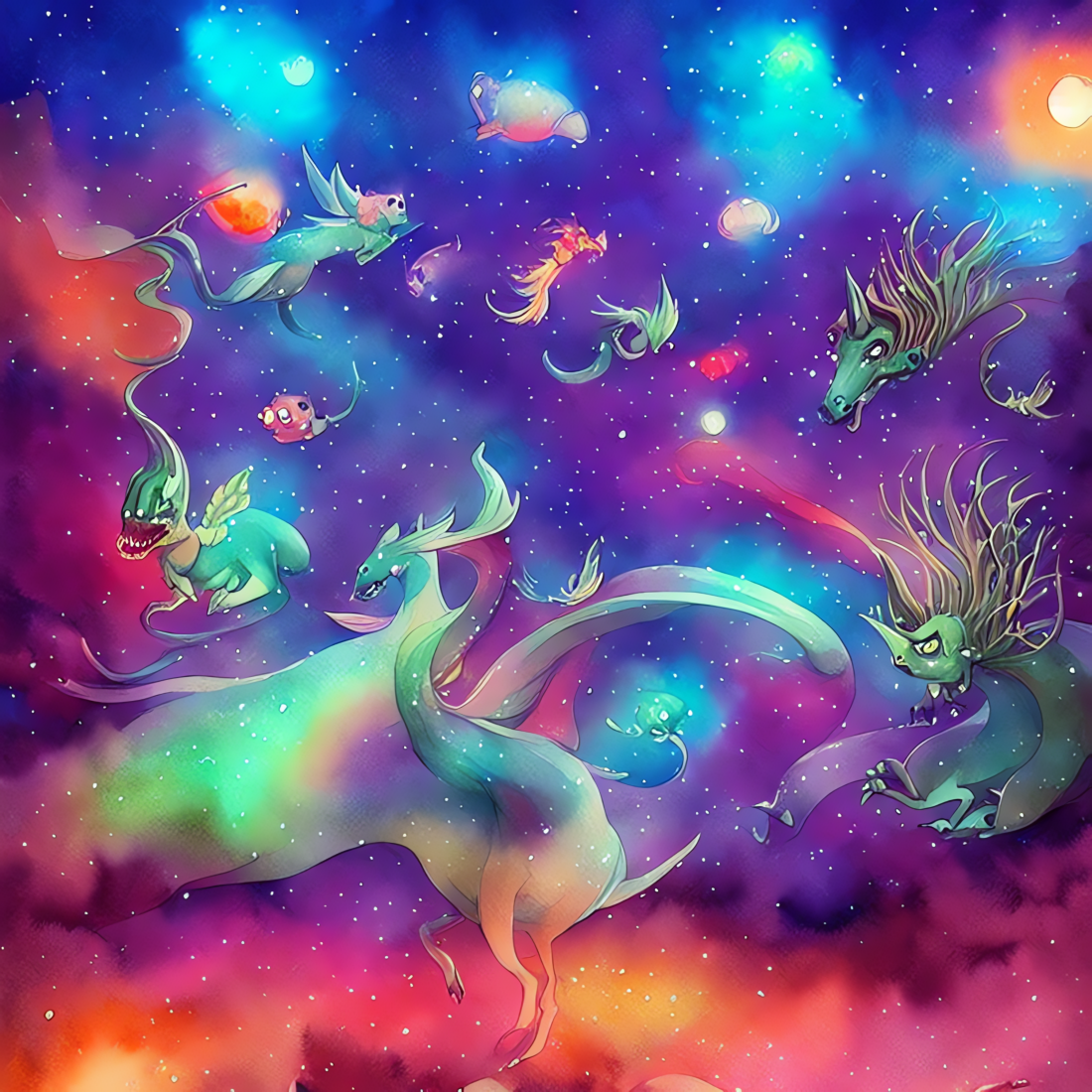
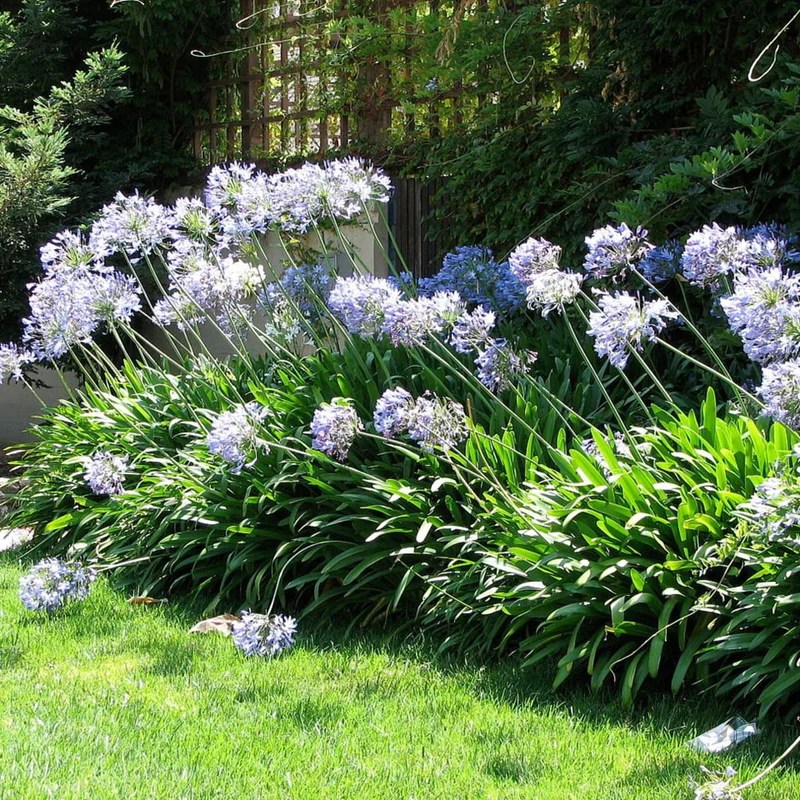
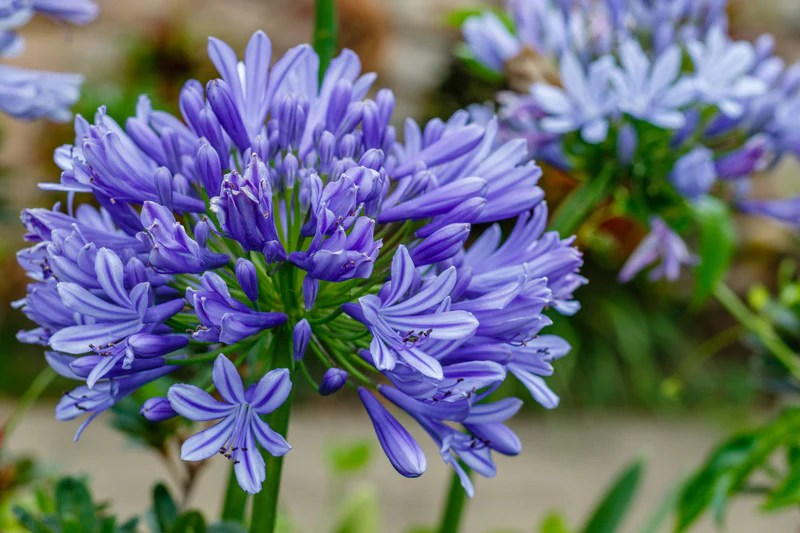
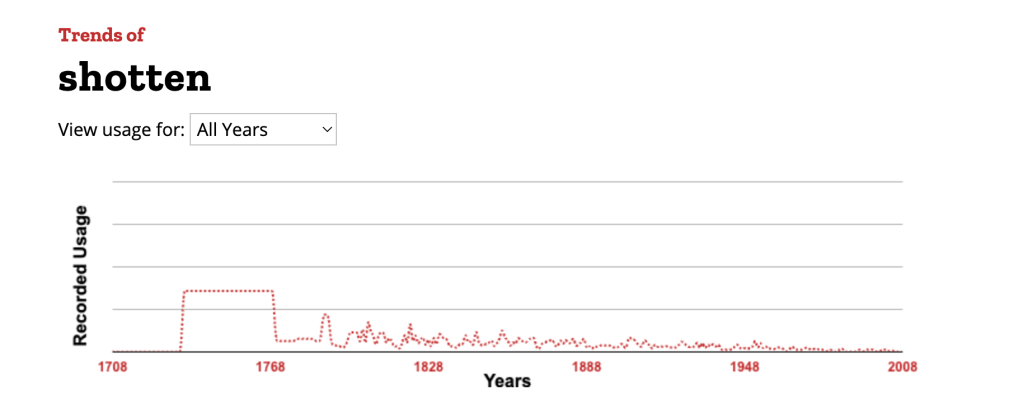







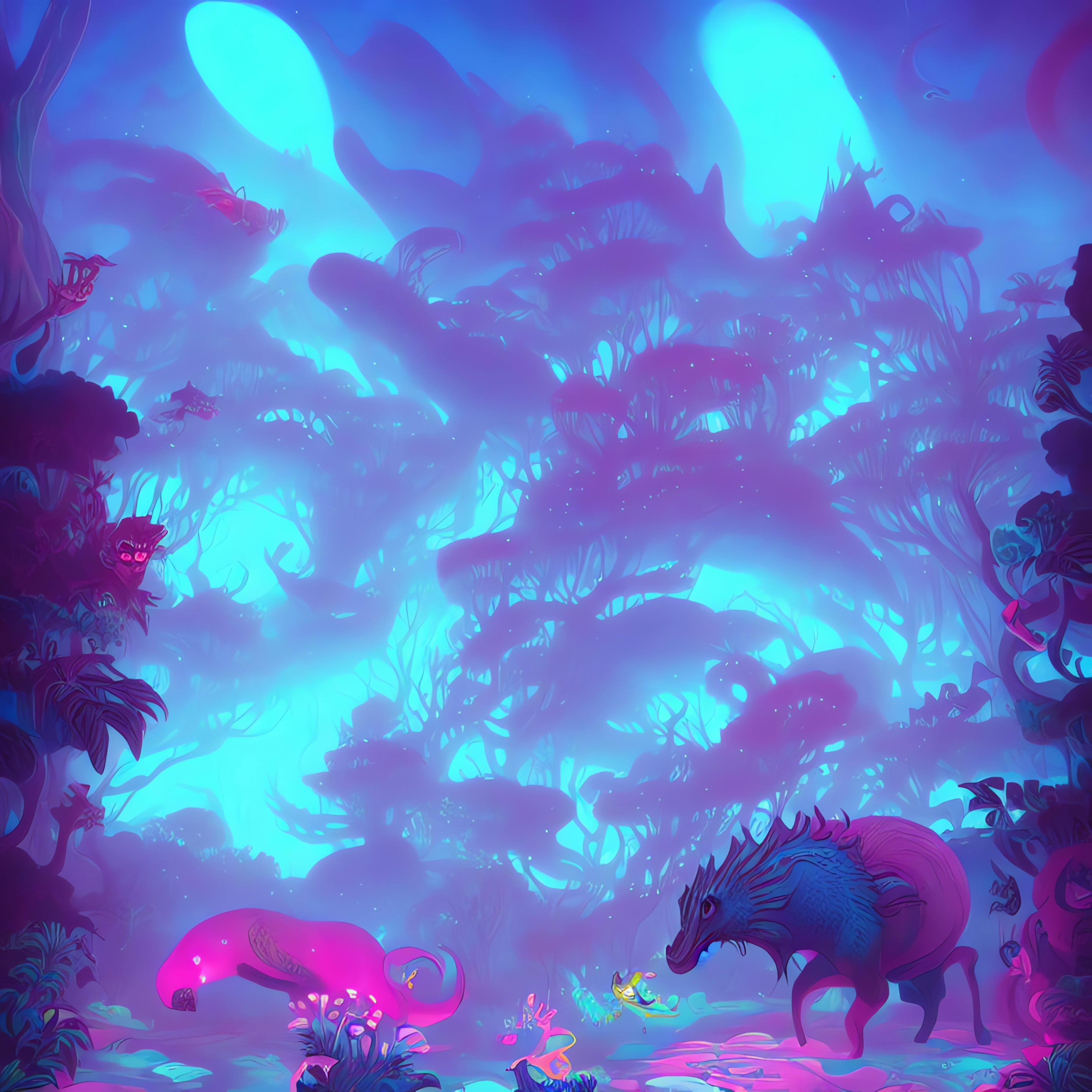



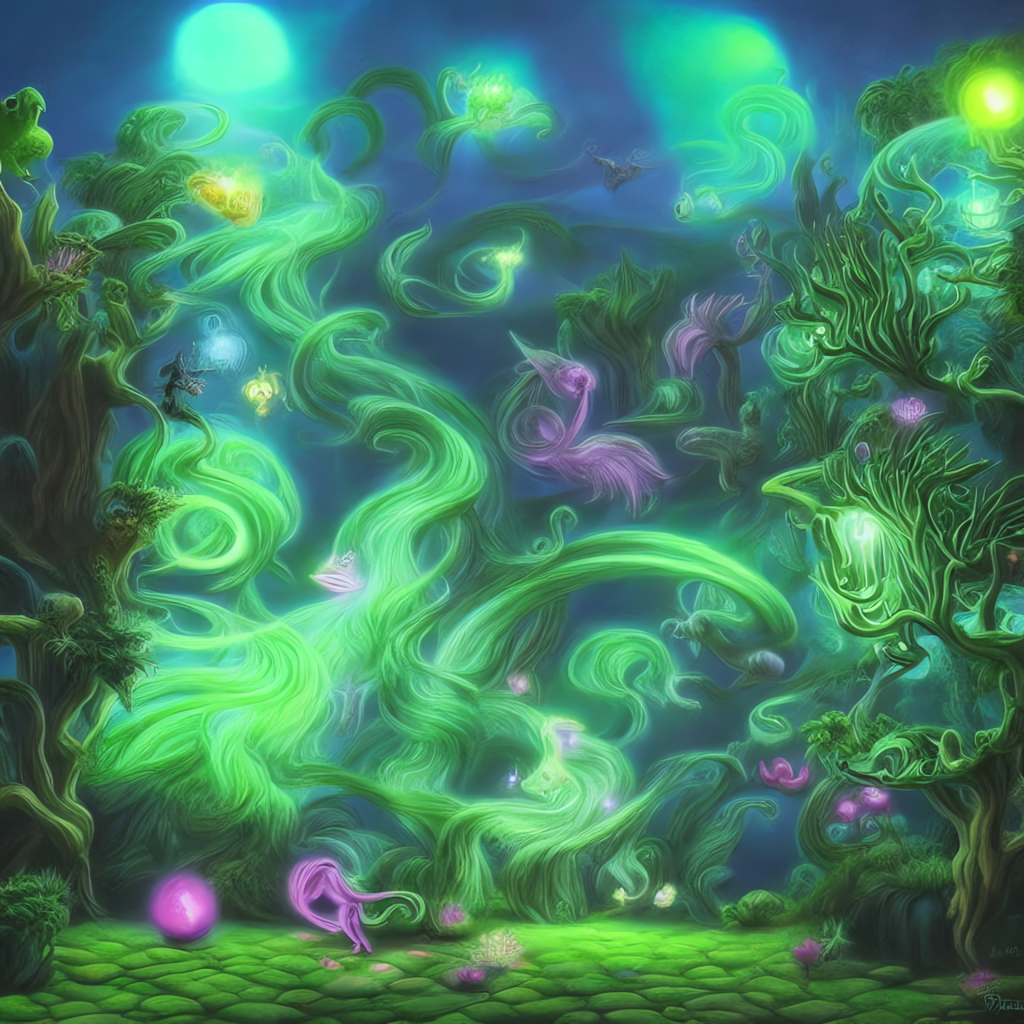
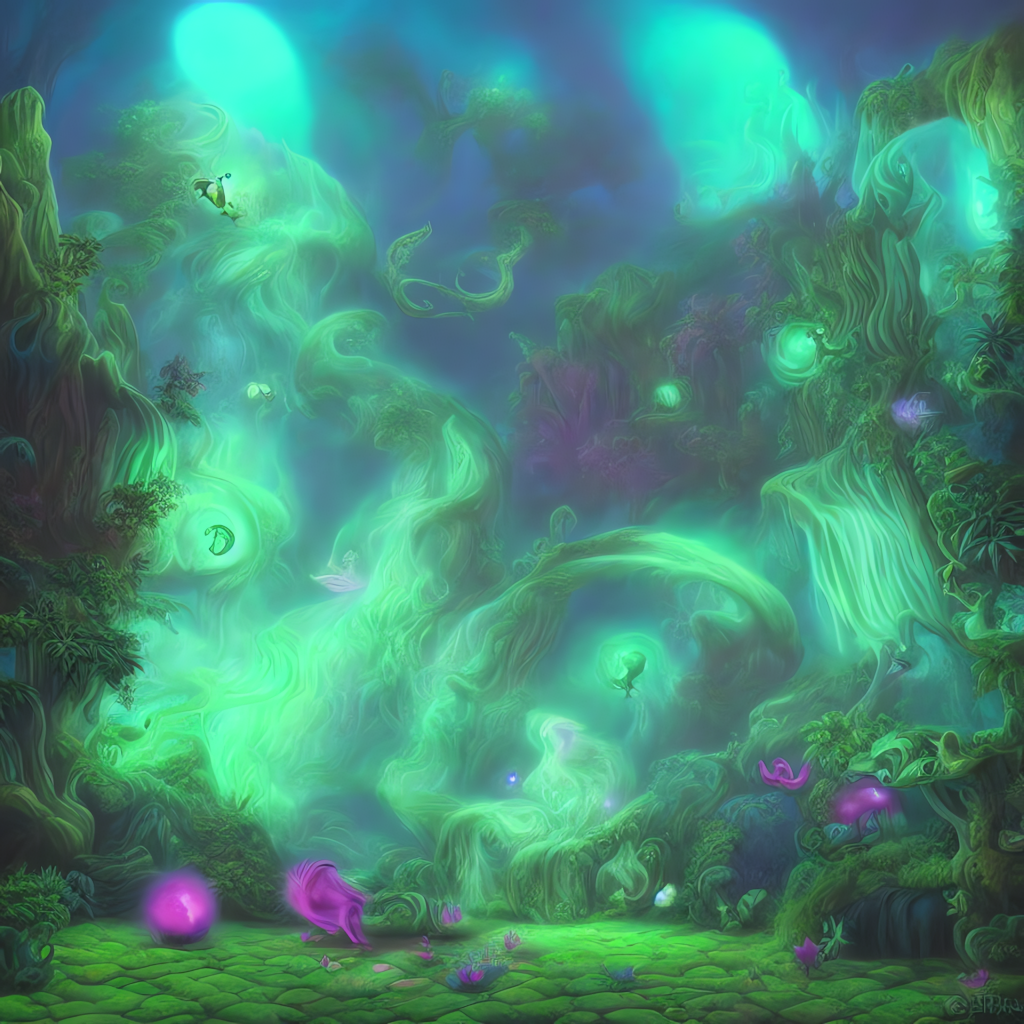

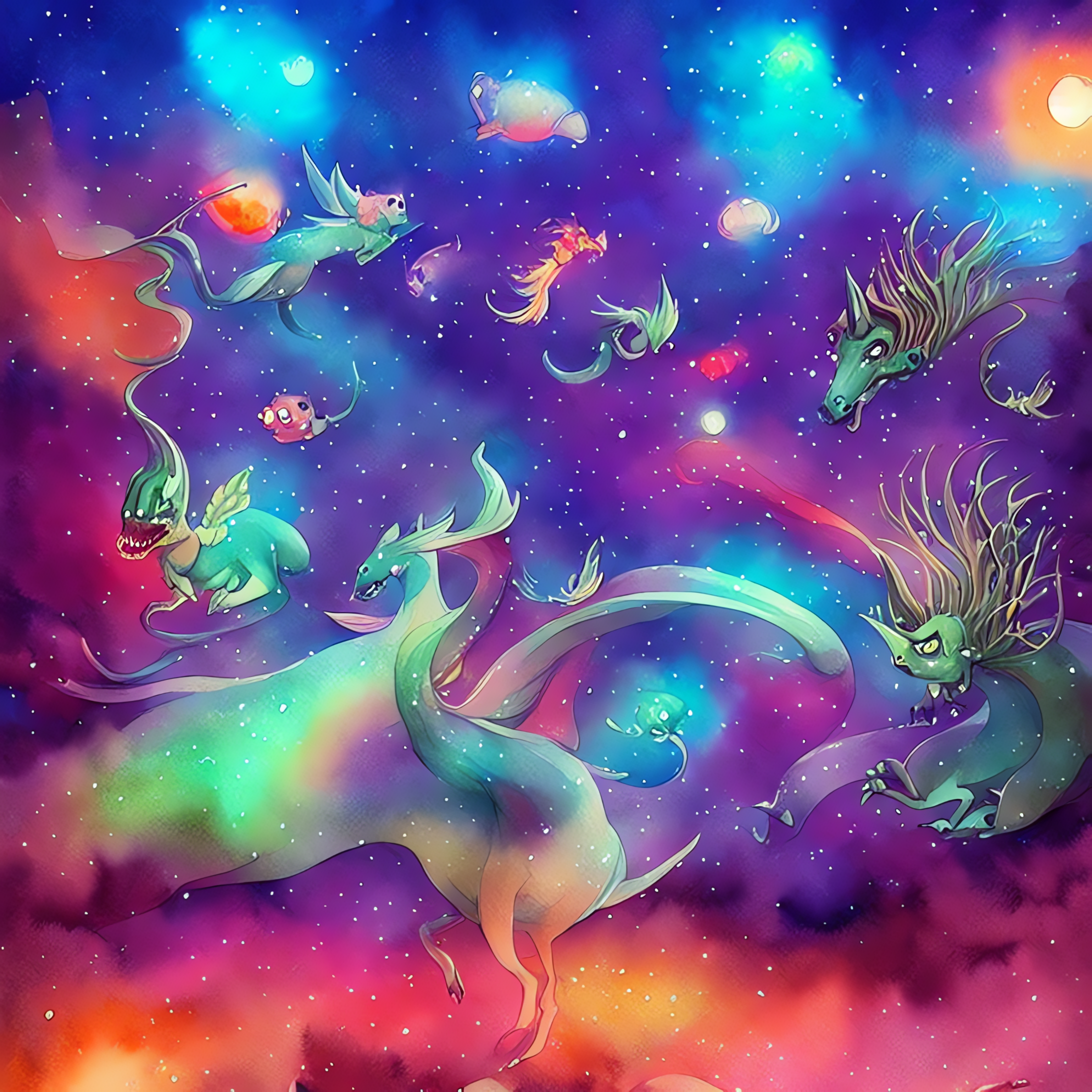
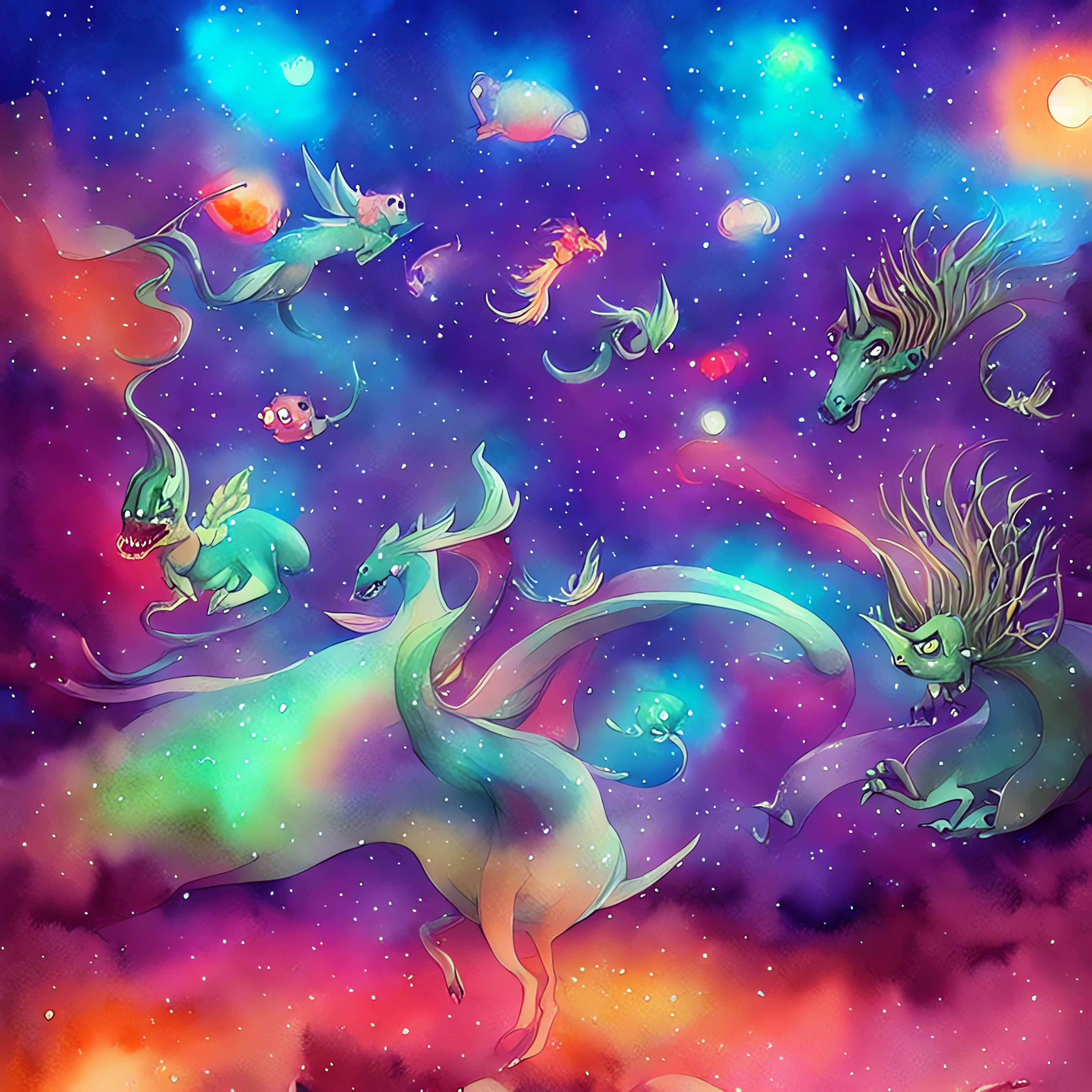
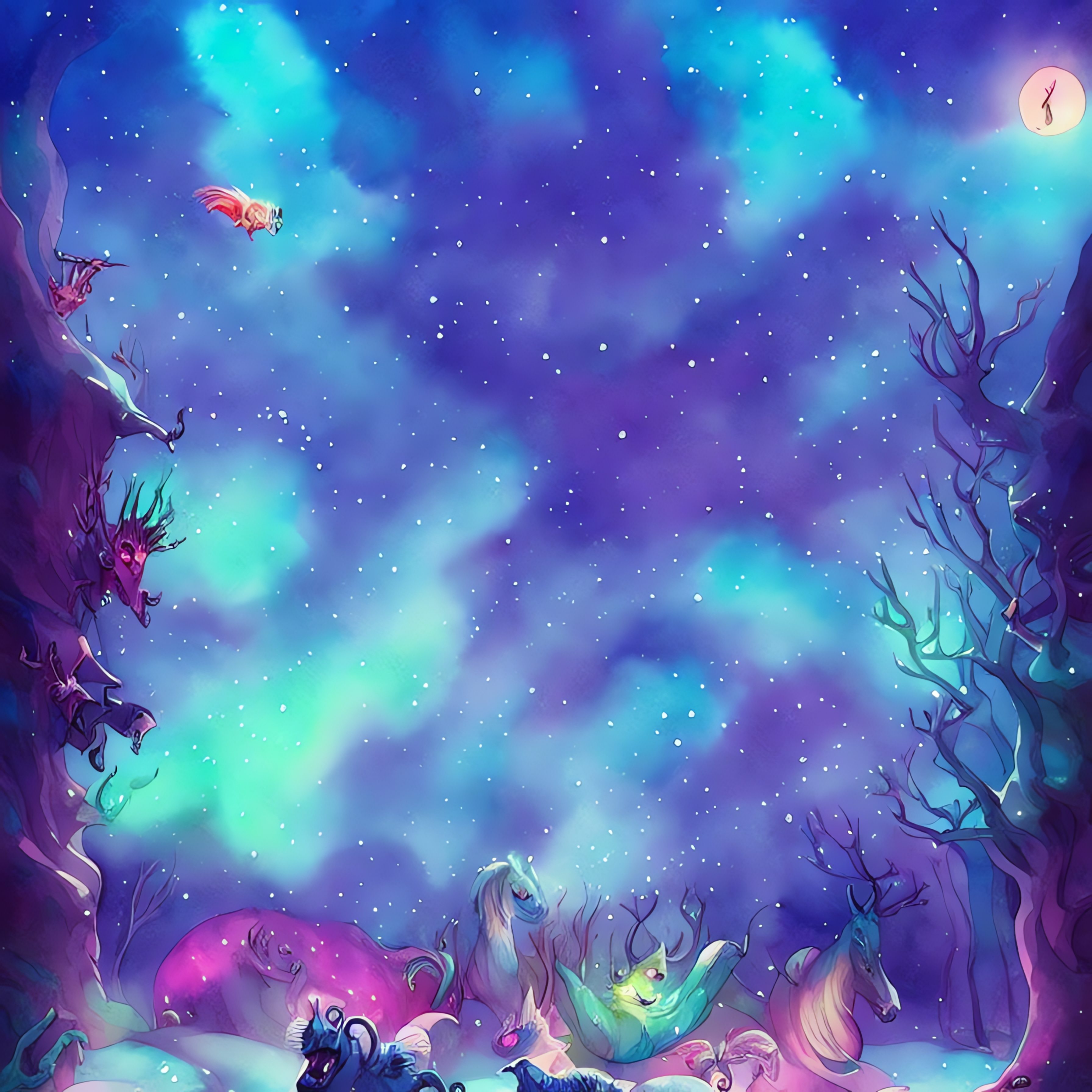



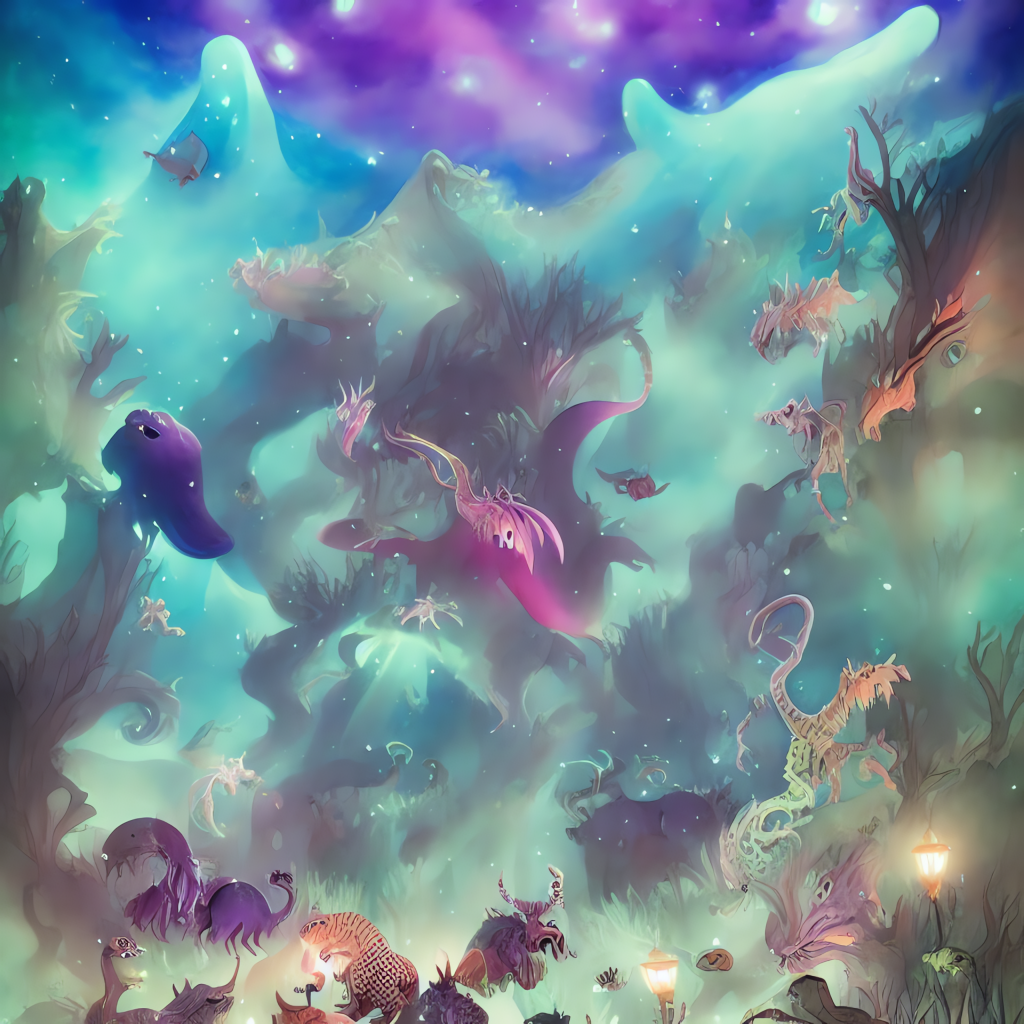
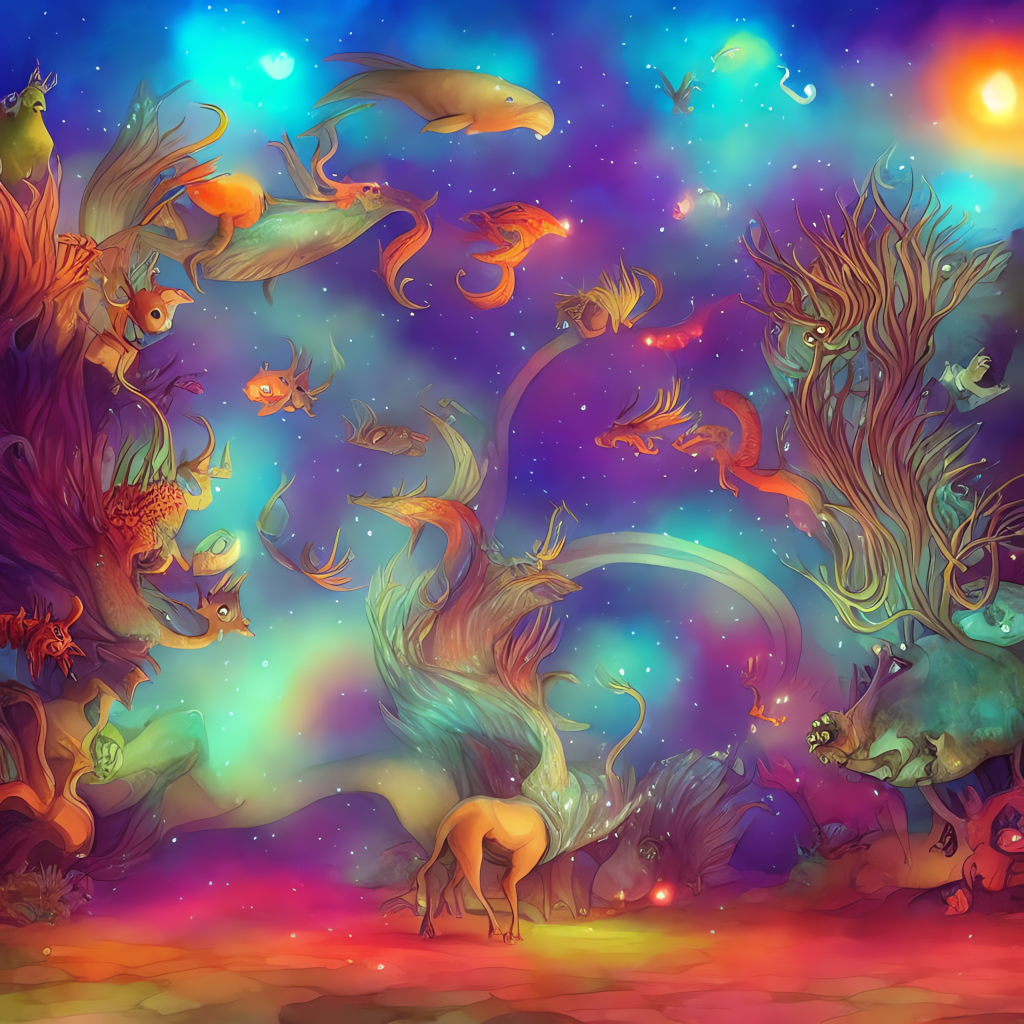
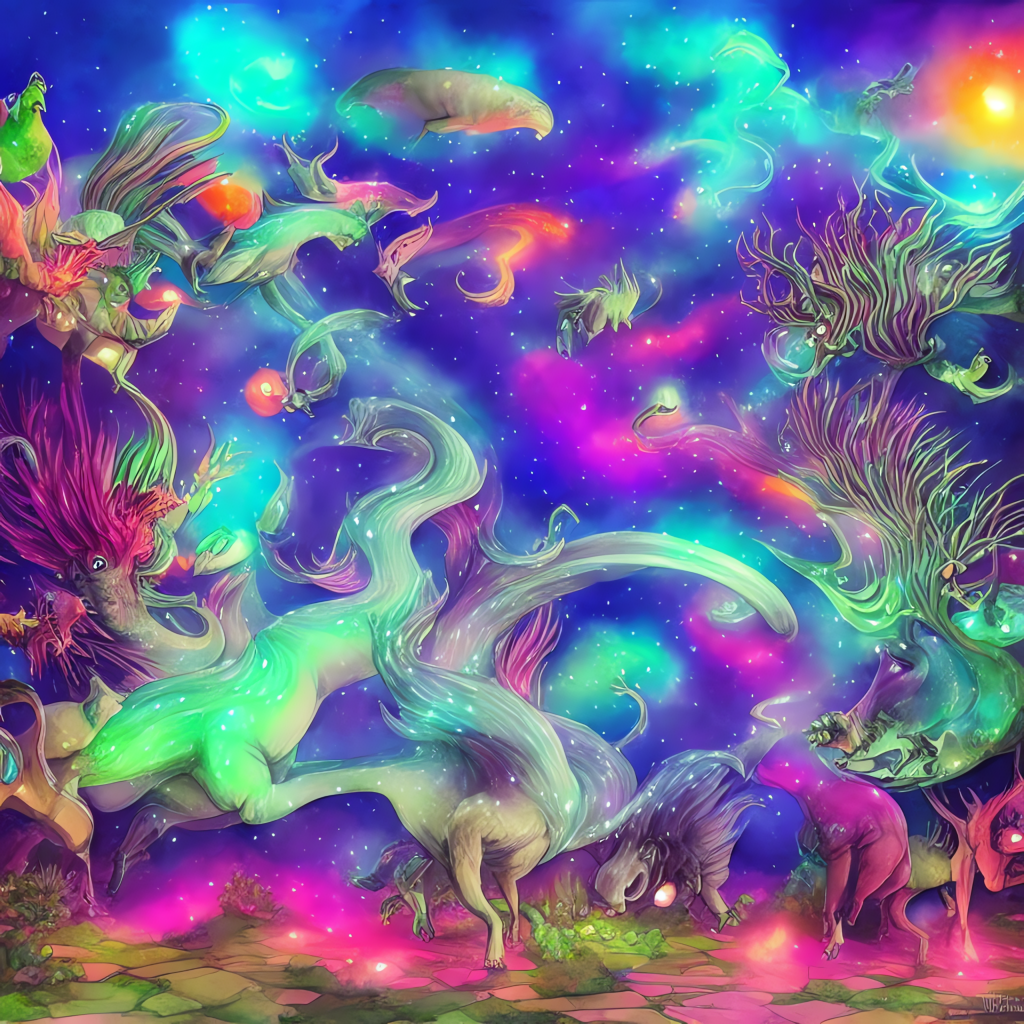

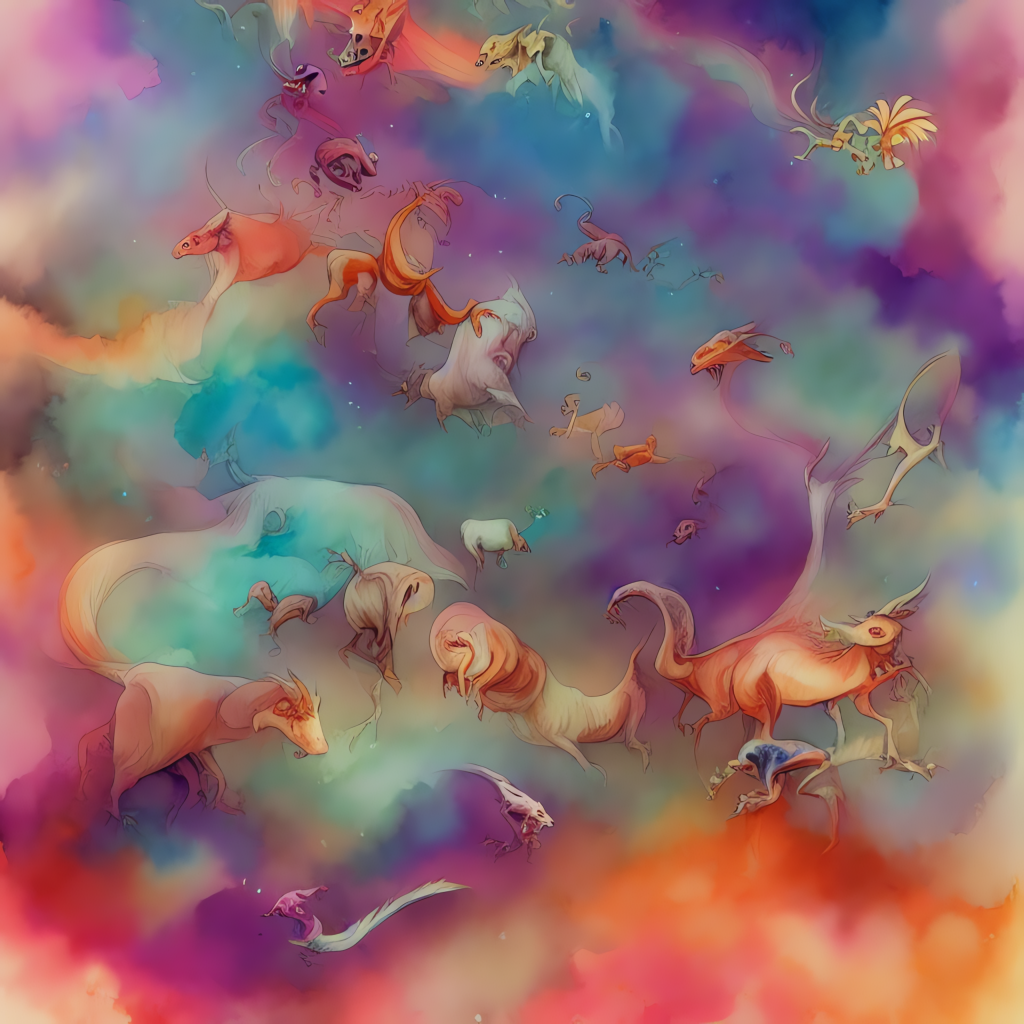
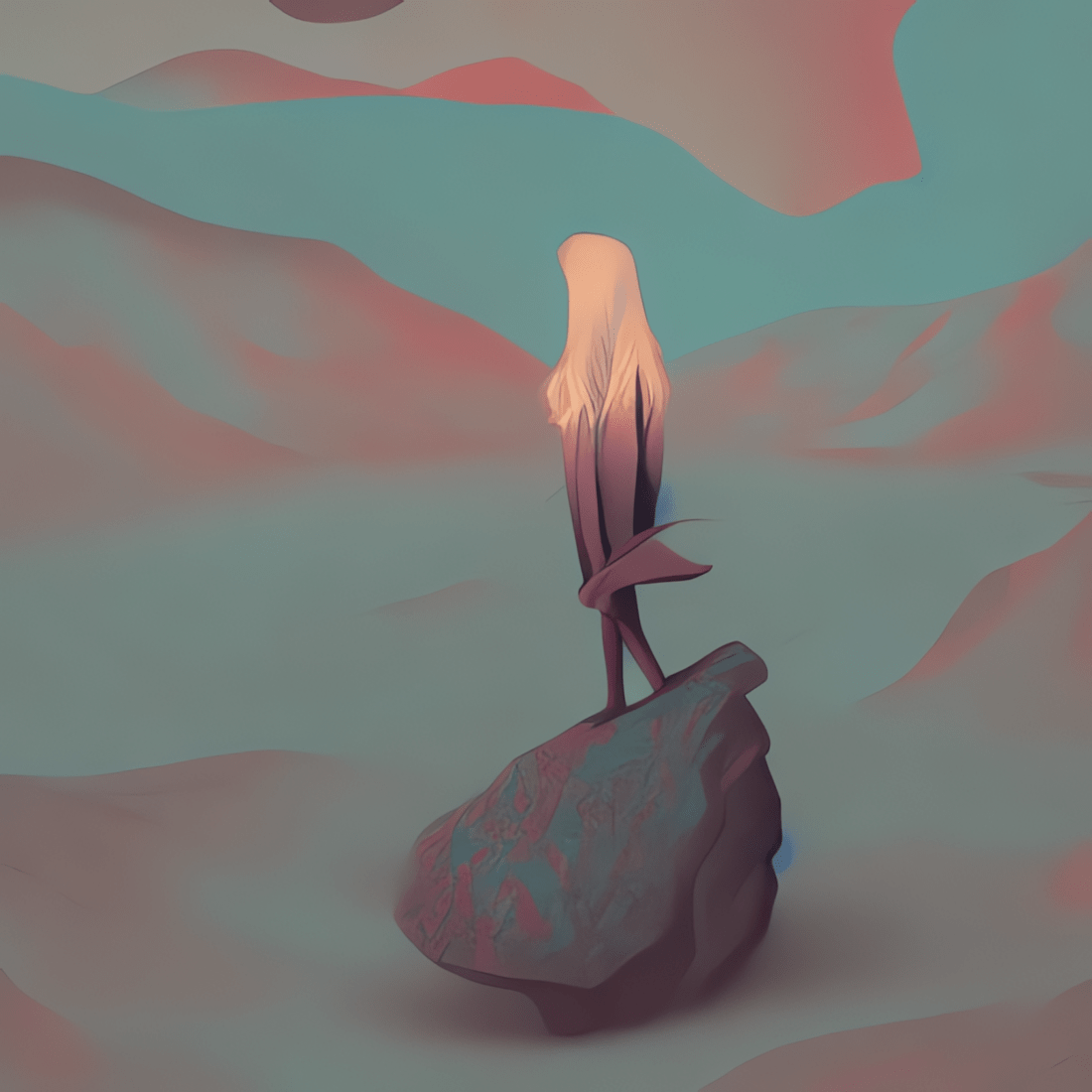
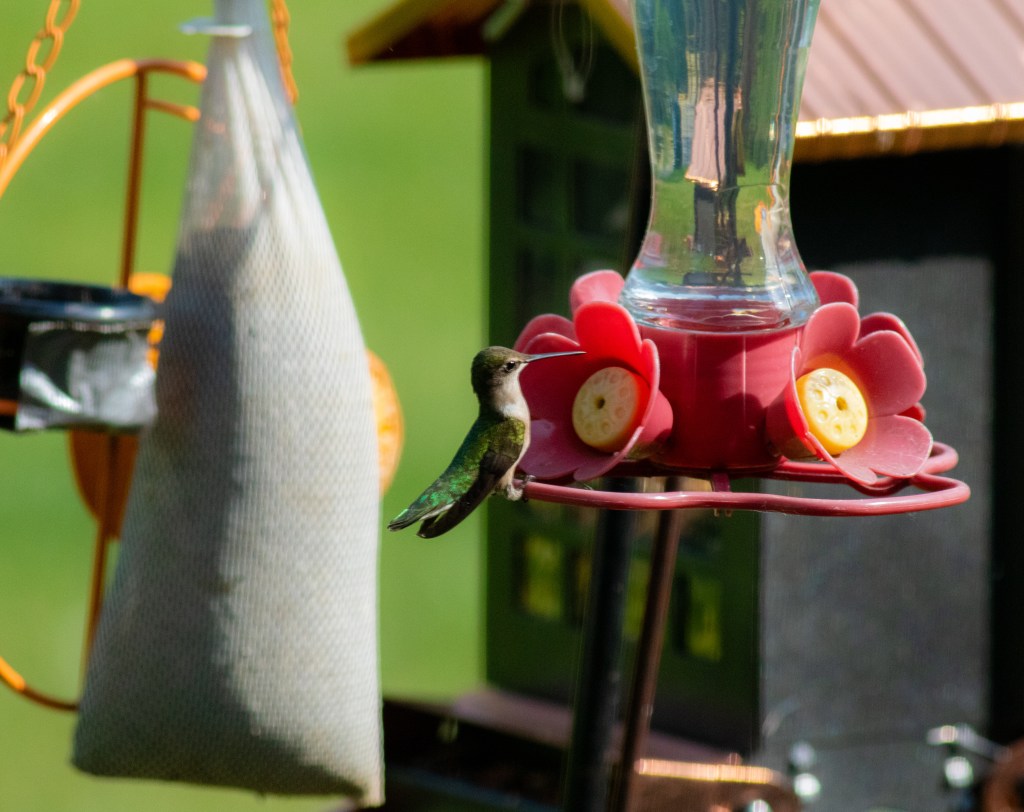
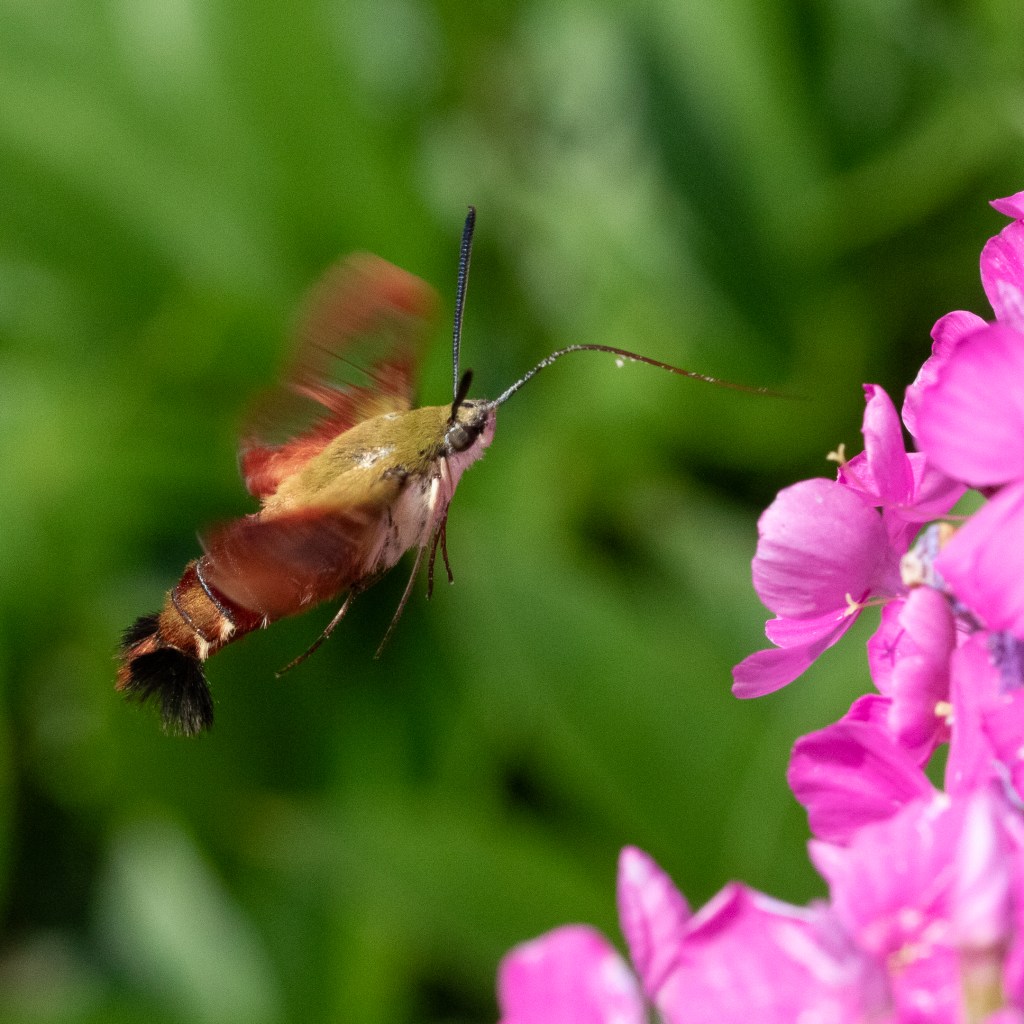
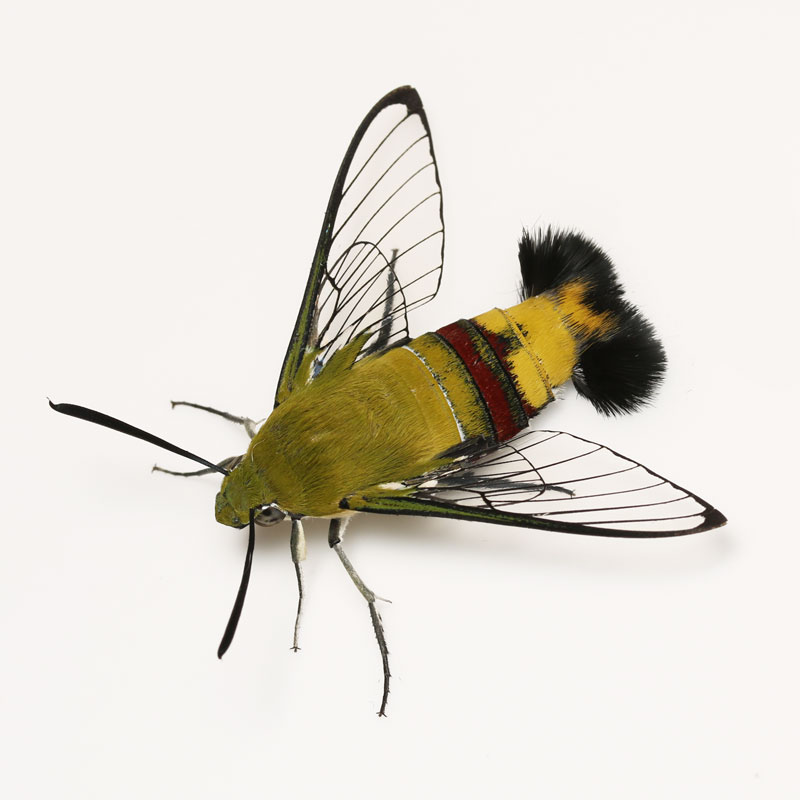
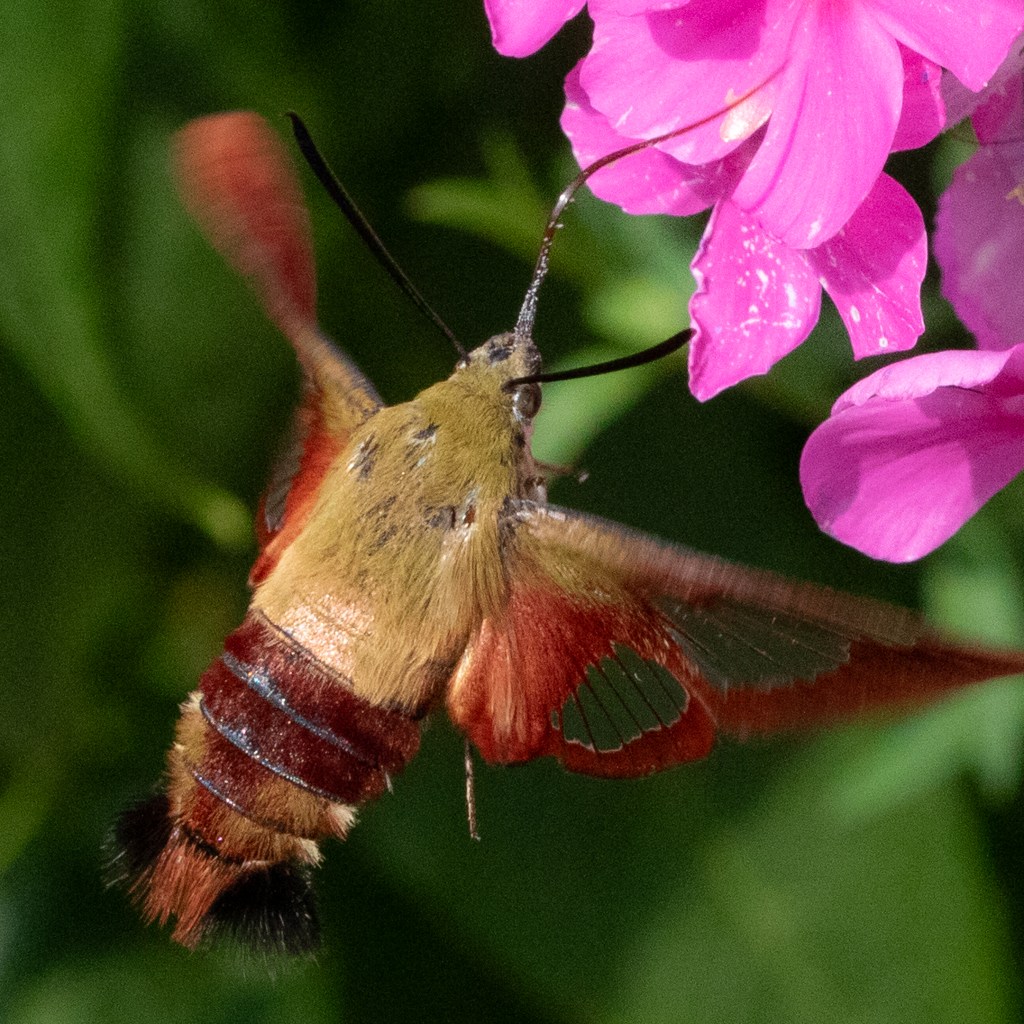

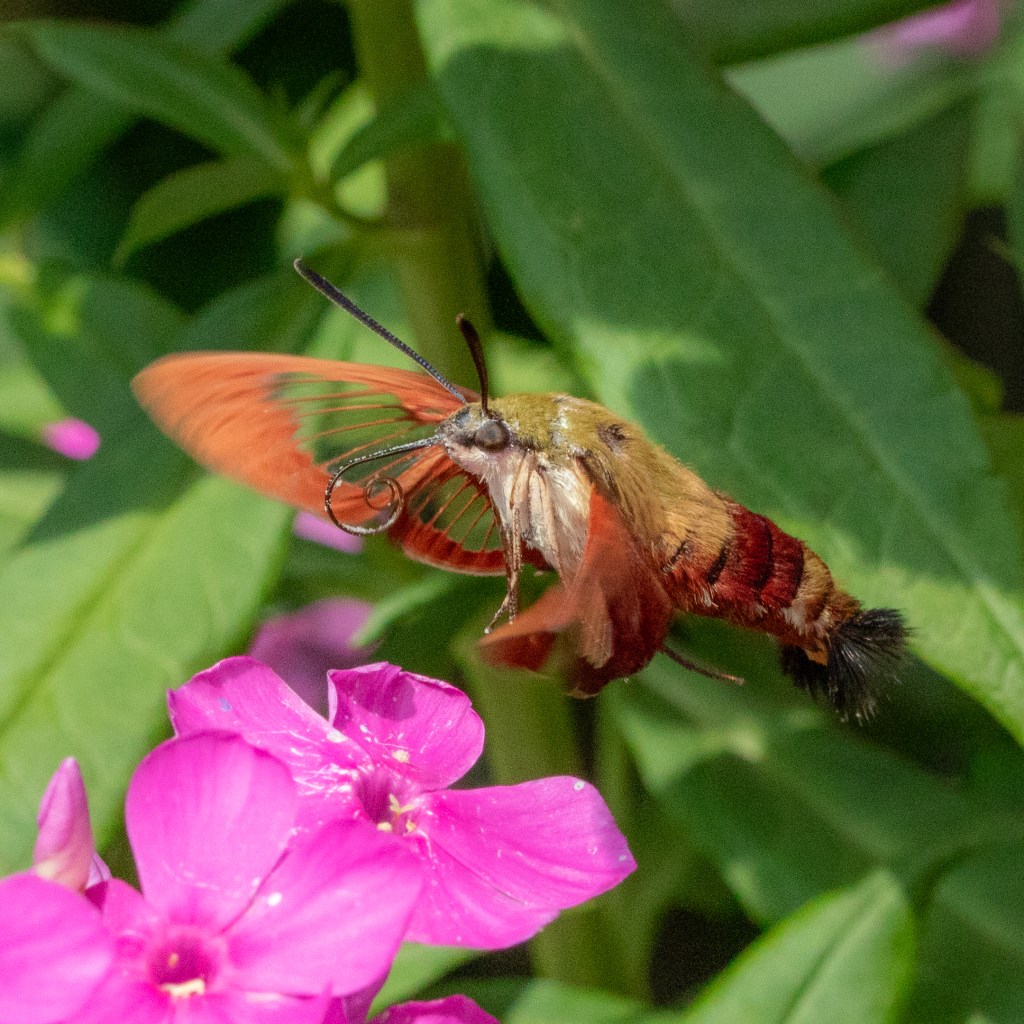
















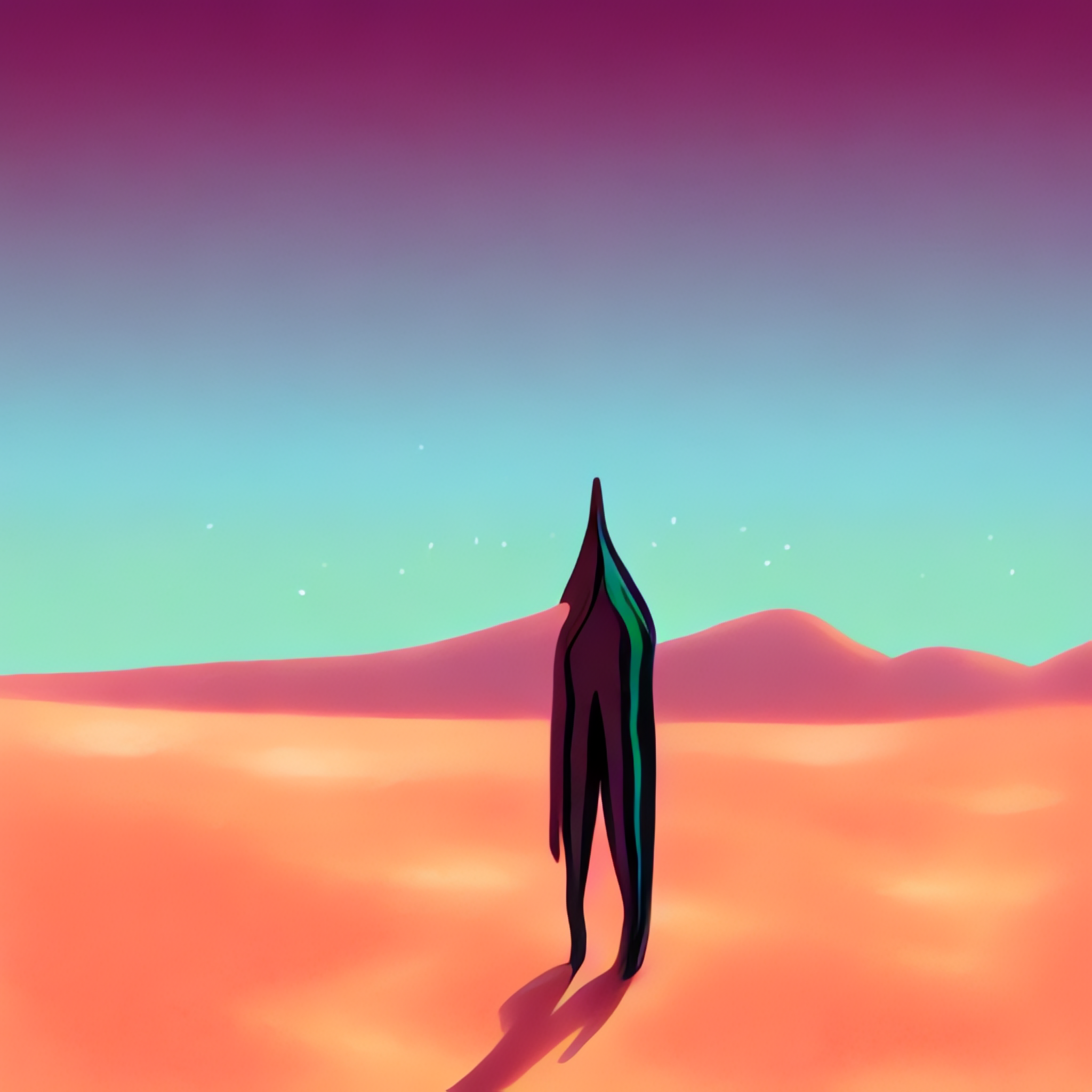


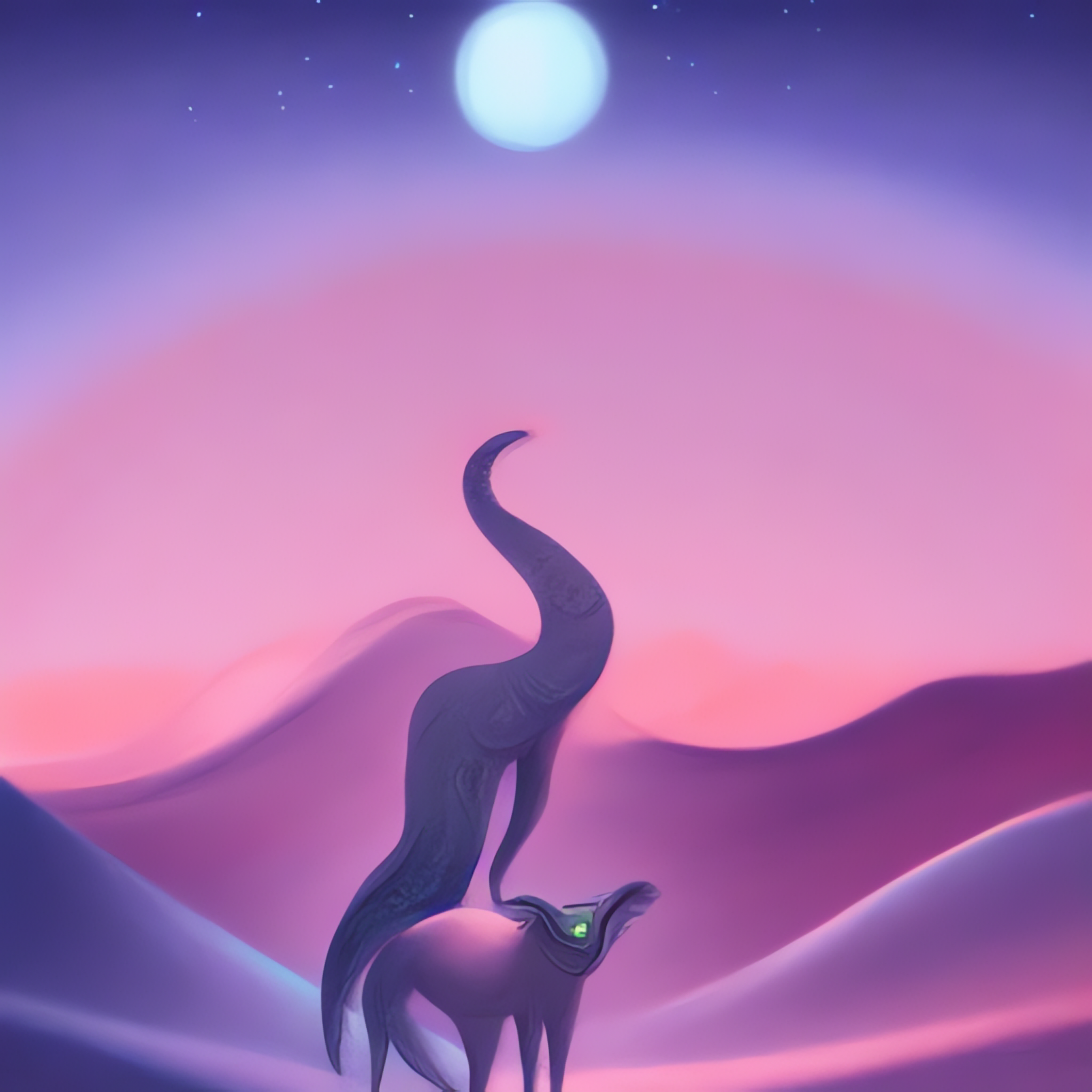


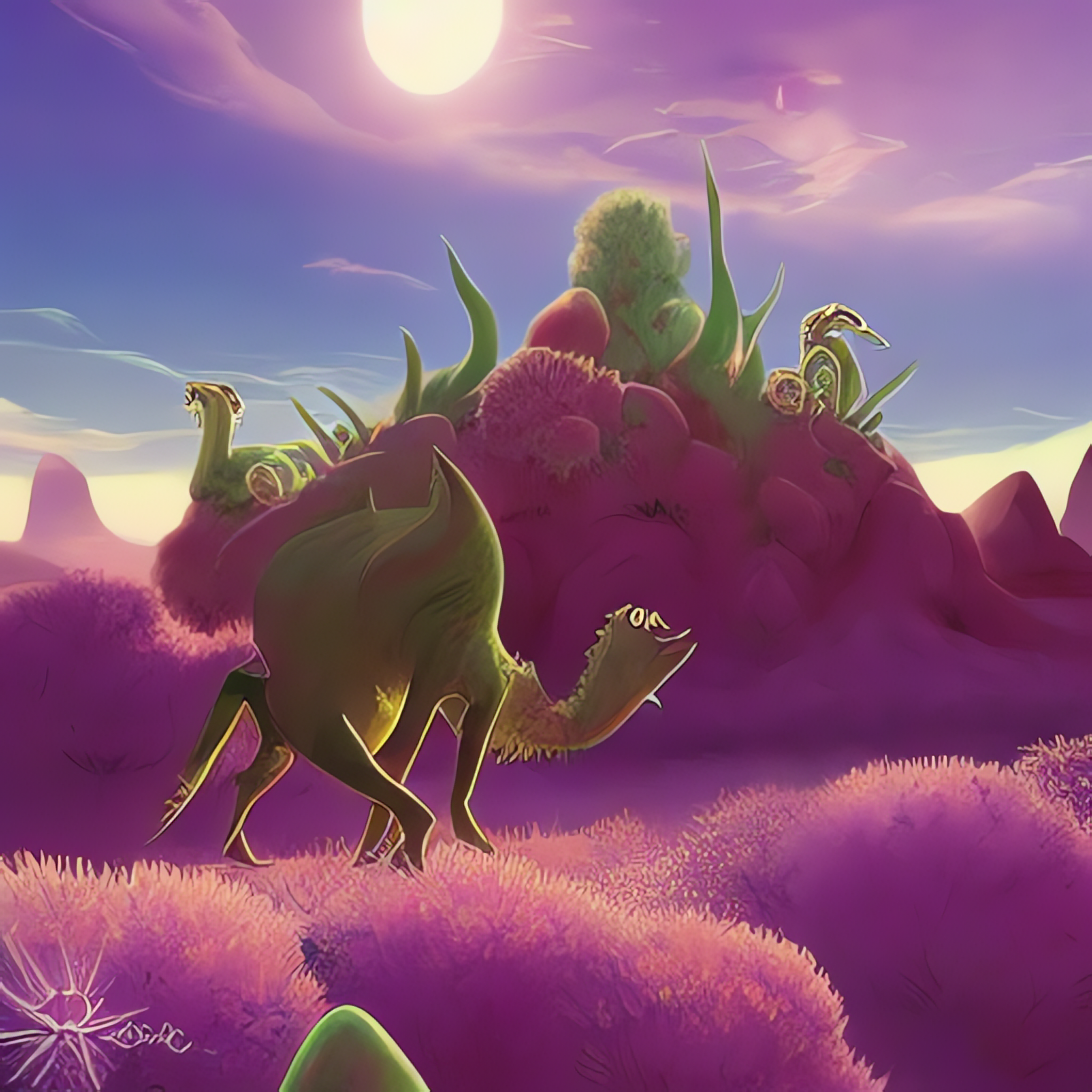
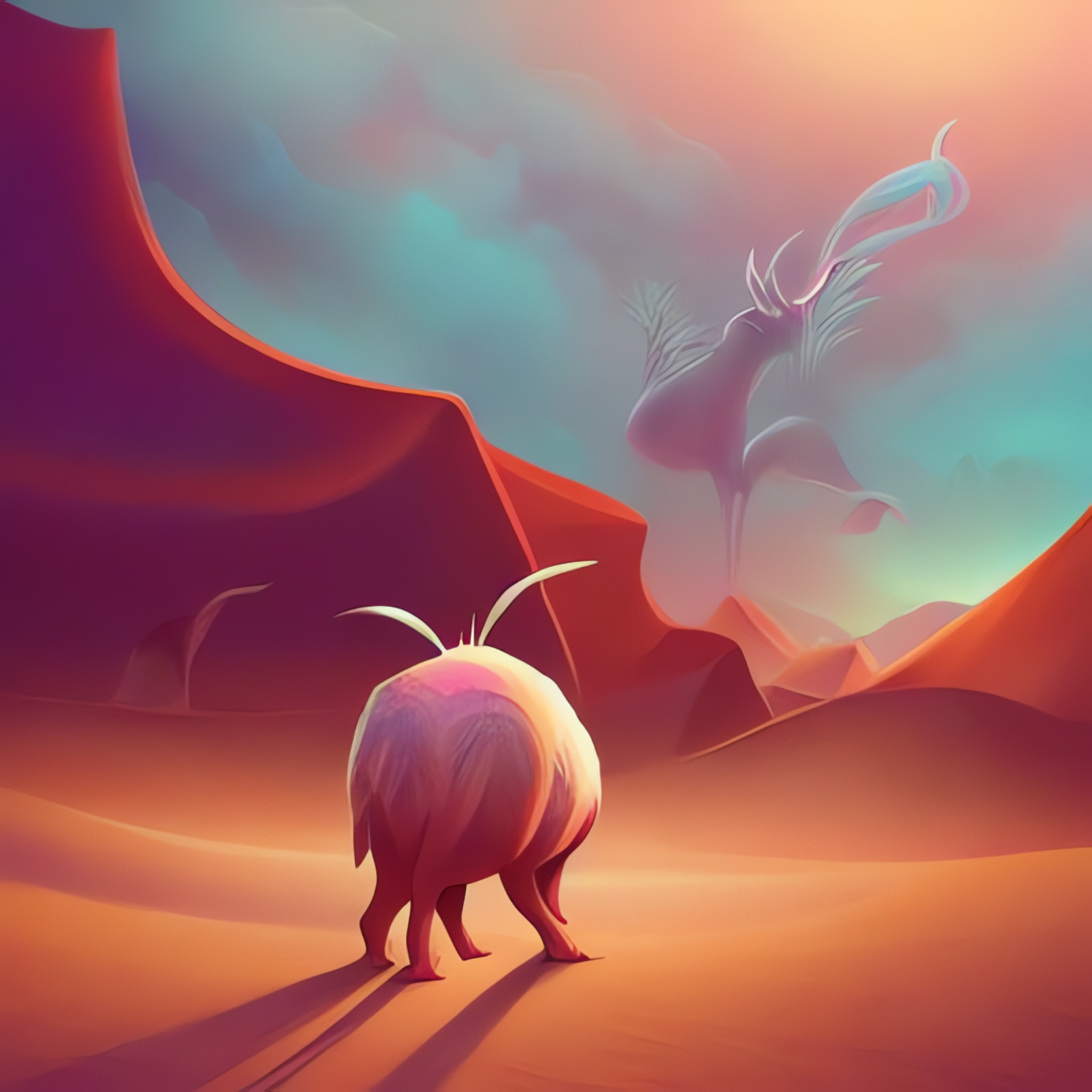
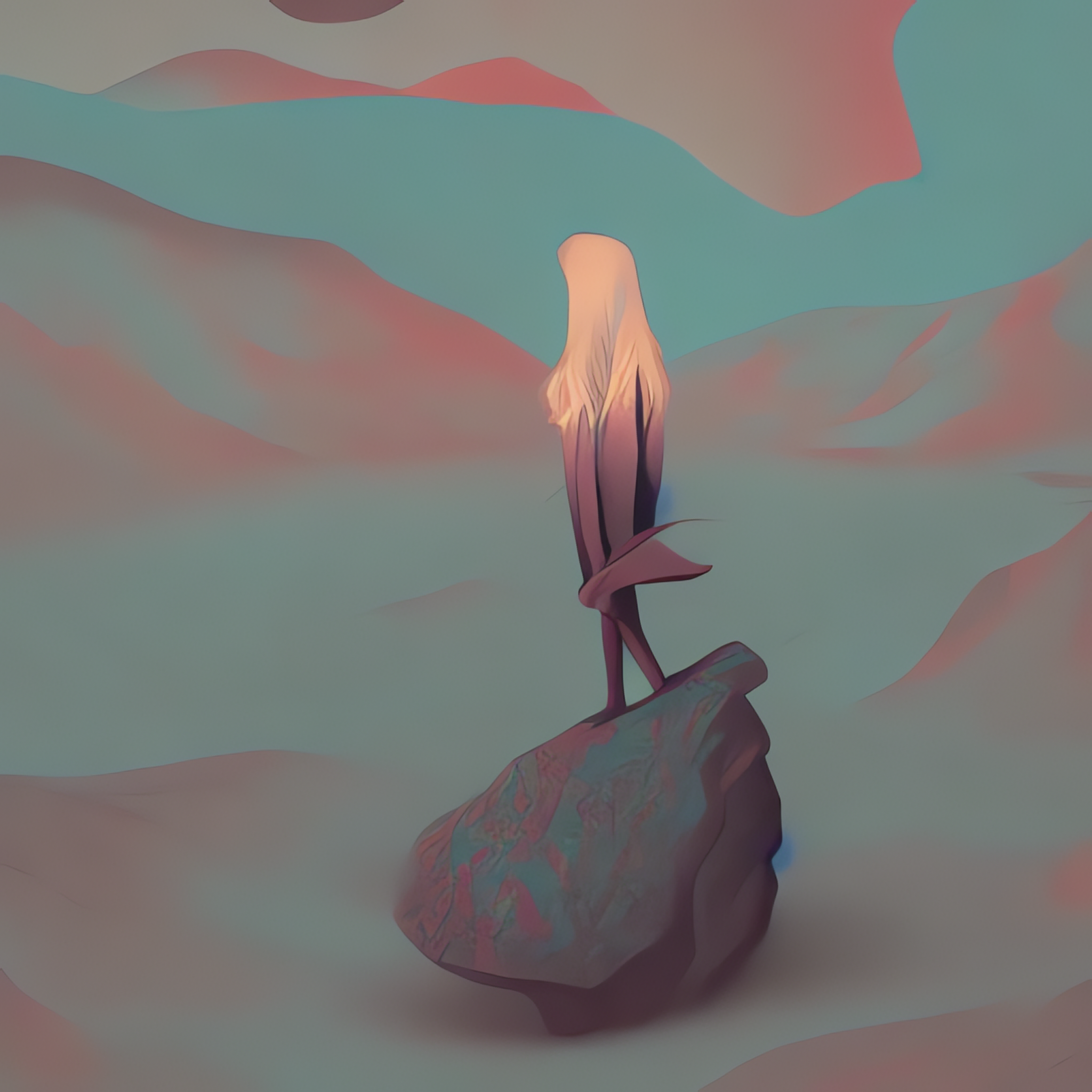

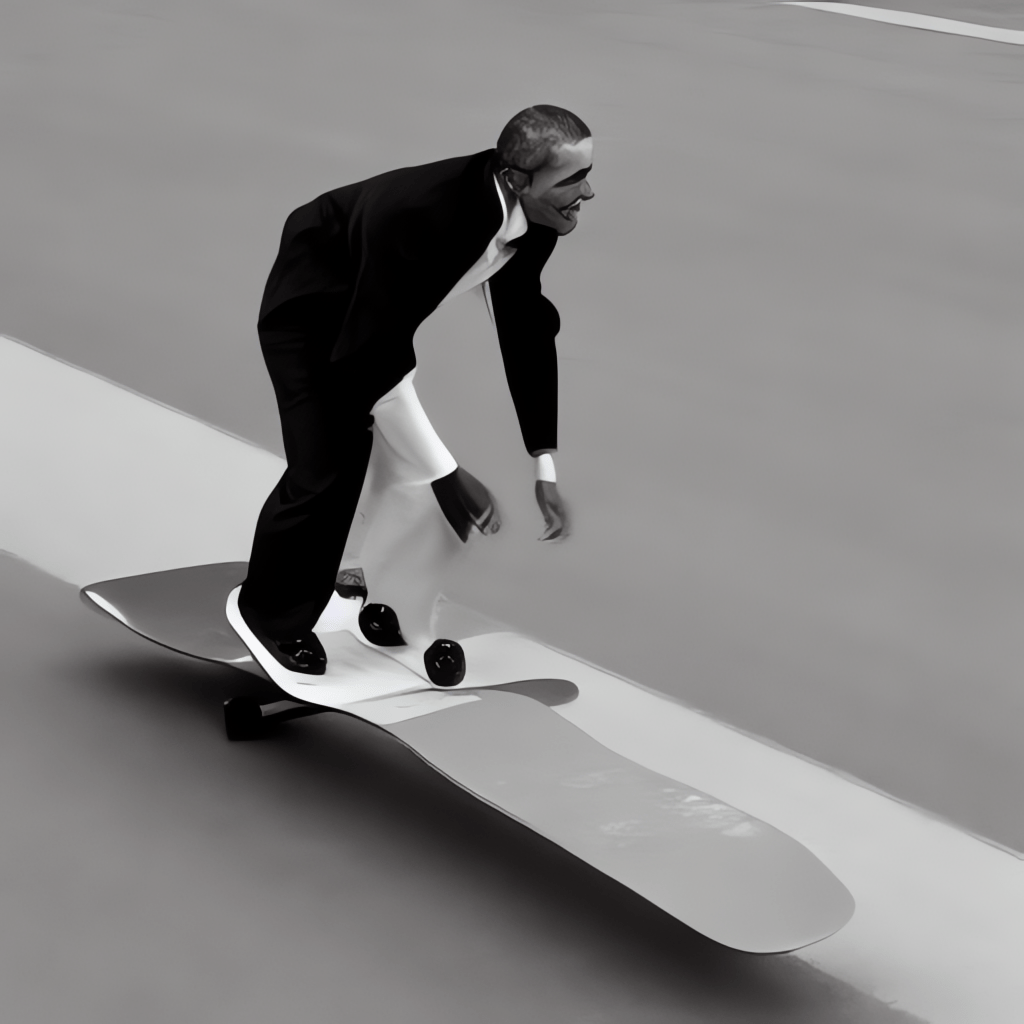
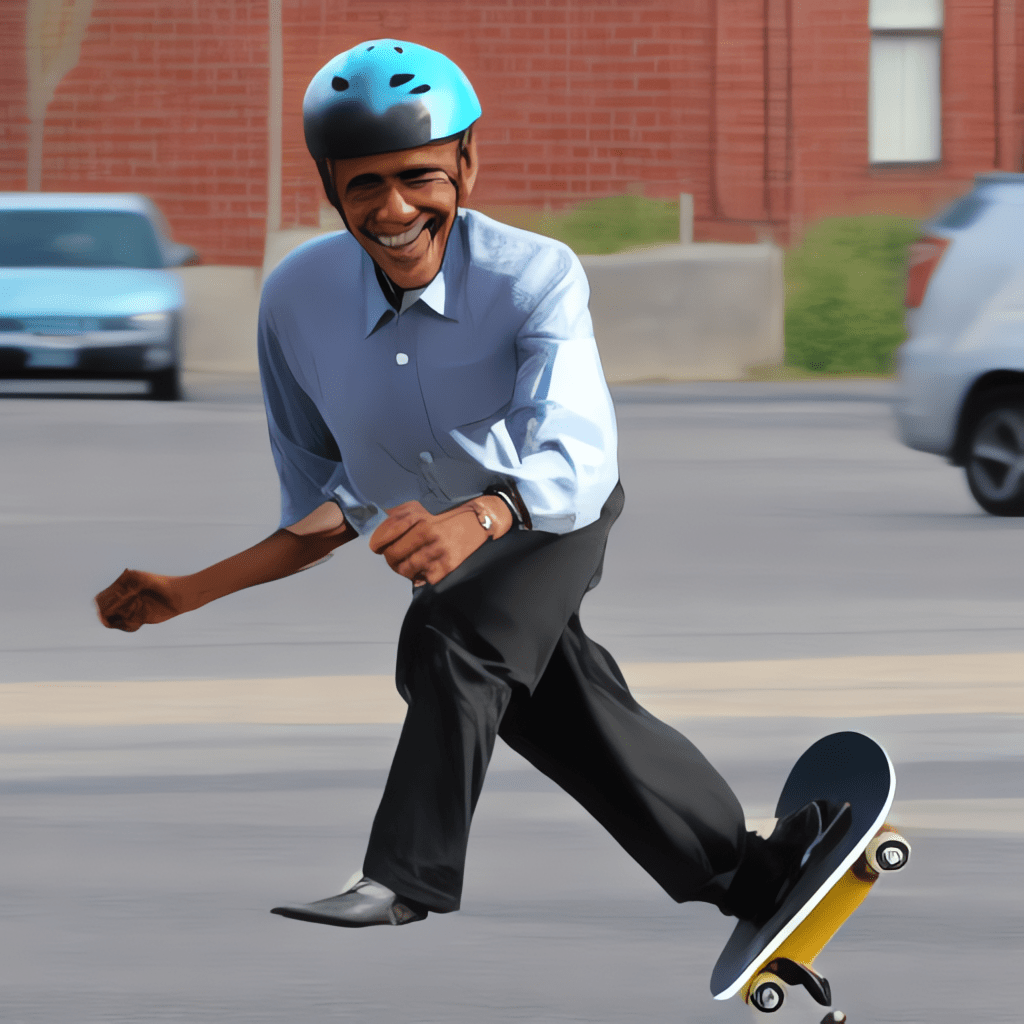

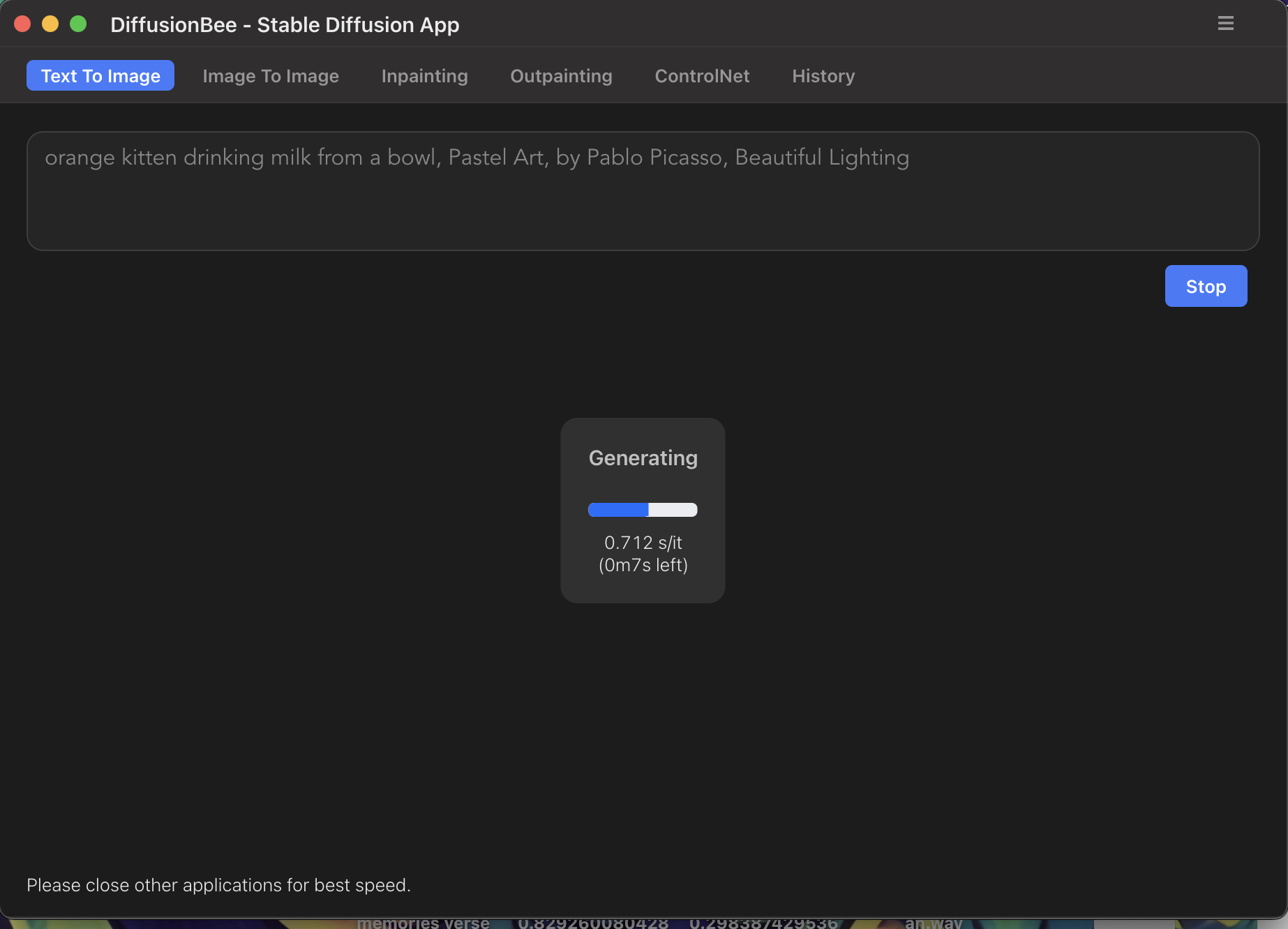









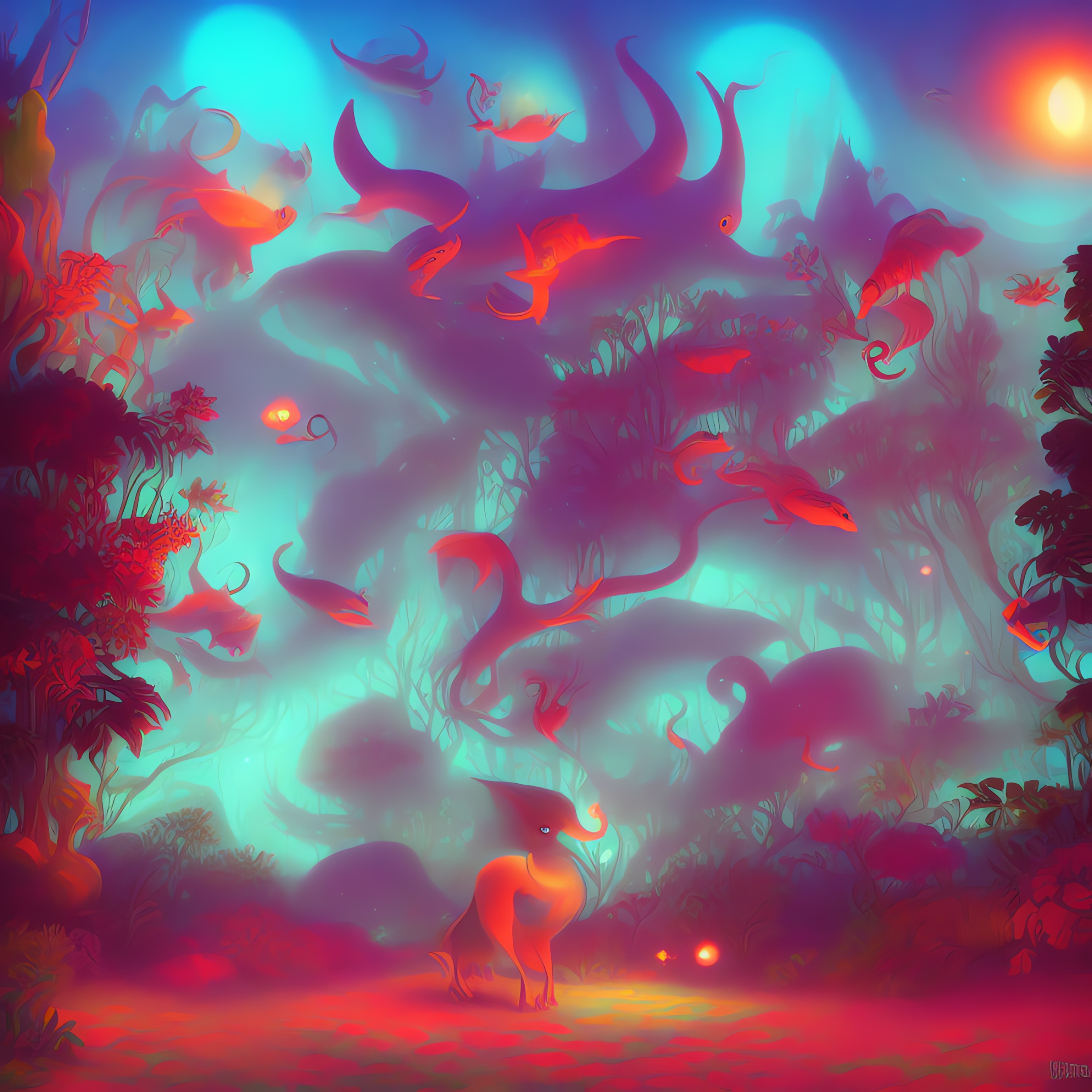


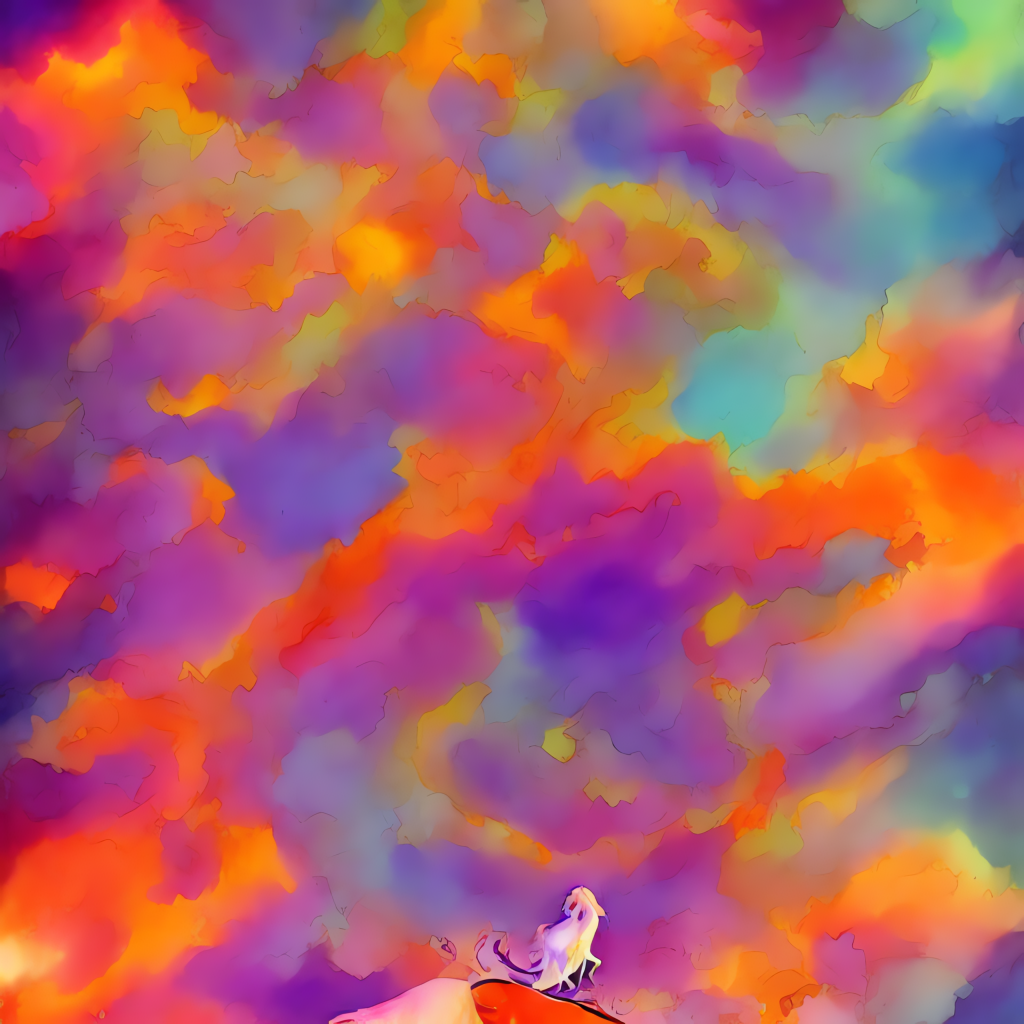



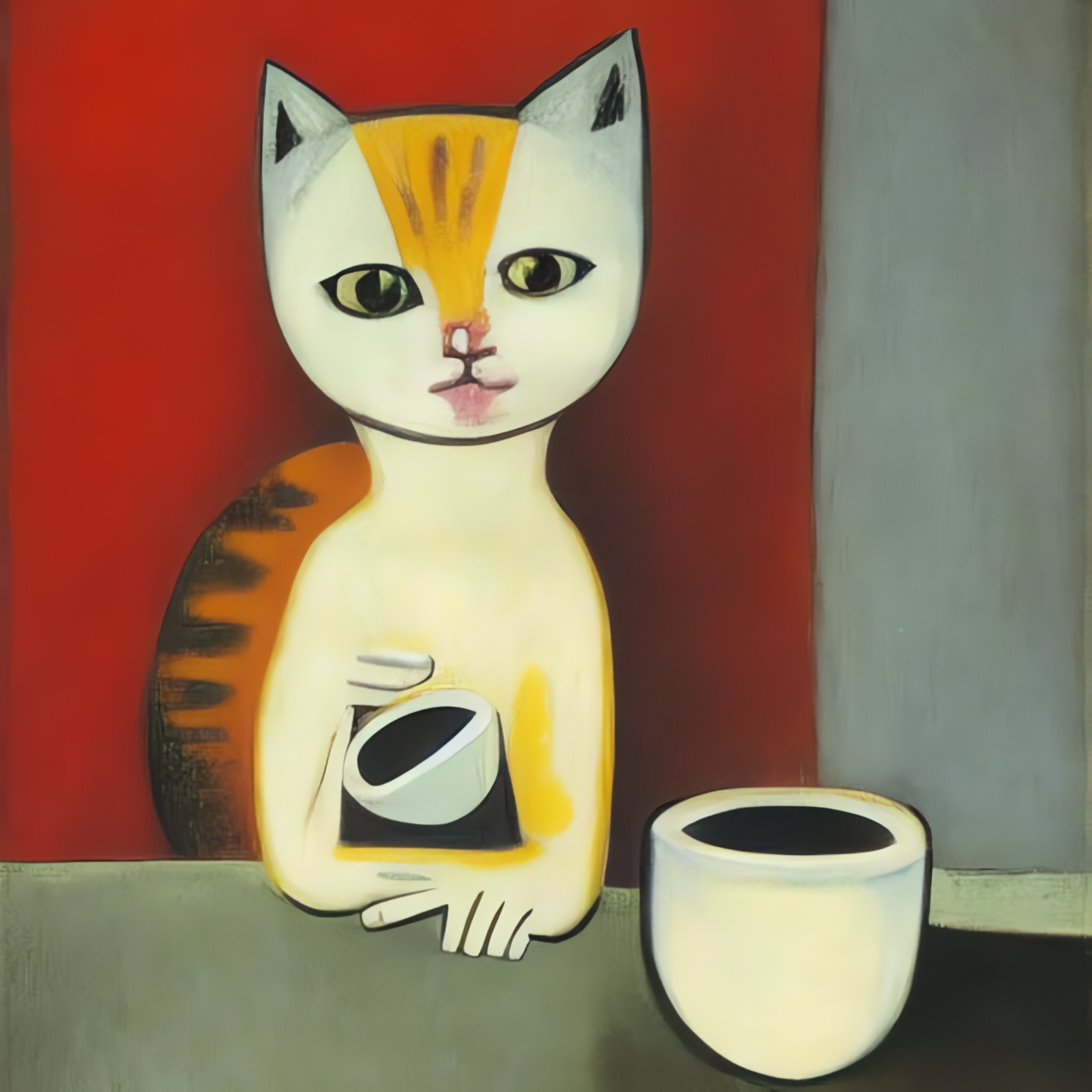

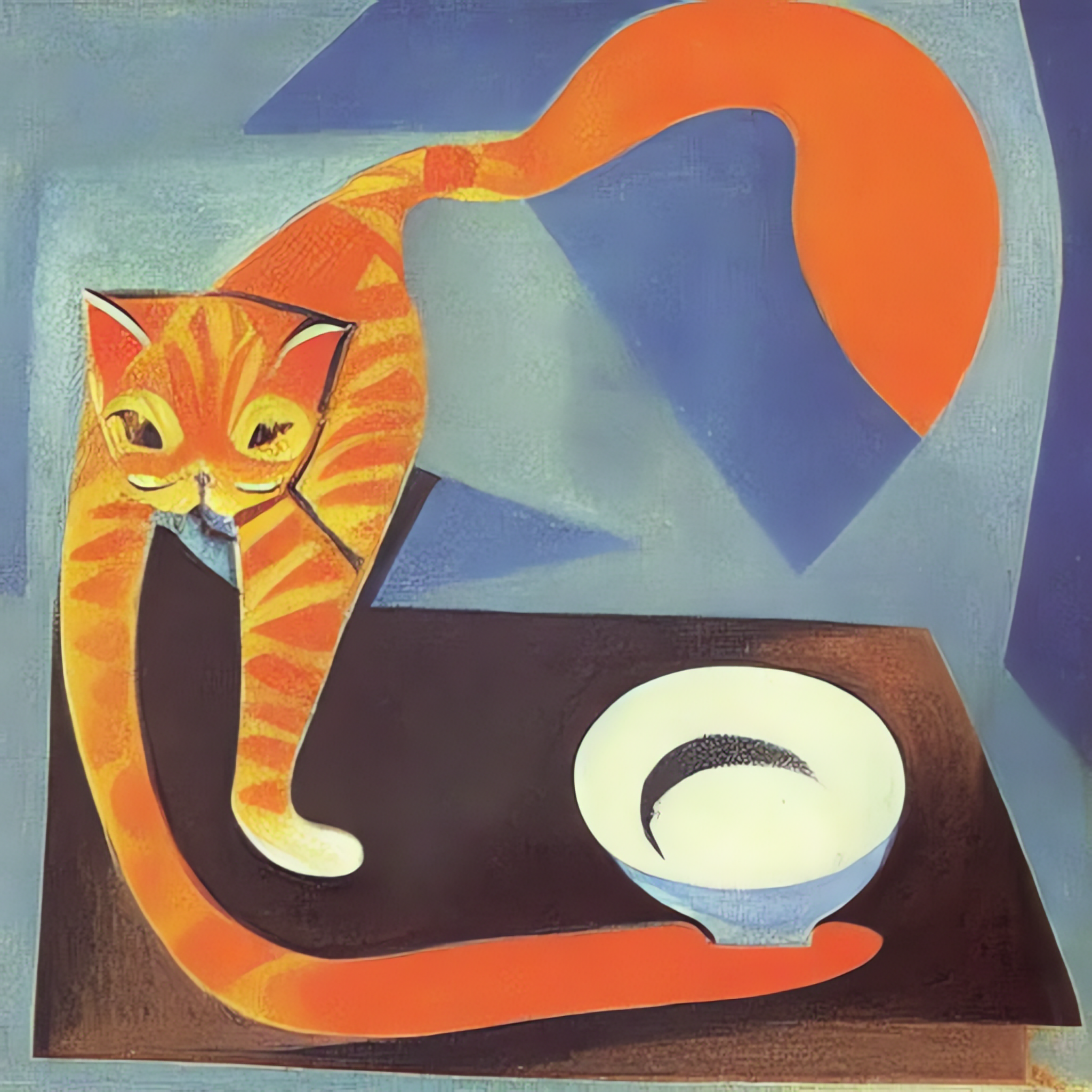


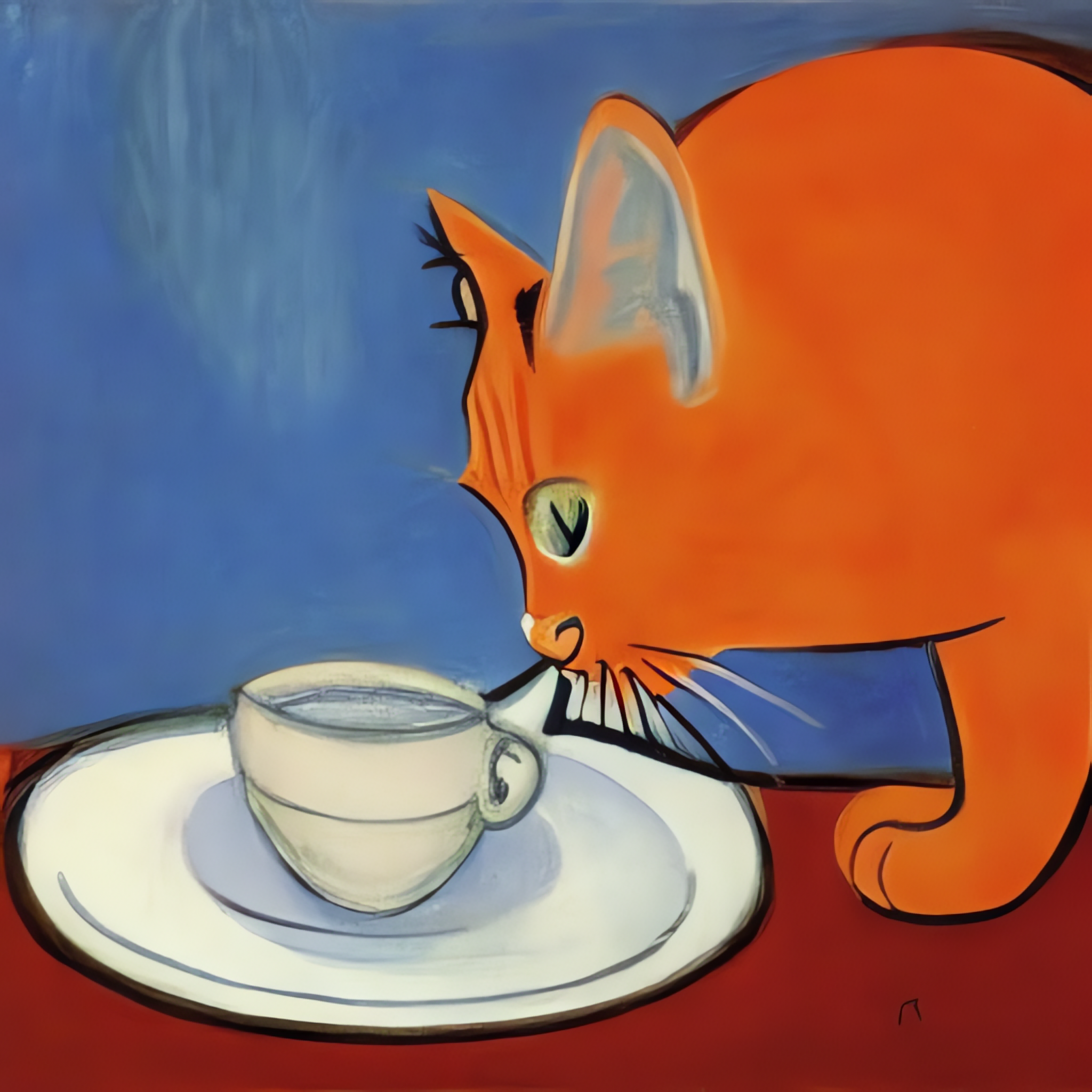
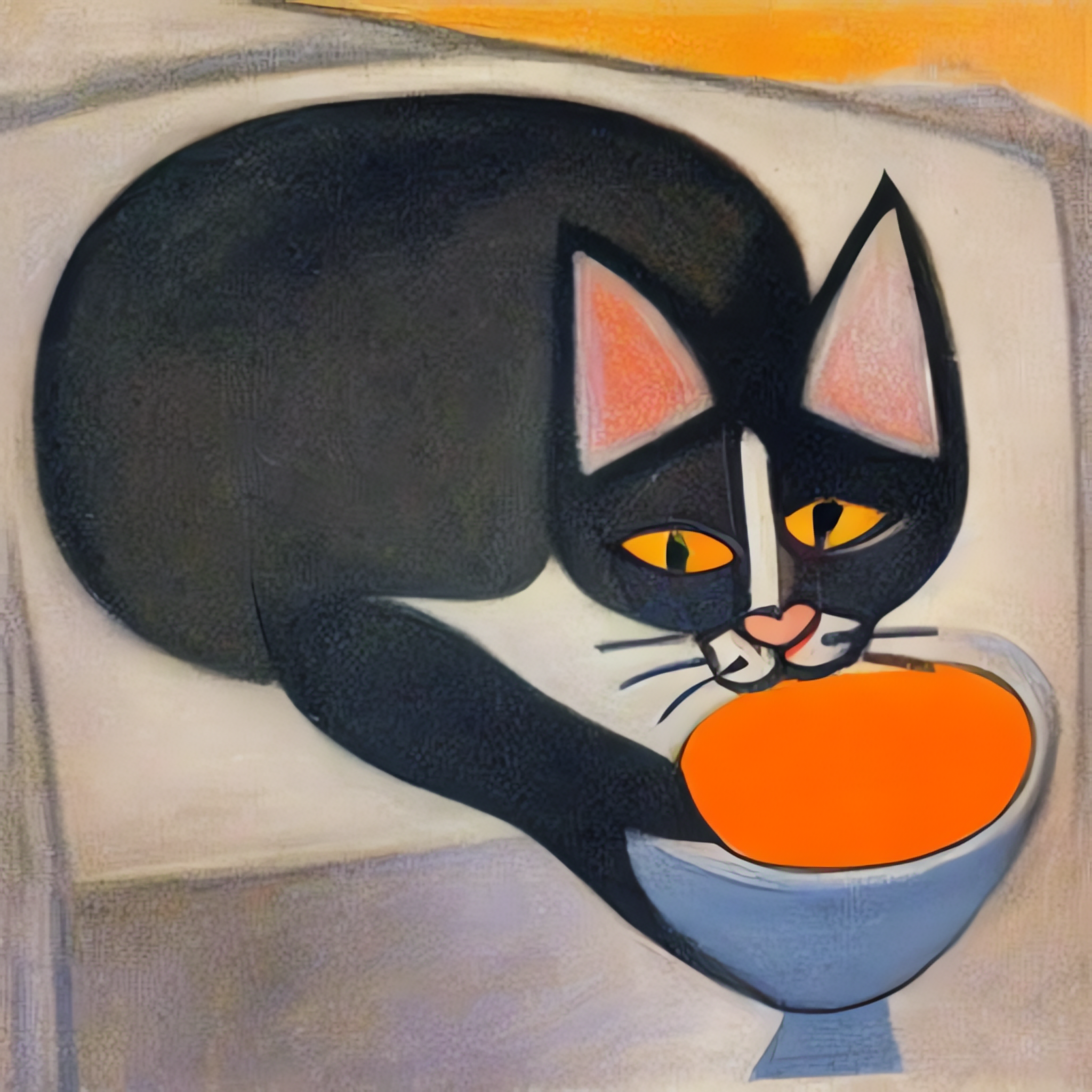

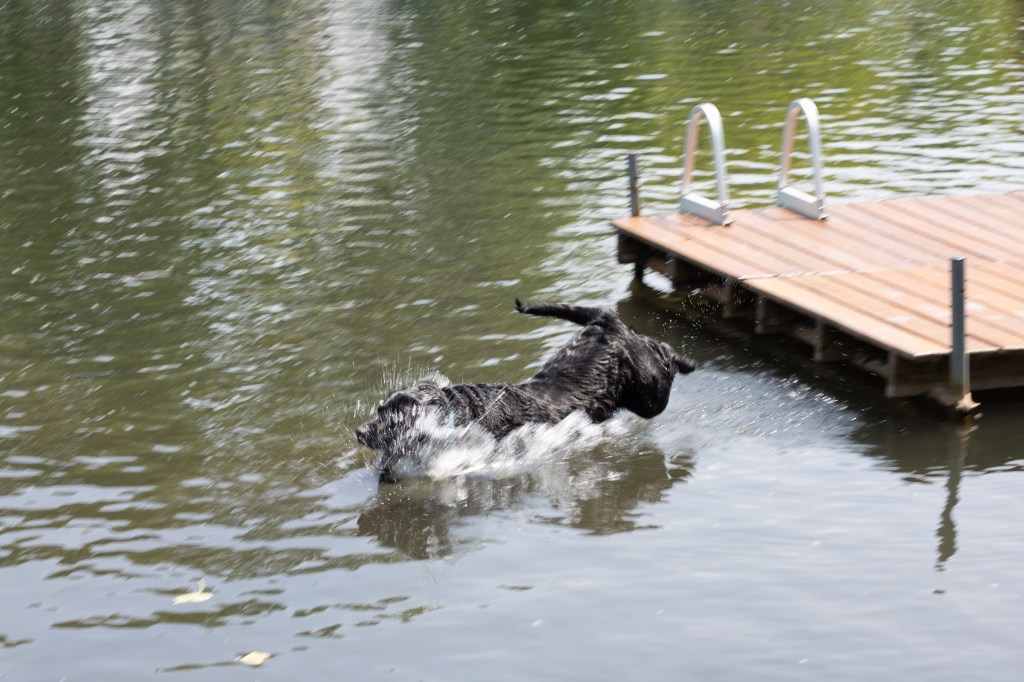

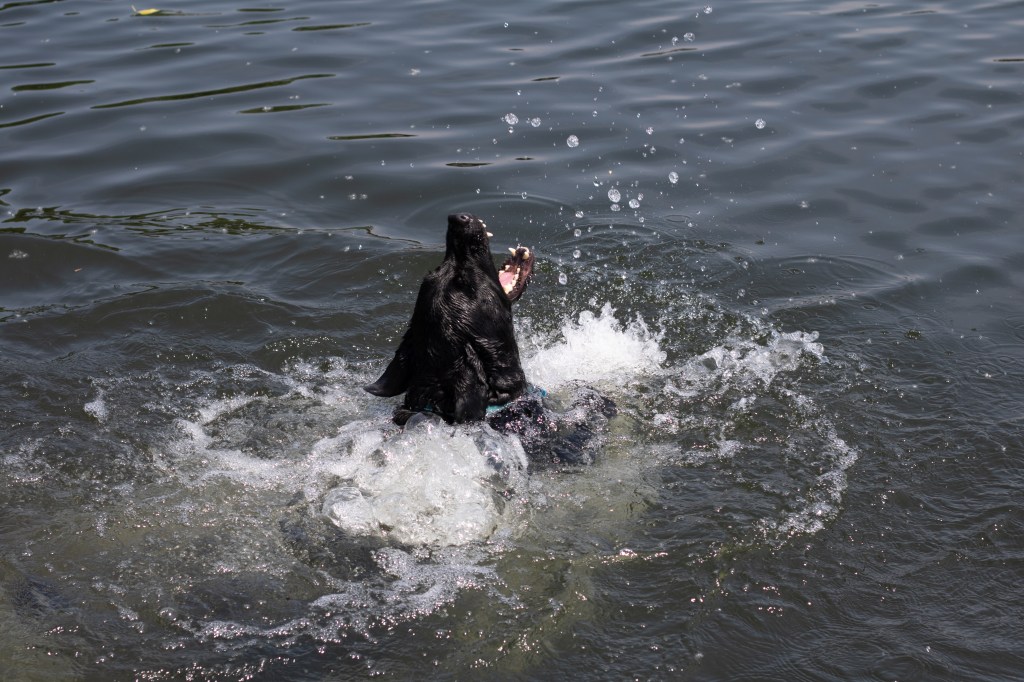
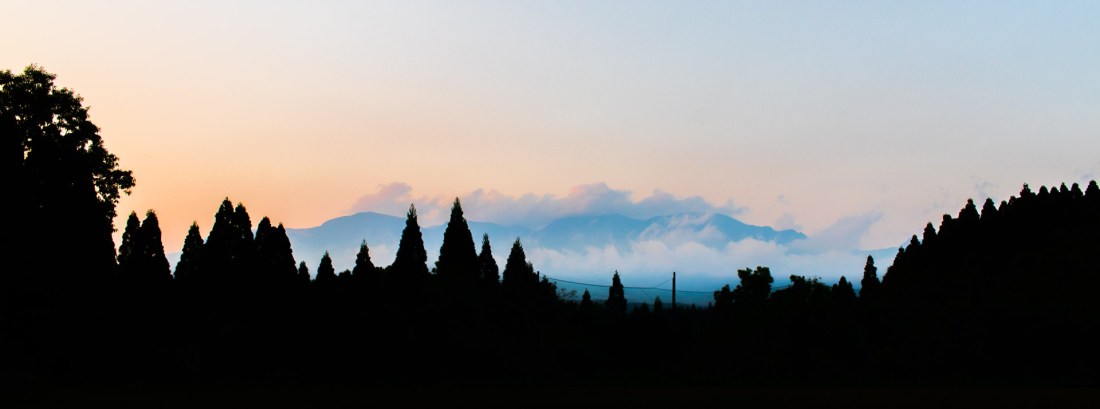
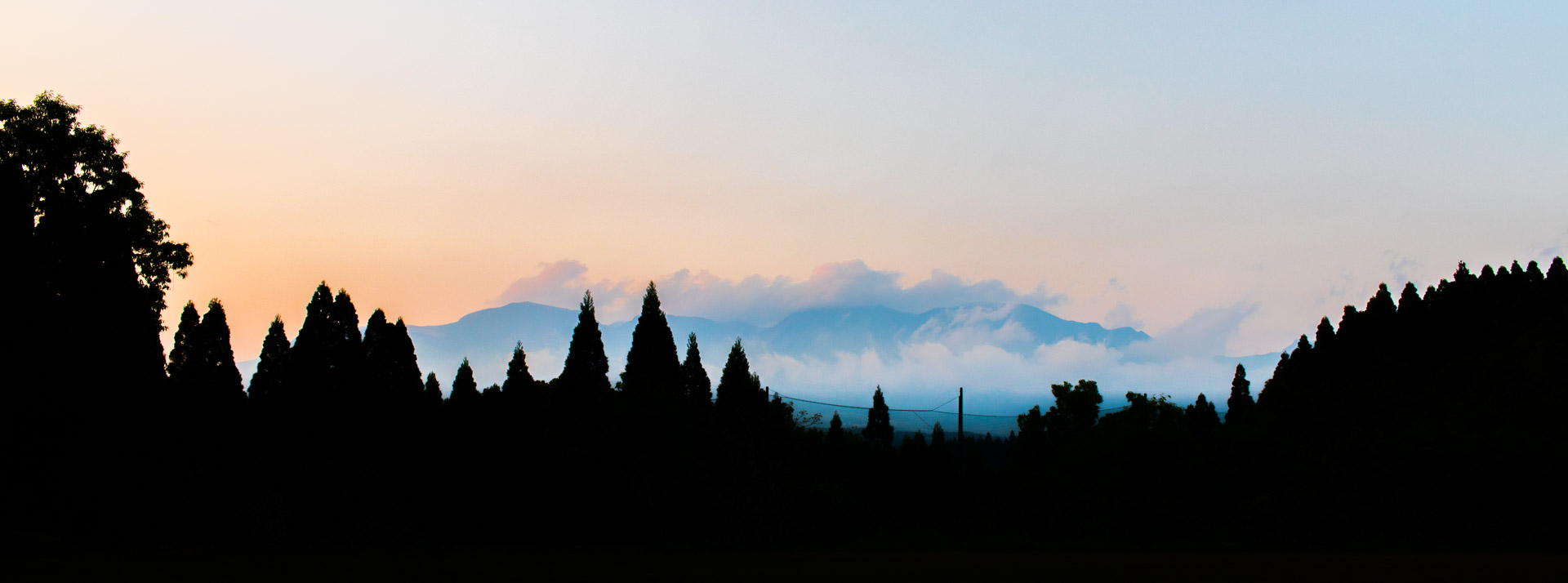
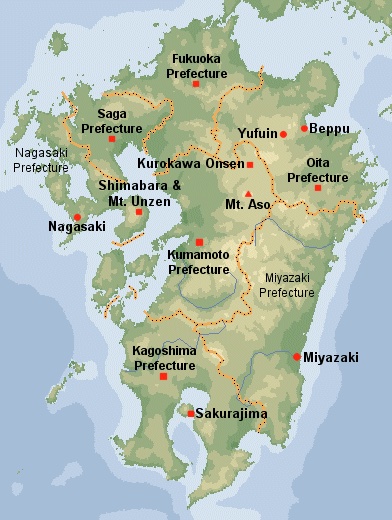
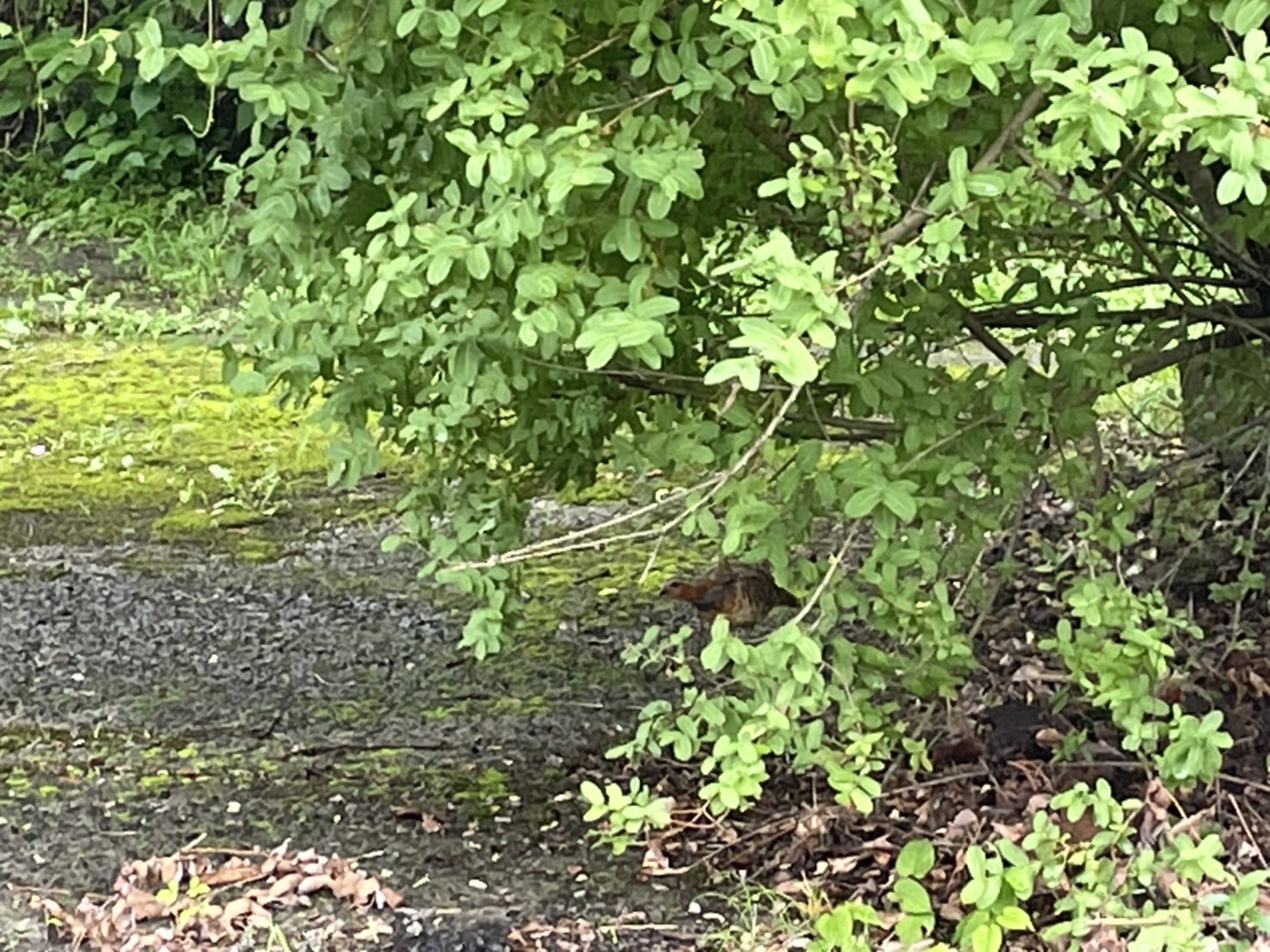
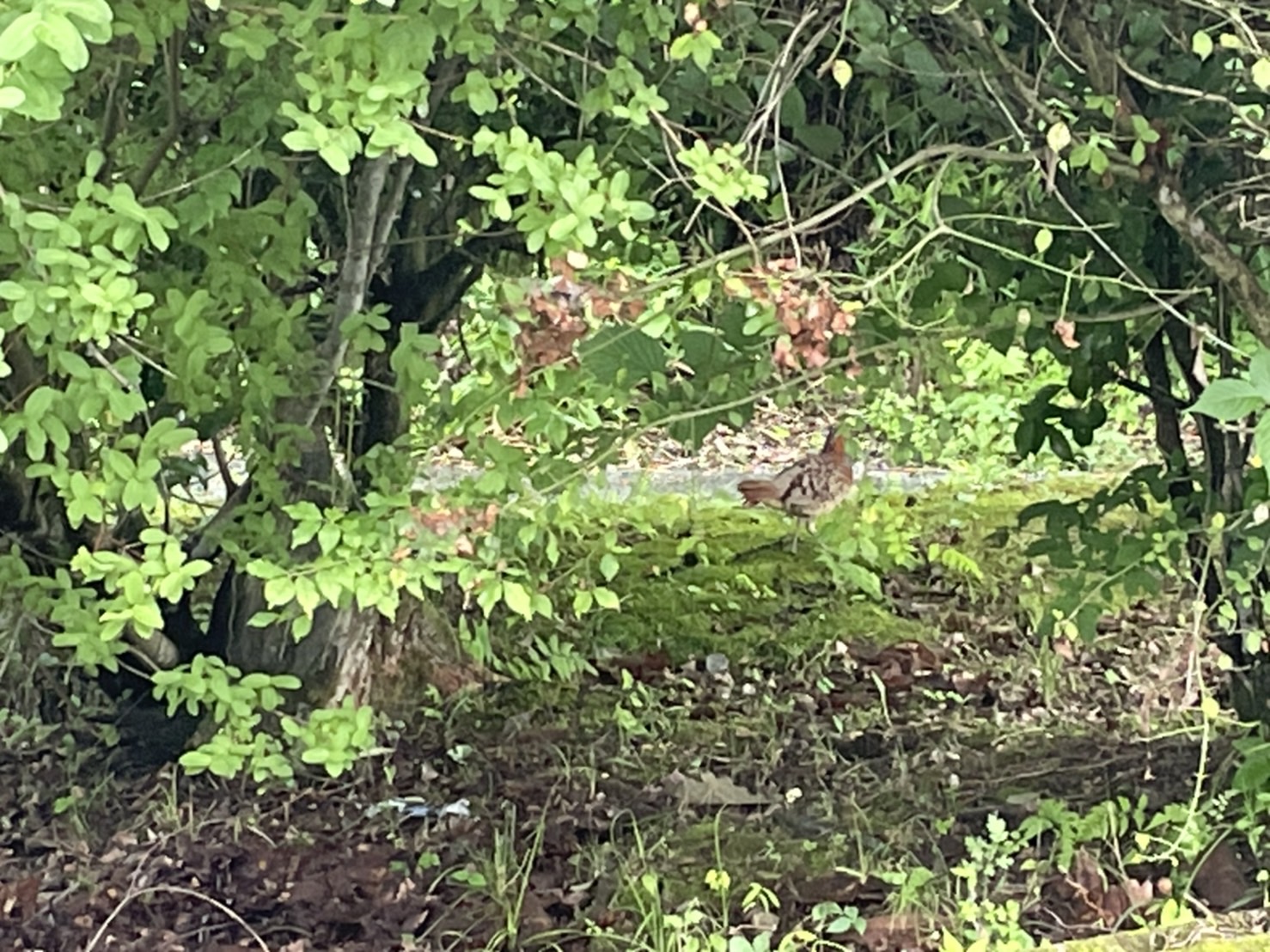

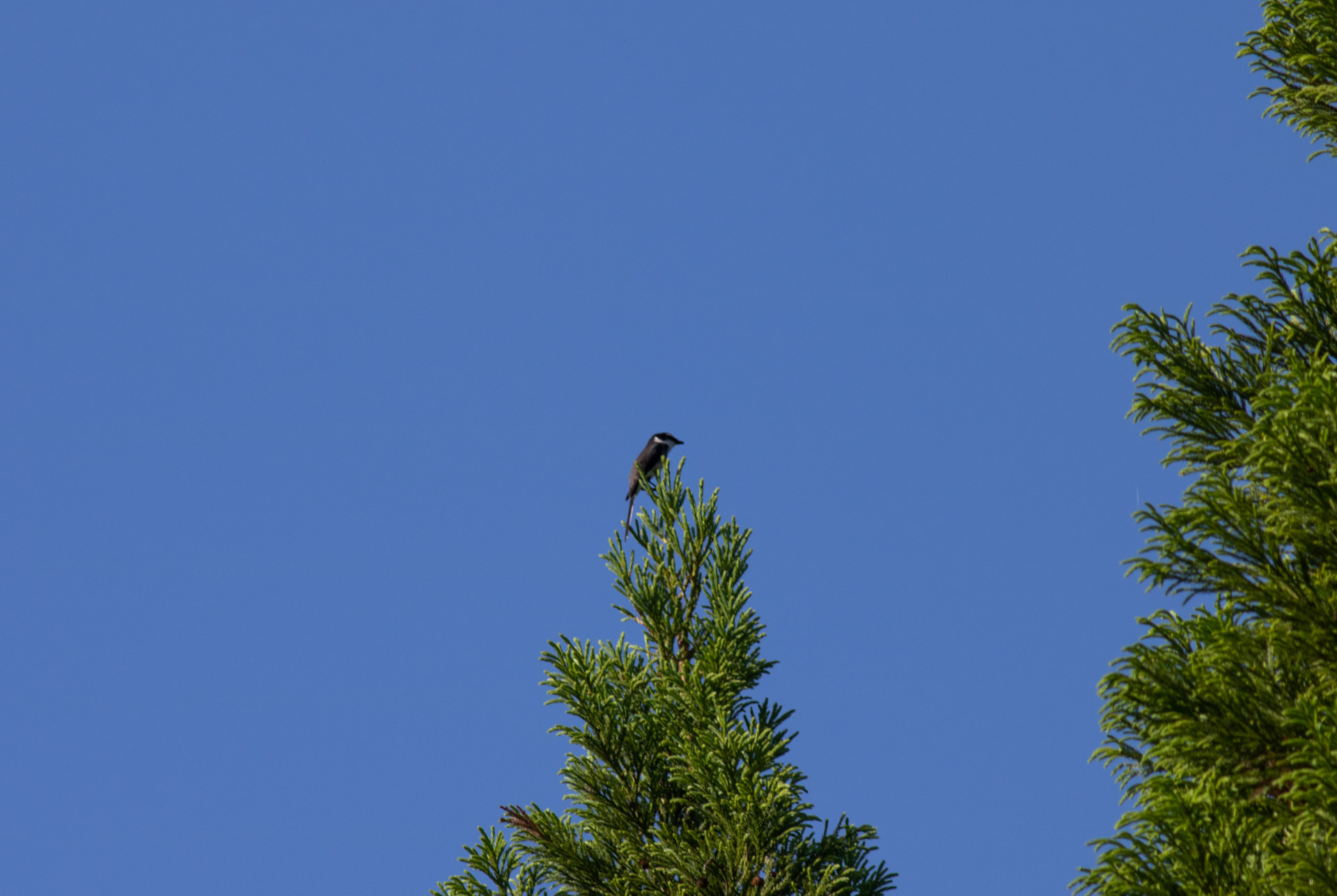
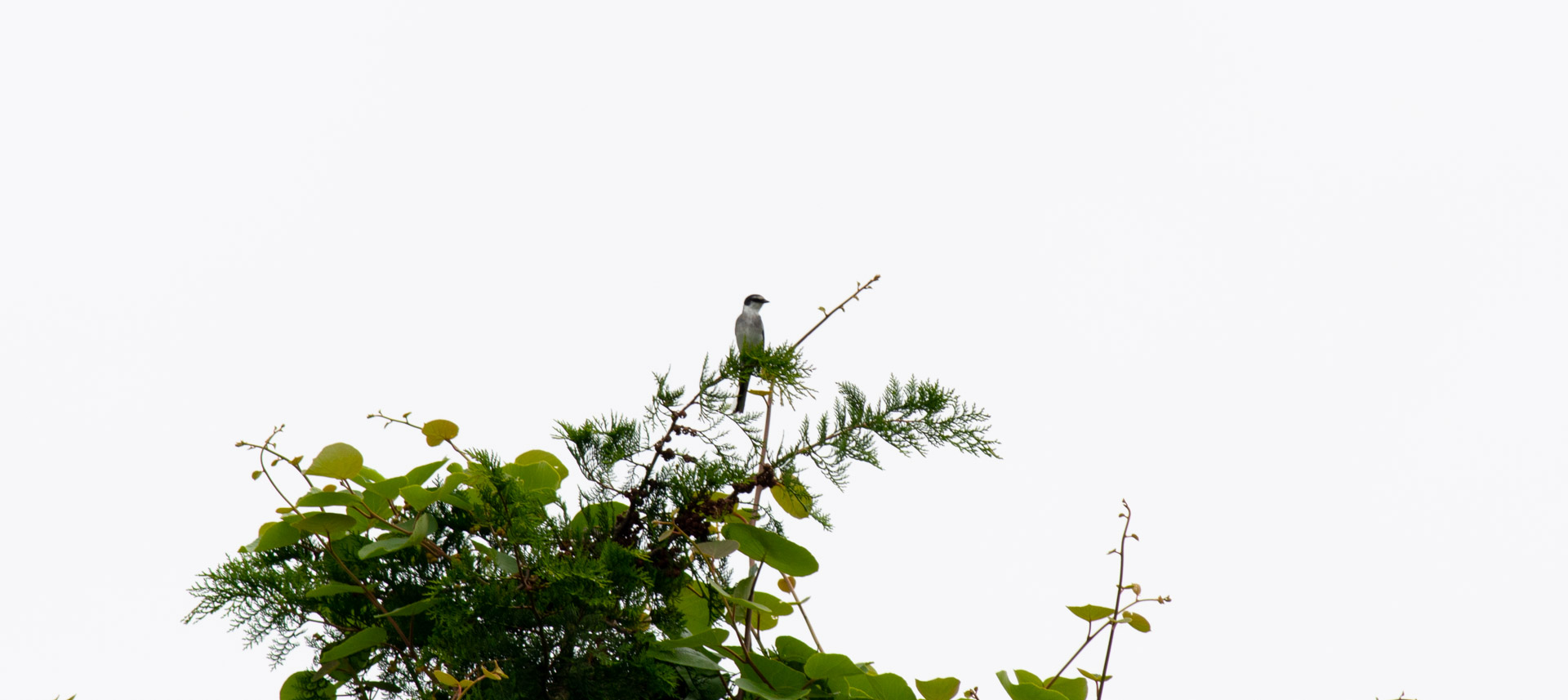

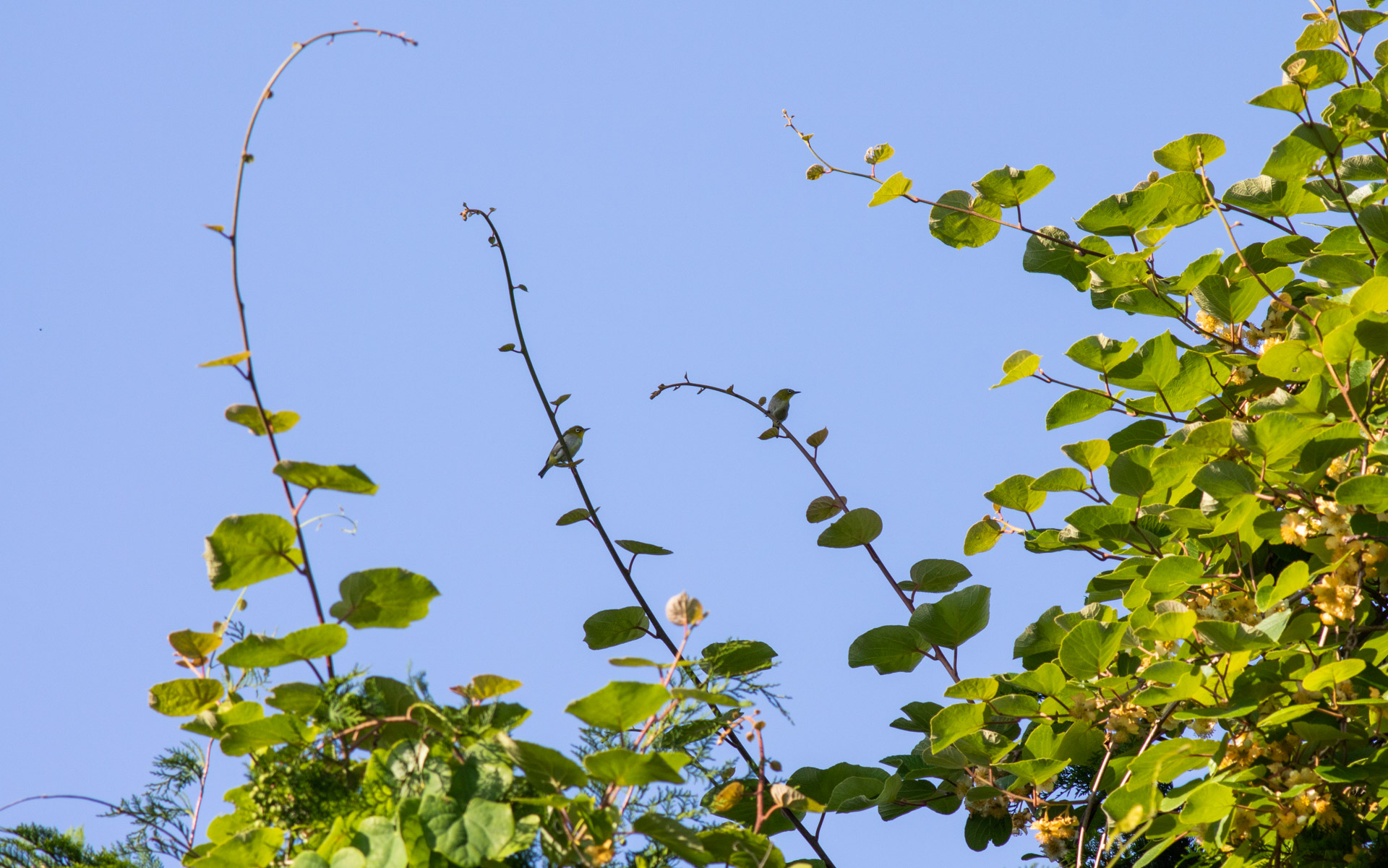
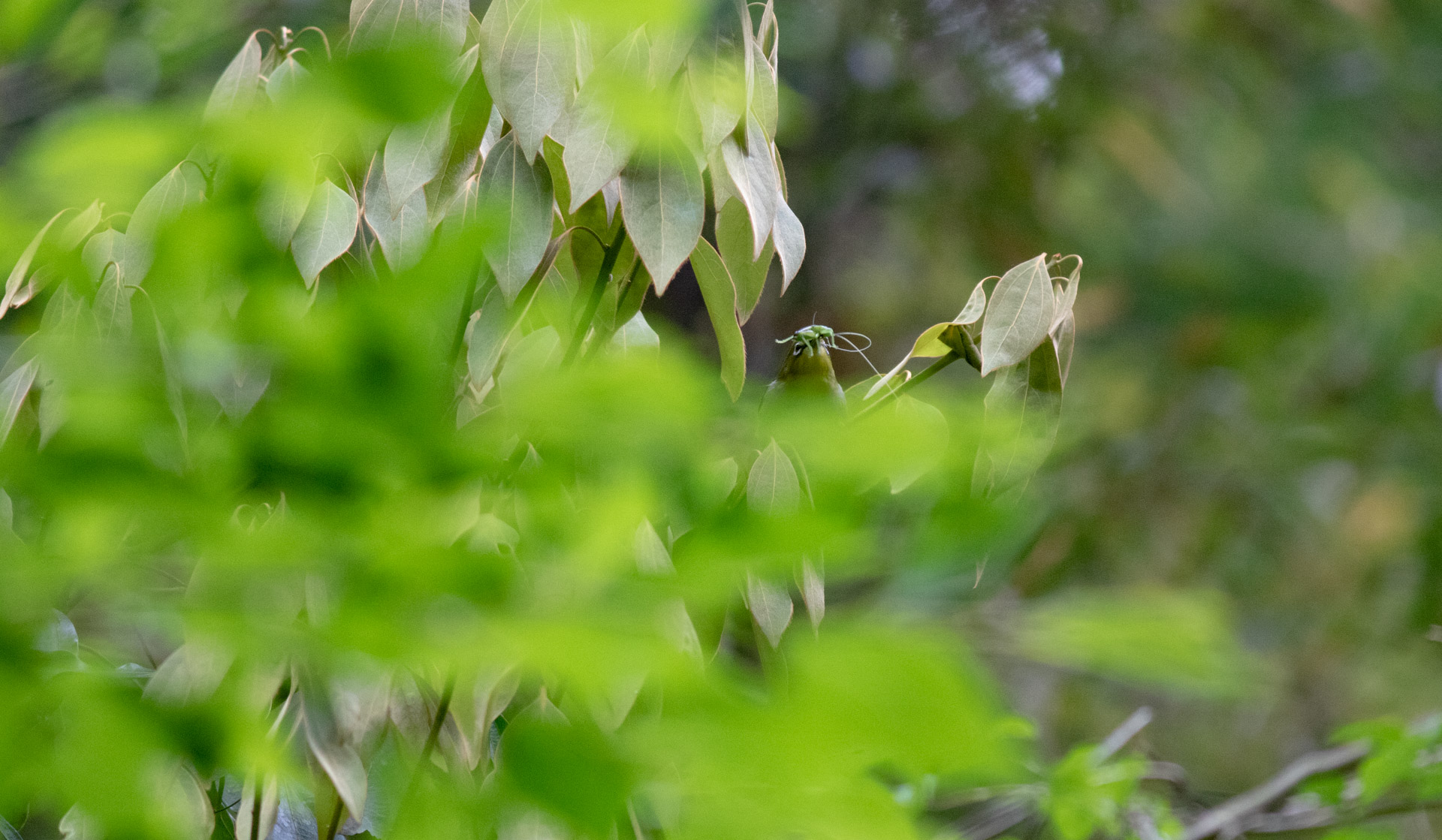
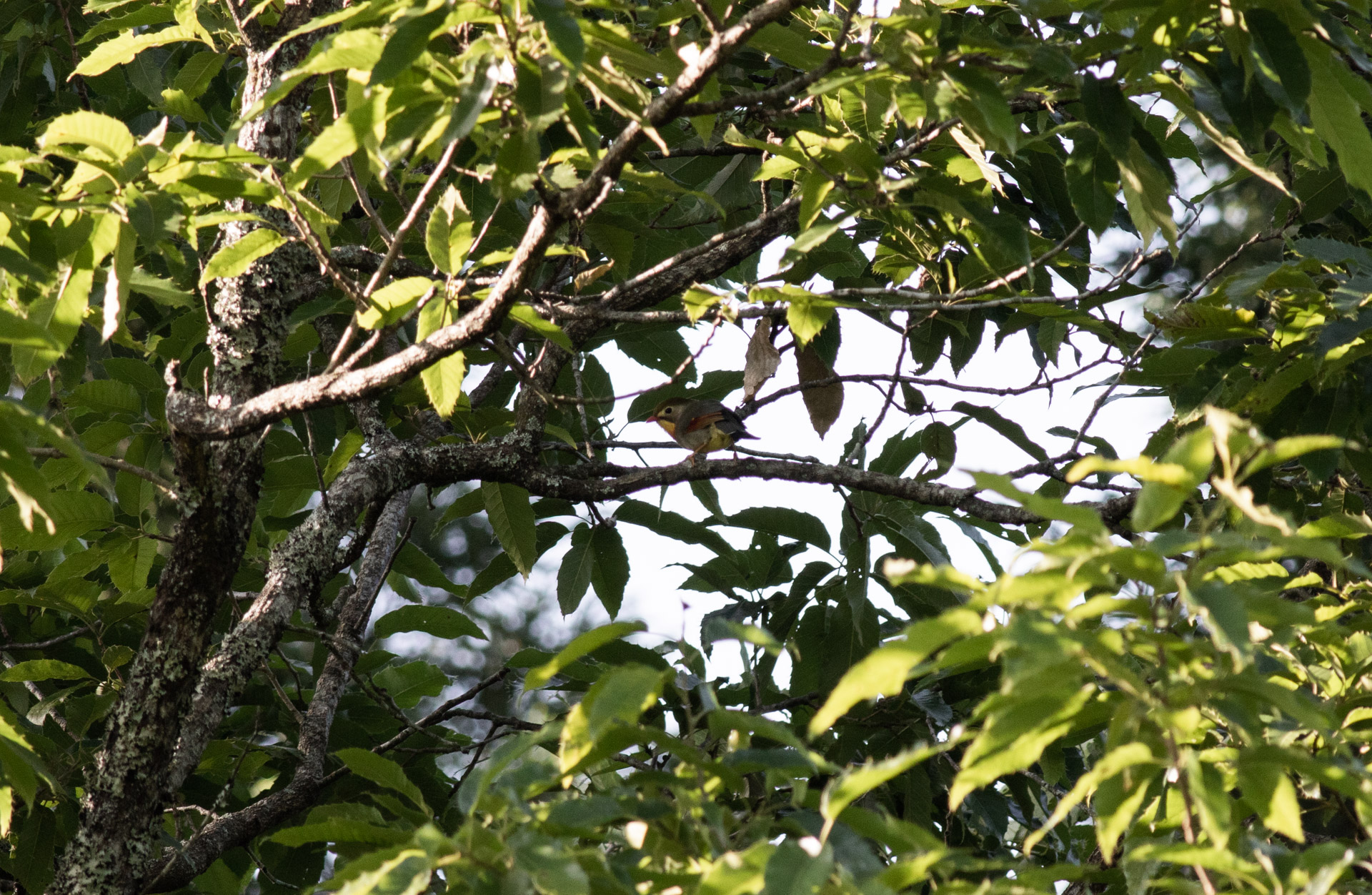
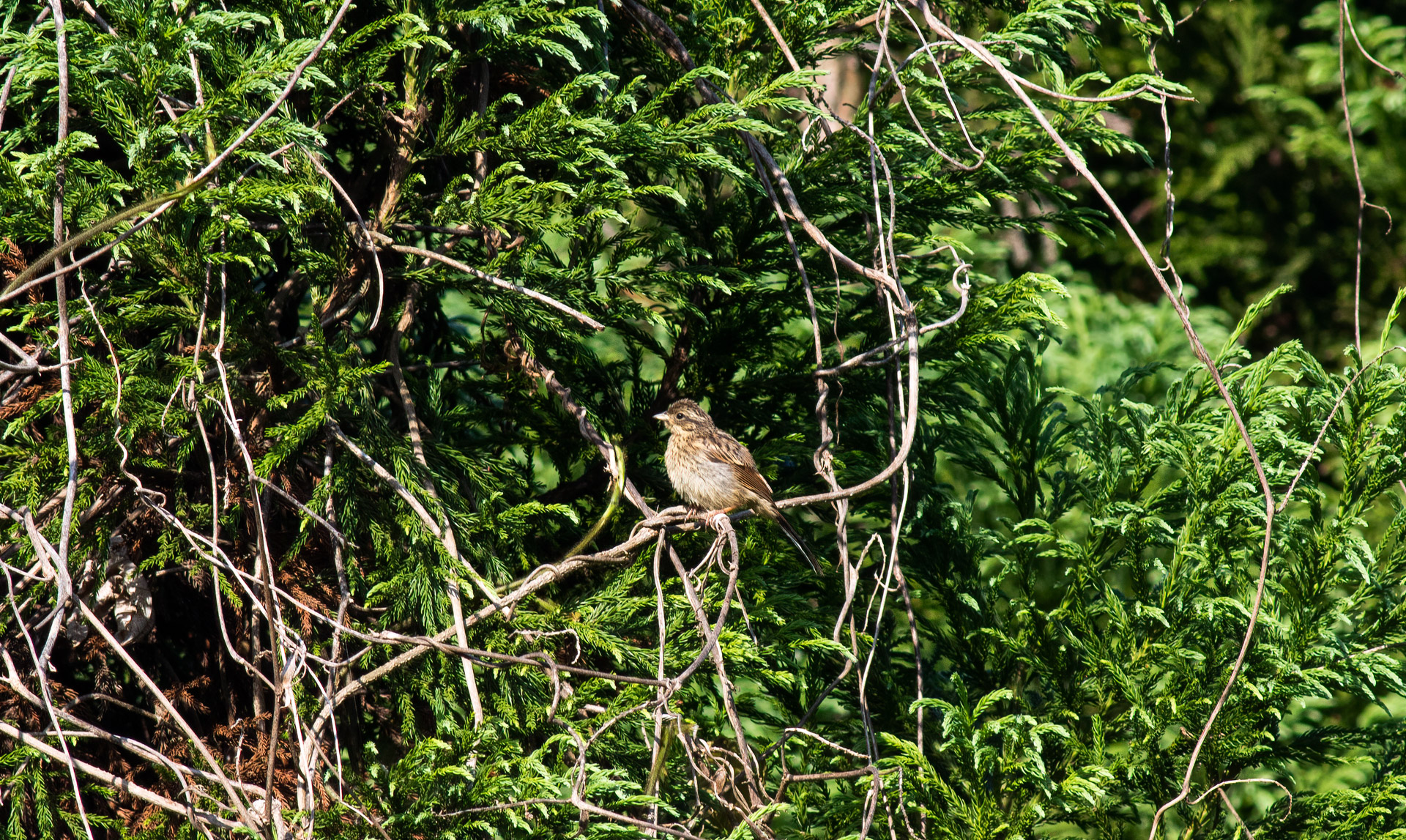
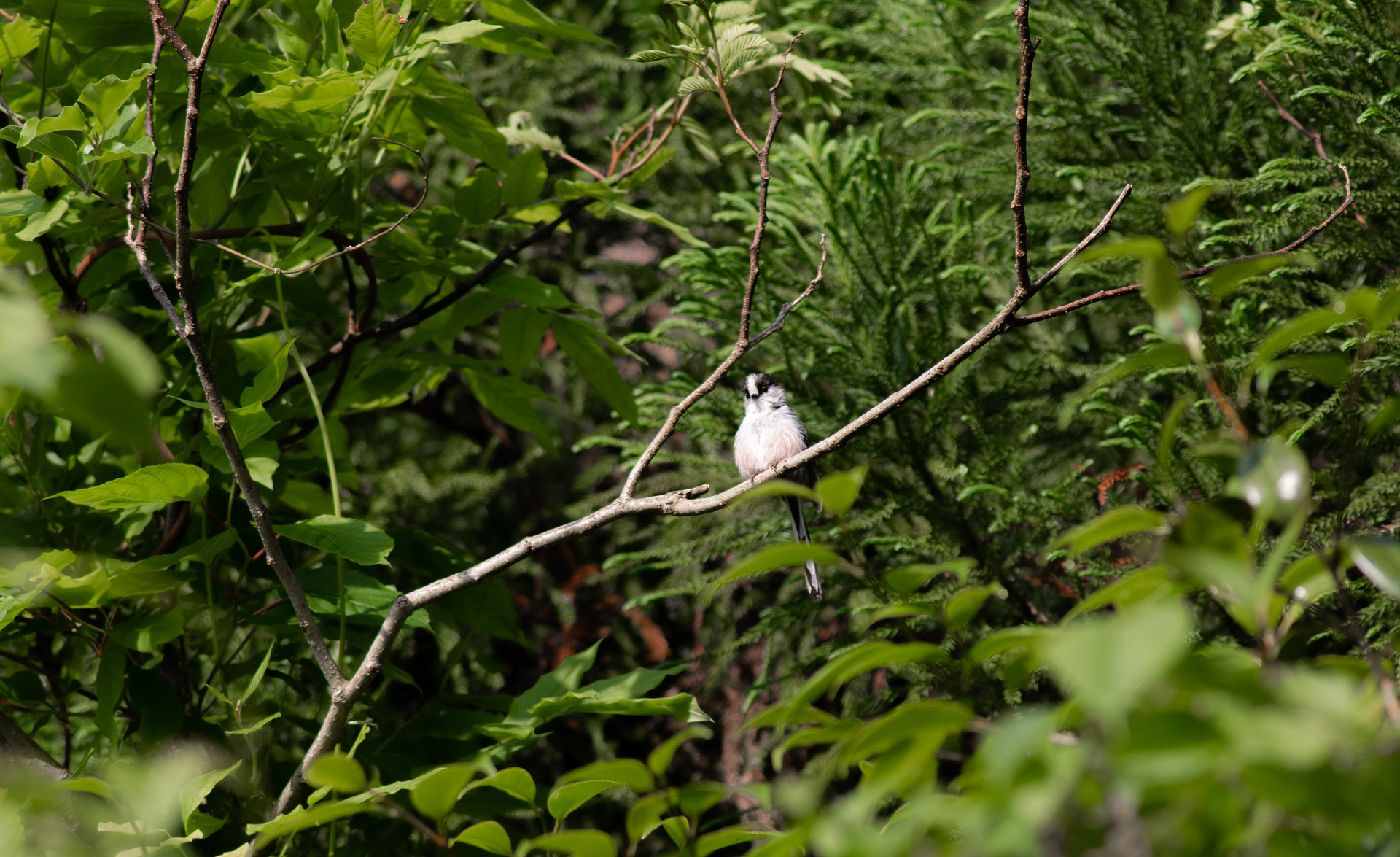
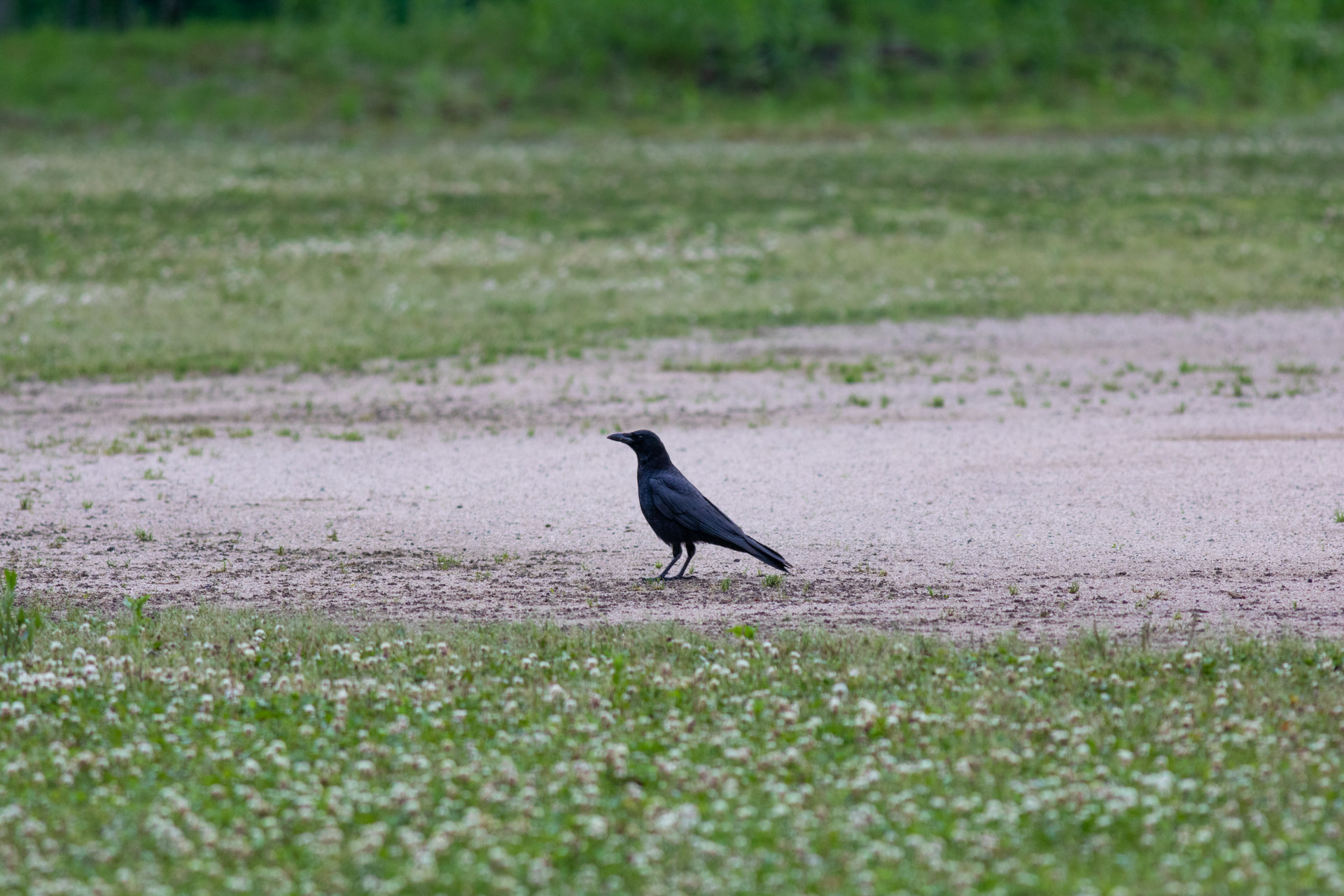


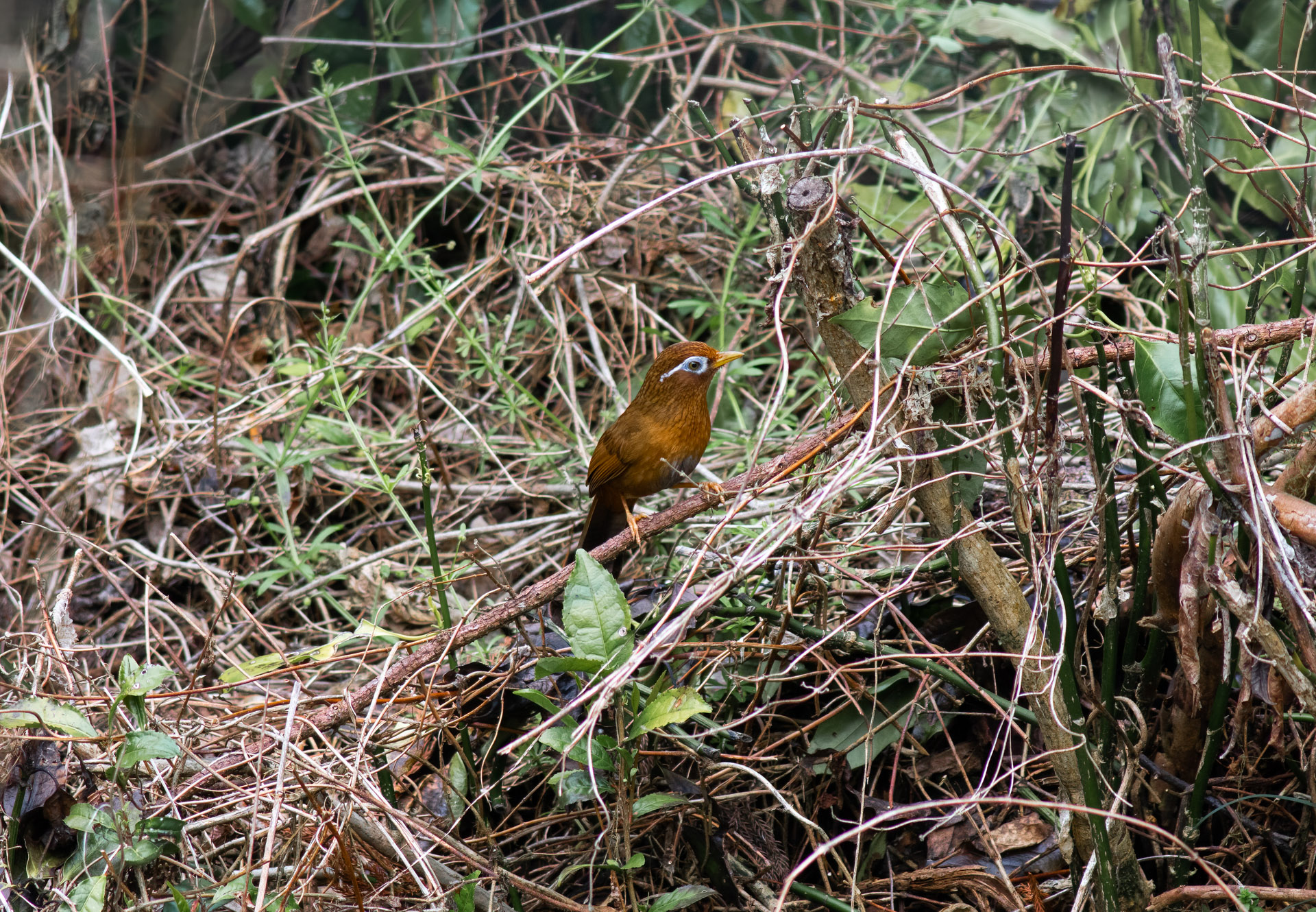
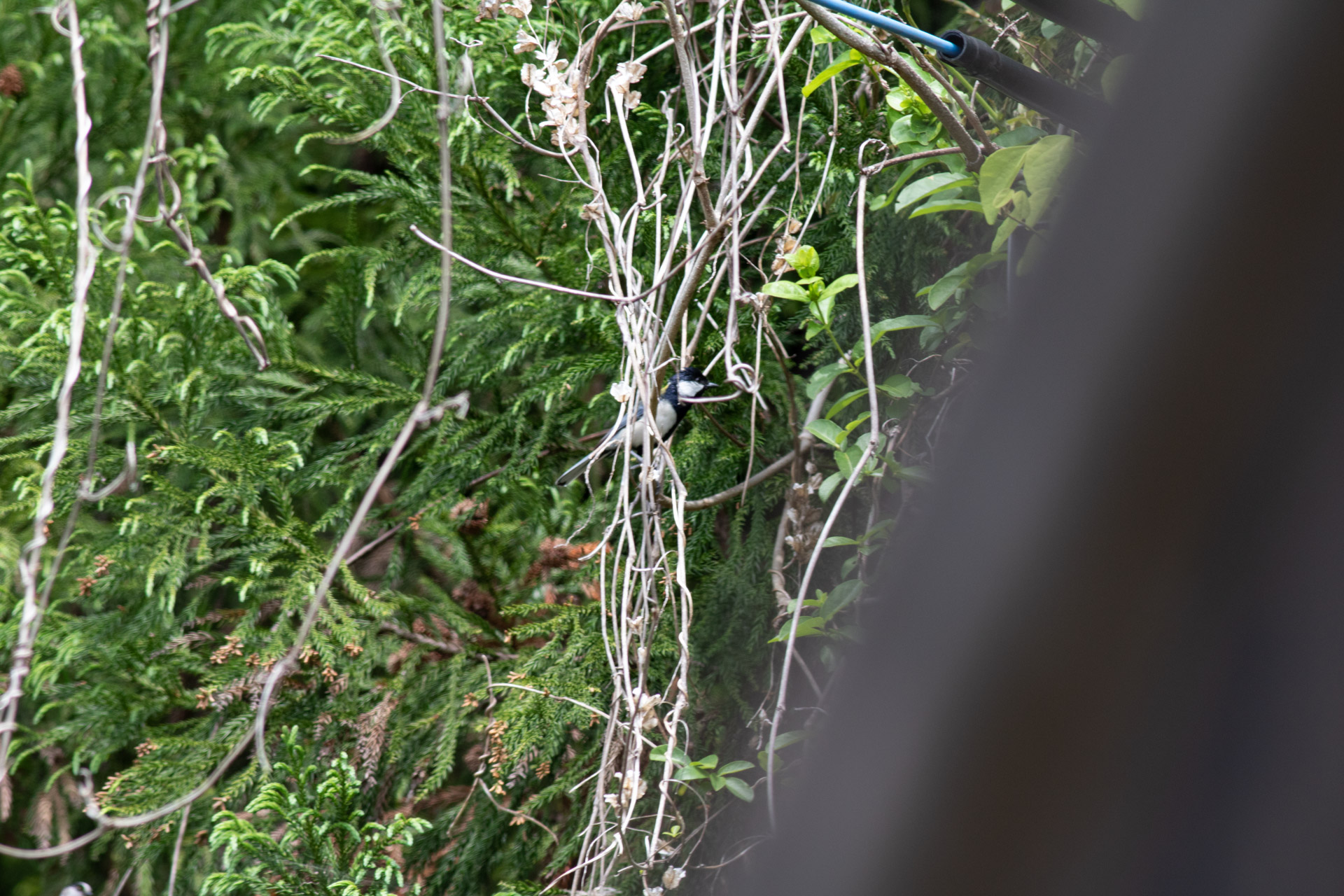
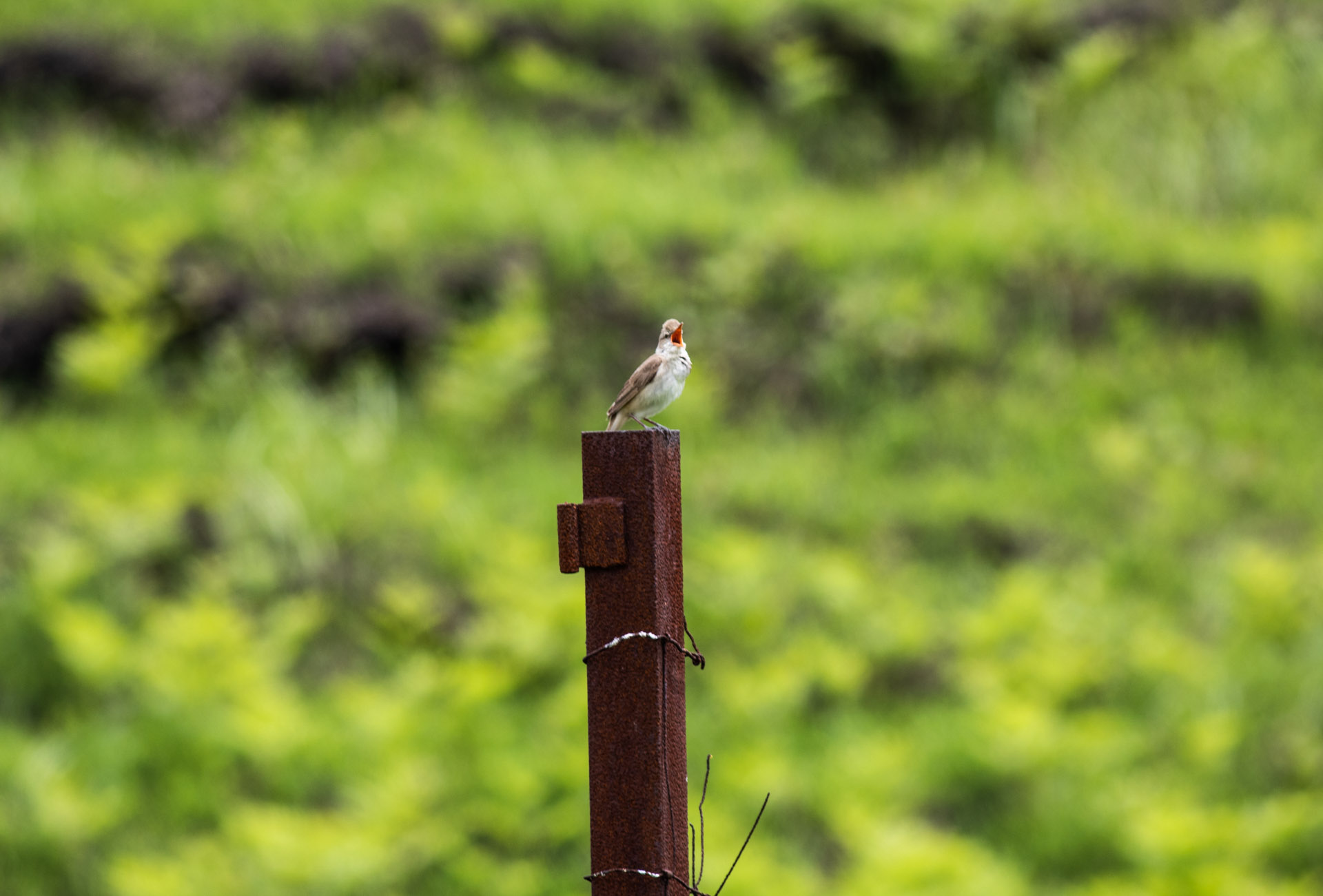

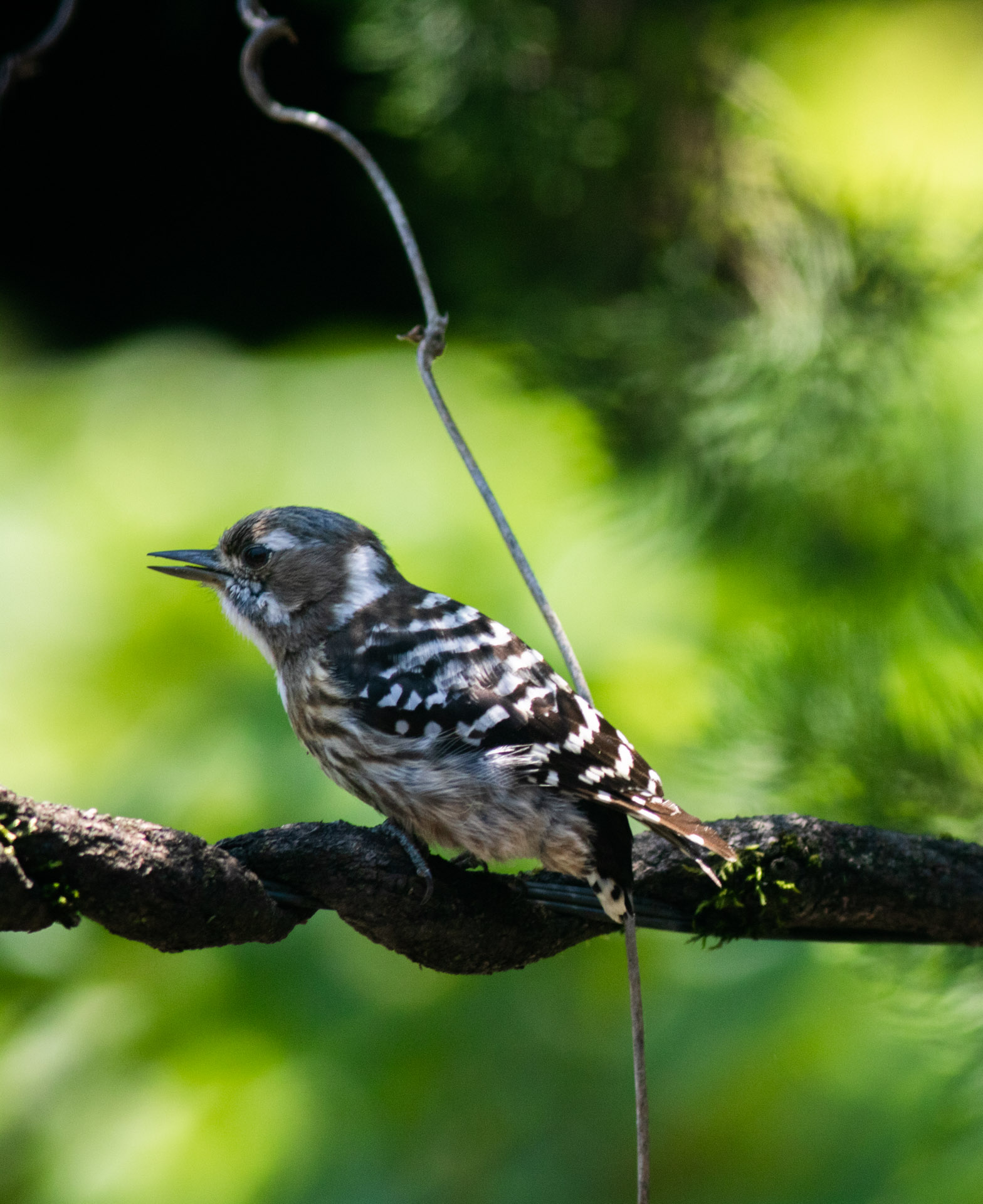
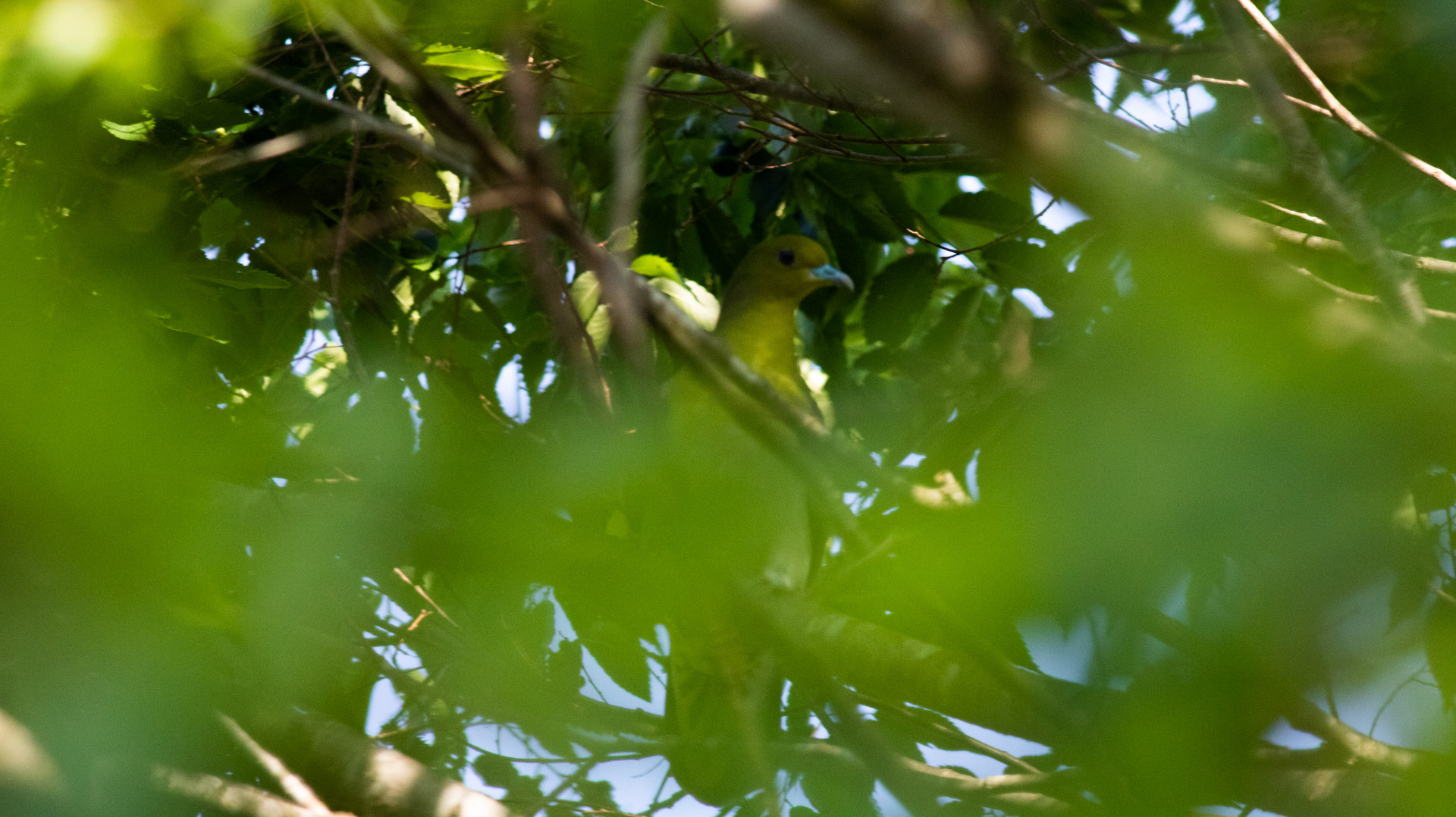

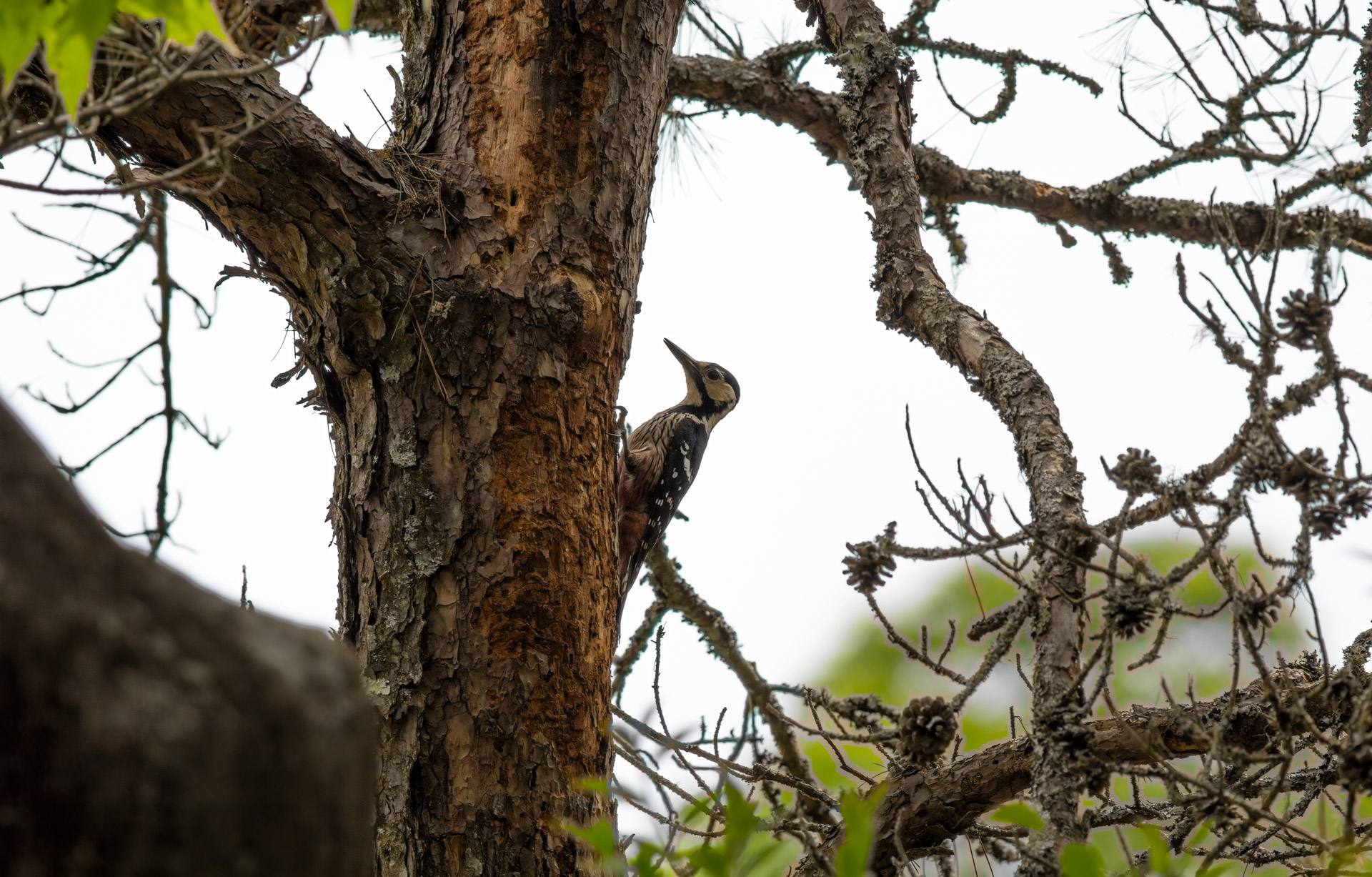
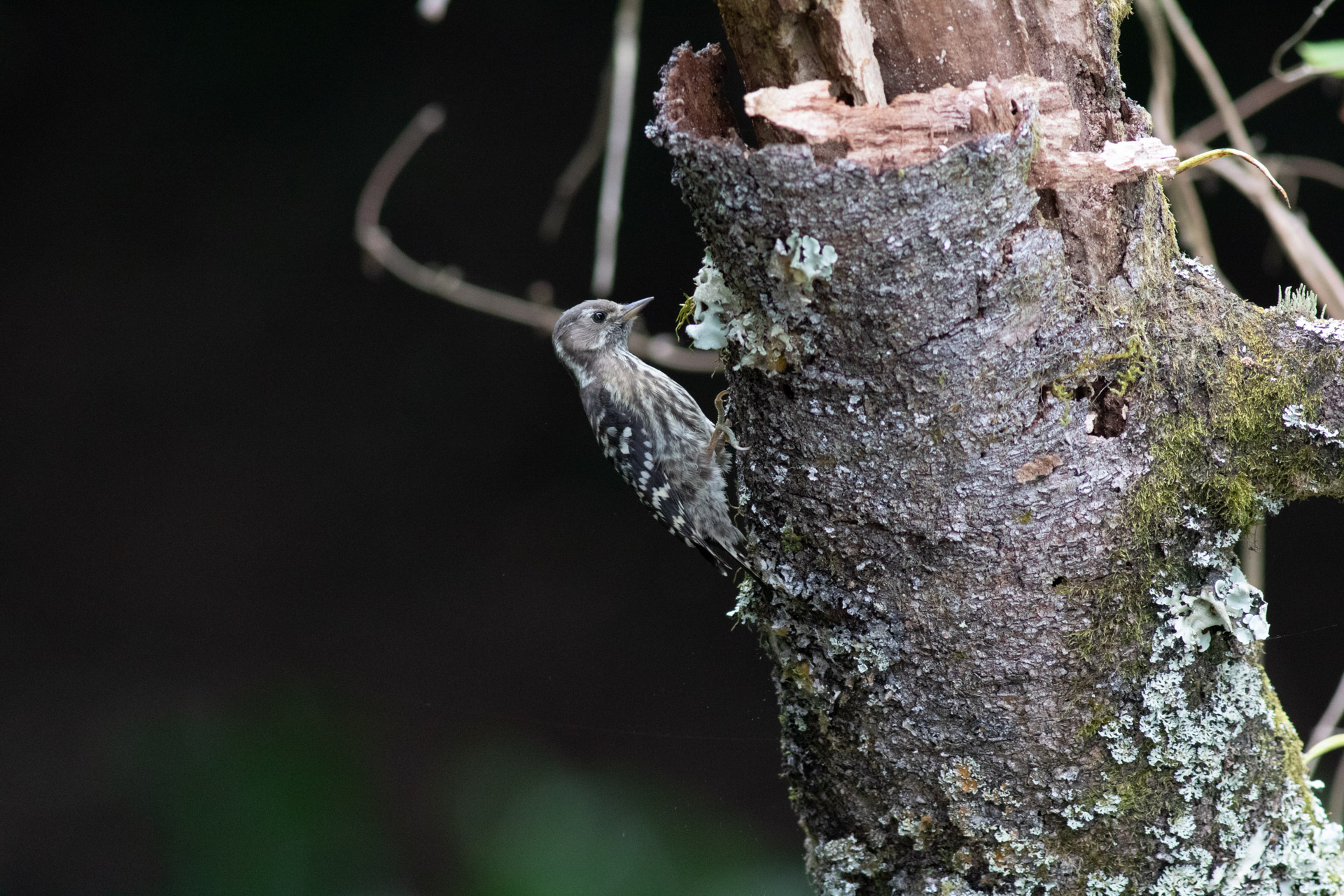
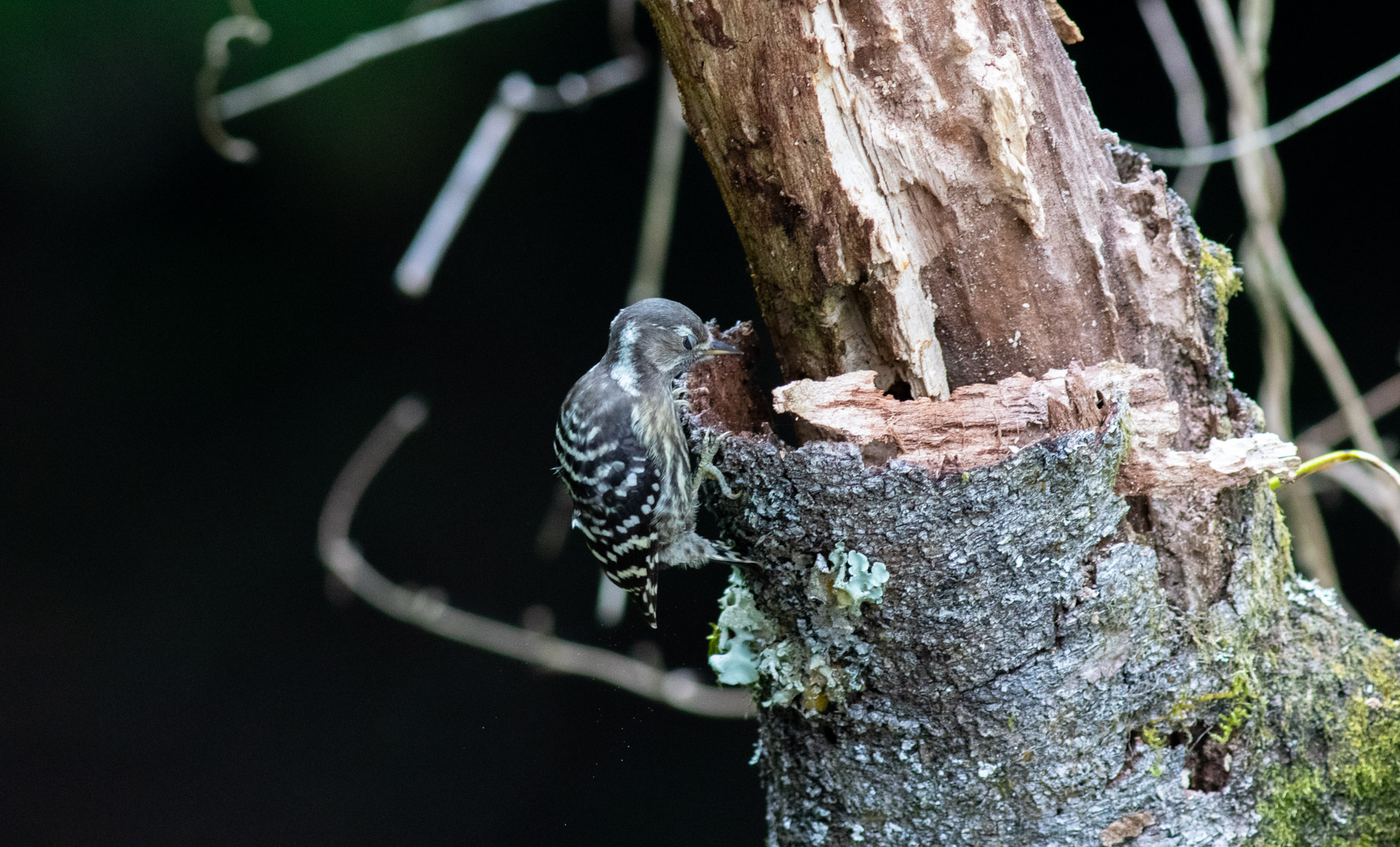

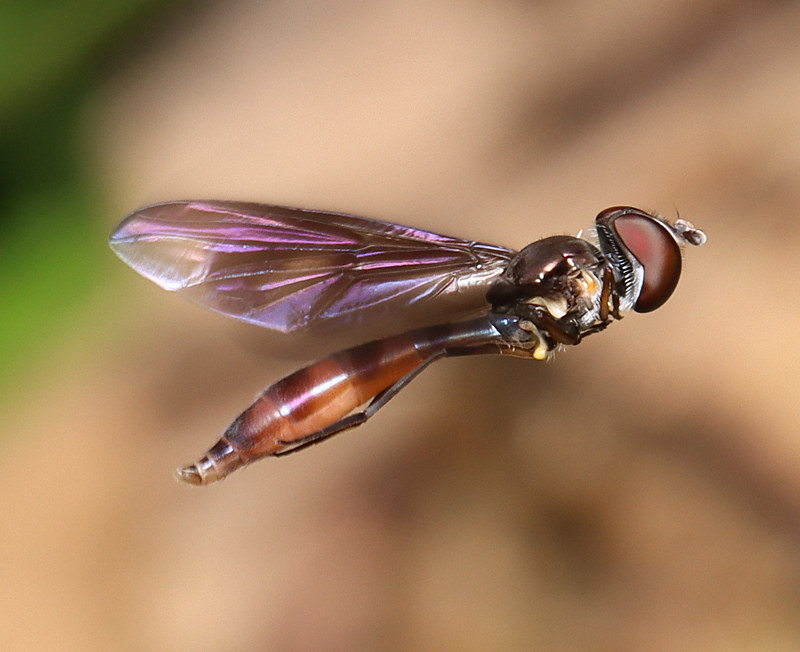
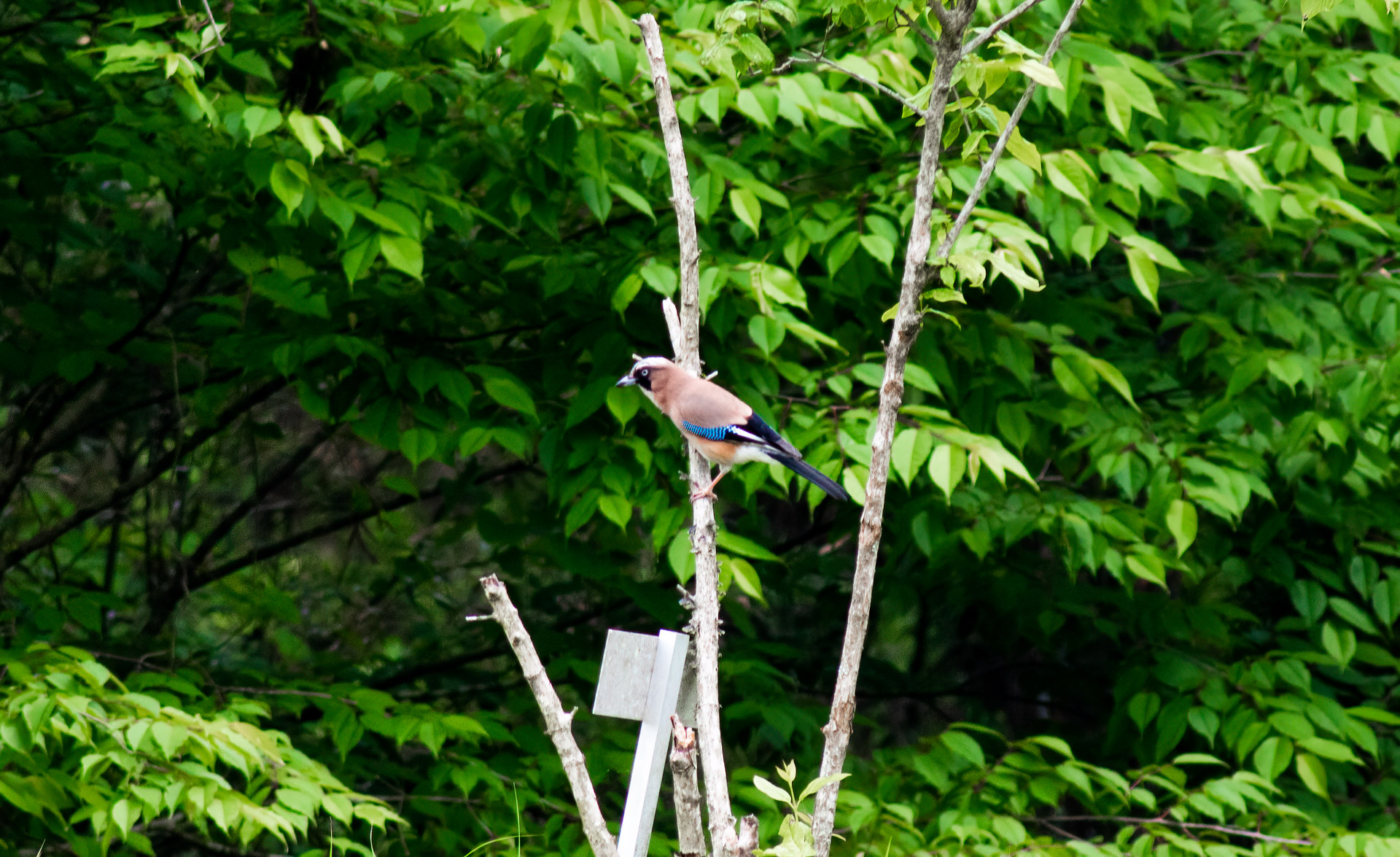

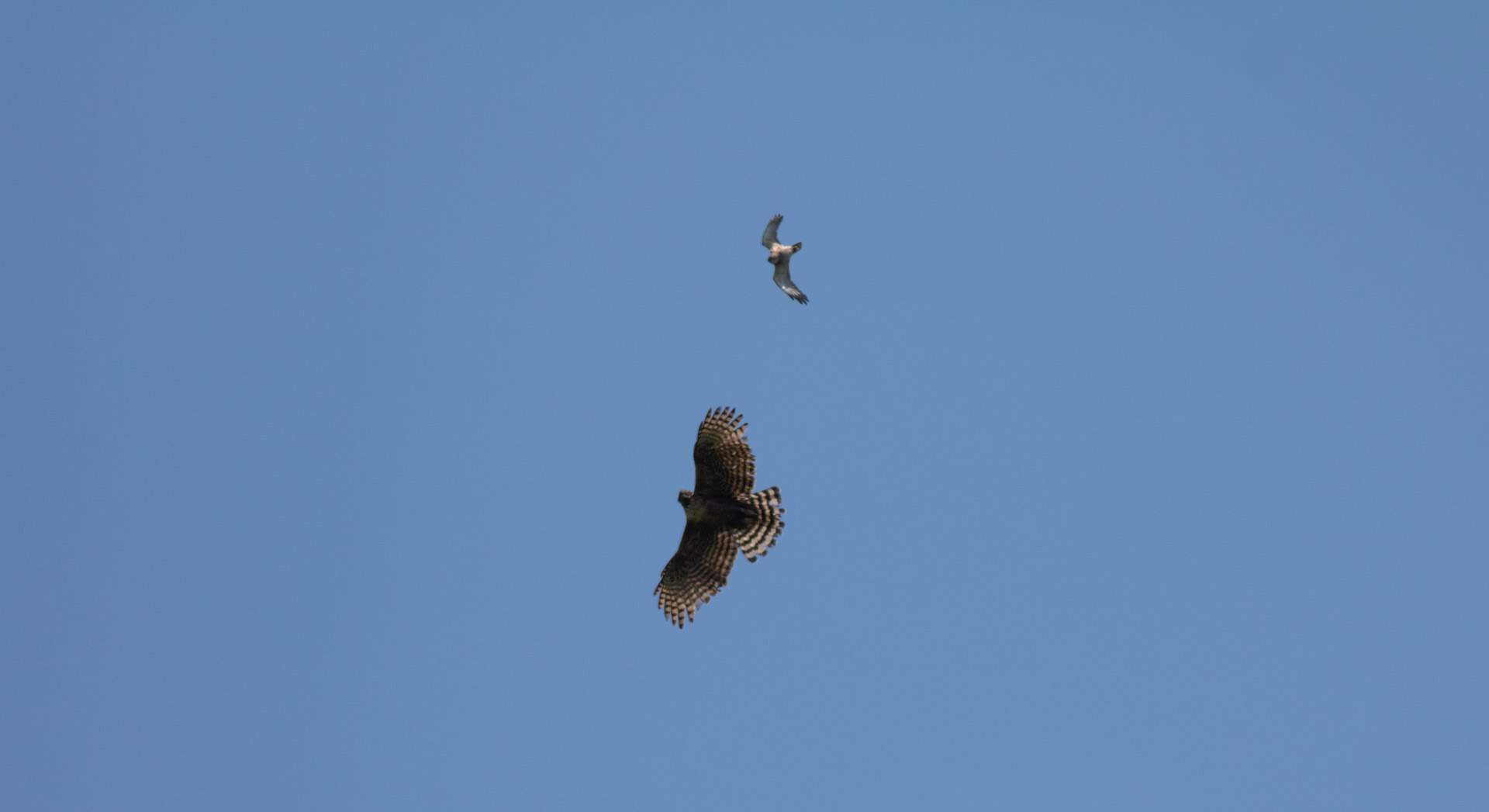
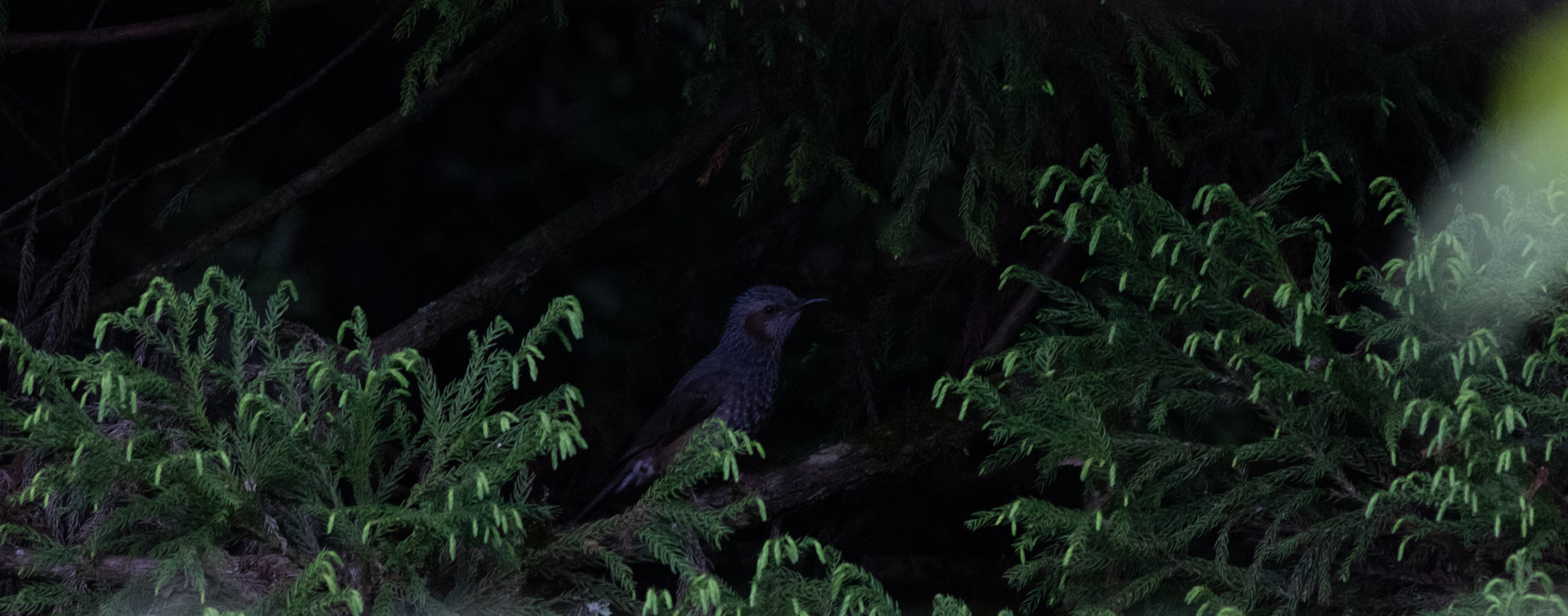
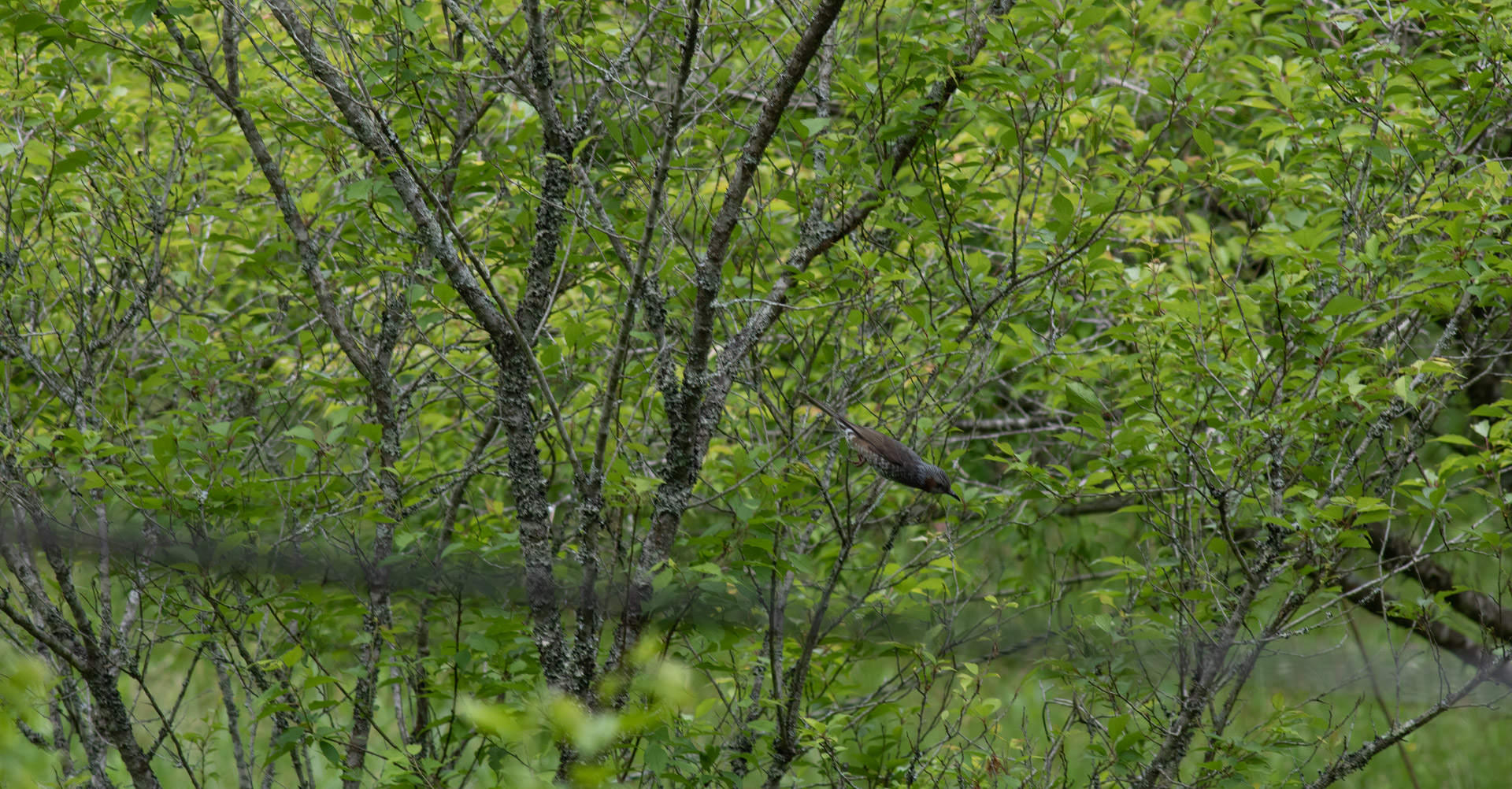
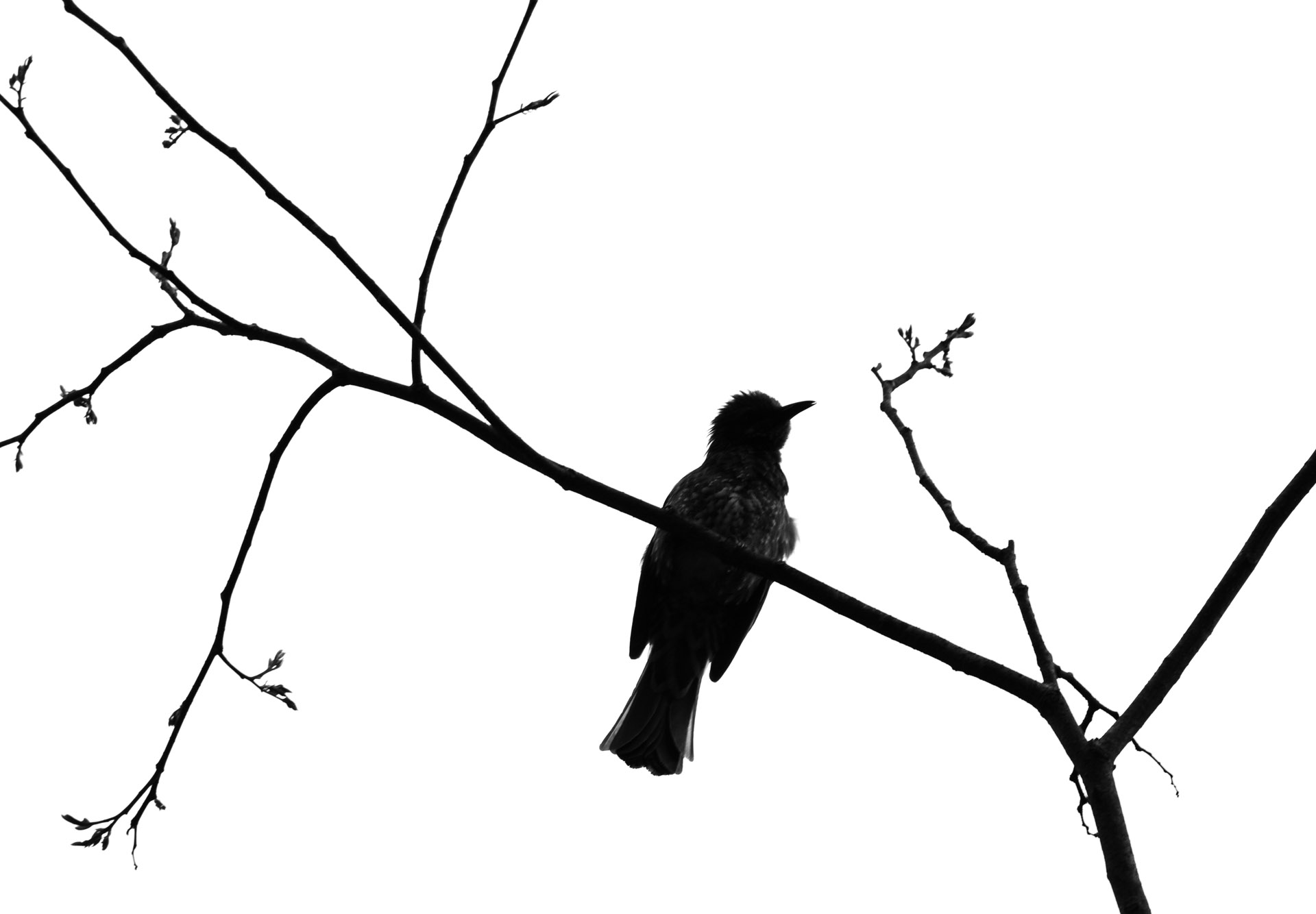



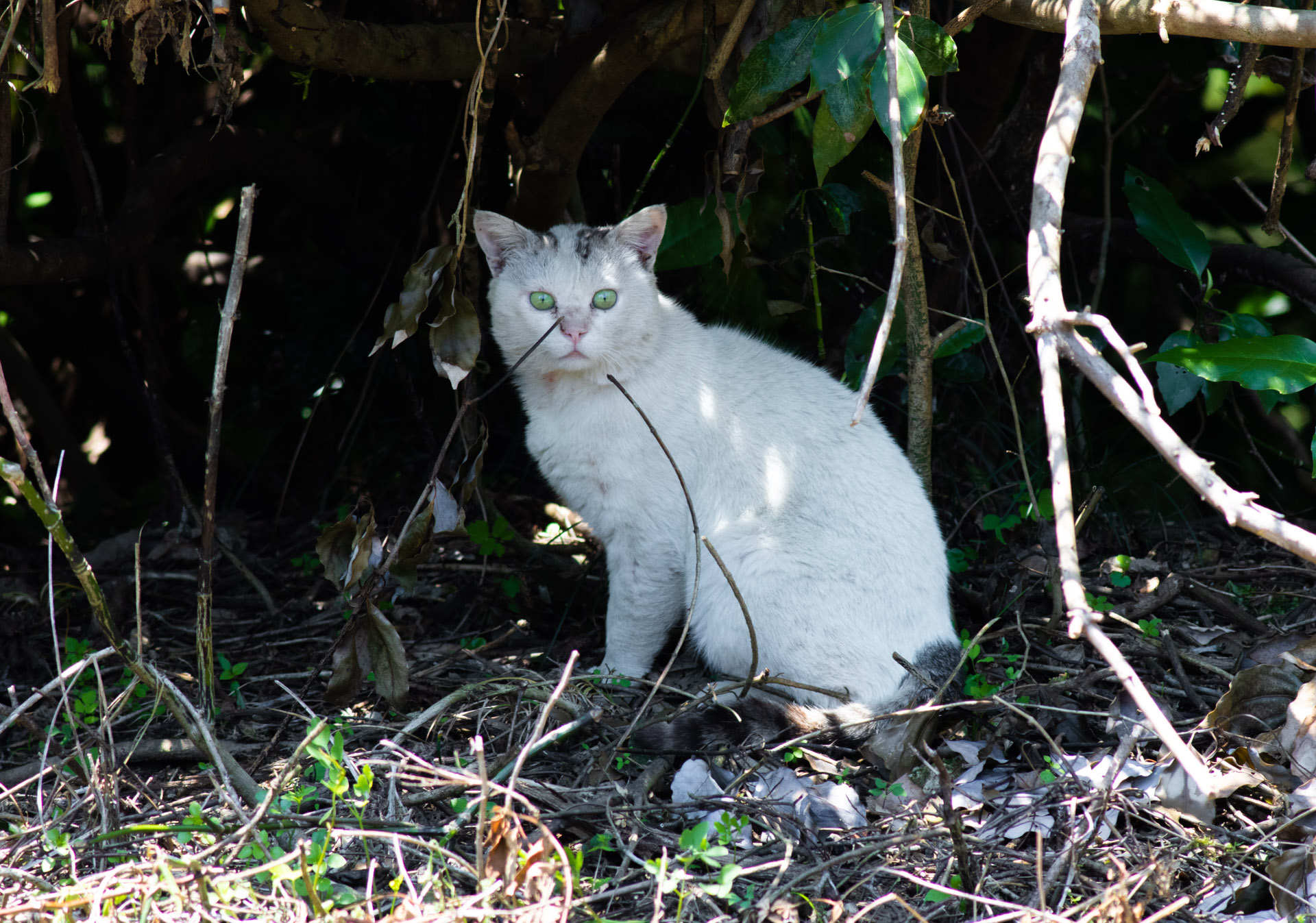
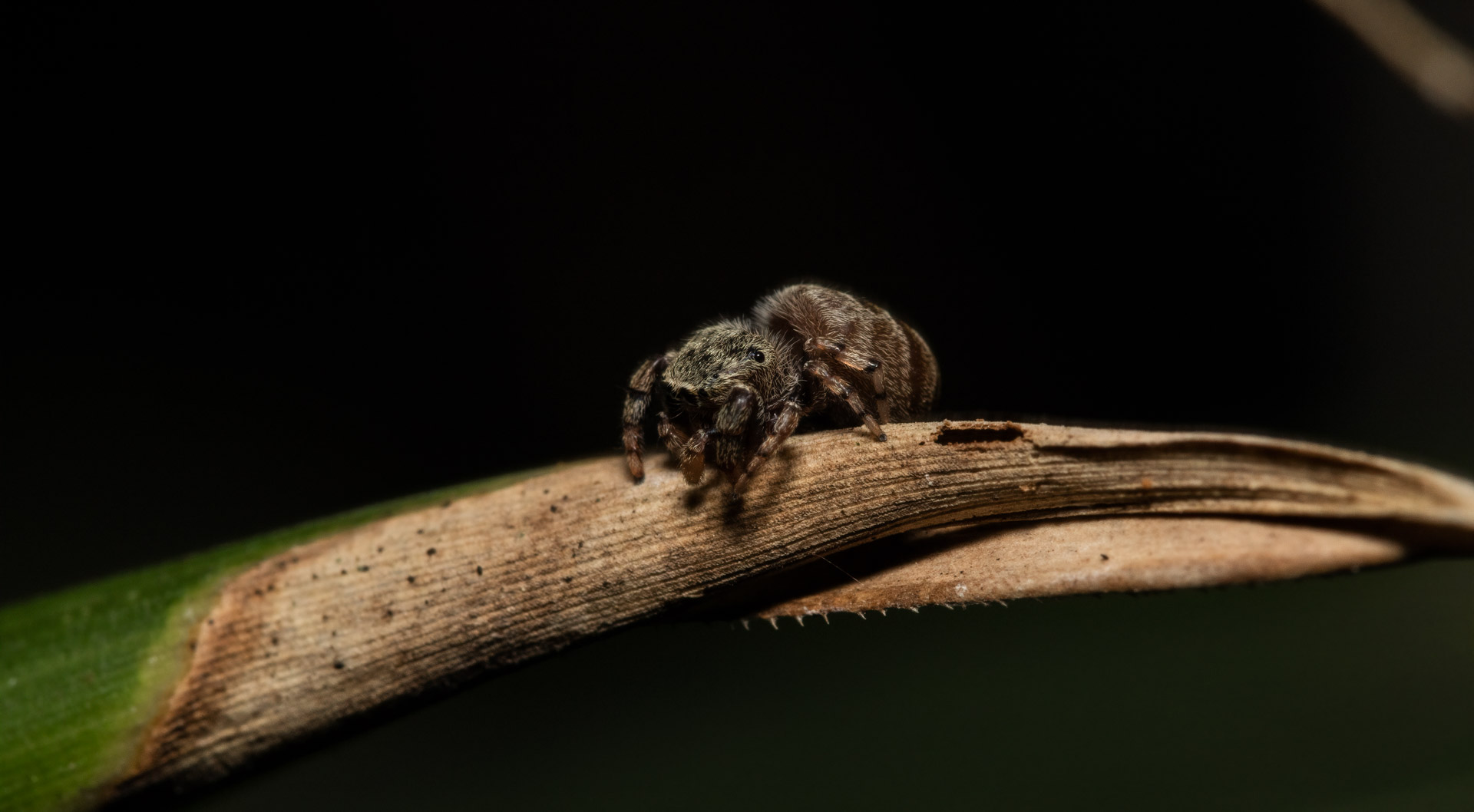

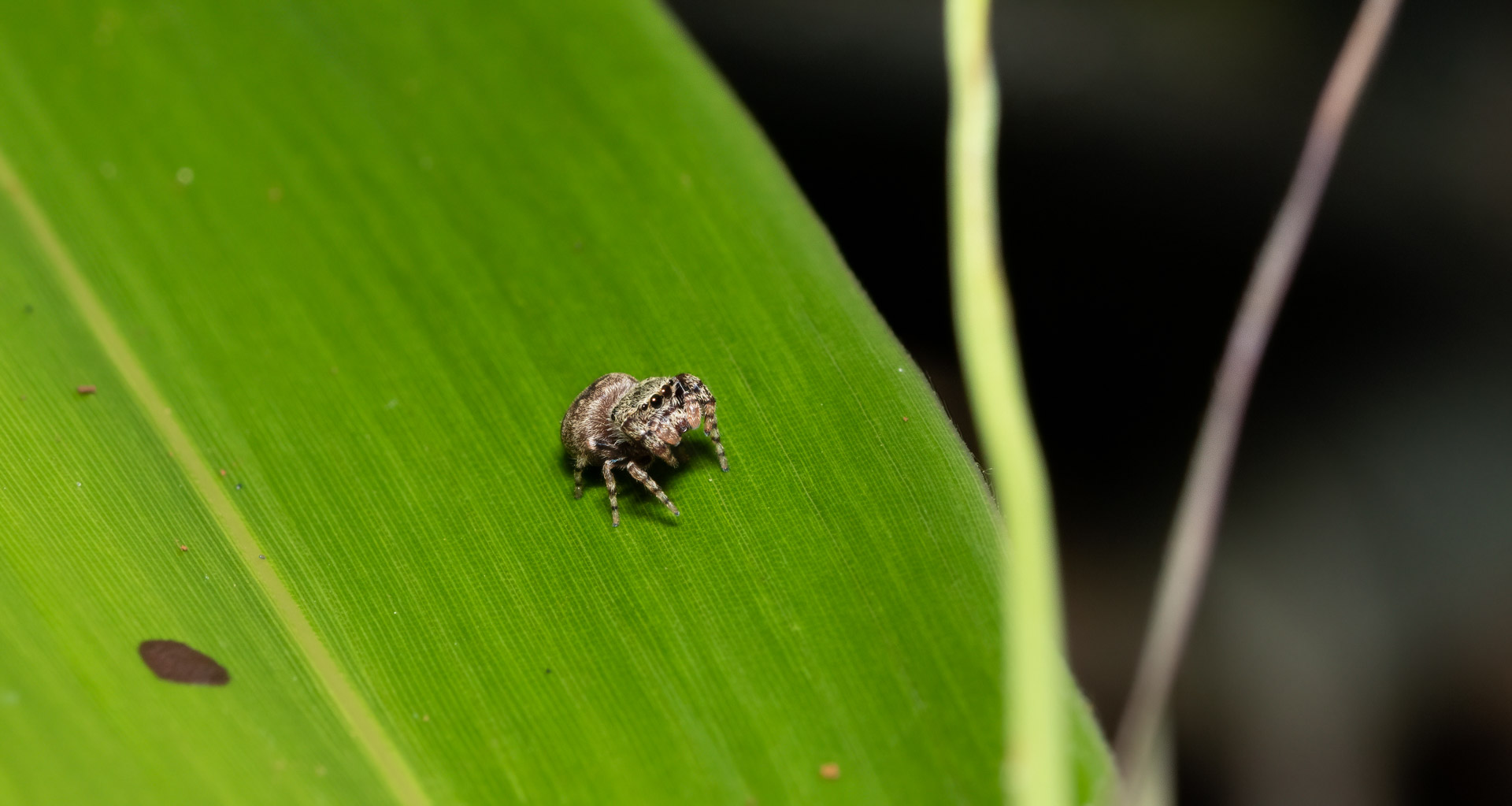

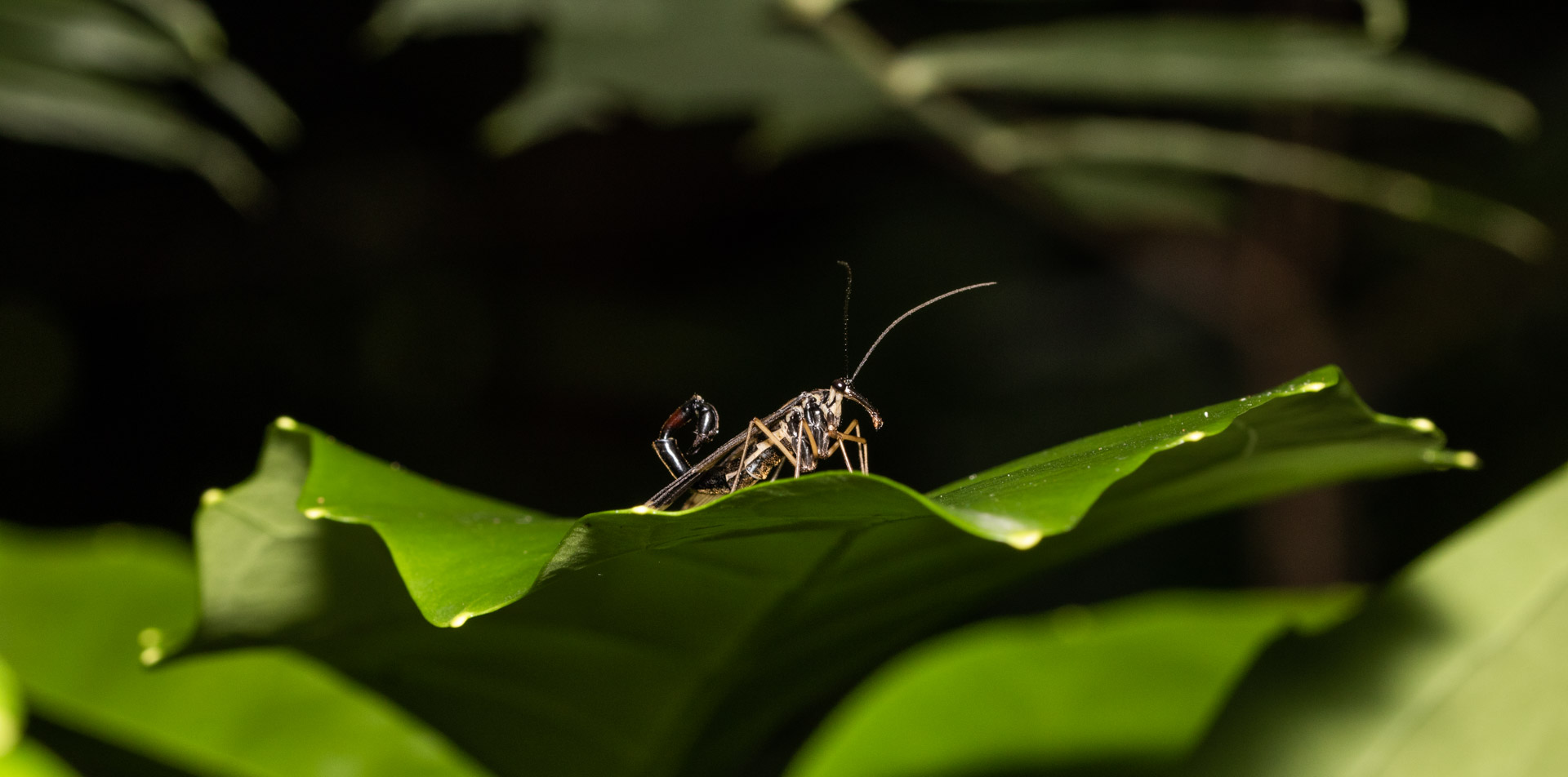
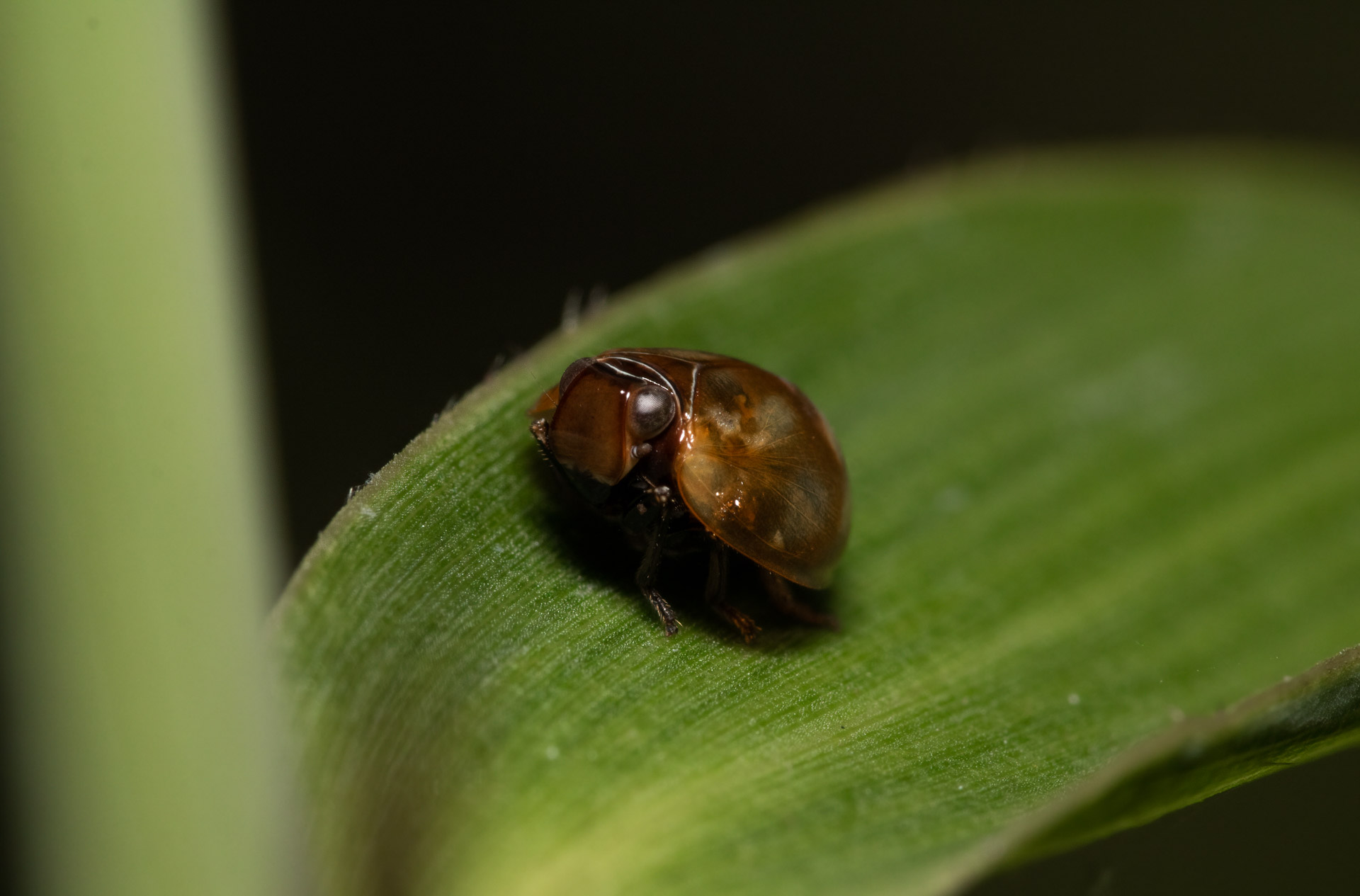
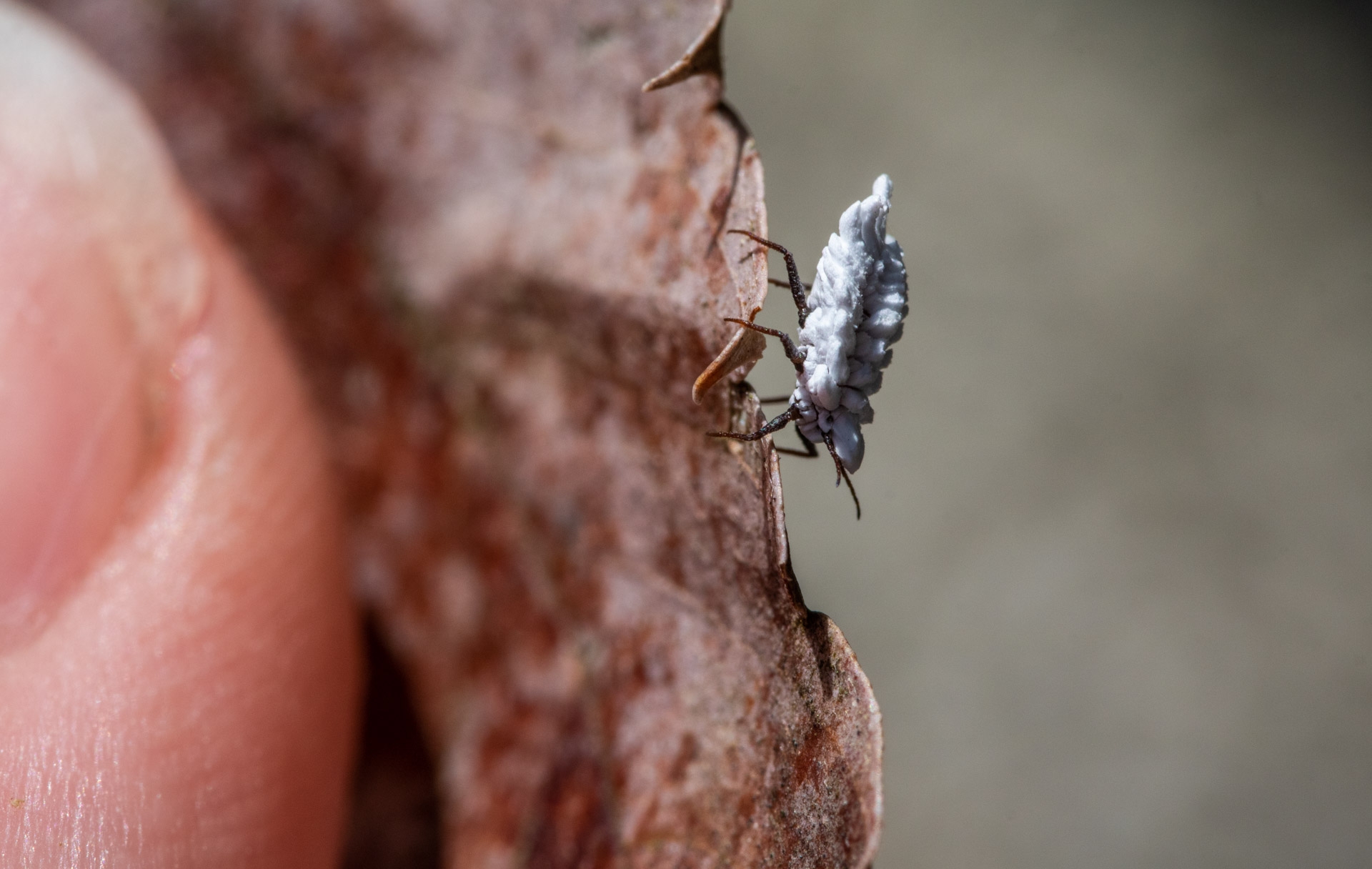
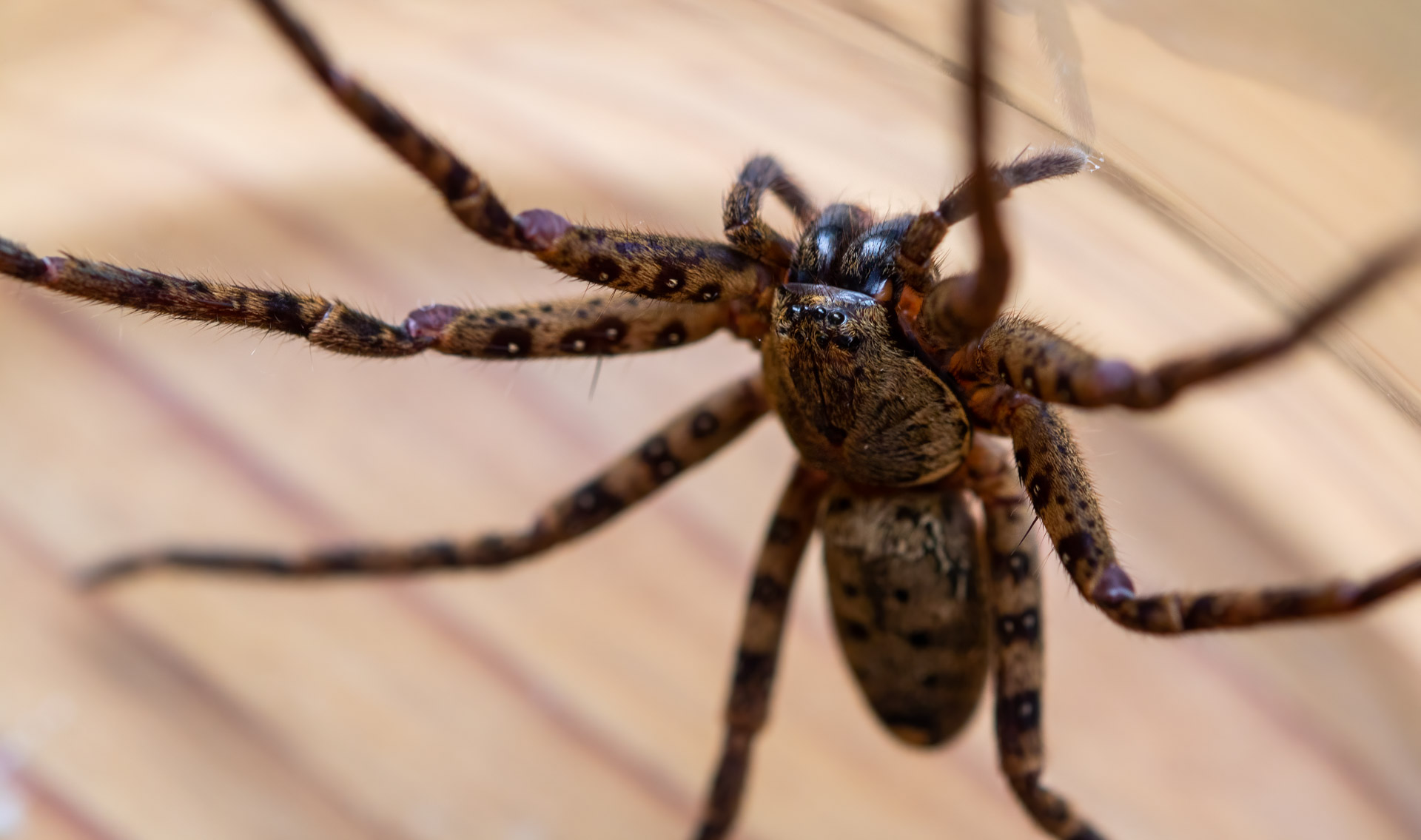
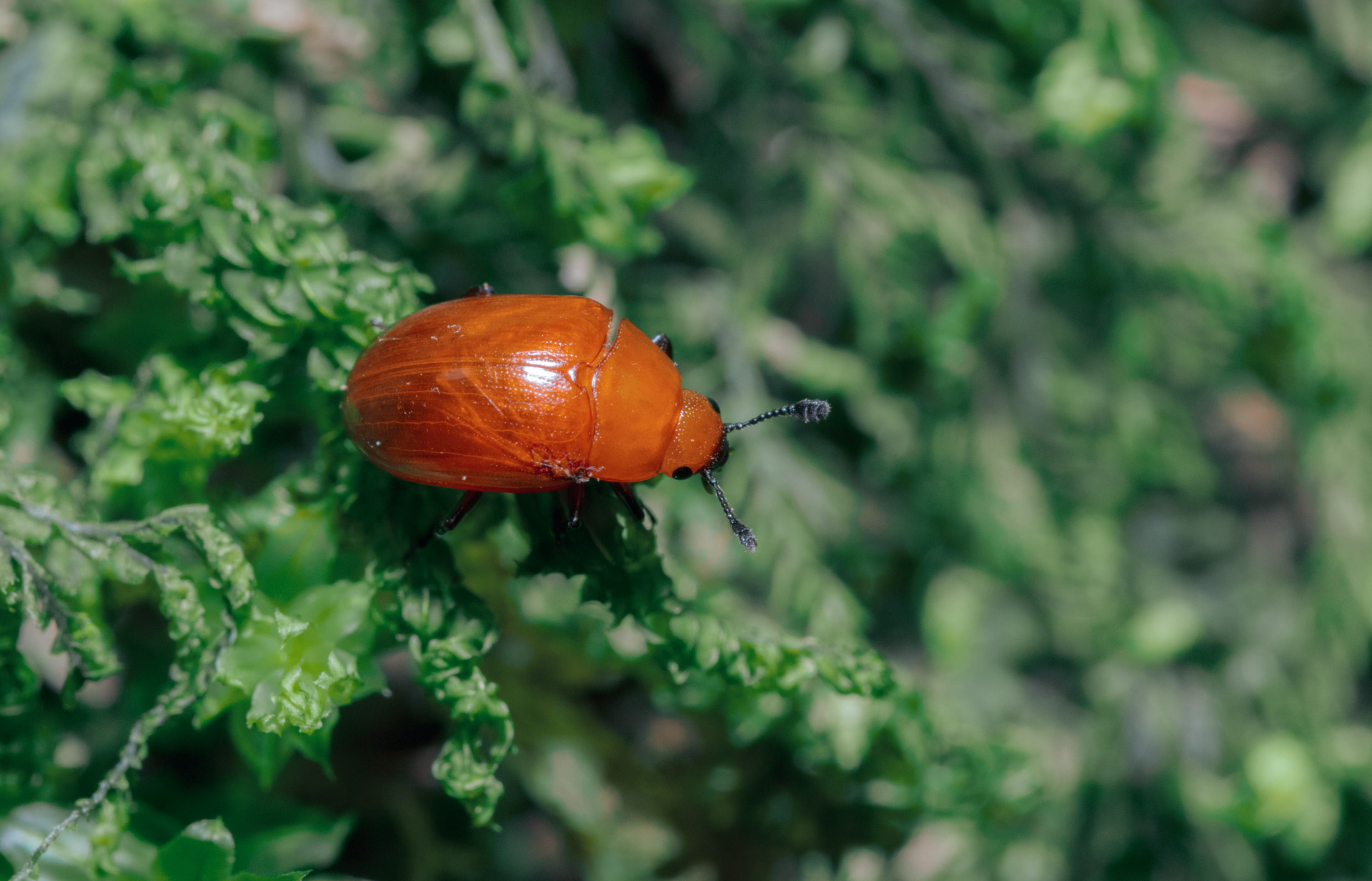
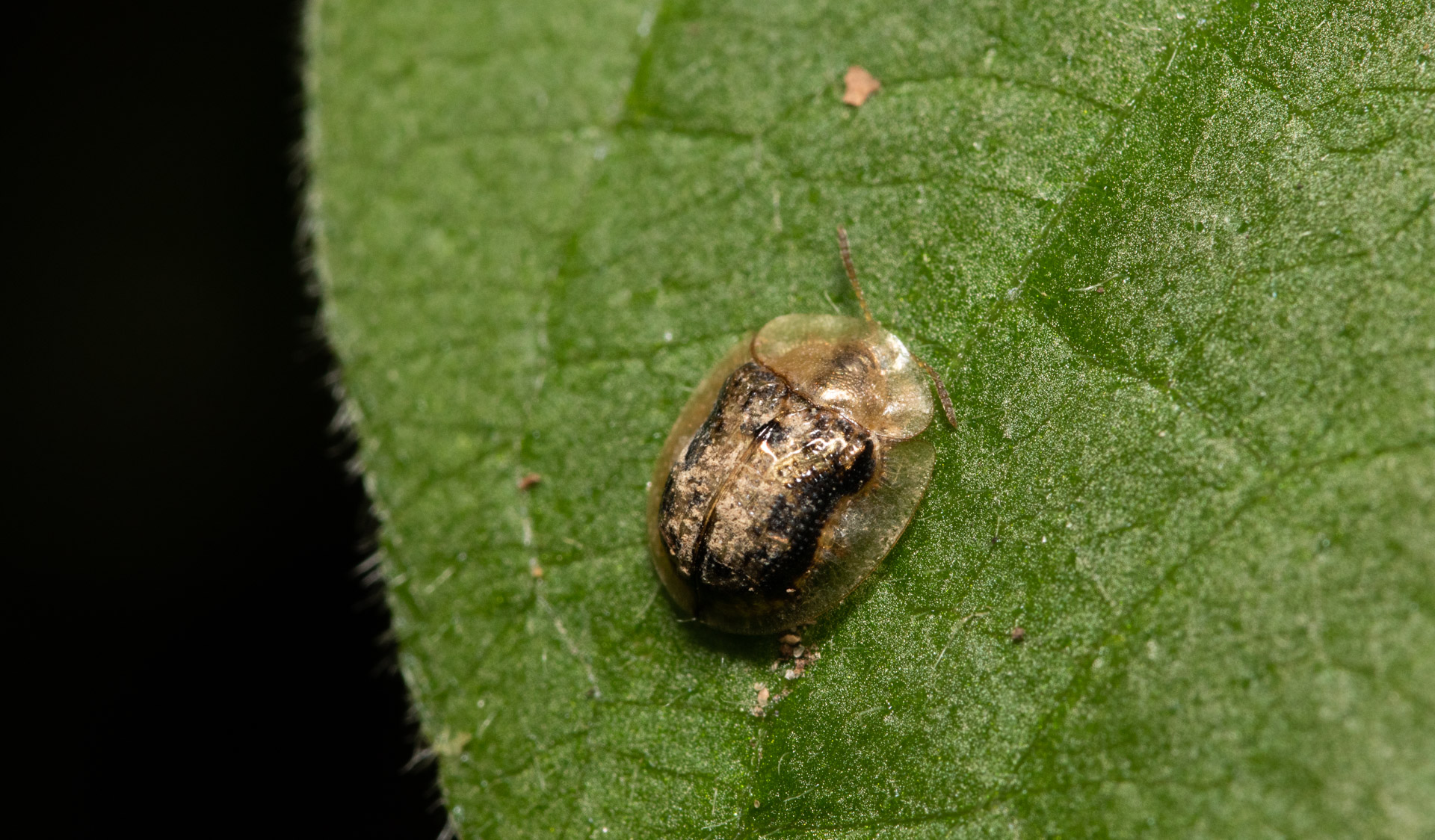

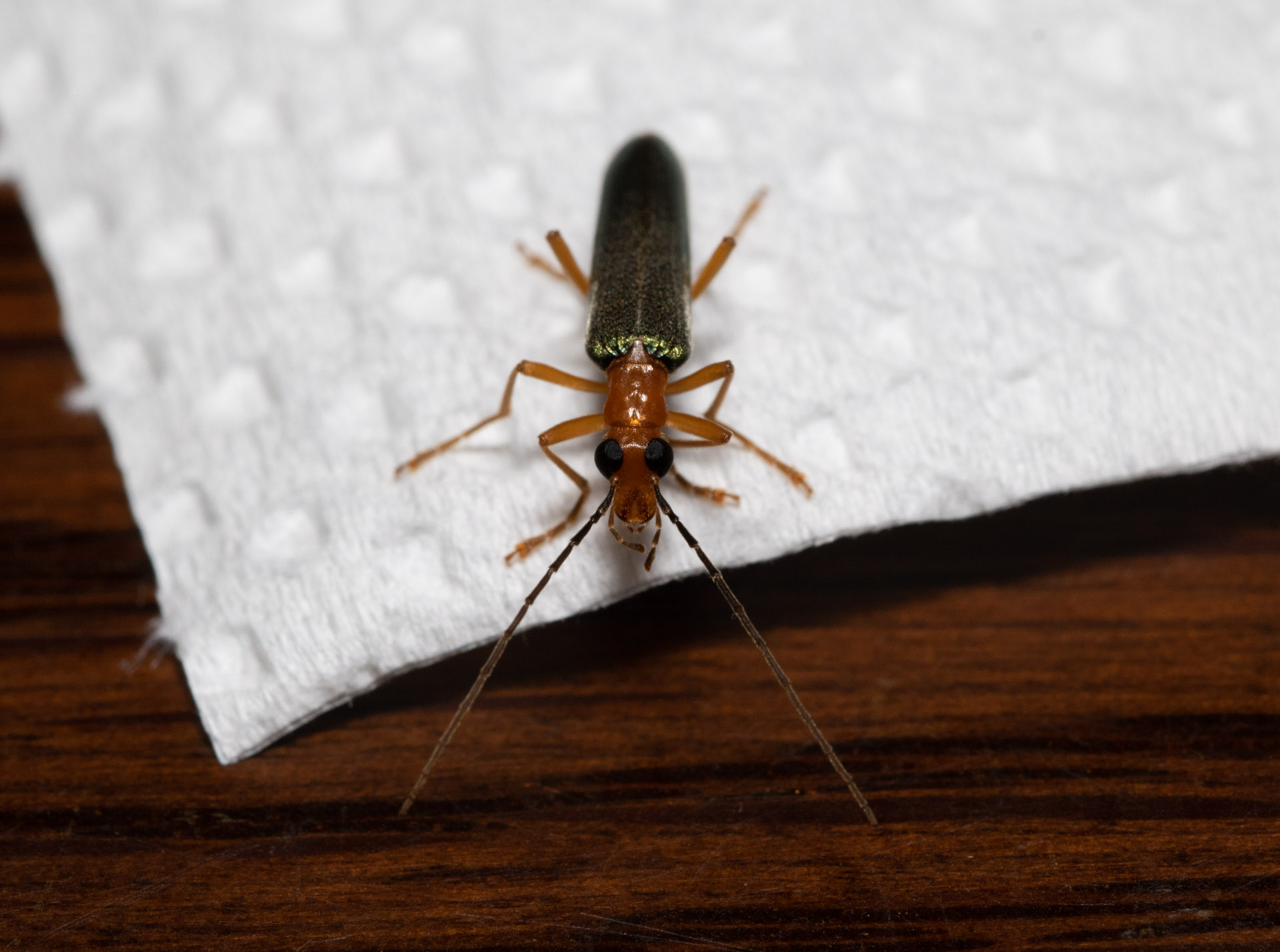
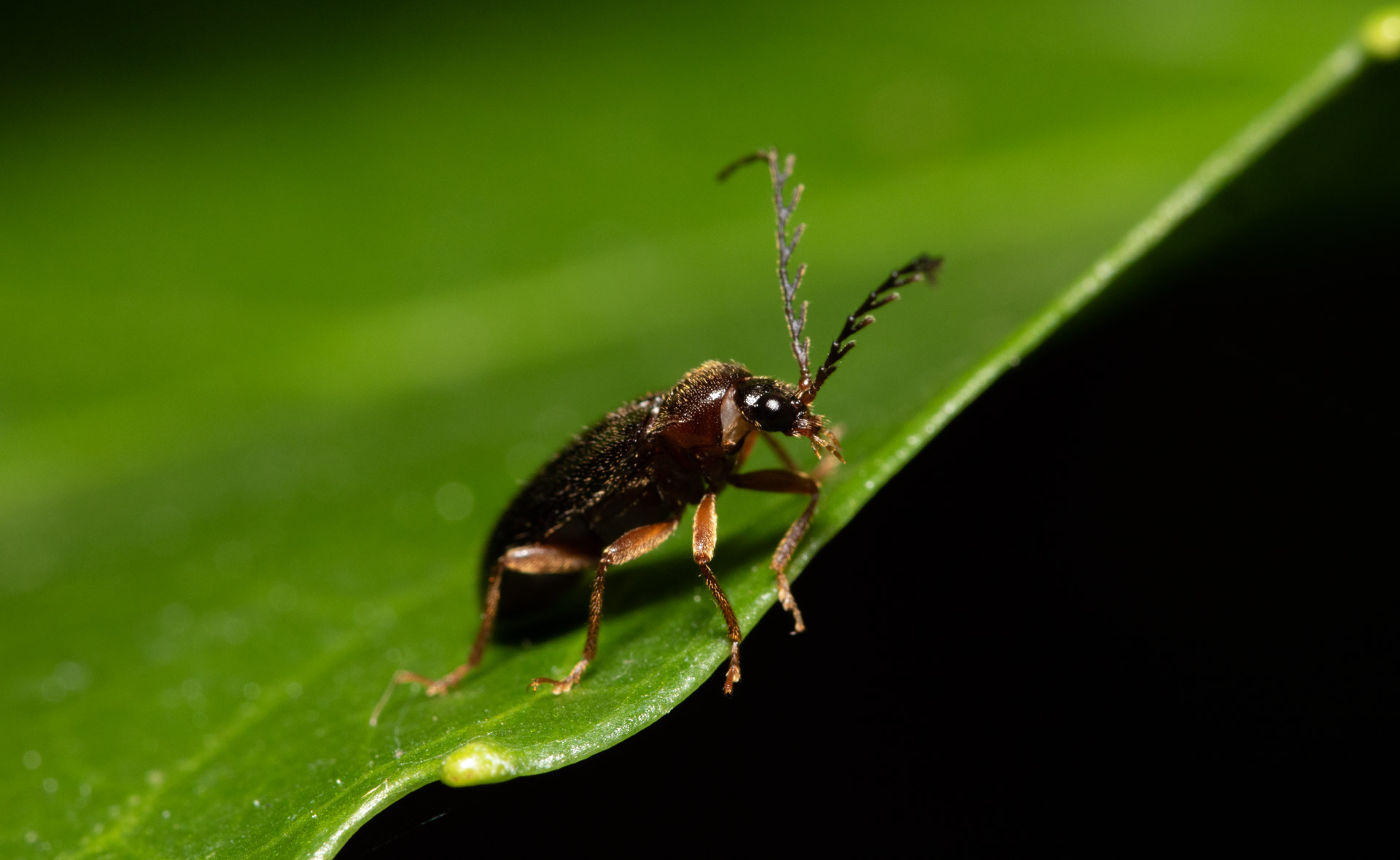
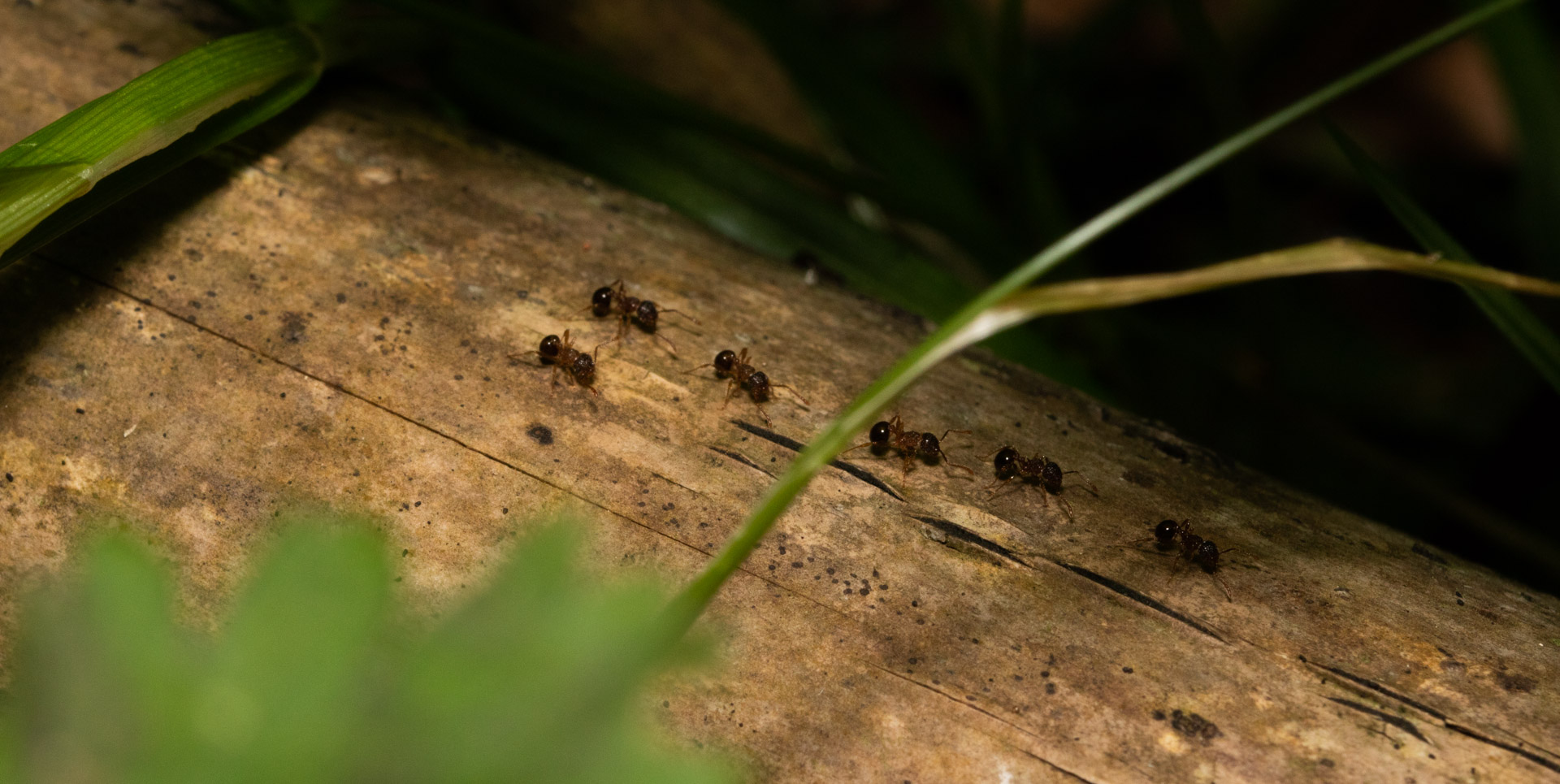

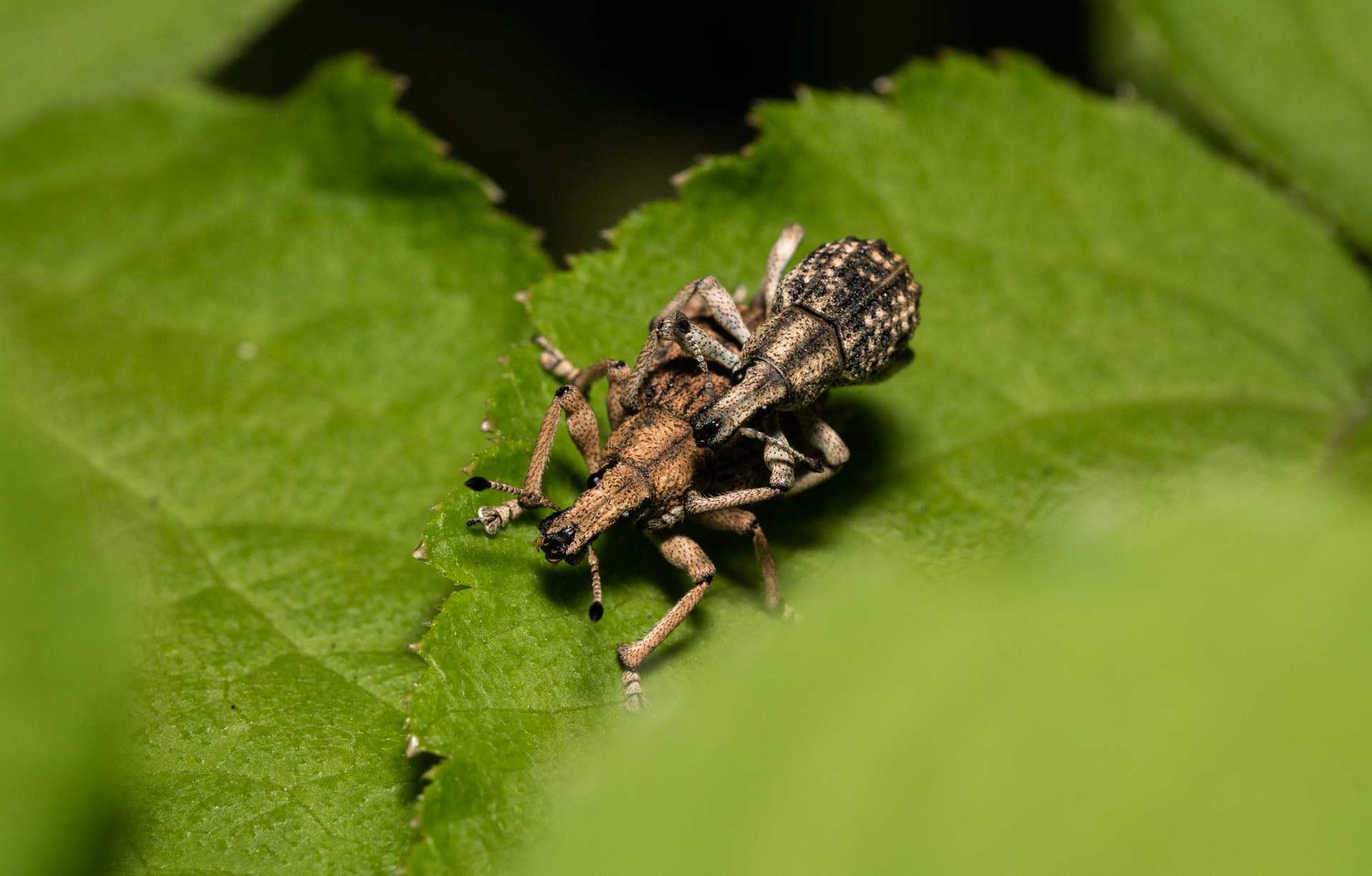
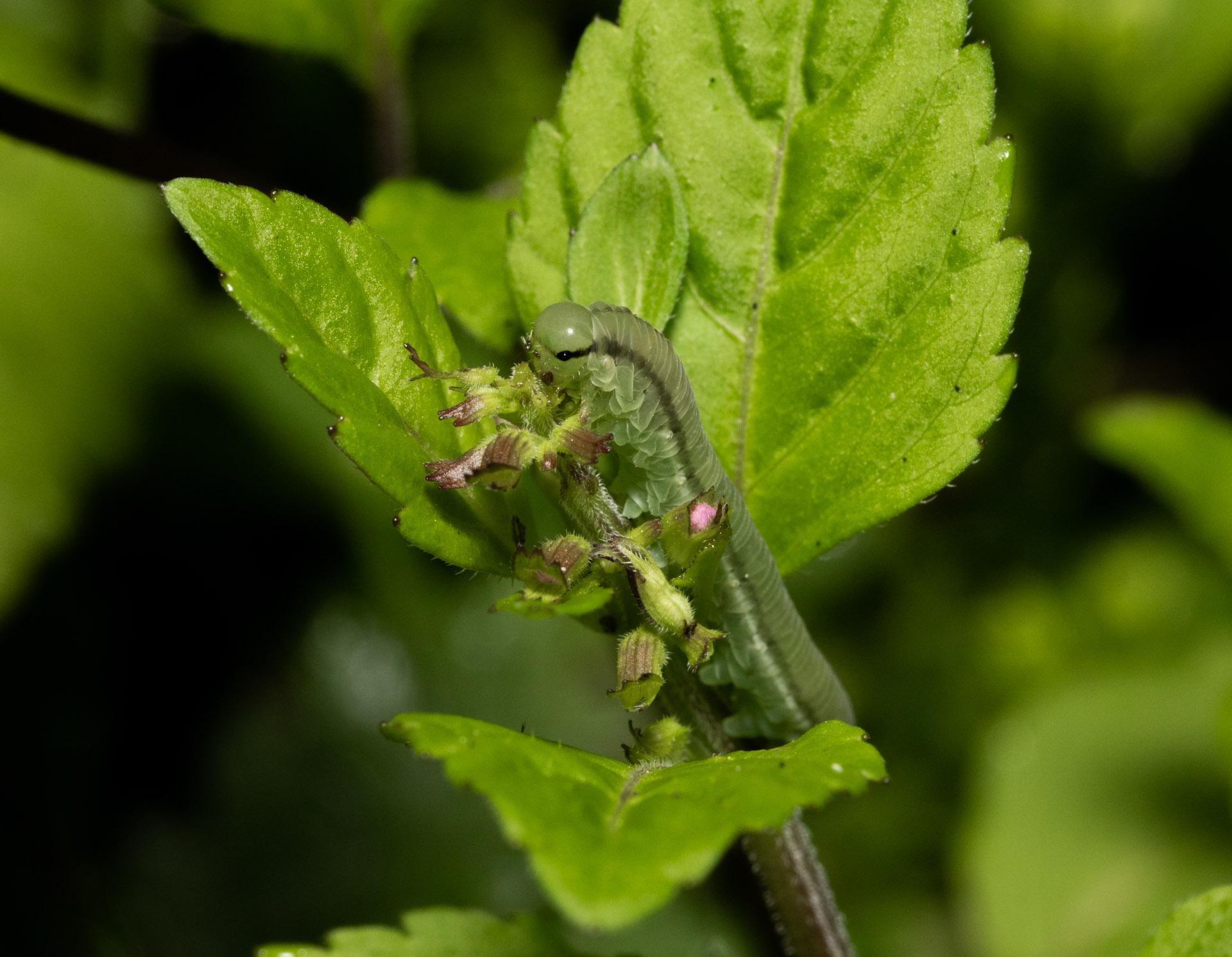



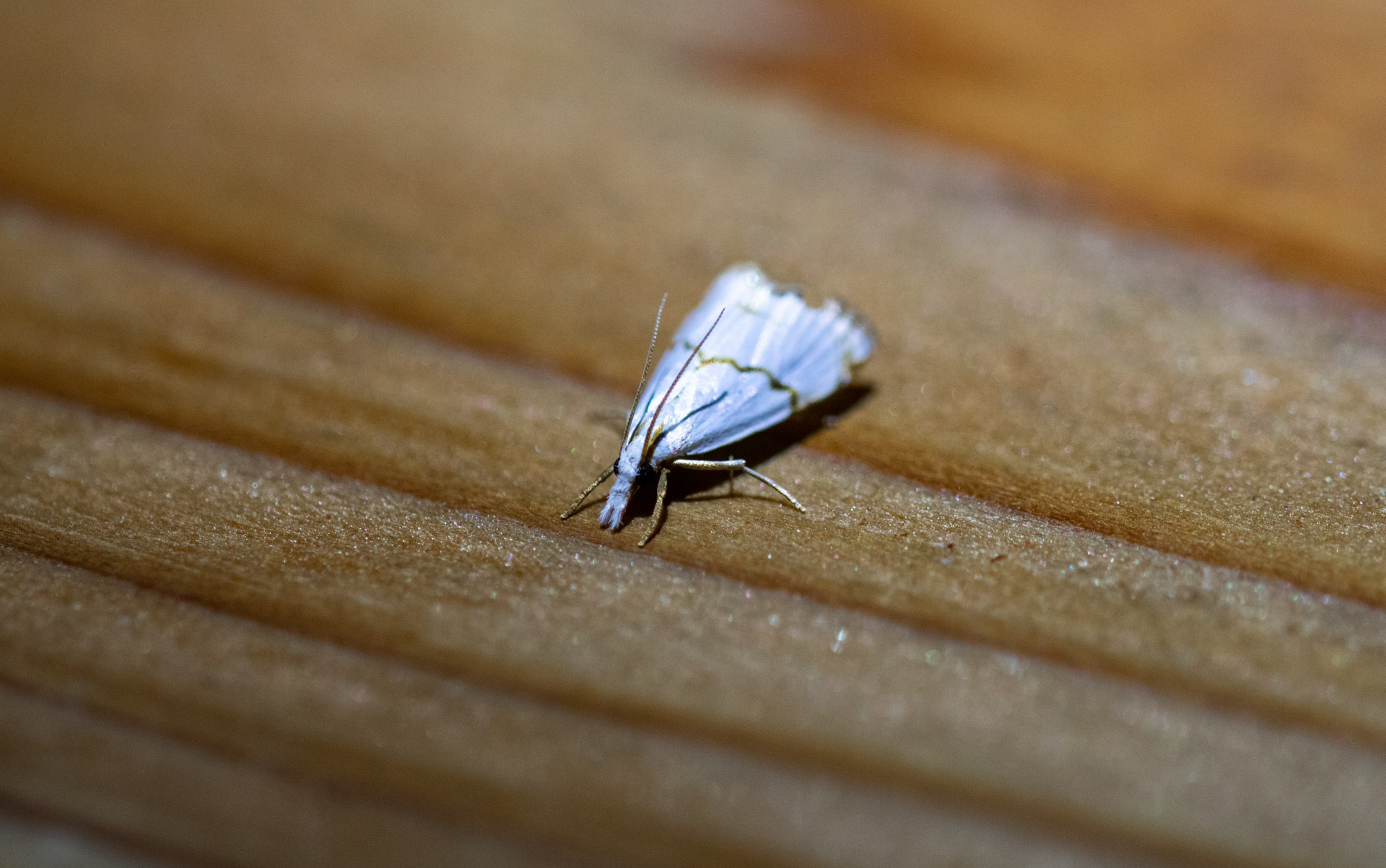
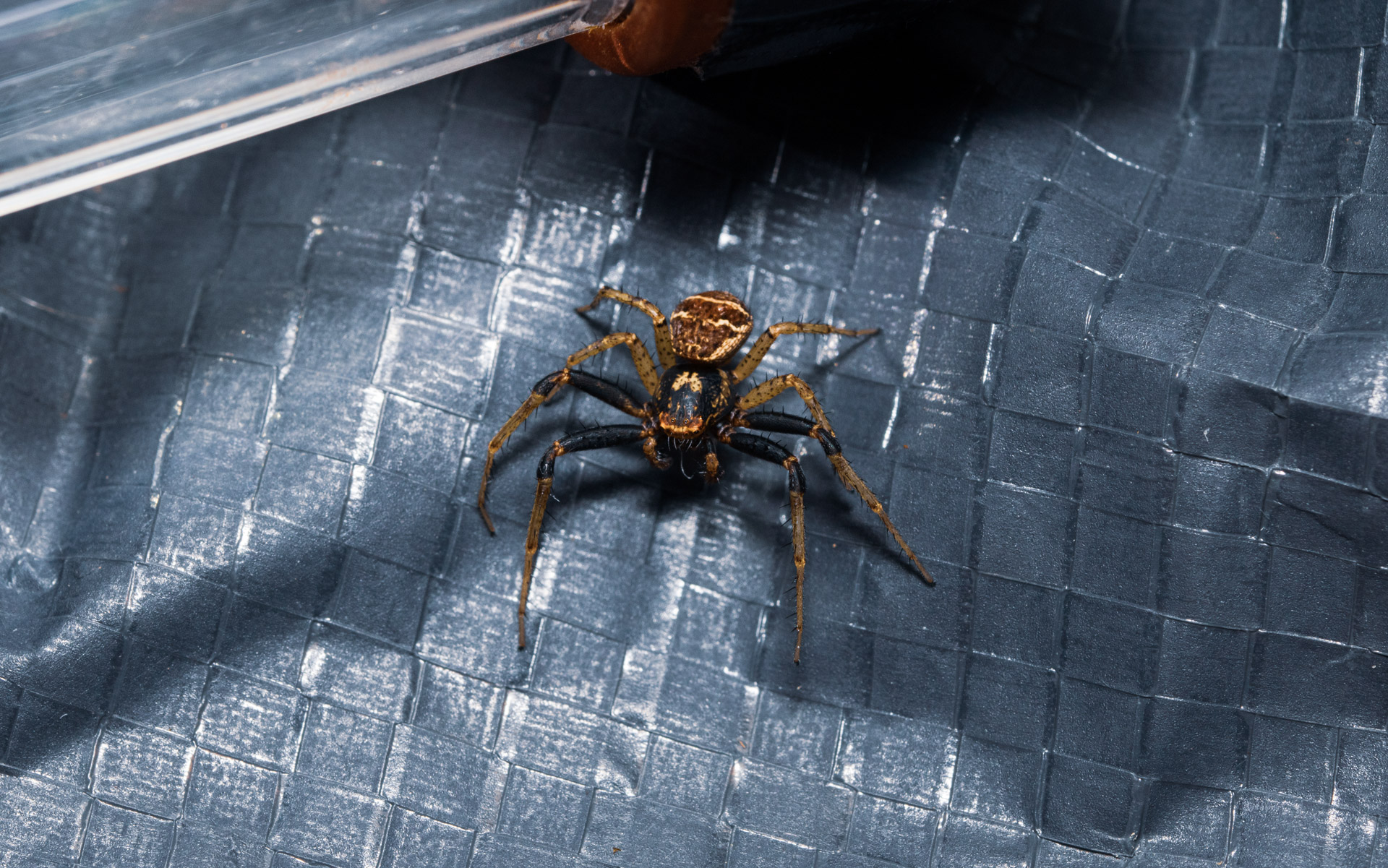



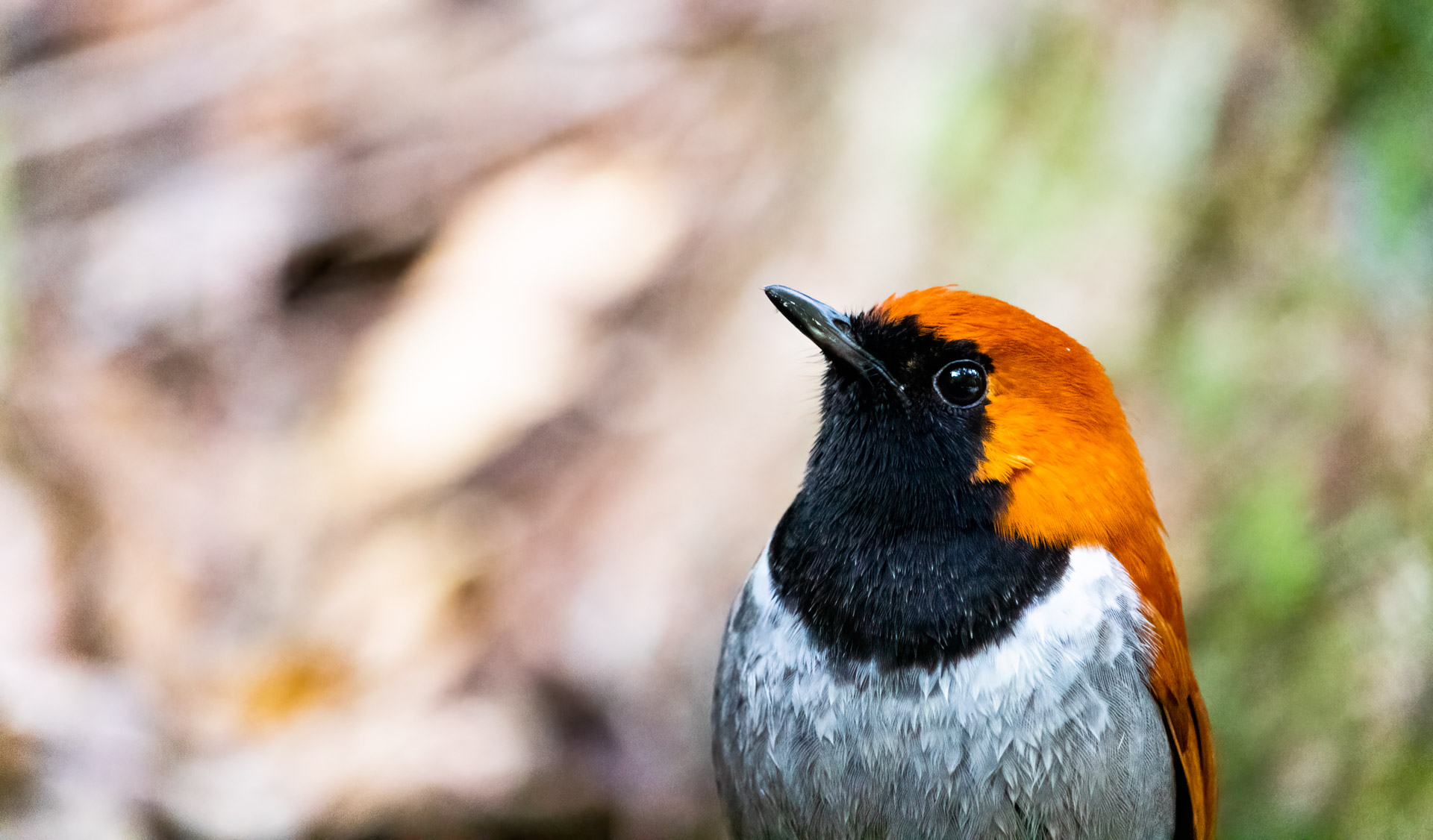
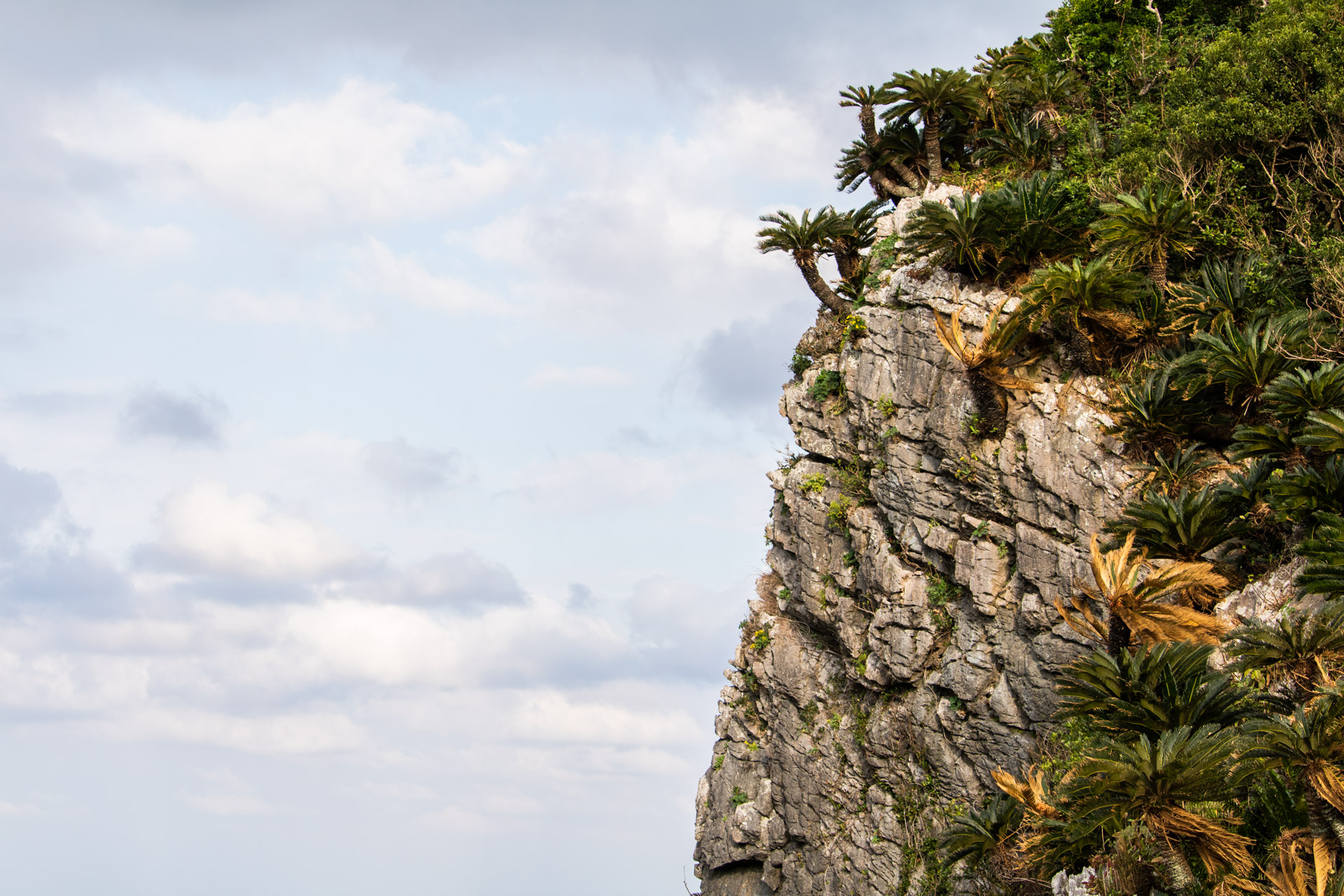
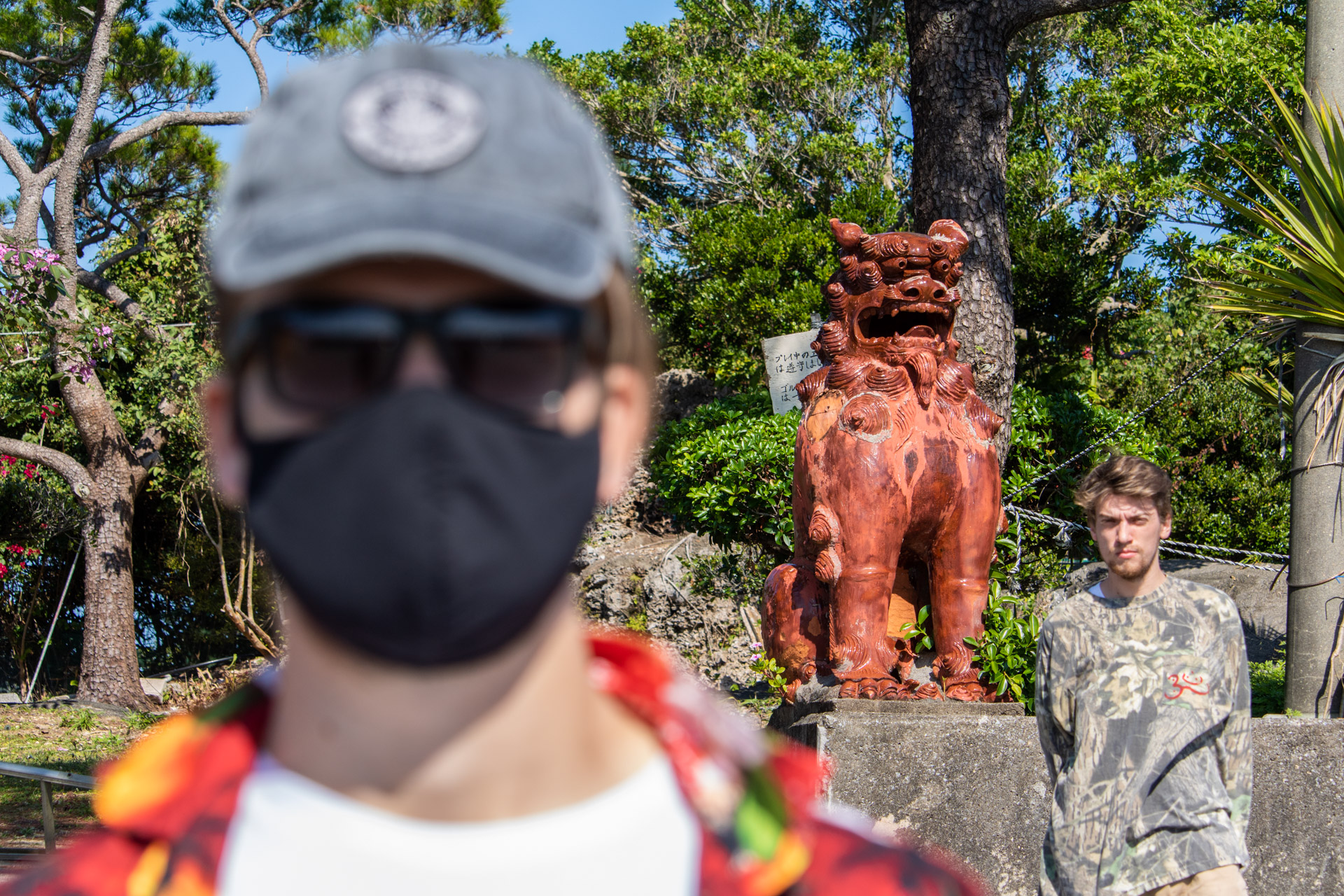
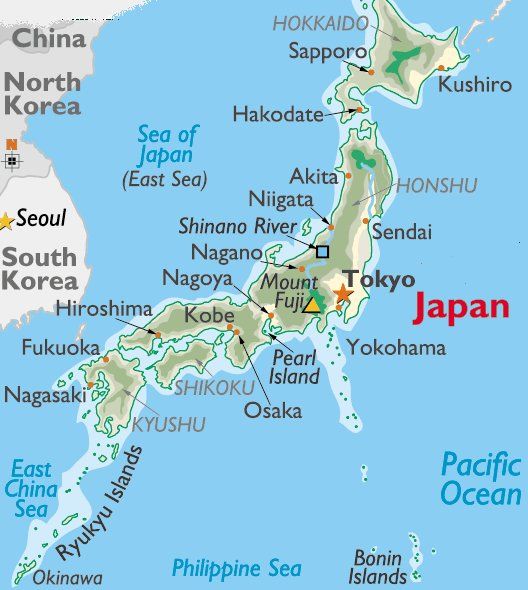
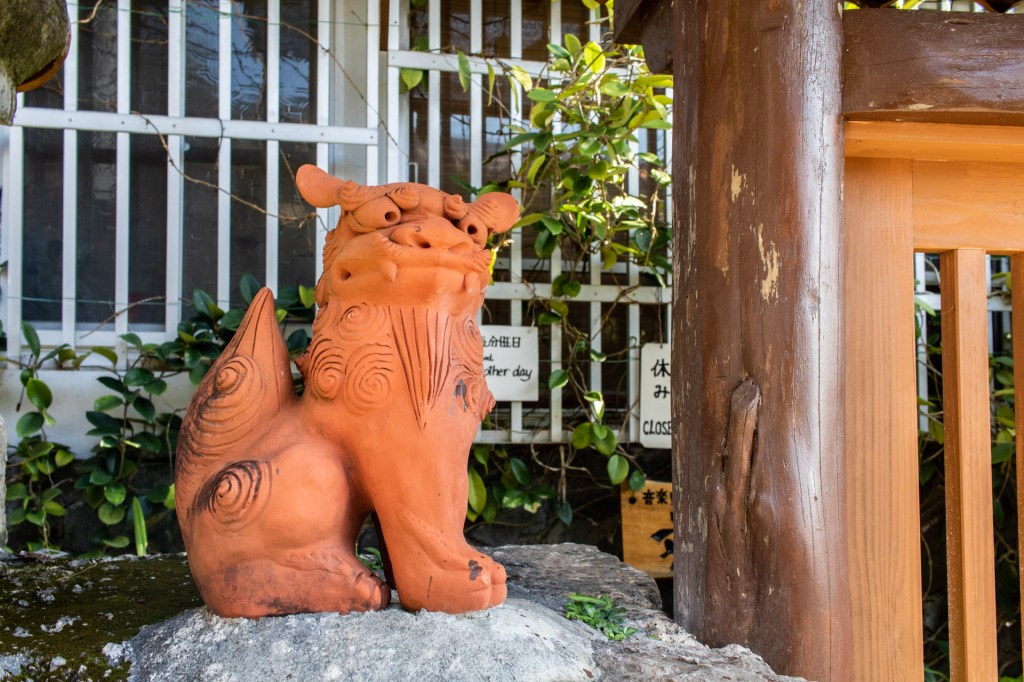
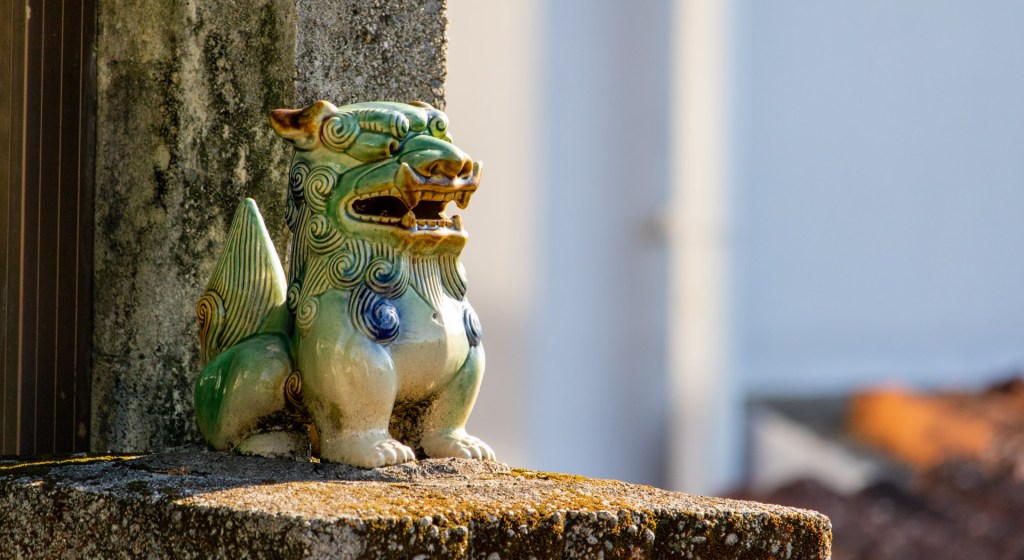
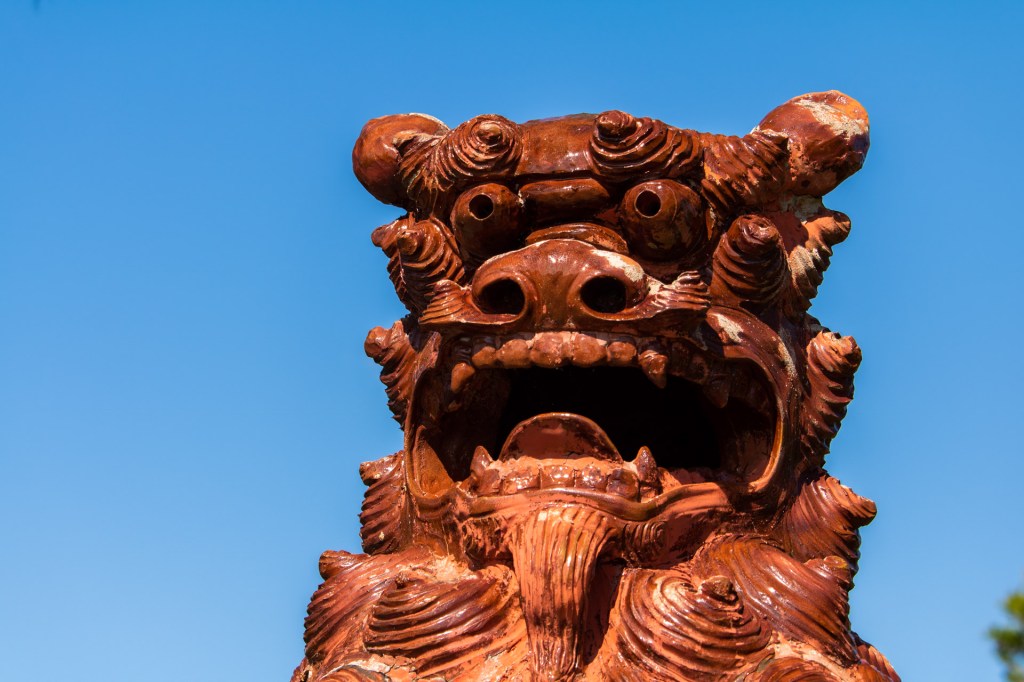


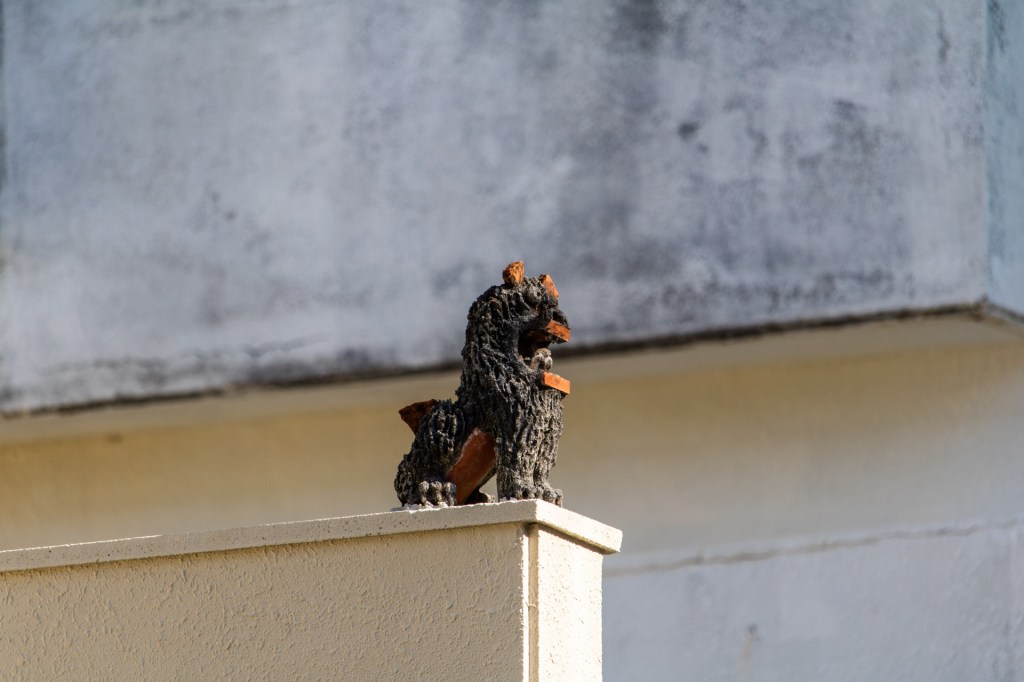
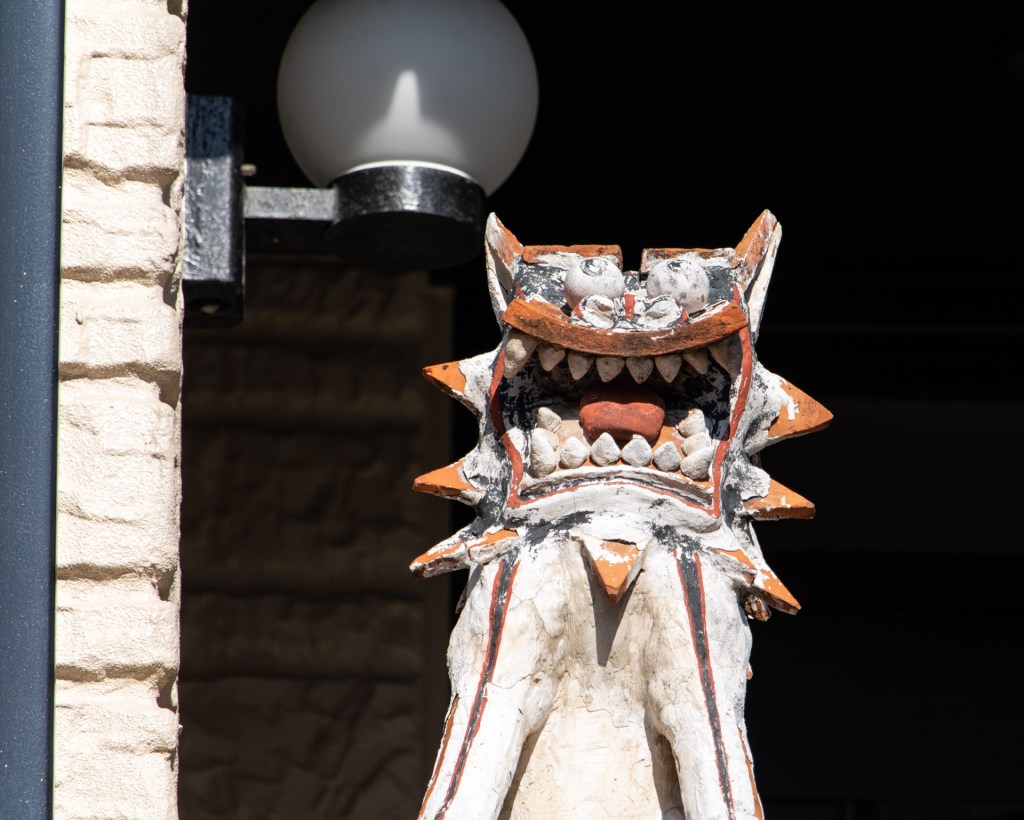
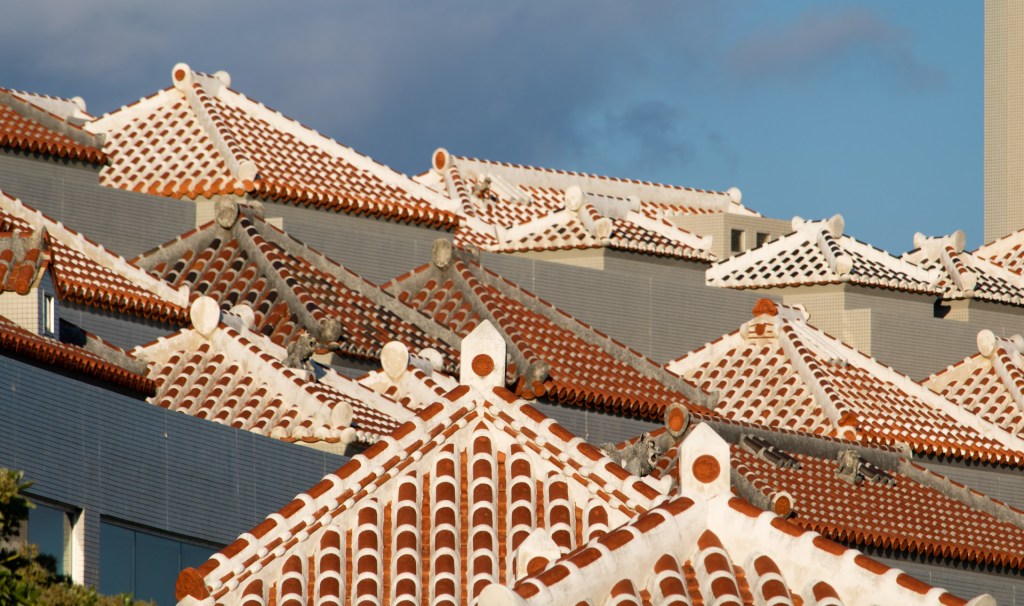
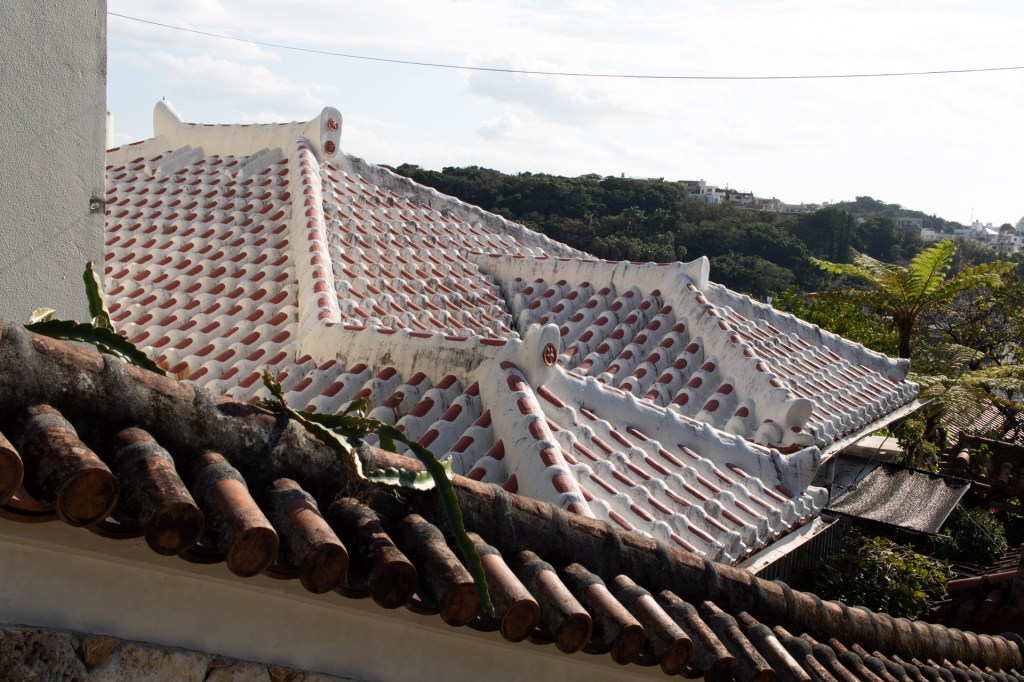
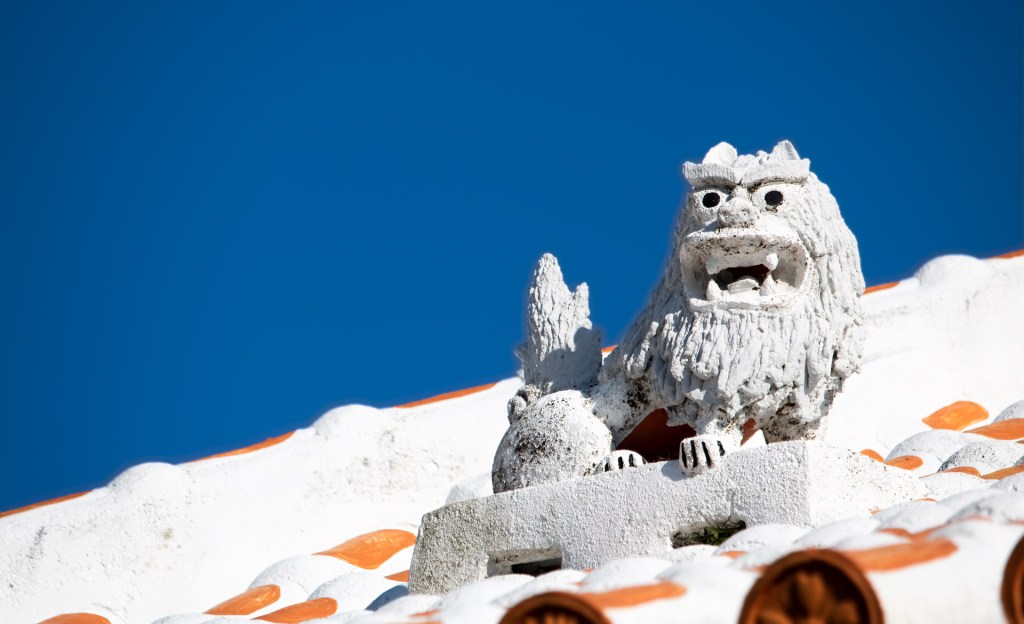
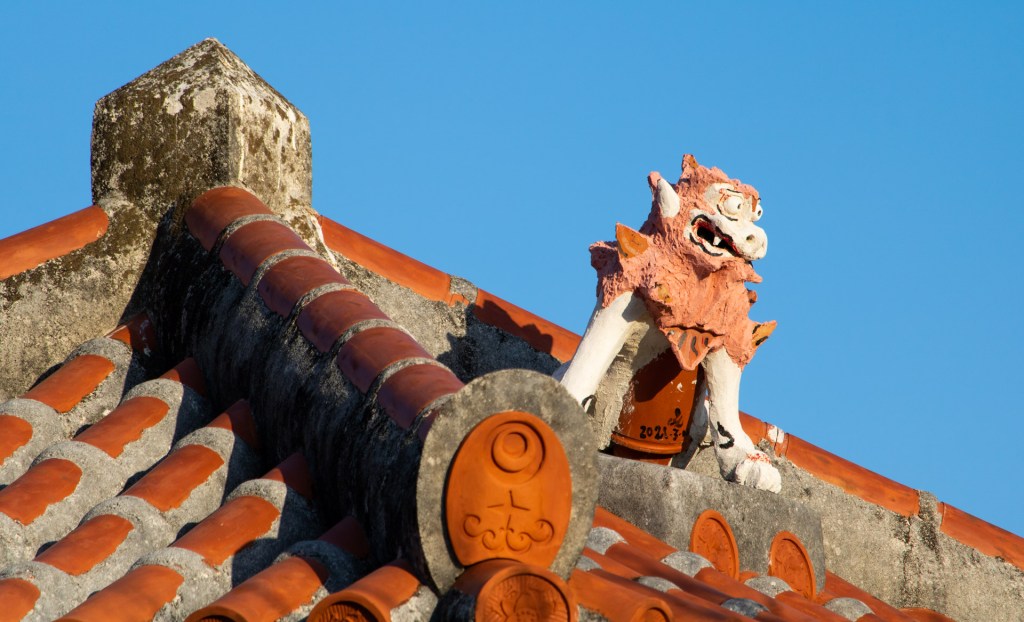
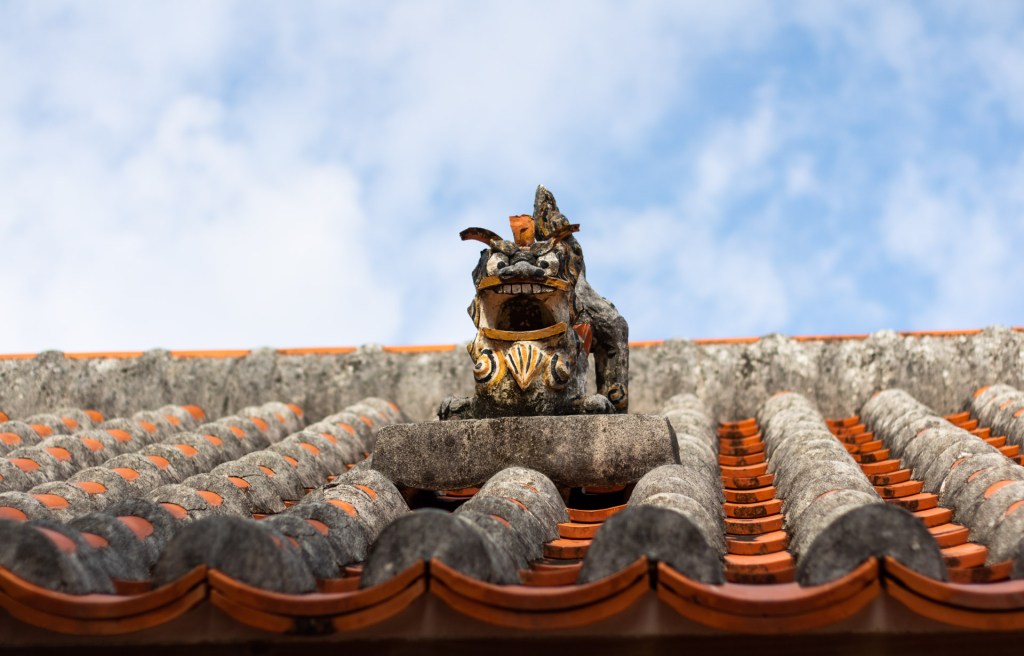

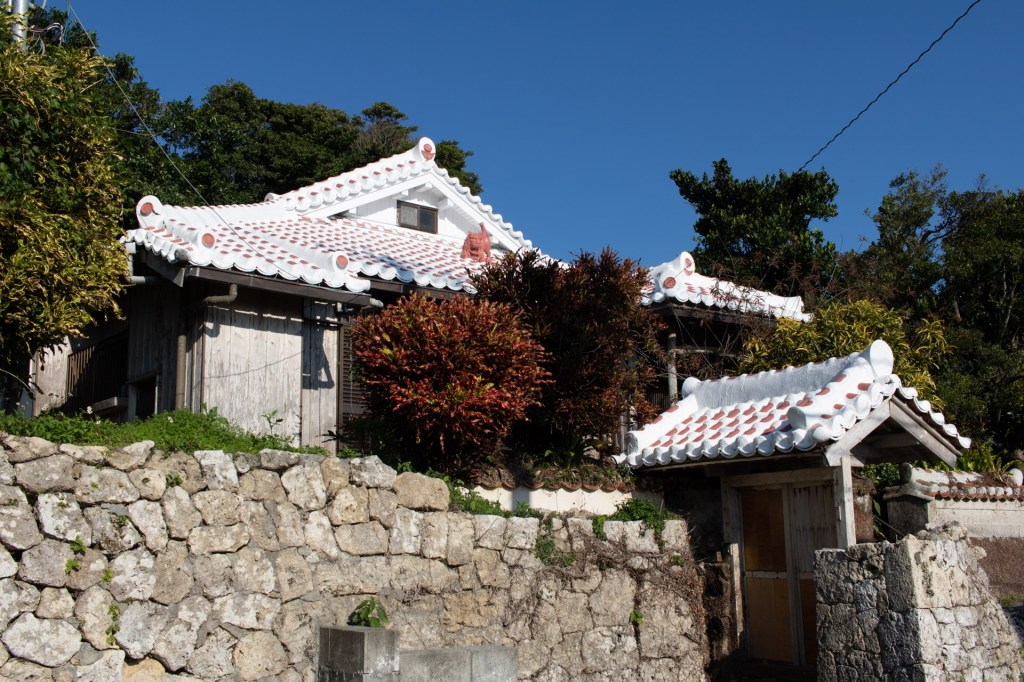

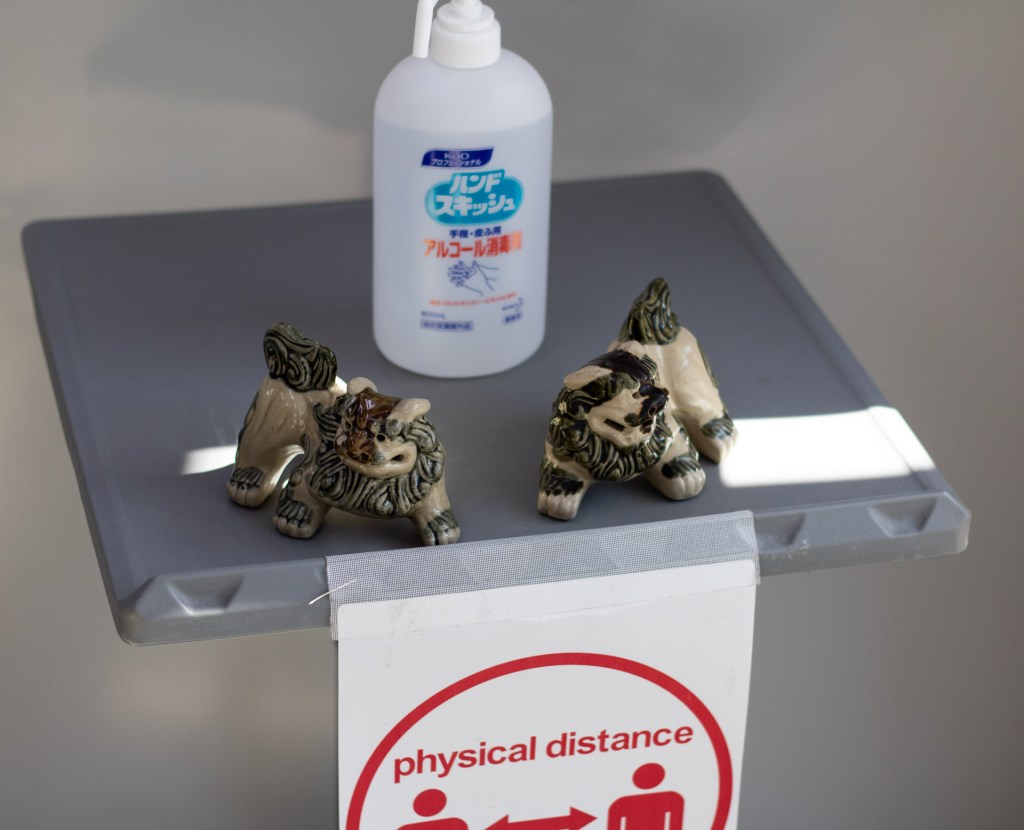
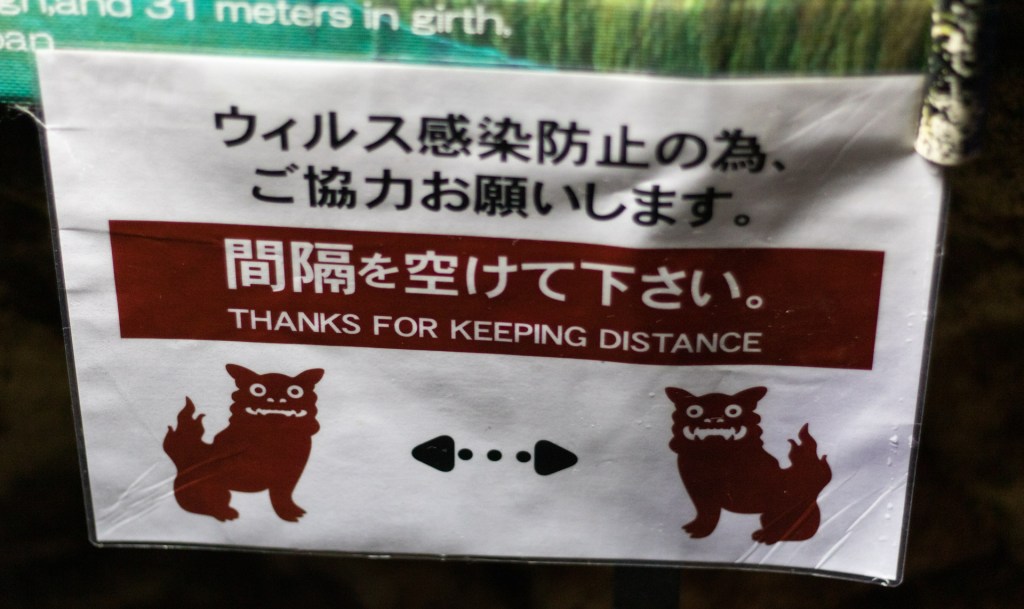
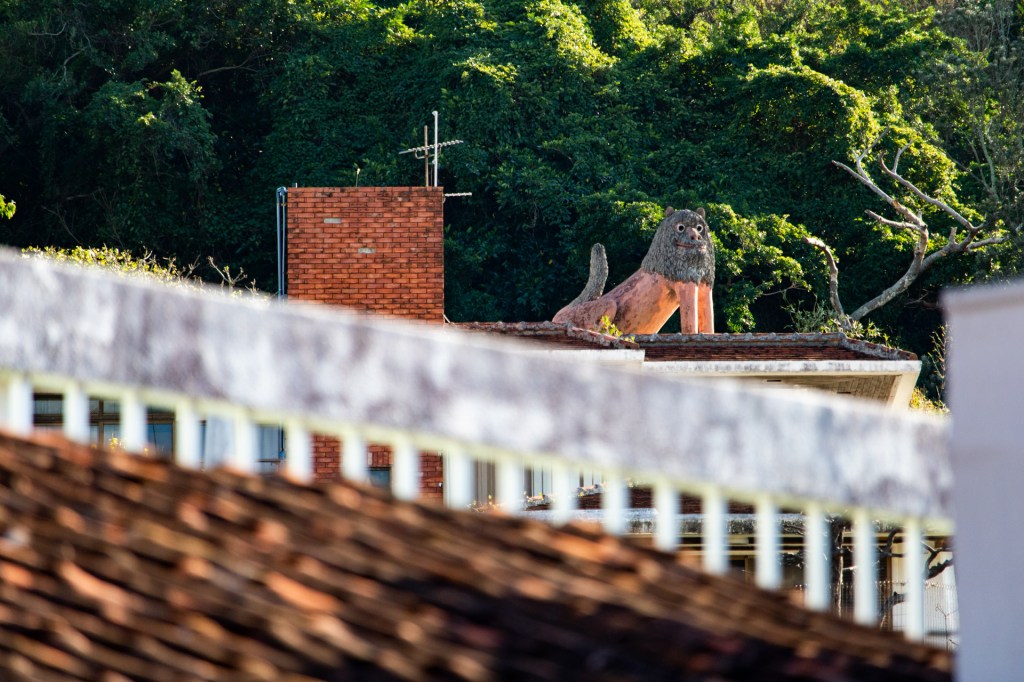

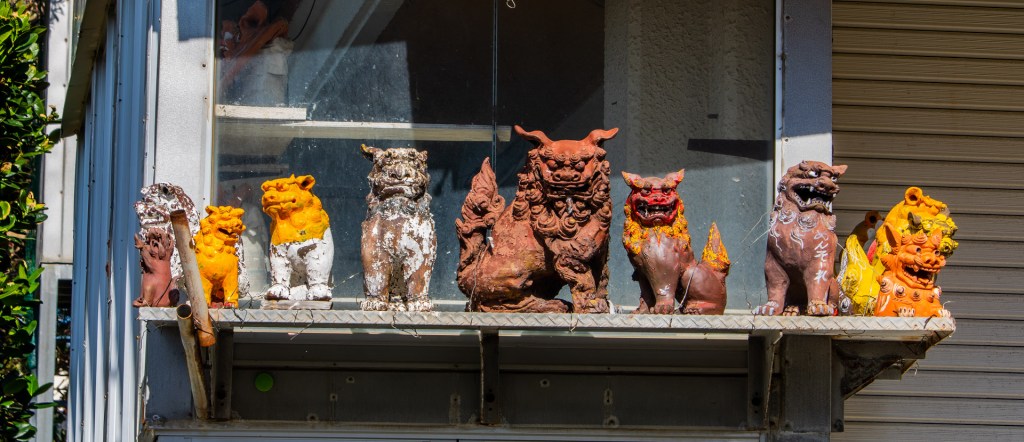


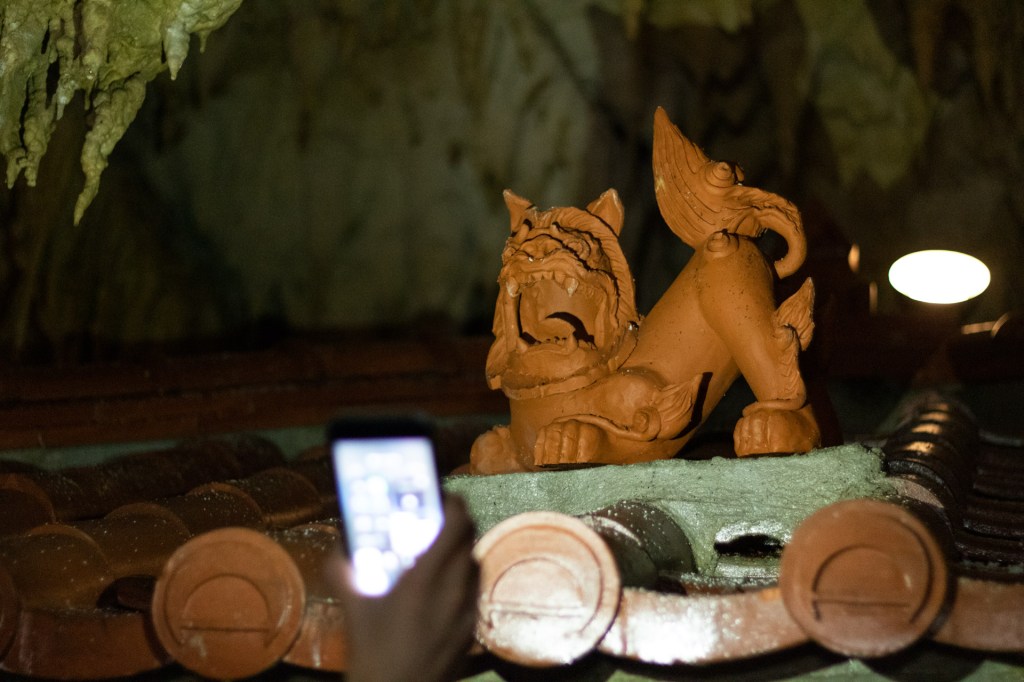
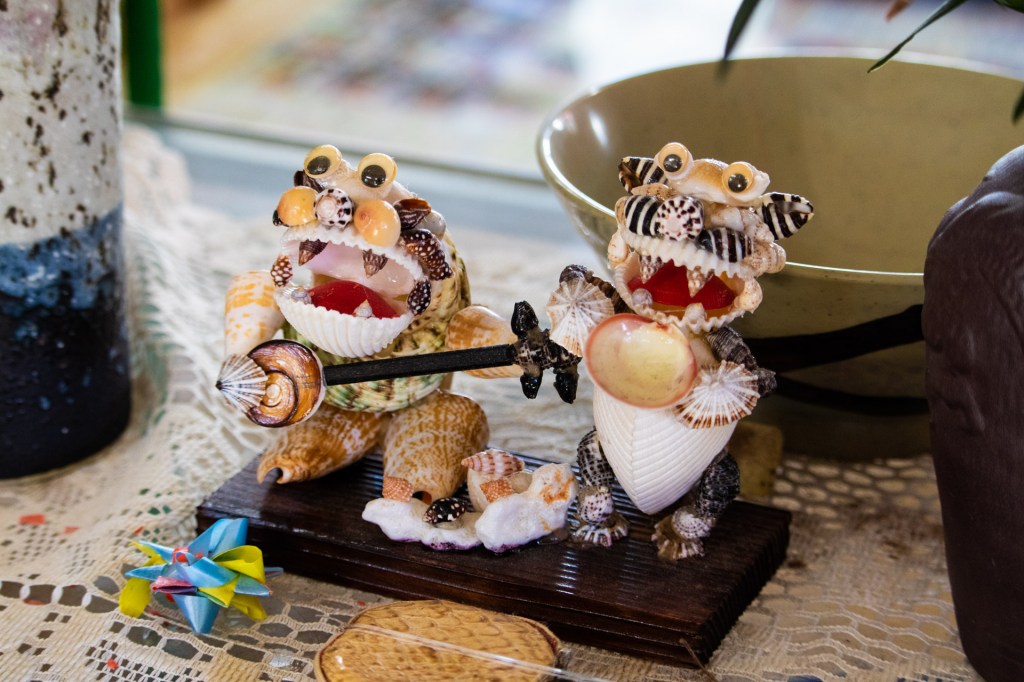
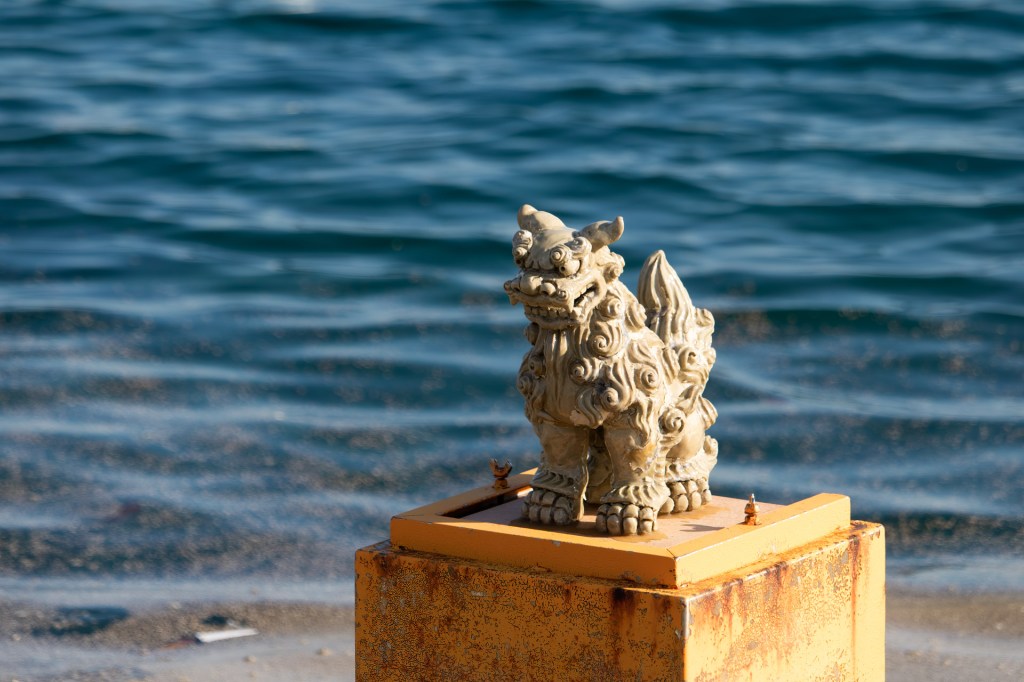
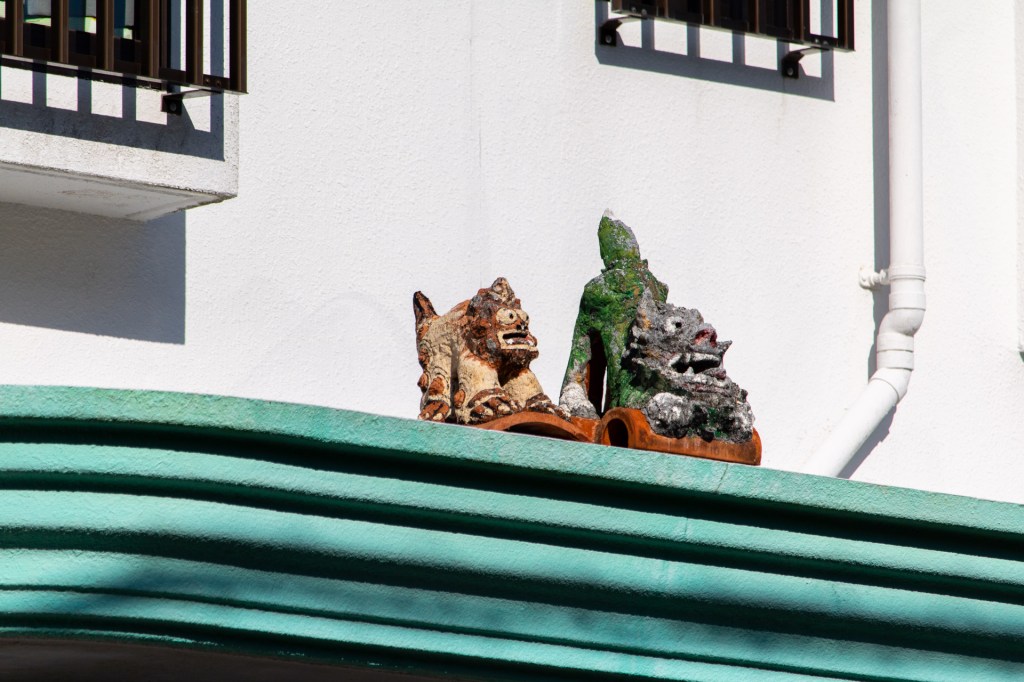
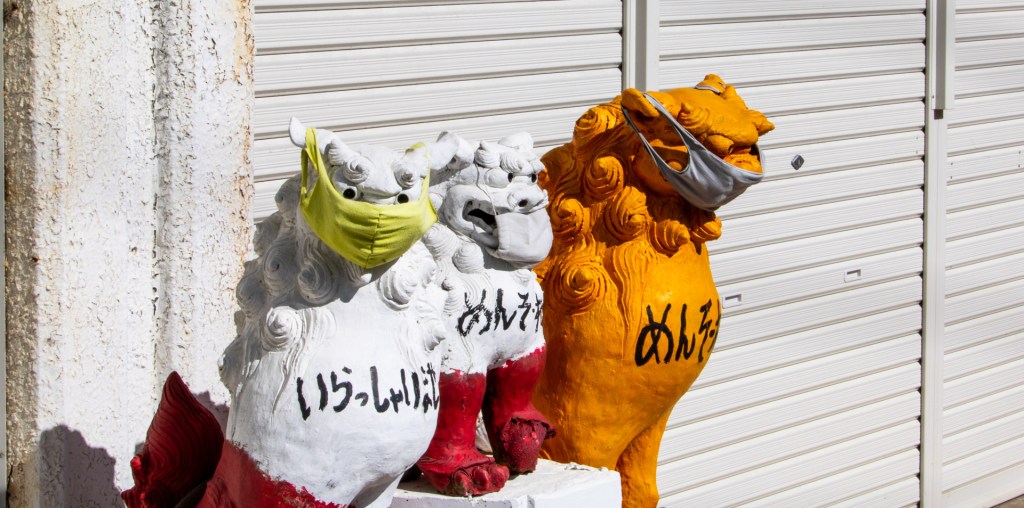

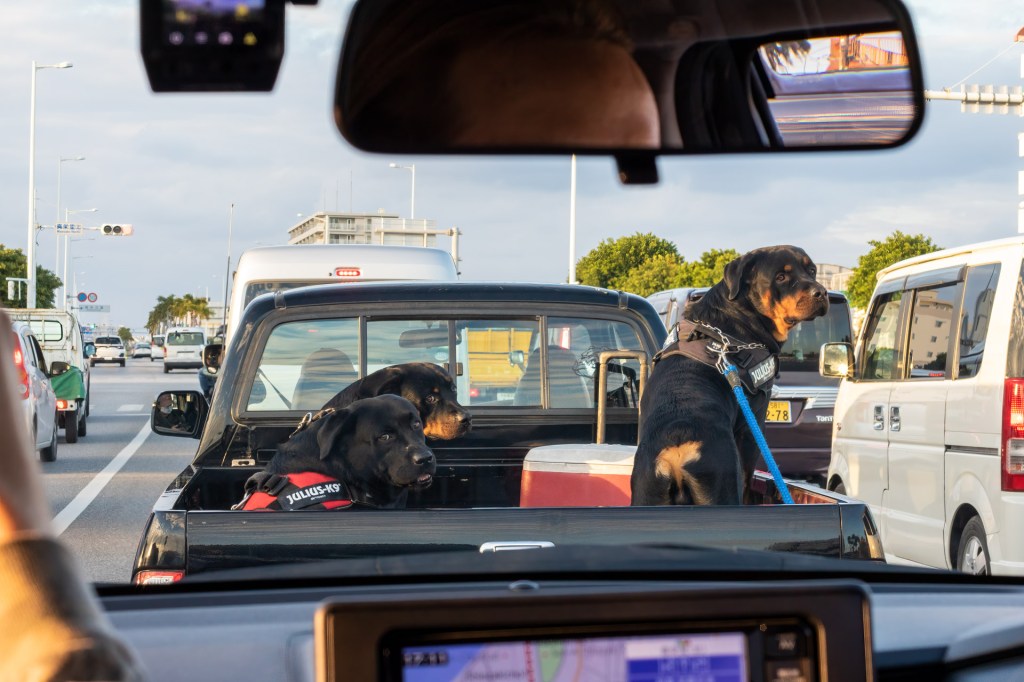

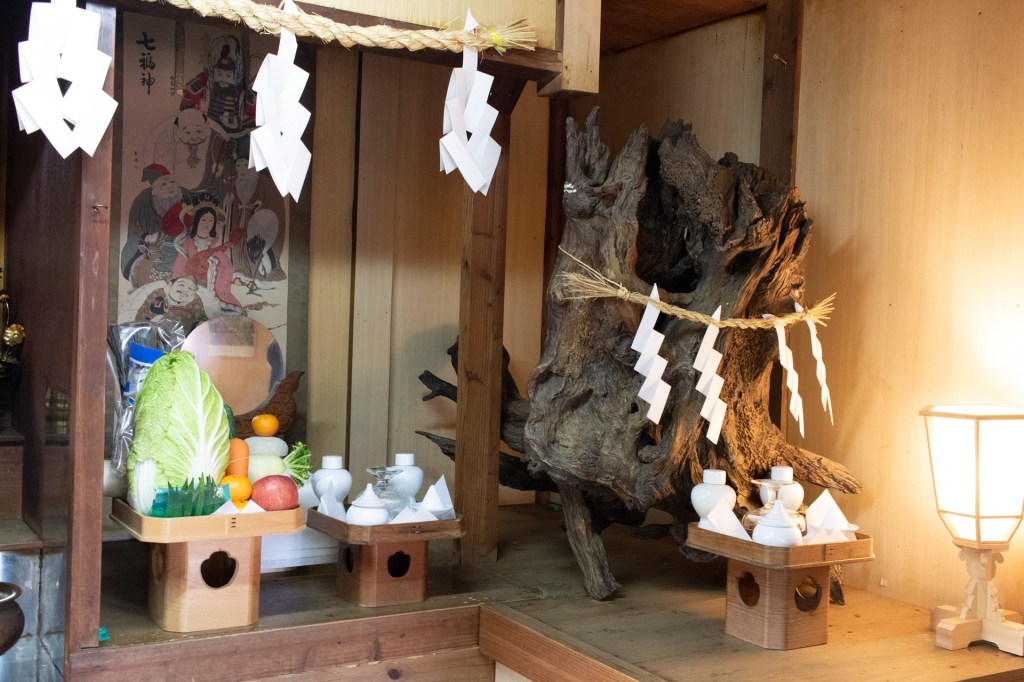
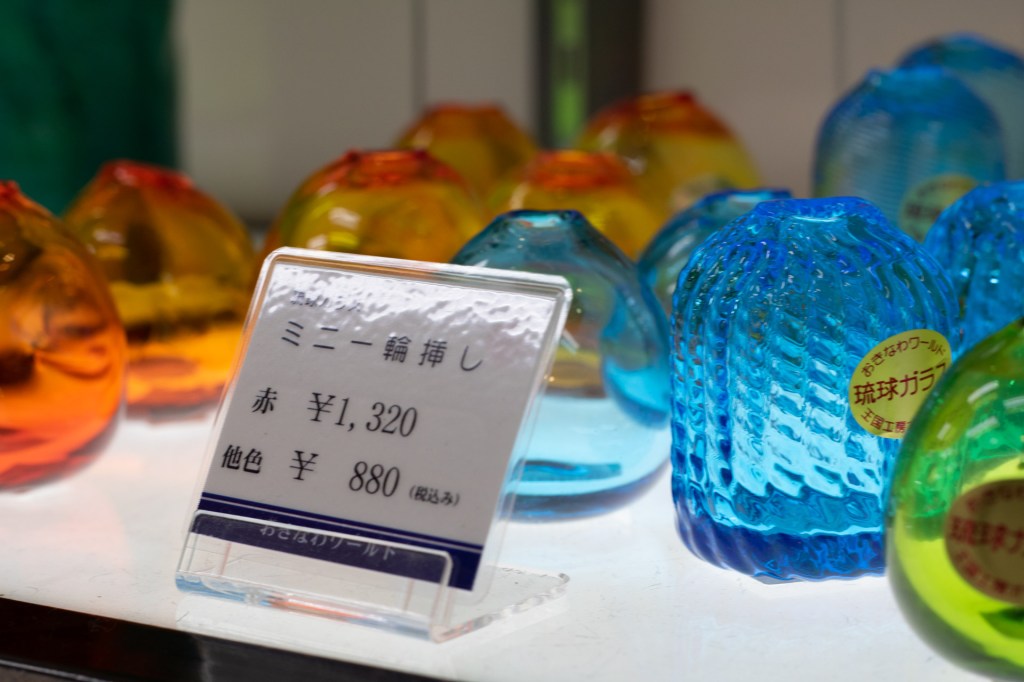

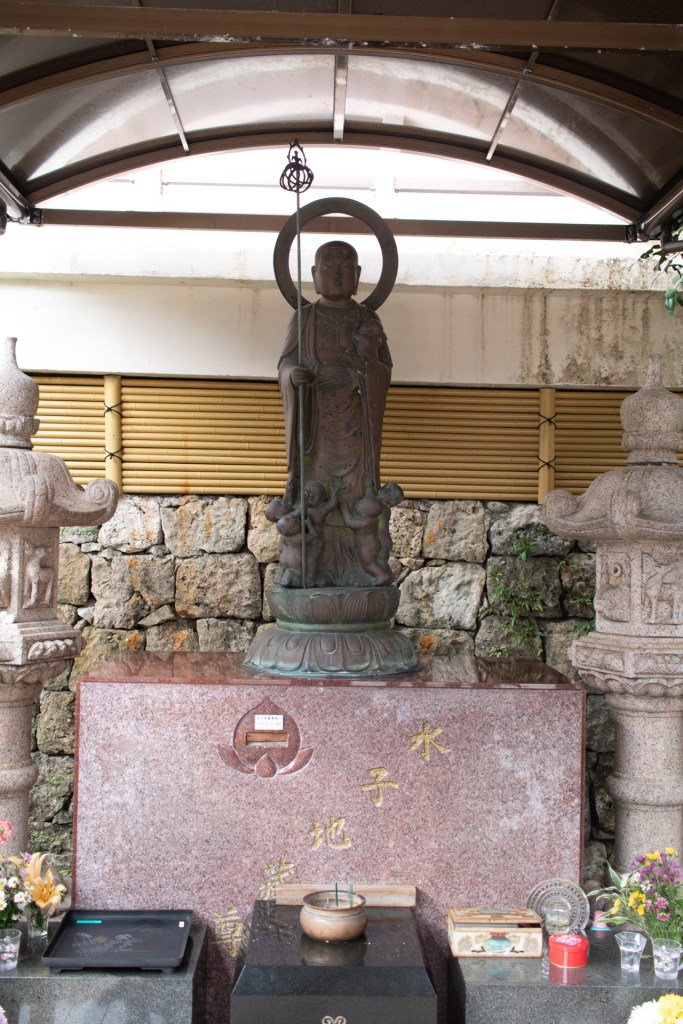
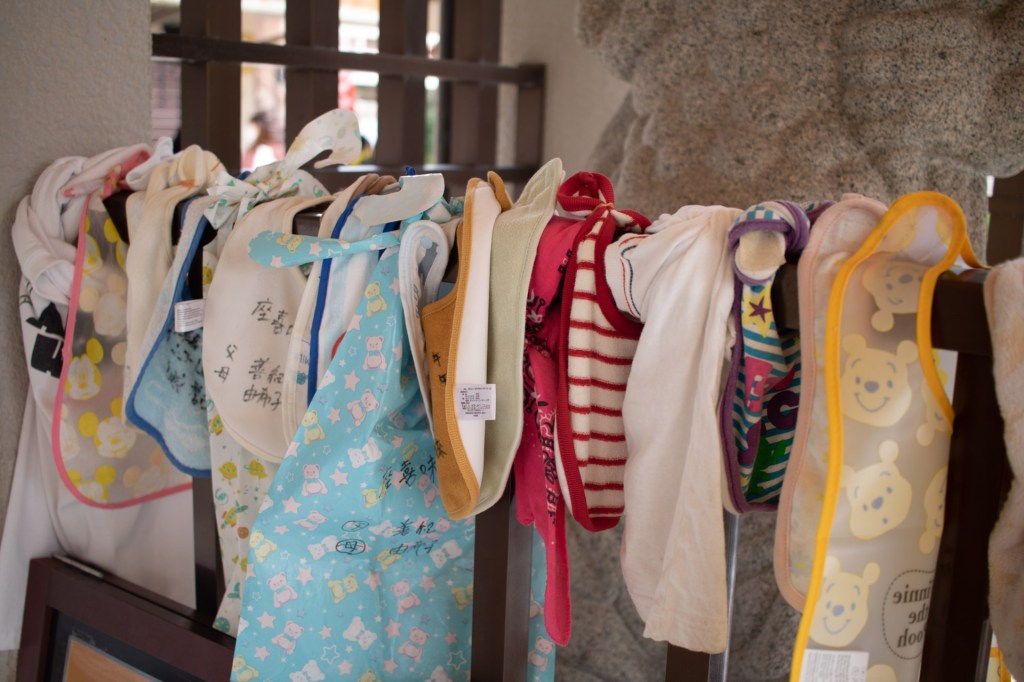
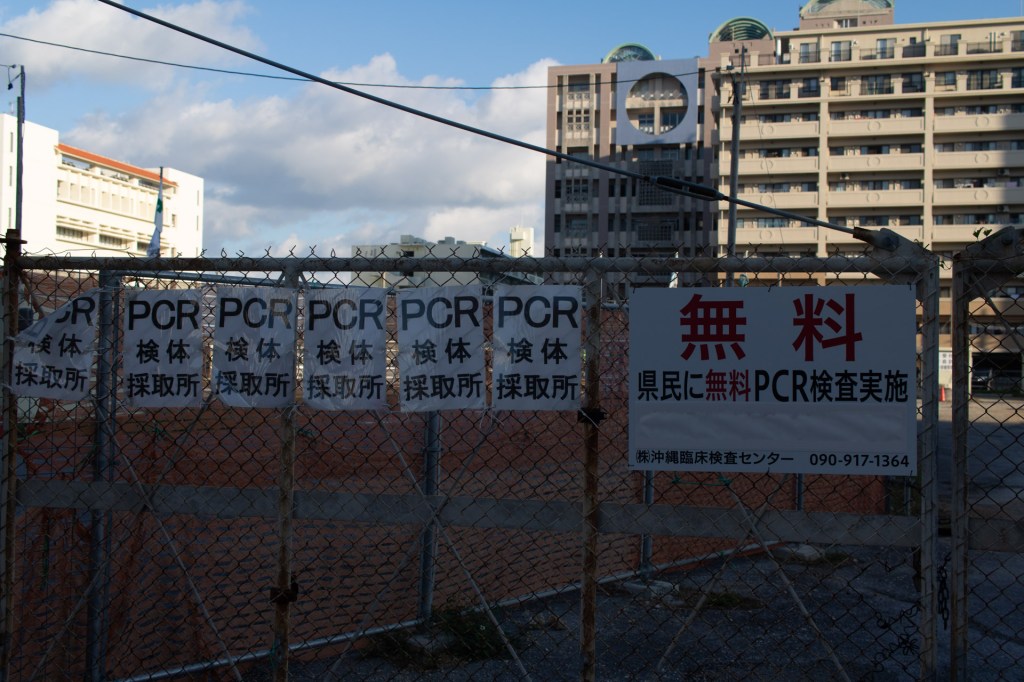
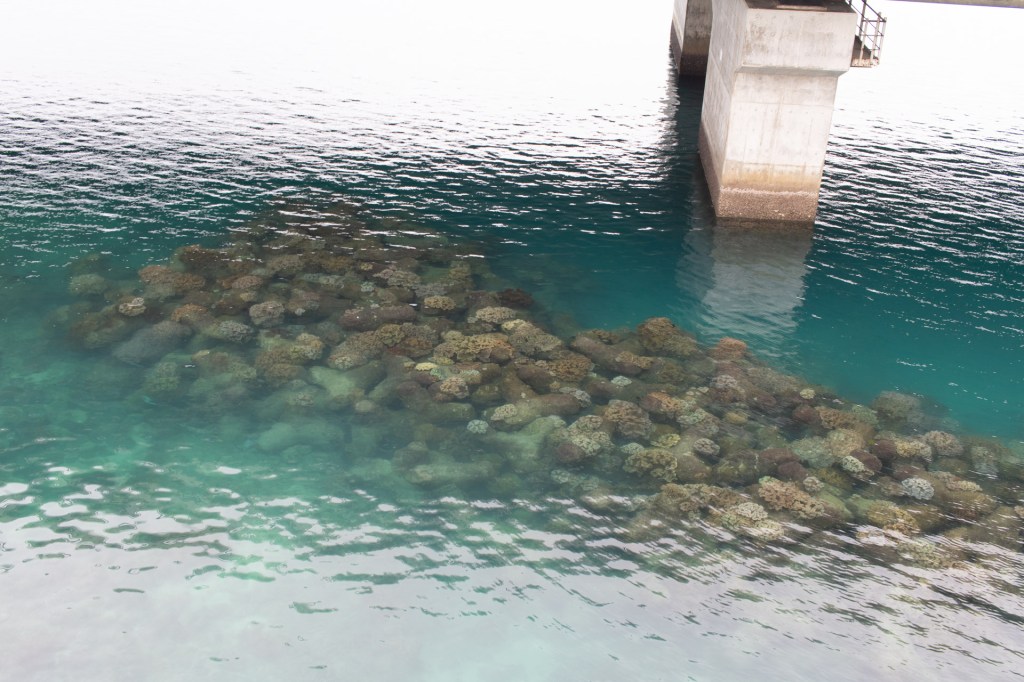
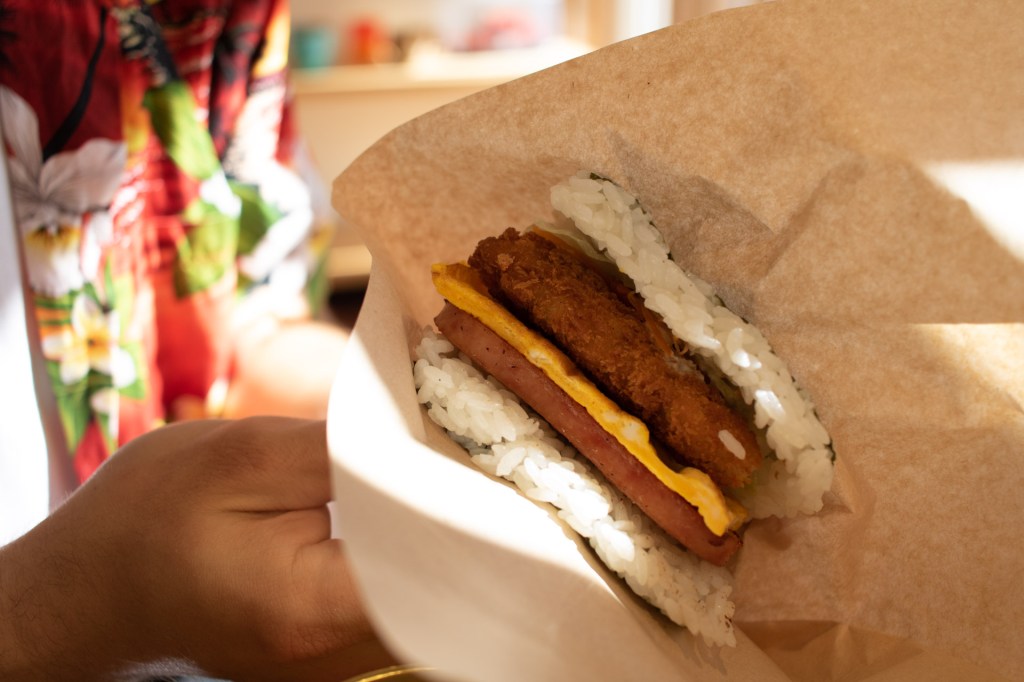
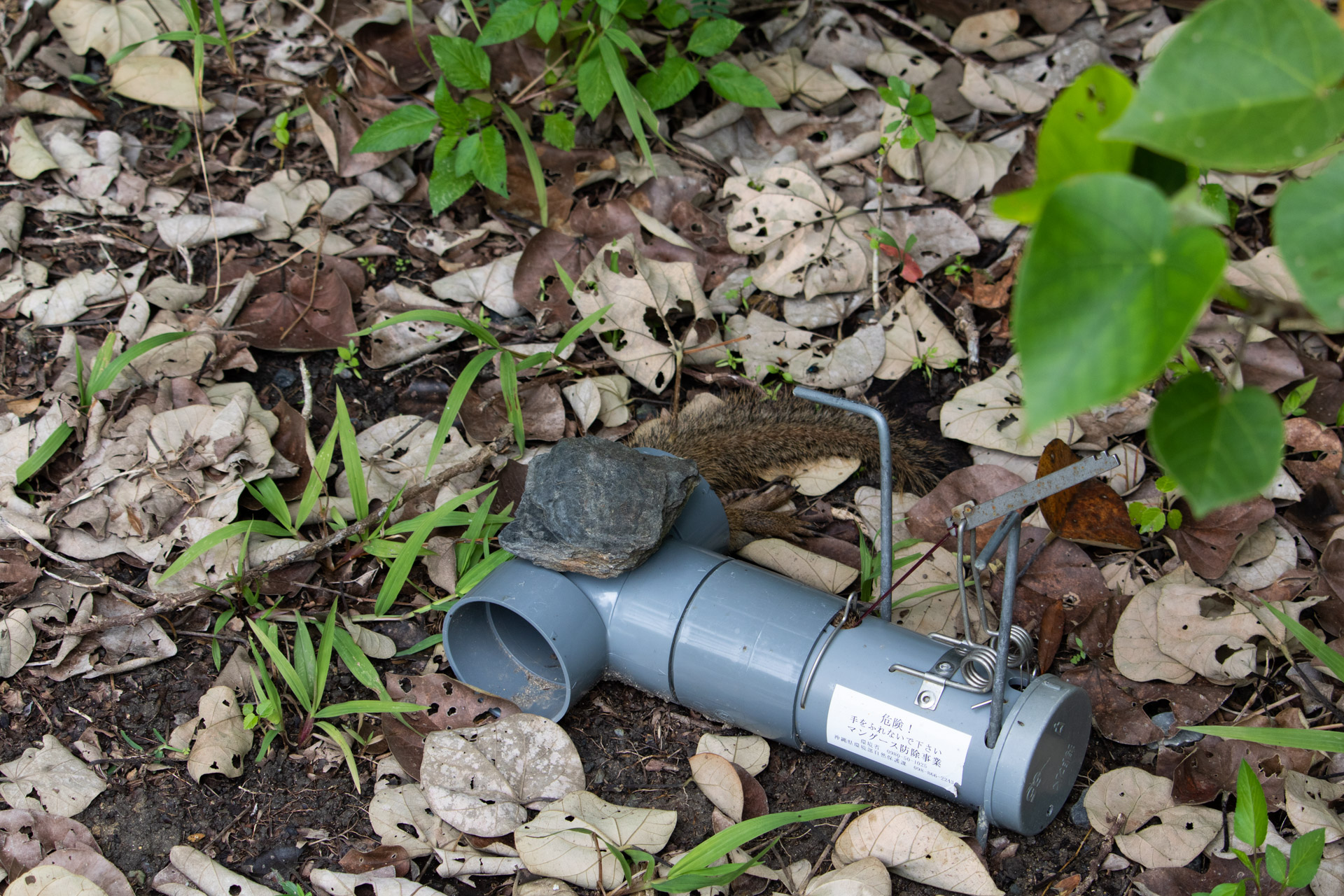
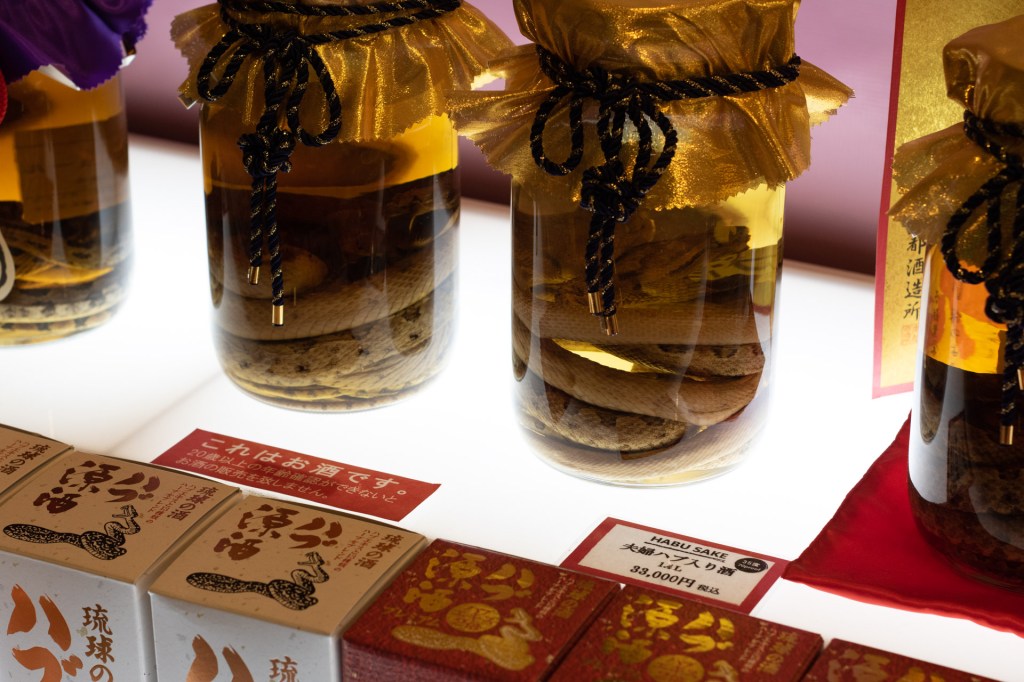
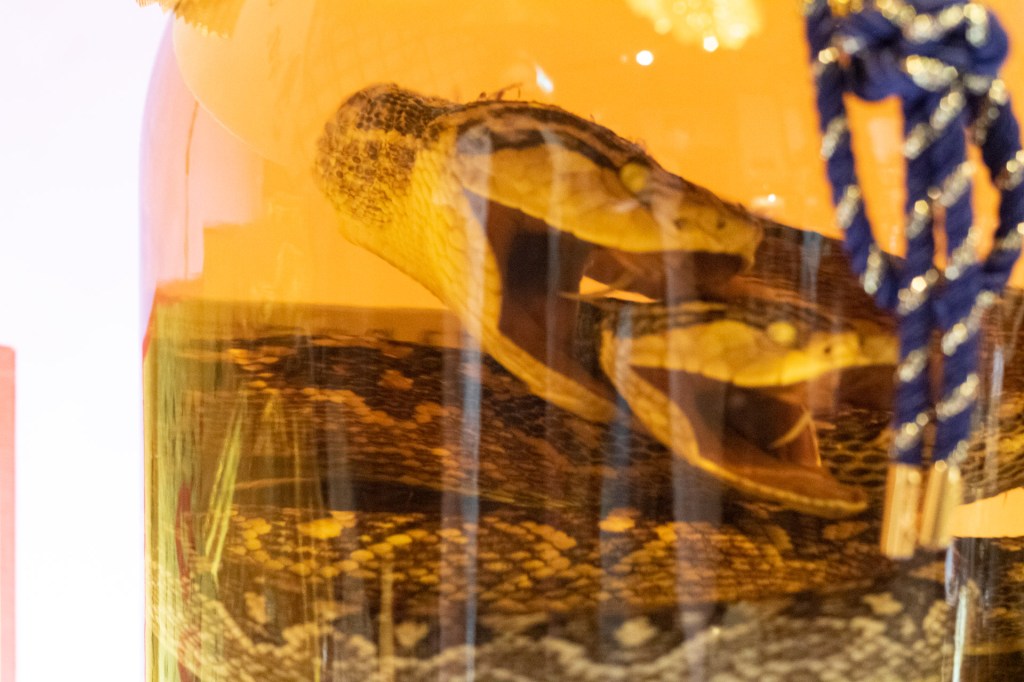




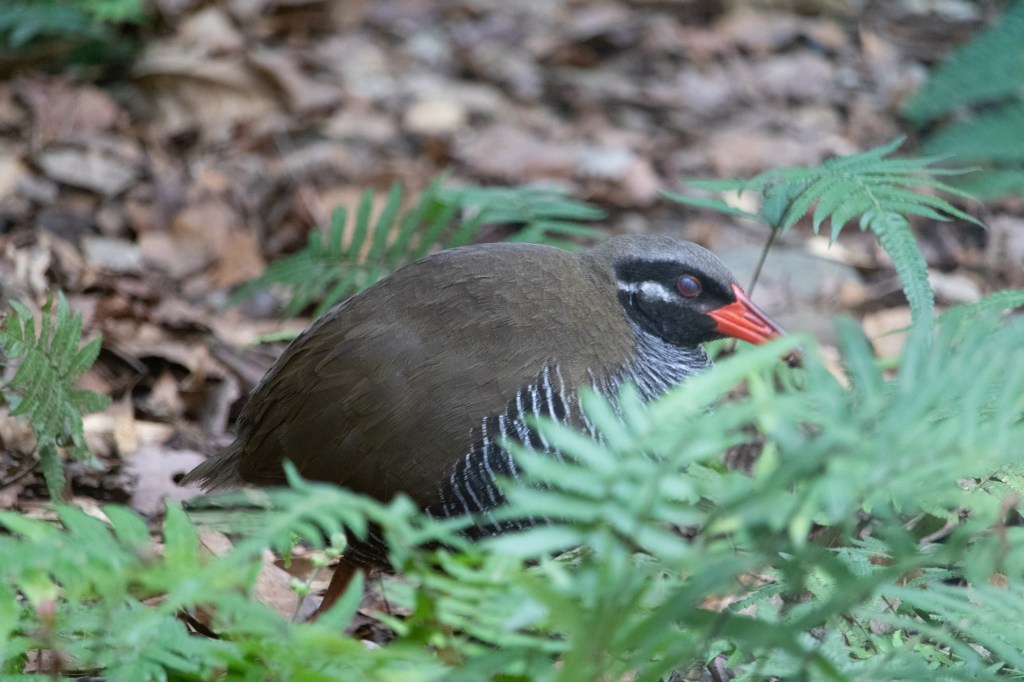

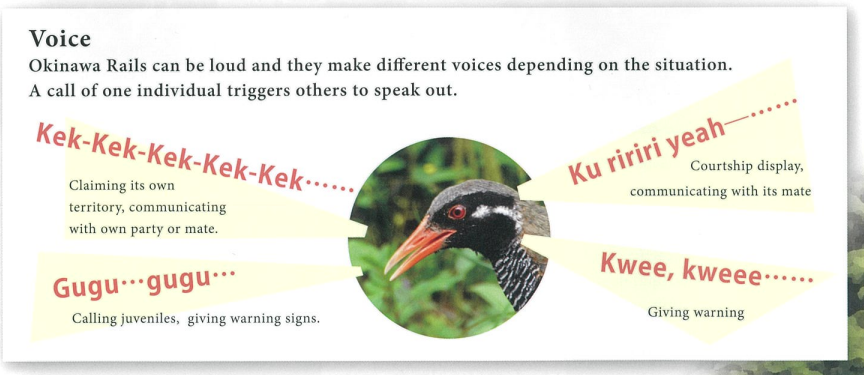

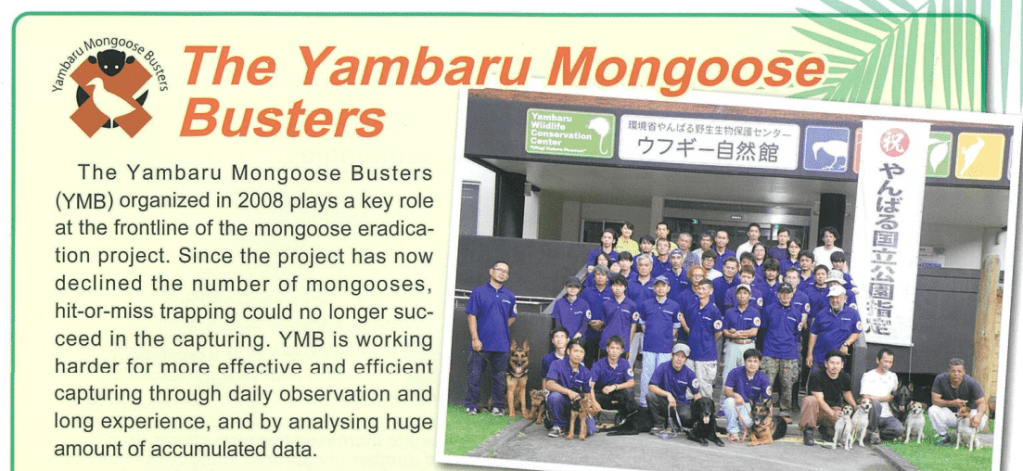
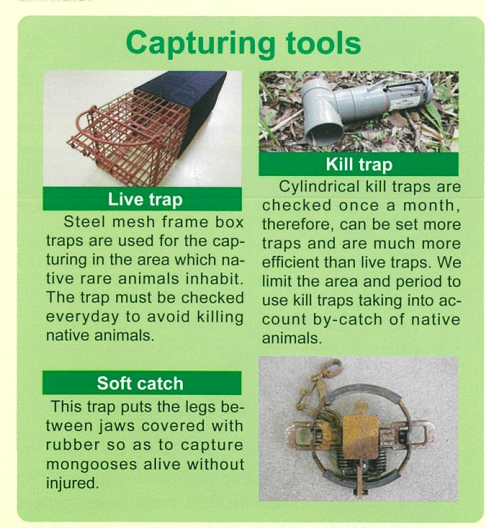
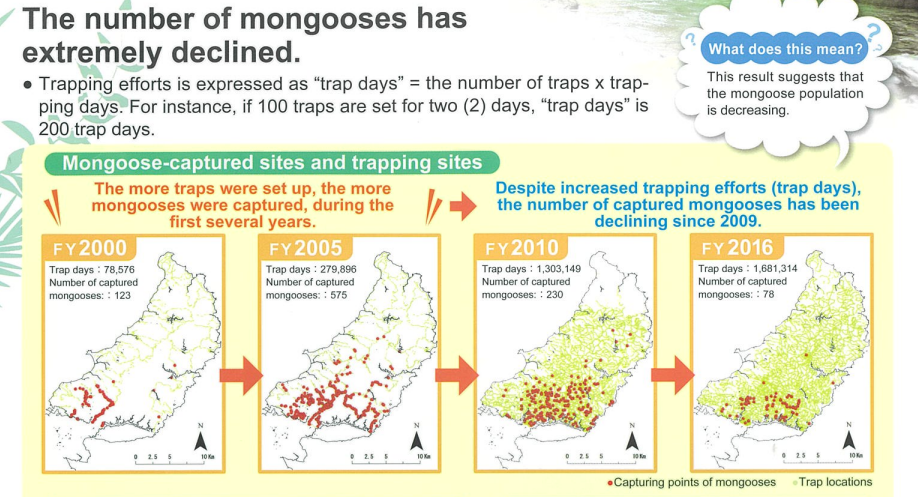

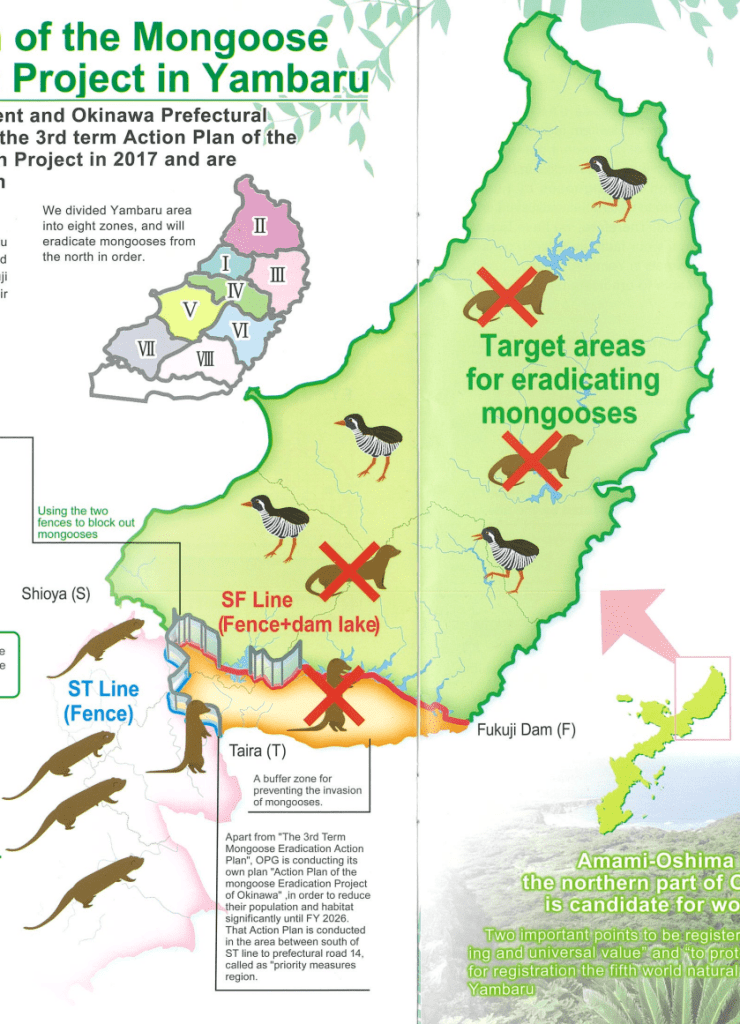
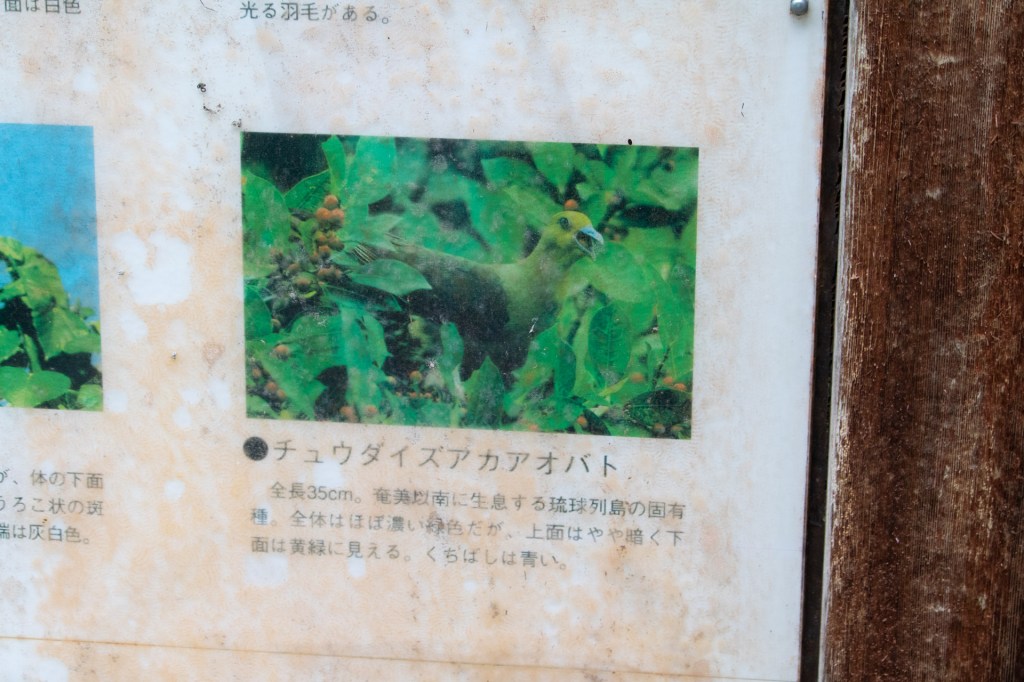
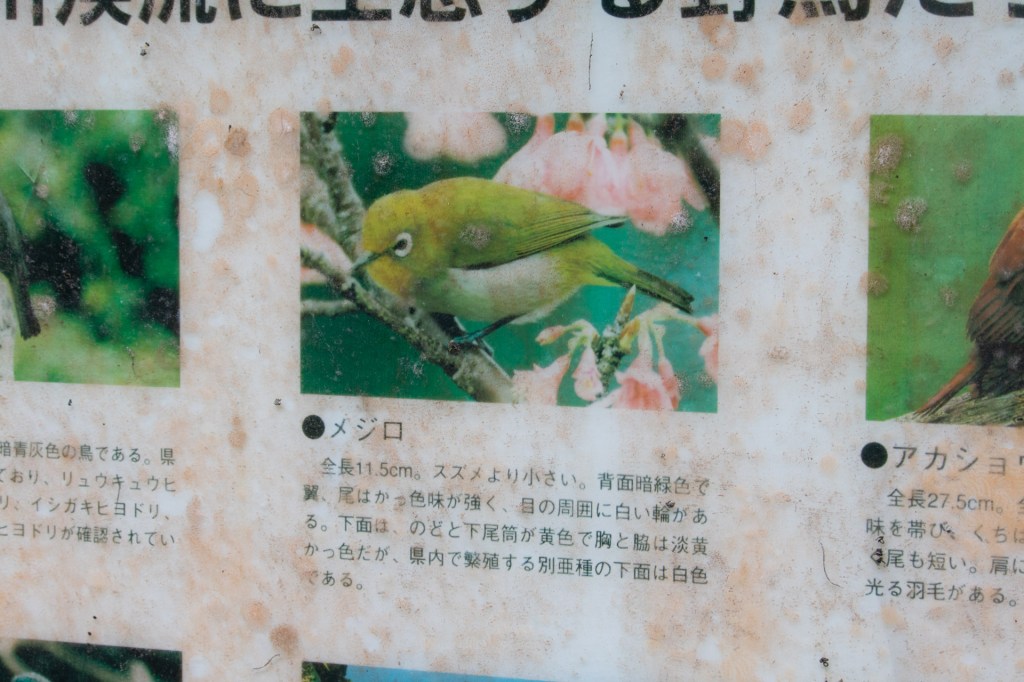
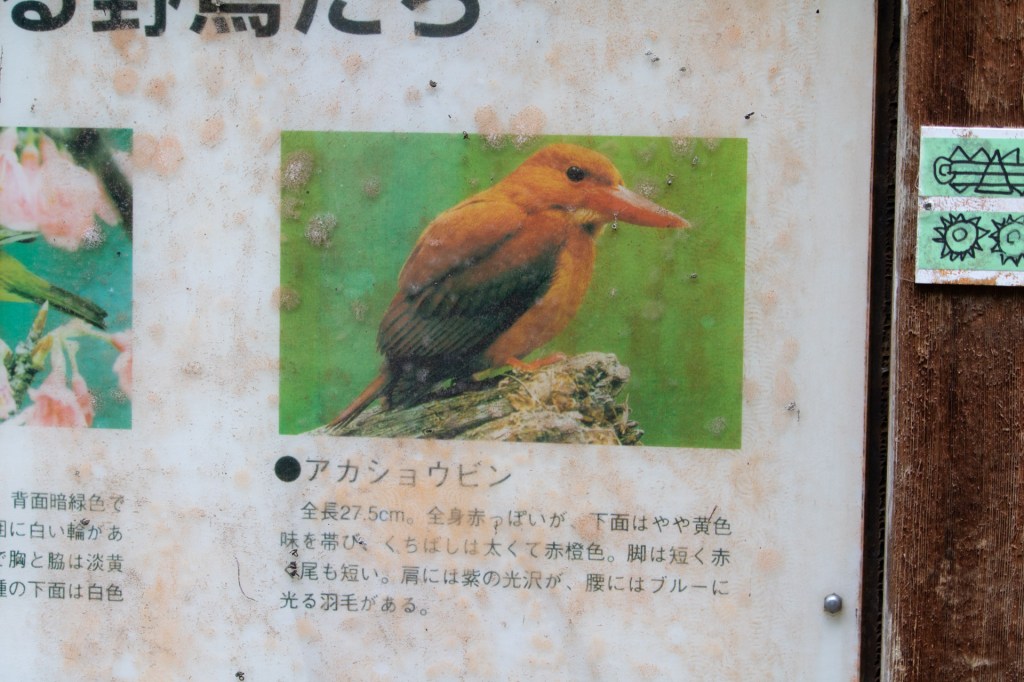
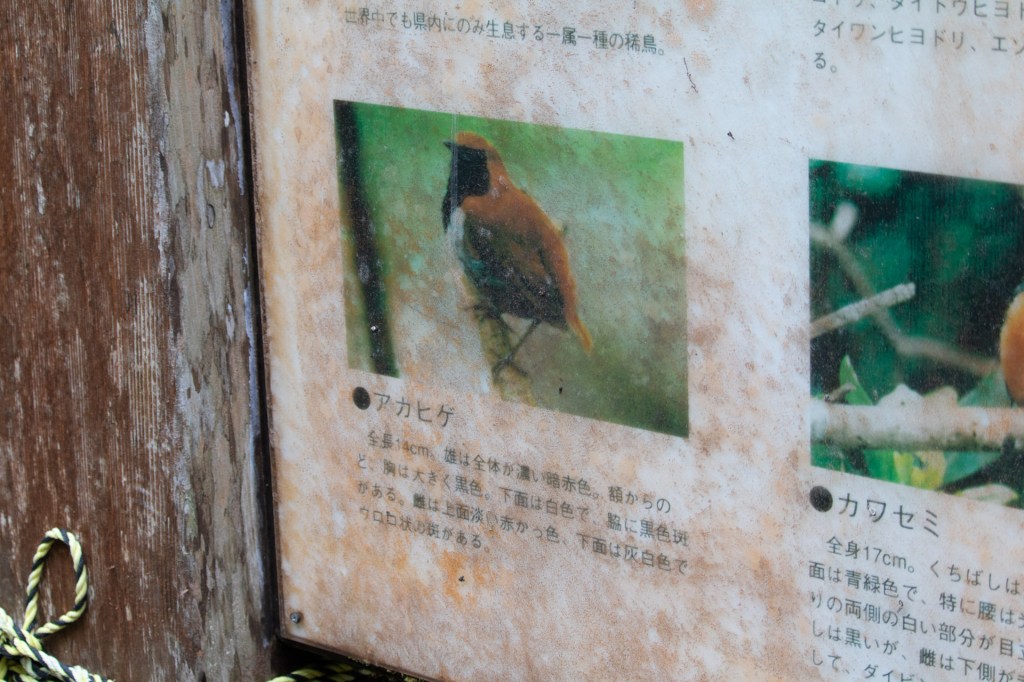
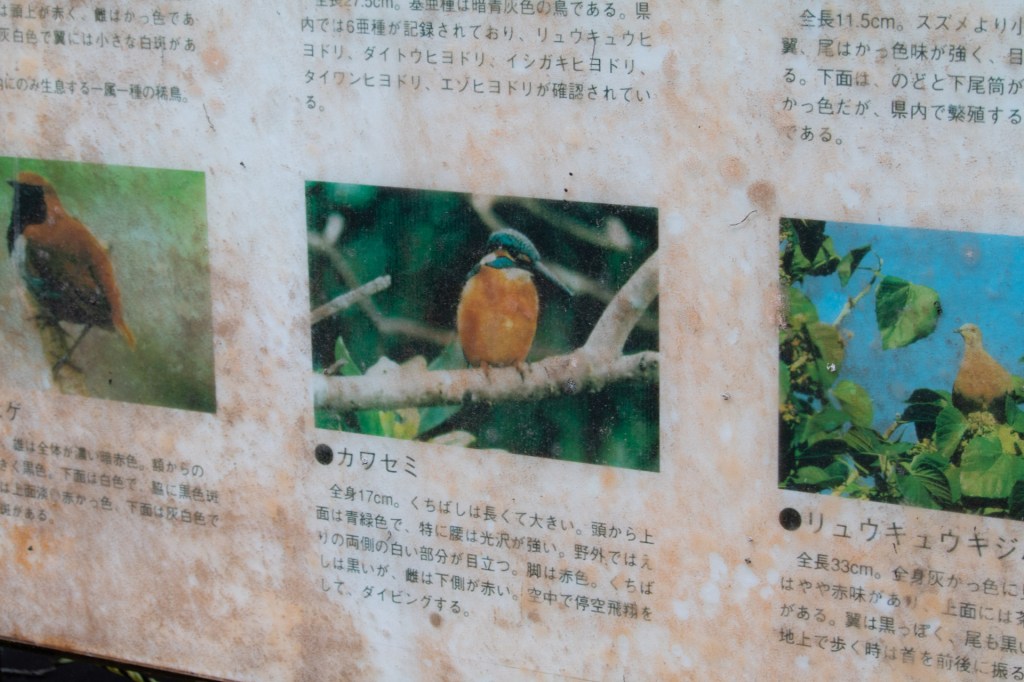
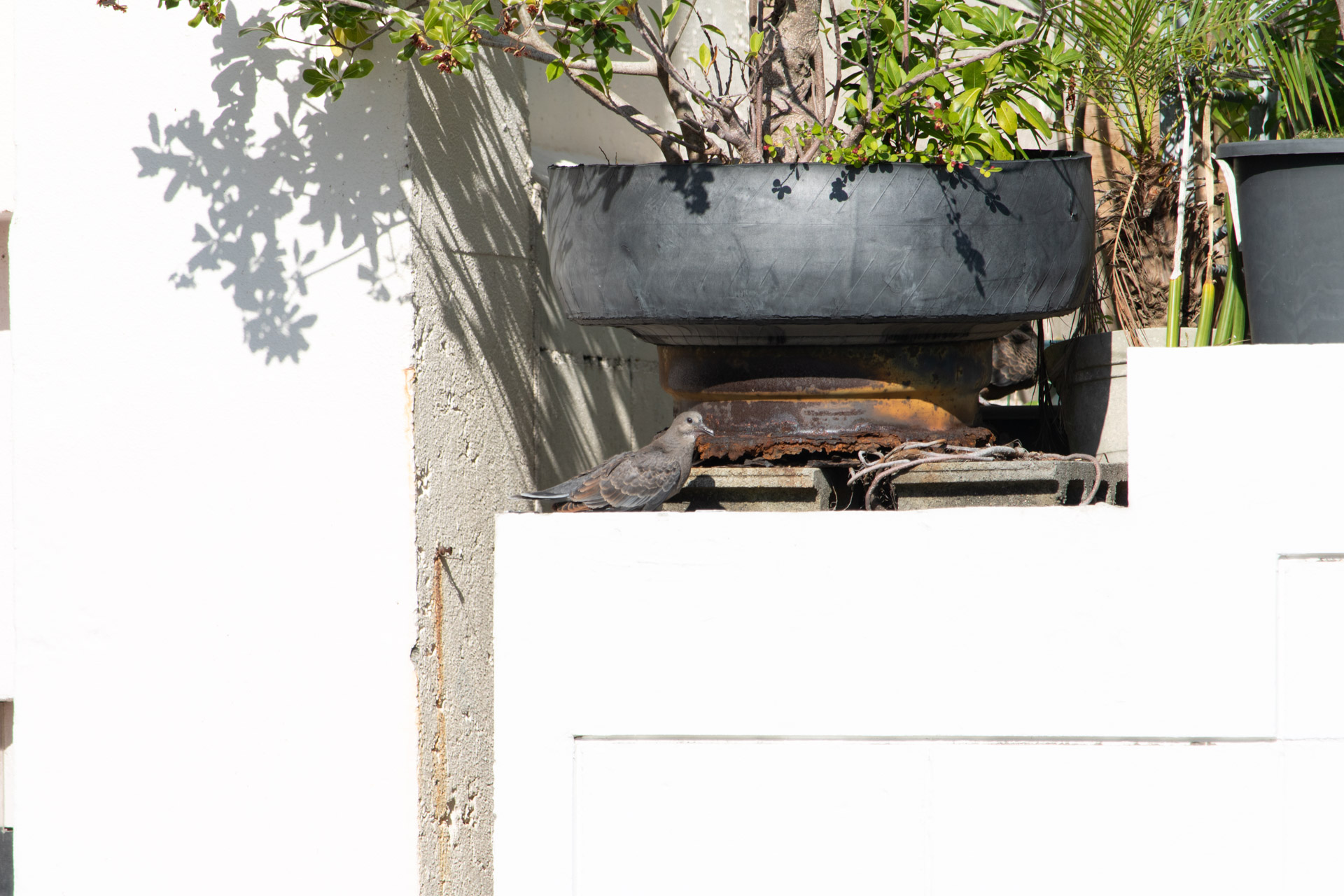
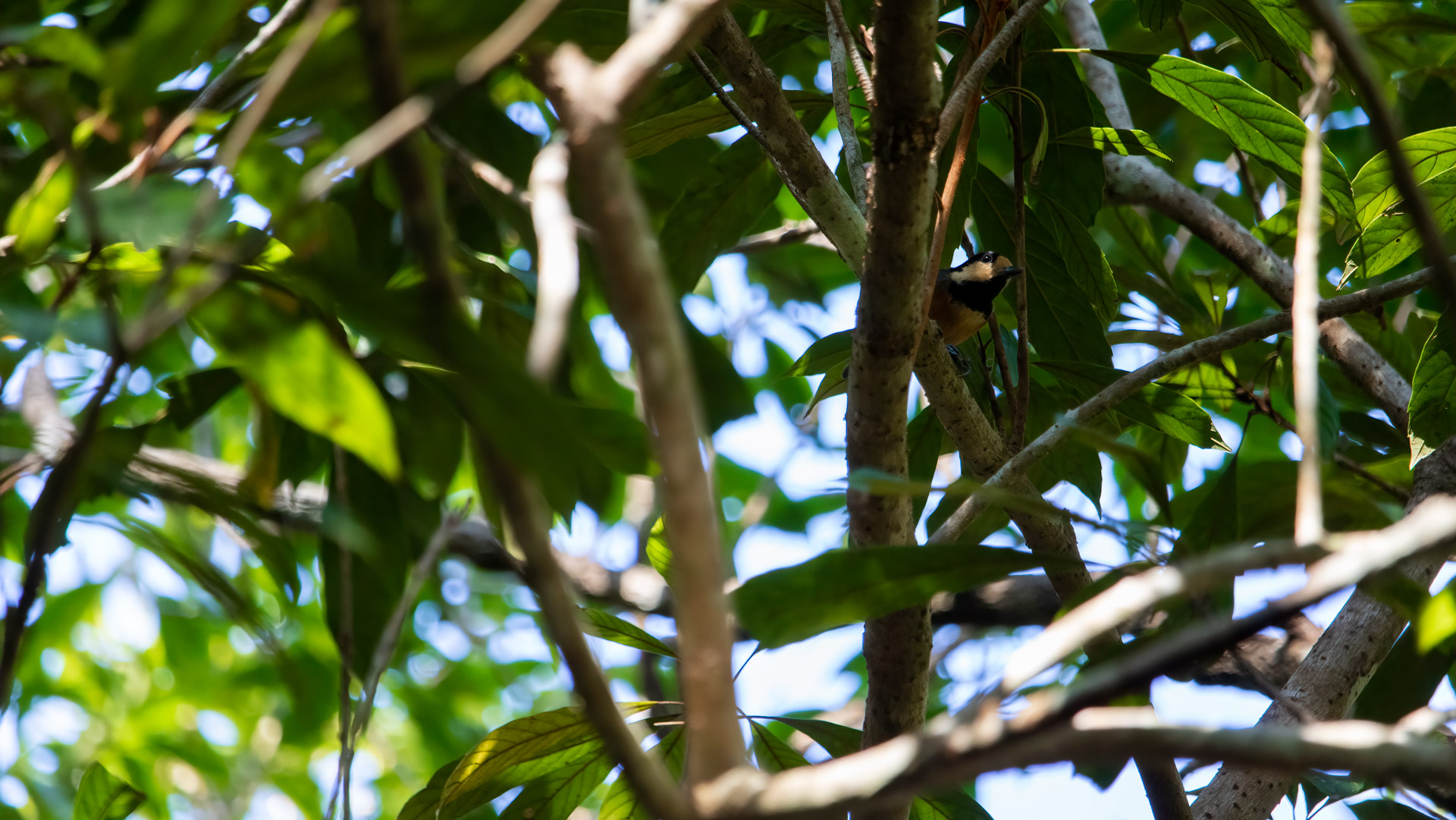
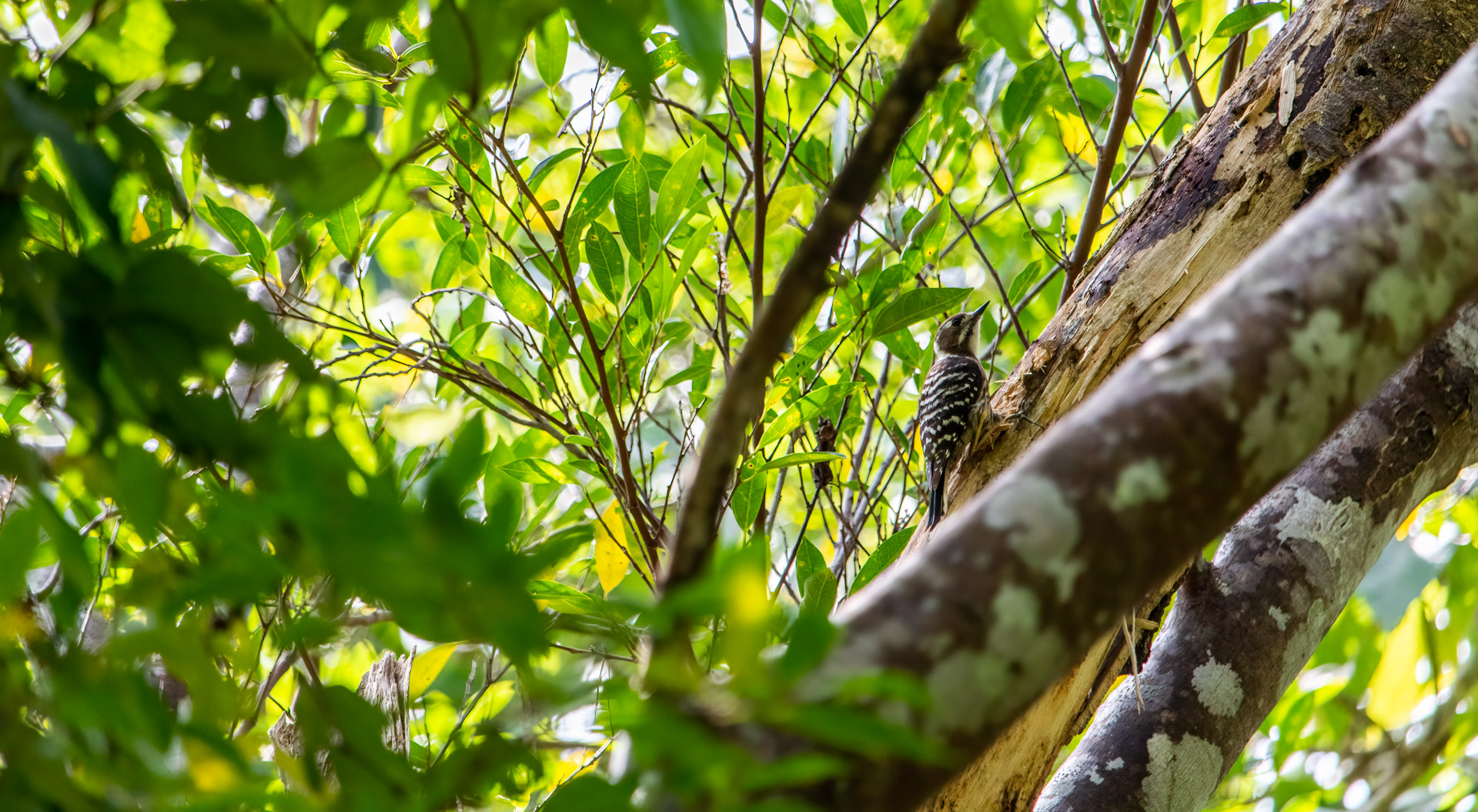

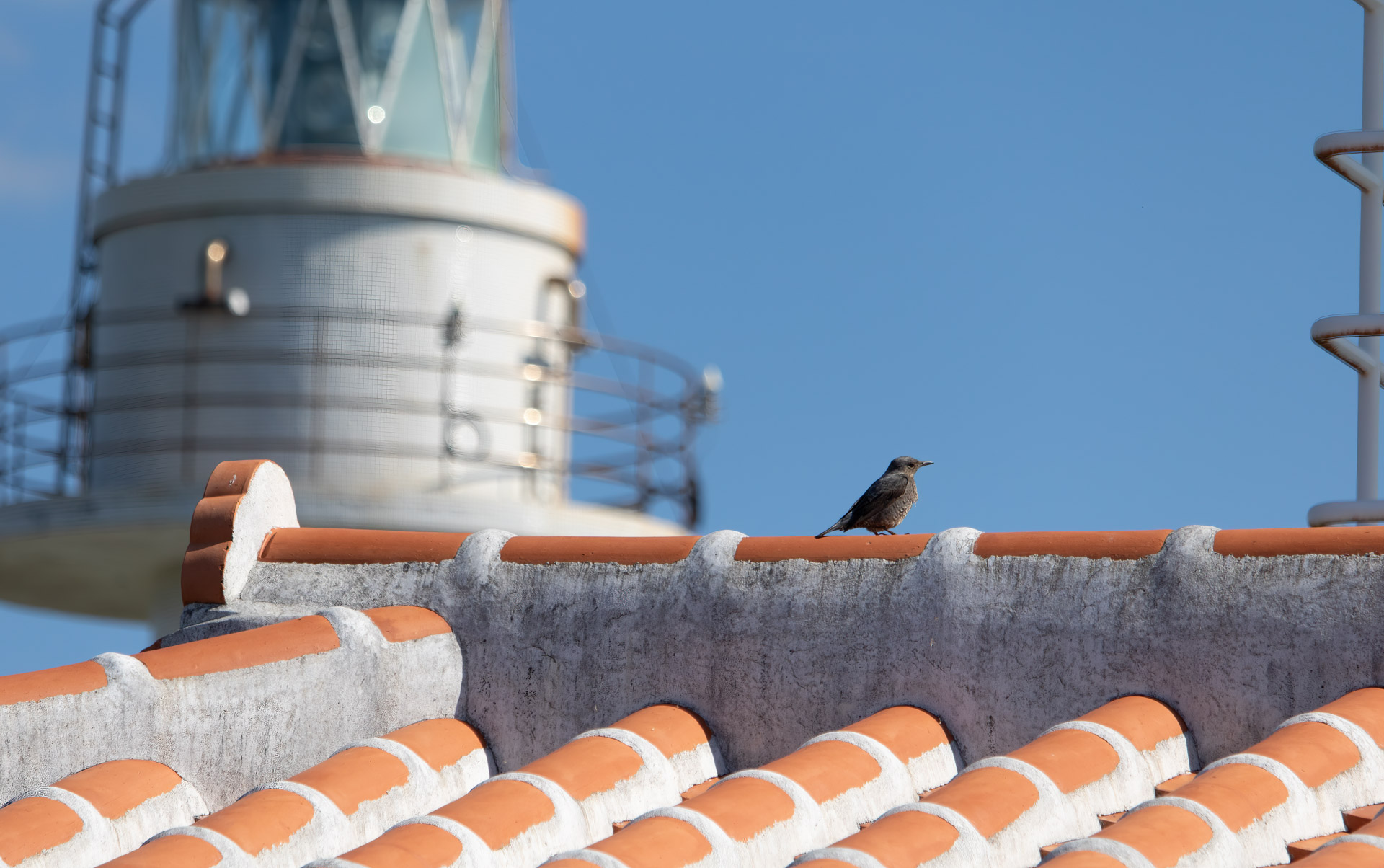


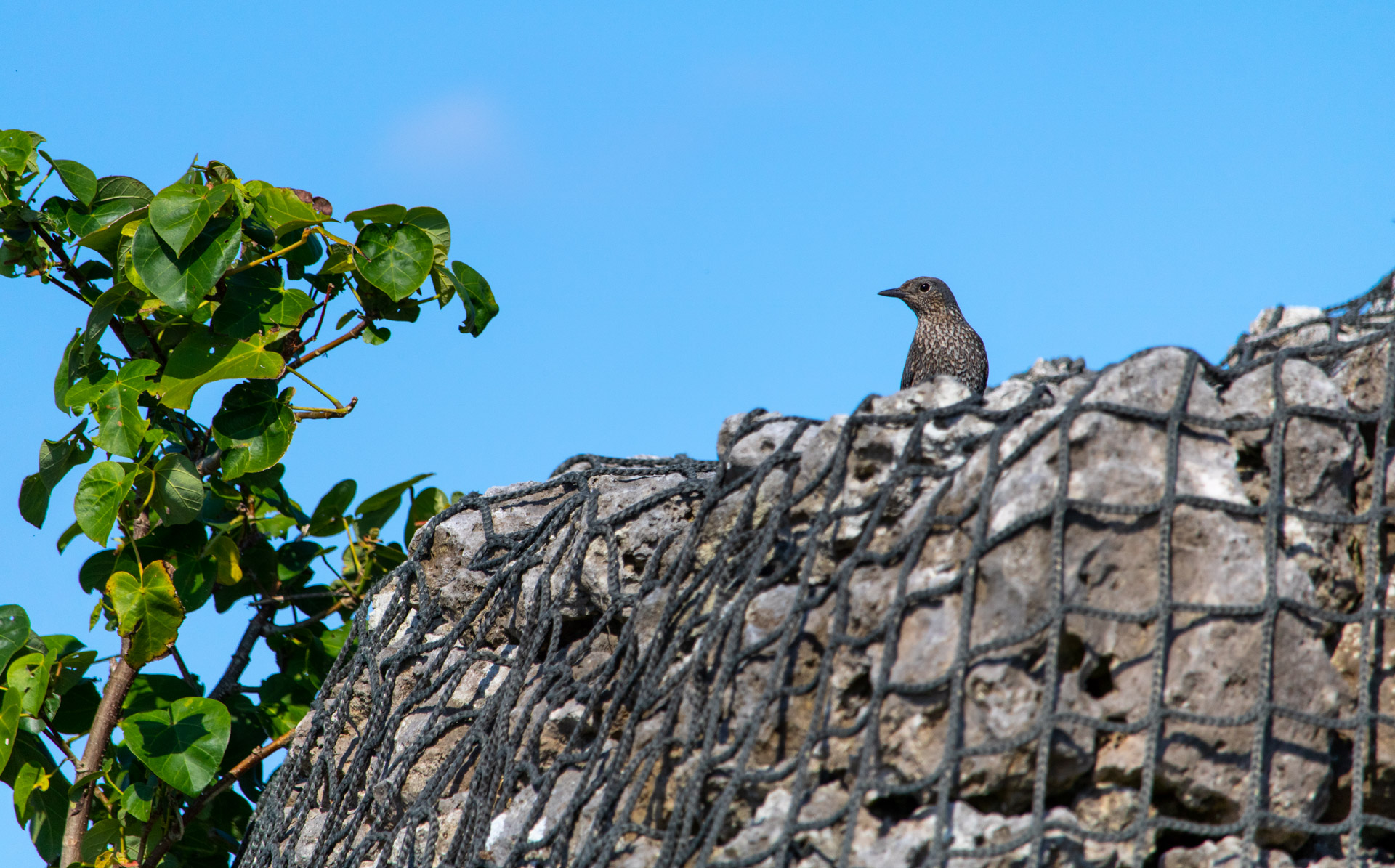
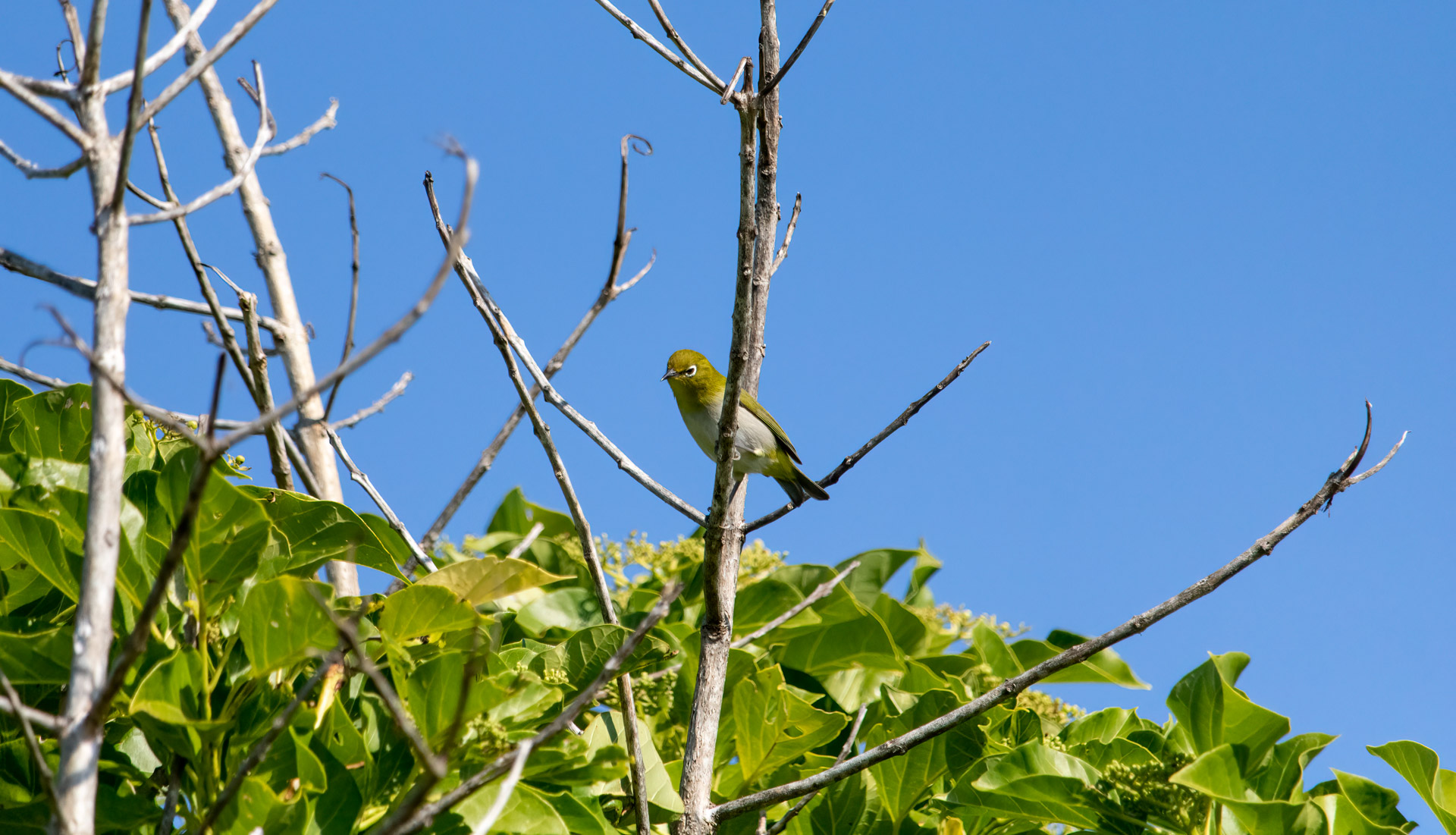
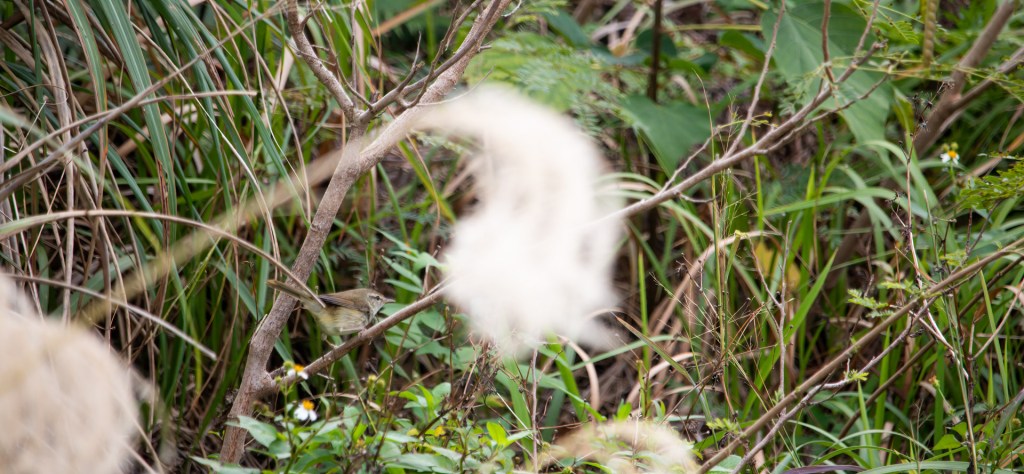
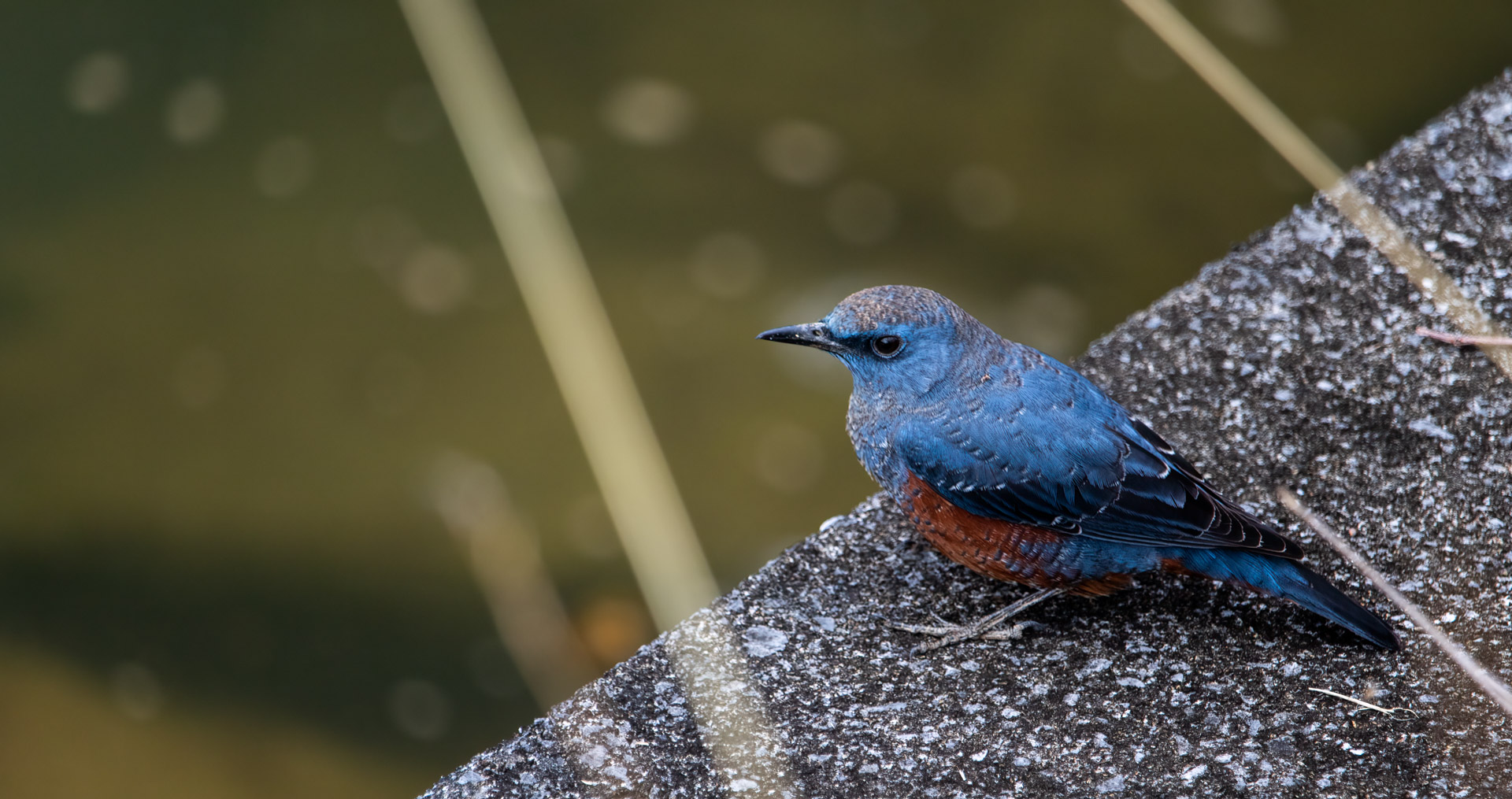
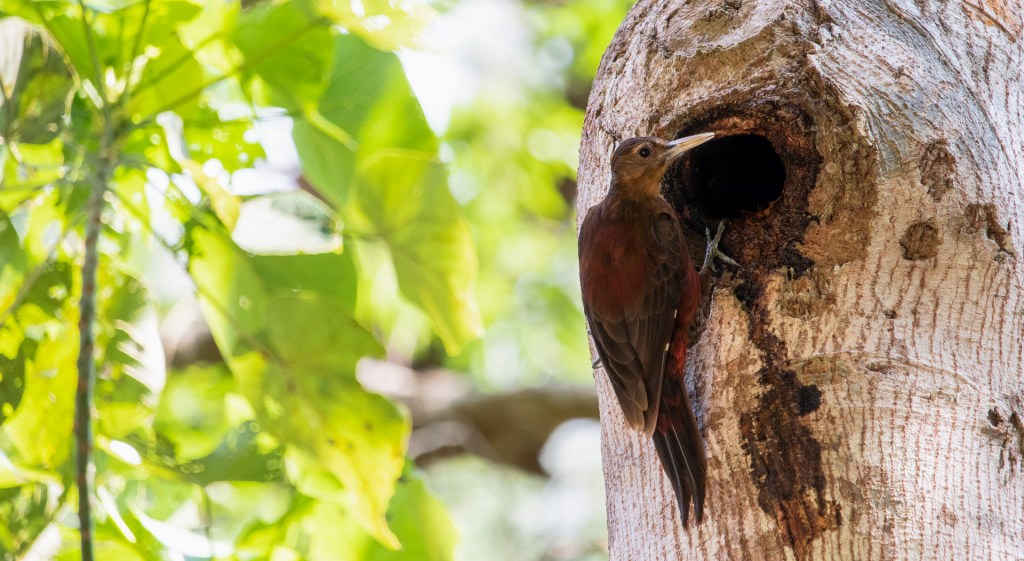

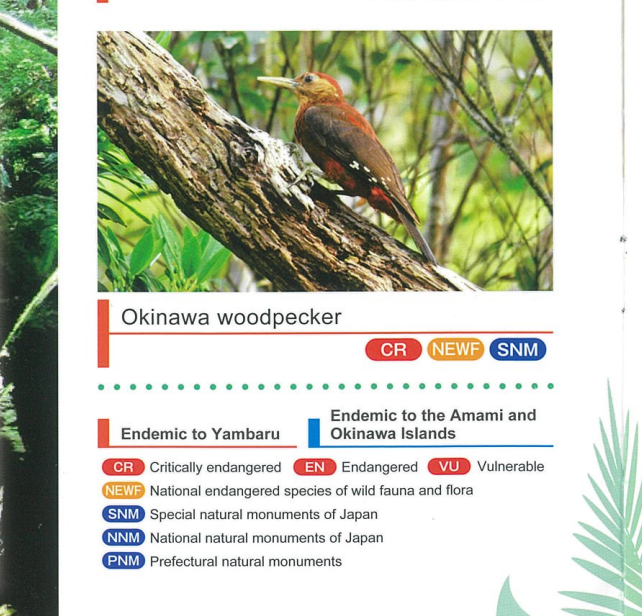
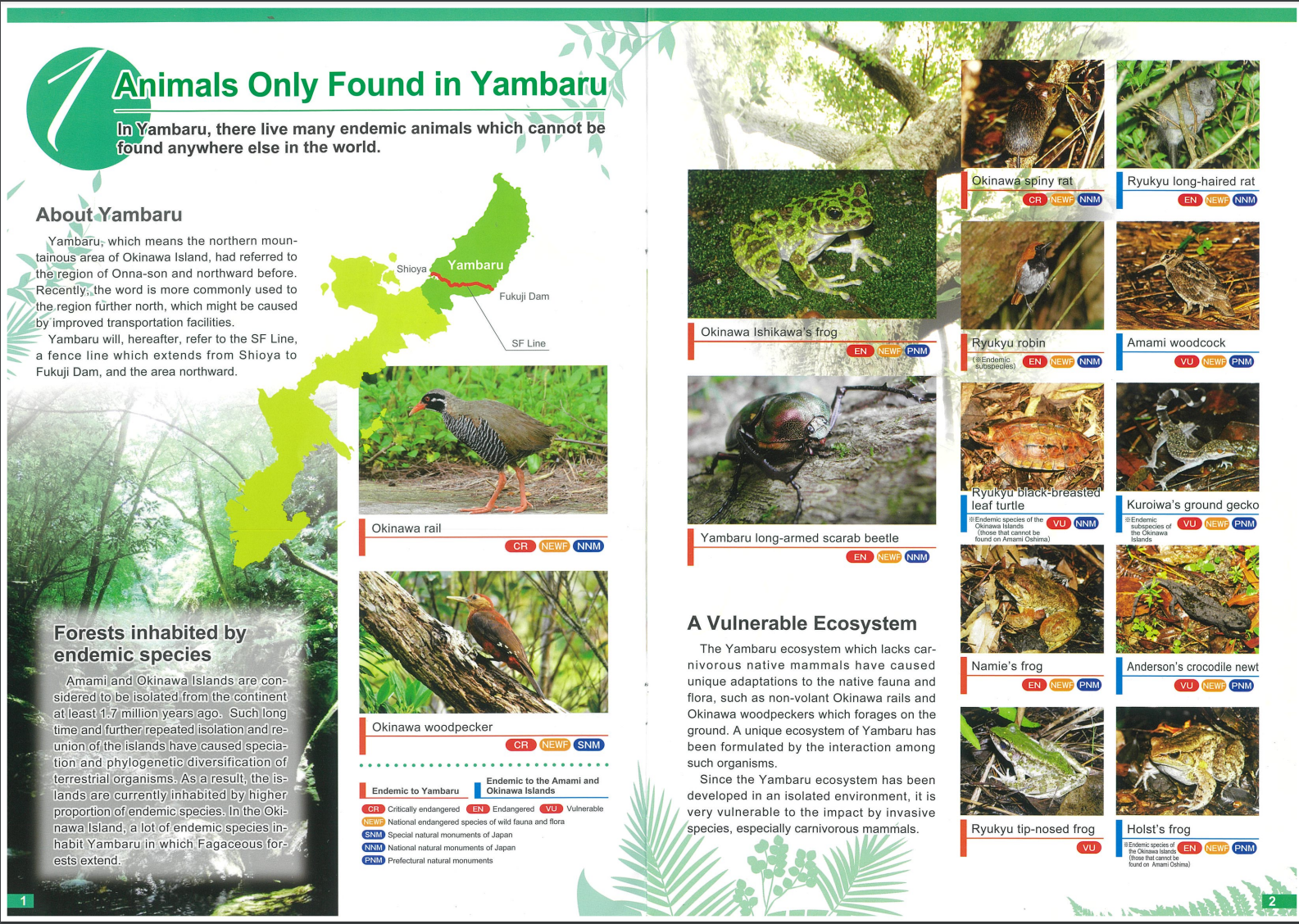
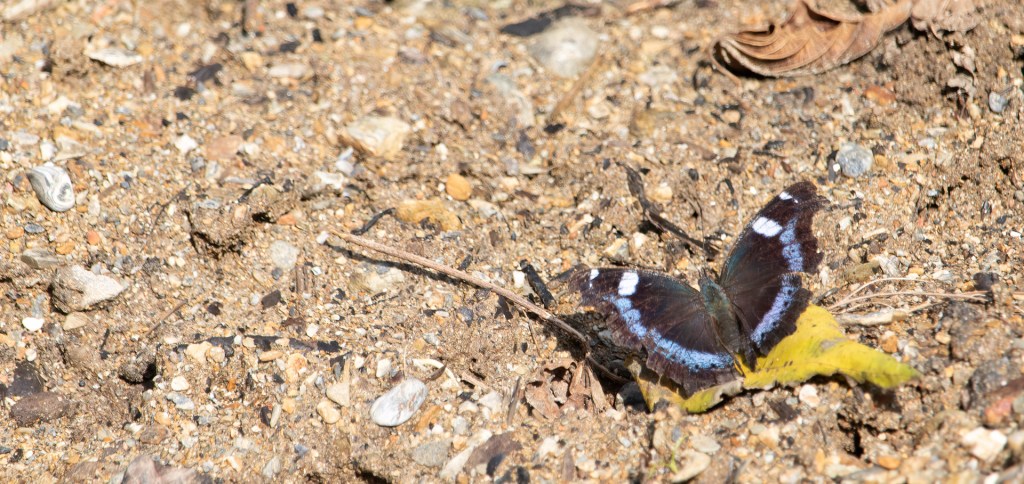
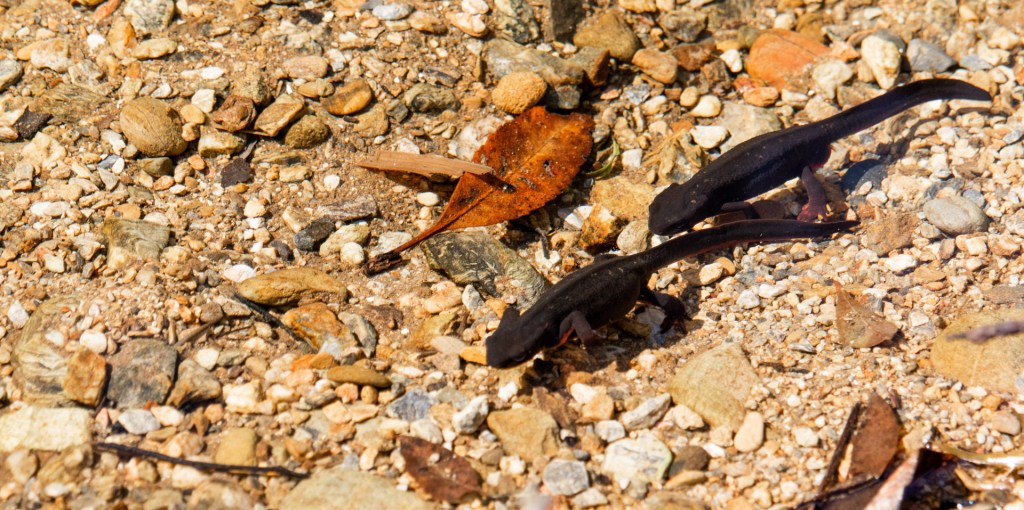
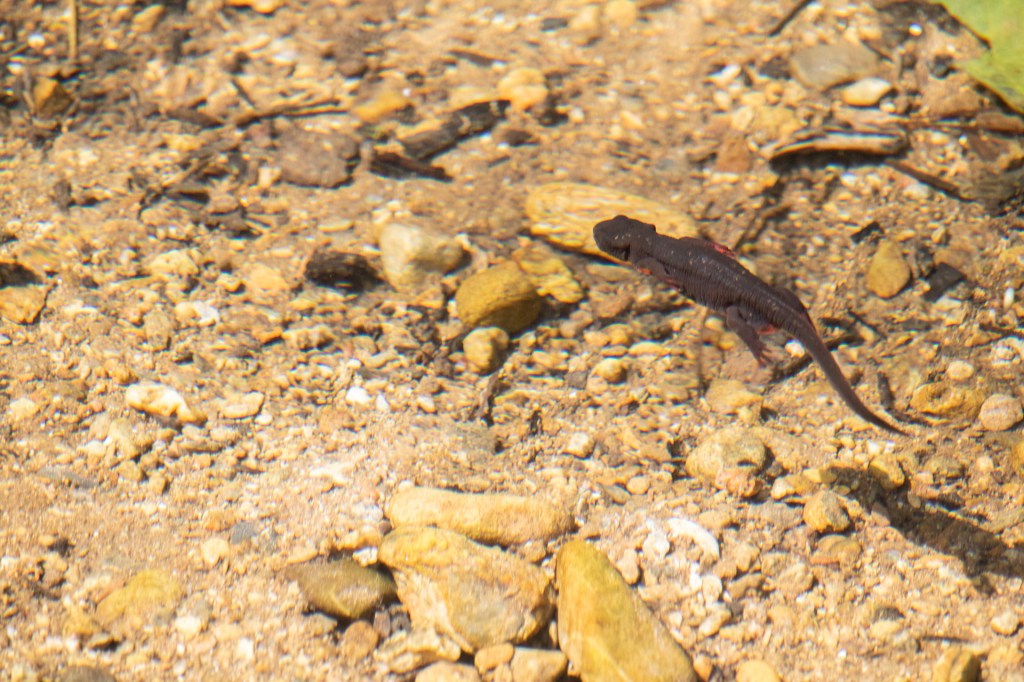
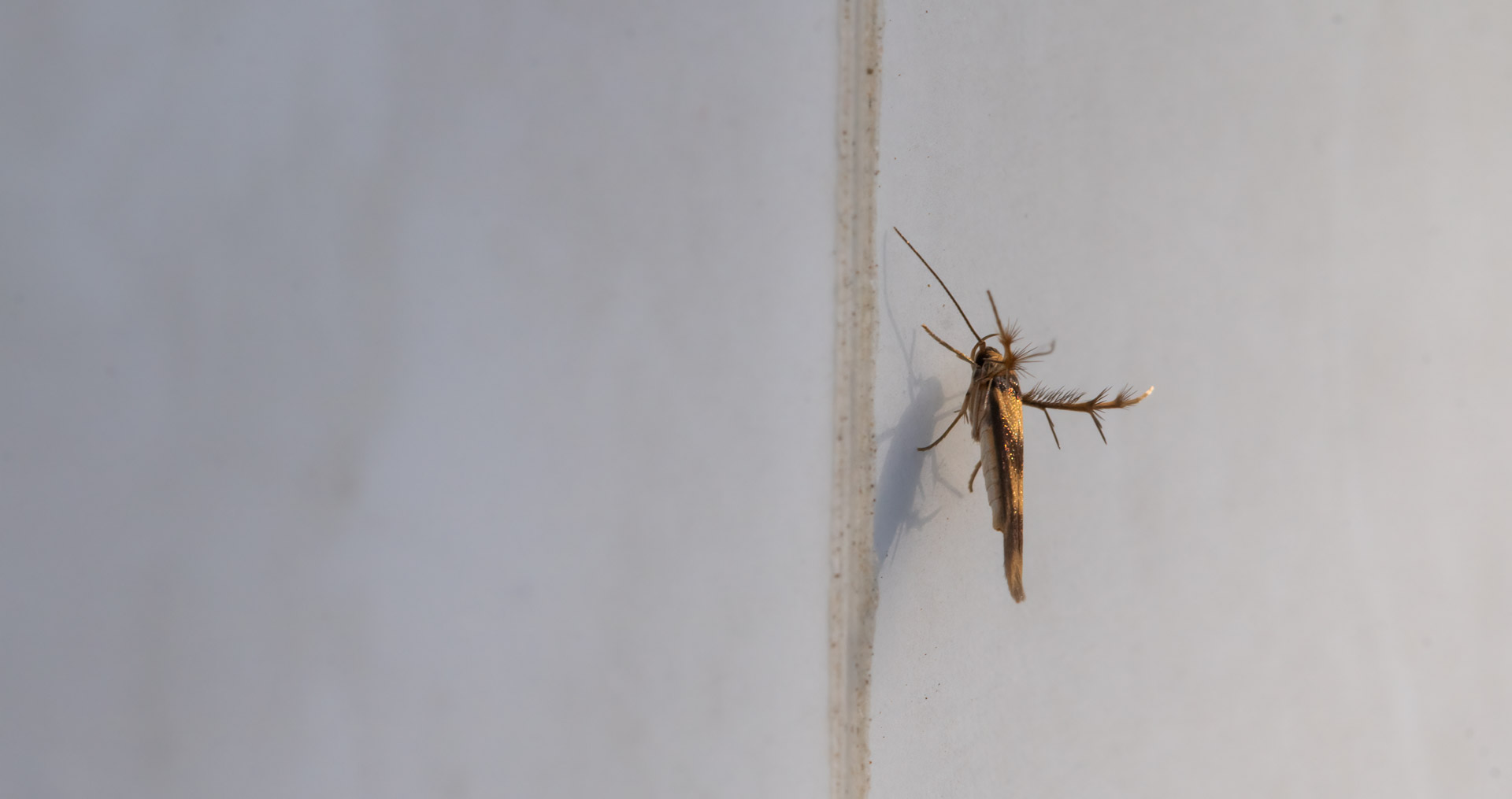
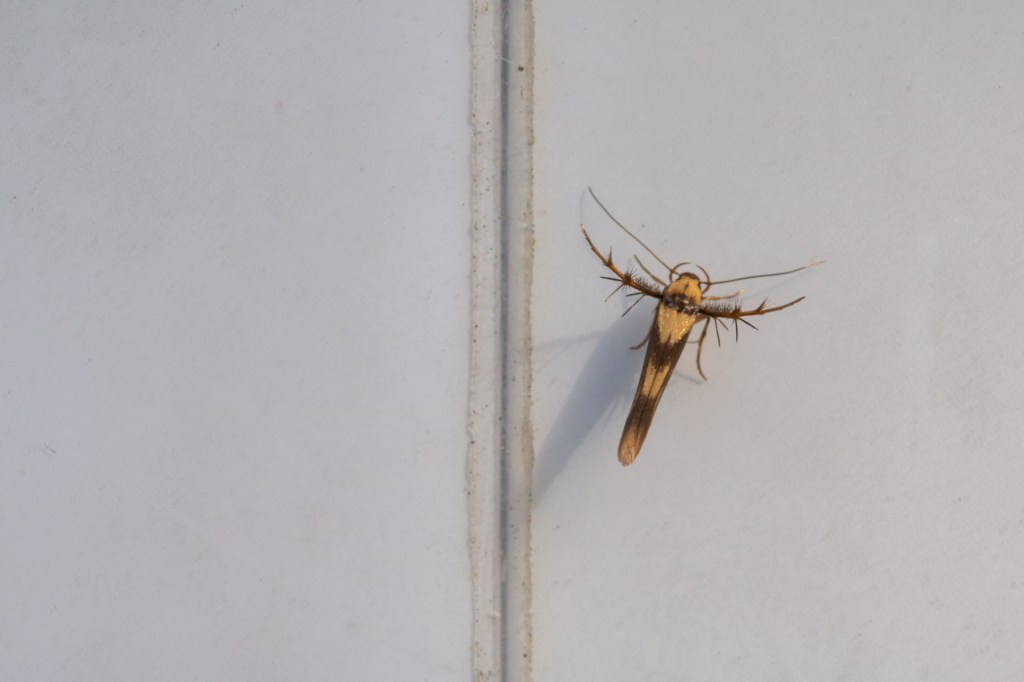
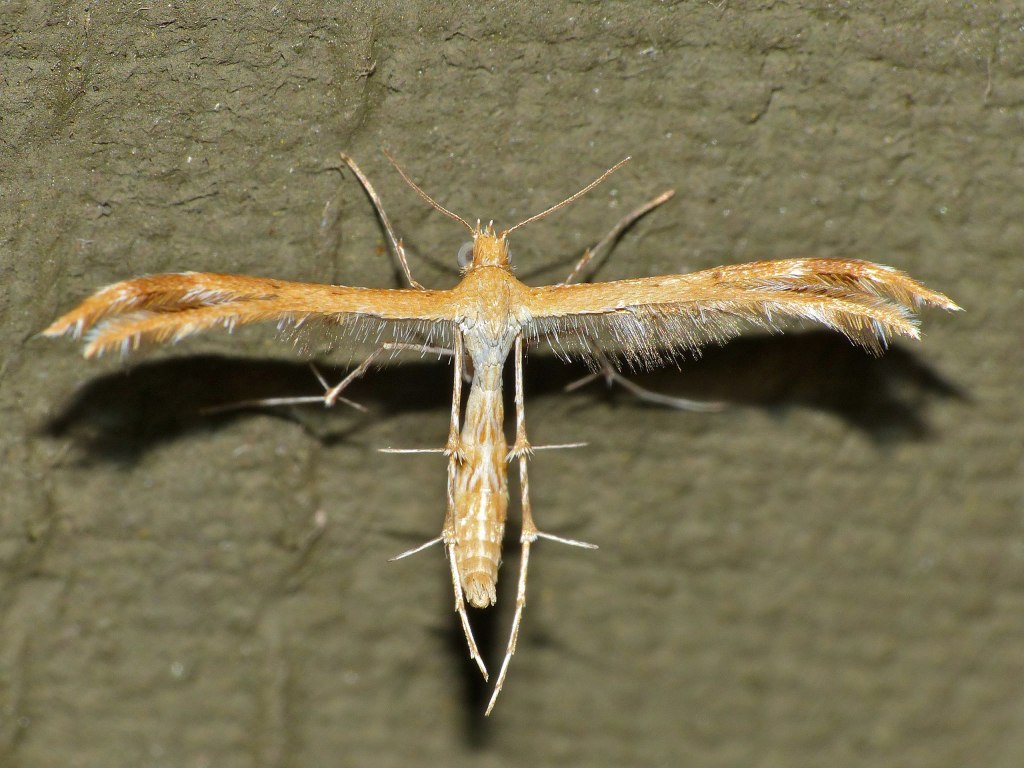
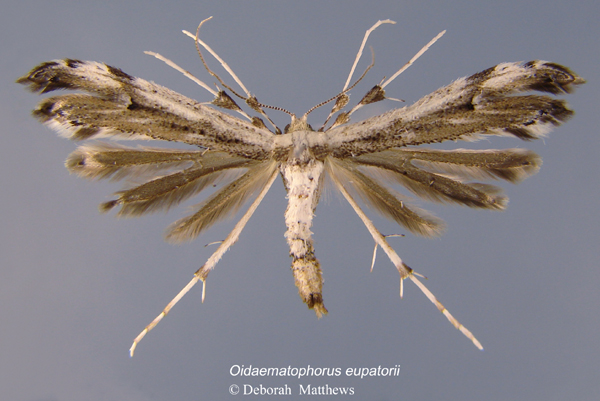
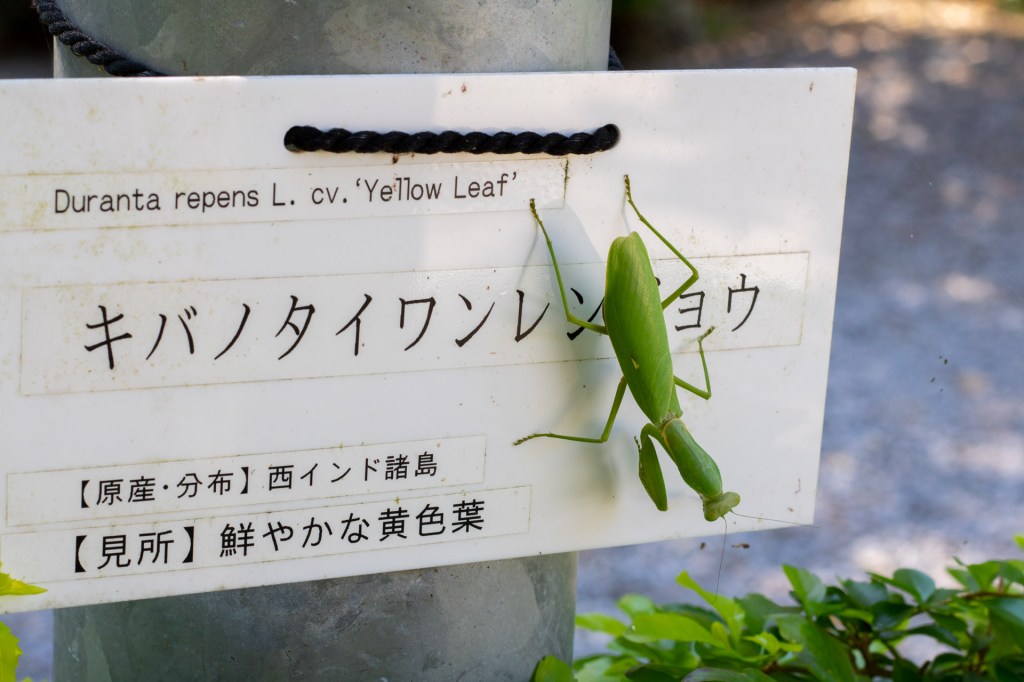


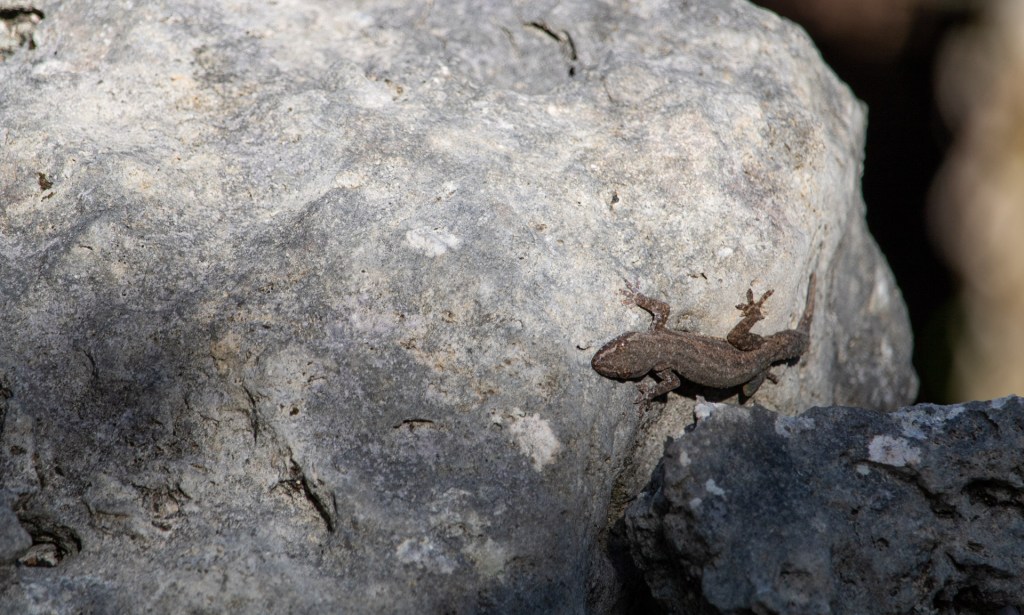

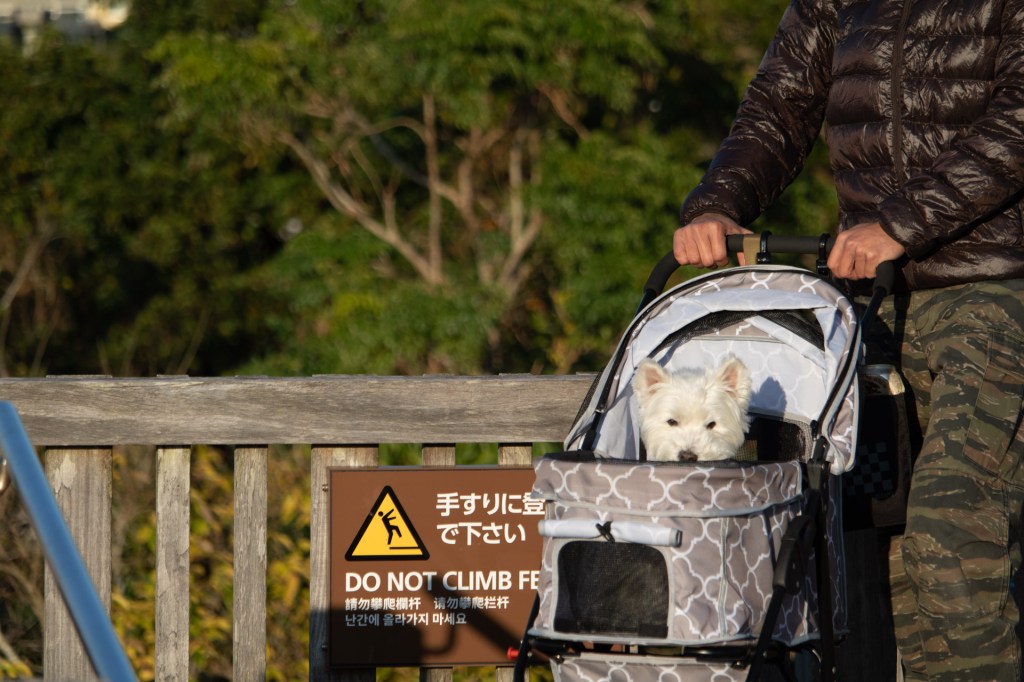

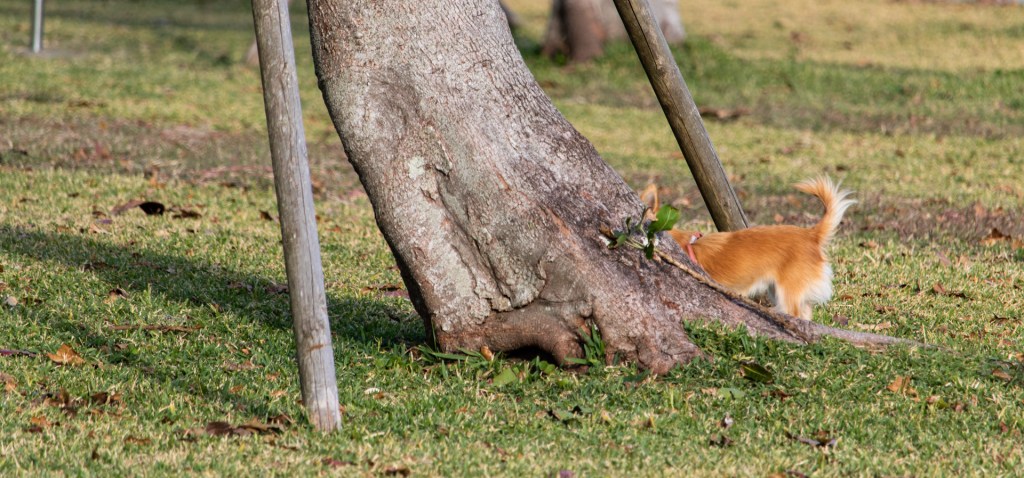
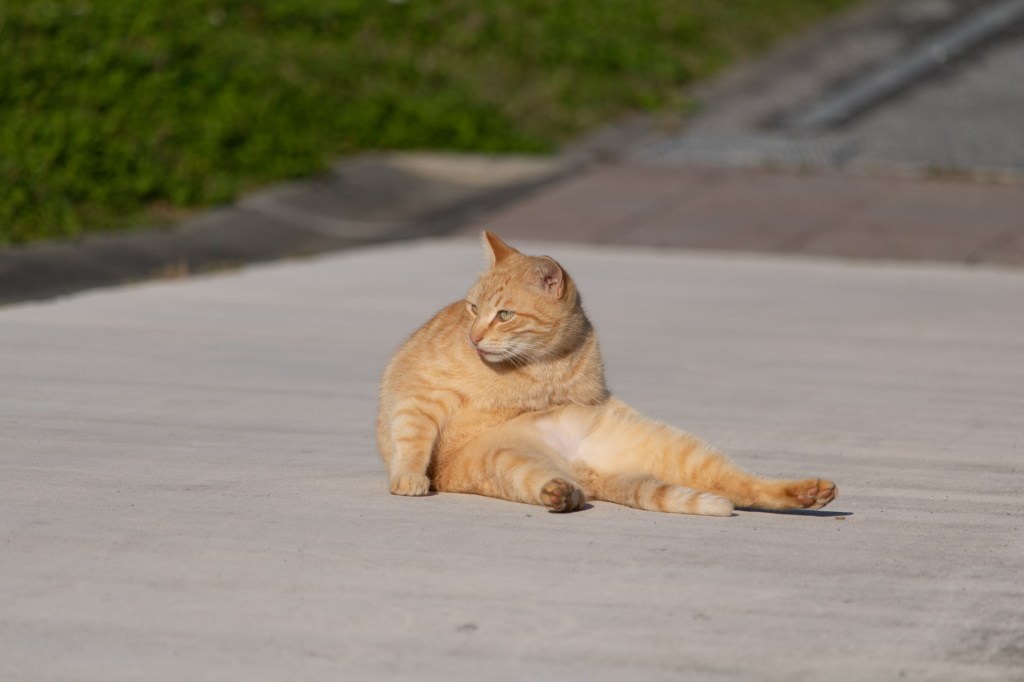
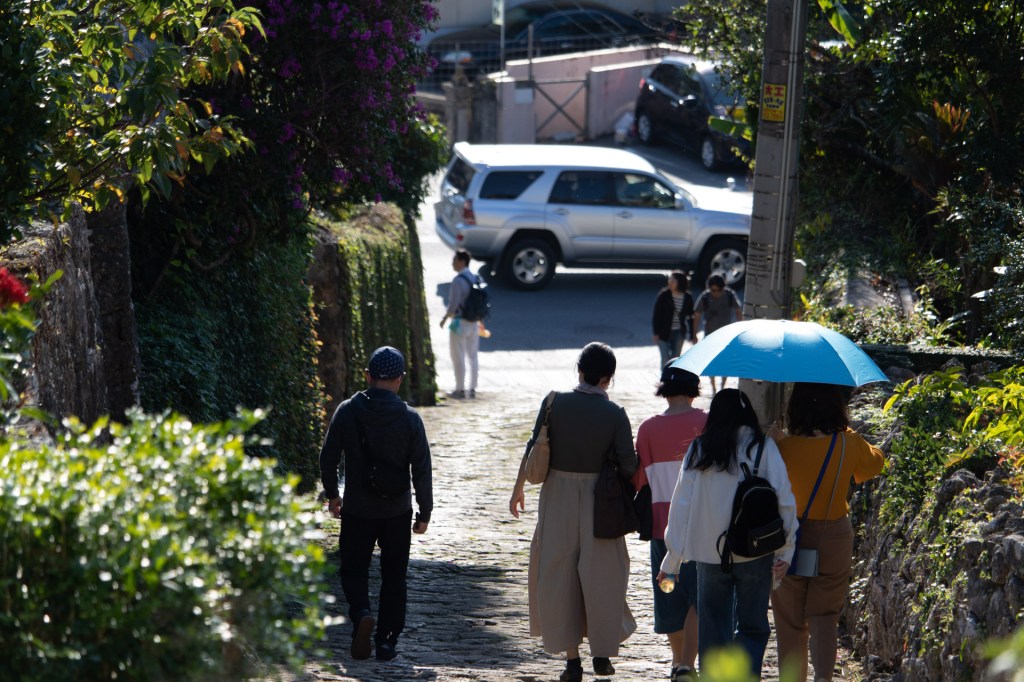





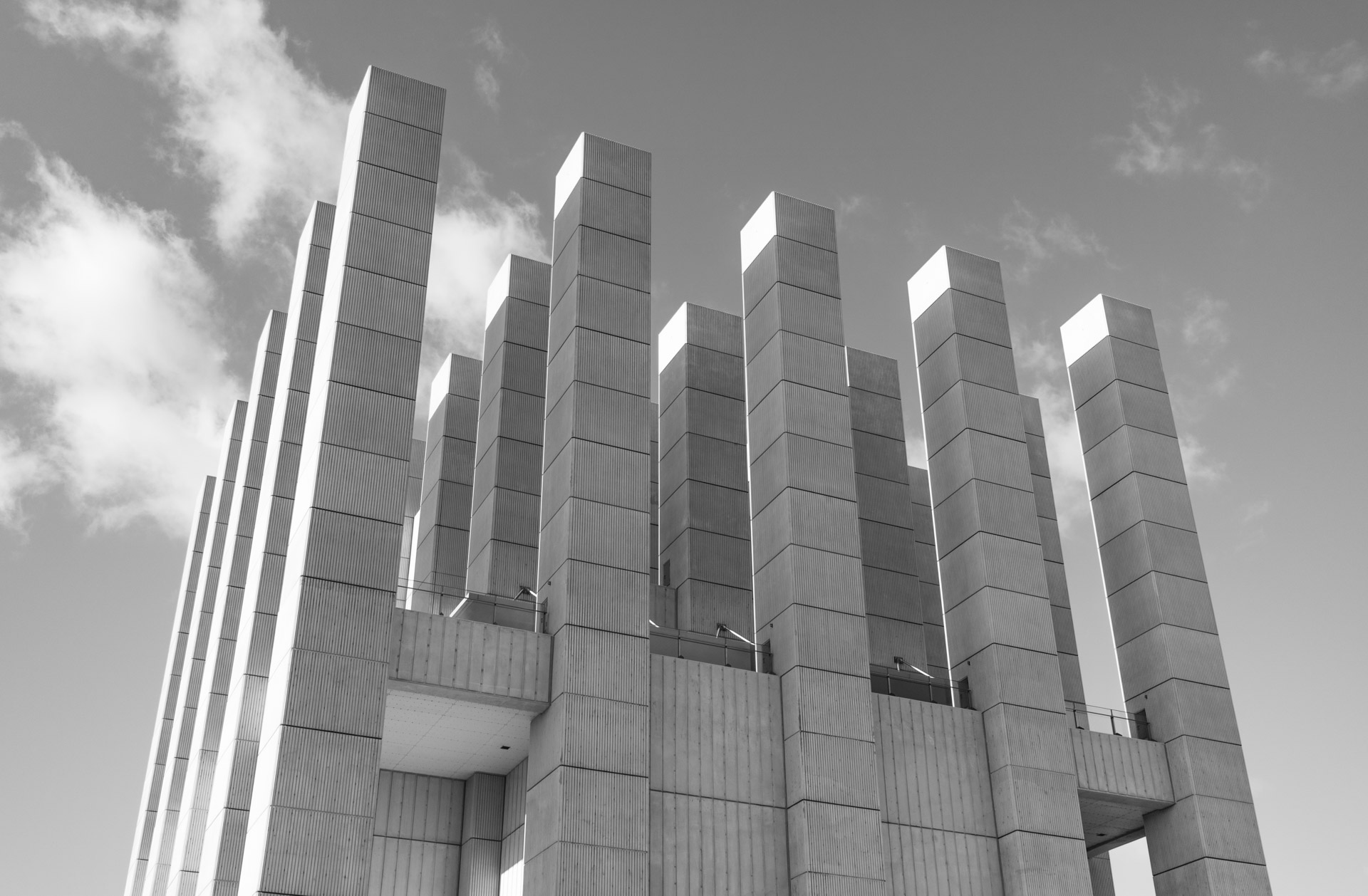




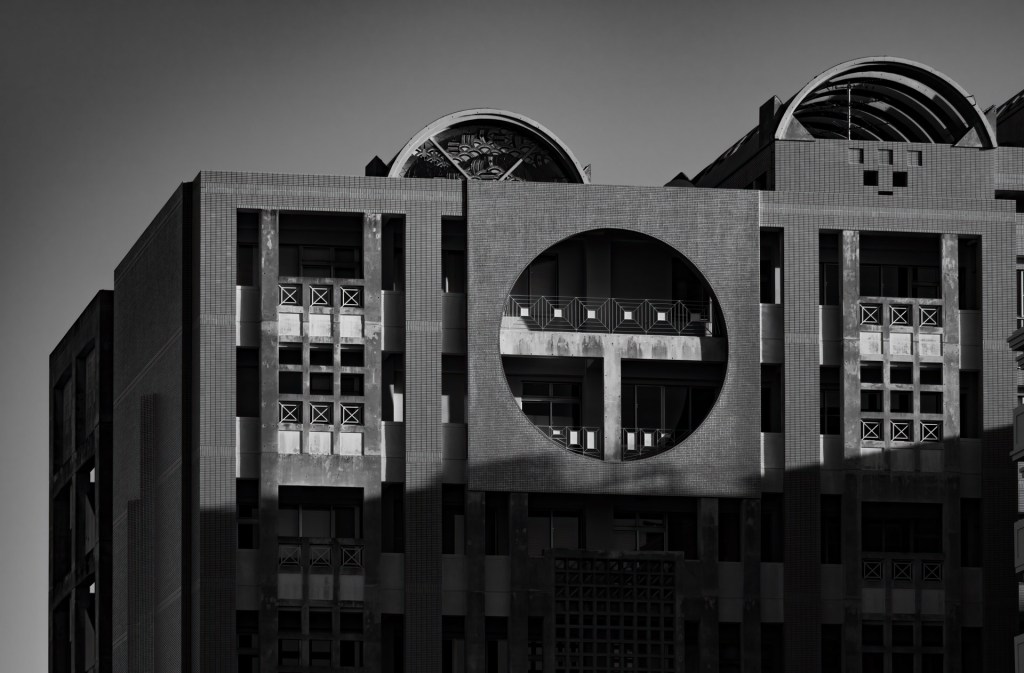
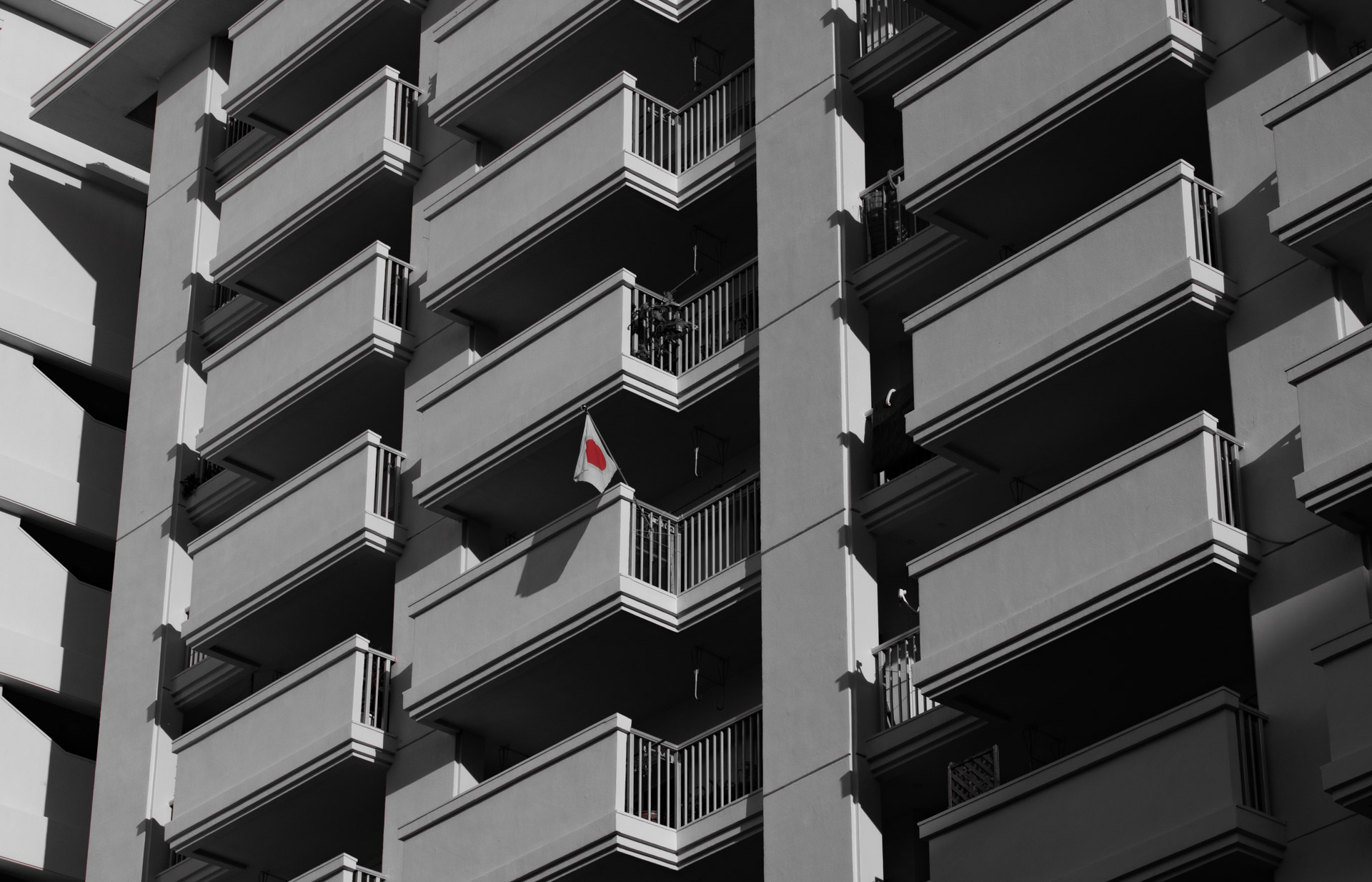

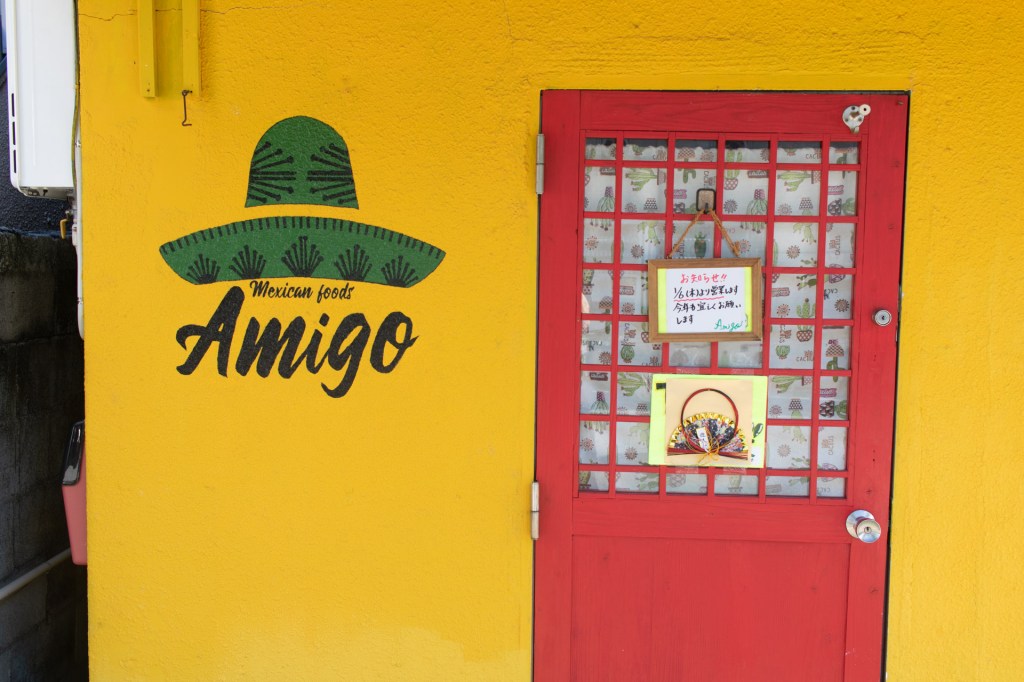
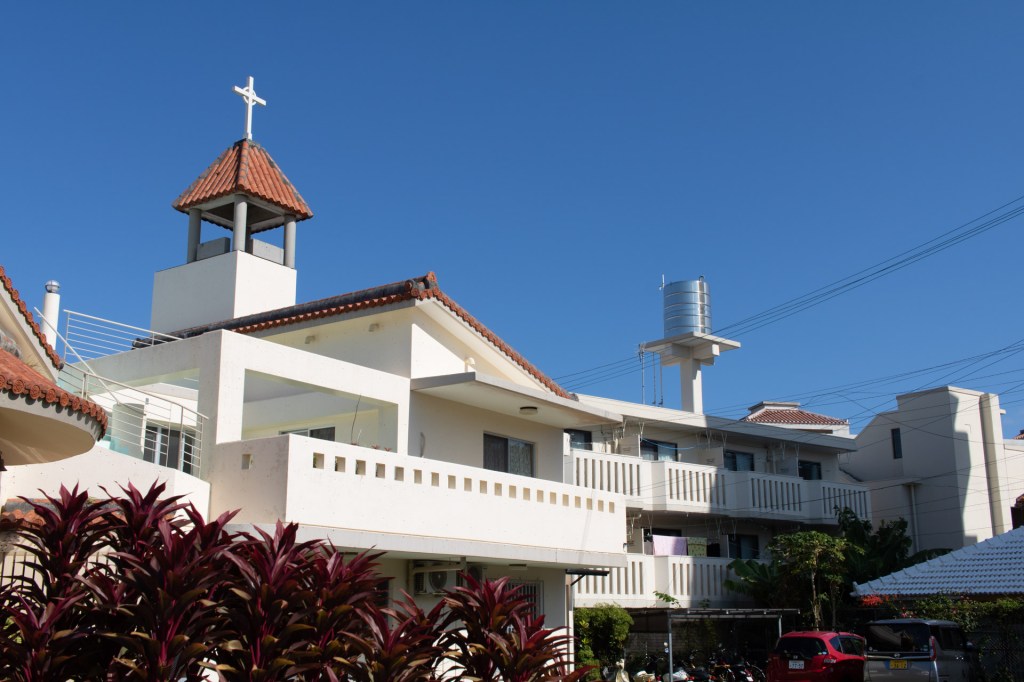
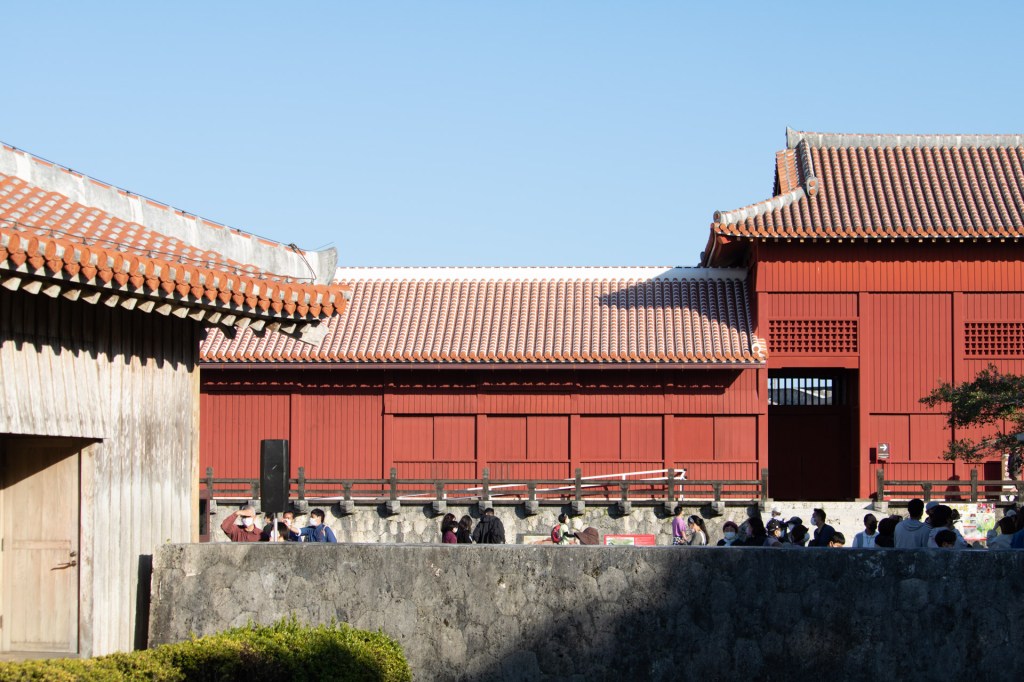


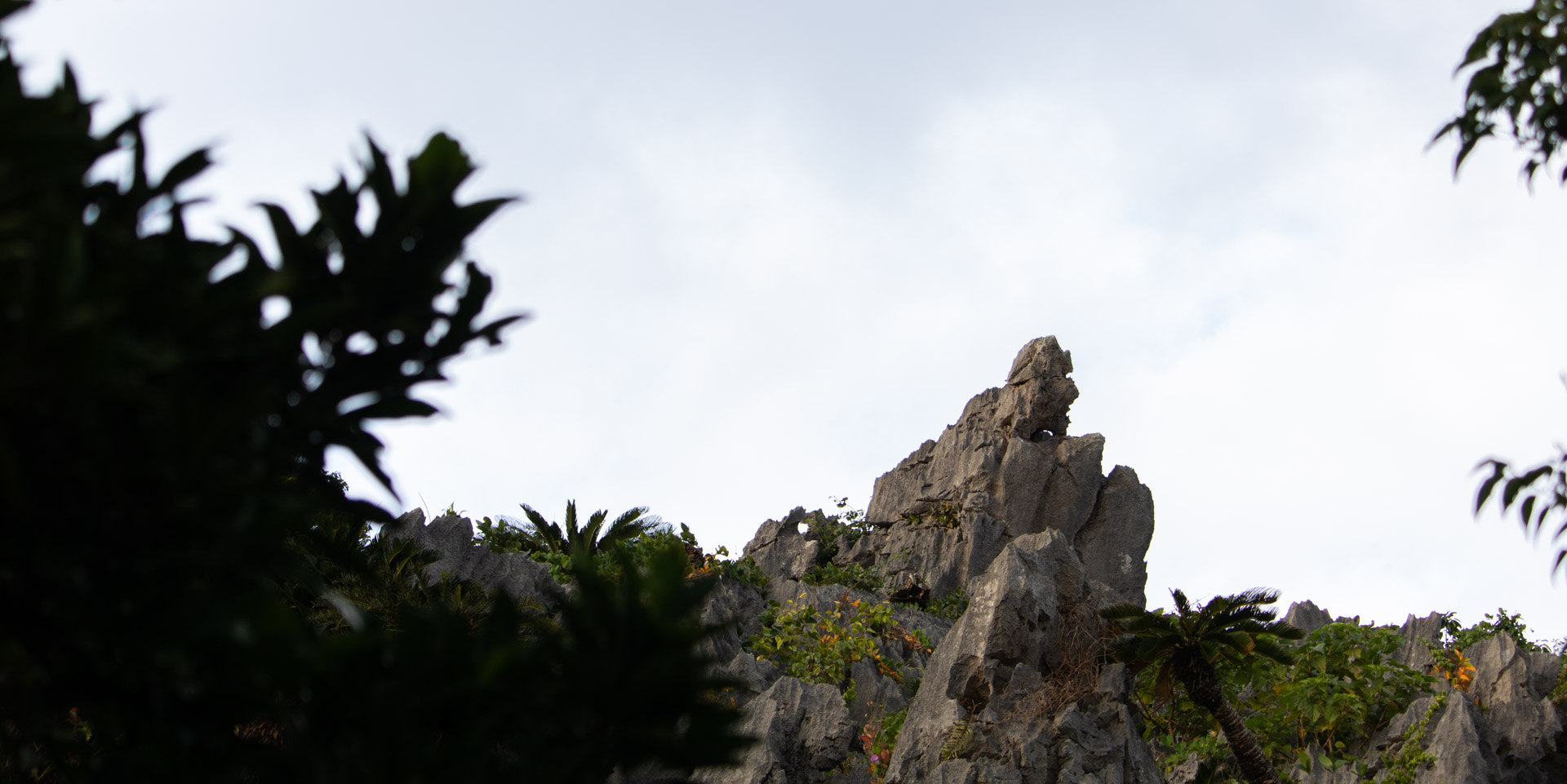
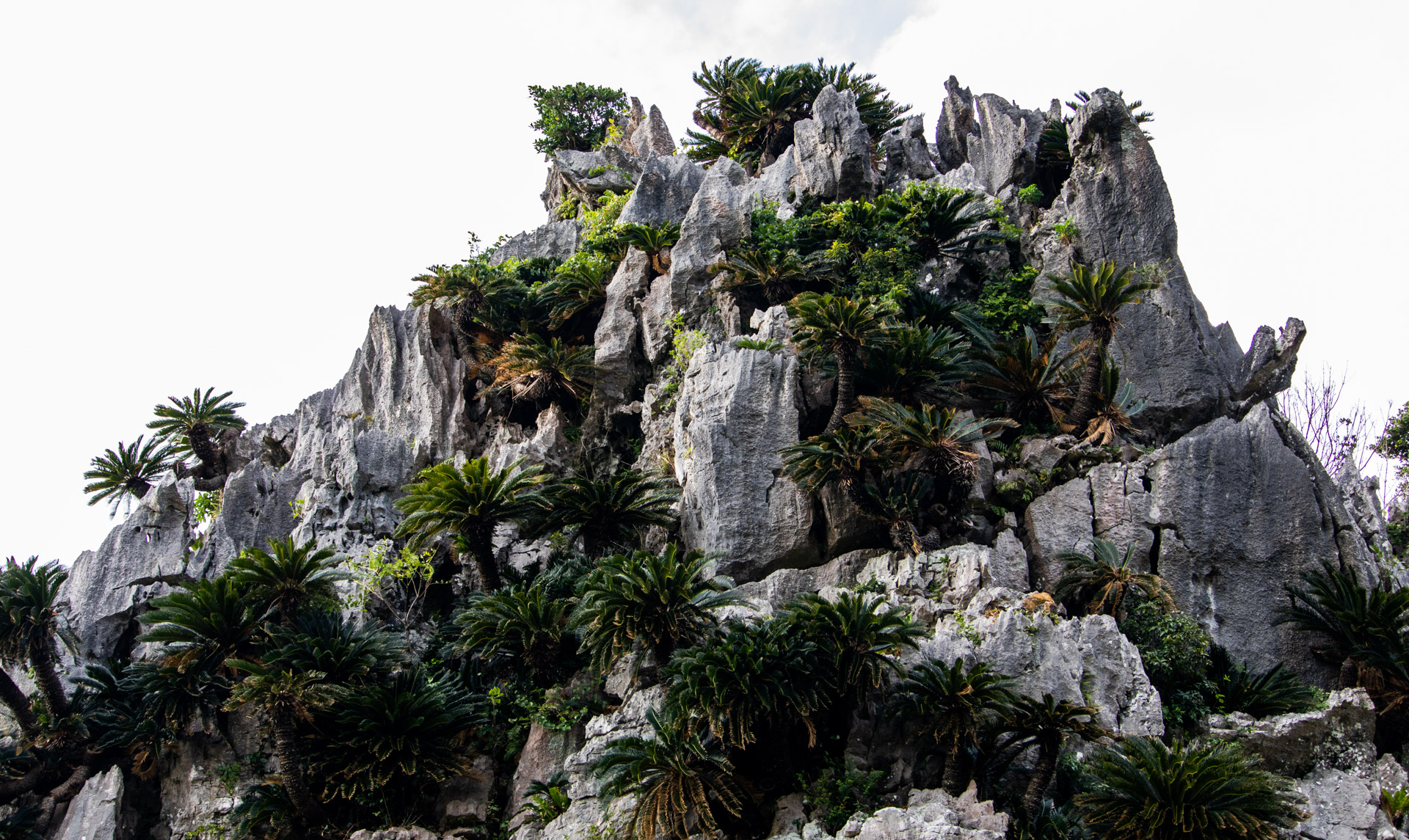
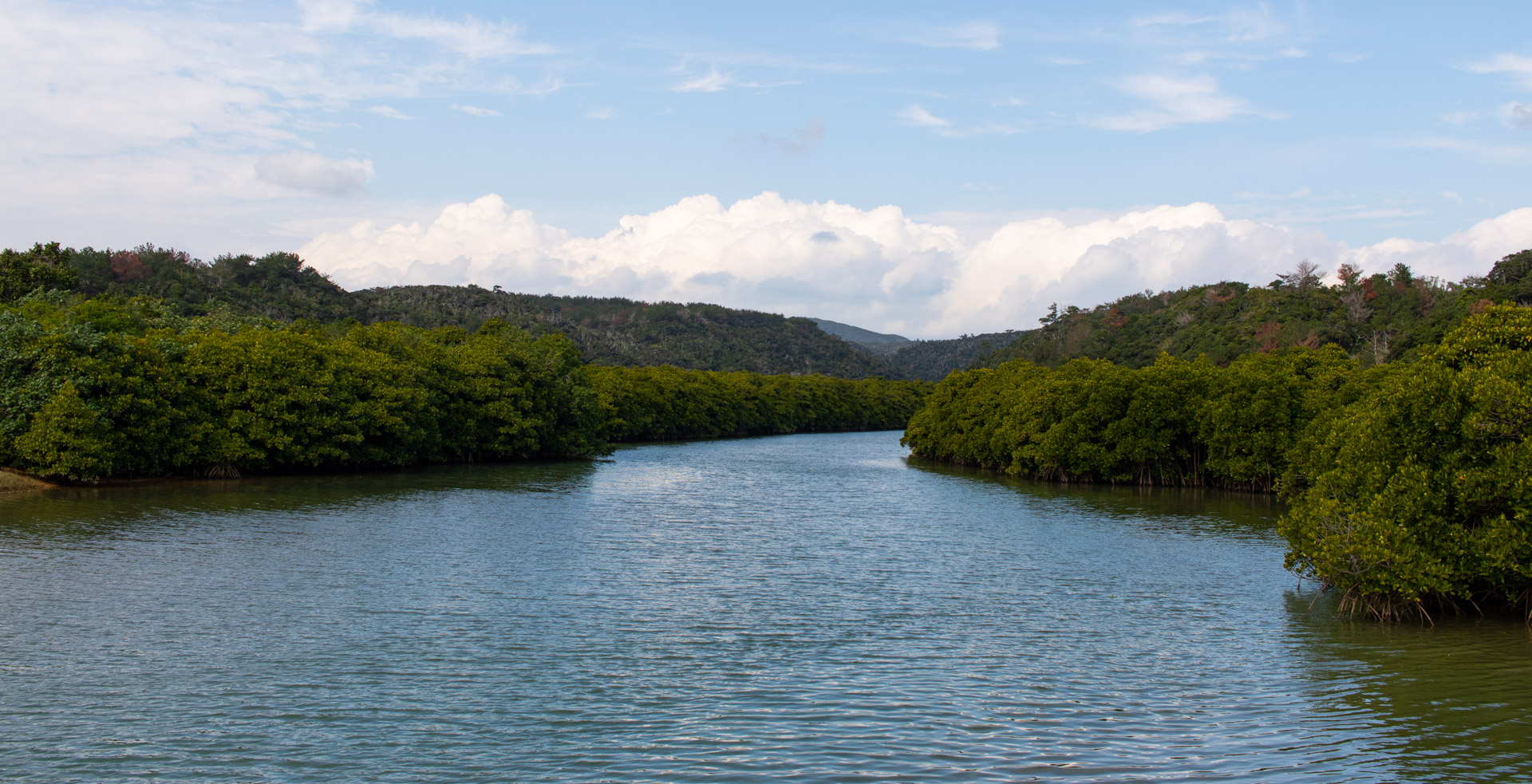



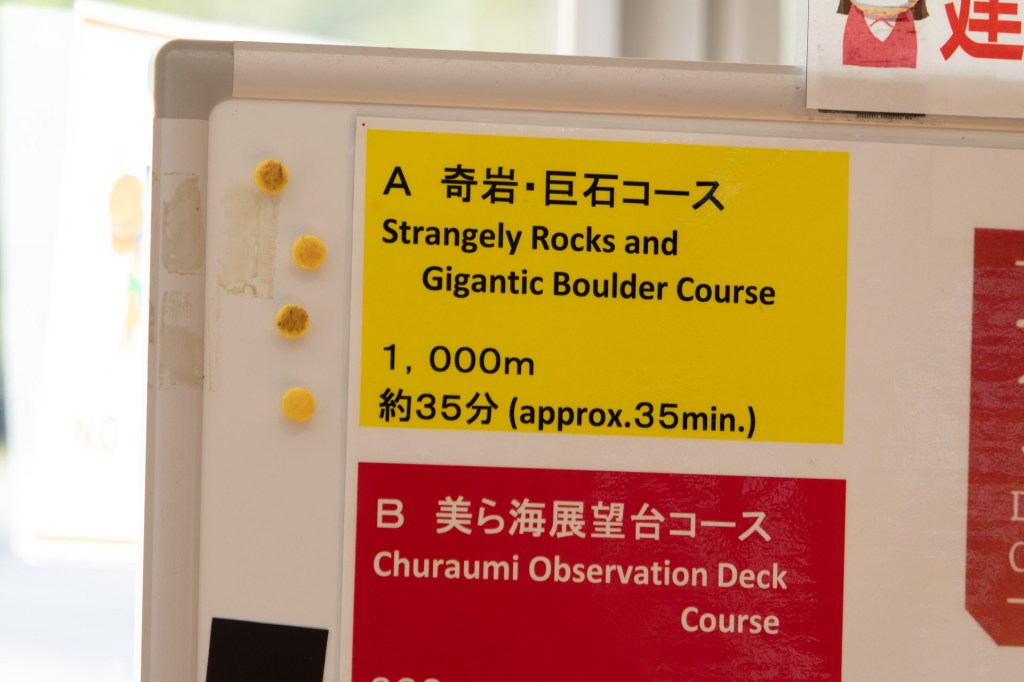
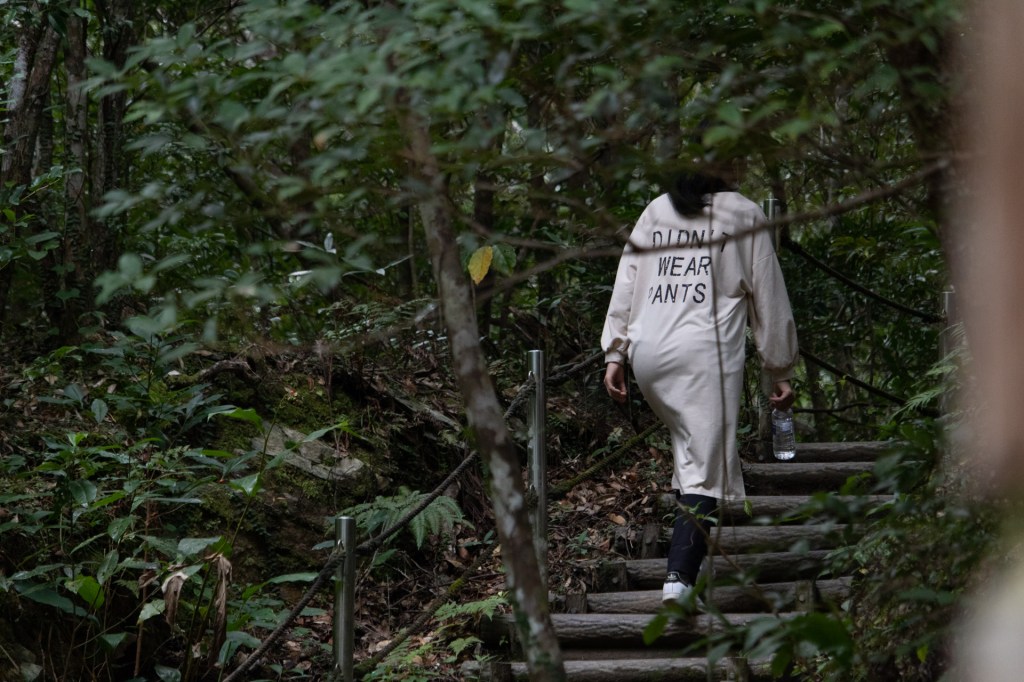
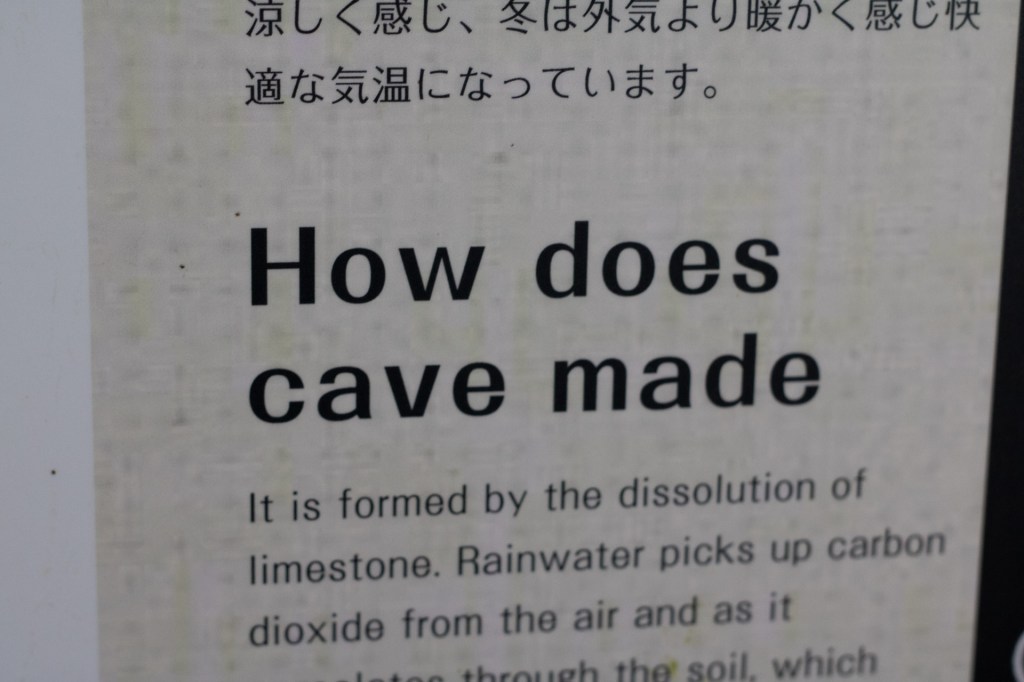

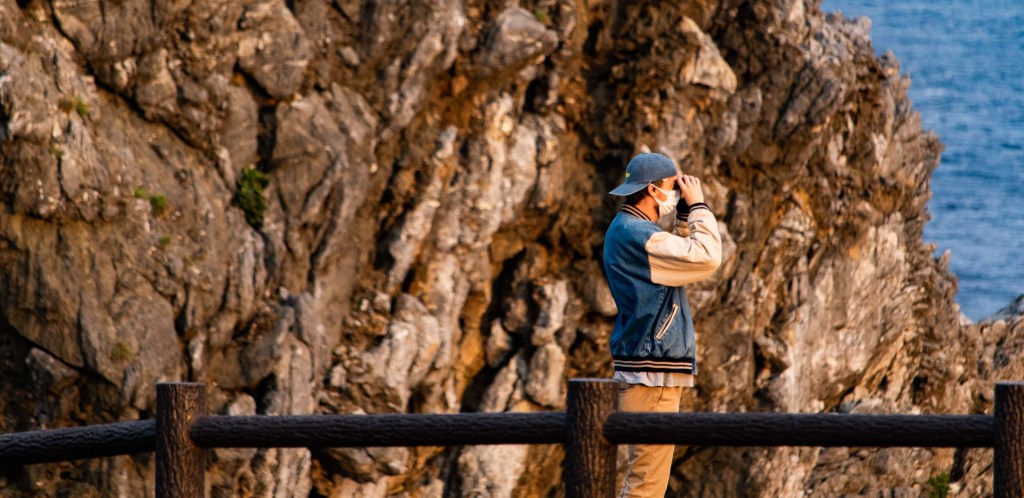


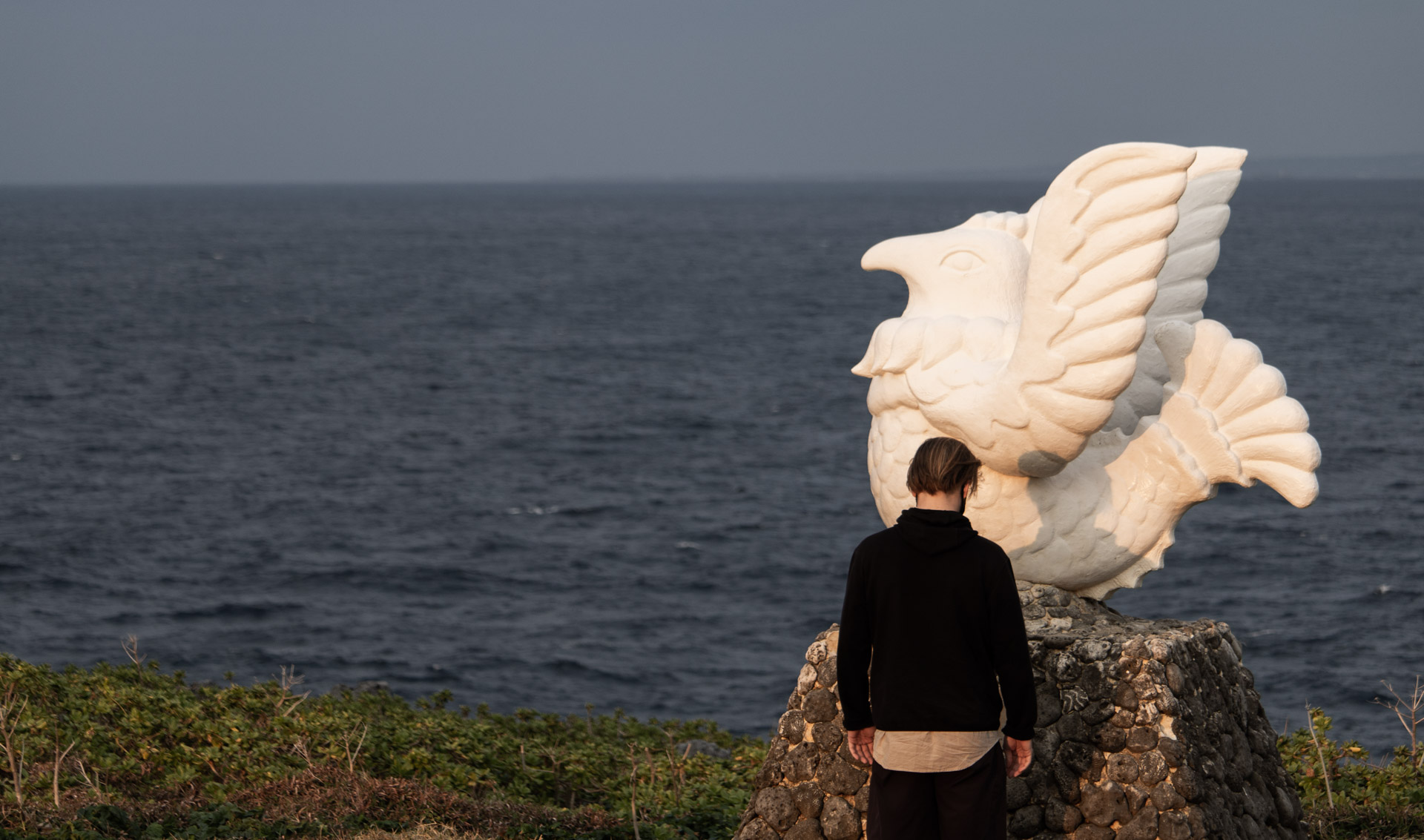
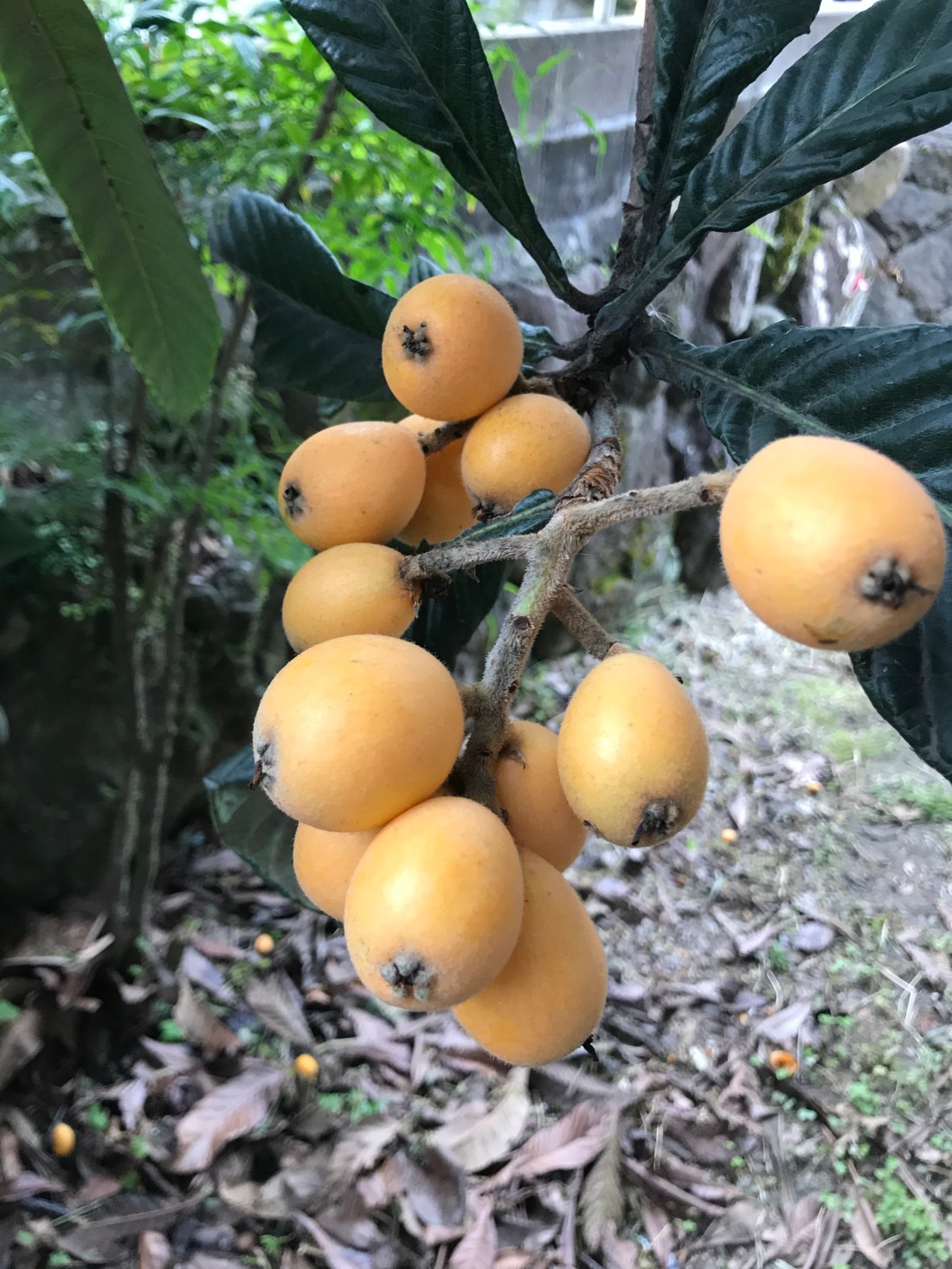
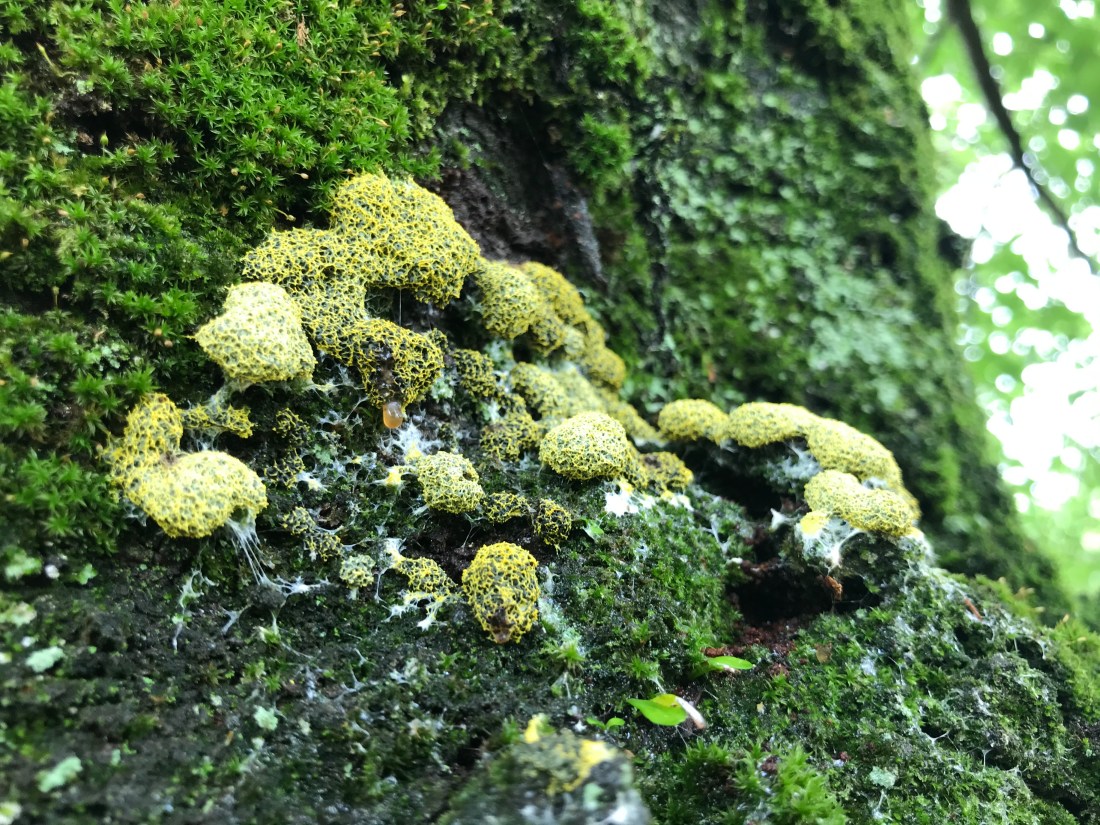
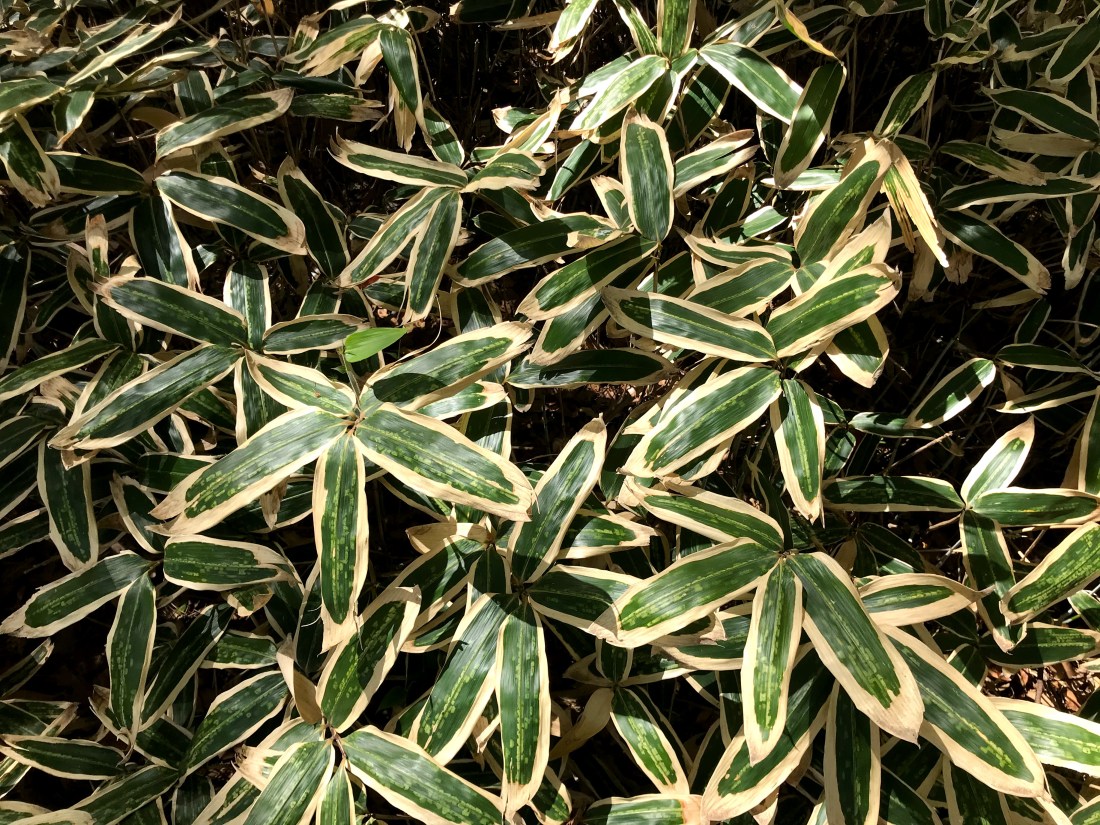

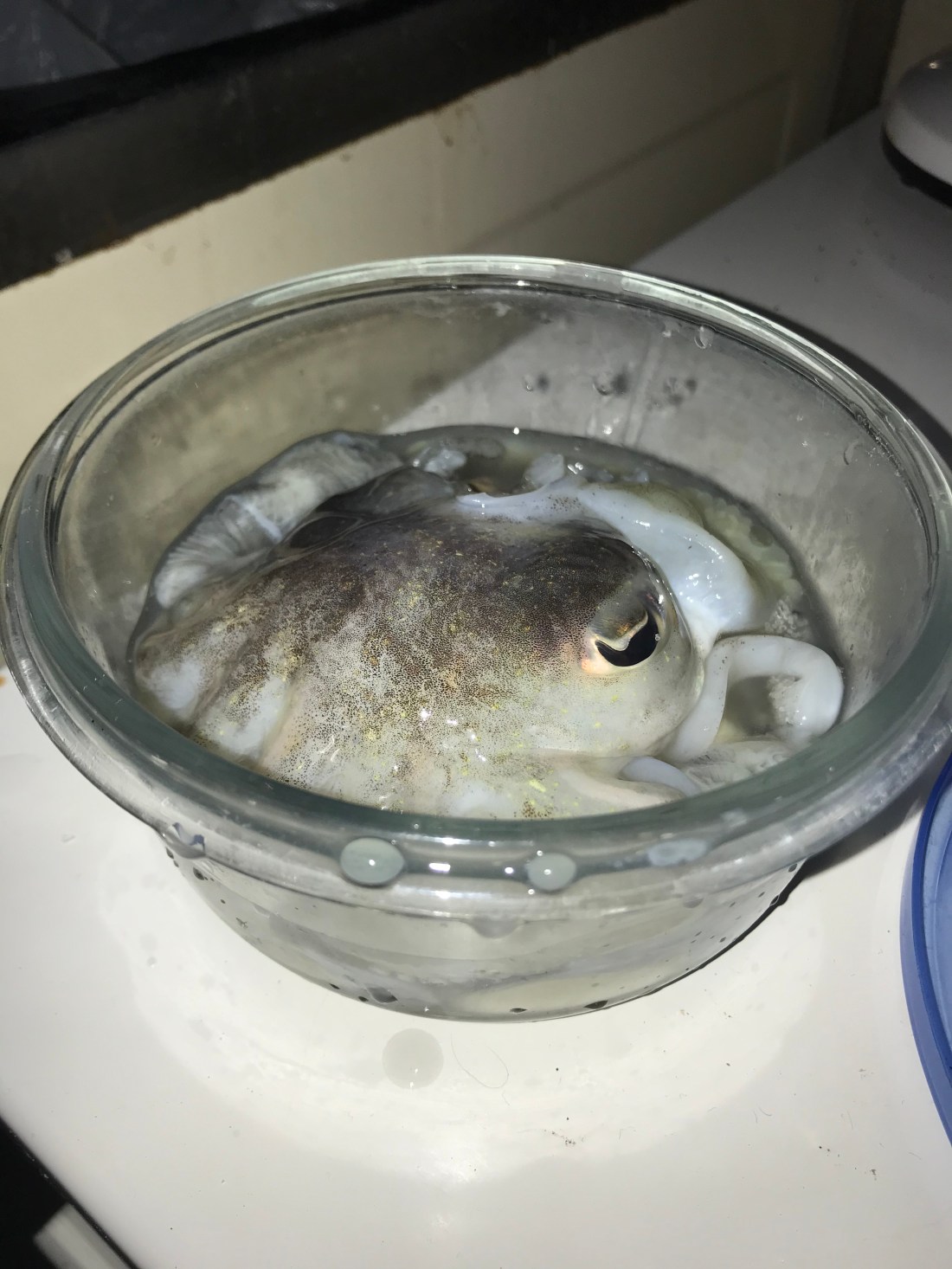
 HAKUMUSU